Top 7 Natural Monuments around Wigmore
Best natural monuments around Wigmore feature a landscape shaped by its historical significance and diverse natural elements. The region is characterized by its rolling hills, river valleys, and ancient woodlands. Wigmore Castle, a historical structure, is dramatically situated atop a natural ridge, offering panoramic views of the surrounding topography. The River Lugg, a designated Site of Special Scientific Interest, contributes significantly to the area's ecological value.
Best natural monuments around Wigmore
- The most popular natural monuments is Croft Ambrey Hillfort…
Last updated: October 4, 2026
Croft Ambrey Hillfort
Highlight • Historical Site
Tip by

Kinsley Wood
Highlight (Segment) • Viewpoint
Tip by

Sign up now to discover places like this
Get recommendations on the best single tracks, peaks, & plenty of other exciting outdoor places.
Dinham Weir
Highlight • Viewpoint
Tip by

Berrington Hall and Gardens
Highlight • Historical Site
Tip by
Ancient Oak Trees
Highlight • Natural Monument
Tip by

Sign up for free to discover even more natural monuments around Wigmore.
Already have an account?
Start today with a free account
Your next adventure awaits.

Tips from the Community

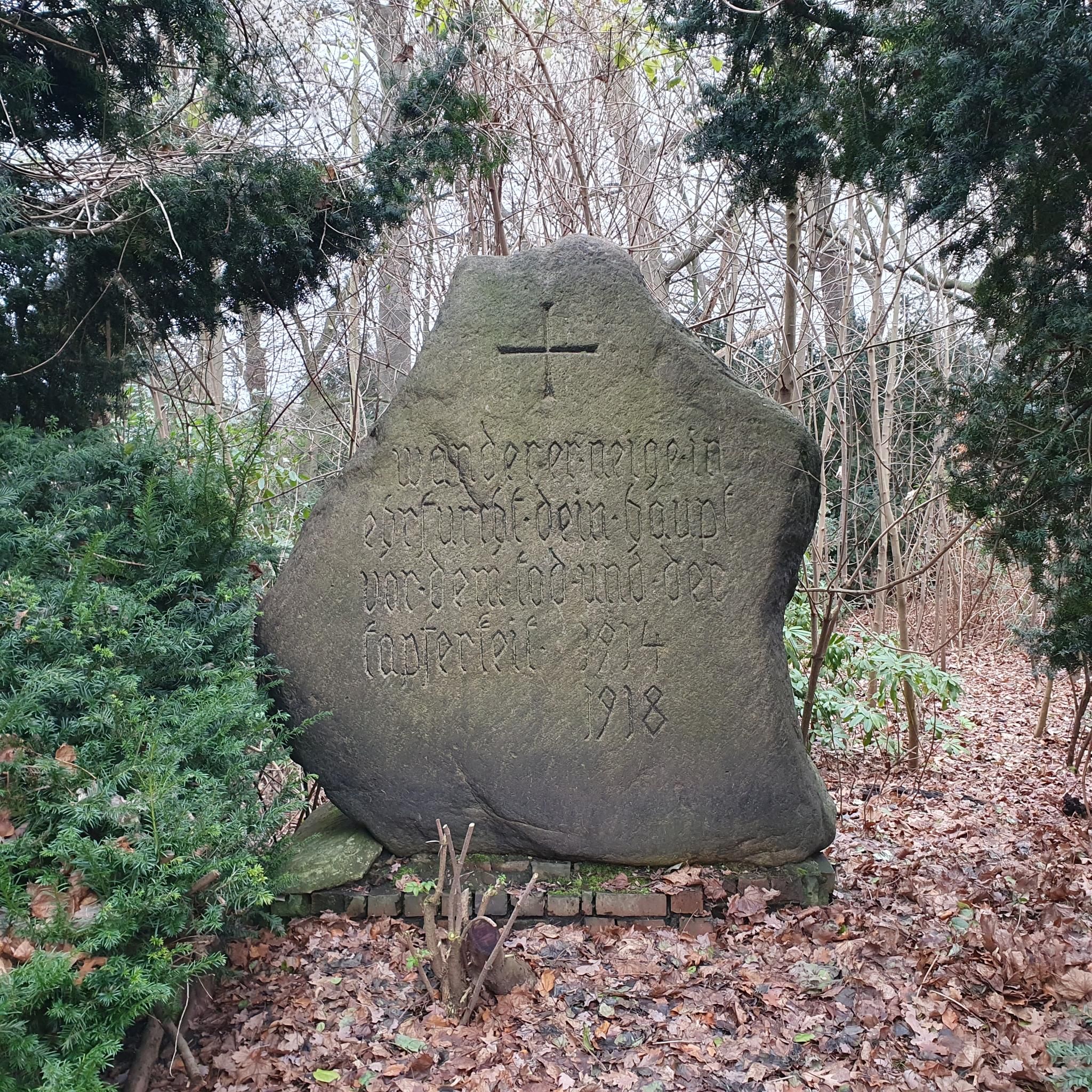
These are NOT oaks, which is clearly said on plaques, but Spanish Chestnut, possibly here since the Romans.
0
0

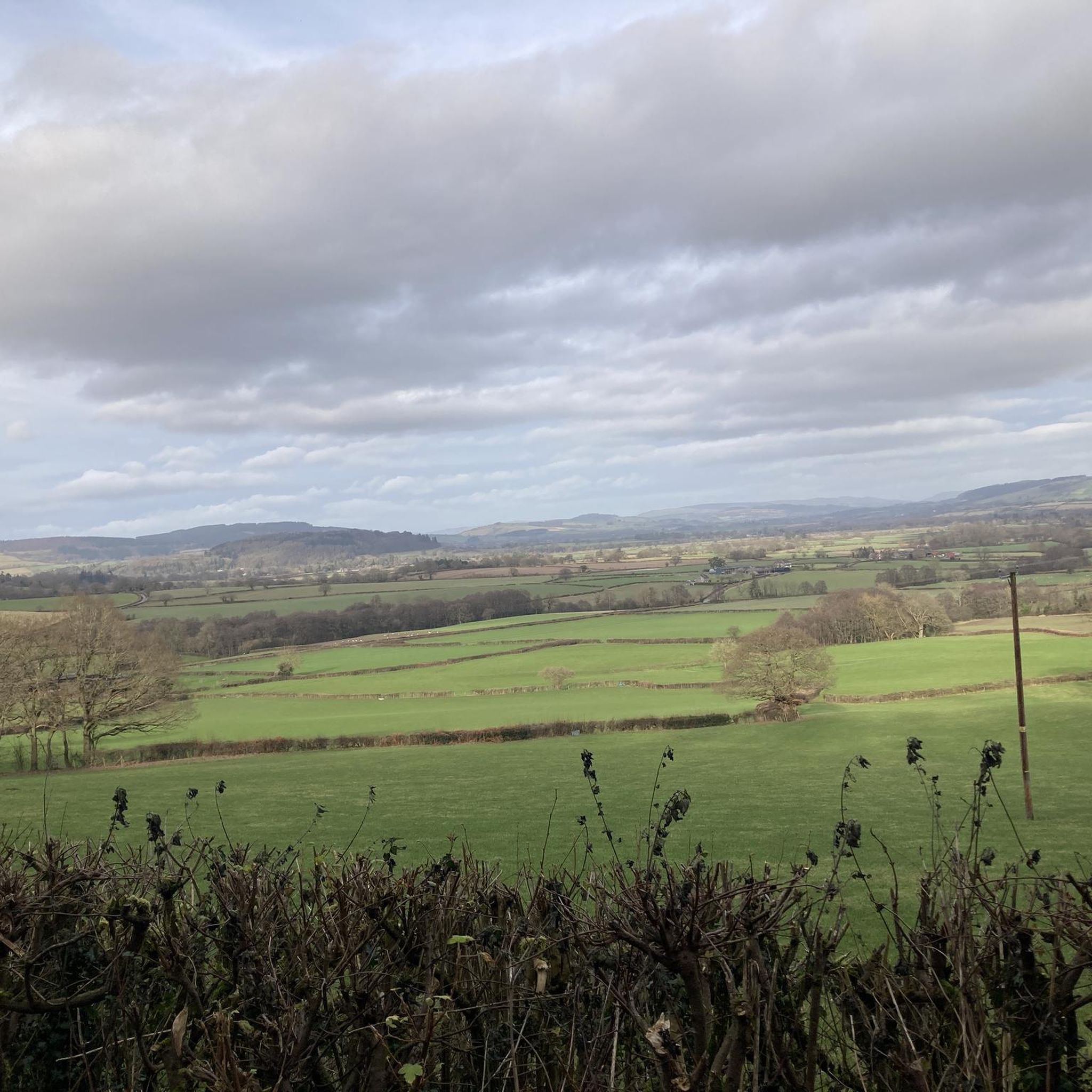
Stunning views from the top of the Crofy Ambrey Iron Age Hill Fort, a perfect place for a picnic. We combined and followed two of the National Trust walks starting from Croft Castle (we found the walks very well sign posted) This view is from the 'Croft Ambrey Walk' and takes you through the fort and its ramparts.
0
0

Located close to the Anglo-Welsh border and skirted by Offa's Dyke, this enchanting wooded hill is dominated by larch and Douglas fir, planted in the 1950s to replenish timber stores in Britain after WWII. There's a wealth of trails and forest roads to explore on foot. It's an enjoyable place to visit at any time of year, but in the autumn the initials 'ER' appear on the wooded slopes, an arrangement planted in 1953 to celebrate Queen Elizabeth's coronation.
1
0


So beautiful place. Quiet and surrounded by fabulous scenery
0
0


These are like something out of the Lord of the Rings, towering above the landscape proudly.
0
0

Yatton Hill boasts some tremendous views of the Marches region as well as housing the ancient hillfort of Croft Ambrey. The fort is thought to have once covered over 2 acres (0.8 ha) of land and its earthwork ramparts can still be seen today. Excavations in the 1960s found various treasures, such as metal tools, Iron Age pottery and glass objects. Historians believe that between 500 and 900 people lived on the site.
0
0
Frequently Asked Questions
What are some of the most popular natural monuments around Wigmore?
Visitors frequently enjoy Croft Ambrey Hillfort, an ancient Iron Age site with earthwork ramparts and tremendous views of the Marches region. Another favorite is Kinsley Wood, a wooded hill offering numerous trails and forest roads. Downton Gorge, a National Nature Reserve where the River Teme cuts through a limestone ridge, is also highly regarded for its diverse flora.
Are there family-friendly natural monuments to visit near Wigmore?
Yes, several natural monuments are suitable for families. Kinsley Wood offers a wealth of trails and forest roads that are enjoyable for all ages. Dinham Weir is a very pretty place to take a rest and enjoy the scenery, often with a cafe nearby. The Ancient Oak Trees (Spanish Chestnuts) are also a fascinating sight for families.
What kind of natural features can I expect to see around Wigmore?
The Wigmore area is characterized by rolling hills, river valleys, and ancient woodlands. You'll find dramatic gorges like Downton Gorge, wooded hills such as Kinsley Wood, and significant rivers like the River Lugg, which is a designated Site of Special Scientific Interest. The landscape also features ancient trees and viewpoints offering panoramic vistas.
What historical elements are integrated with the natural landscape in Wigmore?
Wigmore Castle, though a historical structure, is deeply intertwined with its natural surroundings. It's dramatically situated atop a steep, narrow ridge on Green Hill, utilizing the natural topography for defense and offering impressive panoramic views. The ancient Iron Age hillfort of Croft Ambrey Hillfort also showcases how human history has shaped and been shaped by the natural environment, with its visible earthwork ramparts.
Are there walking or hiking trails near these natural monuments?
Yes, the region offers various walking and hiking opportunities. Kinsley Wood has a wealth of trails and forest roads. For more extensive options, you can explore running trails like the 'St George's Church, Burrington loop from Wigmore' or the 'View of Fishpool Valley – Lime Kiln Entrance loop from Croft and Yarpole'. You can find more details on these and other routes in the Running Trails around Wigmore guide.
What outdoor activities can I do near Wigmore's natural monuments?
Beyond walking and hiking, the area around Wigmore provides excellent opportunities for cycling. You can find various mountain biking trails, including the 'Mortimer Forest loop from Pipe Aston' or the 'Ludlow loop'. Road cycling routes are also available, such as 'The White Horse Inn, Clun – Clun Stone Bridge loop from Leintwardine'. For more information, refer to the MTB Trails around Wigmore guide and the Road Cycling Routes around Wigmore guide.
What is the ecological significance of the River Lugg near Wigmore?
The River Lugg is a vital natural asset, designated as a Site of Special Scientific Interest (SSSI) along its entire length due to its status as an excellent example of a clay river. Its chemistry naturally changes from nutrient-poor upstream to nutrient-rich downstream, supporting diverse wildlife. In its lower stretches, it's also a Special Area of Conservation (SAC), home to rare plant communities, otters, Atlantic stream crayfish, and various fish species like Atlantic Salmon.
What kind of wildlife can be observed around Wigmore's natural monuments?
The diverse habitats around Wigmore support various wildlife. The River Lugg, for instance, is home to otters, Atlantic stream crayfish, Atlantic Salmon, Bullhead, and Twaite Shad. The woodlands and gorges, like Downton Gorge, create microclimates that foster diverse flora, including various ferns, bryophytes, lichens, and fungi, which in turn support insect and bird life.
Are there any viewpoints offering panoramic scenery?
Yes, the region is known for its scenic views. Croft Ambrey Hillfort provides tremendous views of the Marches region. Wigmore Castle, situated on a ridge, also offers impressive panoramic views of the surrounding landscape. Kinsley Wood, a wooded hill, is another excellent spot for appreciating the area's natural beauty.
What makes <a href="https://www.komoot.com/highlight/3080528" target="_blank" rel="noopener">Ancient Oak Trees</a> a notable natural monument?
The Ancient Oak Trees, which are actually Spanish Chestnuts, are remarkable for their towering presence and age. Visitors describe them as looking like something out of 'Lord of the Rings,' proudly dominating the landscape. They offer a unique natural spectacle and are a popular spot for their impressive size and character.
What is special about <a href="https://www.komoot.com/highlight/2949356" target="_blank" rel="noopener">Downton Gorge</a>?
Downton Gorge is a beautiful natural monument where the River Teme dramatically cuts through a limestone ridge. It is recognized as a National Nature Reserve and a Site of Special Scientific Interest. The ravine's humid microclimate supports a rich diversity of flora, including sessile oak, lime, ash, wych elm, and various ferns, bryophytes, lichens, and fungi.
When is the best time to visit the natural monuments around Wigmore?
The natural monuments around Wigmore can be enjoyed throughout the year. Autumn is particularly enchanting at Kinsley Wood, when the initials 'ER' (planted in 1953 for Queen Elizabeth's coronation) appear on the wooded slopes. Spring and summer offer lush greenery and vibrant flora, while the historical sites like Wigmore Castle and Croft Ambrey Hillfort provide impressive views year-round, even in winter.
Most popular attractions around Wigmore

Get inspired with the komoot mobile app


Explore more
Extend your search for the best caves by checking out these guides of the top ones around Wigmore:
