Top 5 Natural Monuments around Little Hereford
Natural monuments around Little Hereford offer diverse landscapes and historical features. The region, situated in Herefordshire, is characterized by rolling hills, ancient woodlands, and river valleys. These natural areas provide opportunities to explore geological formations, historical sites, and varied ecosystems. The landscape reflects centuries of natural processes and human activity, making it a notable destination for outdoor exploration.
Best natural monuments around Little Hereford
- The most popular natural monuments is Titterstone Clee Hill summit, a natural monument that is…
Last updated: May 19, 2026
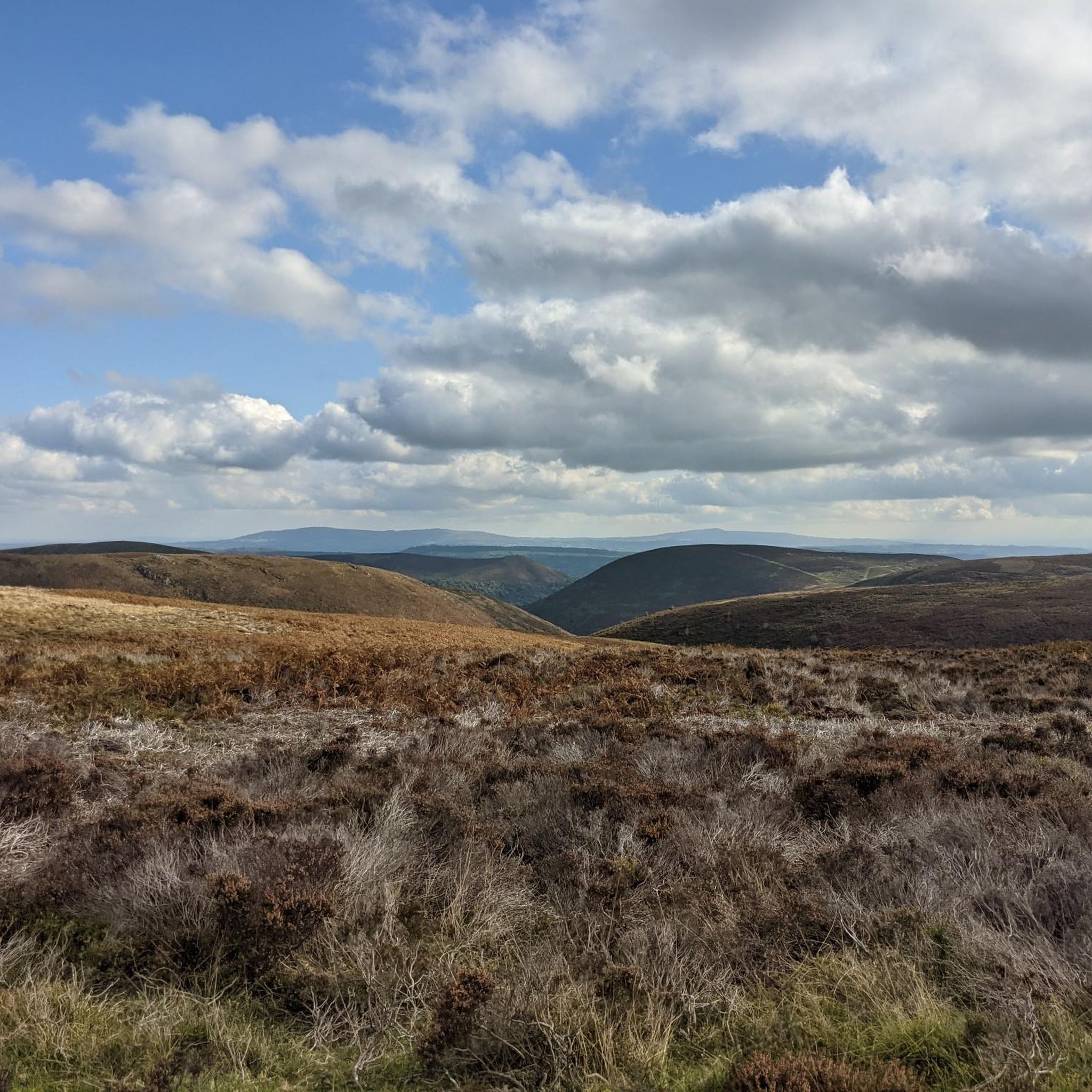
Titterstone Clee Hill summit
Highlight • Natural Monument
Tip by

Croft Ambrey Hillfort
Highlight • Historical Site
Tip by

Sign up now to discover places like this
Get recommendations on the best single tracks, peaks, & plenty of other exciting outdoor places.
Sign up for free
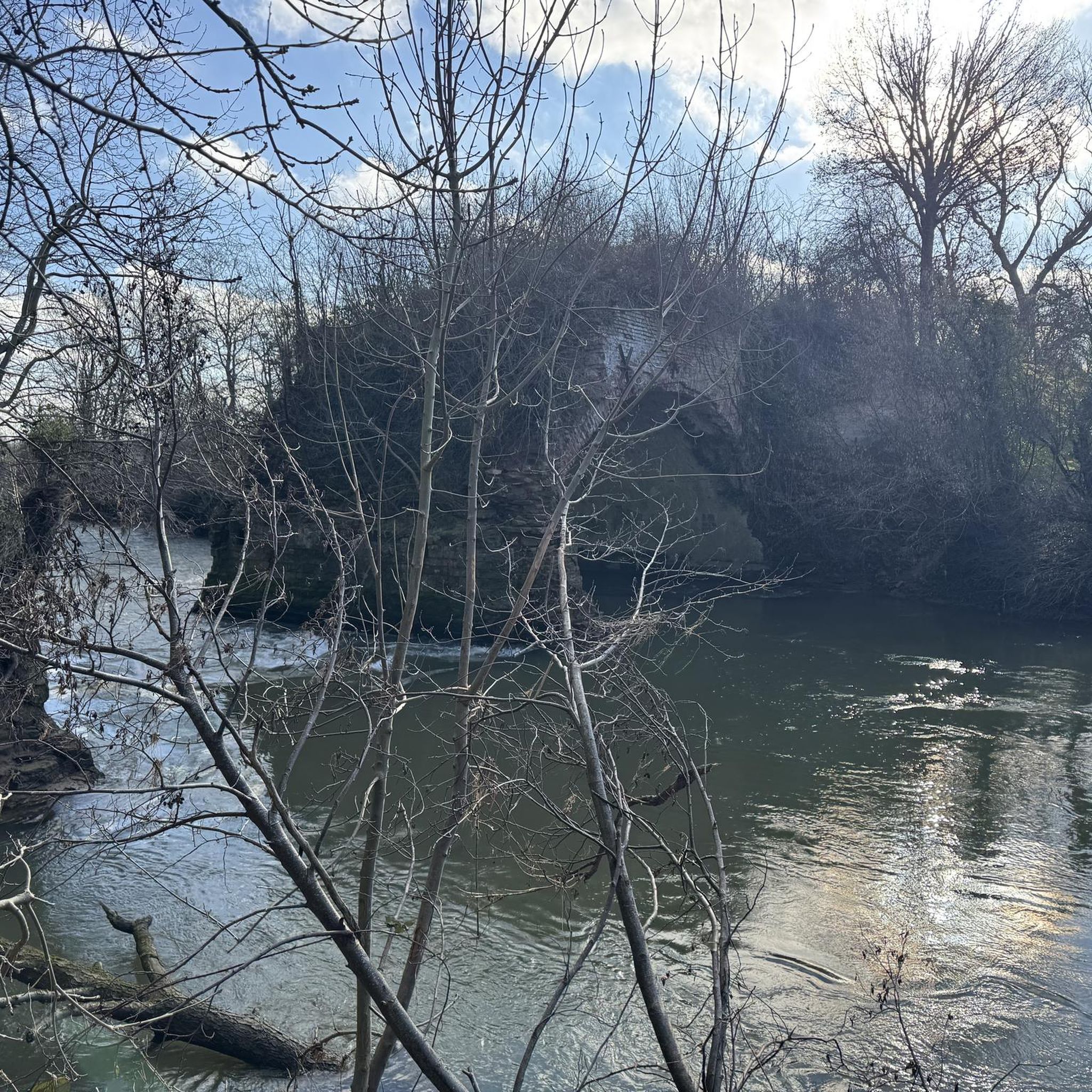
Dinham Weir
Highlight • Viewpoint
Tip by

Berrington Hall and Gardens
Highlight • Historical Site
Tip by
Ancient Oak Trees
Highlight • Natural Monument
Tip by

Sign up for free to discover even more natural monuments around Little Hereford.
Sign up for free
Already have an account?
Start today with a free account
Your next adventure awaits.
Login or Signup

Tips from the Community

These are NOT oaks, which is clearly said on plaques, but Spanish Chestnut, possibly here since the Romans.
0
0


Stunning views from the top of the Crofy Ambrey Iron Age Hill Fort, a perfect place for a picnic. We combined and followed two of the National Trust walks starting from Croft Castle (we found the walks very well sign posted) This view is from the 'Croft Ambrey Walk' and takes you through the fort and its ramparts.
0
0


So beautiful place. Quiet and surrounded by fabulous scenery
0
0


These are like something out of the Lord of the Rings, towering above the landscape proudly.
0
0
Frequently Asked Questions
What are some of the most notable natural monuments to visit around Little Hereford?
The region offers a variety of significant natural monuments. Among the most popular are Titterstone Clee Hill summit, known for its panoramic views and historical significance, and the ancient Croft Ambrey Hillfort, which provides stunning vistas of the Marches region. Another well-preserved site is Caynham Camp Iron Age Hillfort, offering a glimpse into ancient history and impressive views.
Are there natural monuments with significant historical importance near Little Hereford?
Yes, several natural monuments in the area are rich in history. Titterstone Clee Hill features a Bronze Age hillfort and prehistoric cairns, alongside its industrial heritage. Croft Ambrey Hillfort and Caynham Camp Iron Age Hillfort are both ancient Iron Age sites with visible earthworks. Further afield, Arthur's Stone is a Neolithic burial chamber dating back over 5,000 years, steeped in legend.
What kind of views can I expect from the natural monuments in this region?
Many natural monuments around Little Hereford offer exceptional views. From Titterstone Clee Hill summit, you can enjoy 360-degree panoramic views stretching into Wales, the North Shropshire Plain, the Clent hills, and the Malverns. Croft Ambrey Hillfort and Caynham Camp Iron Age Hillfort also provide commanding views of the surrounding landscapes and the Marches region. High Vinnalls in Mortimer Forest offers a vast vista of wild Mid Wales.
Are there family-friendly natural monuments or walks around Little Hereford?
Yes, there are options suitable for families. Dinham Weir is a pretty spot to rest and enjoy the scenery, with a cafe nearby. The Ancient Oak Trees (Spanish Chestnuts) offer a magical, Lord of the Rings-like experience that children might enjoy. Mortimer Forest also has invigorating walks with diverse wildlife, and Lugg Meadow is a peaceful place to observe wildflowers and wildlife.
What outdoor activities can I do near these natural monuments?
The area around Little Hereford is excellent for various outdoor activities. You can find numerous routes for road cycling, mountain biking, and general cycling. For example, there are road cycling routes like the 'View from Clee Hill – Ludford Bridge loop' and mountain biking trails such as the 'Mortimer Forest – High Vinnalls Summit loop'. You can explore more options on the Road Cycling Routes around Little Hereford, MTB Trails around Little Hereford, and Cycling around Little Hereford guide pages.
Are there specific hiking trails or long-distance walks that pass through these natural monuments?
Yes, for keen hikers, the Mortimer Trail, a 30-mile hike, passes over the summit of High Vinnalls within Mortimer Forest. This trail offers spectacular views and opportunities to see archaeological features and diverse habitats. Many of the hillforts, like Croft Ambrey Hillfort, also have well-signposted walks around their ramparts.
When is the best time to visit the natural monuments around Little Hereford?
The best time to visit depends on your interests. Spring and summer are ideal for seeing wildflowers, such as the rare snake's head fritillaries at Lugg Meadow, and enjoying lush greenery. Autumn brings vibrant foliage to areas like Mortimer Forest. Clear days, regardless of season, are best for panoramic views from hilltops like Titterstone Clee Hill. Winter can offer stark beauty but may have more challenging conditions on higher ground.
What kind of wildlife can I expect to see in the natural areas?
The natural monuments and surrounding areas are rich in wildlife. Mortimer Forest is a haven for fallow deer, foxes, rabbits, badgers, and a variety of bird species, including birds of prey. Lugg Meadow supports diverse wildlife, such as orange-tipped butterflies, curlews, banded demoiselles, otters, and kingfishers, especially during winter floods. Along the River Wye at The Weir Garden, you might spot kingfishers, mute swans, and otters.
Are there any natural reserves or unique ecological sites in the region?
Absolutely. Lugg Meadow is a nationally important nature reserve, renowned for its ancient Lammas meadow status and spectacular displays of wildflowers, including the rare snake's head fritillaries. Titterstone Clee Hill is also a Site of Special Scientific Interest (SSSI) due to its geological features and diverse ecological interest. Broadlands Nature Reserve offers tranquil woodland and meadows along the River Lugg.
What are the geological features of the natural monuments in this area?
The geology of the region is quite varied. Titterstone Clee Hill is capped by resistant dolerite, making it a significant geological site. Mortimer Forest also holds geological interest, with various rock types visible in old quarries and exposed rock faces. The ancient hillforts themselves are often situated on prominent geological formations, offering natural defensive positions and commanding views.
Are there any natural monuments that are less crowded but still offer a great experience?
While popular sites can attract visitors, places like Broadlands Nature Reserve offer tranquil strolls through woodlands and meadows, providing a peaceful escape. Lugg Meadow, especially outside of the peak wildflower season, can also be a serene place to enjoy nature. The Weir Garden, while a National Trust property, offers a blend of cultivated gardens and natural riverside landscapes that can be enjoyed without large crowds, particularly on weekdays.
What do visitors enjoy most about the natural monuments around Little Hereford?
Visitors frequently praise the exceptional panoramic views from summits like Titterstone Clee Hill and the historical intrigue of the ancient hillforts such as Croft Ambrey Hillfort. The peaceful scenery at places like Dinham Weir and the unique, almost 'sci-fi-like' atmosphere of Titterstone Clee's industrial remains are also highly appreciated. The opportunity for invigorating walks and wildlife spotting is another major draw.
Most popular attractions around Little Hereford

Get inspired with the komoot mobile app


Explore more
Extend your search for the best caves by checking out these guides of the top ones around Little Hereford:
