Top 8 Natural Monuments around Didmarton
Best natural monuments around Didmarton are situated within the Cotswolds Area of Outstanding Natural Beauty, featuring rolling countryside and expansive open landscapes. The region is characterized by a mix of dry-stone walls, hedgerows, and woodlands, providing a picturesque setting for outdoor activities. While traditional natural monuments like specific rock formations are less prevalent, the area offers significant natural beauty and historical features. Didmarton's location provides access to notable natural attractions and features, including ancient hill forts and prominent viewpoints.
Best…
Last updated: July 1, 2026
William Tyndale Monument
Highlight • Monument
Tip by

Woodcock Farm - Hill Fort
Highlight • Historical Site
Tip by
Sign up now to discover places like this
Get recommendations on the best single tracks, peaks, & plenty of other exciting outdoor places.
Sign up for free
Downham Hill (Smallpox Hill)
Highlight • Summit
Tip by

Cam Long Down
Highlight • Viewpoint
Tip by

Uley Bury Iron Age hillfort
Highlight (Segment) • Historical Site
Tip by
Sign up for free to discover even more natural monuments around Didmarton.
Sign up for free
Already have an account?
Start today with a free account
Your next adventure awaits.
Login or Signup
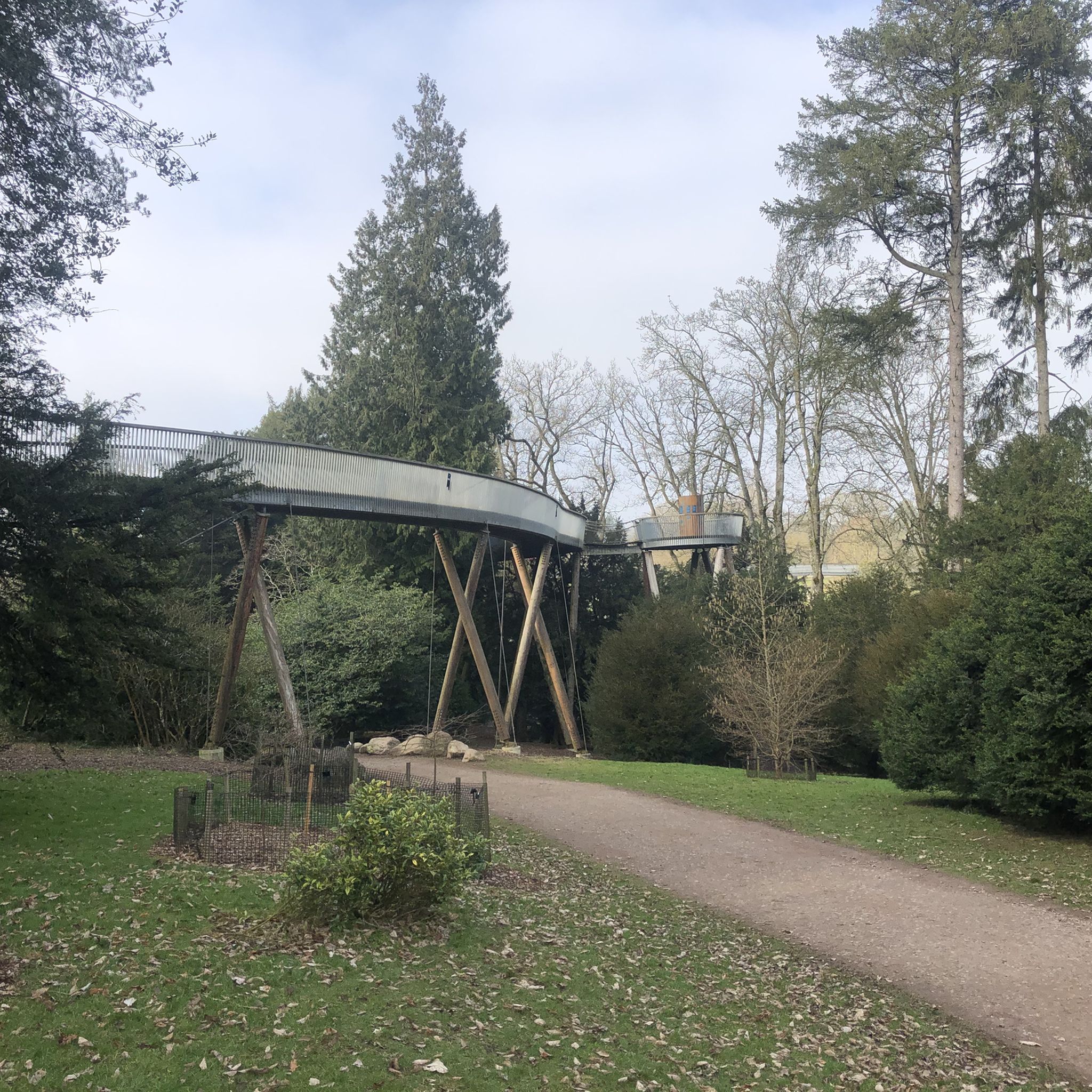
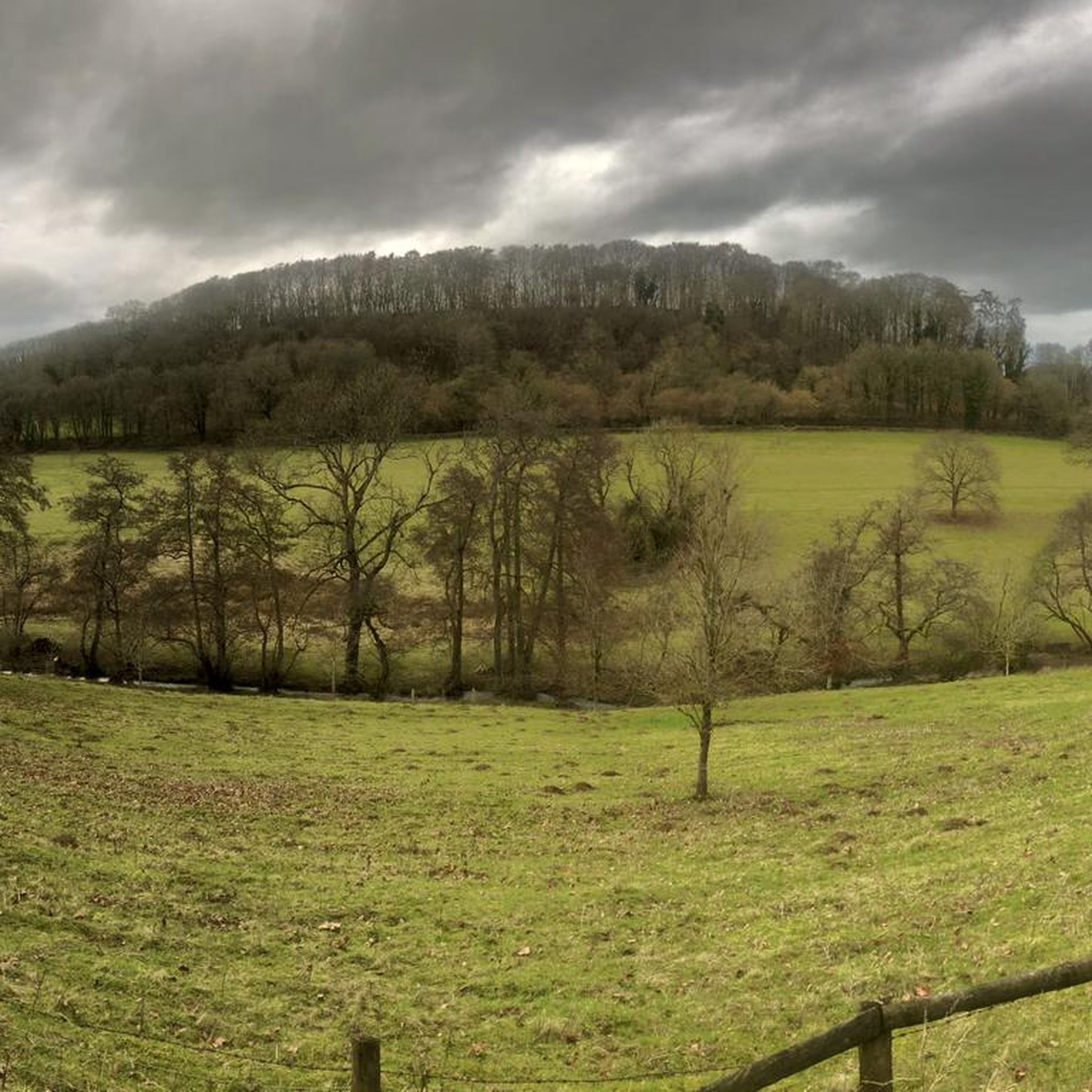
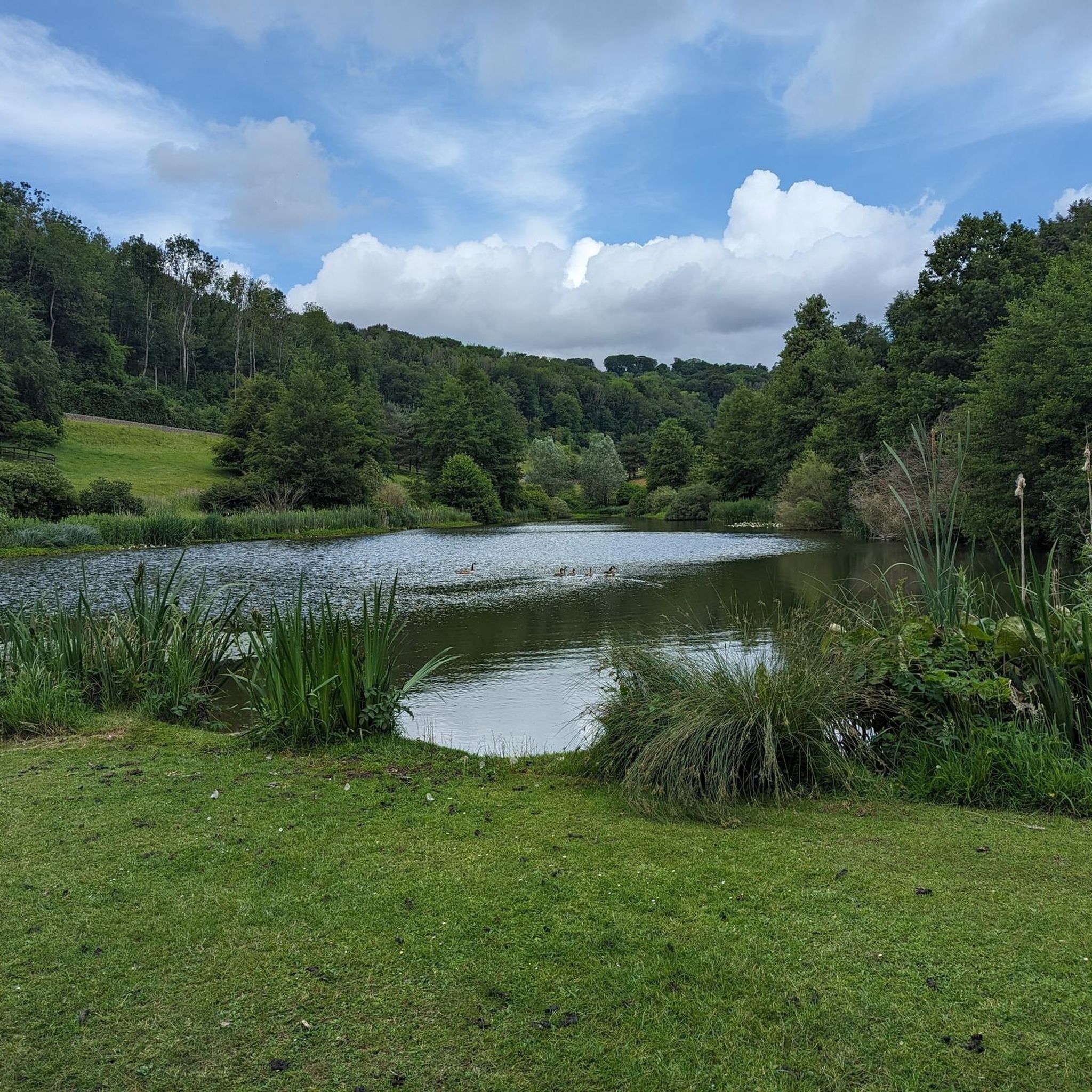
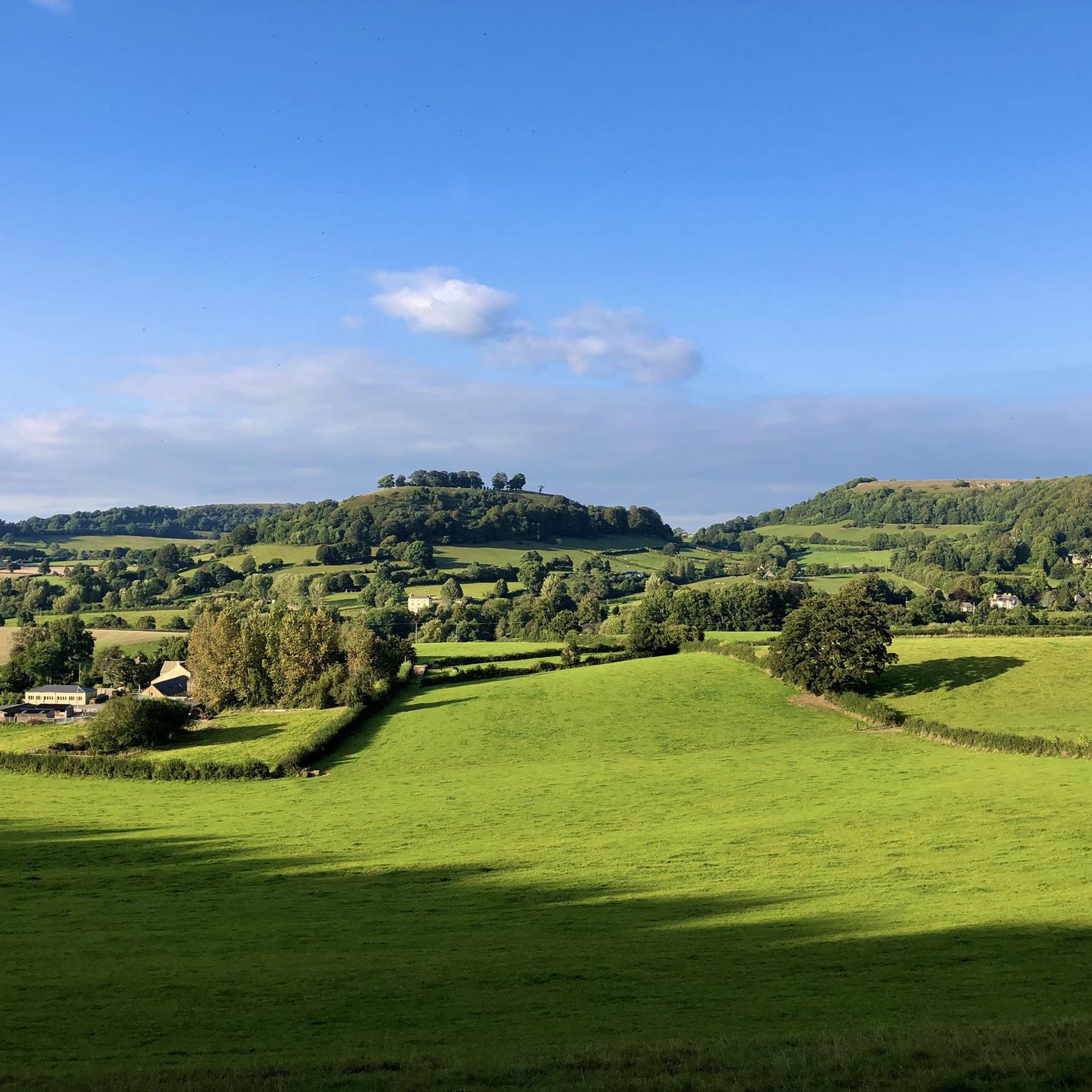

Tips from the Community

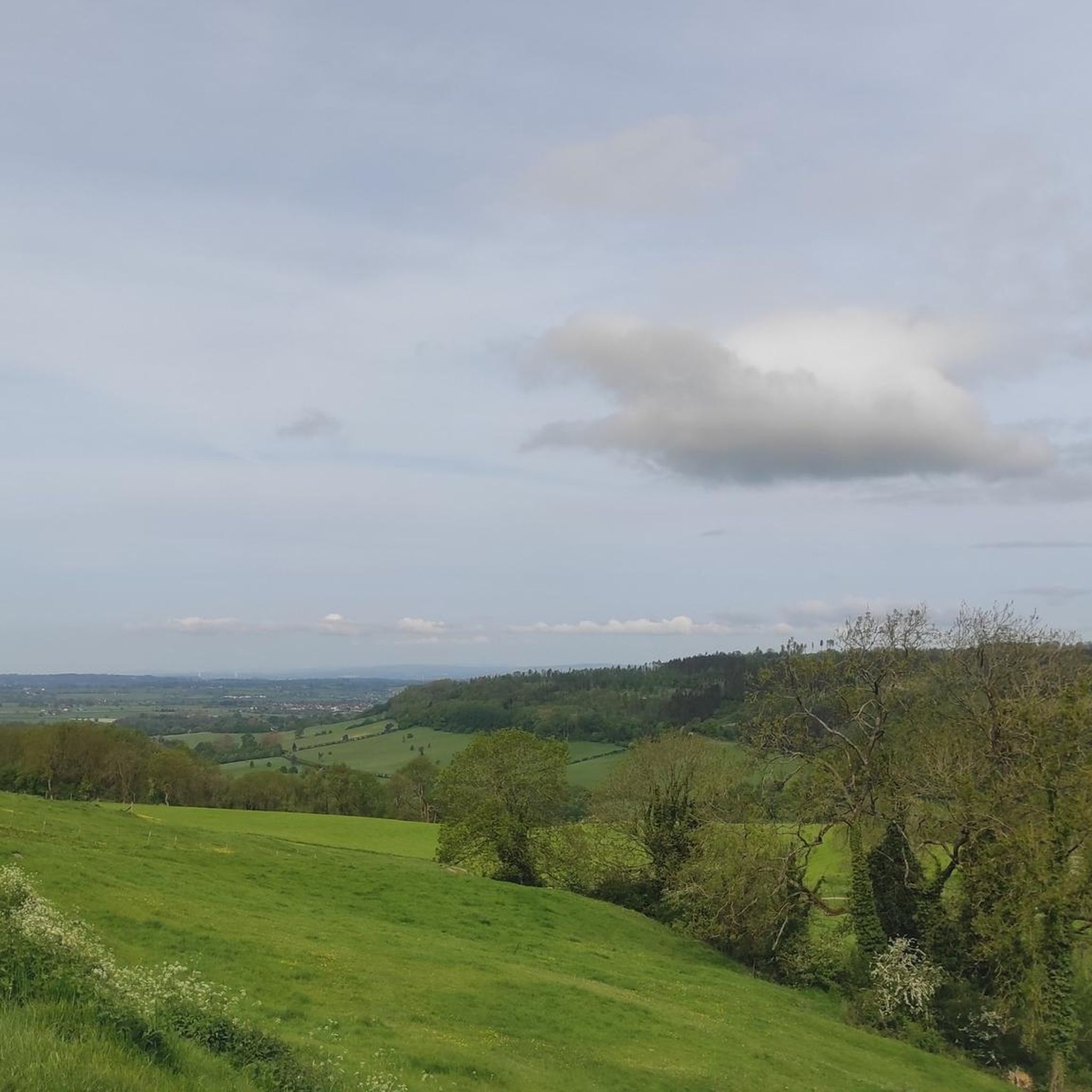
The finest and best-preserved example of an Iron Age hill fort along the Cotswold Way.
0
1

The long, narrow hill of Cam Long Down stands separate from the main Cotswold escarpment, on the Cotswold Way between Dursley and Uley Bury. The distinctive wedge shape of Cam Peak, at the Dursley end of the Down, is a result of erosion and landslips. Enjoyable at any time of year, as with all the Cotswold limestone grasslands this area is particularly special in summer when it is ablaze with wildflowers and alive with bees, butterflies and other pollinators.
0
0


Great views and all bridleway. You can stay at the top or ride a slightly more technical singletrack a level down at the end. You can drop down to lower levels at each corner or complete a lap.
0
0

Steepish track up but then grassy slopes and woods. Pandoramic views from the hill even if you don’t go up the tower.
0
0

Steep walk up the hill but well worth the effort for the fabulous views.
0
0

One of the most beautiful views in the Cotswolds with dozens of possible walking and cycling routes.
0
1

An Iron-age hill fort dating from 300B.C. An easy walking route around its perimeter which provides some spectacular views. The view of Smallpox Hill (Downham Hill) is particularly magnificent.
0
0
Frequently Asked Questions
What are the most notable natural features and attractions around Didmarton?
Didmarton is situated within the Cotswolds Area of Outstanding Natural Beauty, characterized by rolling countryside, dry-stone walls, and woodlands. Key attractions include the William Tyndale Monument, offering magnificent views, and the well-preserved Uley Bury Iron Age Hill Fort, which provides incredible vistas over the Frome Valley and Severn Vale. Downham Hill (Smallpox Hill) is another summit known for its extensive views.
Are there family-friendly natural monuments or attractions near Didmarton?
Yes, several spots are suitable for families. The Uley Bury Iron Age hillfort offers an easy walking route around its perimeter with spectacular views. Additionally, Westonbirt, The National Arboretum, a short drive from Didmarton, is highly family-friendly with various trails, seasonal events, and activities for all ages.
What kind of outdoor activities can I do near Didmarton's natural monuments?
The area around Didmarton is excellent for various outdoor activities. You can enjoy hiking, running, and cycling. For specific routes, explore options like those found in the Cycling around Didmarton guide, the Running Trails around Didmarton guide, or the Easy hikes around Didmarton guide. Many routes incorporate the natural monuments and offer scenic views.
Are there historical sites among the natural monuments in the Didmarton area?
Absolutely. Many of the natural monuments are intertwined with local history. The William Tyndale Monument, built in 1866, commemorates the translator of the New Testament. Both Uley Bury Iron Age Hill Fort and Brackenbury Ditches Hillfort Viewpoint are well-preserved ancient sites with significant historical importance. Downham Hill also has historical significance as an early isolation hospital site.
What are the best places for panoramic views near Didmarton?
For expansive views, consider visiting the William Tyndale Monument, which offers magnificent vistas over the surrounding landscape. The Uley Bury Iron Age Hill Fort provides incredible views over the Frome Valley, Severn Vale, and even the Welsh mountains. Downham Hill (Smallpox Hill) is also highly recommended for some of the best views in the valley.
Is Westonbirt Arboretum considered a natural monument and what does it offer?
While not a traditional 'natural monument' in the geological sense, Westonbirt, The National Arboretum, is a significant natural attraction near Didmarton. It houses approximately 15,000 specimens and 2,500 species of trees across 240 hectares. It offers landscaped gardens, woodland trails, and vibrant displays in every season, making it a prime destination for experiencing natural beauty.
Are there easy walking routes to natural features around Didmarton?
Yes, there are several easy walking routes. The perimeter walk around Uley Bury Iron Age hillfort is considered an easy route with great views. Additionally, Westonbirt Arboretum offers numerous easy trails suitable for a relaxed stroll. You can find more options in the Easy hikes around Didmarton guide.
What is the best time of year to visit the natural monuments and attractions near Didmarton?
The Cotswolds region, including Didmarton, is beautiful year-round. Spring brings vibrant blossoms, while autumn offers stunning foliage, particularly at Westonbirt Arboretum. Summer is ideal for longer walks and outdoor activities, and even winter can be picturesque for crisp walks, though some paths might be muddy. Each season offers a different charm.
Can I bring my dog to the natural monuments and trails in the Didmarton area?
Many outdoor areas and trails in the Cotswolds are dog-friendly, especially public footpaths and bridleways. For specific attractions like Westonbirt Arboretum, it's advisable to check their current dog policy on their official website, as rules can vary for different areas within the arboretum. Always keep dogs on a lead where livestock are present or signs request it.
What is Joyce's Pool and can I visit it?
Joyce's Pool is a local natural feature near Didmarton, historically identified as a source of the Bristol River Avon and a watering place for livestock. While it contributes to the local natural character, specific details about its current accessibility or features as a dedicated visitor attraction are limited. It's more of a local point of interest within the broader natural landscape.
Are there any geological features of interest around Didmarton?
The primary geological interest in the Didmarton area stems from its location within the Cotswolds, which is famous for its Jurassic limestone. This limestone gives the region its distinctive honey-colored villages and underlies the rolling hills and escarpments that create the prominent viewpoints like Downham Hill and the settings for the ancient hill forts.
Where can I find accommodation or places to eat near Didmarton's natural attractions?
Didmarton and the surrounding Cotswold villages offer various pubs, cafes, and accommodation options. You'll find choices ranging from traditional country pubs to guesthouses and hotels. For specific recommendations, it's best to check local listings for Didmarton, Westonbirt, or nearby towns like Tetbury or Malmesbury.
Most popular routes around Didmarton
Most popular attractions around Didmarton

Get inspired with the komoot mobile app


Explore more
Extend your search for the best caves by checking out these guides of the top ones around Didmarton:
