Top 11 Natural Monuments around Dursley
Best natural monuments around Dursley are found within the Cotswold hills, offering diverse outdoor experiences. The region is characterized by its prominent hills, ancient historical sites, and woodlands, providing panoramic views of the Severn Vale. These natural features are popular for walking trails and offer insights into the area's geological and historical significance. The landscape provides varied terrain for exploration.
Best natural monuments around Dursley
- The most popular natural monuments is William Tyndale Monument, a man-made monument built in…
Last updated: October 17, 2026
William Tyndale Monument
Highlight • Monument
Tip by

Nympsfield Long Barrow
Highlight • Historical Site
Tip by
Sign up now to discover places like this
Get recommendations on the best single tracks, peaks, & plenty of other exciting outdoor places.
Downham Hill (Smallpox Hill)
Highlight • Summit
Tip by

Cam Long Down
Highlight • Viewpoint
Tip by

Uley Bury Iron Age hillfort
Highlight (Segment) • Historical Site
Tip by
Sign up for free to discover even more natural monuments around Dursley.
Already have an account?
Start today with a free account
Your next adventure awaits.

Tips from the Community

Excavated long barrow that shows the internal structures and layout.
0
0

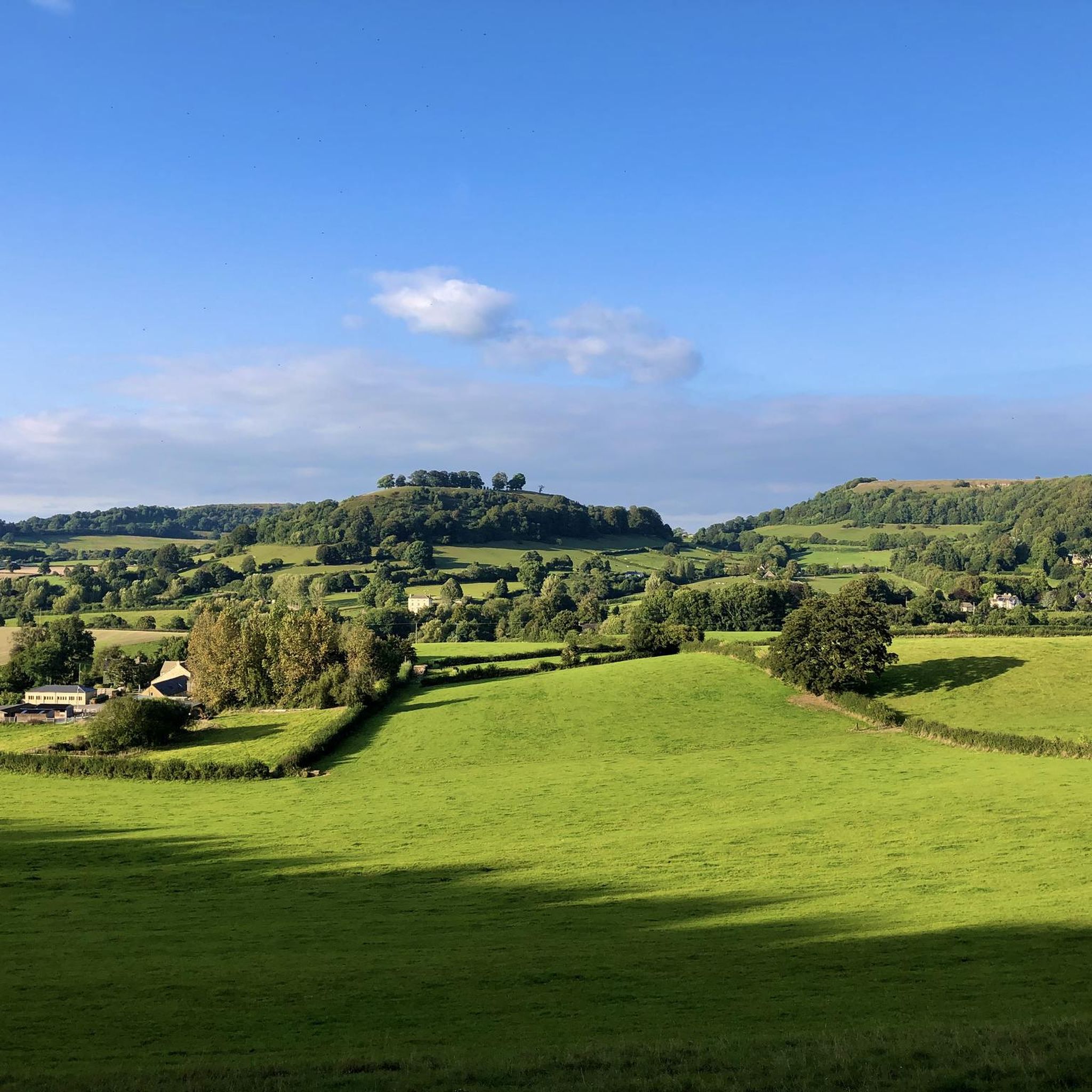
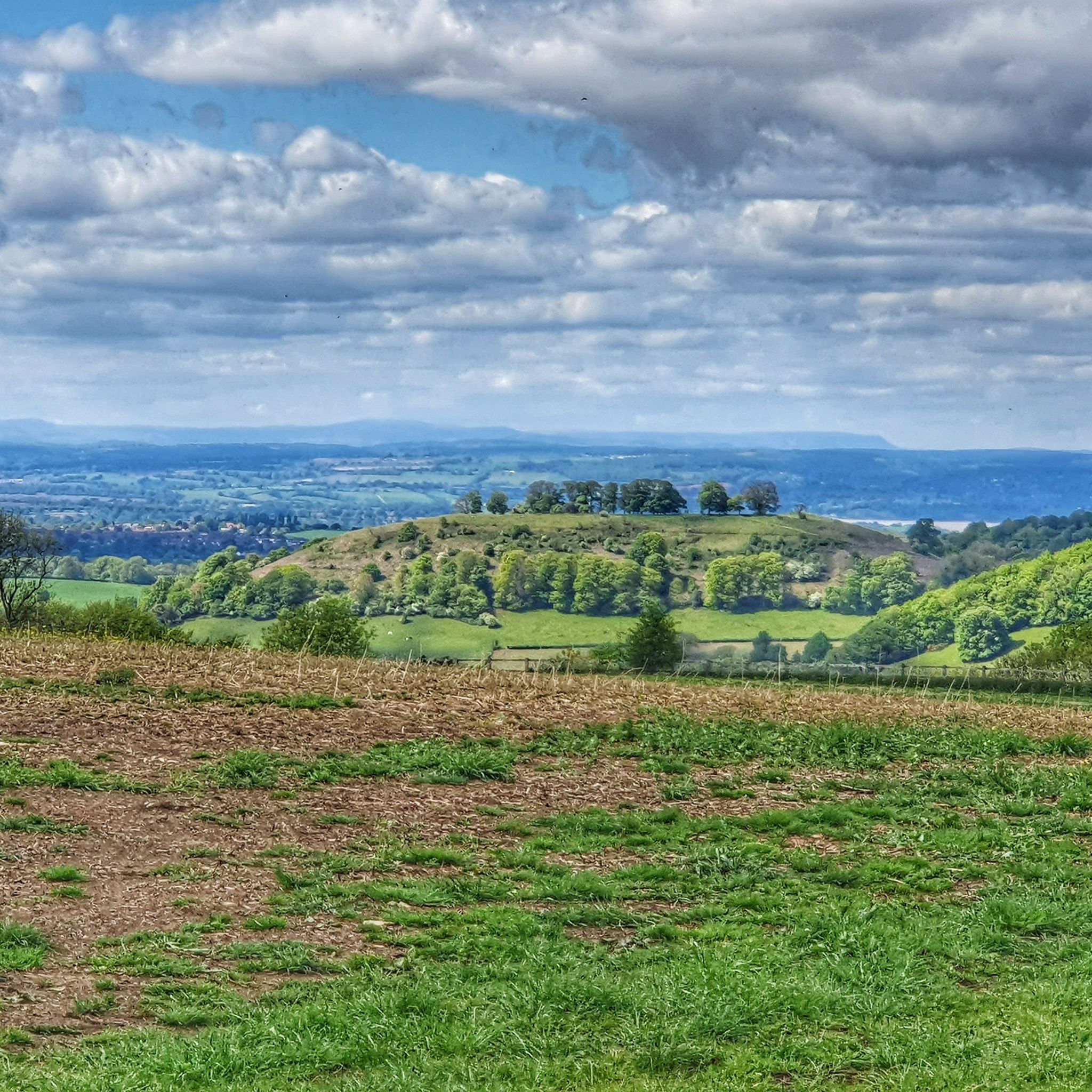
The long, narrow hill of Cam Long Down stands separate from the main Cotswold escarpment, on the Cotswold Way between Dursley and Uley Bury. The distinctive wedge shape of Cam Peak, at the Dursley end of the Down, is a result of erosion and landslips. Enjoyable at any time of year, as with all the Cotswold limestone grasslands this area is particularly special in summer when it is ablaze with wildflowers and alive with bees, butterflies and other pollinators.
0
0


Great views and all bridleway. You can stay at the top or ride a slightly more technical singletrack a level down at the end. You can drop down to lower levels at each corner or complete a lap.
0
0

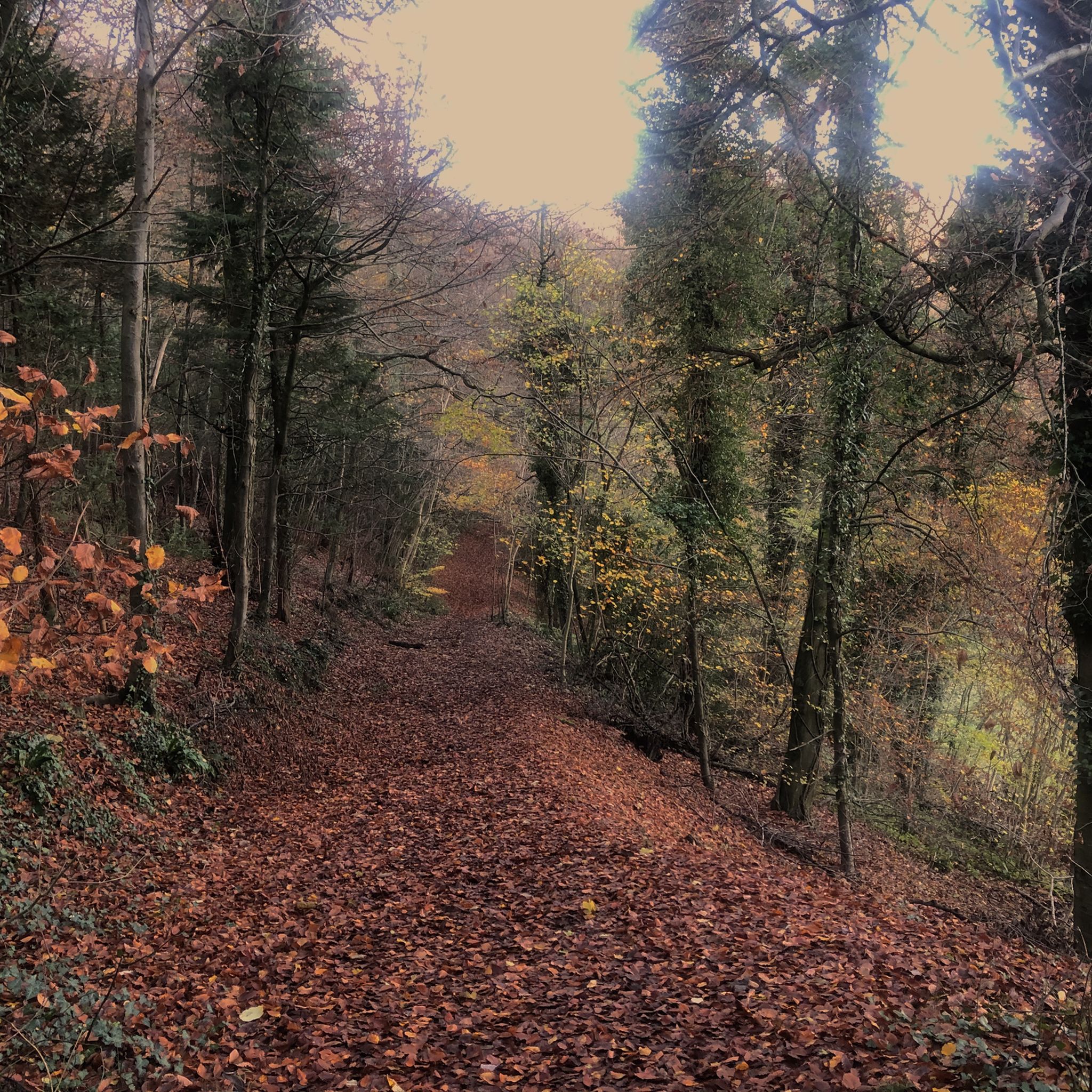
Steepish track up but then grassy slopes and woods. Pandoramic views from the hill even if you don’t go up the tower.
0
0

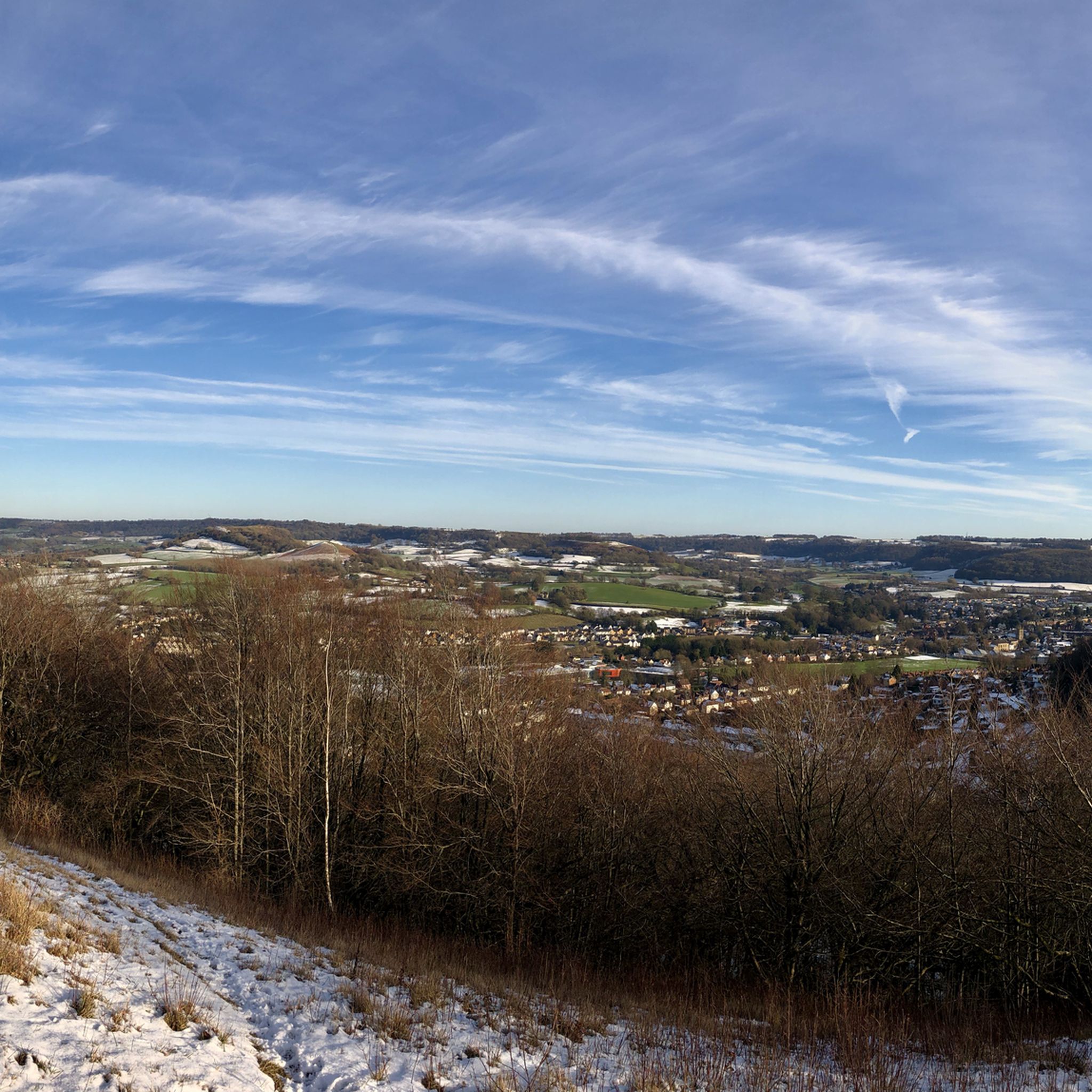
Steep walk up the hill but well worth the effort for the fabulous views.
0
0

One of the most beautiful views in the Cotswolds with dozens of possible walking and cycling routes.
0
1

An Iron-age hill fort dating from 300B.C. An easy walking route around its perimeter which provides some spectacular views. The view of Smallpox Hill (Downham Hill) is particularly magnificent.
0
0
Frequently Asked Questions
What are some of the most popular natural monuments to visit around Dursley?
Among the most popular natural monuments are the William Tyndale Monument, known for its extensive views, and the ancient Nympsfield Long Barrow. Visitors also highly appreciate the Uley Bury Iron Age hillfort for its historical significance and spectacular views.
Are there any family-friendly natural monuments in the Dursley area?
Yes, several natural monuments are suitable for families. Nympsfield Long Barrow and Uley Bury Iron Age hillfort are both marked as family-friendly. Additionally, Whitcliff Deer Park offers vast parkland with deer and ancient oak trees, making it a great spot for a family outing.
What kind of historical sites can I explore among Dursley's natural monuments?
Dursley is rich in historical natural monuments. You can visit the Uley Bury Iron Age hillfort, dating back to 300 B.C., which offers an easy walking route around its perimeter. The Nympsfield Long Barrow is a Neolithic burial site from around 2800 BCE, free to enter during daylight hours. Also, Downham Hill (Smallpox Hill) has historical ties to early isolation hospitals and Edward Jenner's studies.
Where can I find the best panoramic views of the Gloucestershire countryside near Dursley?
For breathtaking panoramic views, consider visiting William Tyndale Monument, which provides extensive vistas over the surrounding landscape. Downham Hill (Smallpox Hill) is also renowned for offering some of the best views in the valley, if not the Cotswolds. Additionally, Cam Peak and Cam Long Down, prominent hills in the area, offer stunning views of the Severn Vale and even the Brecon Beacons on clear days.
Are there good hiking routes near the natural monuments in Dursley?
Yes, Dursley is an excellent base for hiking. The Cotswold Way, a 102-mile trail, runs directly through Dursley, connecting many local sites. You can find various hiking routes, including easy options like the 'Dursley Market House – View from Cam Peak loop' or moderate trails such as 'Stinchcombe Hill on the Cotswold Way loop'. For more options, explore the easy hikes around Dursley or general hiking routes around Dursley.
What unique natural features can I discover in the Dursley area?
Beyond historical sites, Dursley offers diverse natural features. Cam Peak is known for its slopes turning blue with bluebells from late April to mid-May. Twinberrow Woods features the Dursley Sculpture & Play Trail, combining outdoor art with natural woodland beauty, and vibrant seasonal displays of wild garlic. Whitcliff Deer Park is home to herds of fallow and red deer amidst ancient oak trees.
What is the best time of year to visit Dursley's natural monuments for walking?
The spring (late April to mid-May) is particularly beautiful when Cam Peak's slopes are covered in bluebells and Twinberrow Woods displays carpets of wild garlic. Generally, the Cotswold hills offer pleasant walking conditions throughout spring, summer, and autumn. Views from the escarpment are rewarding in clear weather, making any season with good visibility enjoyable.
Are there any natural monuments suitable for dog walking around Dursley?
Many of the natural monuments and surrounding trails in Dursley are dog-friendly, offering open spaces and woodlands for walks. For instance, the perimeter walk around Uley Bury Iron Age hillfort is a great option. Stinchcombe Hill also provides circular walking routes through open grasslands and woodlands, ideal for dogs. Always ensure dogs are kept under control, especially near livestock or wildlife.
What kind of outdoor activities, besides hiking, can I do near these natural monuments?
The Dursley area is also popular for gravel biking. You can find various routes, such as the 'Minchinhampton Village – Steps Lane Bridleway loop' or the 'Fosse Way Roman Road – Fosse Way Gravel Section loop'. For more details on routes and difficulties, check out the gravel biking guide around Dursley.
What do visitors enjoy most about the natural monuments around Dursley?
Visitors frequently praise the magnificent views from sites like the William Tyndale Monument and Uley Bury Iron Age hillfort. The historical significance of places like Nympsfield Long Barrow and the unique Dursley Sculpture Trail in Twinberrow Woods are also highly appreciated. The varied terrain and opportunities for tranquil walks through nature are consistently highlighted.
Is there parking available near the natural monuments in Dursley?
While specific parking details for each monument vary, many popular natural monuments and trailheads in the Dursley area, especially those along the Cotswold Way or leading to prominent hills like Cam Peak and Stinchcombe Hill, typically have designated parking areas nearby. It's advisable to check local signage upon arrival for the most accurate information.
Are there any natural monuments around Dursley that are particularly good for birdwatching or wildlife spotting?
Whitcliff Deer Park is an excellent spot for wildlife, known for its herds of fallow and red deer. The varied woodlands and open grasslands of areas like Stinchcombe Hill and Cam Long Down (which features a nature reserve) also provide habitats for diverse bird species and other local wildlife, making them ideal for nature observation.
Most popular routes around Dursley
Most popular attractions around Dursley

Get inspired with the komoot mobile app


Explore more
Extend your search for the best caves by checking out these guides of the top ones around Dursley:
