Top 9 Natural Monuments around Wickwar
Best natural monuments around Wickwar include ancient woodlands, historical hill forts, and local nature reserves. The area features a network of public footpaths and bridleways, offering opportunities to explore the outdoors. Significant natural features like Lower Woods Nature Reserve contribute to the local landscape, providing diverse habitats and geological interest. The surrounding countryside offers a blend of natural beauty and historical significance.
Best natural monuments around Wickwar
- The most popular natural monuments is William Tyndale Monument, a natural monument…
Last updated: October 17, 2026
William Tyndale Monument
Highlight • Monument
Tip by

Wapley Bushes Local Nature Reserve
Highlight • Natural Monument
Tip by

Sign up now to discover places like this
Get recommendations on the best single tracks, peaks, & plenty of other exciting outdoor places.
Woodcock Farm - Hill Fort
Highlight • Historical Site
Tip by
Whitcliff Deer Park
Highlight • Forest
Tip by
Ram Hill Colliery
Highlight • Natural Monument
Tip by

Sign up for free to discover even more natural monuments around Wickwar.
Already have an account?
Start today with a free account
Your next adventure awaits.

Tips from the Community

Historical interest, pretty garden to rest and have a snack, learn something new.
0
0

The finest and best-preserved example of an Iron Age hill fort along the Cotswold Way.
0
1

The ruins of the Ram Hill Colliery include a filled oval shaft, horse gin and dramway.
0
0

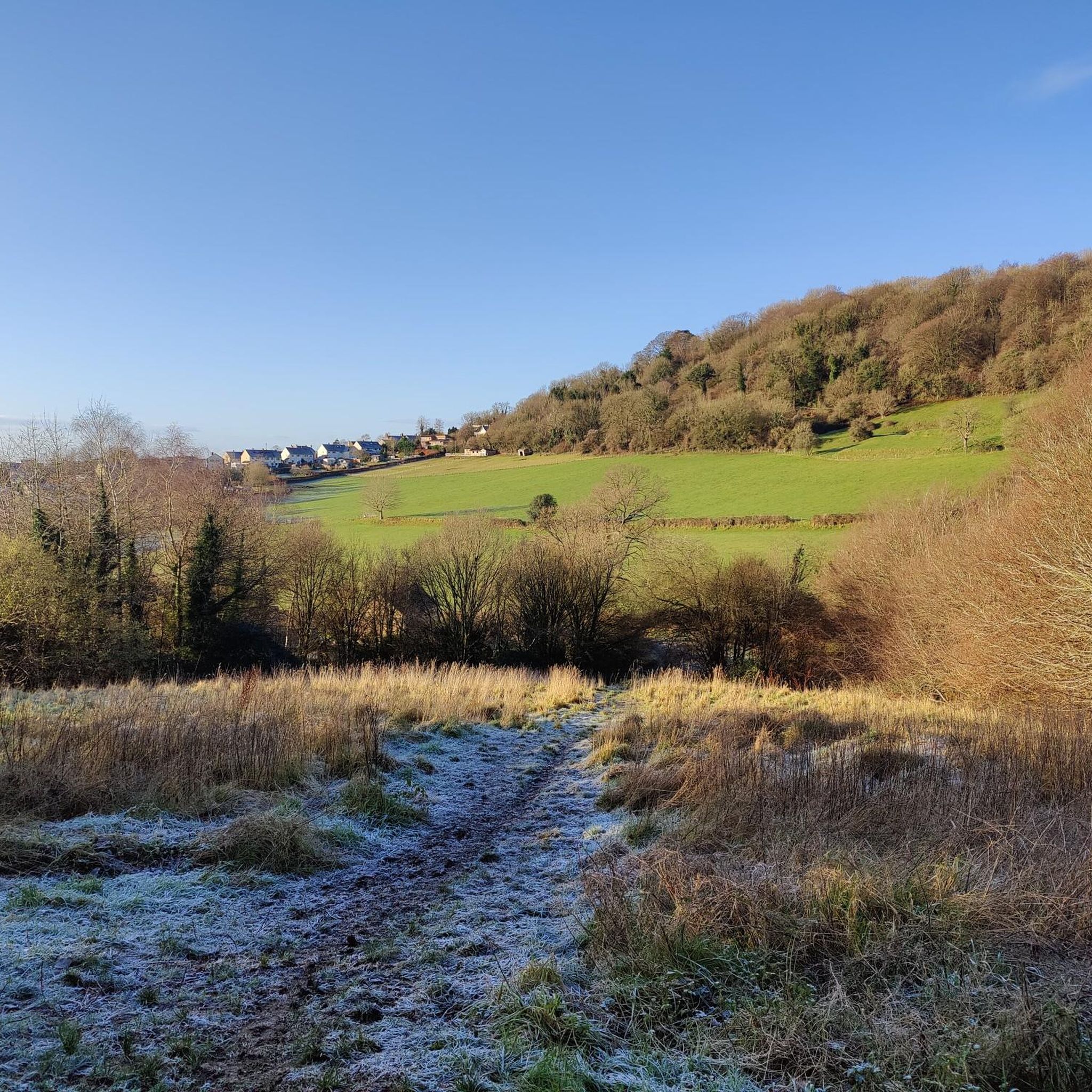
Wapley Bushes Local Nature Reserve is a 11.65-hectare (29-acre) nature reserve located in the English county of South Gloucestershire, between the towns of Yate and Dodington. It is owned by Dodington Parish Council and managed in partnership with Wapley Bushes Conservation Group. The reserve was established in 1992 and has been awarded the Green Flag Award, a prestigious award for well-managed parks and green spaces. Wapley Bushes is a diverse habitat, comprising ancient woodland, flower meadows, grassland, and a seasonal pond. The woodland is home to a variety of trees, including oak, ash, and hazel, as well as a range of wildlife, including deer, foxes, badgers, and birds such as song thrushes, blackbirds, and robins. The meadows are home to a variety of wildflowers, including cowslips, primroses, and bluebells. The grassland is home to a variety of grasses, as well as a range of wildflowers, including butte
0
0

Steepish track up but then grassy slopes and woods. Pandoramic views from the hill even if you don’t go up the tower.
0
0

The deer are a lot less timid than in the wild, they're almost like sheep in behaviour. Wonderful views to each side of the hill... either the River Severn or the Cotswold Hills.
1
0
Short but sweet diversion... worth doing if you're not in a rush.
0
0
Frequently Asked Questions
What are the most popular natural monuments to visit around Wickwar?
Visitors frequently enjoy the William Tyndale Monument, which offers magnificent views from its 34-meter height. Another highly regarded spot is the Uley Bury Iron Age Hill Fort, known for its well-preserved structure and incredible vistas over the Frome Valley and Severn Vale.
Are there family-friendly natural monuments near Wickwar?
Yes, several natural monuments are suitable for families. Wapley Bushes Local Nature Reserve is a diverse habitat with ancient woodland and flower meadows, perfect for a family stroll. Whitcliff Deer Park is another excellent choice, offering vast parkland where you can observe herds of fallow and red deer.
What kind of wildlife can I expect to see at natural monuments in the area?
The region is rich in biodiversity. Lower Woods Nature Reserve, a significant ancient woodland, is a hotspot for wildlife, including 32 species of butterflies like the silver-washed fritillary and white admiral. You might also spot dormice, lesser horseshoe bats, and various birds such as nightingales and lesser spotted woodpeckers. At Whitcliff Deer Park, you'll encounter herds of fallow and red deer.
What is the best time of year to visit the natural monuments around Wickwar?
Spring is particularly beautiful, especially in ancient woodlands like Lower Woods Nature Reserve, where you can witness a breathtaking carpet of bluebells and other wildflowers. Summer offers vibrant meadows and active wildlife. The network of public footpaths and bridleways makes the area enjoyable for walks throughout the year, though autumn brings stunning foliage and winter offers crisp, quiet walks.
Are there any historical natural monuments in the Wickwar area?
Absolutely. The Uley Bury Iron Age Hill Fort is an extraordinarily well-preserved example of an Iron Age settlement, offering a glimpse into ancient history with its defensive earthworks. Additionally, Ram Hill Colliery is a scheduled ancient monument, preserving the ruins of a historical coal mining site.
What outdoor activities can I do near these natural monuments?
The area offers a variety of outdoor activities. You can find numerous hiking trails, including easy routes like the Lower Woods Boardwalk loop. For cyclists, there are gravel biking and road cycling routes available. Explore options like the 'Coombe Road Climb – North Nibley Climb loop' for road cycling or the 'Broad Lane Byway – Gravel Trail to Westerleigh loop' for gravel biking. You can find more details on these activities in the Easy hikes around Wickwar, Gravel biking around Wickwar, and Road Cycling Routes around Wickwar guides.
Are there easy walking paths or trails suitable for beginners?
Yes, Lower Woods Nature Reserve features three way-marked walks and over sixty miles of paths, rides, and wide grassy 'trenches' that are suitable for various fitness levels. The 'Lower Woods Boardwalk loop' is an easy hike, perfect for beginners or those looking for a gentle stroll. The Wickwar Nature & Remembrance Trails also offer short routes through local natural sites.
How long does it typically take to explore the natural monuments?
The time required varies by location. For instance, exploring the William Tyndale Monument and climbing its internal staircase might take an hour or two, including the hike to reach it. Larger sites like Lower Woods Nature Reserve, with its extensive network of paths, could easily fill a half-day or more, depending on how many of the trails you wish to explore.
What geological features can be found in the natural monuments around Wickwar?
Lower Woods Nature Reserve is not only a biological hotspot but also holds significant geological interest. It contains important exposures of clays, shales, limestones, and bone-beds dating back to the Rhaetic time period, approximately 200 million years ago. These formations have been a subject of research for over 150 years.
Are there any local initiatives focused on nature conservation in Wickwar?
Yes, the Wickwar Environmental Action Group (WEAG) has developed the Wickwar Nature & Remembrance Trails. These trails highlight local conservation efforts, including a newt pond being developed as a nature reserve, and areas with beehives, bird, and bat boxes, encouraging engagement with local wildlife and natural spaces.
What should I wear when visiting the natural monuments?
Given the varied terrain, which can include ancient woodlands, meadows, and potentially steep paths, it's advisable to wear comfortable, sturdy walking shoes or hiking boots. Layered clothing is recommended to adapt to changing weather conditions, and a waterproof jacket is always a good idea, especially in the UK. For climbing monuments like the William Tyndale Monument, a torch might be useful for the narrow, dark internal staircase.
Most popular attractions around Wickwar

Get inspired with the komoot mobile app


Explore more
Extend your search for the best caves by checking out these guides of the top ones around Wickwar:
