Top 13 Natural Monuments around St. Ive
Best natural monuments around St. Ive are characterized by ancient geological formations and historical sites, primarily located on Bodmin Moor. This region features distinctive granite tors, impressive stone circles, and remnants of Cornwall's mining past. Visitors can explore a landscape shaped by millennia of erosion and human history, offering panoramic views and insights into prehistoric cultures. The area provides a diverse range of natural landmarks and viewpoints for outdoor enthusiasts.
Best natural monuments around St. Ive
- The most popular natural…
Last updated: July 1, 2026
Kit Hill Trig Point
Highlight • Historical Site
The hill boasts a wide array of history, including 18 burial mounds, neolithic and …
Tip by

The Cheesewring
Highlight • Natural
Translated by Google •
Tip by

Sign up now to discover places like this
Get recommendations on the best single tracks, peaks, & plenty of other exciting outdoor places.
Sign up for free
The Hurlers Stone Circles
Highlight • Natural Monument
Tip by

Golitha Falls
Highlight • River
Tip by

Kilmar Tor
Highlight • Natural Monument
Tip by

Sign up for free to discover even more natural monuments around St. Ive.
Sign up for free
Already have an account?
Start today with a free account
Your next adventure awaits.
Login or Signup
Tips from the Community

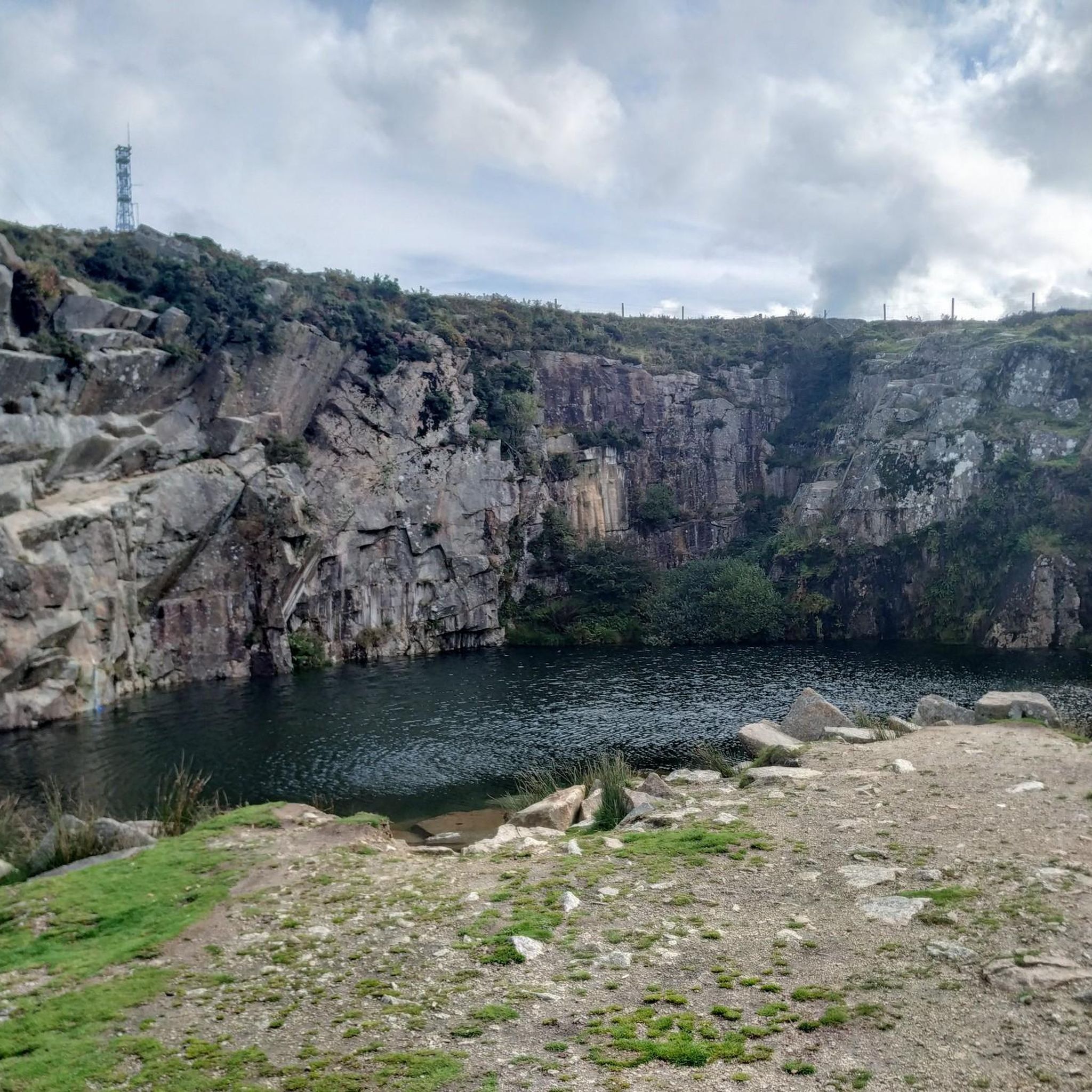
This landmark is located next to the Cheesewring Quarry (which provided the granite cladding for the structure of Tower Bridge in London) and is surrounded by other granite formations. In the late 19th century, this landmark was threatened with destruction due to its proximity to blasting operations, but was saved through local activism.
7
0
Three beautiful Neolithic or Early Bronze Age stone circles arranged in a line, a unique grouping in England. The Hurlers Stone Circles are probably the best examples of ceremonial circles in the South West. https://www.english-heritage.org.uk/visit/places/hurlers-stone-circles/
7
0

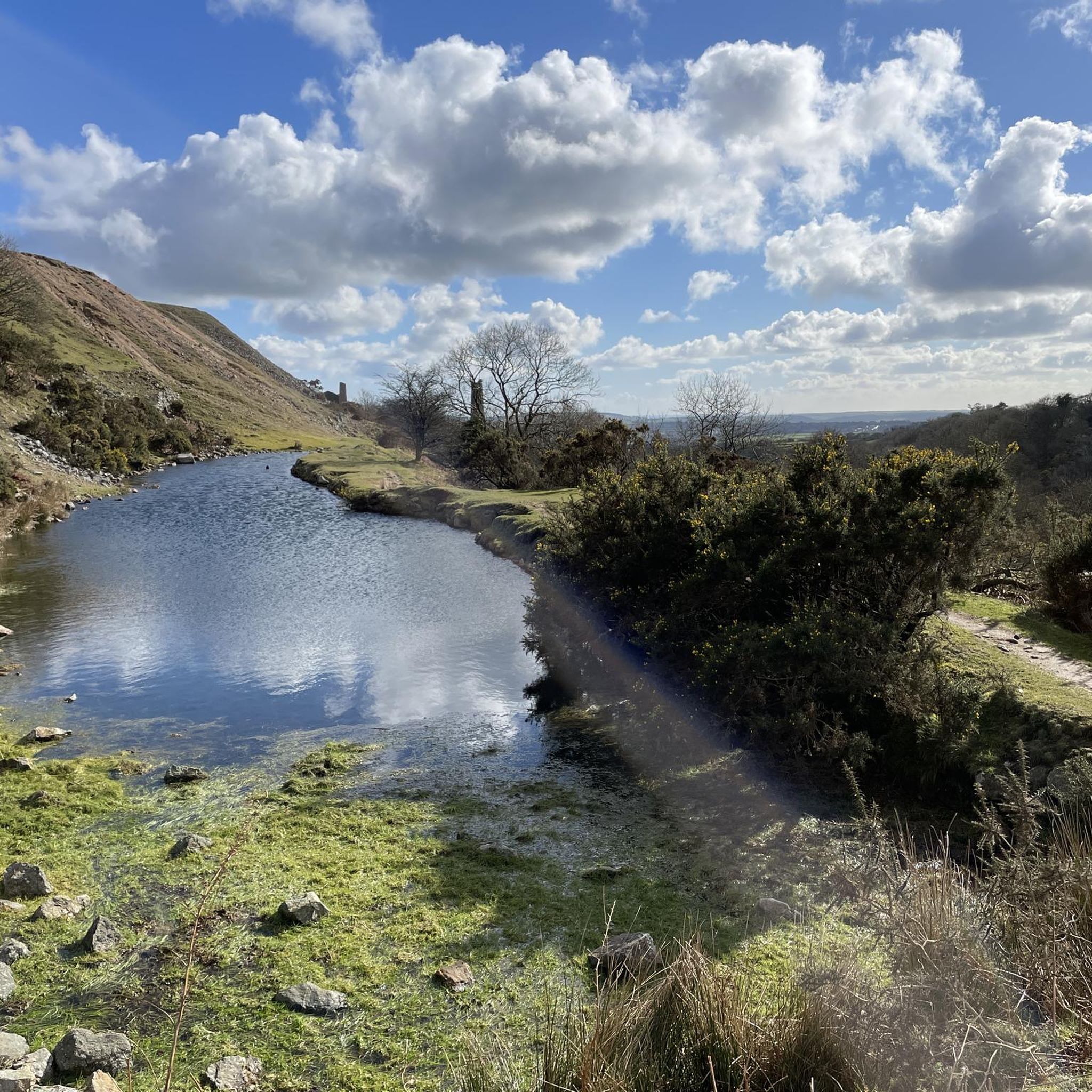
The River Fowey tumbles its way down the Golitha Falls, a collection of waterfalls in Draynes Wood. It is also a haven for wildlife with salmon, sea trout, otters and bats all present. No trip to Bodmin Moor would be complete without a visit here. It is especially spectacular after heavy rain.
0
0

Kit Hill sits high above the Tamar Valley, overlooking the river and the valley it formed. The hill boasts a wide array of history, including 18 burial mounds, neolithic and bronze-age barrows, as well as pointers towards Cornwall's more contemporary mining history.
1
0

The Hurlers are three stone circles on the edge of Bodmin Moor. Legend has it that these were Cornish Hurler players, caught out on a Sunday and punished. They are thought to date to between 2,100 & 1,500 BCE.
0
0
The Cheeswring is a granite tor on the south-east edge of Bodmin Moor. It's a naturally formed structure, although the local legends say it was formed in a contest between giants and saints. Granite from the quarry below was used to clad Tower Bridge.
0
0

I have cycled there a couple of times on an e bike. You cannot take your bike with you along the river as the path peters out. You need to take a lock with you to secure your bike in the car park at the entrance. There is a cafe there but I think they only open on certain days
1
0

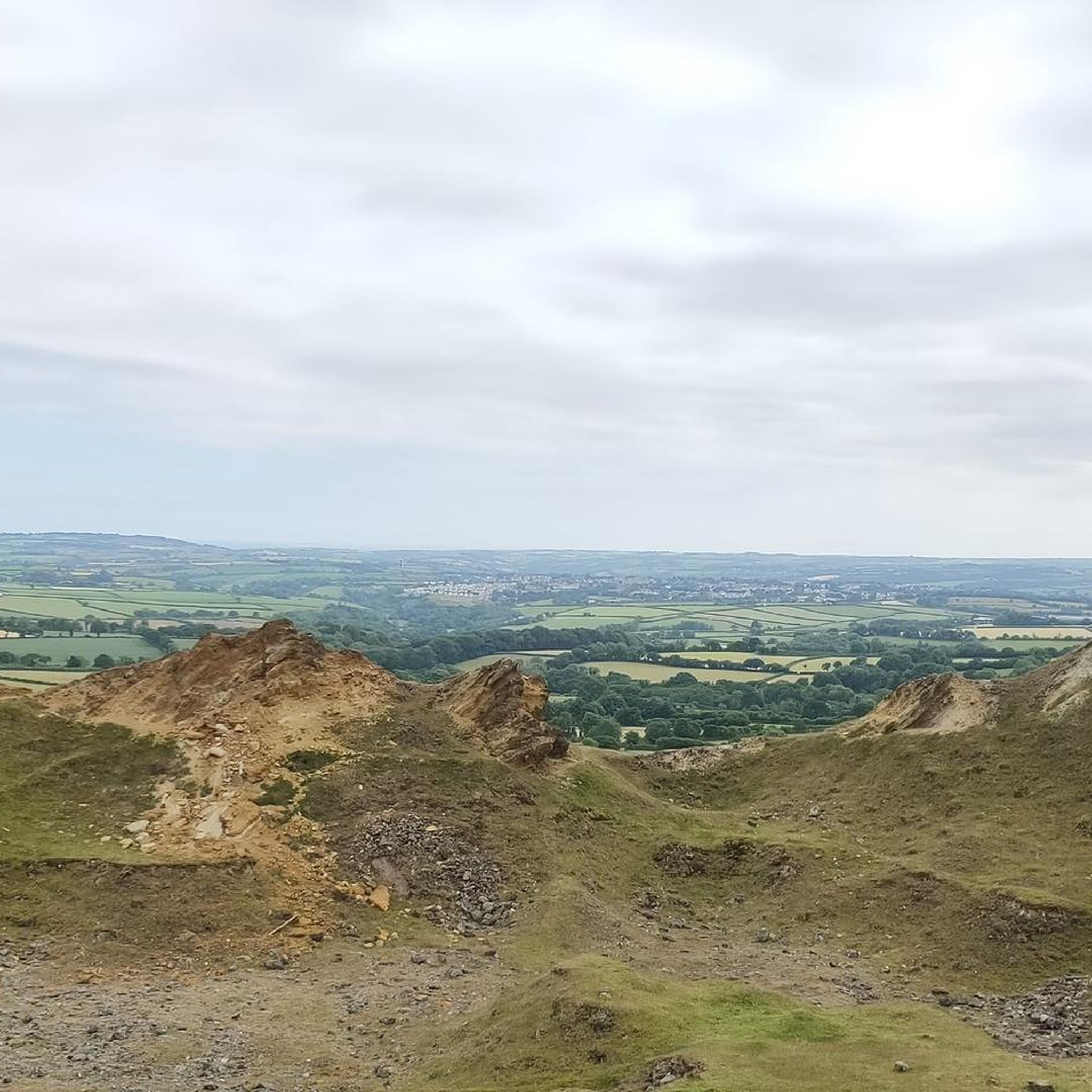
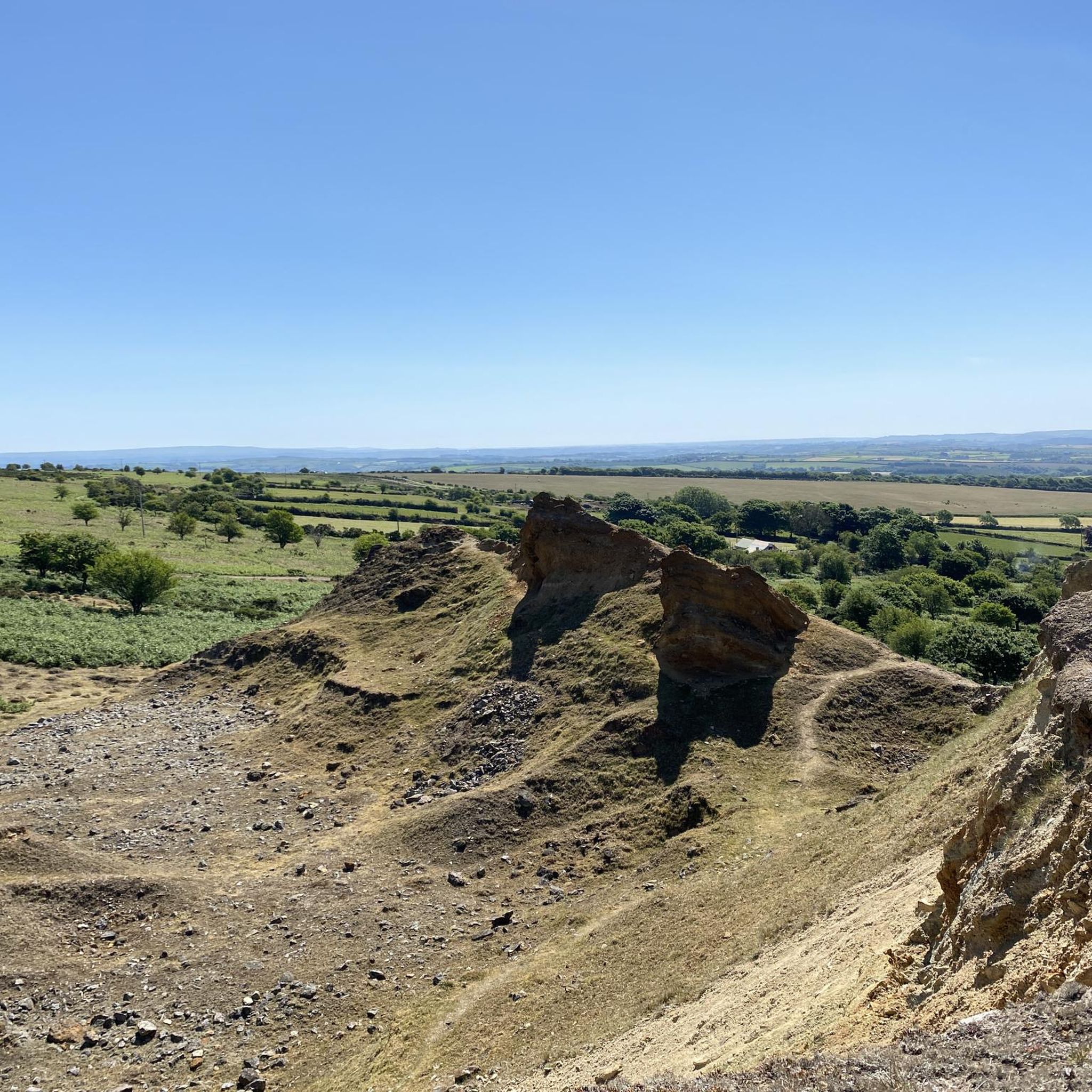
This impressive granite tor sits at 1,299 feet high (396 m) on the rugged edge of Bodmin Moor. This region's main industry used to be mining and the flanks of the tor are littered with its remnants including a disused railway to the south. You can clamber atop the granite if you're comfortable doing so and the weather is conducive. Take care to avoid slipping and don't leave your camera at the bottom: the views are wonderful.
1
1
Frequently Asked Questions
What are the most popular natural monuments around St. Ive?
The area around St. Ive is known for its ancient geological formations and historical sites on Bodmin Moor. Among the most popular are The Cheesewring, a unique granite stack, and The Hurlers Stone Circles, which are significant Neolithic or Early Bronze Age ceremonial sites.
Are there family-friendly natural monuments to visit near St. Ive?
Yes, several natural monuments are suitable for families. The Hurlers Stone Circles and The Pipers Standing Stones are both marked as family-friendly in the guide. They offer easy access and fascinating historical context that can engage visitors of all ages.
What kind of historical sites can I explore among the natural monuments?
The natural monuments around St. Ive are rich in history. You can visit The Hurlers Stone Circles, which are ancient ceremonial sites, and The Pipers Standing Stones, steeped in local legend. Additionally, Kit Hill Trig Point features 18 burial mounds and neolithic barrows, alongside remnants of Cornwall's mining past.
Where can I find the best panoramic views of the moor and coast?
For spectacular panoramic views, head to The Cheesewring, which offers great vistas over Bodmin Moor to the coast. Kit Hill Trig Point also provides wonderful views across the Tamar Valley and beyond.
Are there hiking trails near these natural monuments?
Absolutely. The area around St. Ive, particularly Bodmin Moor, is excellent for hiking. You can find various routes, including those that pass by The Cheesewring and The Hurlers Stone Circles. For more detailed hiking options, explore the Hiking around St. Ive guide.
What other outdoor activities can I do near the natural monuments?
Beyond hiking, the region offers opportunities for running and road cycling. You can find routes that take you through the scenic landscapes of Bodmin Moor and past historical sites. Check out the Running Trails around St. Ive and Road Cycling Routes around St. Ive guides for more information.
What is Kilmar Tor and what does it offer visitors?
Kilmar Tor is an impressive granite tor on the rugged edge of Bodmin Moor, standing at 1,299 feet high. It offers challenging climbs and wonderful views from its summit, with remnants of the region's mining history scattered across its flanks.
What do visitors enjoy most about the natural monuments in this area?
Visitors frequently praise the stunning panoramic views, the historical significance of the ancient stone circles, and the unique geological formations like The Cheesewring. The sense of history and the rugged beauty of Bodmin Moor are often highlighted as key attractions.
Are there any easy-access natural monuments for those with limited mobility?
While many sites on Bodmin Moor involve some walking, The Pipers Standing Stones are noted for their easy access from nearby parking, making them a good option for those seeking less strenuous visits.
What is the best time to visit the natural monuments around St. Ive?
The natural monuments on Bodmin Moor can be visited year-round. Spring and summer offer milder weather and vibrant landscapes, while autumn provides dramatic colors. Winter visits can be beautiful but require appropriate gear for potentially colder and wetter conditions on the exposed moorland.
Can I bring my dog to the natural monuments?
Many areas on Bodmin Moor are dog-friendly, but it's essential to keep dogs under control, especially due to grazing livestock. Always check local signage for specific rules at each monument. For walks, ensure your dog is on a lead around farm animals and wildlife.
Are there any hidden gems or less-known natural monuments worth exploring?
While the main highlights are well-known, exploring the wider Bodmin Moor can reveal many smaller, less-frequented granite outcrops and ancient sites. The area around Kilmar Tor, for instance, offers a sense of being off the beaten track with its rugged terrain and mining remnants.
Most popular attractions around St. Ive

Get inspired with the komoot mobile app


Explore more
Extend your search for the best caves by checking out these guides of the top ones around St. Ive:
