Top 7 Natural Monuments around Ballycloghan
Natural monuments around Ballycloghan are found within County Antrim, Northern Ireland, a region known for its diverse natural features. The area's landscape includes significant geological formations and varied terrain. Visitors can explore a range of natural attractions, from iconic mountains to wildlife habitats. This guide details 7 natural monuments, offering insights into the region's geology and ecology.
Best natural monuments around Ballycloghan
- The most popular natural monument is Cave Hill, a natural_monument marked by basalt cliffs and caves. It…
Last updated: May 19, 2026
Giant's Ring Dolmen
Highlight • Monument
Translated by Google •
Tip by

Cave Hill
Highlight • Natural Monument
Tip by

Sign up now to discover places like this
Get recommendations on the best single tracks, peaks, & plenty of other exciting outdoor places.
Sign up for free
Sir Thomas and Lady Dixon Park Rose Garden and Stone Monoliths
Highlight • Viewpoint
Tip by

Belfast Botanic Gardens
Highlight • Natural
Tip by
Belfast Window on Wildlife (WOW)
Highlight • Viewpoint
There are more than 100 species of birds and other wildlife to be found …
Tip by

Sign up for free to discover even more natural monuments around Ballycloghan.
Sign up for free
Already have an account?
Start today with a free account
Your next adventure awaits.
Login or Signup
Tips from the Community

The facility is of impressive size.
3
0

The structure consists of a circular earthen ring with a diameter of 180 m and an area of 28,000 square meters, surrounded by an earthen rampart 3.5 m high. At least three of the five irregularly distributed gaps in the ring are intentional and possibly original. East of the center of the ring is a small passage grave with a westward-facing entrance.
4
0

The park covers almost 130 hectares and offers a variety of landscapes - from wide meadows and shady woodlands to manicured rose and Japanese gardens. The International Rose Trials, which take place here every year, are particularly exciting. If you come at the right time, you can admire an impressive variety of roses, which are judged by international experts. But the park has a lot to offer away from the roses in bloom: whether you just want to take a quiet walk in the Walled Garden, explore the Japanese Garden or challenge yourself on the orienteering course - everyone will find a favorite spot here. A small café provides refreshments and the playground also has something for younger visitors. The park has many hidden corners that make it an ideal stop to recharge.
0
0
As you get closer, the mystical aura of the place unfolds, with its mighty, almost circular earthen wall, which measures over 180 meters in diameter and dominates the view over the surrounding plateau. This ancient henge complex is one of the largest and best-preserved monuments of its kind in Ireland - hard to miss when you get close to Shaw's Bridge. In the center of the ring, a megalithic tomb awaits you, which tells its own story with its five supporting stones and a mighty capstone. You can literally feel the thousands of years that have passed here since ceremonies and gatherings probably took place at this place. It is impressive how the Giant's Ring has survived over time, while the wooden structures of the Ballynahatty settlements are long gone.
1
0
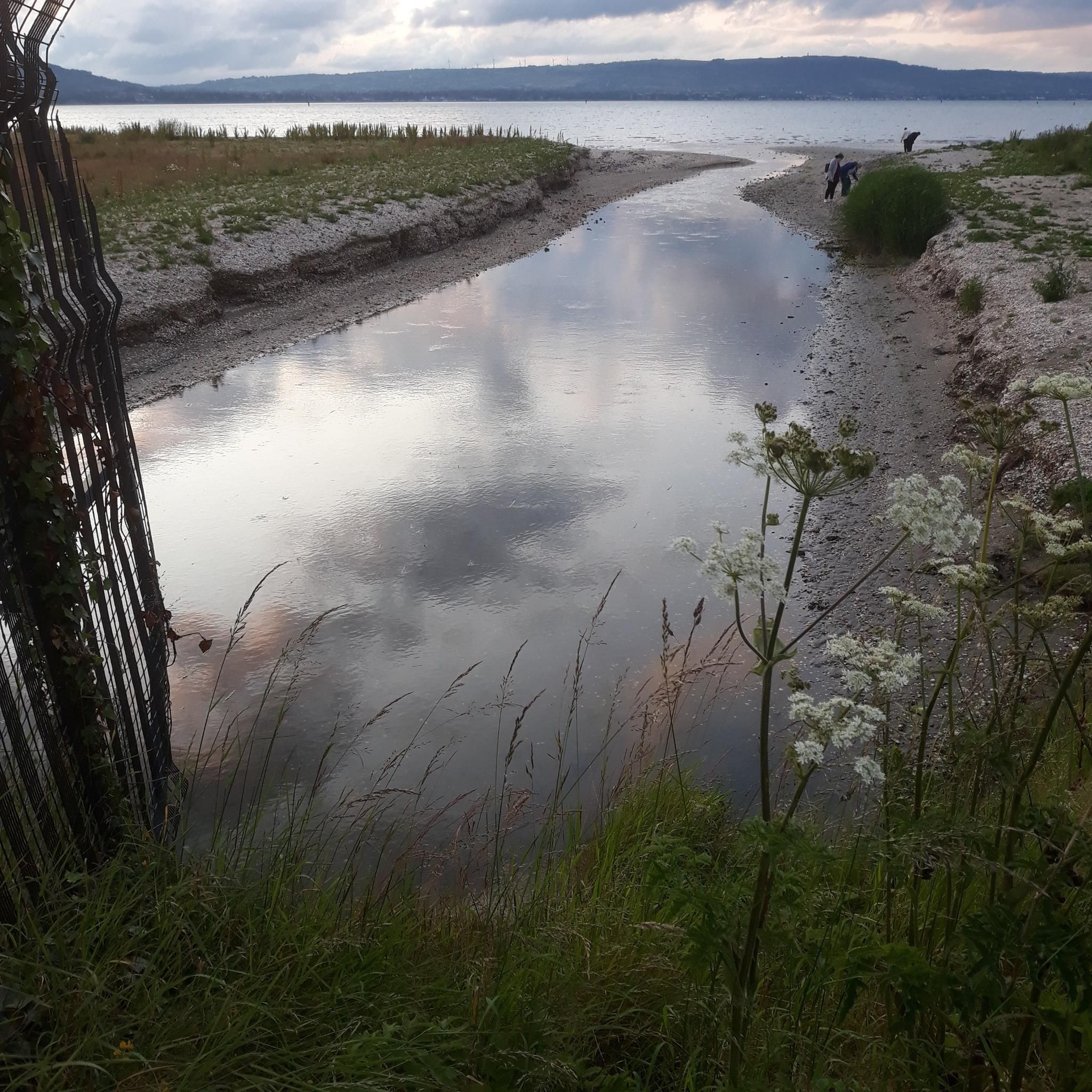
This nature reserve is located in the heart of the busy Belfast Harbour Estate and offers a welcome break from the hustle and bustle of the city. On the way there, the route takes you along the lough, where you may be lucky enough to spot various species of birds. The centre itself has two observation huts and a modern visitor area with panoramic views of the lagoon. Here you can enjoy the diverse wildlife while enjoying a cup of coffee. However, the paths to the centre are sometimes muddy in wet weather, so sturdy shoes are recommended. Overall, the RSPB Window on Wildlife Centre is a worthwhile stop on your bike tour to experience nature and peace.
1
0


With thousands of colourful flowers and plant species from around the world, the Botanic Gardens are a wonderful place to visit. The gardens opened in 1828 as a private park and welcomed the public from 1895. Belfast's beautiful Palm House conservatory pre-date the glasshouses of Kew Gardens. Its domed roof has allowed plants to grow especially tall, such as a 36-foot (11 m) lily.
1
0
With thousands of colourful flowers and plant species from around the world, the Botanic Gardens are a wonderful place to visit. The gardens opened in 1828 as a private park and welcomed the public from 1895. Belfast's beautiful Palm House conservatory pre-date the glasshouses of Kew Gardens. It's domed roof has allowed plants to grow especially tall, such as a 36-foot (11 m) lily.
1
0
Frequently Asked Questions
What are some prominent natural features to explore near Ballycloghan?
Beyond the immediate vicinity of Ballycloghan, the broader County Antrim region offers significant natural features. Slemish Mountain, an iconic extinct volcanic plug, rises distinctly to 437 meters and is known for its panoramic views and association with Saint Patrick. Another notable feature is Slievenanee, a mountain summit within the Antrim Hills, featuring unique peat hag formations.
Are there any family-friendly natural monuments around Ballycloghan?
Yes, several natural monuments cater to families. Sir Thomas and Lady Dixon Park Rose Garden and Stone Monoliths offers diverse landscapes including rose gardens, a Japanese garden, and a playground. The Belfast Botanic Gardens are also family-friendly, featuring thousands of colorful flowers, plant species, and the historic Palm House conservatory.
What kind of wildlife can I expect to see at natural monuments in the area?
The Belfast Window on Wildlife (WOW) is an excellent spot for wildlife enthusiasts, home to over 100 species of birds and other wildlife, including lapwings, terns, and konik ponies. Observation huts provide great viewing opportunities.
Are there hiking opportunities near these natural monuments?
Absolutely. For instance, Cave Hill offers trails with views of Belfast and the Lough. The climb to the summit of Slemish Mountain is a 1.5-kilometer round walk, providing a more challenging hike. You can find various hiking routes in the region, including easy, moderate, and difficult options, by exploring the Hiking around Ballycloghan guide.
What are the best natural monuments for scenic views?
Cave Hill provides sensational views across the city of Belfast and out to Belfast Lough from McArt's Fort. From Slemish Mountain, you can enjoy panoramic vistas of the Antrim and Scottish coasts, as well as Ballymena town, Lough Neagh, and the Sperrin Mountains.
Can I find caves to explore near Ballycloghan?
Yes, Cave Hill Cave is a notable formation within Cave Hill Country Park. These ancient caves are located inside the largest granite outcrops in the region and are worth exploring.
What historical significance do the natural monuments in this region hold?
Slemish Mountain holds significant historical and spiritual importance as the traditional site where Saint Patrick tended sheep during his youth as a slave in Ireland. This makes it a site of pilgrimage, particularly on Saint Patrick's Day.
Are there any natural monuments that are wheelchair accessible?
The Belfast Botanic Gardens are noted as being wheelchair accessible, offering a pleasant experience for all visitors to enjoy its diverse plant collections and historic Palm House.
What is the best time of year to visit the natural monuments around Ballycloghan?
While many natural monuments can be enjoyed year-round, spring and summer generally offer the most pleasant weather for hiking and exploring. For specific events like the International Rose Trials at Sir Thomas and Lady Dixon Park, visiting during the blooming season is recommended. If you plan to ascend Slemish Mountain, good weather is advisable as the path can be steep and rocky.
Are there cafes or facilities available at these natural monument sites?
Yes, some sites offer facilities. Sir Thomas and Lady Dixon Park has a cafe, as does the Belfast Window on Wildlife (WOW), where you can enjoy refreshments with panoramic views of the lagoon. The Belfast Botanic Gardens also have facilities for visitors.
What are some easy walking trails near Ballycloghan's natural monuments?
For easier walks, consider trails within Sir Thomas and Lady Dixon Park or the Belfast Botanic Gardens. Additionally, you can find various easy hiking routes in the wider area by checking the Easy hikes around Ballycloghan guide.
Most popular routes around Ballycloghan
Most popular attractions around Ballycloghan

Get inspired with the komoot mobile app


Explore more
Extend your search for the best caves by checking out these guides of the top ones around Ballycloghan:
