Top 8 Natural Monuments around Wembury
Best natural monuments around Wembury include coastal features, viewpoints, and beaches. Wembury, a village on the south coast of Devon, England, is situated within the South Devon Area of Outstanding Natural Beauty (AONB). The area is recognized for its geological significance and rich biodiversity, featuring diverse coastal habitats. It is also designated as a Marine Conservation Area (MCA) and a Site of Special Scientific Interest (SSSI).
Best natural monuments around Wembury
- The most popular natural monuments is Plymouth Hoe,…
Last updated: May 3, 2026
Plymouth Hoe
Highlight • Viewpoint
Tip by

Mount Edgcumbe Country Park
Highlight • Viewpoint
Tip by

Sign up now to discover places like this
Get recommendations on the best single tracks, peaks, & plenty of other exciting outdoor places.
Sign up for free
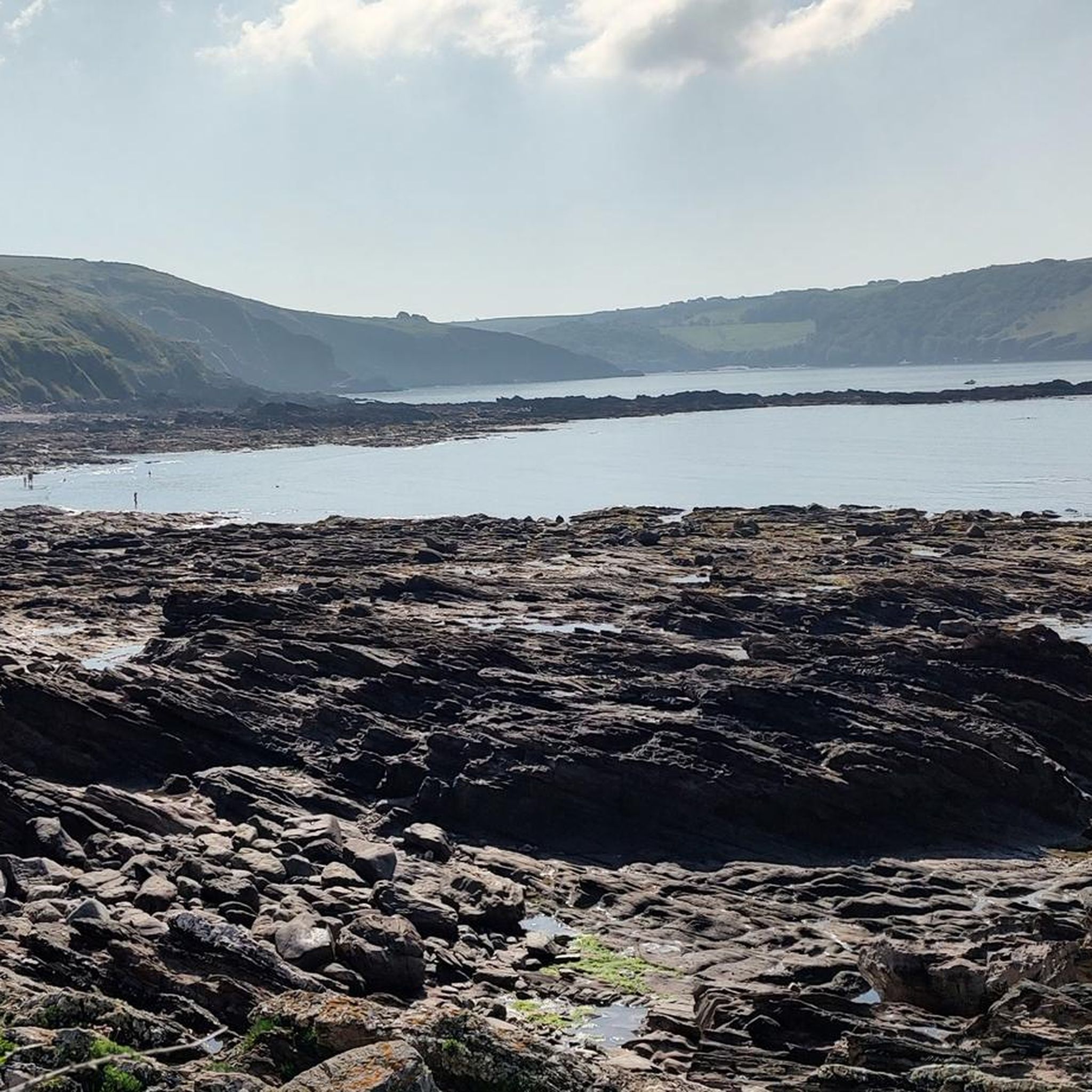
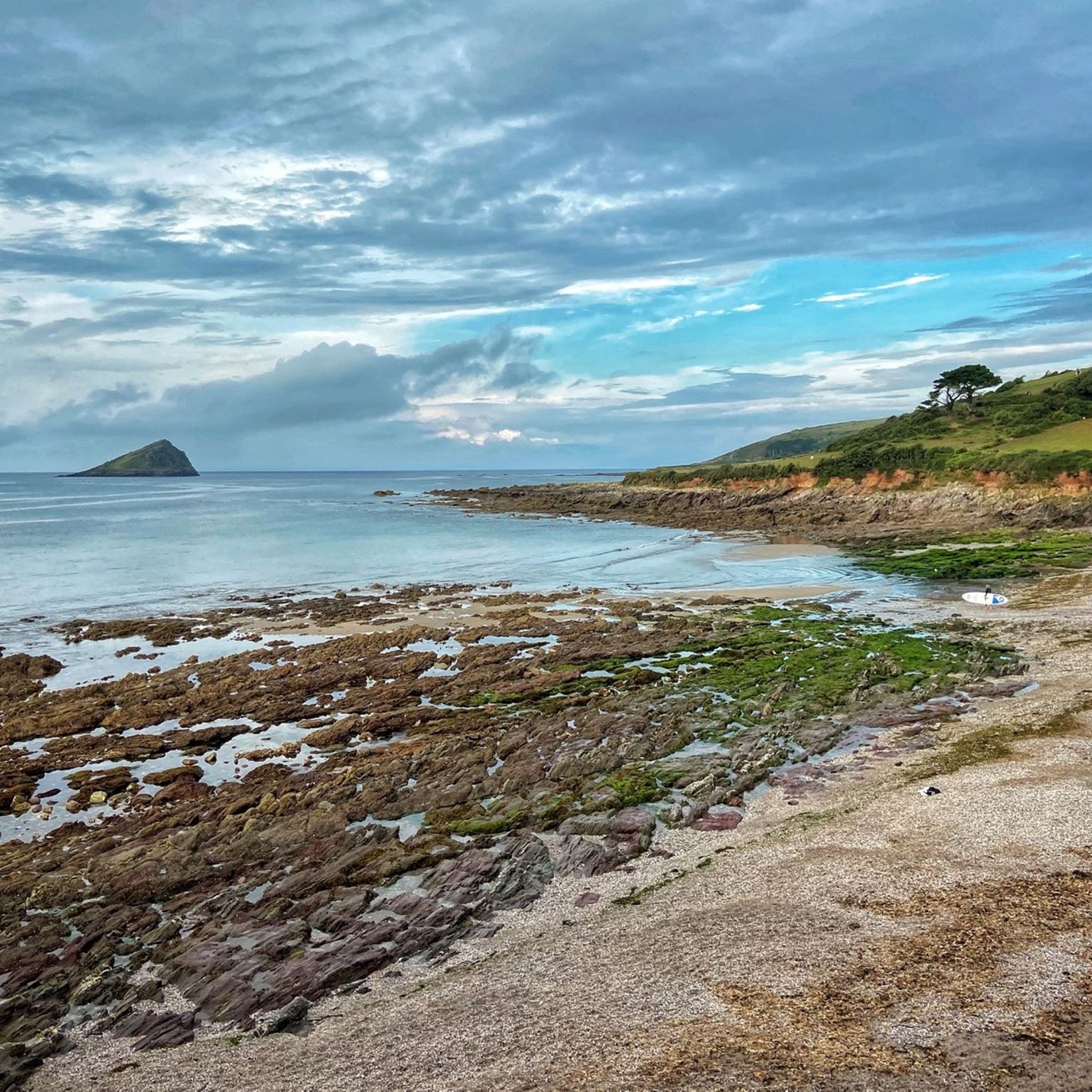
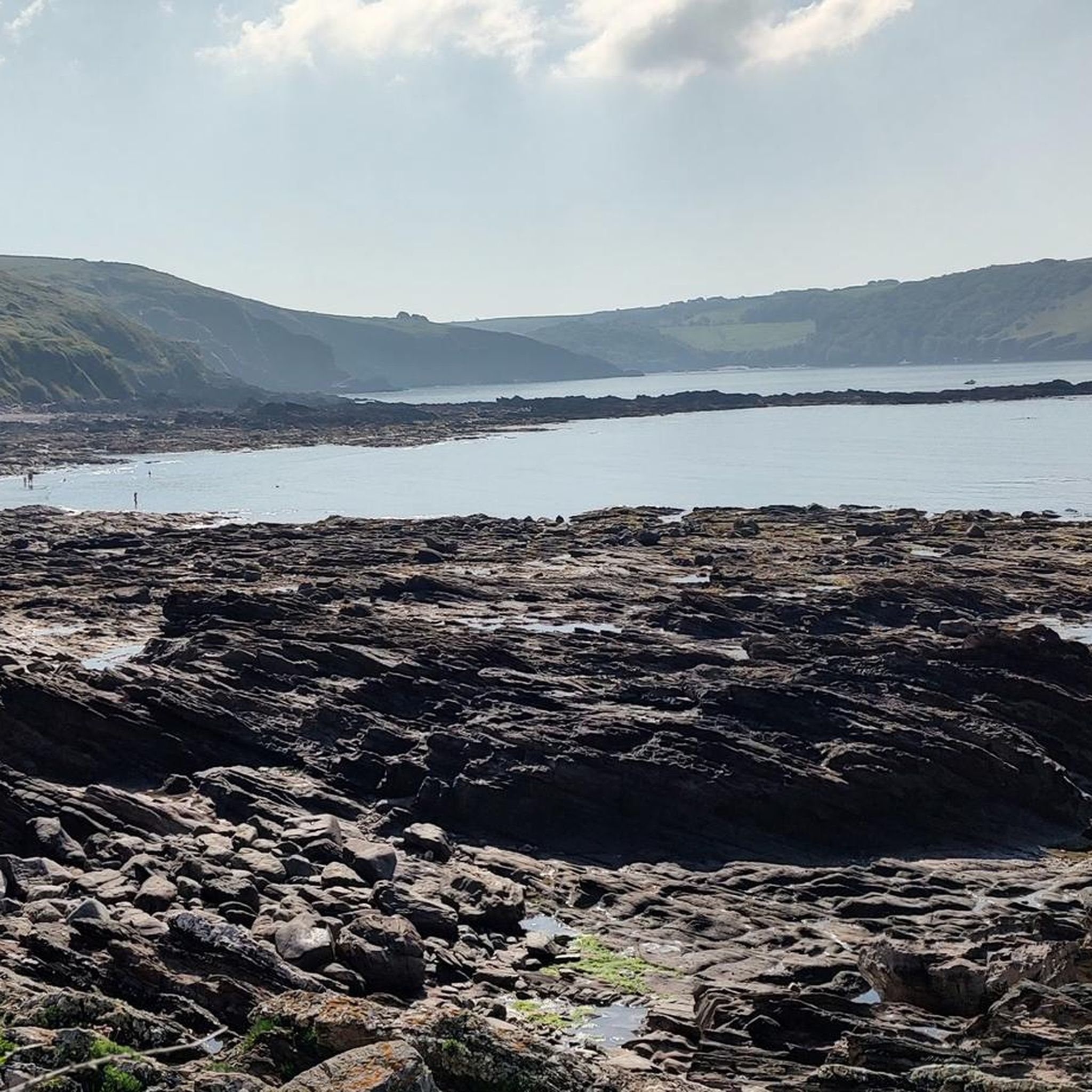
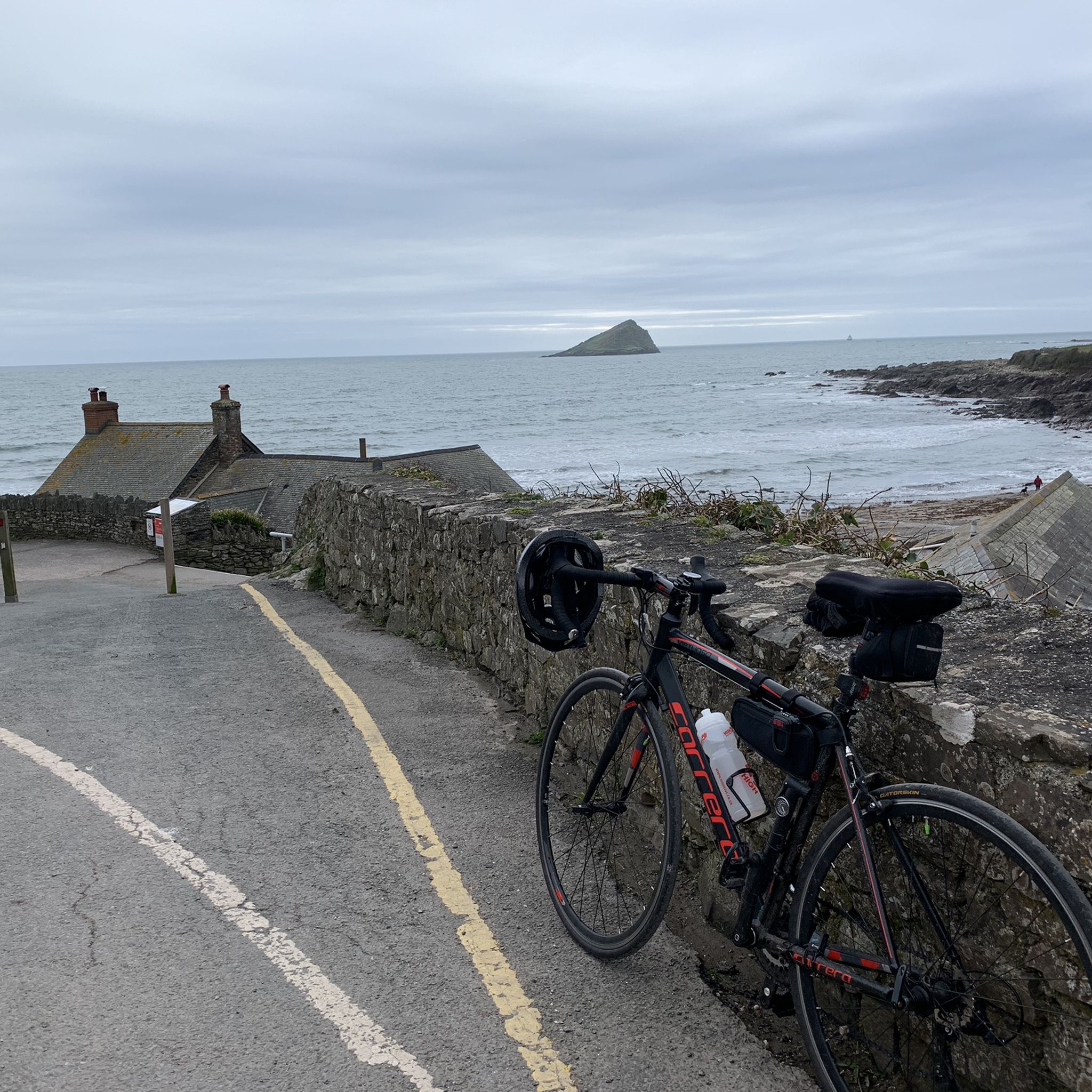
Wembury Beach
Highlight • Rest Area
Tip by

Penlee Point
Highlight • Natural Monument
Tip by

View of Plymouth Sound, Drake's Island, and Mount Edgcumbe from Devil's Point
Highlight • Historical Site
Translated by Google •
Tip by

Sign up for free to discover even more natural monuments around Wembury.
Sign up for free
Already have an account?
Start today with a free account
Your next adventure awaits.
Login or Signup
Popular around Wembury
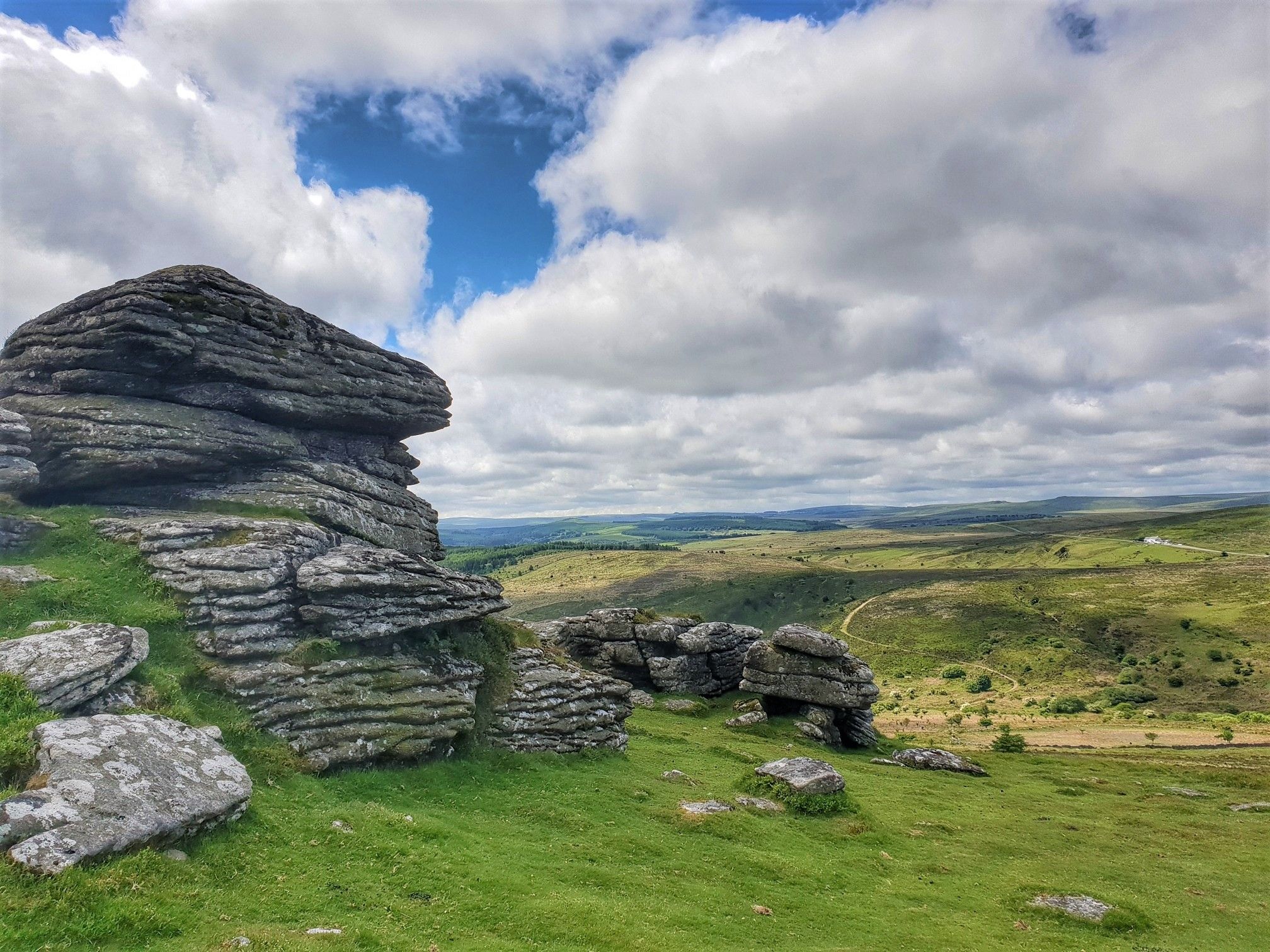
Two Moors Way — Wild coast-to-coast over Dartmoor and Exmoor
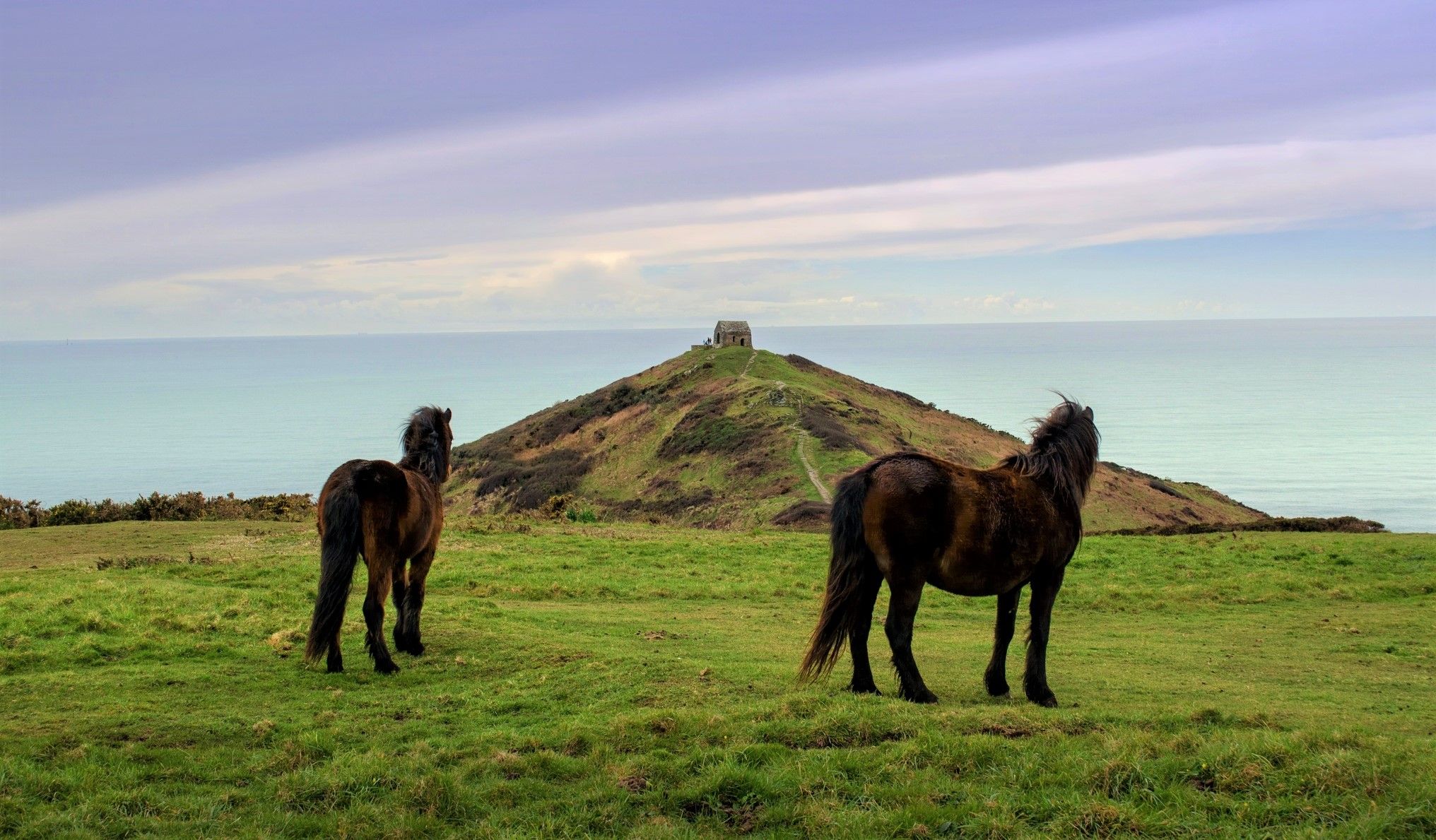
South West Coast Path — Part 3 — Conquer Britain's longest trail
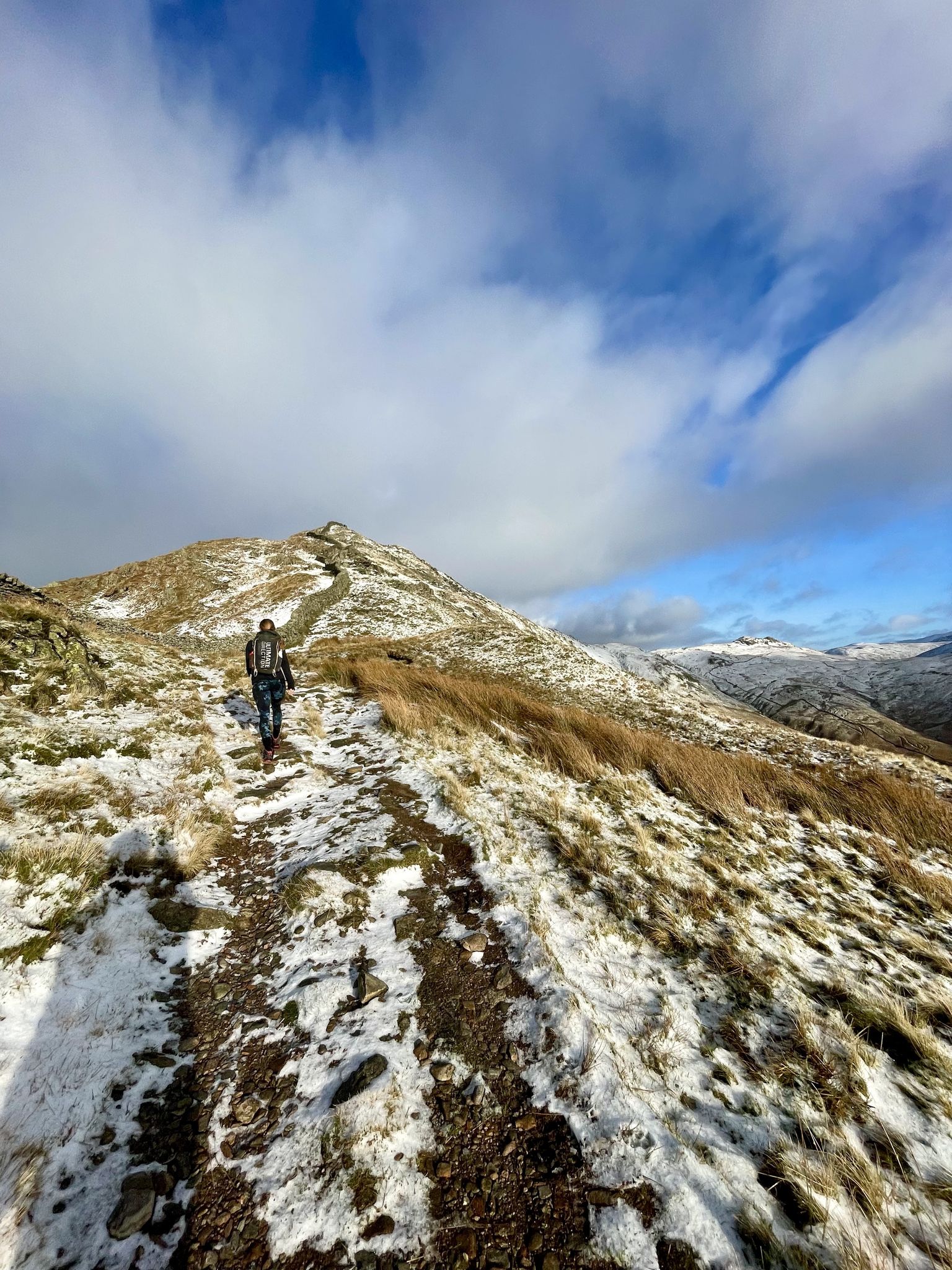
Walk Britain – 90 car-free adventures in England, Wales and Scotland
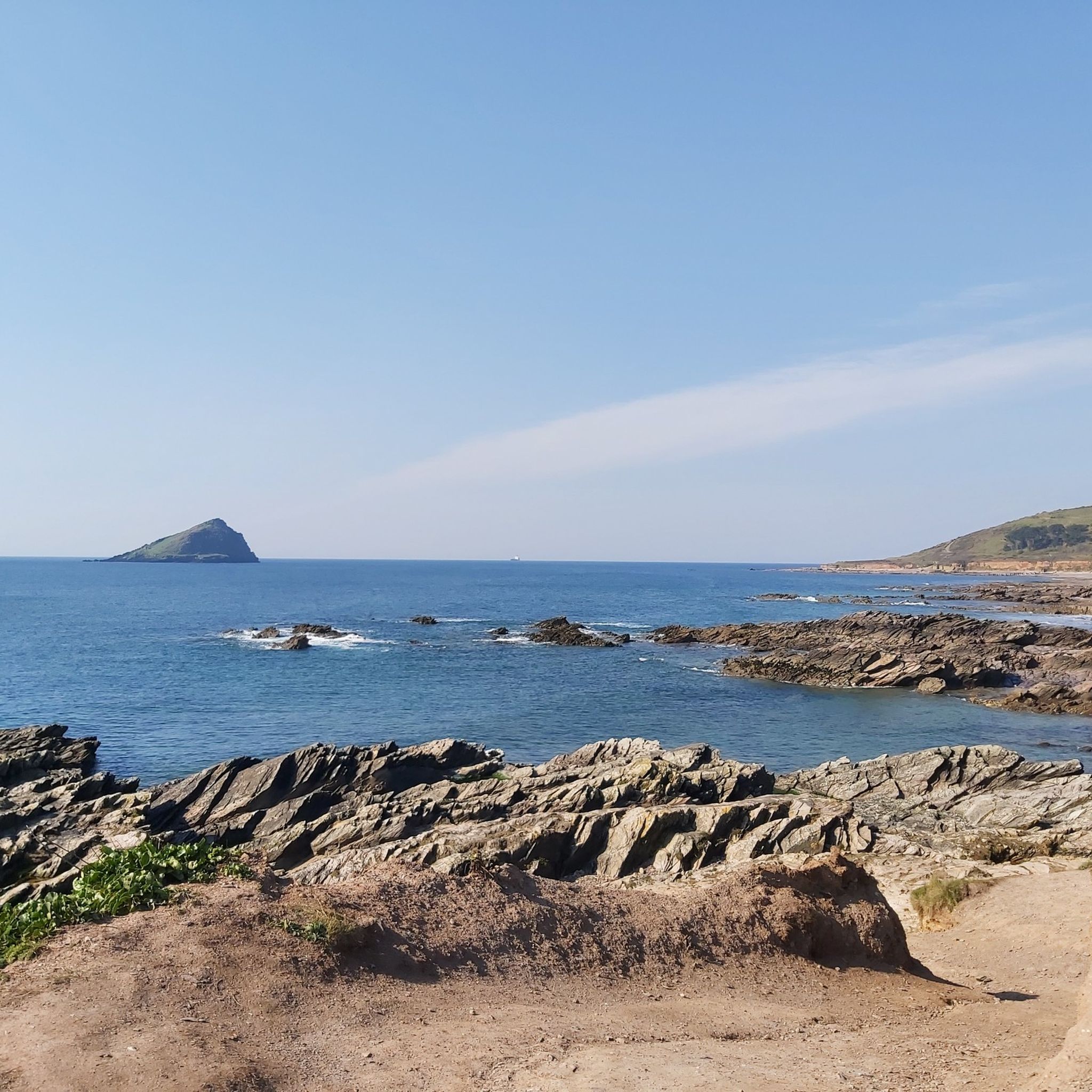
Hiking around Wembury
Running Trails around Wembury
Cycling around Wembury
MTB Trails around Wembury
Road Cycling Routes around Wembury
Gravel biking around Wembury
Other adventures around Wembury


Tips from the Community

Depart Raneleigh Barns hamlet, passing views of manor houses and thatched farms, and arriving at the church on the clifftop of Wemberry Beach. And with luck, pass by when the bell ringer is playing.
0
0


The Hoe is a large limestone plateau on the edge of which is the citadel. In the park on the Hoe there is a large collection of impressive monuments to the great seafaring nation, including the first circumnavigator Francis Drake, the victory over the Spanish Armada and the two World Wars. Built in front of the sea is the Tinside seawater outdoor pool in Art Deco style, which is definitely worth looking for, and the huge, freely accessible sea bathing area right next to it with a bit of Lost Place charm.
2
0

Devil's Point is a location on the eastern side of the mouth of the Tamar River where it meets the English Channel at Plymouth Sound. It is a historic, ecological and geological site with stunning views across the Hamoaze to Mount Edgcumbe in Cornwall and across Plymouth Sound to Drake's Island and beyond. Devil's Point has also played a military role, with a former reservoir supplying the iconic Royal William Yard next door and still visible defenses from the Second World War. You might imagine seeing Darwin's ship, The Beagle, anchoring at Barn Pool in 1837, just before he embarked on his famous circumnavigation of the world, or watching Napoleon pacing the deck of HMS Bellerophon, which sailed in July 1815 at anchor in the Sound before being exiled to St. Helena.
3
0

Mount Edgcumbe House was built in the mid 1500's and this country park was the estate and gardens. The estate was sold to the Plymouth City Council in 1988 and has been open to the public ever since. While walking here you will see the landscaped parkland of a country house, views across the Plymouth Sound to the naval base and breakwater, a Bronze Age burial mound, the 15th century church and several military installations designed to defend the important port.
0
0

Penlee Point is a coastal headland situated at the entrance to Plymouth Sound. From the point, you get spectacular views across Plymouth and beyond. Above Penlee Point and a little below the Coast Path is Queen Adelaide's Grotto, which was built in 1827-28 to mark the visit of King William IV and Queen Adelaide to Mount Edgcumbe.
2
0

Frequently Asked Questions
What natural features can I explore around Wembury?
Wembury is rich in diverse natural features. You can explore the dramatic coastal headland of Wembury Point, known for its geological formations and diverse habitats. Wembury Bay offers exceptional rock-pooling opportunities, teeming with marine life. Offshore, the distinctive rocky island of The Great Mewstone serves as a significant bird sanctuary. Other notable natural monuments include the expansive views from Plymouth Hoe, the coastal headland of Penlee Point, and the scenic Sharrow Beach (Freathy).
Are there family-friendly natural monuments in the Wembury area?
Yes, several natural monuments around Wembury are ideal for families. Wembury Beach is particularly popular for its rock-pooling, offering a fantastic opportunity for children to discover marine creatures. Plymouth Hoe provides a large greenspace for picnics and play, with stunning views. The View of Plymouth Sound, Drake's Island, and Mount Edgcumbe from Devil's Point is also family-friendly, offering historical interest alongside scenic vistas.
What kind of wildlife can I expect to see near Wembury's natural features?
The Wembury area is a haven for wildlife. The Great Mewstone is a vital bird sanctuary, home to numerous cliff-nesting seabirds, including herring gulls. Wembury Point is one of the few places to spot the rare cirl bunting, alongside lizards, adders, and various butterflies. Wembury Bay's rockpools are teeming with marine life such as limpets, anemones, crabs, pipe fish, and spiny starfish. Further offshore, there are possibilities of spotting dolphins, basking sharks, and porpoises.
What historical or cultural sites are integrated with the natural monuments?
The natural monuments around Wembury often have rich historical connections. The Great Mewstone, for instance, has a fascinating past as a place of exile and former habitation. Devil's Point is a significant historical and geological site with remnants of WWII defenses and connections to figures like Darwin and Napoleon. Plymouth Hoe features dramatic memorials and Smeaton's Tower, reflecting Plymouth's maritime history. Penlee Point includes Queen Adelaide's Grotto, built in the 19th century.
Are there hiking trails near the natural monuments around Wembury?
Yes, Wembury offers excellent hiking opportunities, particularly along the South West Coastal Path. You can find easy hikes like the 'Wembury beach & the River Yealm loop' or the 'Heybrook Bay & Wembury Point loop'. For more options and detailed routes, explore the Easy hikes around Wembury guide.
What other outdoor activities can I do near Wembury's natural monuments?
Beyond hiking, the Wembury area provides various outdoor activities. The coastline is popular for coastal walks, birdwatching, swimming, and snorkelling. For those interested in cycling, there are gravel biking routes available, such as the 'Lydia Bridge Waterfall – The Station House loop'. You can find more details in the Gravel biking around Wembury guide. Running enthusiasts can also find suitable trails, including the 'Coastal Run loop from Wembury', detailed in the Running Trails around Wembury guide.
What is the best time of year to visit the natural monuments in Wembury?
The Wembury area is beautiful year-round, but the best time to visit often depends on your interests. Spring and summer offer warmer weather, ideal for coastal walks, rock-pooling, and enjoying the vibrant marine life and wildflowers. Birdwatching is excellent during migration seasons. Autumn provides stunning coastal colours, while winter can offer dramatic, rugged scenery for those seeking a quieter experience.
Is public transport available to reach Wembury's natural attractions?
While Wembury is a village, public transport options exist to reach the general area. Local bus services connect Wembury to Plymouth, from where you can access various natural monuments. It's advisable to check current bus schedules for specific routes and timings to plan your visit effectively.
Are there dog-friendly walks around Wembury's natural monuments?
Many of the coastal paths and natural areas around Wembury are dog-friendly, allowing you to enjoy the scenery with your canine companion. Plymouth Hoe and Sharrow Beach (Freathy) are noted as dog-friendly. However, always keep dogs under control, especially in areas with livestock (like the Dartmoor ponies at Wembury Point) or protected wildlife, and be mindful of local signage regarding restrictions, particularly on beaches during peak seasons.
What do visitors enjoy most about the natural monuments in Wembury?
Visitors frequently praise the stunning panoramic views, especially from viewpoints like Plymouth Hoe and Devil's Point. The exceptional rock-pooling at Wembury Beach is a major highlight, particularly for families. The dramatic coastal scenery, the geological formations, and the rich biodiversity, including birdwatching opportunities, are also highly appreciated. Many enjoy the sense of history intertwined with the natural beauty of the area.
Where can I find parking for natural monuments near Wembury?
Parking is available at various points around Wembury. For instance, there is parking near Wembury Beach, which is free for National Trust members. Other natural monuments and coastal access points often have designated car parks, though some may be pay-and-display. It's always a good idea to check local signage upon arrival for specific parking regulations and fees.
Most popular routes around Wembury
Most popular attractions around Wembury

Get inspired with the komoot mobile app


Explore more
Extend your search for the best caves by checking out these guides of the top ones around Wembury:
