Top 6 Natural Monuments around Lytchett Matravers
Natural monuments around Lytchett Matravers include diverse landscapes within the Dorset countryside. This region features a mix of heathland, marshland, and coastal environments. The Lytchett Bay Nature Reserve is a significant natural monument, providing varied habitats for wildlife. These areas offer opportunities for nature observation and outdoor exploration.
Best natural monuments around Lytchett Matravers
- The most popular natural monuments is Badbury Rings Iron Age hillfort, a viewpoint that is an Iron Age hill fort and Scheduled Monument. It features…
Last updated: May 19, 2026
Badbury Rings Iron Age hillfort
Highlight • Viewpoint
Tip by

Woolsbarrow Hillfort
Highlight • Historical Site
Tip by

Sign up now to discover places like this
Get recommendations on the best single tracks, peaks, & plenty of other exciting outdoor places.
Sign up for free
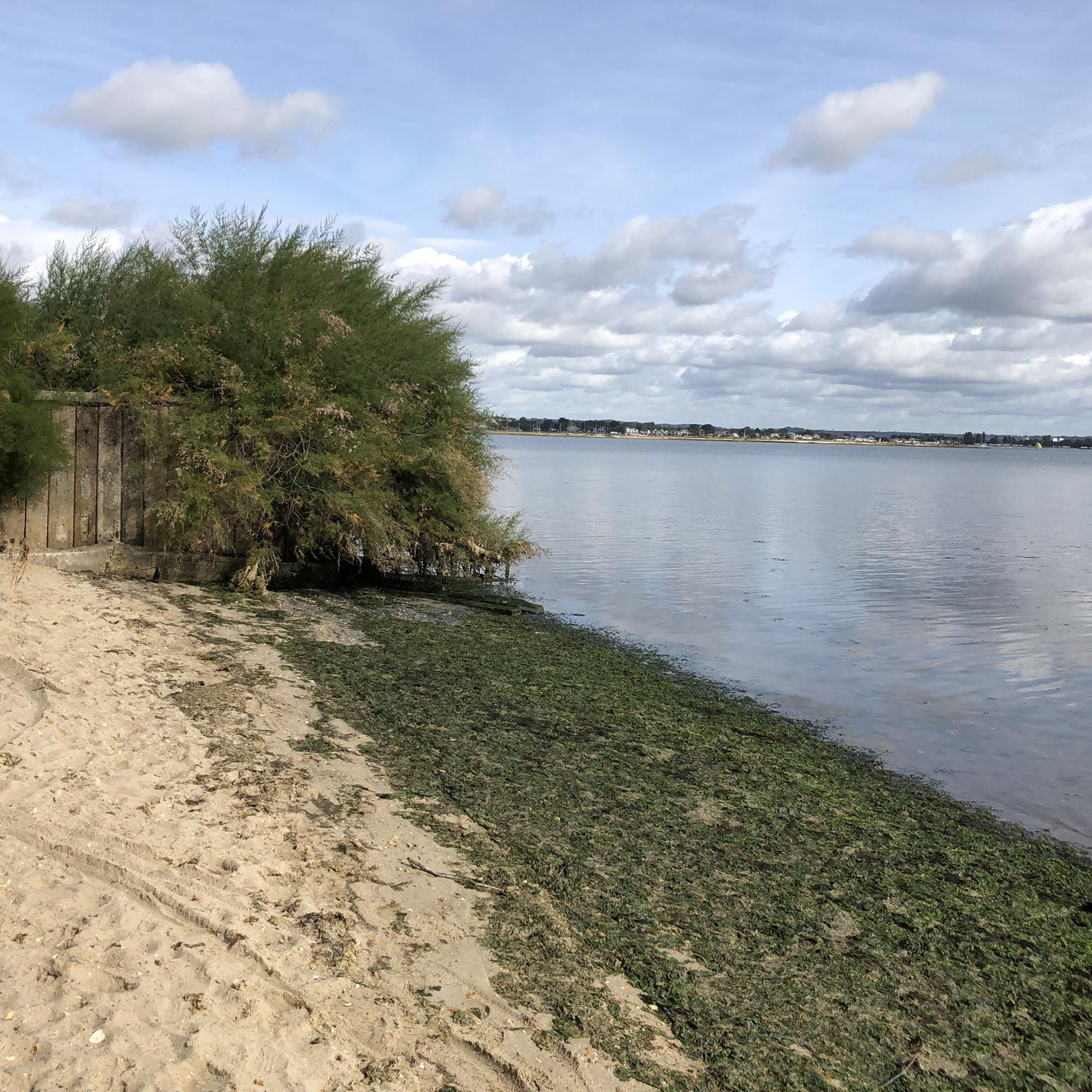
Shipstall Beach
Highlight • Beach
Tip by

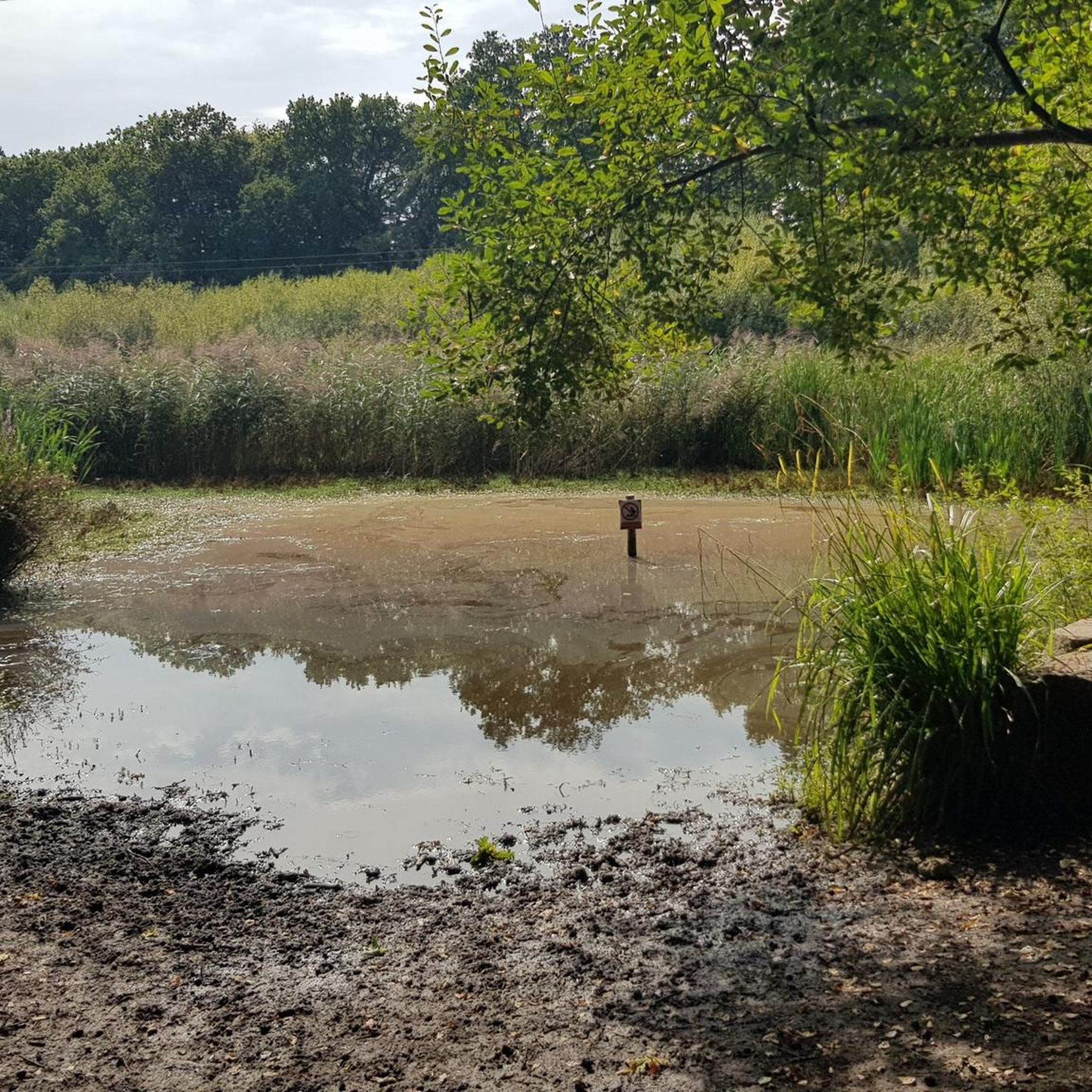
Bluebell Woodland
Highlight • Natural Monument
Tip by

Woodbury Hill Fort
Highlight • Historical Site
Tip by

Sign up for free to discover even more natural monuments around Lytchett Matravers.
Sign up for free
Already have an account?
Start today with a free account
Your next adventure awaits.
Login or Signup
Tips from the Community

Beautiful snowdrops in February highly recommend these gardens
1
0

Beautiful spot, on a sunny day could almost think you are in the Caribbean
0
0

Badbury Rings is an Iron Age hill fort and Scheduled Monument in east Dorset, England. In the Roman era a temple was located immediately west of the fort, and there was a Romano-British town known as Vindocladia ( Known today as Shapwick ) a short distance to the south-west. It sits over 300 feet above sea level, and there are two main phases of construction; the first covered 18 acres and was defended by multiple ditches, while the second was more than twice the size, covering 41 acres and defended by a single ditch and rampart. These ramparts make for great walking, but imagine the terror of trying to scale one whilst under attack from the occupants. Once you'd scaled one, there were more waiting for you. No wonder it was the last fort to be sacked by the Romans. Wonder just how many soldiers died trying to take it. Until 1983 Badbury Rings was privately owned as part of the Kingston Lacy estate, and the owners discouraged investigation of the site.[2] The site now belongs to the National Trust.[2] A survey of the hillfort by the RCHME was begun in 1993. The summit area was cleared of undergrowth by the National Trust in 1997 and the conifer plantation was thinned out. A survey in 1998, which recorded 28 potential hut sites within the ramparts, although some depressions are probably caused by uprooted trees. The first excavations, led by Martin Papworth, took place in 2004, when three evaluation trenches were dug. Almost all of the pottery found was dated to the Late Iron Age. The current evidence does not suggest that the hillfort was a principal settlement in the Early Iron Age. It seems likely that the hillfort became depopulated towards the end of the Late Iron Age, perhaps as the Vindocladia settlement near Shapwick developed.
1
0


Bradbury Rings is an Iron Age hill fort. The Romans built a temple here and there was a Romano-British town known as Vindocladia nearby. Today, you can run the earthworks and around the edge, it's fun and fascinating. The National Trust own and manage the site but it's open access to all.
0
0

There’s even several bike lock installations at the end of the bridleway, so you can leave you’re bike safely rather than take it onto the sandy beach.
0
0

Woolsbarrow Hillfort is located in a clearing in the forests of Bloxworth Heath. The nearest town is Bere Regis, about 3+1⁄4 miles (5.2 km) to the west-northwest of the hillfort. The heath is a popular walking area and the site can be reached by public footpath. Woolsbarrow is a slight univallate hillfort on a flat-topped knoll on the plateau of Bloxworth Heath, which separates the rivers Sherford to the east and Piddle to the west. The hillfort is marked by a single rampart about 20 feet (6.1 m) below the top of the gravel knoll and covers an area of around 2+1⁄4 acres (0.91 ha). The eastern part of the hillfort has been damaged by sand and gravel extraction, but much of it survives well and has the potential for further archaeological evidence to be uncovered. It is one of only about 150 slight univallate hillforts nationally and is of national importance.
0
0
Frequently Asked Questions
What natural features can I see around Lytchett Matravers?
The area around Lytchett Matravers offers a diverse range of natural features. You can explore the unique transition from heathland to marshland at Lytchett Bay Nature Reserve, which includes reedbeds and tidal mudflats. Other notable natural monuments include the ancient earthworks of Badbury Rings Iron Age hillfort, the quiet shores of Shipstall Beach, and the expansive landscapes of Purbeck Heaths National Nature Reserve.
Are there any historical natural monuments in the area?
Yes, Lytchett Matravers is home to significant historical natural monuments. Badbury Rings Iron Age hillfort is a prominent example, featuring impressive multiple ditches and ramparts. Another historical site is Woolsbarrow Hillfort, located on a gravel knoll within Wareham Forest, offering views from its summit.
What kind of wildlife can I observe near Lytchett Matravers?
Lytchett Bay Nature Reserve is a fantastic spot for wildlife observation. It's a crucial site for wading birds and wildfowl, where you might spot black-tailed godwits, redshanks, dunlins, and even rare water pipits in winter. Marsh harriers and peregrines are also frequent visitors. The heathland within the reserve provides a home for rare reptiles like adders and sand lizards, as well as breeding birds such as Dartford warblers and nightjars.
What are some family-friendly natural monuments to visit?
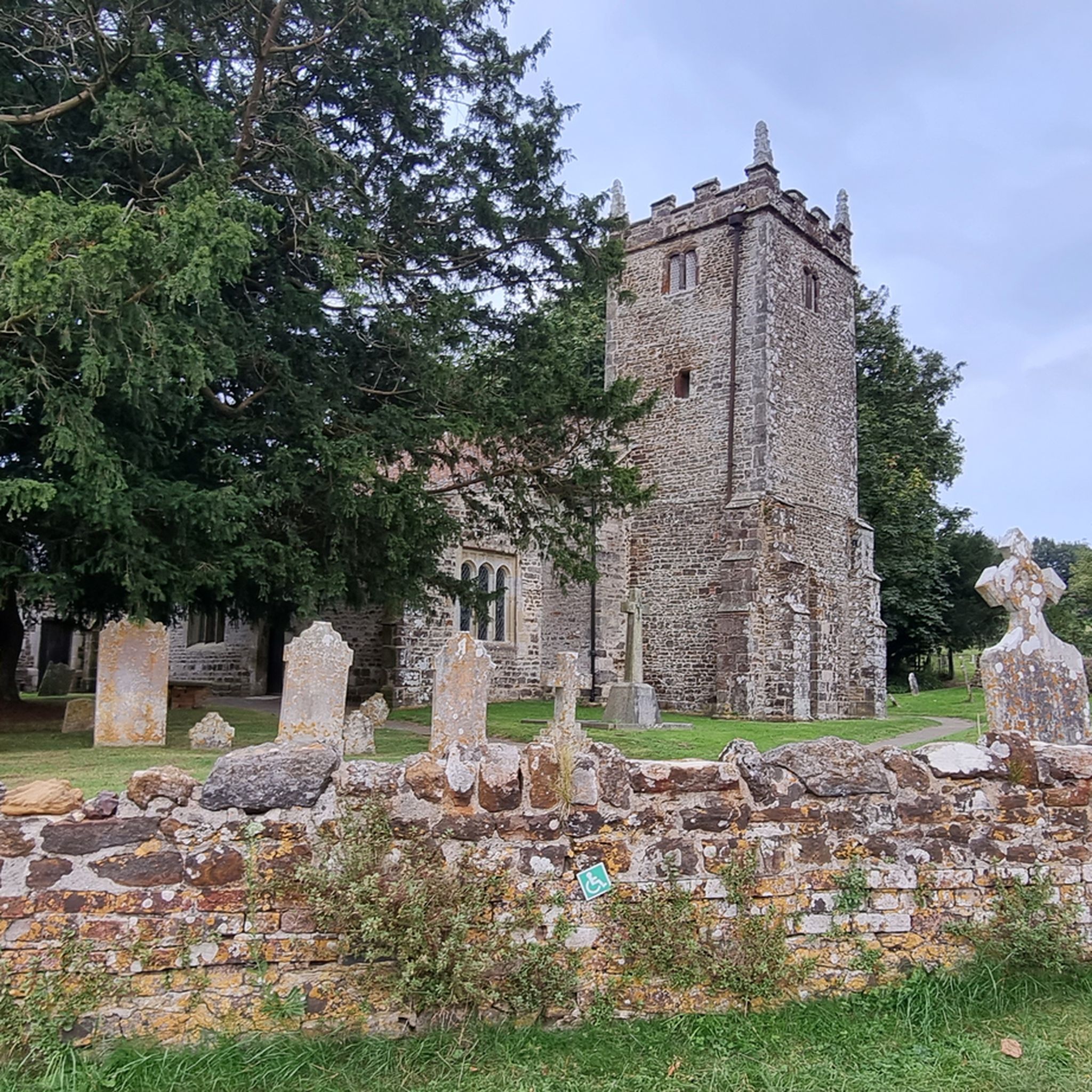
Several natural monuments around Lytchett Matravers are suitable for families. Badbury Rings Iron Age hillfort is family-friendly, offering space to explore the ancient earthworks. Shipstall Beach is a quiet spot perfect for picnics. Additionally, Bluebell Woodland is a protected area that families can enjoy, especially when the snowdrops are out in February.
Are there accessible natural monuments for visitors with restricted mobility?
Yes, Lytchett Bay View, part of the Lytchett Bay Nature Reserve, is designed with accessibility in mind. It features seats suitable for those with restricted mobility and boardwalks linking through Chads Copse, providing opportunities for short, easy walks and enjoying the scenic views across the bay.
What is the best time of year to visit the natural monuments around Lytchett Matravers?
The best time to visit depends on your interests. Spring and summer are ideal for enjoying the diverse plant life, such as bluebells in Bluebell Woodland, and hearing the churring song of nightjars at Lytchett Bay. Autumn and winter are excellent for birdwatching at Lytchett Bay Nature Reserve, as many wading birds and wildfowl migrate to the area.
What outdoor activities can I do near these natural monuments?
The area around Lytchett Matravers offers various outdoor activities. You can find numerous trails for running, road cycling, and mountain biking. For running, explore routes like 'The Cowshed Dorset – The Cowshed Dorset Café loop' or 'Running loop from Lytchett Matravers'. Cyclists can enjoy 'Poole Harbour – View of Poole Park Lake loop' or 'White Mill Bridge – St Mary the Virgin Church loop'. Mountain bikers have options like 'Rooty and Rocky Drop – Doug's Dirt Hole Singletrack loop'. You can find more details on these activities in the respective guides: Running Trails around Lytchett Matravers, Road Cycling Routes around Lytchett Matravers, and MTB Trails around Lytchett Matravers.
Are the natural monuments dog-friendly?
Many outdoor areas in Dorset are dog-friendly, but it's always best to check specific regulations for each site, especially nature reserves. For instance, at Shipstall Beach, the RSPB asks visitors to use cycle racks to avoid disturbing wildlife, implying a need for careful management of pets. When visiting nature reserves like Lytchett Bay or Purbeck Heaths, dogs should generally be kept on a lead to protect ground-nesting birds and other wildlife.
How long should I plan for a visit to the natural monuments?
The duration of your visit can vary. For a quick stop to enjoy the views and a short walk, places like Lytchett Bay View or Shipstall Beach might take an hour or two. Exploring larger sites like Badbury Rings Iron Age hillfort or Purbeck Heaths National Nature Reserve, especially if you plan to walk the ramparts or explore trails, could easily fill half a day or more.
What do visitors enjoy most about the natural monuments around Lytchett Matravers?
Visitors particularly enjoy the diverse landscapes and the opportunities for nature observation. The impressive earthworks and panoramic views from Badbury Rings Iron Age hillfort are highly appreciated. The quiet atmosphere of Shipstall Beach for picnics and the rich wildlife at Lytchett Bay Nature Reserve are also frequently highlighted. The overall sense of being immersed in nature and history is a key draw.
Are there any cafes or pubs near the natural monuments?
While specific cafes or pubs might not be directly adjacent to every natural monument, the wider Lytchett Matravers area and nearby towns offer options. For example, near Woolsbarrow Hillfort, which is accessible via the Sika Trail, there's an excellent cafe (in a trailer) run by a pro bike mechanic at the start of the trail. The village of Lytchett Matravers itself will have local establishments.
What should I wear when visiting the natural monuments?
Given the varied terrain, including heathland, marshland, and historical sites, it's advisable to wear comfortable walking shoes or boots. Layers are recommended as weather conditions can change, and waterproofs might be useful, especially during wetter seasons. For birdwatching or wildlife spotting, consider bringing binoculars.
Most popular routes around Lytchett Matravers
Most popular attractions around Lytchett Matravers

Get inspired with the komoot mobile app


Explore more
Extend your search for the best caves by checking out these guides of the top ones around Lytchett Matravers:
