Top 10 Natural Monuments around Okeford Fitzpaine
Best natural monuments around Okeford Fitzpaine are found in the Blackmore Vale, a landscape characterized by rolling hills, wooded areas, and meandering streams. This region, situated beneath the scarp face of the Dorset Downs, offers significant natural beauty and geological interest. The area features several notable hills, many with historical significance as Iron Age hill forts, providing panoramic views and diverse ecosystems. These sites offer opportunities for outdoor activities and exploration of the local natural heritage.
Best natural monuments around…
Last updated: July 1, 2026
Hambledon Hill Iron Age hill fort
Highlight • Viewpoint
Tip by

Hod Hill
Highlight • Viewpoint
Tip by

Sign up now to discover places like this
Get recommendations on the best single tracks, peaks, & plenty of other exciting outdoor places.
Sign up for free
Hambledon Hill Ramparts
Highlight • Historical Site
Tip by

Fontmell Down
Highlight (Segment) • Viewpoint
Tip by

The Dorsetshire Gap
Highlight • Viewpoint
Tip by

Sign up for free to discover even more natural monuments around Okeford Fitzpaine.
Sign up for free
Already have an account?
Start today with a free account
Your next adventure awaits.
Login or Signup
Tips from the Community

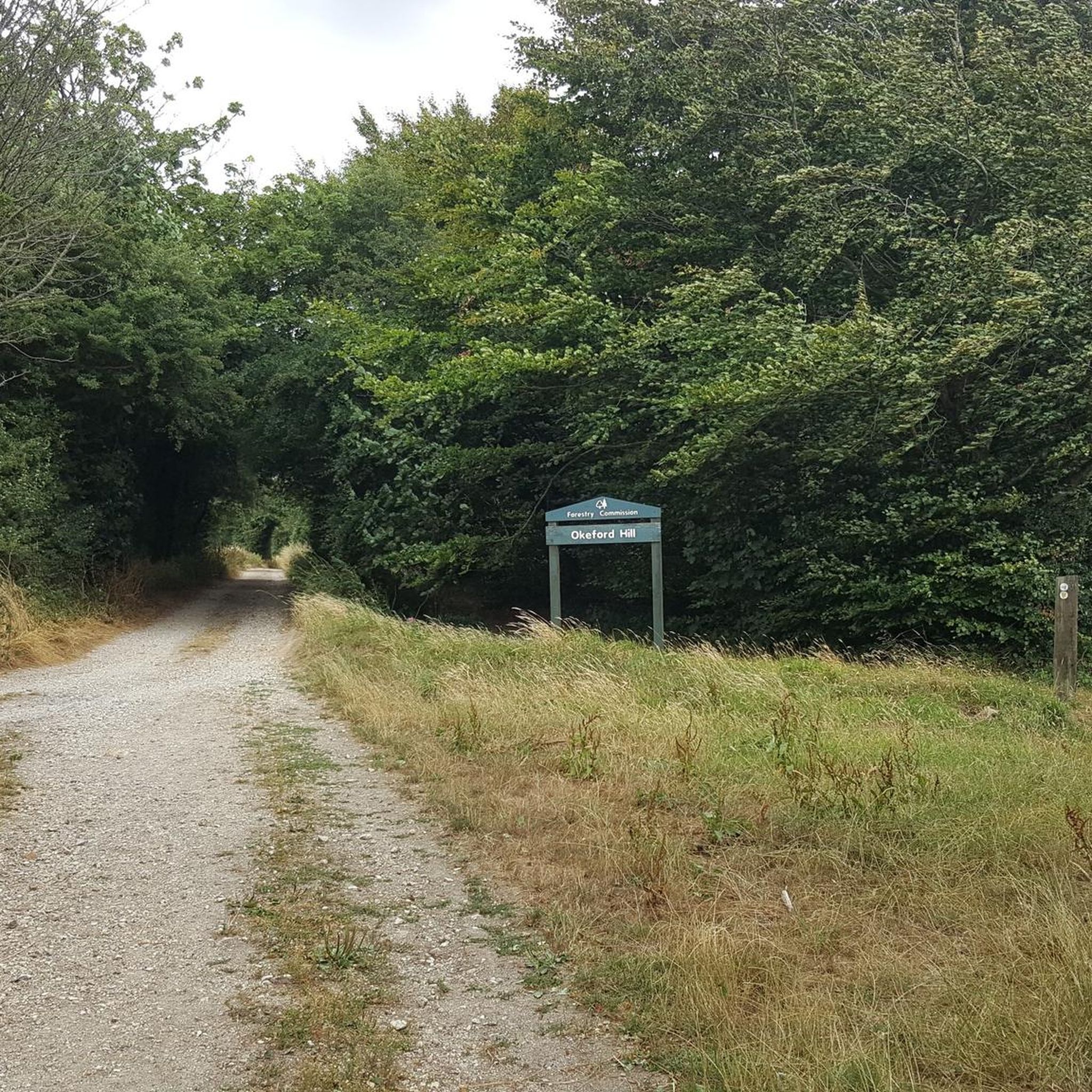
This was the part that I was longing for dry weather. The proper ridgeway from here on eastward is stunning but if less than knobby tyres you'll need to drop down.
0
0

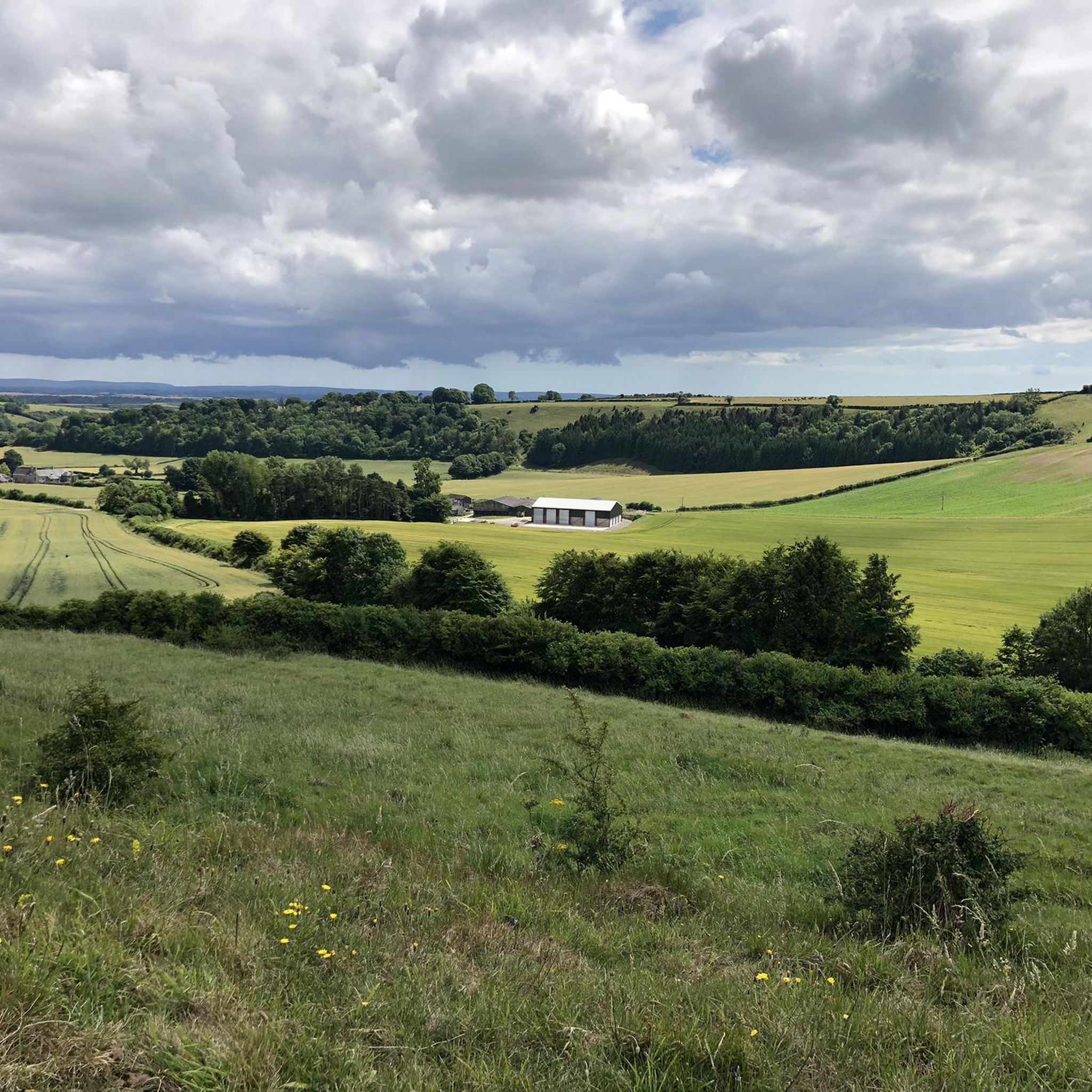
Fontmell Down is a Site of Special Scientific Interest (SSSI) and a nature reserve located in Dorset, England, within the Cranborne Chase Area of Outstanding Natural Beauty. It is known for its beautiful chalk downland, rich biodiversity, and panoramic views. The down is a steep, sinuous flank of a chalk plateau, offering extensive views across the Blackmore Vale, a landscape featured in the novels of Thomas Hardy. The chalk was formed about 100 million years ago from microscopic plants, and the down's steep-sided dry valleys were created by periglacial meltwater erosion during the last Ice Age. Earthworks visible on the down are much more recent, including those from a golf course that was present in the 1930s. In 1645, the downs were the site of an assembly of 3,000 Dorset "Clubmen," who were local residents protesting against the armies of both sides in the English Civil War.
0
0

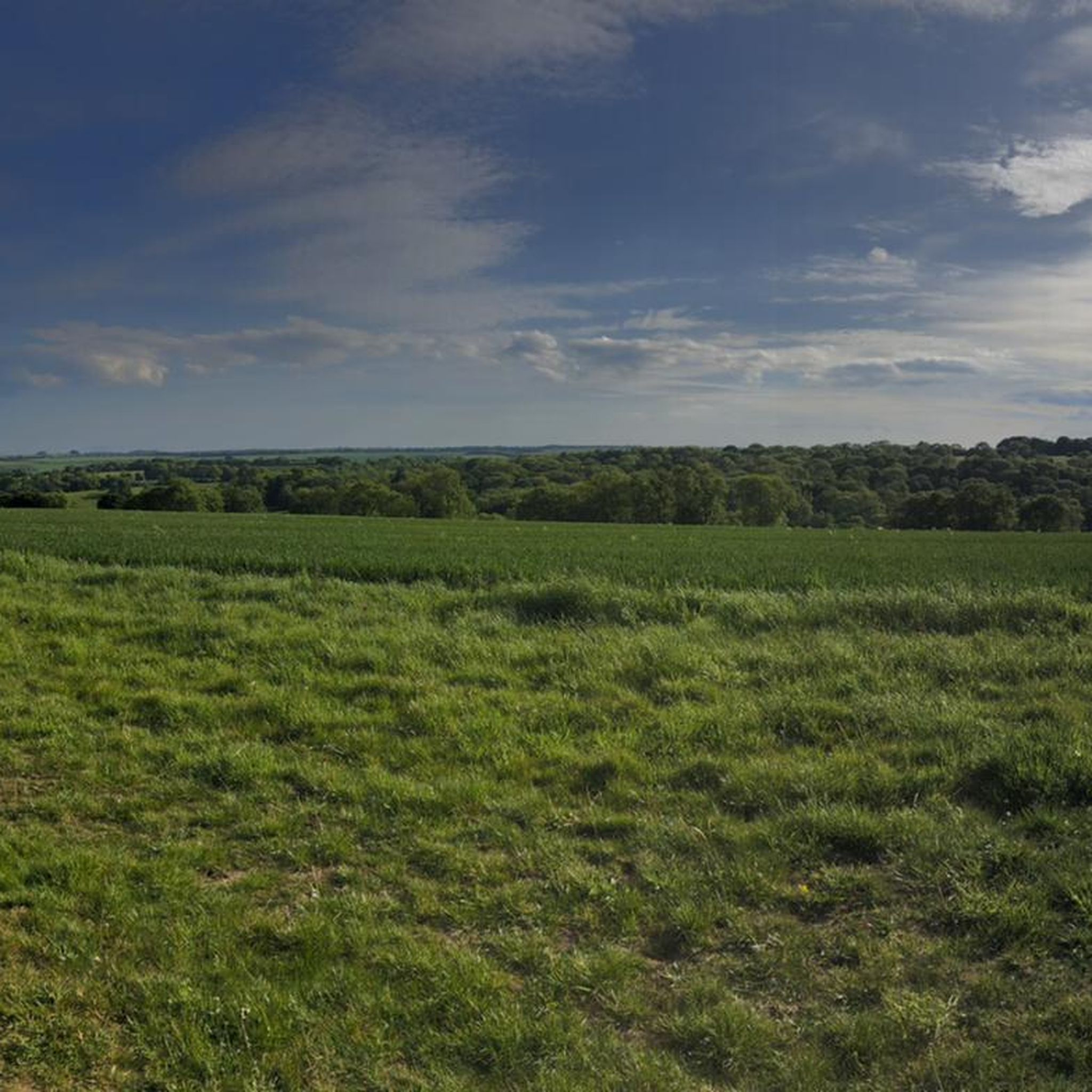
Pop into the cricketers pub before or after your hike it’s in the village (shroton)
0
0
The hill is now a National Nature Reserve (NNR) with common plants including milkwort, salad burnet, horseshoe vetch, squinancywort, pyramidal orchid and wild thyme. Rarer species include bastard toadflax, meadow saxifrage, early gentian and dwarf sedge. Butterflies include dingy skipper, grizzled skipper, chalkhill blue and Adonis blue. In August 2014, Hambledon Hill fort was acquired by the National Trust for £450,000. The money to buy the hill had come from a Natural England grant and a legacy gift left to benefit Dorset countryside. The hillfort is a Scheduled Monument, as is the adjacent Neolithic causewayed camp.
2
0
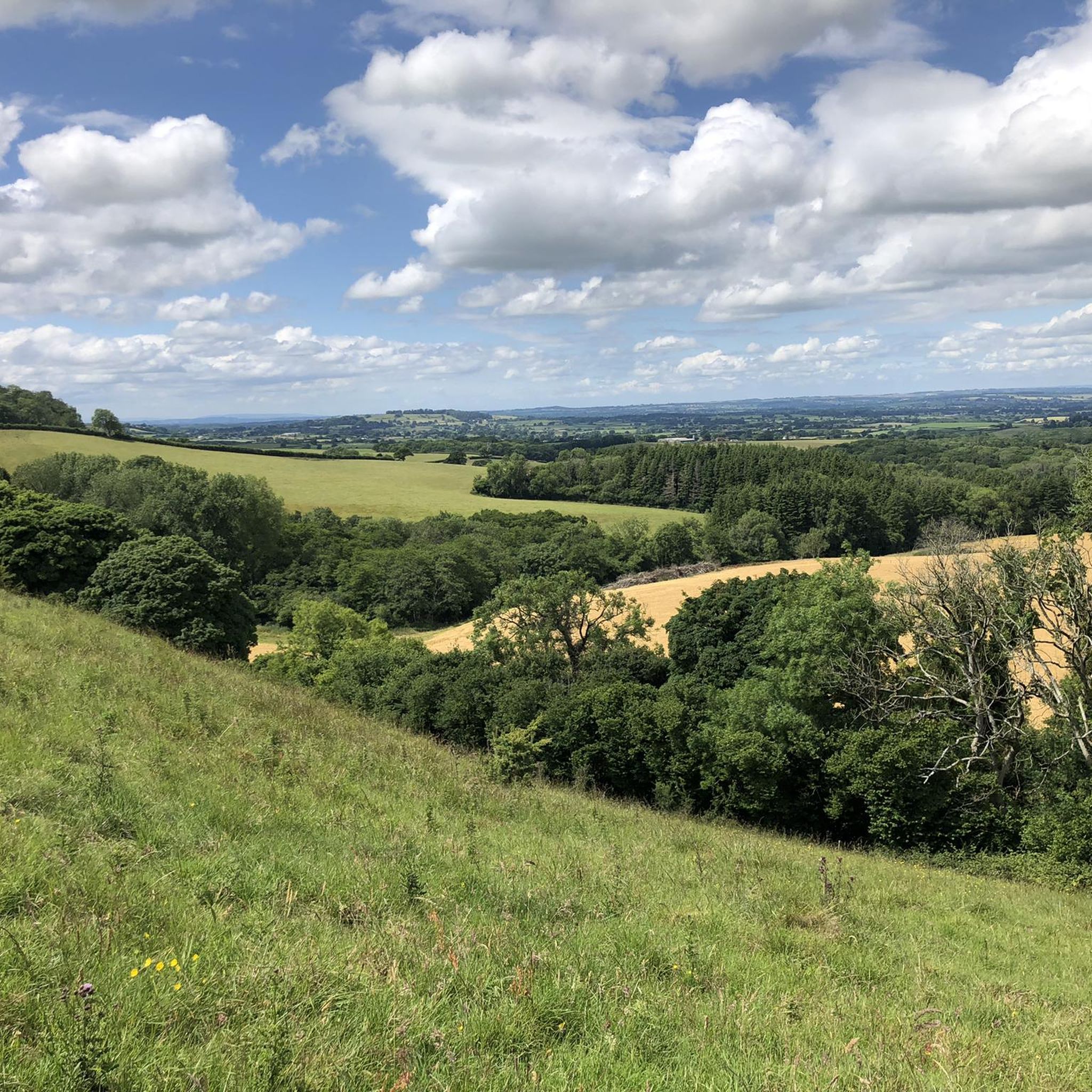
Hambledon Hill is a prehistoric hill fort in Dorset, England, in the Blackmore Vale five miles northwest of Blandford Forum. The hill itself is a chalk outcrop, on the southwestern corner of Cranborne Chase, separated from the Dorset Downs by the River Stour. It is owned by the National Trust. Hambledon Hill is the first in a series of Iron Age earthworks,] which continues with Hod Hill, Spetisbury Rings, Buzbury Rings, Badbury Rings and Dudsbury Camp. The Iron Age port at Hengistbury Head forms a final Iron Age monument in this small chain of sites. The ramparts are a lot longer than you think, amazing fun getting around them all though.
1
0
Frequently Asked Questions
What are some of the most historically significant natural monuments near Okeford Fitzpaine?
The region is rich in historical natural monuments. Hambledon Hill Iron Age hill fort is recognized as one of Britain's best-preserved Iron Age hill forts and a significant Neolithic landscape. Similarly, Hod Hill features both an impressive Iron Age hill fort and a Roman fort, distinguished by its deep ramparts. Both sites offer a fascinating glimpse into the past.
Which natural monuments offer the best panoramic views of the Blackmore Vale?
For breathtaking panoramic views, Hambledon Hill Iron Age hill fort is an excellent choice, offering extensive vistas across the Blackmore Vale and into neighboring Wiltshire and Somerset. Okeford Hill also provides stunning views across the Vale, extending to Melbury Beacon and Stourhead.
Are there any natural monuments suitable for family visits around Okeford Fitzpaine?
Yes, Hod Hill is considered family-friendly, with its deep ramparts making it an engaging place to walk, especially for children. The grassy slopes are abundant in insects, butterflies, and plant life, which can be exciting for younger visitors.
What kind of wildlife can I expect to see at the natural monuments in this area?
The chalk grasslands of sites like Hambledon Hill Iron Age hill fort are home to diverse flora and fauna. You might spot common plants like milkwort and wild thyme, as well as rarer species such as bastard toadflax and early gentian. The area is also known for various butterflies, including the dingy skipper, chalkhill blue, and Adonis blue. Hod Hill is also vibrant with insects, butterflies, and plant life, particularly in spring and summer.
What is the best time of year to visit the natural monuments near Okeford Fitzpaine?
Spring and summer are particularly vibrant seasons to visit, as the plant life, insects, and butterflies are at their peak. For example, Hod Hill is especially stunning during cowslip season. The views are generally excellent year-round, but the warmer months offer the richest natural displays.
Are there opportunities for cycling or mountain biking near these natural monuments?
Yes, the area offers various cycling opportunities. Okeford Hill is popular with mountain biking enthusiasts, featuring a bike park with over 400 feet of alpine-style downhill trails. For gravel biking, you can explore routes like the 'Hodway Lane Trail Intersection – North Dorset Trailway loop from Sturminster Newton' or 'Ashmore Village and Pond – Ox Drove Gravel Road loop from Blandford Forum'. You can find more details on these routes in the Gravel biking around Okeford Fitzpaine guide.
What walking trails pass through or near the natural monuments?
Several notable trails traverse the area. The Wessex Ridgeway passes through Okeford Hill and also runs through Hambledon Hill Iron Age hill fort. The Stour Valley Way passes directly through the center of Hod Hill, offering excellent views. The Dorsetshire Gap is also a junction for several bridleways, including the ancient Wessex Ridgeway.
Are there any natural monuments with geological significance?
Yes, Fontmell Down is a Site of Special Scientific Interest (SSSI) known for its chalk downland. The chalk was formed about 100 million years ago from microscopic plants, and its steep-sided dry valleys were created by periglacial meltwater erosion during the last Ice Age, making it a site of significant geological interest.
Can I find any 'hidden gems' or less-known natural spots in the area?
While not a 'hidden gem' in the traditional sense, The Dorsetshire Gap offers a very atmospheric location, thought to be part of ancient trading routes. It's a dip in the Dorset Downs chalk ridge, providing a sense of untouched history and breathtaking landscapes, often less frequented than the main hill forts.
What are the typical difficulties of walks around the natural monuments?
Walks around the natural monuments vary in difficulty. Many involve ascents to hilltops, such as Hambledon Hill and Hod Hill, which can be intermediate due to steep sections. Trails like those through The Dorsetshire Gap can be tough, with tracks that may not always be well-defined. However, the Stour Valley Way, which passes through Hod Hill, is mostly low-lying, offering easier sections.
Are there any natural monuments that are part of a larger nature reserve?
Yes, Hambledon Hill Iron Age hill fort is a National Nature Reserve (NNR) and is managed by the National Trust. It is recognized as one of the best examples of unimproved calcareous grassland in England, protecting its diverse plant and animal species. Fontmell Down is also a Site of Special Scientific Interest (SSSI).
Where can I find nearby pubs or cafes after visiting the natural monuments?
After exploring, you can find local amenities in nearby villages. For example, the Cricketers pub in Shroton is a suggestion for visitors to Hambledon Hill. The wider Blackmore Vale area, including Okeford Fitzpaine itself, has various charming villages where you can find refreshments.
Most popular routes around Okeford Fitzpaine
Most popular attractions around Okeford Fitzpaine

Get inspired with the komoot mobile app


Explore more
Extend your search for the best caves by checking out these guides of the top ones around Okeford Fitzpaine:
