Top 9 Natural Monuments around Shapwick
Best natural monuments around Shapwick are primarily found within the Avalon Marshes, an expansive wetland landscape. This area is characterized by its diverse habitats, including lakes, reed-beds, fens, and woodlands, which support a variety of wildlife. The region also features significant historical sites, such as Iron Age hillforts and Neolithic henges. These natural monuments offer opportunities for exploring both ecological diversity and ancient human history.
Best natural monuments around Shapwick
- The most popular natural monuments is Badbury Rings Iron Age…
Last updated: May 3, 2026
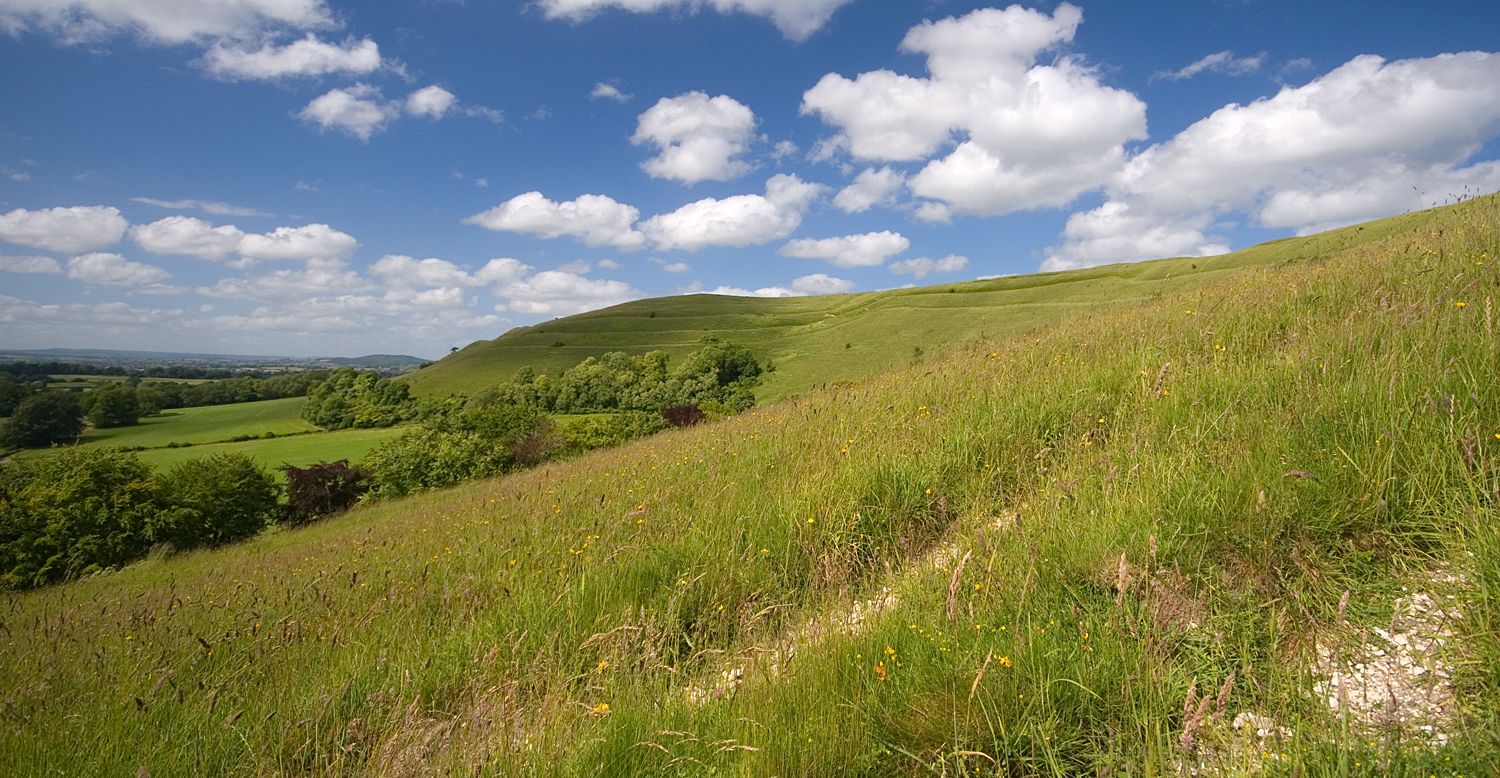
Badbury Rings Iron Age hillfort
Highlight • Viewpoint
Tip by

Woolsbarrow Hillfort
Highlight • Historical Site
Tip by

Sign up now to discover places like this
Get recommendations on the best single tracks, peaks, & plenty of other exciting outdoor places.
Sign up for free
Bluebell Woodland
Highlight • Natural Monument
Tip by

Knowlton Church and Neolithic Henge
Highlight • Religious Site
Tip by

Bull Barrow Trig Point
Highlight • Historical Site
Tip by
Sign up for free to discover even more natural monuments around Shapwick.
Sign up for free
Already have an account?
Start today with a free account
Your next adventure awaits.
Login or Signup
Other adventures around Shapwick

Tips from the Community

If you enjoy a bit of architectural time-travel with a spooky twist, Knowlton Church & EarthworksClick to open side panel for more information is one of the most atmospheric spots in Dorset. It is essentially a "history sandwich" where a 12th-century Christian church was built directly inside a much older Neolithic henge. The Ultimate Mash-up: It is a rare example of "reusing" a sacred site. The Normans built their church right in the middle of a pagan ceremonial circle, creating a visual timeline that spans thousands of years. Ghostly Vibes: Because of its lonely location and ruined state, it is a legendary hotspot for local ghost stories. Whether you believe in the "Face in the Window" or not, the silence of the surrounding fields makes it feel incredibly mysterious. The Henge High-Ground: You can still walk along the massive circular earthwork banks. From the top, you get a great view of the ruined flint walls of the church standing defiantly in the center of the ring. Picnic with the Past: Unlike many tourist spots, it is completely open and free to wander. It’s a perfect place to spread a blanket, grab a sandwich, and wonder what the original builders were thinking 4,000 years ago.
0
0

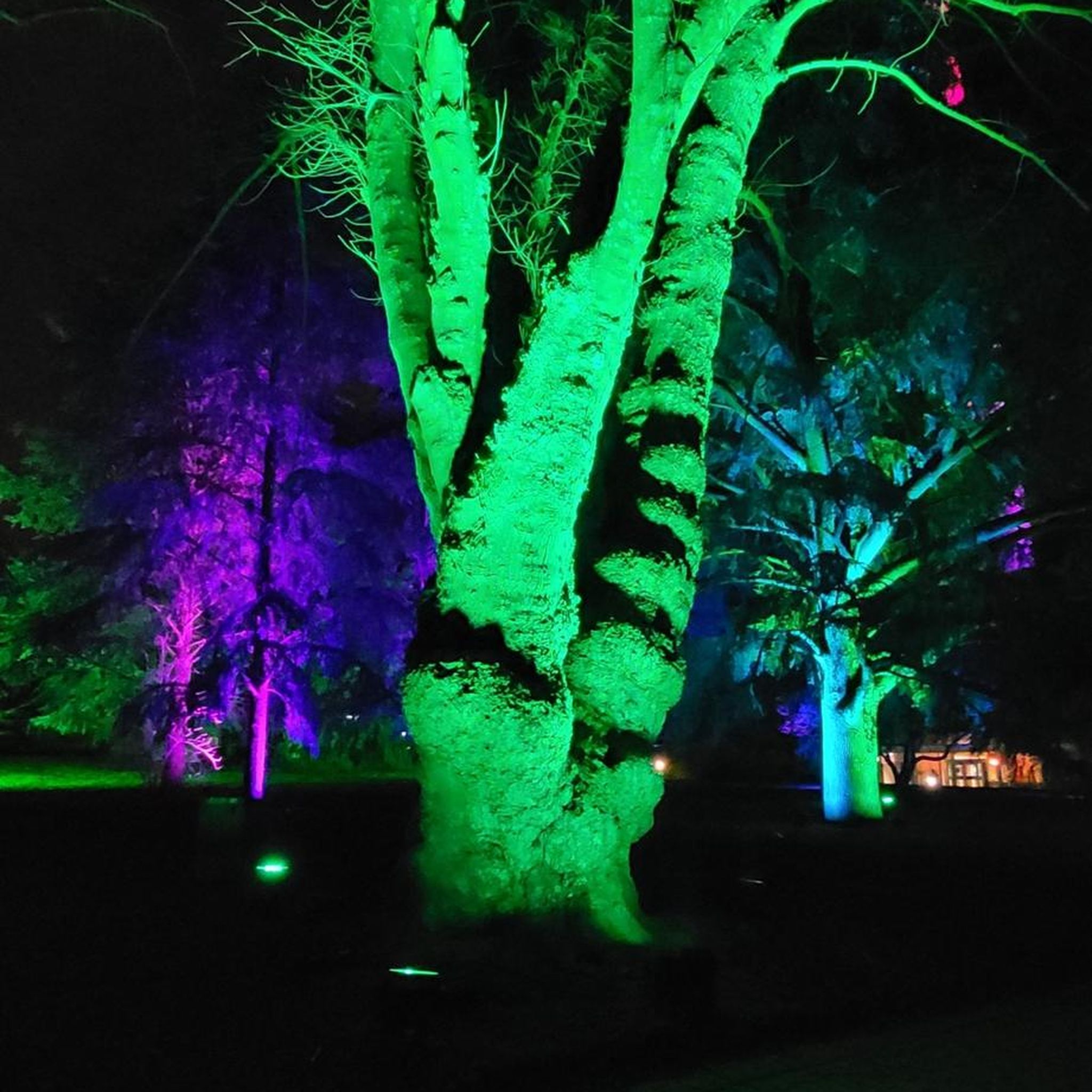
Beautiful snowdrops in February highly recommend these gardens
1
0
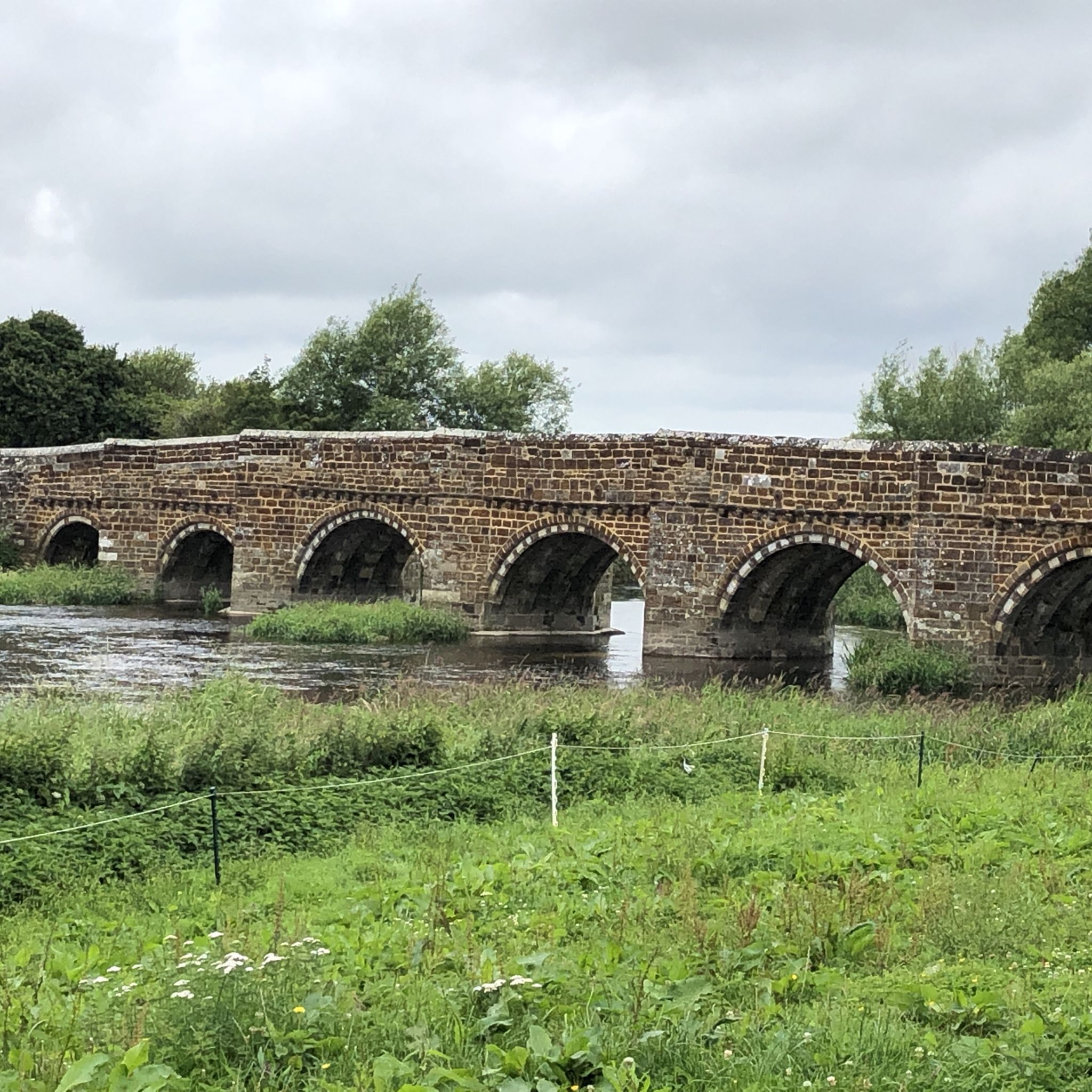
Badbury Rings is an Iron Age hill fort and Scheduled Monument in east Dorset, England. In the Roman era a temple was located immediately west of the fort, and there was a Romano-British town known as Vindocladia ( Known today as Shapwick ) a short distance to the south-west. It sits over 300 feet above sea level, and there are two main phases of construction; the first covered 18 acres and was defended by multiple ditches, while the second was more than twice the size, covering 41 acres and defended by a single ditch and rampart. These ramparts make for great walking, but imagine the terror of trying to scale one whilst under attack from the occupants. Once you'd scaled one, there were more waiting for you. No wonder it was the last fort to be sacked by the Romans. Wonder just how many soldiers died trying to take it. Until 1983 Badbury Rings was privately owned as part of the Kingston Lacy estate, and the owners discouraged investigation of the site.[2] The site now belongs to the National Trust.[2] A survey of the hillfort by the RCHME was begun in 1993. The summit area was cleared of undergrowth by the National Trust in 1997 and the conifer plantation was thinned out. A survey in 1998, which recorded 28 potential hut sites within the ramparts, although some depressions are probably caused by uprooted trees. The first excavations, led by Martin Papworth, took place in 2004, when three evaluation trenches were dug. Almost all of the pottery found was dated to the Late Iron Age. The current evidence does not suggest that the hillfort was a principal settlement in the Early Iron Age. It seems likely that the hillfort became depopulated towards the end of the Late Iron Age, perhaps as the Vindocladia settlement near Shapwick developed.
1
0


Bradbury Rings is an Iron Age hill fort. The Romans built a temple here and there was a Romano-British town known as Vindocladia nearby. Today, you can run the earthworks and around the edge, it's fun and fascinating. The National Trust own and manage the site but it's open access to all.
0
0
The remains of a 12th-century church within the old earthworks of a Neolithic henge. A bit of a jumble of pagan and Christian worship. Look out for the remains of the old yew tree avenue.
0
0
The trig point on Bull Barrow to the north of Holt Heath stands at 57m. The barrow is Neolithic or Bronze age.
0
0
Frequently Asked Questions
What natural features can I explore in the Shapwick area?
The Shapwick area is rich in diverse natural features, primarily within the expansive Avalon Marshes. You can explore extensive wetland landscapes, including lakes, reed-beds, fens, and woodlands, particularly at Shapwick Heath National Nature Reserve. This area is a haven for wildlife, offering varied habitats from lush wildflower meadows to open water fringed with rustling reed-beds.
Are there any historical natural monuments to visit near Shapwick?
Yes, the region boasts several significant historical natural monuments. You can visit Badbury Rings Iron Age hillfort, an impressive Iron Age and Roman site with multiple defensive earthworks. Another historical spot is Woolsbarrow Hillfort, located on a gravel knoll with notable views. Additionally, Knowlton Church and Neolithic Henge offers a unique blend of a 12th-century church within ancient Neolithic earthworks.
What kind of wildlife can I expect to see at Shapwick's natural monuments?
The natural monuments around Shapwick, especially within the Avalon Marshes like Shapwick Heath NNR, are teeming with wildlife. You can spot over 60 different bird species, including Cetti's warbler, great-crested grebes, and elusive bitterns. Otters are often seen in the reed beds, and winter brings spectacular starling murmurations. Dragonflies, butterflies like the white admiral, water voles, and lesser horseshoe bats also thrive here.
Are there family-friendly natural monuments around Shapwick?
Yes, several natural monuments are suitable for families. Knowlton Church and Neolithic Henge is a fascinating historical site that can spark interest in both ancient history and nature. The Bluebell Woodland offers a pleasant, protected forest environment for a family stroll, especially beautiful when the bluebells are in bloom.
What are the best walking trails near Shapwick's natural monuments?
The Avalon Marshes, including Shapwick Heath NNR, offer a good network of tracks and trails. For a moderate hike that combines natural beauty with historical sites, consider routes like the 'Badbury Rings, White Mill & Shapwick loop' or 'Badbury Rings and White Mill loop'. You can find more details on these and other hiking options in the Hiking around Shapwick guide.
Can I cycle near the natural monuments in Shapwick?
Yes, cycling is a great way to explore the area. The Bittern Trail, a shared cycle/footpath, runs through the heart of Shapwick Heath National Nature Reserve and connects to Ham Wall NNR and Glastonbury. For road cycling, routes like 'View of the Countryside – St Mary the Virgin Church loop' offer scenic rides. Discover more cycling routes in the Road Cycling Routes around Shapwick guide.
What makes Shapwick Heath National Nature Reserve a significant natural monument?
Shapwick Heath National Nature Reserve is significant for its extensive and diverse wetland landscape, which has been transformed into a magical area of lakes, reed-beds, fens, and woodlands. It's a paradise for nature lovers and birdwatchers due to its rich biodiversity. It also features the Sweet Track, the UK's oldest wooden walkway built by Neolithic people, blending natural beauty with profound cultural heritage.
What is the best time of year to visit the natural monuments in Shapwick?
The best time to visit depends on your interests. Winter is particularly captivating for witnessing the spectacular starling murmurations at Shapwick Heath and Ham Wall. Spring and summer offer lush wildflower meadows and an abundance of dragonflies and butterflies. Birdwatching is excellent year-round, with different species present throughout the seasons.
Are there accessible natural monuments or trails for visitors with mobility considerations?
Shapwick Heath National Nature Reserve offers flat terrain and well-maintained paths, making it generally accessible for walking and cycling. The reserve has a good network of tracks, hides, and viewing areas. The shared cycle/footpath, the Bittern Trail, also provides a relatively flat route through the heart of the reserve.
What do visitors enjoy most about the natural monuments around Shapwick?
Visitors particularly enjoy the unparalleled opportunities for wildlife observation, especially birdwatching, within the unique wetland environment of the Avalon Marshes. The historical significance of sites like the Sweet Track at Shapwick Heath and the ancient earthworks at Badbury Rings Iron Age hillfort also provide a fascinating glimpse into prehistoric life, blending natural beauty with cultural heritage. The tranquil walking opportunities and scenic views are also highly appreciated.
Where can I find parking for the natural monuments in Shapwick?
Parking facilities are available at key access points for the natural monuments, particularly around the Avalon Marshes reserves like Shapwick Heath NNR. Specific parking information can often be found on site signage or local visitor information boards when you arrive.
Are there any cafes or pubs near the natural monuments in Shapwick?
While the natural monuments themselves are primarily focused on nature and history, there are often local amenities in nearby villages. For instance, Woolsbarrow Hillfort is noted to have an excellent cafe nearby. It's advisable to check local listings for cafes and pubs in Shapwick village or surrounding areas like Glastonbury, which is connected by the Bittern Trail.
Most popular routes around Shapwick
Most popular attractions around Shapwick

Get inspired with the komoot mobile app


Explore more
Extend your search for the best caves by checking out these guides of the top ones around Shapwick:
