Top 13 Natural Monuments around Tarrant Hinton
Natural monuments around Tarrant Hinton are concentrated within the Tarrant Valley, an area characterized by chalk downland, gentle hills, and woodlands. This region, part of the Cranborne Chase and West Wiltshire Downs National Landscape, offers a blend of natural beauty and historical significance. Visitors can explore ancient earthworks and prominent hill forts integrated into the landscape. The area provides opportunities to experience diverse natural features and historical landmarks.
Best natural monuments around Tarrant Hinton
- The most popular natural monuments is…
Last updated: May 19, 2026
Win Green Summit
Highlight • Historical Site
Tip by

Hambledon Hill Iron Age hill fort
Highlight • Viewpoint
Tip by
Sign up now to discover places like this
Get recommendations on the best single tracks, peaks, & plenty of other exciting outdoor places.
Sign up for free
Badbury Rings Iron Age hillfort
Highlight • Viewpoint
Tip by

Hod Hill
Highlight • Viewpoint
Tip by

Hambledon Hill Ramparts
Highlight • Historical Site
Tip by

Sign up for free to discover even more natural monuments around Tarrant Hinton.
Sign up for free
Already have an account?
Start today with a free account
Your next adventure awaits.
Login or Signup

Tips from the Community

Pop into the cricketers pub before or after your hike it’s in the village (shroton)
0
0
One of the most beautiful places in the south of England 🏴 and amazing views of Wiltshire and Dorset 🤩
0
0

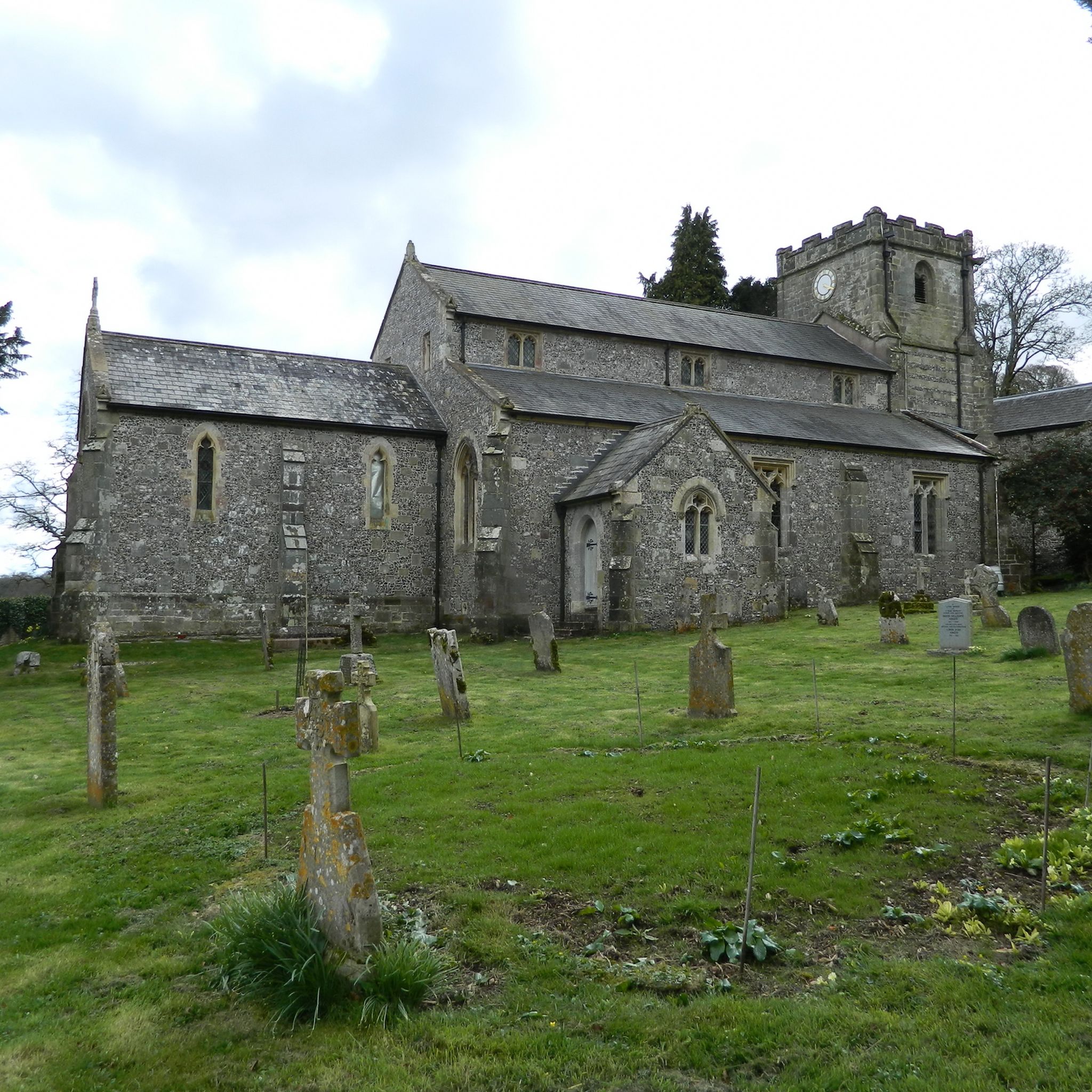
Badbury Rings is an Iron Age hill fort and Scheduled Monument in east Dorset, England. In the Roman era a temple was located immediately west of the fort, and there was a Romano-British town known as Vindocladia ( Known today as Shapwick ) a short distance to the south-west. It sits over 300 feet above sea level, and there are two main phases of construction; the first covered 18 acres and was defended by multiple ditches, while the second was more than twice the size, covering 41 acres and defended by a single ditch and rampart. These ramparts make for great walking, but imagine the terror of trying to scale one whilst under attack from the occupants. Once you'd scaled one, there were more waiting for you. No wonder it was the last fort to be sacked by the Romans. Wonder just how many soldiers died trying to take it. Until 1983 Badbury Rings was privately owned as part of the Kingston Lacy estate, and the owners discouraged investigation of the site.[2] The site now belongs to the National Trust.[2] A survey of the hillfort by the RCHME was begun in 1993. The summit area was cleared of undergrowth by the National Trust in 1997 and the conifer plantation was thinned out. A survey in 1998, which recorded 28 potential hut sites within the ramparts, although some depressions are probably caused by uprooted trees. The first excavations, led by Martin Papworth, took place in 2004, when three evaluation trenches were dug. Almost all of the pottery found was dated to the Late Iron Age. The current evidence does not suggest that the hillfort was a principal settlement in the Early Iron Age. It seems likely that the hillfort became depopulated towards the end of the Late Iron Age, perhaps as the Vindocladia settlement near Shapwick developed.
1
0
The hill is now a National Nature Reserve (NNR) with common plants including milkwort, salad burnet, horseshoe vetch, squinancywort, pyramidal orchid and wild thyme. Rarer species include bastard toadflax, meadow saxifrage, early gentian and dwarf sedge. Butterflies include dingy skipper, grizzled skipper, chalkhill blue and Adonis blue. In August 2014, Hambledon Hill fort was acquired by the National Trust for £450,000. The money to buy the hill had come from a Natural England grant and a legacy gift left to benefit Dorset countryside. The hillfort is a Scheduled Monument, as is the adjacent Neolithic causewayed camp.
2
0
Hambledon Hill is a prehistoric hill fort in Dorset, England, in the Blackmore Vale five miles northwest of Blandford Forum. The hill itself is a chalk outcrop, on the southwestern corner of Cranborne Chase, separated from the Dorset Downs by the River Stour. It is owned by the National Trust. Hambledon Hill is the first in a series of Iron Age earthworks,] which continues with Hod Hill, Spetisbury Rings, Buzbury Rings, Badbury Rings and Dudsbury Camp. The Iron Age port at Hengistbury Head forms a final Iron Age monument in this small chain of sites. The ramparts are a lot longer than you think, amazing fun getting around them all though.
1
0
Frequently Asked Questions
What are some significant natural features in the Tarrant Hinton area?
The Tarrant Hinton area is primarily defined by the Tarrant Valley, characterized by its undulating chalk downland, gentle hills, and distinctive dry valleys. This landscape, part of the Cranborne Chase and West Wiltshire Downs National Landscape, offers a tranquil atmosphere with rolling hills, lush green fields, and dense woodlands. The River Tarrant also contributes to the serene environment.
Are there any ancient historical sites integrated into the natural landscape around Tarrant Hinton?
Yes, the region is rich in history. You can explore the Neolithic Pimperne Long Barrow, a giant burial mound predating Stonehenge. The hills also contain evidence of Iron Age Settlements and Earthworks. Prominent Iron Age hill forts like Hambledon Hill, Badbury Rings, and Hod Hill are significant natural monuments that blend historical importance with natural beauty.
What kind of wildlife can I expect to see in the natural monuments around Tarrant Hinton?
The ancient woodlands, such as those found in the Tarrant Valley, are vital habitats for diverse wildlife, including dormice, pipistrelle bats, and various bird species. Hambledon Hill is recognized for its unimproved calcareous grassland, home to rare plant and animal species, including various butterflies like dingy skipper, grizzled skipper, chalkhill blue, and Adonis blue. Hod Hill is also rich in insects, butterflies, and plant life during spring and summer.
Are there family-friendly natural monuments to visit near Tarrant Hinton?
Several natural monuments in the area are suitable for families. Win Green Summit offers open spaces and views, perfect for a family outing. Badbury Rings and Hod Hill, with their impressive ramparts, provide engaging walking opportunities that children often enjoy.
Can I bring my dog to the natural monuments in this area?
Many of the natural monuments, especially those managed by the National Trust like Hambledon Hill, Badbury Rings, and Hod Hill, are dog-friendly. However, it's generally recommended to keep dogs on a lead, especially in areas with livestock or sensitive wildlife habitats, as mentioned for walks around Win Green Summit.
What are the best natural monuments for panoramic views?
For breathtaking panoramic views, visit Win Green Summit, the highest point in the Cranborne Chase, offering vistas over Blackmore Vale and the Salisbury Plain, even to the Isle of Wight on clear days. Hambledon Hill Iron Age hill fort also provides extensive views into Wiltshire and Somerset, while Hod Hill offers fantastic views along the Stour Valley Way.
What kind of hiking trails are available near Tarrant Hinton's natural monuments?
The area around Tarrant Hinton offers a variety of hiking trails that often incorporate natural monuments. You can find moderate trails like the 'Tarrant Gunville & Chettle loop' or the 'Pimperne Fields loop'. For more options, explore the Hiking around Tarrant Hinton guide, which includes routes passing through these scenic and historic landscapes.
Are there easy walking options for exploring the natural monuments?
Yes, there are several easy walking options available. For instance, you can find shorter, less strenuous loops like the 'Little Village Store – Chettle Village Store & Café loop' or the 'Pimperne Fields loop'. These routes allow you to experience the natural beauty without significant difficulty. Check the Easy hikes around Tarrant Hinton guide for more details on accessible paths.
What is the best time of year to visit the natural monuments around Tarrant Hinton?
Spring is particularly beautiful, with native bluebells in ancient woodlands and the spectacular display of cowslips at Hod Hill. Spring and summer also bring out the best in terms of insects, butterflies, and plant life across the chalk grasslands. Clear conditions in any season can offer excellent views from summits like Win Green.
How can I access these natural monuments, and is parking available?
Many natural monuments, especially the larger hill forts like Hambledon Hill, Badbury Rings, and Hod Hill, are managed by organizations like the National Trust and typically have dedicated parking areas nearby. Win Green Summit also has easy parking close by. Public transport options to the immediate vicinity of Tarrant Hinton are limited, so driving is often the most convenient way to reach these sites.
Are there cycling routes that pass by or near these natural monuments?
Yes, the area offers cycling routes that allow you to explore the natural monuments and surrounding landscapes. For example, you can find routes like the 'View of Hod Hill – Durweston Mill loop' or the 'Black Cactus Café – The View Coffee Shop loop'. For a comprehensive list of cycling options, refer to the Cycling around Tarrant Hinton guide.
What makes the Tarrant Valley unique for nature lovers?
The Tarrant Valley is unique due to its distinctive chalk geology, which creates excellent drainage and supports specific flora and fauna. Its landscape of undulating chalk downland, gentle hills, and dry valleys provides a tranquil setting for nature observation. The presence of ancient woodlands and unimproved calcareous grasslands, as seen at Hambledon Hill, contributes to its ecological significance and natural beauty.
Most popular routes around Tarrant Hinton
Most popular attractions around Tarrant Hinton

Get inspired with the komoot mobile app


Explore more
Extend your search for the best caves by checking out these guides of the top ones around Tarrant Hinton:
