Top 7 Natural Monuments around Holt
Best natural monuments around Holt include a variety of natural and historical sites. This region features diverse landscapes, from ancient earthworks to woodlands and areas known for wildlife. These locations offer opportunities for exploration and appreciating local heritage. The natural monuments around Holt provide varied experiences for outdoor enthusiasts.
Best natural monuments around Holt
- The most popular natural monuments is Badbury Rings Iron Age hillfort, a viewpoint that features an Iron Age hill fort and a Scheduled Monument. Its…
Last updated: November 14, 2026
Badbury Rings Iron Age hillfort
Highlight • Viewpoint
Tip by

Dudsbury Camp (Dudsbury Rings)
Highlight • Natural Monument
Tip by

Sign up now to discover places like this
Get recommendations on the best single tracks, peaks, & plenty of other exciting outdoor places.
White Deer in New Forest National Park
Highlight • Natural Monument
Tip by
Bluebell Woodland
Highlight • Natural Monument
Tip by

Bull Barrow Trig Point
Highlight • Historical Site
Tip by

Sign up for free to discover even more natural monuments around Holt.
Already have an account?
Start today with a free account
Your next adventure awaits.

Tips from the Community

Beautiful snowdrops in February highly recommend these gardens
1
0

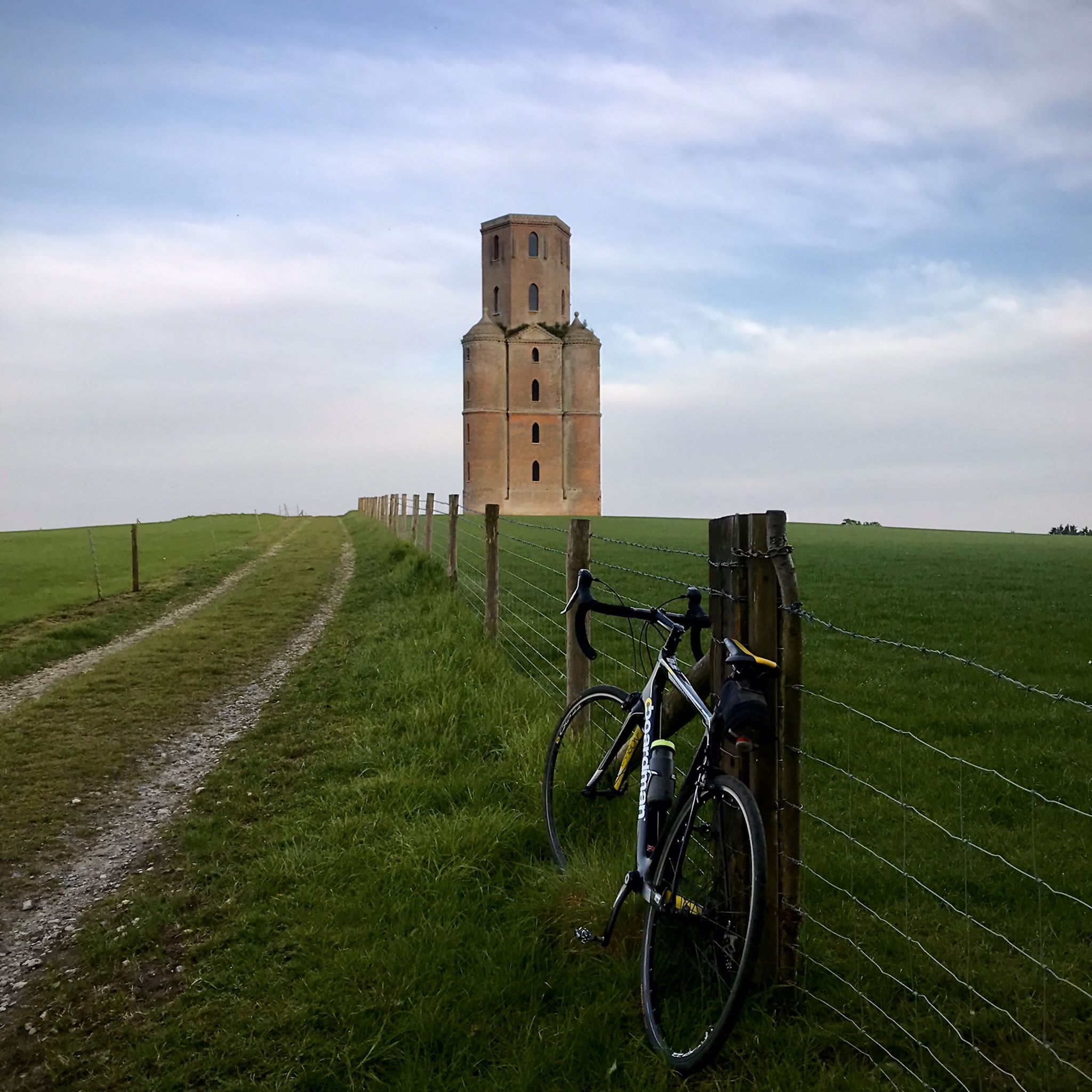
Badbury Rings is an Iron Age hill fort and Scheduled Monument in east Dorset, England. In the Roman era a temple was located immediately west of the fort, and there was a Romano-British town known as Vindocladia ( Known today as Shapwick ) a short distance to the south-west. It sits over 300 feet above sea level, and there are two main phases of construction; the first covered 18 acres and was defended by multiple ditches, while the second was more than twice the size, covering 41 acres and defended by a single ditch and rampart. These ramparts make for great walking, but imagine the terror of trying to scale one whilst under attack from the occupants. Once you'd scaled one, there were more waiting for you. No wonder it was the last fort to be sacked by the Romans. Wonder just how many soldiers died trying to take it. Until 1983 Badbury Rings was privately owned as part of the Kingston Lacy estate, and the owners discouraged investigation of the site.[2] The site now belongs to the National Trust.[2] A survey of the hillfort by the RCHME was begun in 1993. The summit area was cleared of undergrowth by the National Trust in 1997 and the conifer plantation was thinned out. A survey in 1998, which recorded 28 potential hut sites within the ramparts, although some depressions are probably caused by uprooted trees. The first excavations, led by Martin Papworth, took place in 2004, when three evaluation trenches were dug. Almost all of the pottery found was dated to the Late Iron Age. The current evidence does not suggest that the hillfort was a principal settlement in the Early Iron Age. It seems likely that the hillfort became depopulated towards the end of the Late Iron Age, perhaps as the Vindocladia settlement near Shapwick developed.
1
0
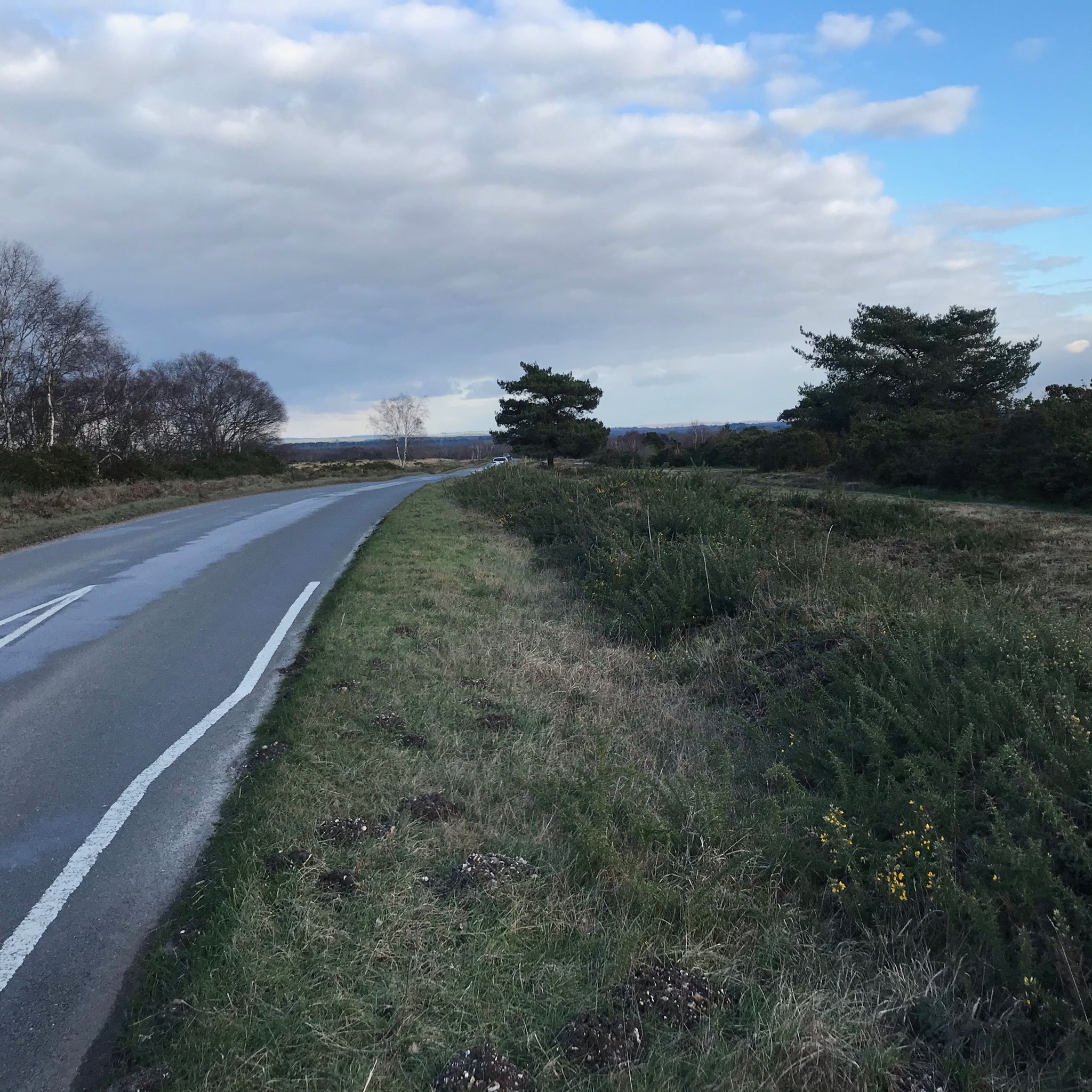
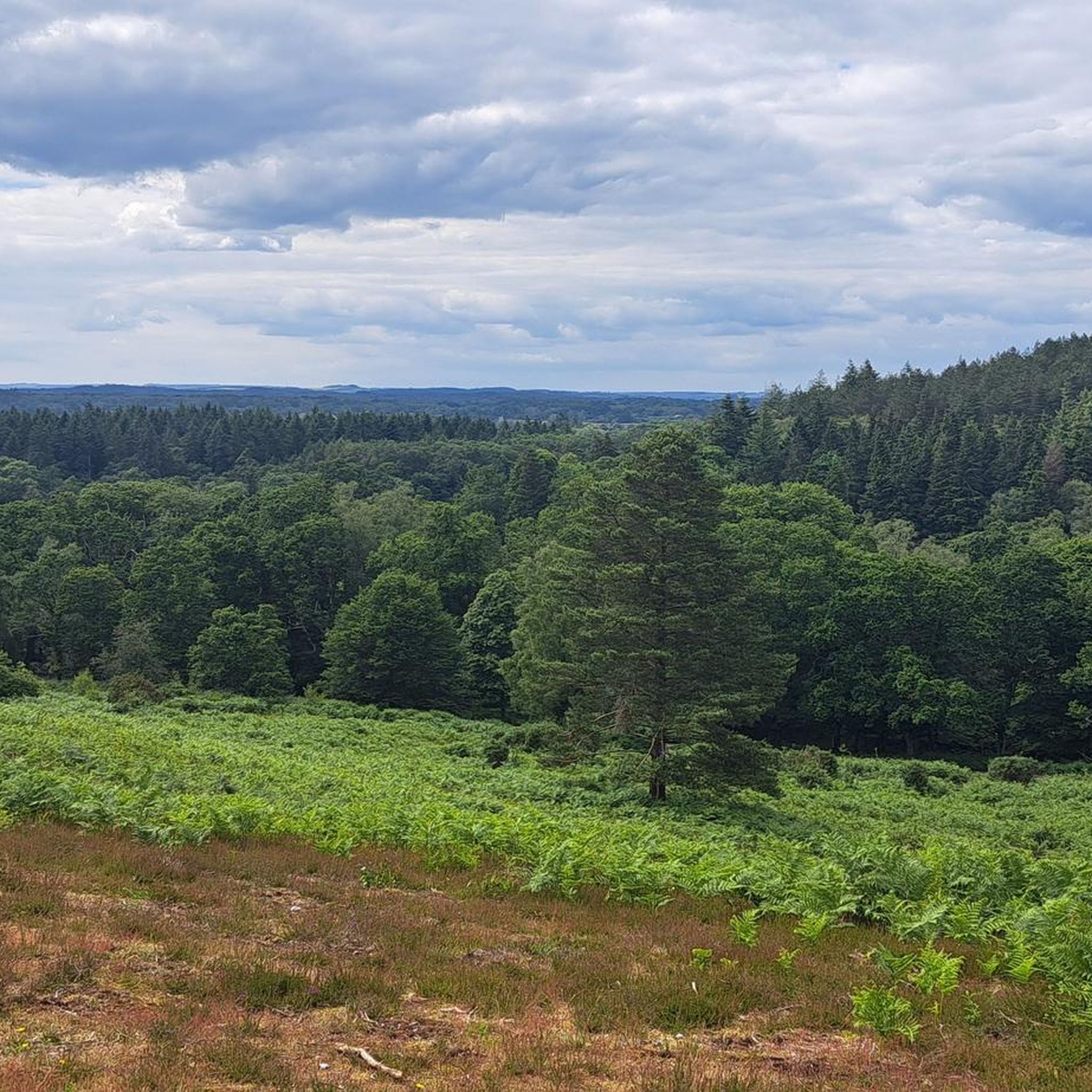
Everywhere I looked on this section were wild deer. The only time I've ever seen a white deer. it looked so majestic amongst the other deer.
2
0

Bradbury Rings is an Iron Age hill fort. The Romans built a temple here and there was a Romano-British town known as Vindocladia nearby. Today, you can run the earthworks and around the edge, it's fun and fascinating. The National Trust own and manage the site but it's open access to all.
0
0
The trig point on Bull Barrow to the north of Holt Heath stands at 57m. The barrow is Neolithic or Bronze age.
0
0

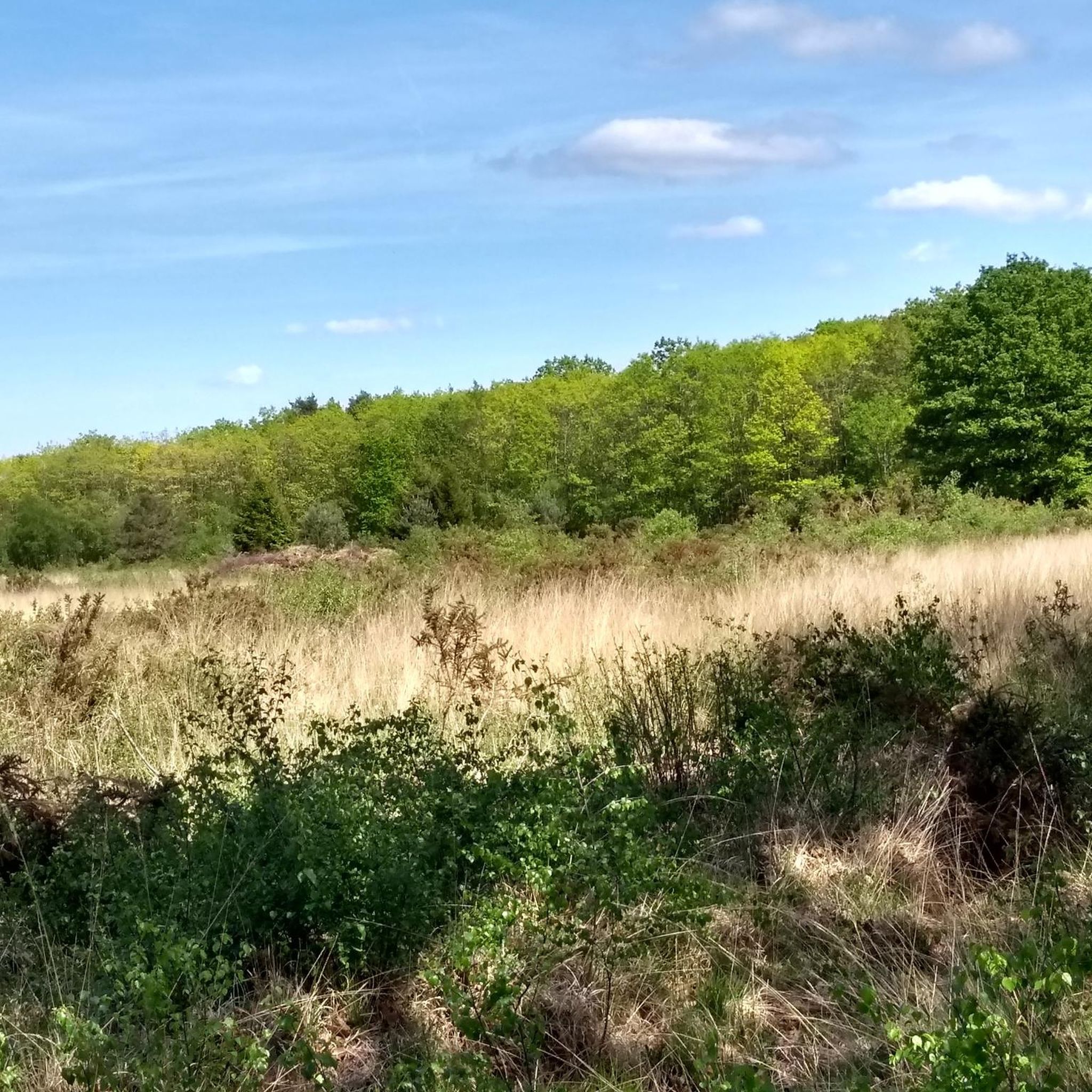
Protected bluebell woodland area (National Trust, free access).
0
0
Frequently Asked Questions
What diverse natural features can I explore around Holt?
The Holt area offers a rich variety of natural features. You can explore ancient woodlands like Bluebell Woodland, which is known for its seasonal floral displays. Holt Country Park features mixed woodland and diverse ground flora, while Spout Hills boasts a unique wetland habitat sustained by a natural spring-line. Further afield, the North Norfolk Coast, including Cley Marshes and Blakeney Point, offers dramatic coastal landscapes.
Are there any historical natural monuments near Holt?
Yes, the region is rich in historical natural monuments. You can visit Badbury Rings Iron Age hillfort, an impressive Scheduled Monument with ramparts that offer both historical insight and great walking. Another Iron Age fort, Dudsbury Camp (Dudsbury Rings), also features visible earthworks. Additionally, Bull Barrow Trig Point marks a Neolithic or Bronze Age barrow.
Where can I observe wildlife near Holt?
Holt and its surroundings are excellent for wildlife observation. Holt Country Park supports a variety of wildlife, including deer, woodpeckers, and butterflies. Holt Lowes, a Norfolk Wildlife Trust Reserve, is renowned for its rare plants, insects, and dragonflies, including the keeled skimmer. For birdwatching and seal spotting, the world-renowned Cley Marshes and Blakeney Point on the North Norfolk Coast are unparalleled, attracting diverse marine and avian life.
Are there family-friendly natural monuments in the Holt area?
Several natural monuments around Holt are suitable for families. Holt Country Park is a Green Flag award-winning park with waymarked trails, a picnic area, and a children's play area. Bluebell Woodland offers a tranquil natural experience that families can enjoy. Additionally, White Deer in New Forest National Park is a natural monument where visitors can spot wild deer in a majestic forest setting.
What is the best time of year to visit the natural monuments around Holt?
The best time to visit depends on what you wish to see. Spring brings vibrant displays of bluebells in Bluebell Woodland and the song of the woodlark at Holt Lowes. Summer is ideal for wildflowers and insects at Holt Lowes and enjoying the diverse flora of Spout Hills. In winter, Holt Country Park features snowdrops, offering a different kind of beauty. Coastal areas like Blakeney Point have seal colonies year-round, with pups often visible in late autumn/winter.
Are there accessible trails at natural monuments near Holt?
Yes, Holt Country Park offers an easy-access trail, making it suitable for visitors seeking less challenging paths. This park is designed to be accessible for all ages and abilities, providing a tranquil woodland escape.
What outdoor activities can I do near these natural monuments?
The area around Holt provides numerous outdoor activities. You can find various hiking trails, including easy loops like 'Holt Heath Nature Reserve – View of Heather Fields loop' or more challenging options such as 'Holt Heath & Summerlug Hill loop'. For cycling enthusiasts, there are gravel biking routes like the 'Castleman Trailway' and road cycling routes, including the 'Wimborne Minster – White Mill Bridge loop'. You can explore more options on the hiking around Holt guide, the gravel biking around Holt guide, and the road cycling routes around Holt guide.
Are there specific places for tranquil walks near Holt?
For tranquil walks, Holt Country Park offers a peaceful woodland environment with waymarked trails. Spout Hills, just a short walk from Holt town center, provides a quiet spot to enjoy wildflowers and a unique wetland habitat. Holt Lowes is also a serene setting, perfect for nature observation and peaceful strolls through diverse heathland.
What are the parking options for natural monuments around Holt?
Parking is generally available at or near the main natural monuments. Holt Country Park has its own car park. For Spout Hills, parking can be found in Holt town center, which is a short walk away. For coastal areas like Cley and Blakeney, dedicated car parks are available at visitor centers or nearby access points.
Can I bring my dog to the natural monuments near Holt?
Many natural monuments in the Holt area are dog-friendly, though specific rules may apply. Holt Country Park welcomes dogs, often requiring them to be on a lead in certain areas. It's always advisable to check local signage or official websites for specific regulations regarding dogs, especially in nature reserves like Holt Lowes or coastal bird sanctuaries, to ensure the protection of wildlife.
Are there cafes or facilities near these natural attractions?
Yes, some natural attractions offer facilities. Holt Country Park has a visitor center and Hetty's House Tea Room. The North Norfolk Coast features a stylish visitor center at Cley Marshes. Additionally, the market town of Holt itself has various cafes, pubs, and accommodation options within easy reach of many of these natural monuments.
What makes Holt Lowes a special natural monument?
Holt Lowes is a special natural monument due to its diverse habitats, including woodland, dry and wet heathland, and its role as a Norfolk Wildlife Trust Reserve. It is particularly noted for its array of unusual and rare plants, insects, and birds, including the keeled skimmer dragonfly and woodlarks. Its tranquil setting provides a unique opportunity for observing rare species in their natural environment.
Most popular routes around Holt
Most popular attractions around Holt

Get inspired with the komoot mobile app


Explore more
Extend your search for the best caves by checking out these guides of the top ones around Holt:
