Top 7 Natural Monuments around Woodlands
Best natural monuments around Woodlands encompass a landscape rich in ancient history and natural beauty. This region features significant archaeological sites and natural formations, offering insights into past civilizations and diverse ecosystems. Visitors can explore ancient earthworks, historical structures, and serene woodlands. The area provides opportunities for outdoor activities amidst a backdrop of historical and natural landmarks.
Best natural monuments around Woodlands
- The most popular natural monuments is Badbury Rings Iron Age hillfort, a viewpoint that is an Iron…
Last updated: May 19, 2026
Badbury Rings Iron Age hillfort
Highlight • Viewpoint
Tip by

Bokerley Dyke
Highlight • Trail
Tip by

Sign up now to discover places like this
Get recommendations on the best single tracks, peaks, & plenty of other exciting outdoor places.
Sign up for free
Bluebell Woodland
Highlight • Natural Monument
Tip by
Knowlton Church and Neolithic Henge
Highlight • Religious Site
Tip by

Bull Barrow Trig Point
Highlight • Historical Site
Tip by
Sign up for free to discover even more natural monuments around Woodlands.
Sign up for free
Already have an account?
Start today with a free account
Your next adventure awaits.
Login or Signup
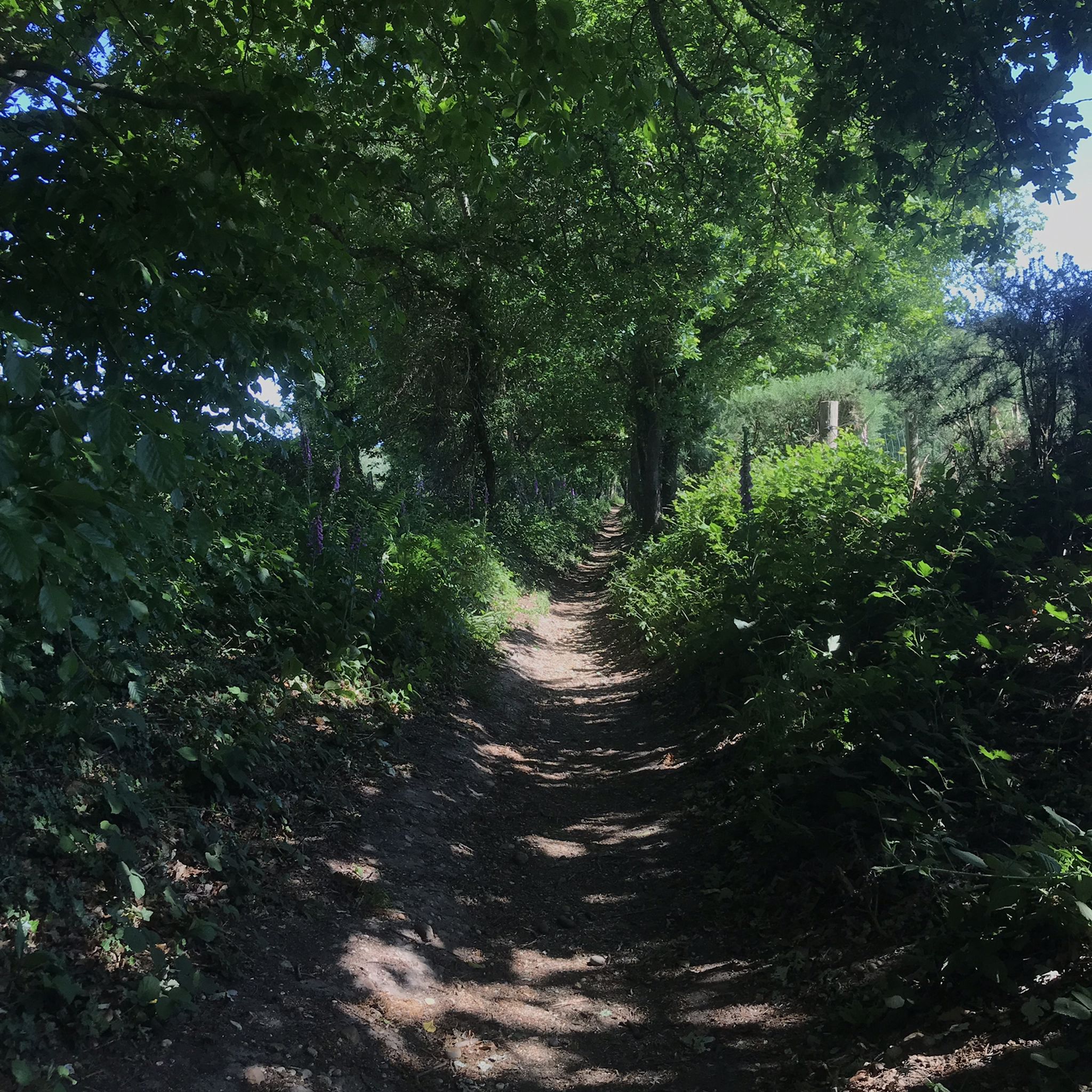
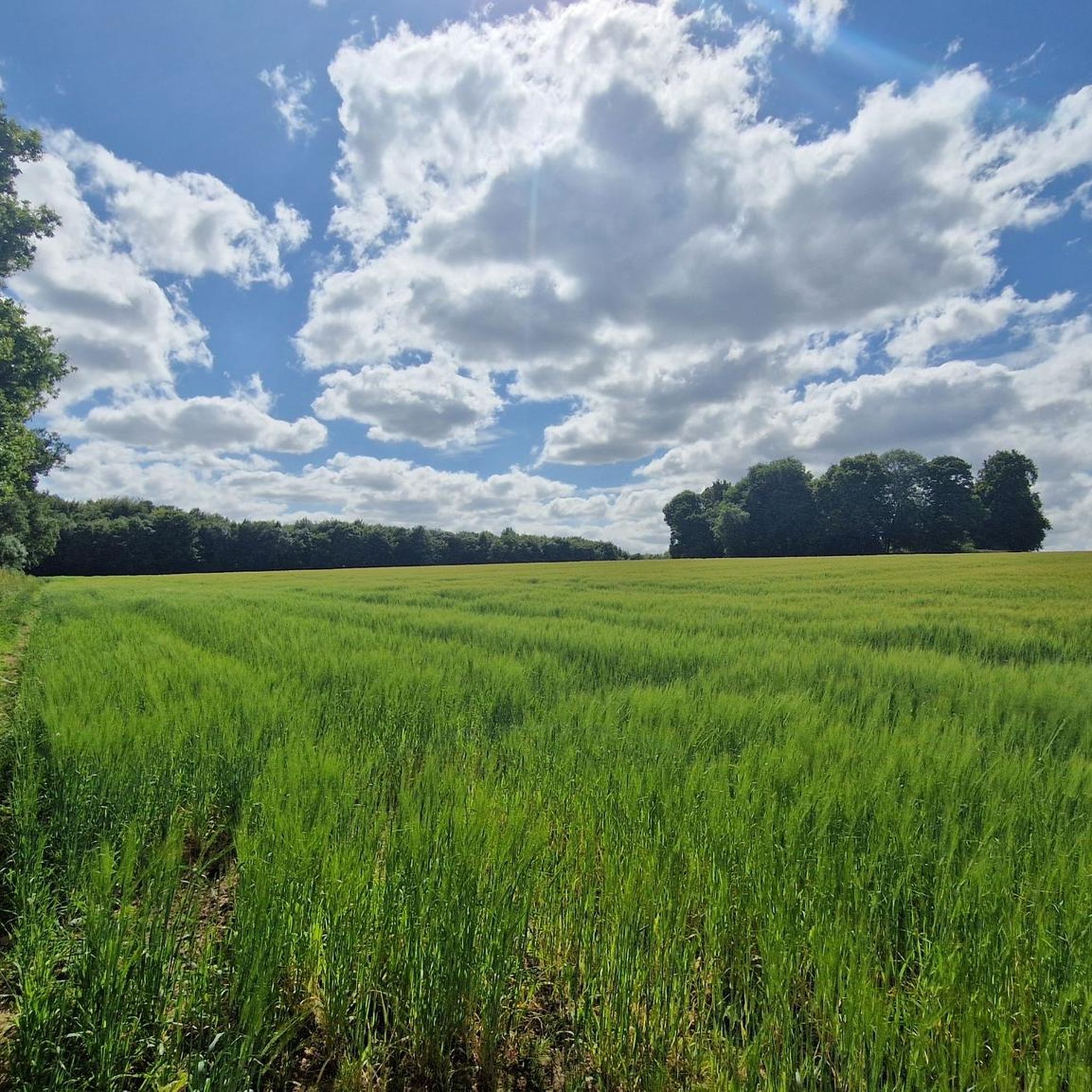
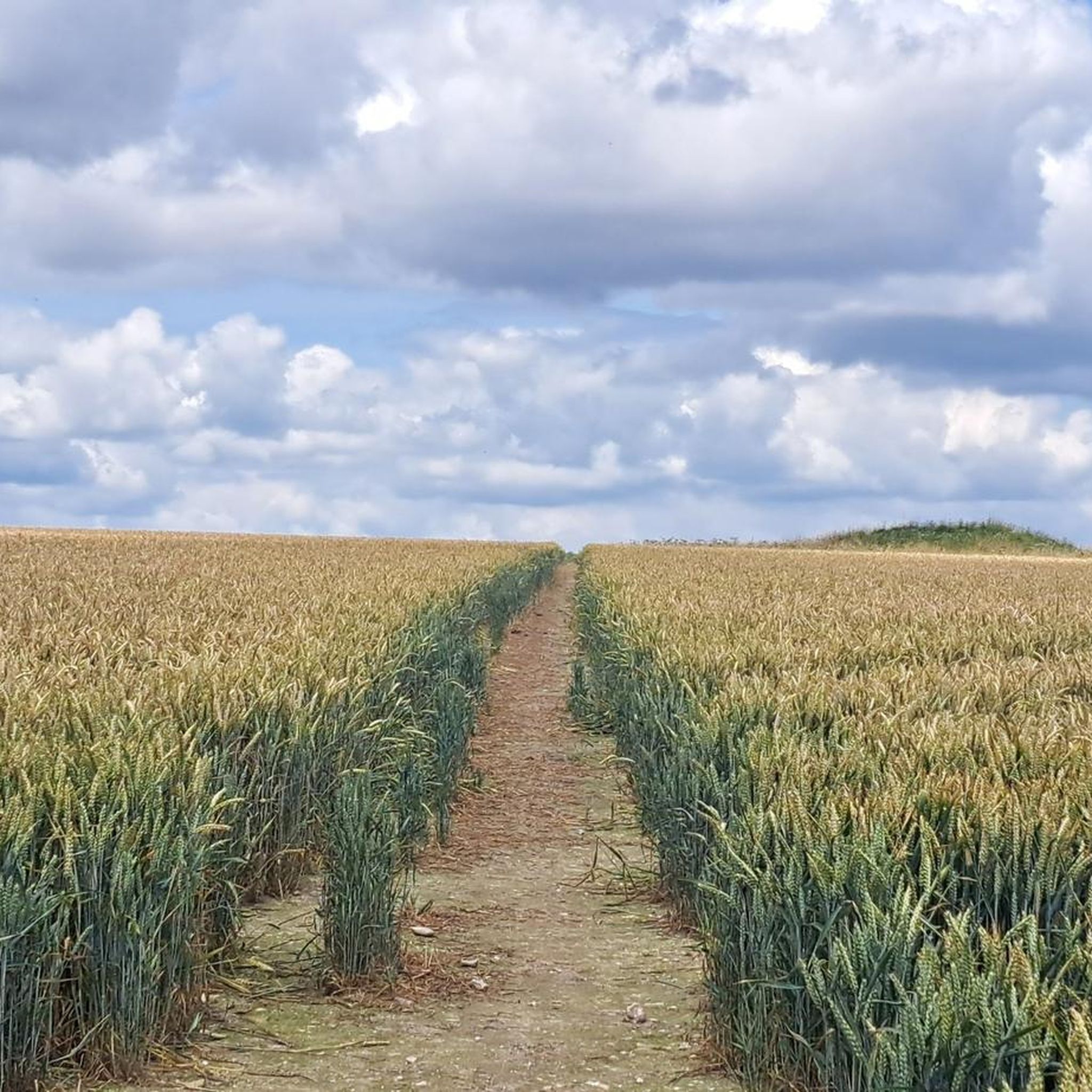
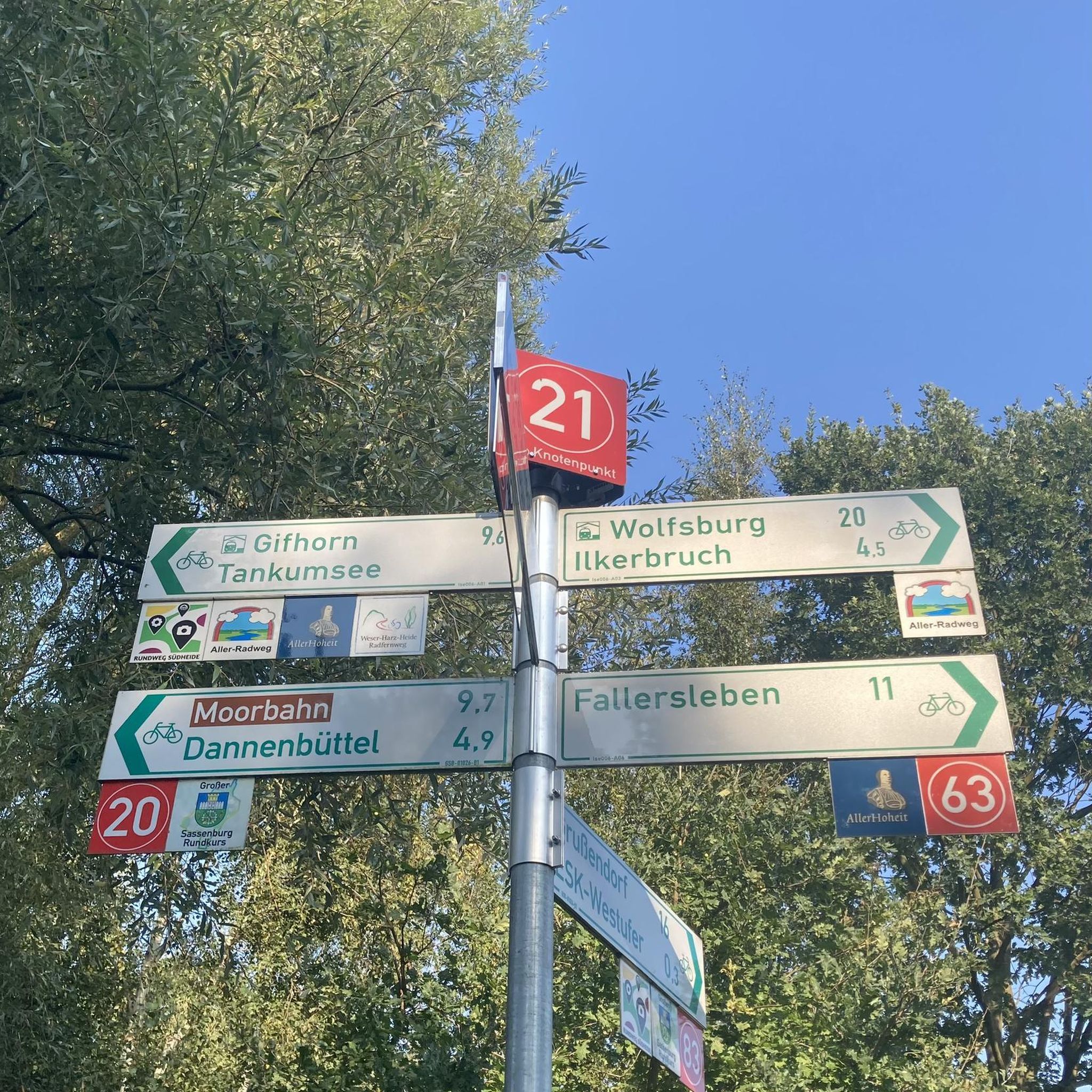
Tips from the Community

If you enjoy a bit of architectural time-travel with a spooky twist, Knowlton Church & EarthworksClick to open side panel for more information is one of the most atmospheric spots in Dorset. It is essentially a "history sandwich" where a 12th-century Christian church was built directly inside a much older Neolithic henge. The Ultimate Mash-up: It is a rare example of "reusing" a sacred site. The Normans built their church right in the middle of a pagan ceremonial circle, creating a visual timeline that spans thousands of years. Ghostly Vibes: Because of its lonely location and ruined state, it is a legendary hotspot for local ghost stories. Whether you believe in the "Face in the Window" or not, the silence of the surrounding fields makes it feel incredibly mysterious. The Henge High-Ground: You can still walk along the massive circular earthwork banks. From the top, you get a great view of the ruined flint walls of the church standing defiantly in the center of the ring. Picnic with the Past: Unlike many tourist spots, it is completely open and free to wander. It’s a perfect place to spread a blanket, grab a sandwich, and wonder what the original builders were thinking 4,000 years ago.
0
0
Bokerley Dyke is a substantial linear earthwork, approximately 5.75 kilometers (3.6 miles) long, located on Cranborne Chase. It runs along part of the border between Dorset and Hampshire, specifically between Woodyates and Martin. It is part of a larger Scheduled Monument that also includes Grim's Ditch and other earthworks. The dyke has a multi-period history. It is believed to have originated in the Bronze Age or Early Iron Age as an important political and cultural boundary. In the 1st century, it was cut through by a Roman road, Ackling Dyke, which ran between Old Sarum and Badbury Rings. In the 4th century, the dyke was remodeled and brought back into use. During this period, the Roman road was blocked. A coin of Valens found during excavations dates this activity to shortly after 364 AD, with some sources suggesting it was built between 367-368 AD. This remodeling may have been a defensive measure against attacks on Britain by Picts, Scots, and Saxons. The Roman road was eventually reopened, but the dyke may have continued to be used as a boundary after the Roman administration ended. Today, it still forms part of the border between the counties of Dorset and Hampshire.
0
0

Beautiful snowdrops in February highly recommend these gardens
1
0
Badbury Rings is an Iron Age hill fort and Scheduled Monument in east Dorset, England. In the Roman era a temple was located immediately west of the fort, and there was a Romano-British town known as Vindocladia ( Known today as Shapwick ) a short distance to the south-west. It sits over 300 feet above sea level, and there are two main phases of construction; the first covered 18 acres and was defended by multiple ditches, while the second was more than twice the size, covering 41 acres and defended by a single ditch and rampart. These ramparts make for great walking, but imagine the terror of trying to scale one whilst under attack from the occupants. Once you'd scaled one, there were more waiting for you. No wonder it was the last fort to be sacked by the Romans. Wonder just how many soldiers died trying to take it. Until 1983 Badbury Rings was privately owned as part of the Kingston Lacy estate, and the owners discouraged investigation of the site.[2] The site now belongs to the National Trust.[2] A survey of the hillfort by the RCHME was begun in 1993. The summit area was cleared of undergrowth by the National Trust in 1997 and the conifer plantation was thinned out. A survey in 1998, which recorded 28 potential hut sites within the ramparts, although some depressions are probably caused by uprooted trees. The first excavations, led by Martin Papworth, took place in 2004, when three evaluation trenches were dug. Almost all of the pottery found was dated to the Late Iron Age. The current evidence does not suggest that the hillfort was a principal settlement in the Early Iron Age. It seems likely that the hillfort became depopulated towards the end of the Late Iron Age, perhaps as the Vindocladia settlement near Shapwick developed.
1
0

Bradbury Rings is an Iron Age hill fort. The Romans built a temple here and there was a Romano-British town known as Vindocladia nearby. Today, you can run the earthworks and around the edge, it's fun and fascinating. The National Trust own and manage the site but it's open access to all.
0
0
The trig point on Bull Barrow to the north of Holt Heath stands at 57m. The barrow is Neolithic or Bronze age.
0
0
The remains of a 12th-century church within the old earthworks of a Neolithic henge. A bit of a jumble of pagan and Christian worship. Look out for the remains of the old yew tree avenue.
0
0
Frequently Asked Questions
What are some of the most significant natural monuments to visit around Woodlands?
The region around Woodlands is rich in historical and natural landmarks. Among the most significant are Badbury Rings Iron Age hillfort, an ancient defensive structure offering expansive views, and Knowlton Church and Neolithic Henge, a unique site where a 12th-century church stands within much older earthworks. Another notable monument is Bokerley Dyke, a substantial linear earthwork with a multi-period history.
What kind of natural features can I expect to see when visiting these monuments?
Visitors can expect to see a variety of natural features, including ancient woodlands, open meadows, and elevated viewpoints. For example, Badbury Rings offers panoramic views from its hillfort, while Bluebell Woodland is a protected forest area known for its seasonal flora. The earthworks themselves, like Bokerley Dyke, are impressive natural formations shaped by history.
Are there opportunities for hiking near these natural monuments?
Yes, the area around Woodlands offers numerous hiking opportunities. You can find a range of trails, from easy walks to more challenging routes. For detailed options, explore the Hiking around Woodlands guide, which includes routes like the 'Wellingtons loop from Verwood' and 'Hiking loop from Gussage All Saints'.
What historical significance do the natural monuments around Woodlands hold?
Many natural monuments in this region are deeply rooted in history. Badbury Rings is an Iron Age hillfort with Roman-era connections, while Bokerley Dyke is an ancient earthwork believed to have originated in the Bronze Age or Early Iron Age. Knowlton Church and Neolithic Henge showcases thousands of years of human activity, with a medieval church built within a prehistoric ceremonial site.
Are there any family-friendly natural monuments or activities in the Woodlands area?
Absolutely. Several natural monuments are suitable for families. Knowlton Church and Neolithic Henge offers an open space for exploration and picnics, allowing families to wander through history. Bluebell Woodland is also a protected area perfect for gentle walks amidst nature. For easy walks, check out the Easy hikes around Woodlands guide.
Can I find mountain biking trails around Woodlands?
Yes, mountain biking enthusiasts will find trails around Woodlands. The MTB Trails around Woodlands guide features routes such as the 'Steep Forest Path – Pylon Path loop from Verwood' and the 'Moors Valley Cycle Path – Moors Valley Forest Trails loop from Verwood', offering various difficulty levels.
What do visitors enjoy most about the natural monuments in this region?
Visitors particularly appreciate the blend of history and natural beauty. The ramparts of Badbury Rings are popular for walking with views, while the atmospheric setting of Knowlton Church and Neolithic Henge offers a unique sense of time travel. The tranquility and opportunities for exploration in places like Bluebell Woodland are also highly valued.
Are there any challenging trails or routes associated with these natural monuments?
While many routes are accessible, some trails associated with the natural monuments can be more challenging. For instance, sections of Bokerley Dyke are categorized as challenging. For a broader range of hiking difficulties, refer to the Hiking around Woodlands guide.
Where can I find ancient earthworks or archaeological sites in the area?
The Woodlands area is notable for its ancient earthworks and archaeological sites. Key examples include Badbury Rings Iron Age hillfort, a prominent Scheduled Monument, and Bokerley Dyke, a significant linear earthwork. Additionally, Knowlton Church and Neolithic Henge combines a medieval church with a prehistoric henge, offering a fascinating archaeological experience.
What is the best time of year to visit the natural monuments around Woodlands?
The best time to visit depends on your interests. Spring is ideal for seeing the bluebells in bloom at Bluebell Woodland. The warmer months offer pleasant conditions for exploring the earthworks and viewpoints like Badbury Rings. Autumn provides beautiful foliage, while winter can offer crisp, quiet walks, though some paths might be muddy.
Are there any viewpoints offering panoramic scenery?
Yes, Badbury Rings Iron Age hillfort is a prime viewpoint, sitting over 300 feet above sea level and offering extensive views of the surrounding landscape. The ramparts provide excellent opportunities for walking while enjoying the scenery.
Can I combine a visit to a natural monument with a longer walk?
Absolutely. Many natural monuments are integrated into or are close to longer walking routes. For example, you can incorporate a visit to Bokerley Dyke into a longer hike along Cranborne Chase. The Hiking around Woodlands guide provides various routes that pass by or near these historical and natural sites.
Most popular attractions around Woodlands

Get inspired with the komoot mobile app


Explore more
Extend your search for the best caves by checking out these guides of the top ones around Woodlands:
