Top 16 Natural Monuments around Market Lavington
Best natural monuments around Market Lavington are found within a landscape characterized by its geological diversity and historical natural features. Situated on the northern slopes of Salisbury Plain, the area features varied underlying rock structures, including chalk downland, clay, and greensand. This geological makeup contributes to a rich environment, offering insights into ancient human activity integrated with the natural world. The region provides numerous opportunities for exploring natural history and scenic beauty.
Best natural monuments around Market Lavington
- The most…
Last updated: August 24, 2026
Stonehenge
Highlight • Historical Site
Tip by

Sarsen Stone at Stonehenge Visitor Centre
Highlight • Monument
Translated by Google •
Tip by

Sign up now to discover places like this
Get recommendations on the best single tracks, peaks, & plenty of other exciting outdoor places.
Sign up for free
Cursus Barrows
Highlight • Natural Monument
Translated by Google •
Tip by
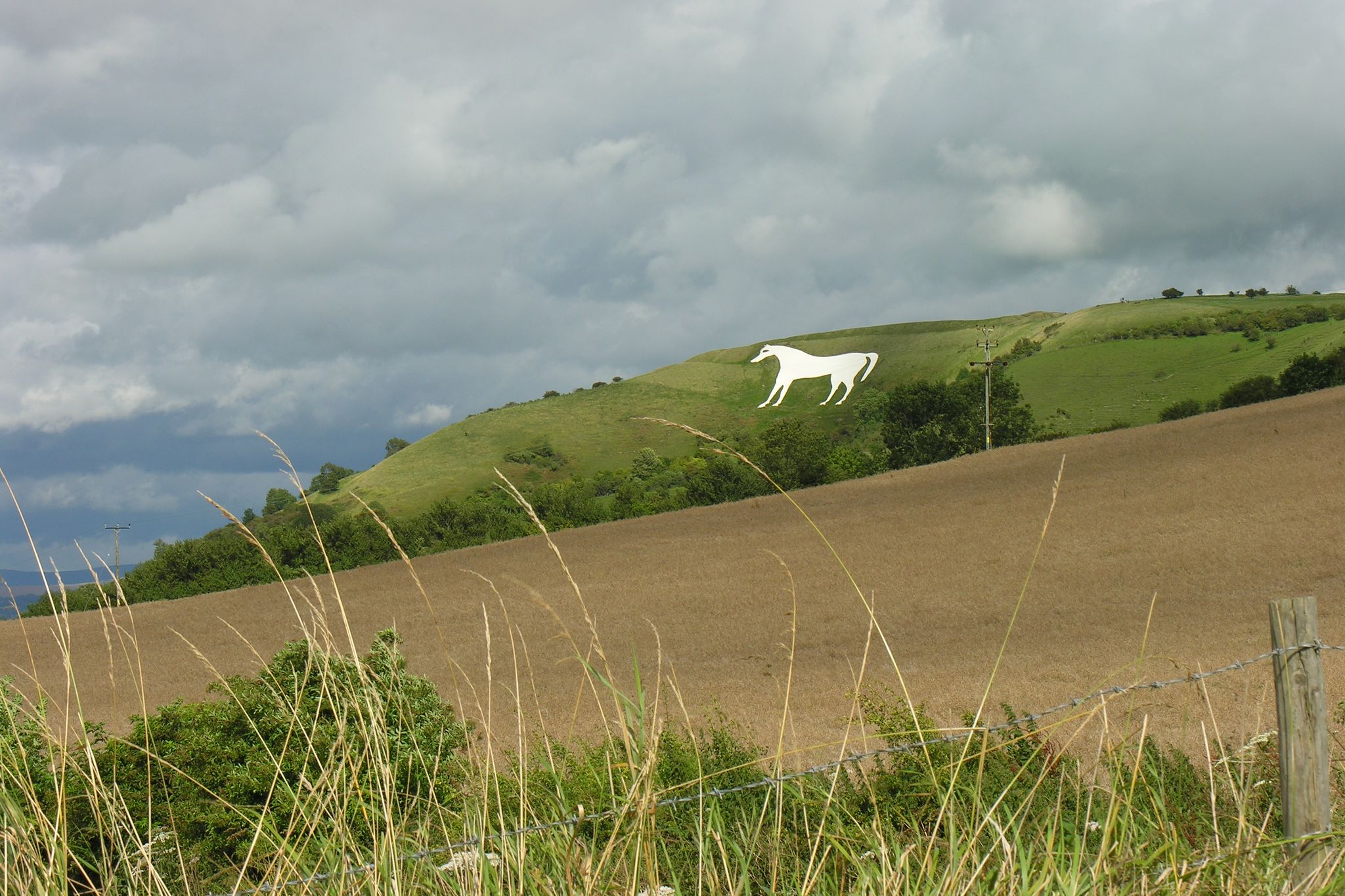
Devizes White Horse
Highlight • Monument
Tip by

Durrington Walls
Highlight • Natural Monument
Tip by

Sign up for free to discover even more natural monuments around Market Lavington.
Sign up for free
Already have an account?
Start today with a free account
Your next adventure awaits.
Login or Signup
Popular around Market Lavington
Celtic Way — An epic pilgrimage through prehistory and wild beauty
White Horse Trail — Linking Wiltshire's epic hill carvings
Hiking around Market Lavington
Gravel biking around Market Lavington
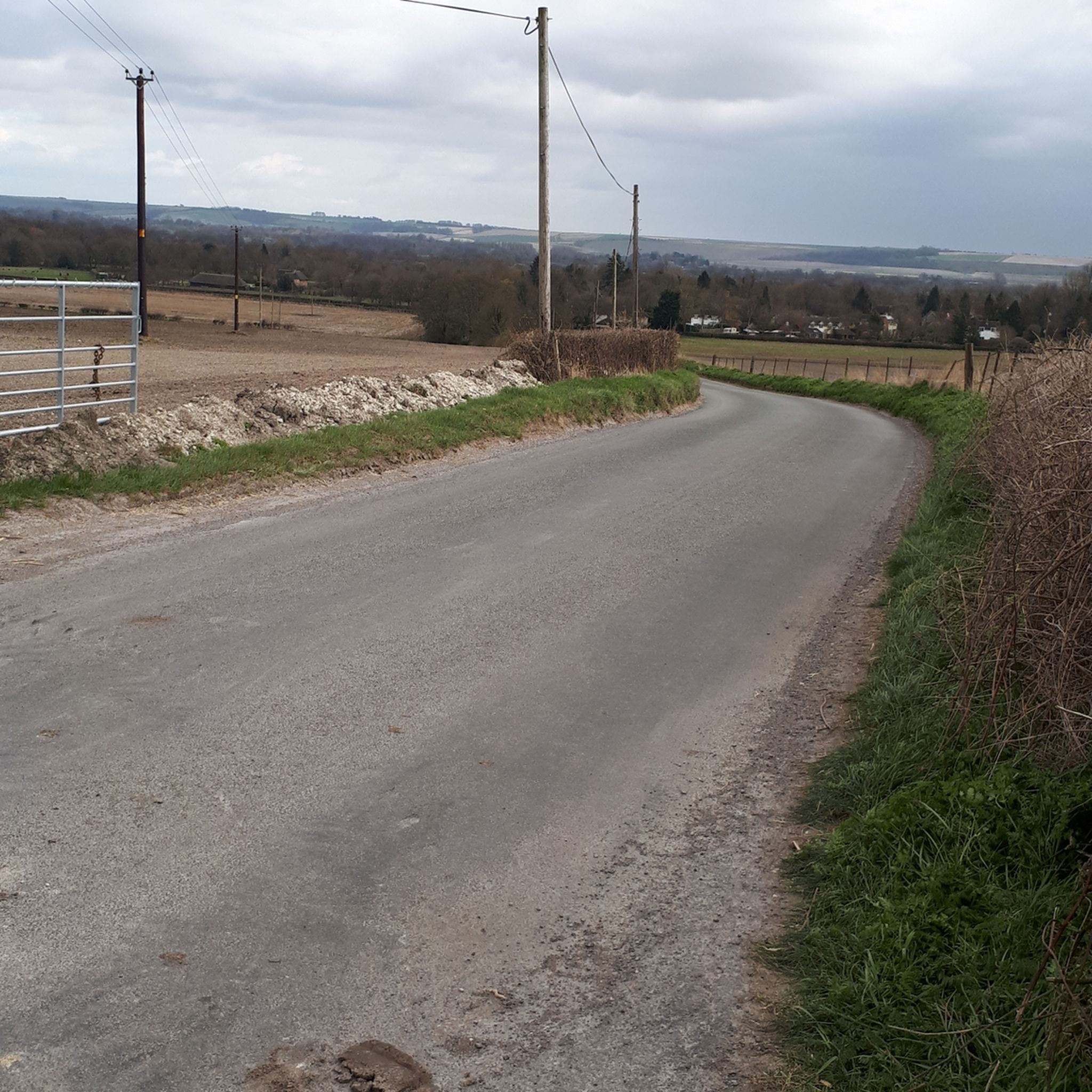
Road Cycling Routes around Market Lavington
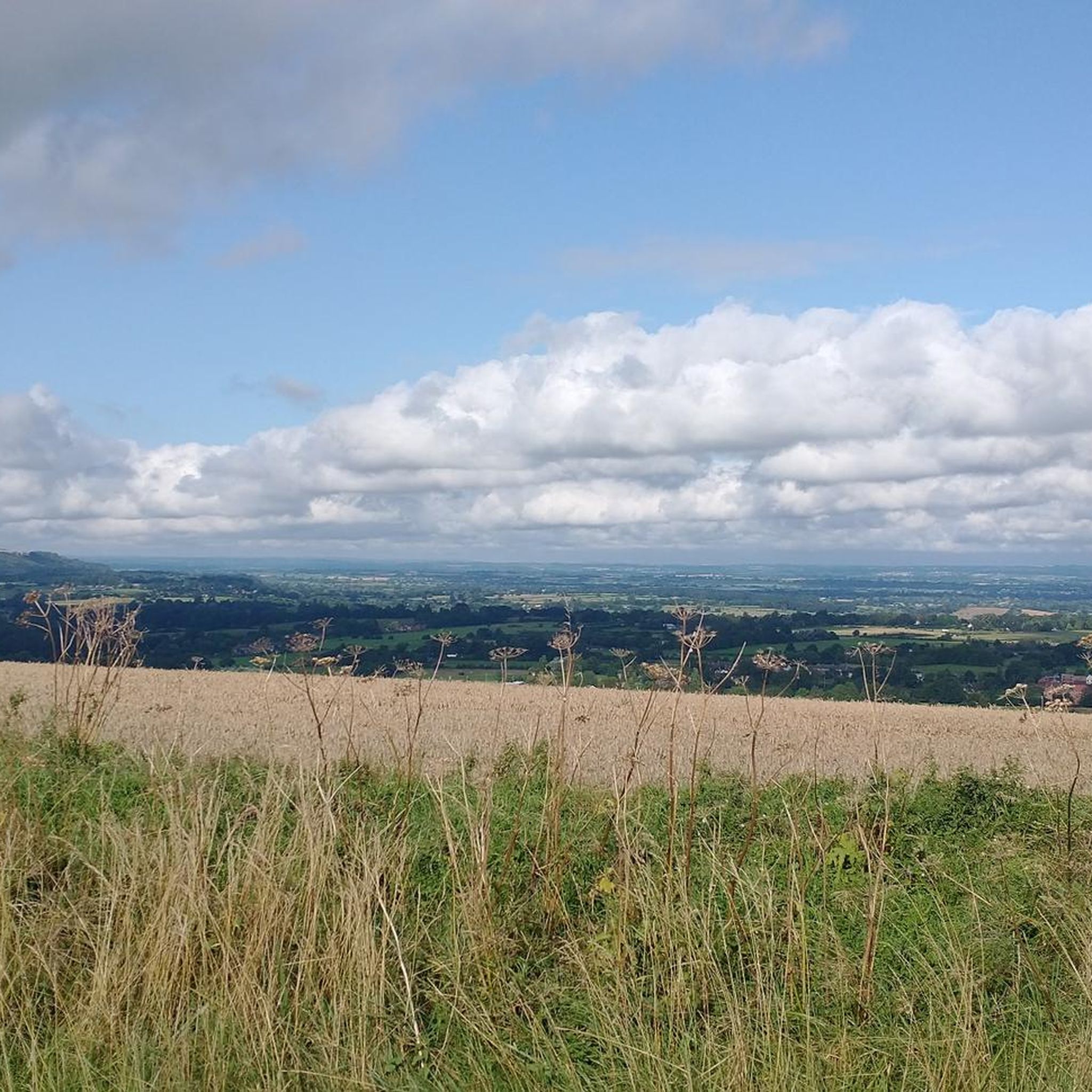
MTB Trails around Market Lavington
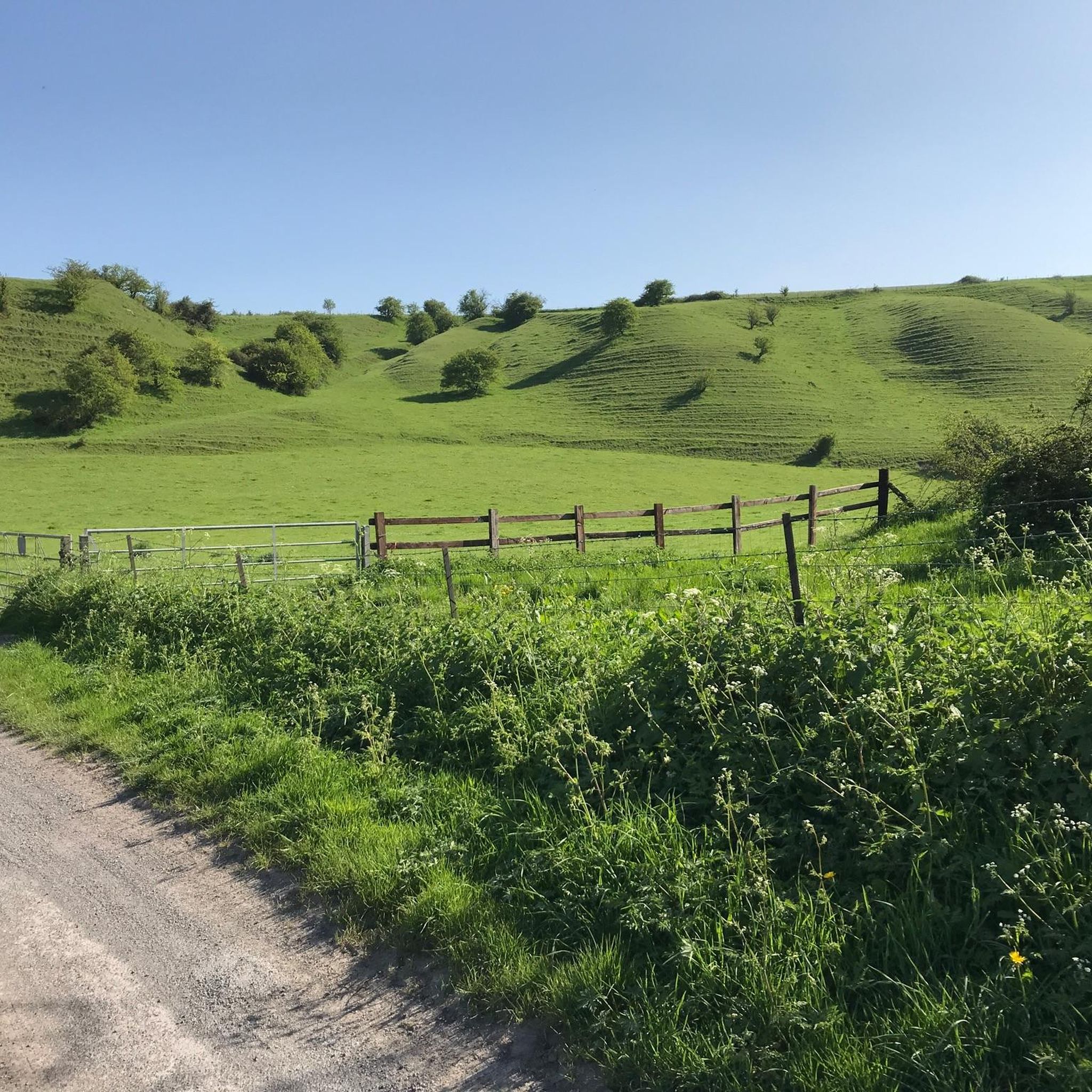
Cycling around Market Lavington
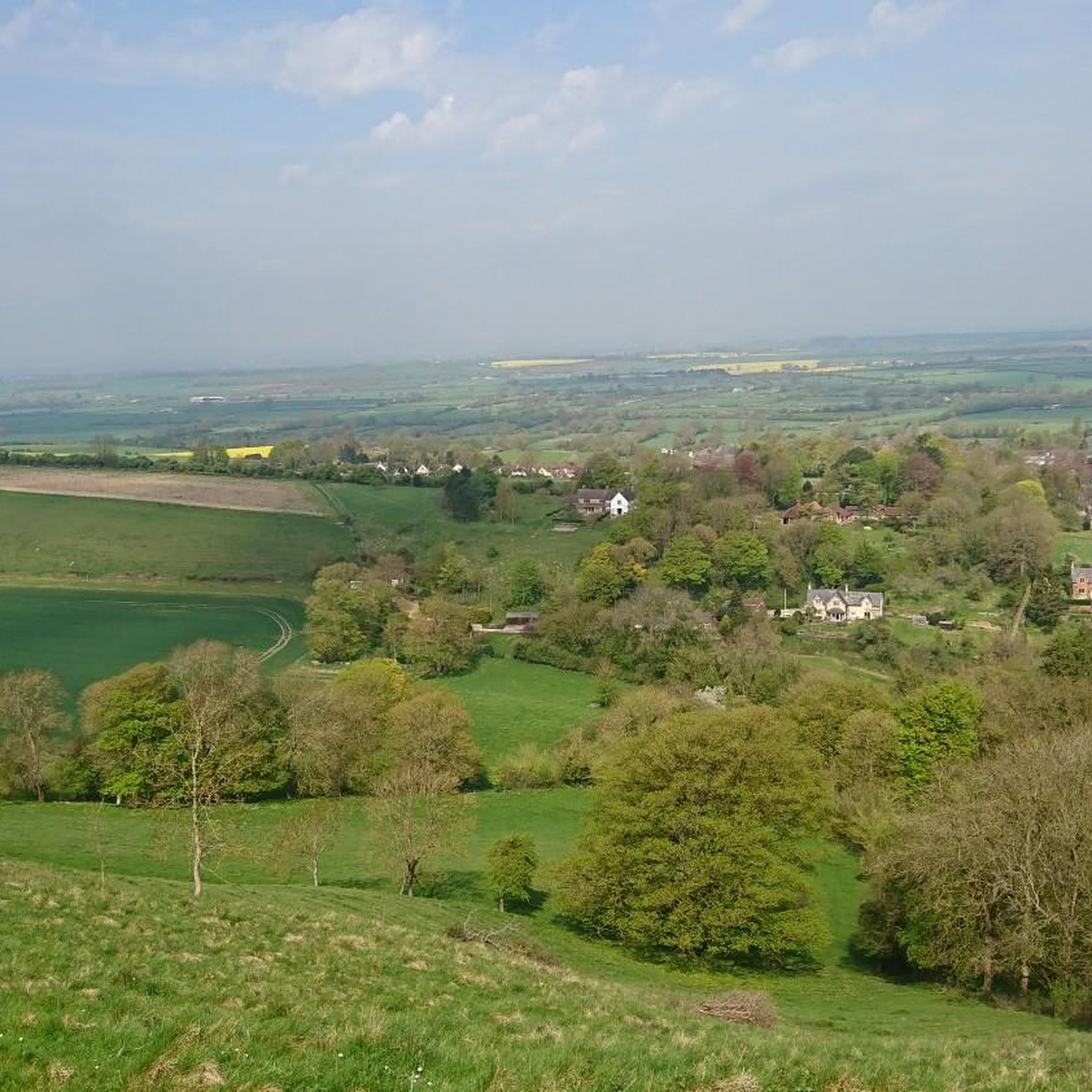
Running Trails around Market Lavington


Tips from the Community


Why exactly there? Archaeologists suspect several reasons: Line of sight From the mounds, there is a direct view of Stonehenge. Sacred landscape The entire plain was a ritual area with paths, graves, and ceremonial sites. Status symbol Important people were buried near the famous sanctuary. Interesting fact There are over 300 burial mounds in the vicinity of Stonehenge – one of the largest prehistoric burial landscapes in Europe.
0
0
Here is a simple overview map explaining the landscape south of Stonehenge and why the burial mounds are located there. Landscape south of Stonehenge The most important range of mounds is called Normanton Down Barrows. It lies about 1 km south of Stonehenge. There are over 40 burial mounds there, dating from 2600–1600 BC. The mounds are situated on a long ridge that faces directly towards Stonehenge. Simplified diagram of the location North ↑ Stonehenge ○ | | approx. 1 km | ───────────────── Hill ridge with many burial mounds (Normanton Down) ○ ○ ○ ○ ○ ○ ○ ○ ○ ○ ↓ South Important hills there One particularly famous burial mound is Bush Barrow A richly furnished grave of a Bronze Age prince, containing gold objects and weapons, was found there.
0
0

It's unbelievable what people have achieved and built in the past (without any technology) - it's simply impressive and breathtaking
2
0

To the south lies a group of burial mounds called the Cursus Barrows. The footpath to the impressive stone circle leads across the fields with the burial mounds, which can be clearly seen and are well explained on a display board. Bone remains and various beads were found in the graves.
5
0
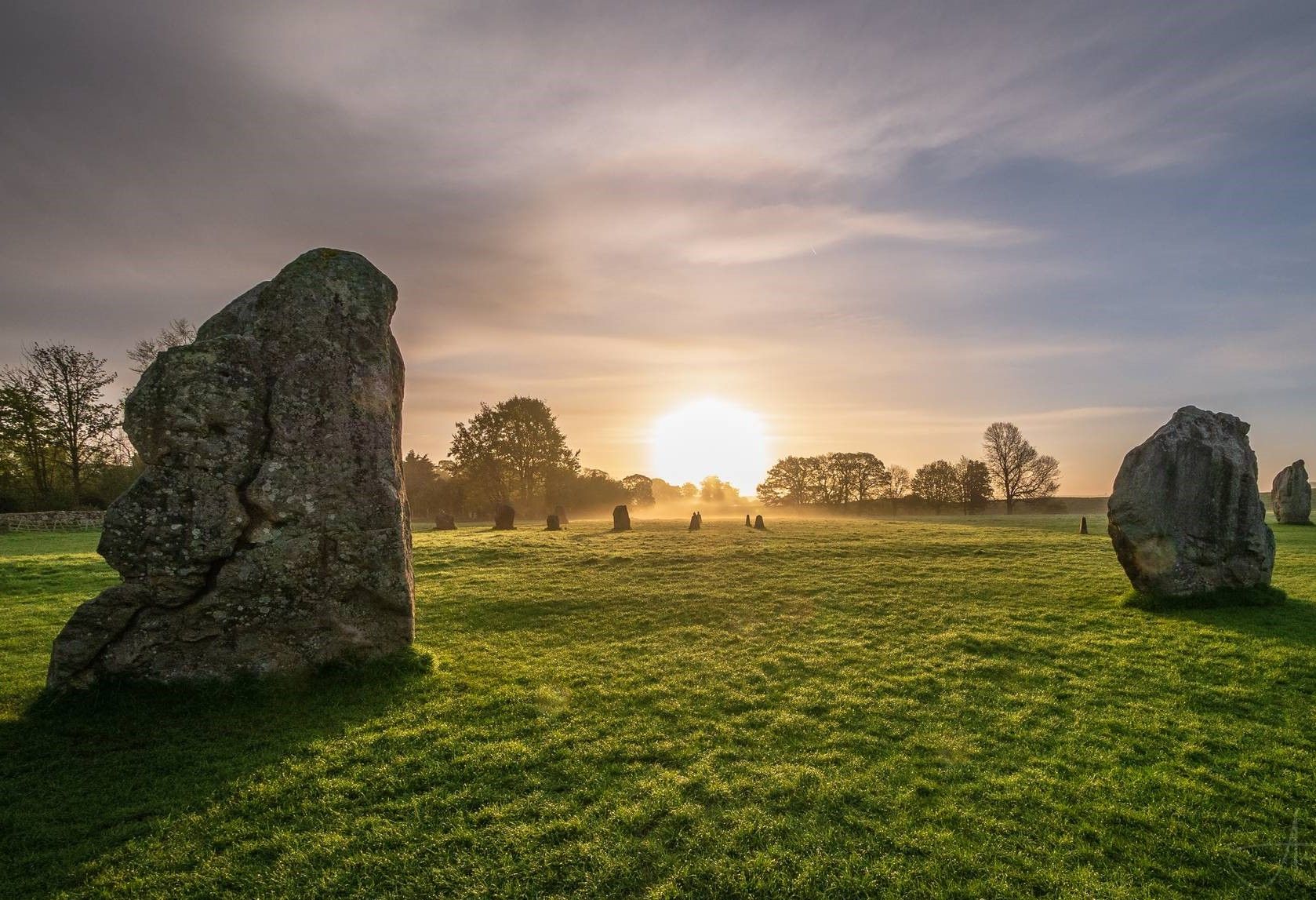
Sarsen stones are blocks of sandstone found in large numbers in England, it is a contraction of Saracen stone, where “Saracenic” is equivalent to “pagan”. In this respect, sarsen means something like “heathen stone”, “stone of the heathen”. The most famous sarsen stones can be found here in Stonehenge.
6
0

Here you can measure your strengths
4
0

The Cursus Barrows is the name given to a Neolithic and Bronze Age round barrow cemetery lying mostly south of the western end of the Stonehenge Cursus, in Wiltshire, England. The cemetery contains around 18 barrows scattered along an east-to-west ridge, although some of the mounds are no longer visible. The Cursus Barrows can be seen just north of the route between the Stonehenge Visitor Centre and Stonehenge. https://en.wikipedia.org/wiki/Cursus_Barrows
2
0
Frequently Asked Questions
What are the most popular natural monuments around Market Lavington?
Visitors frequently enjoy the iconic Stonehenge, a world-famous megalithic structure. Another popular spot is the Westbury White Horse and Bratton Camp, offering historical significance and outstanding views. The Cursus Barrows also draw interest for their integration into the natural chalk downland.
Are there family-friendly natural monuments to visit near Market Lavington?
Yes, several natural monuments are suitable for families. Stonehenge offers a visitor centre with exhibitions and Neolithic houses, making it an engaging experience for all ages. The Sarsen Stone at Stonehenge Visitor Centre is also family-friendly and wheelchair accessible. Additionally, the Devizes White Horse is easily accessible by footpaths and bridleways, providing a pleasant outing.
What kind of geological features can I explore in the Market Lavington area?
The Market Lavington area is rich in geological diversity. You can observe the varied underlying rock structures, including chalk downland, clay, and greensand, which shape the local environment. Specific points of interest include the chalk downland surrounding the Cursus Barrows, and you might even spot greensand concretions in sunken lanes, which are intriguing natural mineral formations.
What historical natural monuments are there around Market Lavington?
The region boasts several historical natural monuments. Stonehenge is a prime example, built in the Neolithic Age. The Westbury White Horse and Bratton Camp features an Iron Age hillfort and a historic chalk figure. The Cursus Barrows are ancient burial mounds integrated into the natural landscape, offering a glimpse into Neolithic and Bronze Age human activity.
Are there accessible natural monuments for visitors with mobility needs?
Yes, the Sarsen Stone at Stonehenge Visitor Centre is noted as wheelchair accessible, providing an opportunity to experience a significant natural monument. For other sites, it's advisable to check specific accessibility details, as terrain can vary.
What outdoor activities can I do near the natural monuments in Market Lavington?
The area around Market Lavington offers excellent opportunities for outdoor activities. You can find numerous hiking trails, ranging from easy to moderate, perfect for exploring the diverse landscape. Mountain biking is also popular, with trails that take you through scenic routes. For detailed routes, you can explore the Hiking around Market Lavington or MTB Trails around Market Lavington guides.
Are there easy walking routes near the natural monuments?
Yes, there are several easy walking routes available. For instance, you can find easy hikes around Market Lavington that allow you to enjoy the natural beauty without strenuous effort. These routes often pass by or offer views of the natural monuments. Check out the Easy hikes around Market Lavington guide for specific suggestions.
What do visitors enjoy most about the natural monuments around Market Lavington?
Visitors particularly appreciate the blend of natural beauty and historical significance. The outstanding views from sites like Westbury White Horse and Bratton Camp are often highlighted. The opportunity to explore ancient sites like Stonehenge and the Cursus Barrows, which are deeply integrated into the natural chalk downland, is also a major draw. The komoot community has shared over 400 photos, reflecting the area's scenic appeal.
When is the best time to visit the natural monuments in Market Lavington?
The natural monuments around Market Lavington can be enjoyed year-round. Spring and summer offer pleasant weather for walking and clearer views, while autumn brings beautiful colours to the landscape. Even in winter, the chalk downland and historical sites offer a unique, stark beauty, though some paths might be muddy. Always check local weather conditions before your visit.
Are there any hidden or lesser-known natural monuments or features to discover?
While not grand monuments, the region's geological makeup itself offers intriguing discoveries. Keep an eye out for greensand concretions, which are naturally occurring compact mineral masses, often found protruding from cliff sides in sunken lanes around the Lavingtons. These represent unique natural geological processes visible in the local landscape.
Can I find information about the Cursus Barrows on site?
Yes, the Cursus Barrows are well-explained on display boards along the footpath that crosses the fields. These boards provide details about the burial mounds, their Neolithic and Bronze Age origins, and the archaeological finds discovered there, such as bone remains and beads.
Where can I find more information about the local parish and community of Market Lavington?
For more information about the local parish, community events, and local services in Market Lavington, you can visit the official parish council website: marketlavingtonparishcouncil.gov.uk.
Most popular routes around Market Lavington
Most popular attractions around Market Lavington

Get inspired with the komoot mobile app


Explore more
Extend your search for the best caves by checking out these guides of the top ones around Market Lavington:
