Top 8 Natural Monuments around Knook
Best natural monuments around Knook are characterized by their chalk downland landscapes and historical significance. The area features ancient hillforts, long barrows, and distinctive chalk figures carved into the hillsides. These natural features often provide expansive views across the Wiltshire countryside and the Wylye valley. The region offers a blend of geological formations and human history, making it a notable destination for outdoor exploration.
Best natural monuments around Knook
- The most popular natural monuments is Cold Kitchen Hill Trig Point…
Last updated: October 31, 2026
Westbury White Horse
Highlight • Natural Monument
Today the hill's most defining feature is the striking …
Tip by

Cold Kitchen Hill Trig Point
Highlight • Viewpoint
Tip by

Sign up now to discover places like this
Get recommendations on the best single tracks, peaks, & plenty of other exciting outdoor places.
Bratton Camp and Long Barrow
Highlight • Viewpoint
Tip by

View from Westbury White Horse
Highlight • Viewpoint
Tip by

Middle Hill
Highlight • Historical Site
Tip by

Sign up for free to discover even more natural monuments around Knook.
Already have an account?
Start today with a free account
Your next adventure awaits.
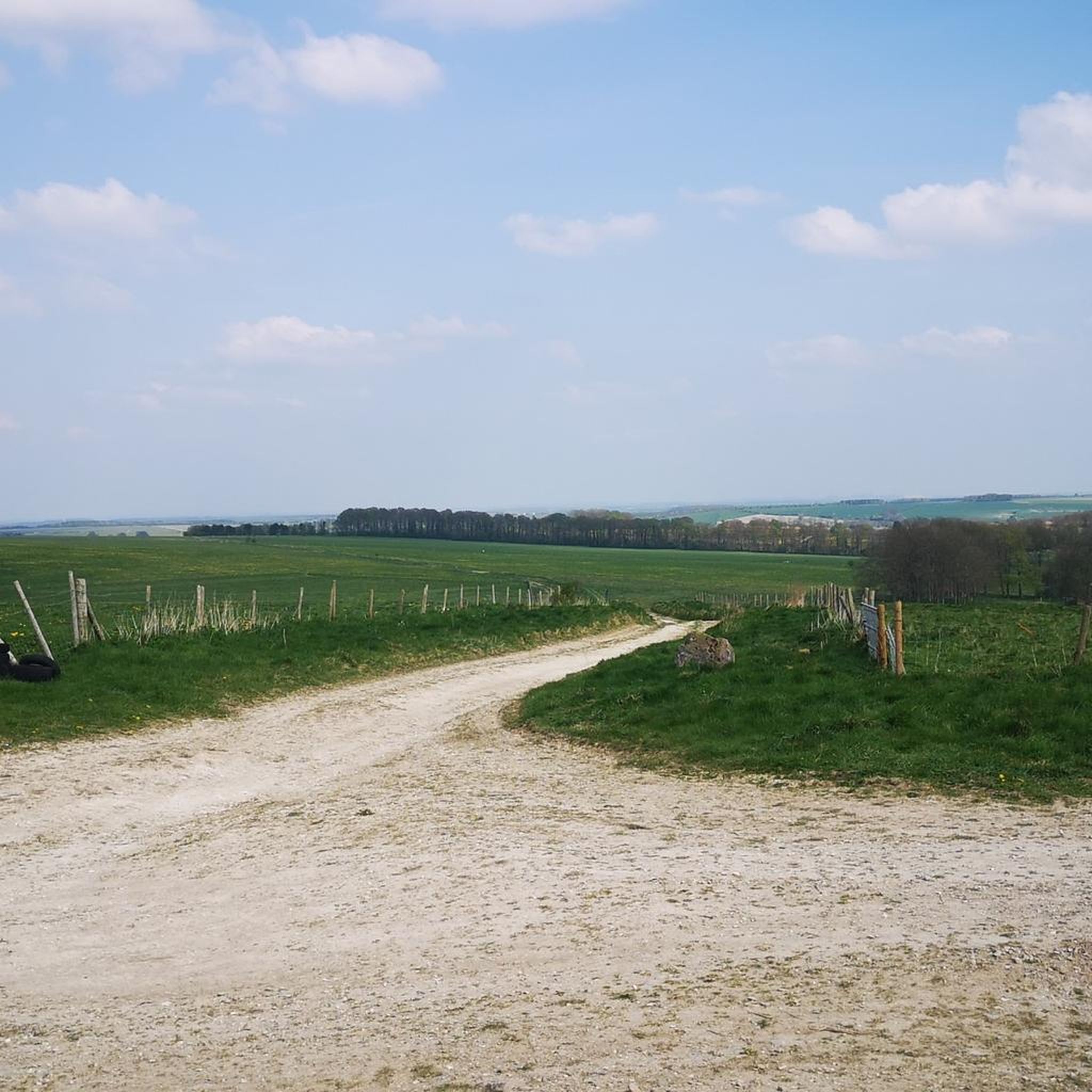
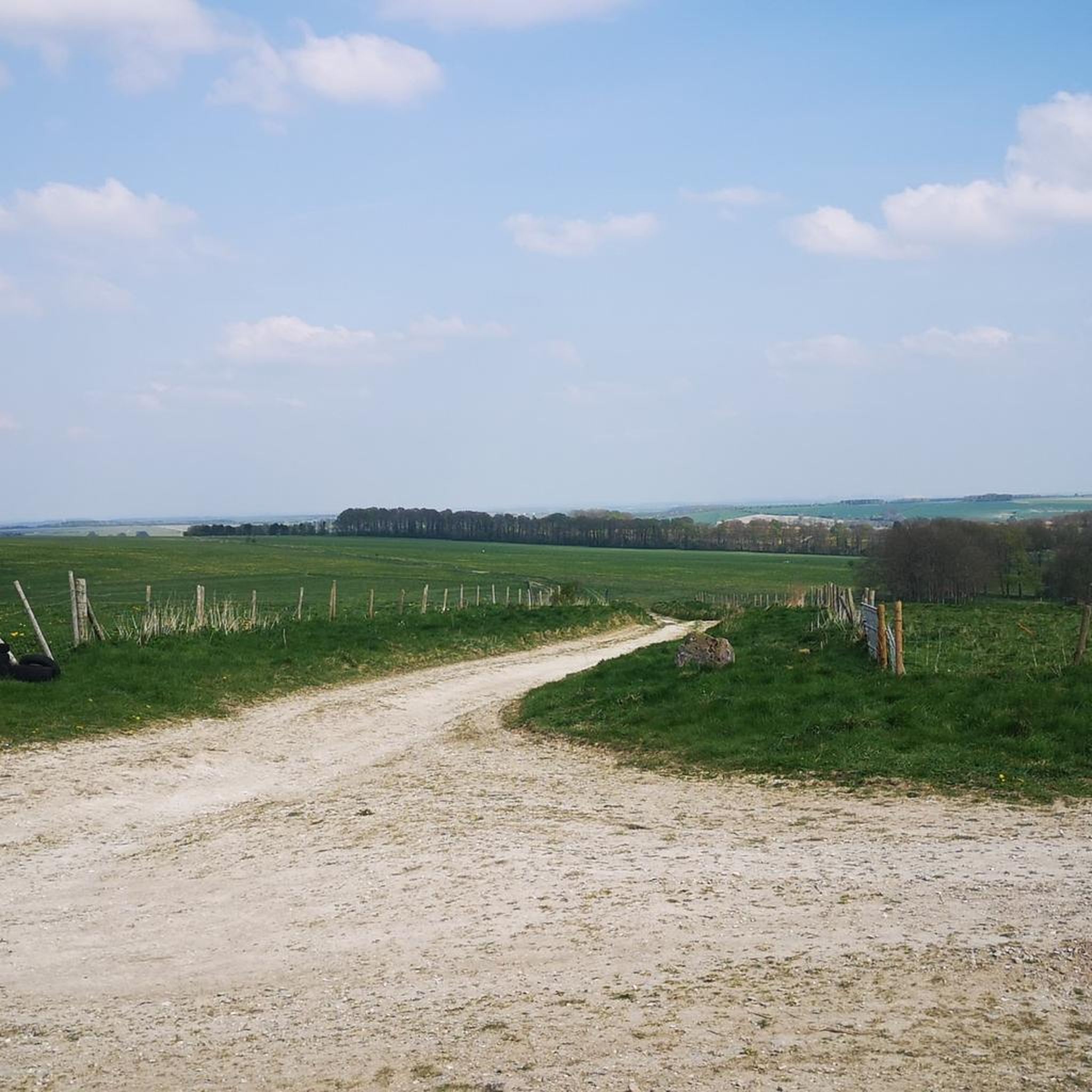
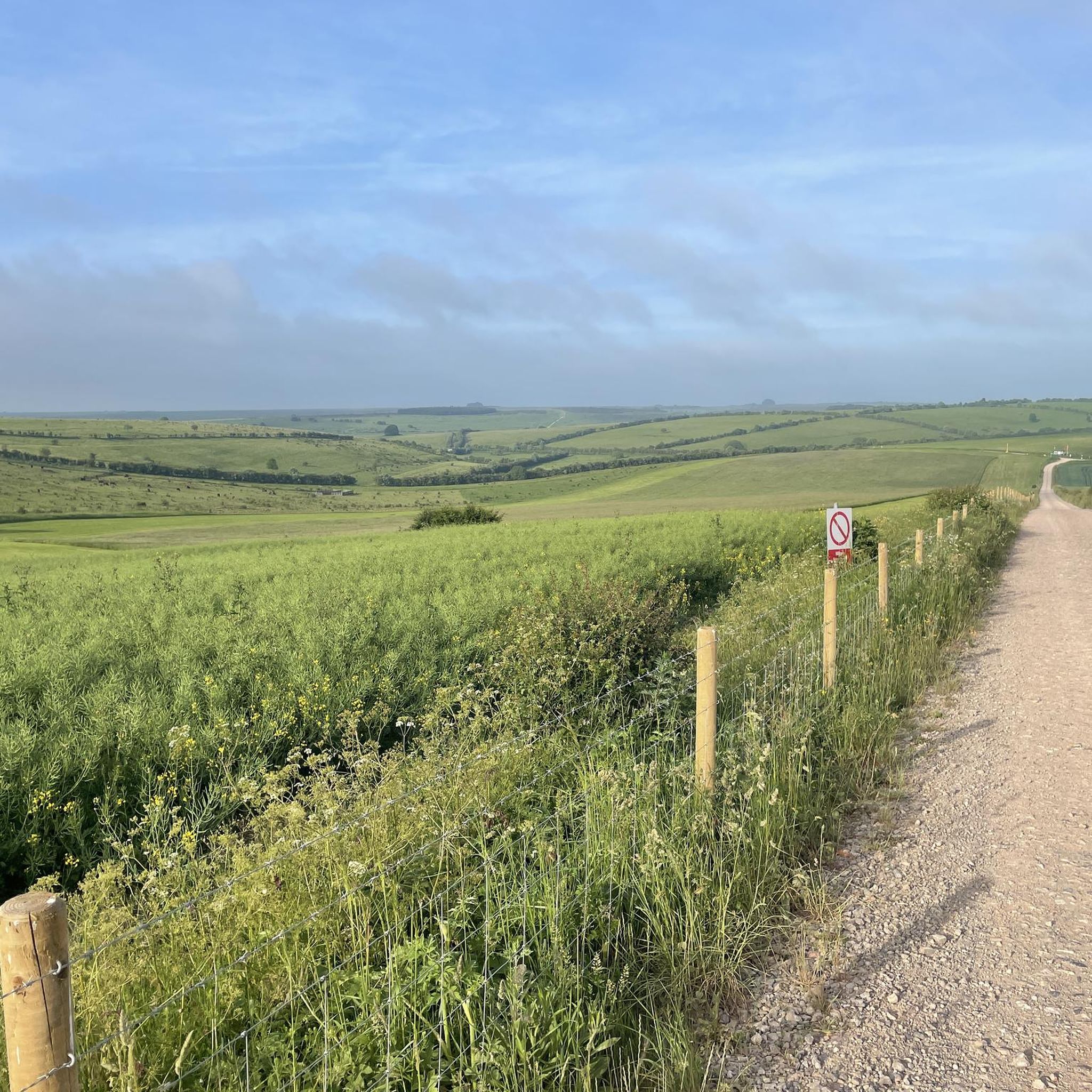

Tips from the Community

White Horse Westbury from Trowbridge Hilperton
0
0

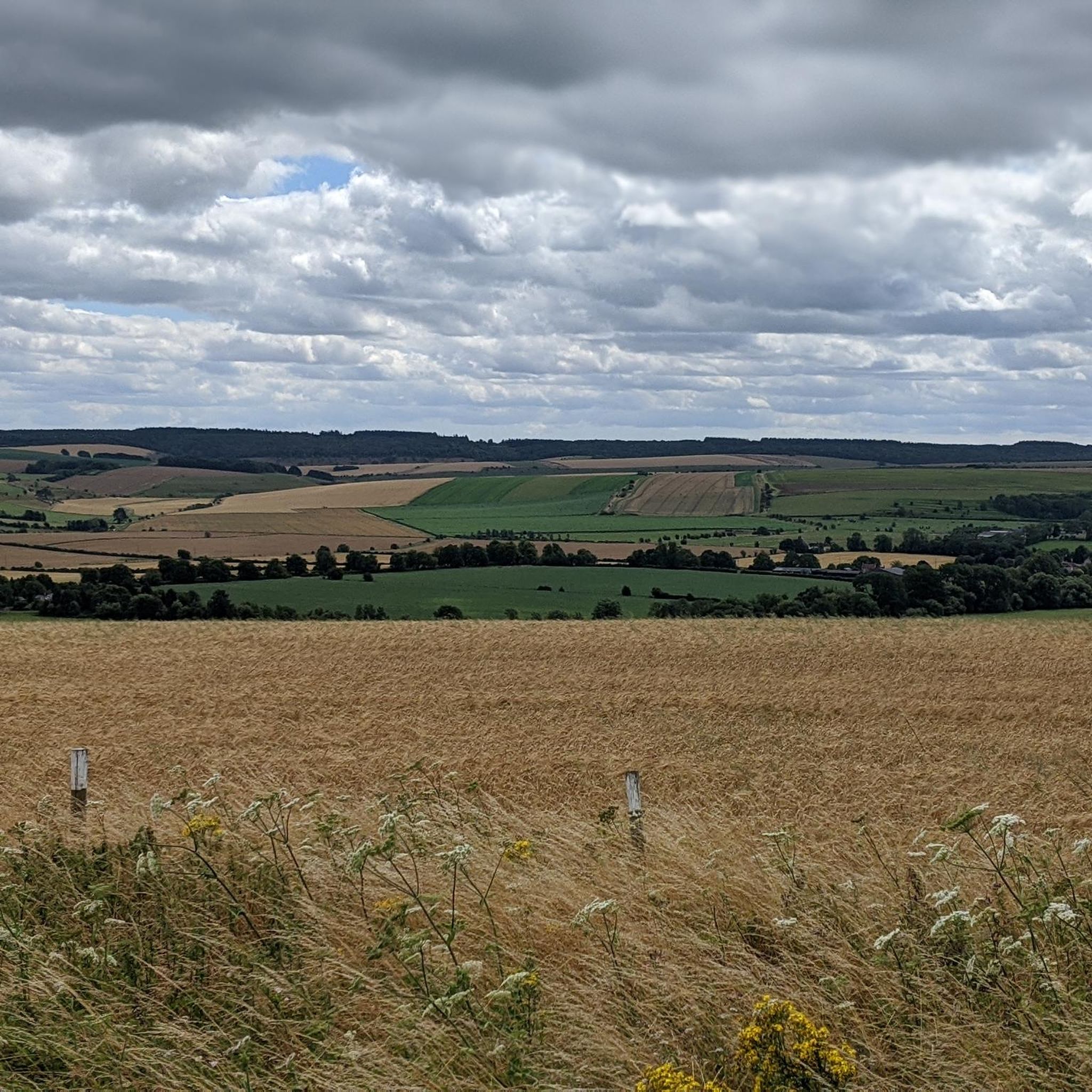
A great view point, even on a murky day. As well as the White Horse, there is Bratton Camp, an old hill fort and the art installation behind.
0
0

Good climb, was across fields but fine today as they’ve been harvested. Might have been tricky earlier in the year
0
0

Amazing views of the hills. If your lucky you can see the gliders circling above from the Wing Farm Airfield
0
0

an absolutely beautiful halfway point to sit and have a snack or two. the views are breathtaking.
0
0

Cold Kitchen Hill has a trig point at 257 m. Alfred's Tower at Stourhead is visible, as well as vast swathes of Wiltshire and the West Country.
0
0

A steep hill up from each of the three routes, but great views to enjoy once you're up.
0
0
The oldest of the Wiltshire white horses this was originally cut in 1772 and restored in 1778. There was evidence of an older horse here facing the other way, but no strong evidence suggests how old that was. In 1872/1873 the horse was considered to be losing its shape, it was re cut and edging stones added. In 1957 the horse was concreted to preserve it. For the runner the trails around the top of the horse are great fun and the 33-mile Imber trail also passes here. There are nice loops from the car park above the horse or from nearby Westbury.
1
0
Frequently Asked Questions
What types of natural monuments can I explore around Knook?
The natural monuments around Knook are primarily characterized by chalk downland landscapes, ancient hillforts, and distinctive chalk figures. You'll find a blend of geological formations and historical sites, offering expansive views across the Wiltshire countryside and the Wylye valley. Notable examples include viewpoints like Cold Kitchen Hill Trig Point and historical sites such as Westbury White Horse and Bratton Camp.
Are there any historical natural monuments in the Knook area?
Yes, the Knook area is rich in historical natural monuments. Westbury White Horse and Bratton Camp features an Iron Age hillfort and the iconic Westbury White Horse, providing a glimpse into ancient history. Similarly, Bratton Camp and Long Barrow offers extraordinary vistas from its earthen ramparts, which also contain a long barrow estimated to be around 5,000 years old.
Where can I find the best viewpoints among the natural monuments?
For outstanding views, consider visiting Cold Kitchen Hill Trig Point, which stands at 257 meters and offers clear vistas of Alfred's Tower at Stourhead and vast swathes of Wiltshire. Bratton Camp and Long Barrow also provides truly extraordinary vistas from its earthen ramparts. Another great spot is Middle Hill, a conical chalk hill with an ancient bowl barrow, overlooking the Wylye valley.
Are there family-friendly natural monuments or walks around Knook?
Yes, the area offers options suitable for families. The View of Westbury White Horse from Lower Westbury Road is noted as family-friendly, offering lovely views of the white horse from a gravel lane, avoiding main roads. Many of the chalk downland paths are generally accessible for walks, though some ascents to hillforts can be intermediate in difficulty.
What kind of wildlife can I spot near the natural monuments?
The chalk grassland areas, such as those around Westbury White Horse and Bratton Camp, are rich in wildlife. You might spot important plants that provide habitat for insects, including the rare Adonis Blue butterfly and the scarce forester moth.
What outdoor activities can I do near these natural monuments?
The area around Knook is excellent for various outdoor activities. You can find numerous running trails, such as the 'Knook Horse Hill & Wessex Ridgeway loop from Heytesbury,' which is a more difficult 23 km route. For cycling, there are options like the 'Great Ridge Gravel Trail' or longer routes like the 'Salisbury Cathedral – Dundas Aqueduct loop.' Mountain biking enthusiasts can explore trails like the 'Imber Range Perimeter Path.' You can find more details on these activities in the Running Trails around Knook, Cycling around Knook, and MTB Trails around Knook guides.
Are there hiking or walking trails that include these natural monuments?
Yes, many of the natural monuments are integrated into walking and hiking routes. For instance, the area around Westbury White Horse and Bratton Camp is popular for walks, offering outstanding views. The chalk downland provides a network of trails, often leading to viewpoints and historical earthworks. You can explore various routes in the Running Trails around Knook guide, many of which are suitable for hiking.
What is the best time of year to visit the natural monuments around Knook?
The chalk downland landscapes and historical sites around Knook can be enjoyed throughout the year. Spring and summer offer pleasant weather for walking and the chance to see wildflowers and butterflies like the Adonis Blue. Autumn provides beautiful views with changing foliage. Even in winter, the views from the hilltops can be rewarding, though paths might be exposed and less grippy, especially on gravel sections.
What do visitors enjoy most about the natural monuments in this region?
Visitors frequently highlight the rewarding views and the sense of history. The expansive vistas from spots like Cold Kitchen Hill Trig Point are often praised. The combination of natural beauty with ancient sites like the Iron Age hillforts and long barrows, such as at Westbury White Horse and Bratton Camp, creates a unique and engaging experience for outdoor explorers.
Are there any less-known or 'hidden' natural monuments worth exploring?
While the main highlights are well-regarded, exploring the wider chalk downland can reveal quieter spots. Middle Hill, locally nicknamed 'piggy in the middle,' is a conical chalk hill with an ancient bowl barrow, offering a slightly less frequented but equally rewarding experience between Battlesbury Hill and Scratchbury, overlooking the Wylye valley.
What should I wear when visiting the natural monuments, especially for hiking?
Given the chalk downland terrain and potential for exposed areas, it's advisable to wear sturdy footwear suitable for uneven paths. Layers of clothing are recommended to adapt to changing weather conditions, as viewpoints can be windy. If visiting in winter, be prepared for potentially less grip on gravel paths and colder temperatures.
Most popular attractions around Knook

Get inspired with the komoot mobile app


Explore more
Extend your search for the best caves by checking out these guides of the top ones around Knook:
