Top 13 Natural Monuments around Woodford
Natural monuments around Woodford encompass a landscape rich in ancient history and significant archaeological features. This area is characterized by open plains and rolling terrain, providing the setting for some of the world's most renowned prehistoric sites. The natural environment here is intrinsically linked with human history, featuring ancient earthworks and stone formations. Visitors can explore a unique blend of natural and man-made monuments that reflect thousands of years of human activity.
Best natural monuments around Woodford
- The most popular…
Last updated: May 19, 2026
Stonehenge
Highlight • Historical Site
Tip by

Sarsen Stone at Stonehenge Visitor Centre
Highlight • Monument
Translated by Google •
Tip by

Sign up now to discover places like this
Get recommendations on the best single tracks, peaks, & plenty of other exciting outdoor places.
Sign up for free
Stonehenge
Highlight • Historical Site
Tip by

Woodhenge
Highlight • Monument
Tip by

Cursus Barrows
Highlight • Natural Monument
Translated by Google •
Tip by
Sign up for free to discover even more natural monuments around Woodford.
Sign up for free
Already have an account?
Start today with a free account
Your next adventure awaits.
Login or Signup

Tips from the Community


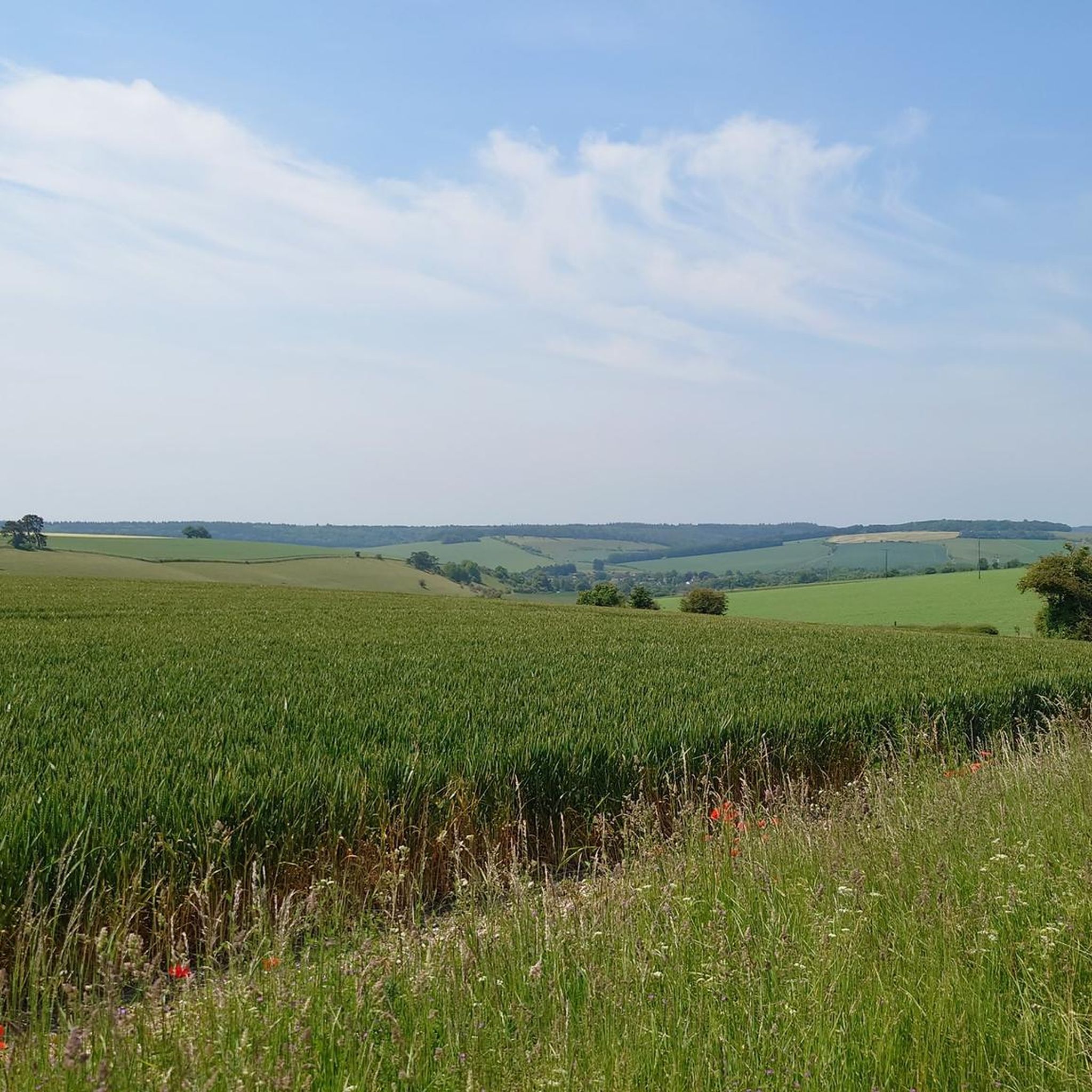
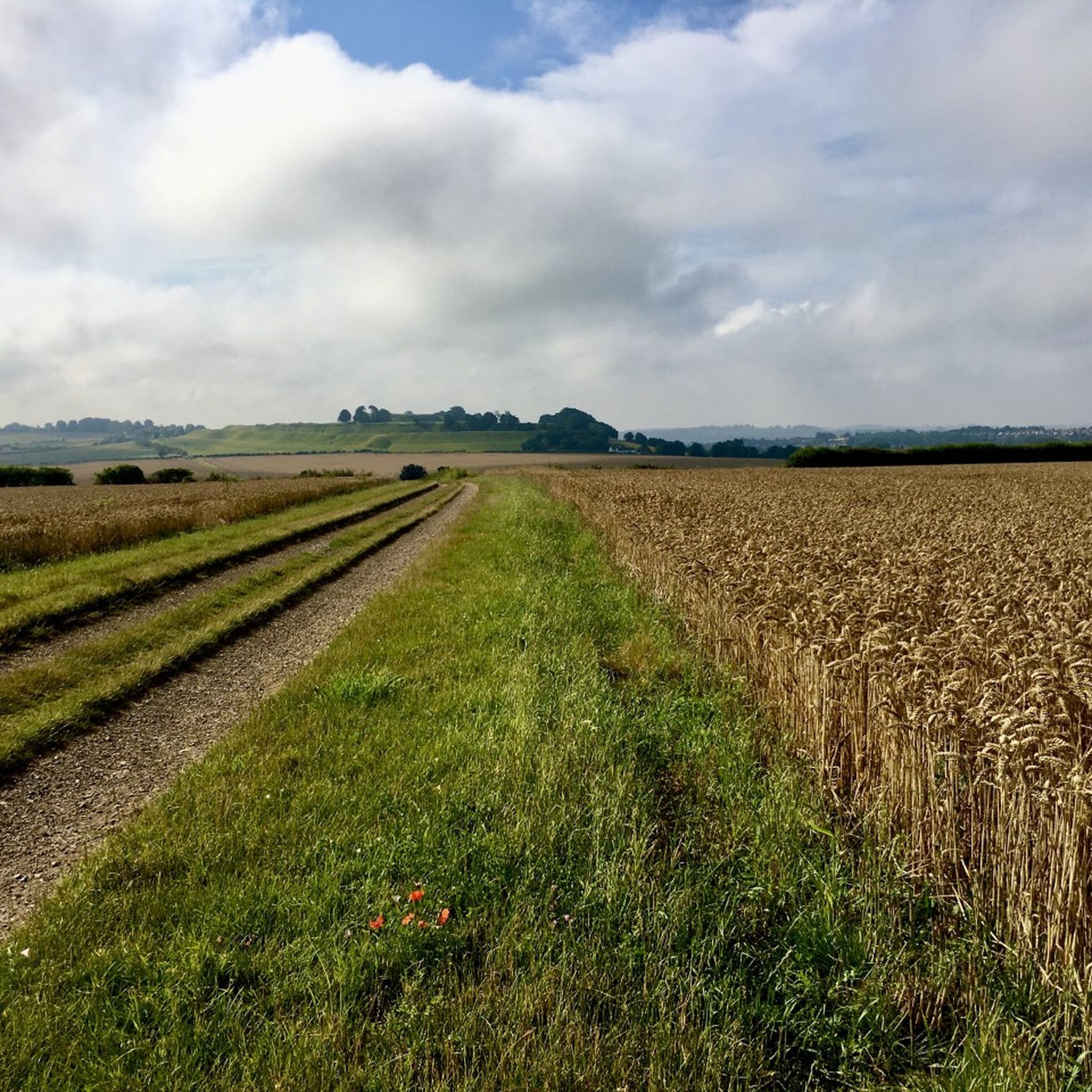
Why exactly there? Archaeologists suspect several reasons: Line of sight From the mounds, there is a direct view of Stonehenge. Sacred landscape The entire plain was a ritual area with paths, graves, and ceremonial sites. Status symbol Important people were buried near the famous sanctuary. Interesting fact There are over 300 burial mounds in the vicinity of Stonehenge – one of the largest prehistoric burial landscapes in Europe.
0
0
Here is a simple overview map explaining the landscape south of Stonehenge and why the burial mounds are located there. Landscape south of Stonehenge The most important range of mounds is called Normanton Down Barrows. It lies about 1 km south of Stonehenge. There are over 40 burial mounds there, dating from 2600–1600 BC. The mounds are situated on a long ridge that faces directly towards Stonehenge. Simplified diagram of the location North ↑ Stonehenge ○ | | approx. 1 km | ───────────────── Hill ridge with many burial mounds (Normanton Down) ○ ○ ○ ○ ○ ○ ○ ○ ○ ○ ↓ South Important hills there One particularly famous burial mound is Bush Barrow A richly furnished grave of a Bronze Age prince, containing gold objects and weapons, was found there.
0
0

It's unbelievable what people have achieved and built in the past (without any technology) - it's simply impressive and breathtaking
2
0

Can someone please be happy/laughing with me that Google Translate turns Amy's "henge and timber monument" into "Denkmal für Hühner 🐔" in German? - Great 😂😂😂
0
0

A television series that I wholeheartedly recommend introduces culture-loving viewers to remarkable testimonies to human activity from many countries around the world. What they all have in common is that they have been granted "World Heritage" status by UNESCO. One of the episodes documents the ancient and still mysterious stone circle of Stonehenge. The accompanying documentary states: "The Salisbury Plateau in southern England is a harsh and uninviting area, often subject to cold and biting winds. About 5,000 years ago, during the Neolithic period, people lived here, about whom we know very little. But what they and subsequent generations left behind is impressive beyond measure: the stone circles and burial mounds of the Megalithic culture." This film (in German) can be found in the ARD media library under the following link => https://www.ardmediathek.de/video/schaetze-der-welt/stonehenge-grossbritannien-folge-16/swr/Y3JpZDovL3N3ci5kZS83MjQ1ODkw
0
0


If you are in the area, a mandatory stopover, and there is also no need to pay an entrance fee because you pass very close to the monument. When you leave, be careful if you are going to pass through the A303.
1
0
Frequently Asked Questions
What are the most popular natural monuments to visit around Woodford?
The most popular natural monument is Stonehenge, a world-renowned historical site featuring a megalithic structure. Visitors also highly appreciate Woodhenge, a Neolithic timber circle, and the Sarsen Stone at Stonehenge Visitor Centre, where you can learn about these ancient stones.
Are there family-friendly natural monuments around Woodford?
Yes, several natural monuments are suitable for families. Stonehenge offers a visitor centre with exhibitions and Neolithic houses, making it engaging for all ages. Woodhenge and the Cuckoo Stone are also family-friendly, offering easy walks and a chance to explore ancient sites in a more open setting.
What kind of historical or archaeological features can I expect to see?
The area around Woodford is rich in ancient history. You can explore significant prehistoric sites like Stonehenge, a Neolithic and Bronze Age megalithic structure, and Woodhenge, a timber circle monument. The Cursus Barrows offer a glimpse into Neolithic and Bronze Age burial mounds, while the Cuckoo Stone is a fallen sarsen stone believed to have been a ceremonial centrepiece.
What outdoor activities can I do near these natural monuments?
The area around Woodford offers various outdoor activities. You can find numerous routes for road cycling, mountain biking, and running. For example, explore the Grovely Wood & Wylye Valley loop for MTB, or the Woodfords Singletrack – Old Sarum loop for running. You can find more details and routes on our dedicated guides for Road Cycling Routes around Woodford, Running Trails around Woodford, and MTB Trails around Woodford.
Is there wheelchair accessibility at any of the natural monuments?
Yes, the Sarsen Stone at Stonehenge Visitor Centre is noted as wheelchair accessible, offering facilities for visitors with mobility needs. For Stonehenge itself, a shuttle bus operates from the visitor centre to the stone circle, and the site generally accommodates visitors with varying accessibility requirements. It's always best to check their official website for the most current accessibility information.
What is the best time of year to visit the natural monuments around Woodford?
The natural monuments around Woodford can be visited year-round. However, for the most comfortable experience, spring and autumn offer pleasant temperatures and fewer crowds. Summer is also popular, but can be busier. In winter, the sites can be beautiful with a different atmosphere, though weather conditions might be colder and some paths potentially muddy.
Are there any easy walks or trails to explore the natural monuments?
Yes, there are easy walks available. The path to the Cuckoo Stone from Woodhenge is described as an easy walk. Many of the sites, such as Woodhenge, are free to visit and can be explored at your own pace during daylight hours, offering gentle strolls around the ancient structures.
What should I wear when visiting the natural monuments?
Given the outdoor nature of these sites, comfortable walking shoes are highly recommended. Layers of clothing are advisable, as the weather can change. A waterproof jacket is always a good idea, especially outside of summer. For sunny days, consider a hat and sunscreen, as some areas like the Cuckoo Stone have very little shade.
Can I bring my dog to the natural monuments?
While specific dog policies vary by site, many outdoor areas around natural monuments are dog-friendly, especially for walks on public footpaths. For sites like Stonehenge, dogs are generally permitted in the outdoor areas and on the shuttle bus, but usually not inside the visitor centre or close to the stones themselves. Always check the individual site's official guidelines before your visit.
Where can I find parking when visiting these sites?
Parking is available at the visitor centres for major sites like Stonehenge. For other sites like Woodhenge and the nearby Cuckoo Stone, parking is often available alongside Woodhenge. It's advisable to check specific site information for parking details and any associated fees.
What do visitors enjoy most about the natural monuments around Woodford?
Visitors frequently express awe at the historical significance and scale of sites like Stonehenge. Many appreciate the opportunity to explore ancient landscapes and learn about prehistoric human endeavors. The peaceful atmosphere at less crowded sites like Woodhenge, where one can contemplate history without large crowds, is also highly valued.
Are there any hidden gems or lesser-known natural monuments worth visiting?
Beyond the famous sites, the Cursus Barrows offer a fascinating, less-trafficked experience. These Neolithic and Bronze Age burial mounds provide a unique viewpoint and insight into the ancient landscape south of Stonehenge. The Cuckoo Stone, while a familiar landmark, is also a quieter spot for reflection.
Most popular attractions around Woodford

Get inspired with the komoot mobile app


Explore more
Extend your search for the best caves by checking out these guides of the top ones around Woodford:
