Top 6 Natural Monuments around Bishopstone
Best natural monuments around Bishopstone, Wiltshire, are situated within the picturesque Ebble Valley, part of the Cranborne Chase and West Wiltshire Downs Area of Outstanding Natural Beauty. This region is characterized by its chalk landmass, rolling hills, and ancient landscapes. The area offers a blend of historical earthworks, reclaimed quarries, and diverse ecosystems, making it suitable for exploration. Its natural features provide opportunities for walking and appreciating ancient structures within scenic surroundings.
Best natural monuments around Bishopstone
- The most popular…
Last updated: July 1, 2026
Bokerley Dyke
Highlight • Trail
Tip by

The Miz Maze
Highlight • Structure
Tip by

Sign up now to discover places like this
Get recommendations on the best single tracks, peaks, & plenty of other exciting outdoor places.
Sign up for free
Knowle Hill
Highlight (Segment) • Natural Monument
Tip by

Harnham Chalk Pit
Highlight • Viewpoint
Tip by

Wylye Down National Nature Reserve
Highlight • Viewpoint
Tip by

Sign up for free to discover even more natural monuments around Bishopstone.
Sign up for free
Already have an account?
Start today with a free account
Your next adventure awaits.
Login or Signup


Tips from the Community

Bokerley Dyke is a substantial linear earthwork, approximately 5.75 kilometers (3.6 miles) long, located on Cranborne Chase. It runs along part of the border between Dorset and Hampshire, specifically between Woodyates and Martin. It is part of a larger Scheduled Monument that also includes Grim's Ditch and other earthworks. The dyke has a multi-period history. It is believed to have originated in the Bronze Age or Early Iron Age as an important political and cultural boundary. In the 1st century, it was cut through by a Roman road, Ackling Dyke, which ran between Old Sarum and Badbury Rings. In the 4th century, the dyke was remodeled and brought back into use. During this period, the Roman road was blocked. A coin of Valens found during excavations dates this activity to shortly after 364 AD, with some sources suggesting it was built between 367-368 AD. This remodeling may have been a defensive measure against attacks on Britain by Picts, Scots, and Saxons. The Roman road was eventually reopened, but the dyke may have continued to be used as a boundary after the Roman administration ended. Today, it still forms part of the border between the counties of Dorset and Hampshire.
0
0

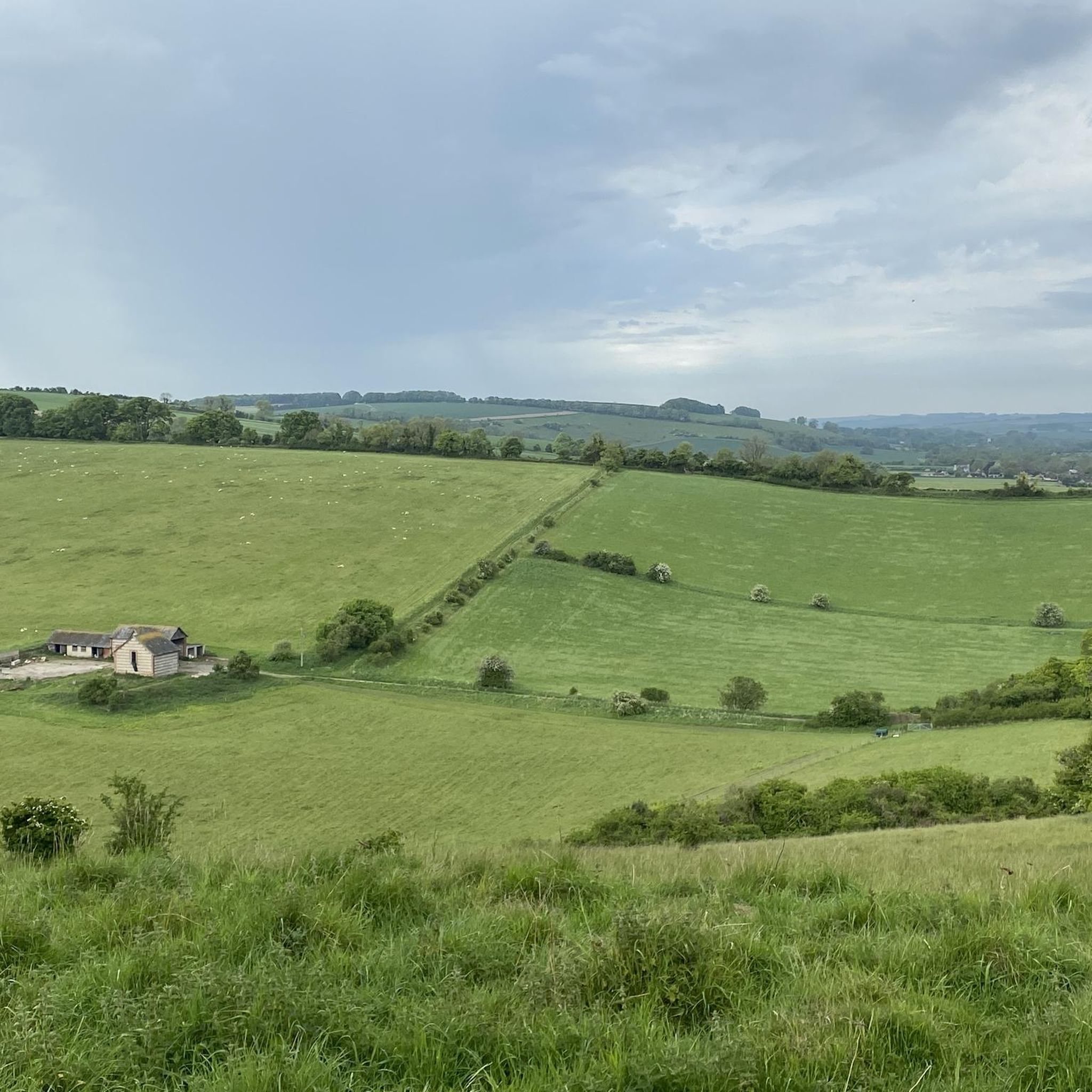
Brilliant downhill. Mostly grass so I wouldn't fancy it uphill!
0
0

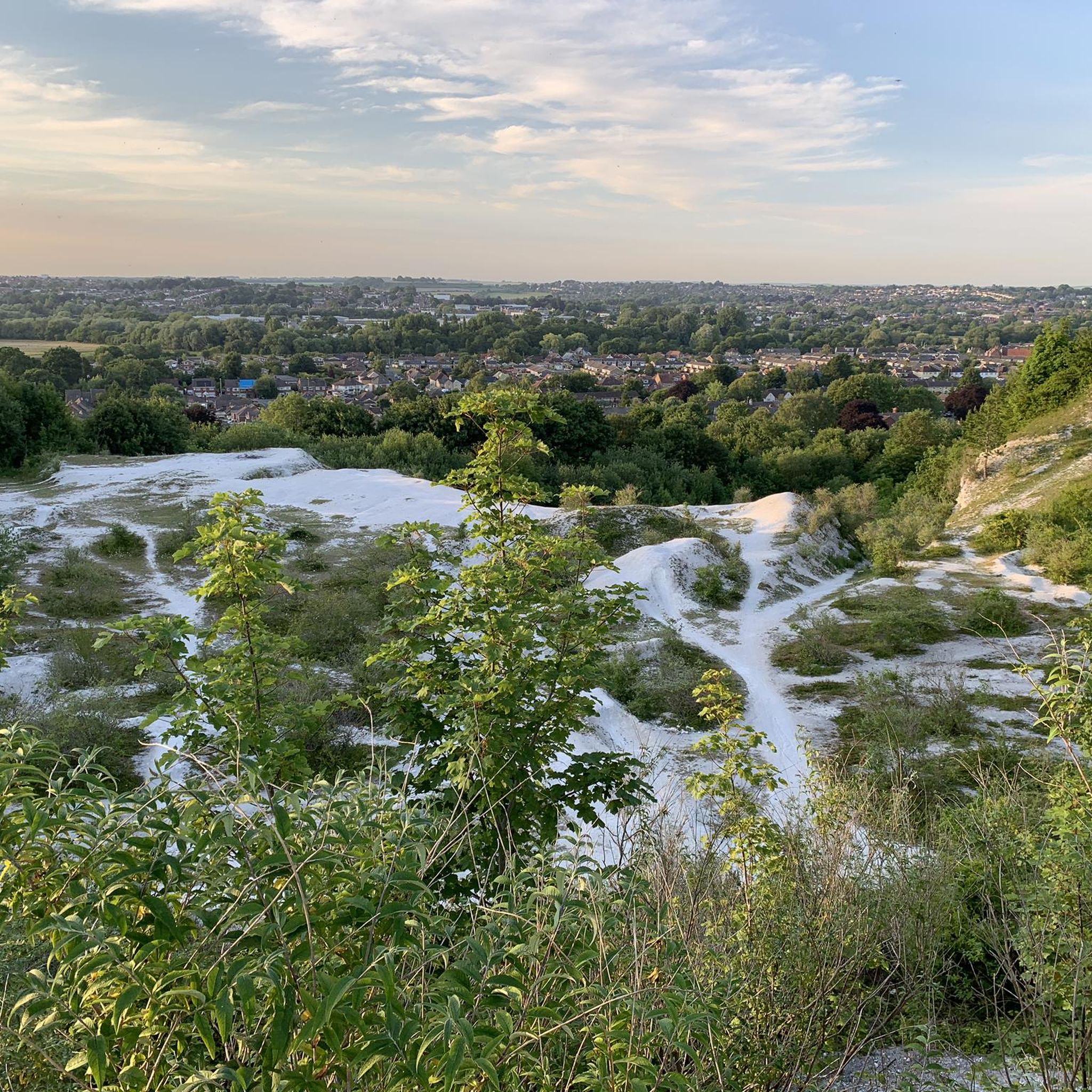
‘Harnham Chalk Pit’ as it is marked on maps, is a long-abandoned chalk quarry that has been taken back by nature. Several different levels accessed with paths that scramble up the quarry sides. I imagine they will be lethal after recent rainfall! Loads of butterflies and wildflowers seen today (August). Unfortunately litter appears to be an issue here, not excessive but noticeable. It baffles me why anyone leaves rubbish indiscriminately in locations like this. Great distant view of Salisbury Cathedral from upper levels.
0
0

The Miz Maze is a unique and fascinating attraction located in the heart of the English countryside. The maze invites visitors of all ages to have fun and explore the intricate network of hedges and try to find their way out.
1
0

Wylye Down National Nature Reserve is a relatively small area of chalk grassland but is home to an array of rare plant species, including the burnt-tip orchard and the early gentian
0
0
Bokerley Dyke may have originated in the Bronze Age or Early Iron Age and formed a political and cultural boundary. It was cut through by a Roman Road (Ackling Dyke running between Old Sarum and Badbury Rings) in the 1st century.
0
0

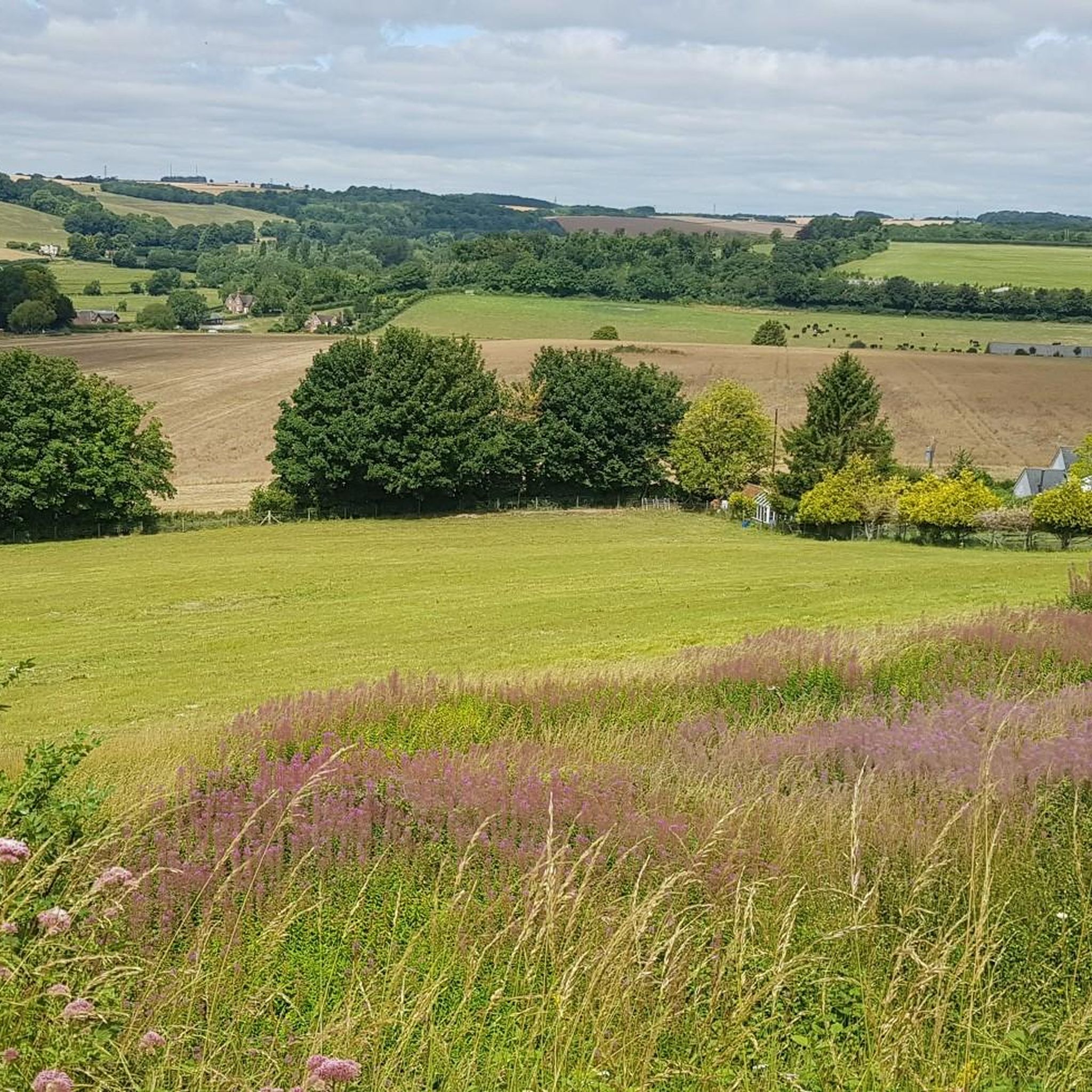
Really good place to go for beginners and lovely view definitely worth it!
0
0
Frequently Asked Questions
What are the most notable natural monuments to explore around Bishopstone, Wiltshire?
The Bishopstone area, nestled in the Ebble Valley, offers several distinct natural monuments. You can explore the ancient linear earthwork of Bokerley Dyke, enjoy the expansive views from Knowle Hill, or discover the unique hedge maze at The Miz Maze. Each offers a different experience, from historical intrigue to scenic beauty.
Are there family-friendly natural monuments suitable for children?
Yes, several natural monuments around Bishopstone are great for families. The Miz Maze is a unique hedge maze that invites visitors of all ages to explore and find their way out, making it a fun activity for children. Additionally, Harnham Chalk Pit, with its reclaimed nature and paths, can be an interesting spot for a family outing.
What kind of natural features can I expect to see in the Bishopstone area?
The Bishopstone area is characterized by its chalk landmass, rolling hills, and ancient landscapes within the Cranborne Chase and West Wiltshire Downs Area of Outstanding Natural Beauty. You'll find features like chalk grasslands, ancient earthworks, and reclaimed quarries. The Ebble Valley itself, with the River Ebble, is a picturesque feature, historically known for its watercress beds.
Where can I find the best viewpoints around Bishopstone?
For expansive views across Cranborne Chase, Knowle Hill offers excellent hill climbs with rewarding panoramas. Another great spot is Harnham Chalk Pit, which provides distant views of Salisbury Cathedral from its upper levels, especially on clear days.
Are there hiking trails near these natural monuments?
Absolutely! The Bishopstone area is excellent for hiking. You can find a variety of trails, including easy hikes like 'The Punchbowl loop' or 'Hiking loop from Bishopstone'. For more options, explore the Easy hikes around Bishopstone guide on komoot.
What historical significance do the natural monuments around Bishopstone hold?
The region is rich in history, particularly with ancient earthworks. Bokerley Dyke is a prime example, a substantial linear earthwork believed to have originated in the Bronze Age or Early Iron Age, serving as a significant political and cultural boundary. It even saw Roman intervention, being cut through by Ackling Dyke and later re-fortified.
When is the best time to visit the natural monuments in Bishopstone?
The natural monuments are enjoyable year-round, but late spring and summer (May to August) are particularly pleasant. During these months, the weather is generally milder, and sites like Harnham Chalk Pit are noted for an abundance of butterflies and wildflowers. Autumn also offers beautiful scenery with changing foliage.
What outdoor activities, besides hiking, can I do near Bishopstone's natural monuments?
Beyond hiking, the area around Bishopstone is suitable for various outdoor activities. You can find numerous running trails, including longer, more challenging routes like the 'Eyding Dyke Walking Trail – Bokerley Dyke loop'. Road cycling is also popular, with routes such as the 'Crook Hill Lane Valley View – Fovant Downs Climb loop'. For more details, check out the Running Trails around Bishopstone and Road Cycling Routes around Bishopstone guides.
Are there any nature reserves or areas for wildlife spotting?
Yes, Wylye Down National Nature Reserve is a relatively small but significant area of chalk grassland known for its array of rare plant species, including the burnt-tip orchid and early gentian. Throope Down, designated as a Site of Special Scientific Interest (SSSI), is also recognized for its diverse grasses, herbs, and beautiful orchids, making it a valuable site for nature enthusiasts.
What do visitors enjoy most about the natural monuments around Bishopstone?
Visitors frequently appreciate the blend of historical intrigue and natural beauty. The opportunity to walk along ancient structures like Bokerley Dyke within a scenic landscape is a highlight. The expansive views from places like Knowle Hill and the abundance of wildflowers and butterflies at Harnham Chalk Pit are also highly praised. The area's overall appeal lies in its picturesque surroundings and diverse exploration opportunities.
Is parking available at or near these natural monuments?
While specific parking details for each monument may vary, generally, areas within the Cranborne Chase and West Wiltshire Downs Area of Outstanding Natural Beauty, where Bishopstone is located, often have designated parking areas or roadside parking options near popular trailheads and viewpoints. It's advisable to check local signage upon arrival.
Are there cafes or pubs near the natural monuments for refreshments?
The village of Bishopstone and surrounding areas in the Ebble Valley are part of a rural landscape, but you can typically find traditional pubs and cafes in nearby villages. These establishments often cater to walkers and cyclists, providing a welcome stop for refreshments after exploring the natural monuments.
Most popular attractions around Bishopstone

Get inspired with the komoot mobile app


Explore more
Extend your search for the best caves by checking out these guides of the top ones around Bishopstone:
