Top 20 Natural Monuments around West Overton
Best natural monuments around West Overton are found in a region of Wiltshire, England, known for its rich prehistoric and natural landscapes. This area features significant ancient human endeavors integrated within its natural settings. The landscape is characterized by rolling hills, chalk downs, and valleys, providing a backdrop for historical sites. It offers a blend of geological formations and archaeological wonders.
Best natural monuments around West Overton
- The most popular natural monuments is Avebury Stone Circle, a man-made monument…
Last updated: July 1, 2026
Avebury Stone Circle
Highlight • Monument
Tip by

Silbury Hill
Highlight • Monument
Tip by

Sign up now to discover places like this
Get recommendations on the best single tracks, peaks, & plenty of other exciting outdoor places.
Sign up for free
West Kennet Long Barrow
Highlight • Historical Site
Tip by

Cherhill White Horse
Highlight • Natural Monument
Tip by
Devil's Den Dolmen
Highlight • Historical Site
Tip by

Sign up for free to discover even more natural monuments around West Overton.
Sign up for free
Already have an account?
Start today with a free account
Your next adventure awaits.
Login or Signup
Popular around West Overton
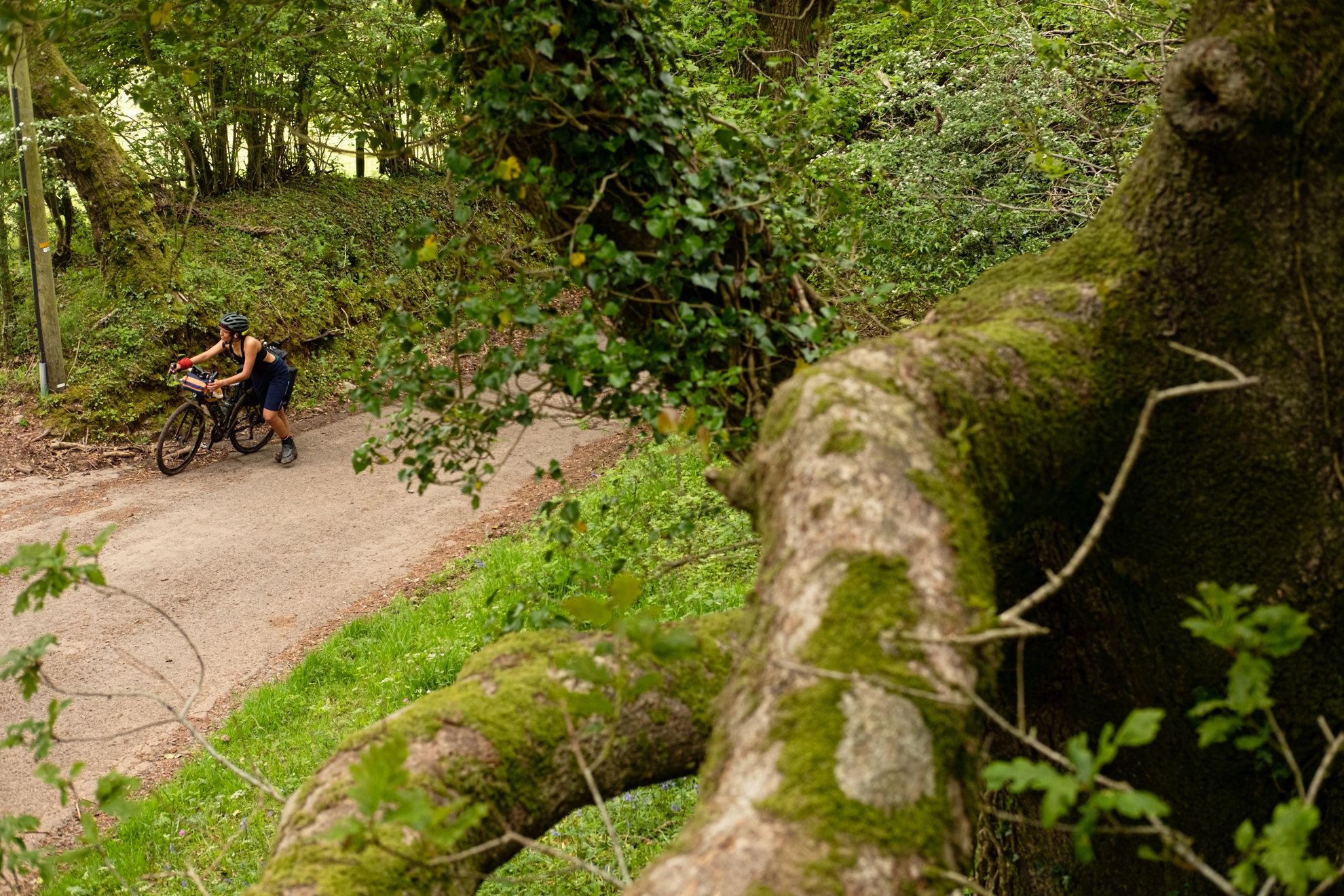
Just Around The Corner — exploring the best of the South West by bike
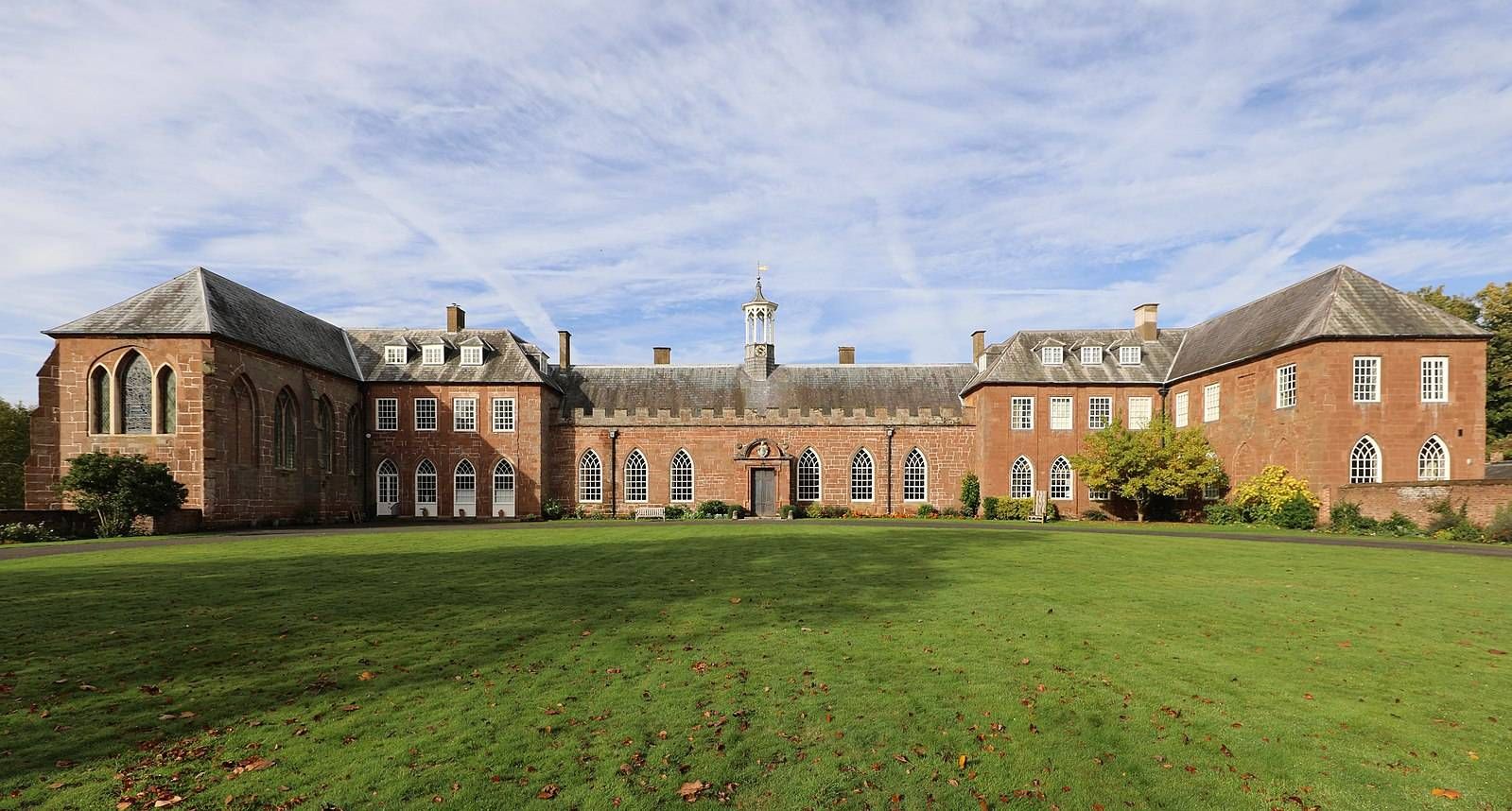
Cycling the Mercian Way – Explore England's historic heart
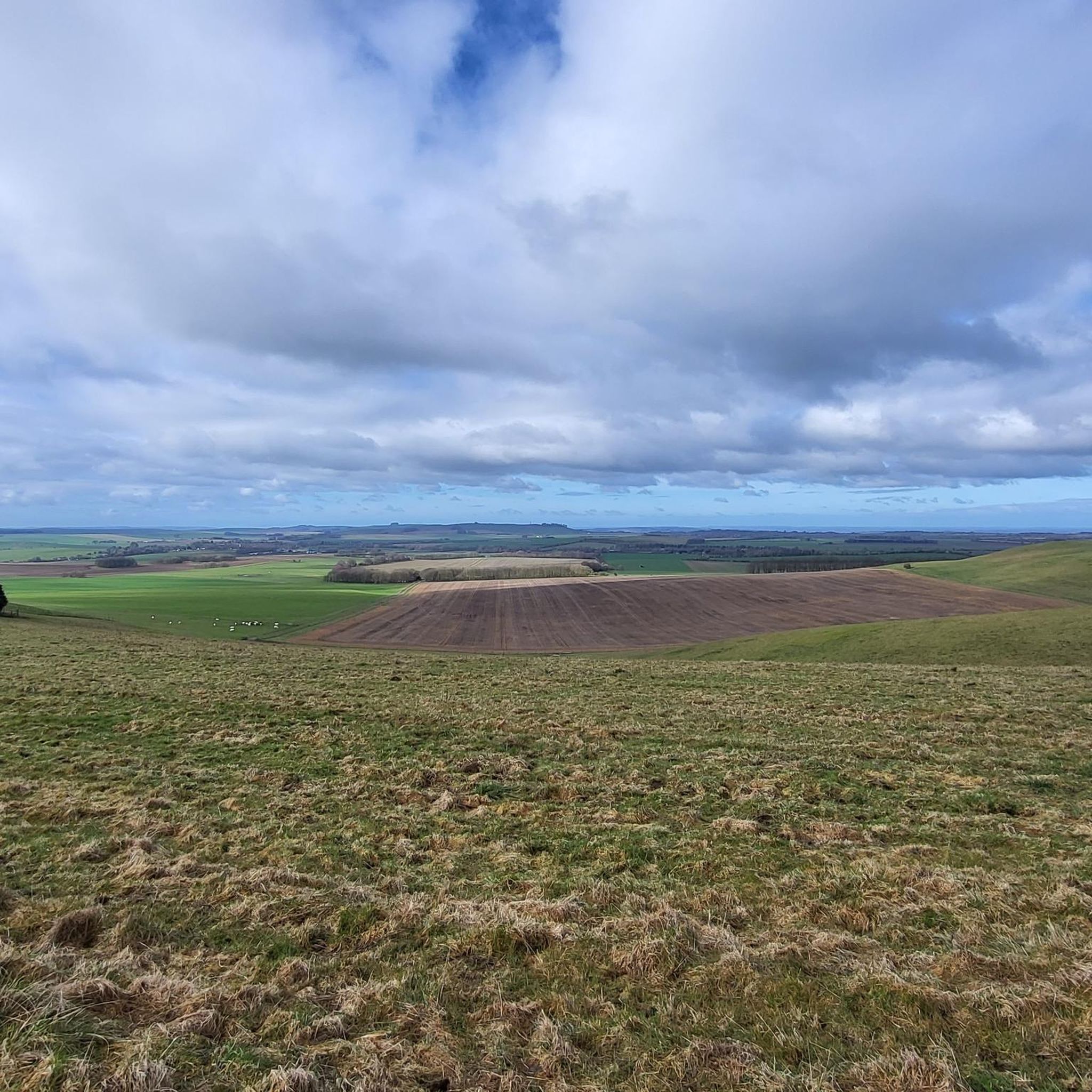
MTB Trails around West Overton
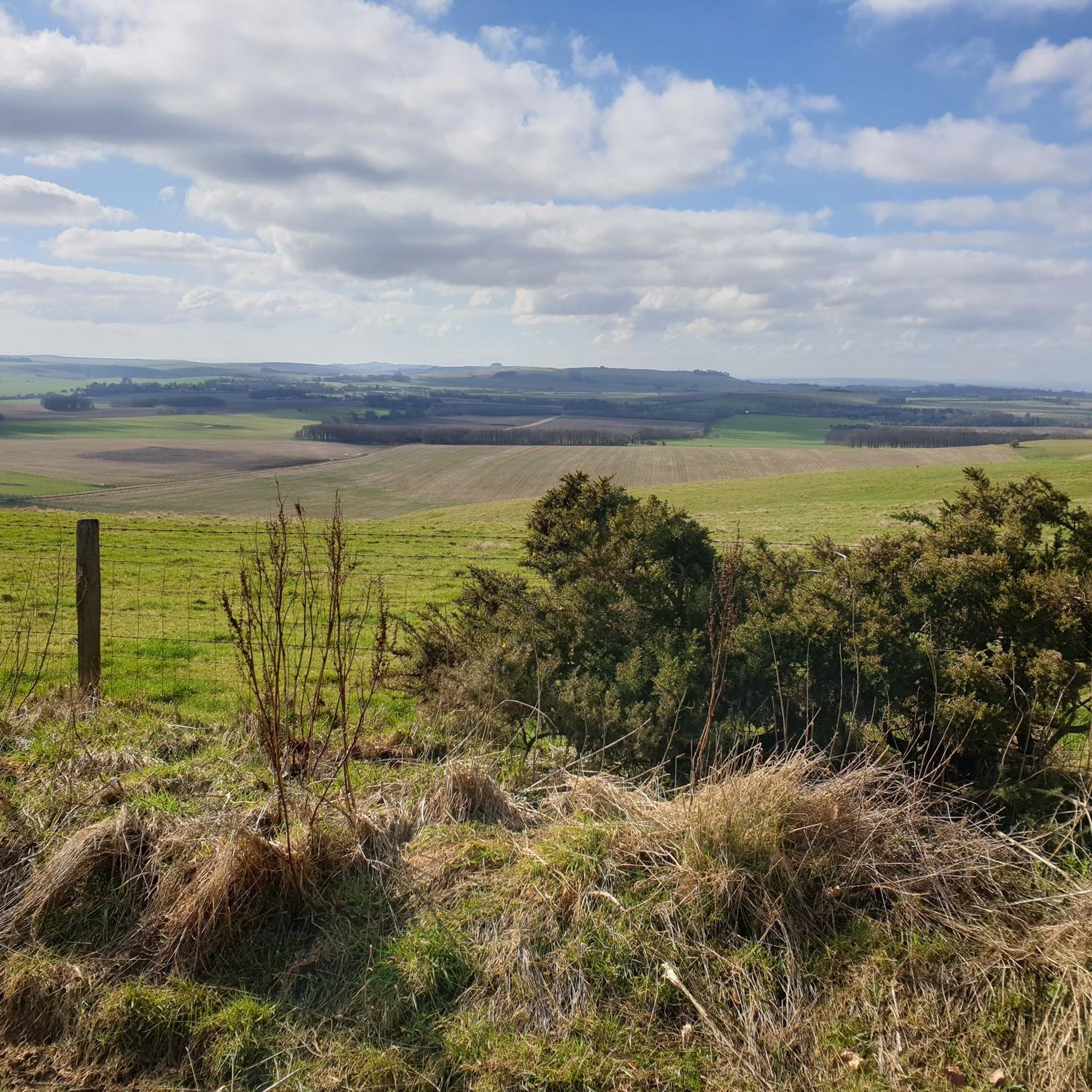
Road Cycling Routes around West Overton
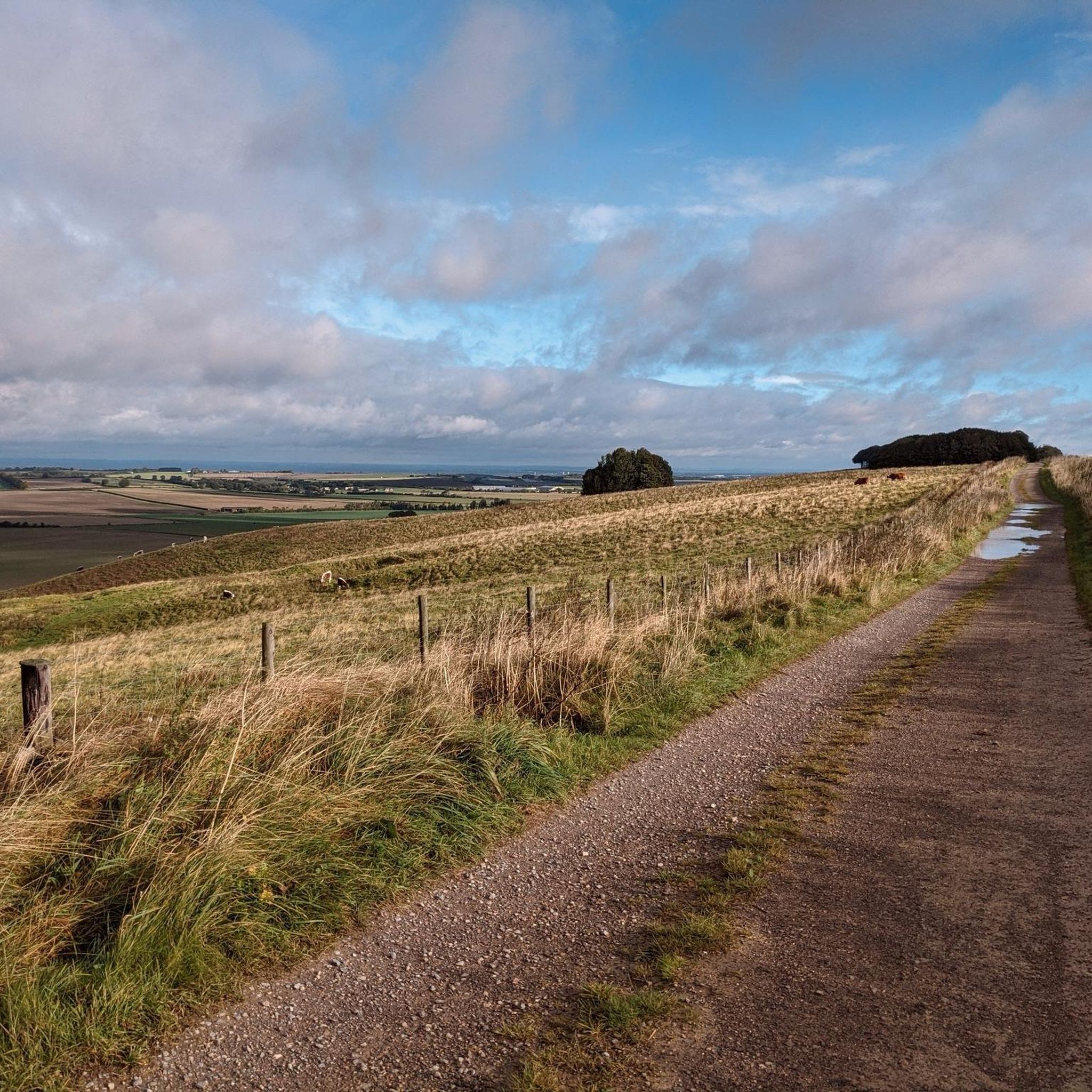
Cycling around West Overton
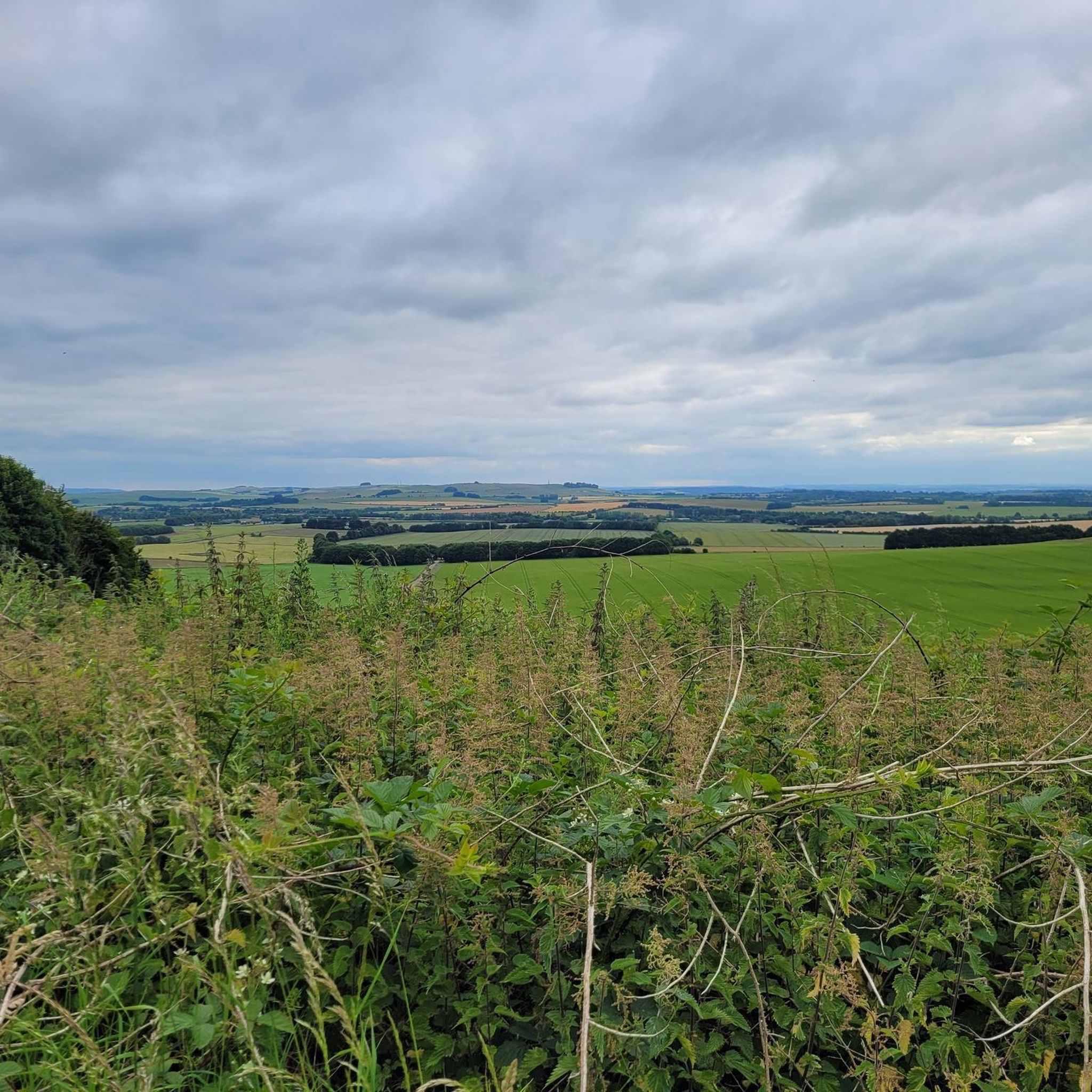
Running Trails around West Overton
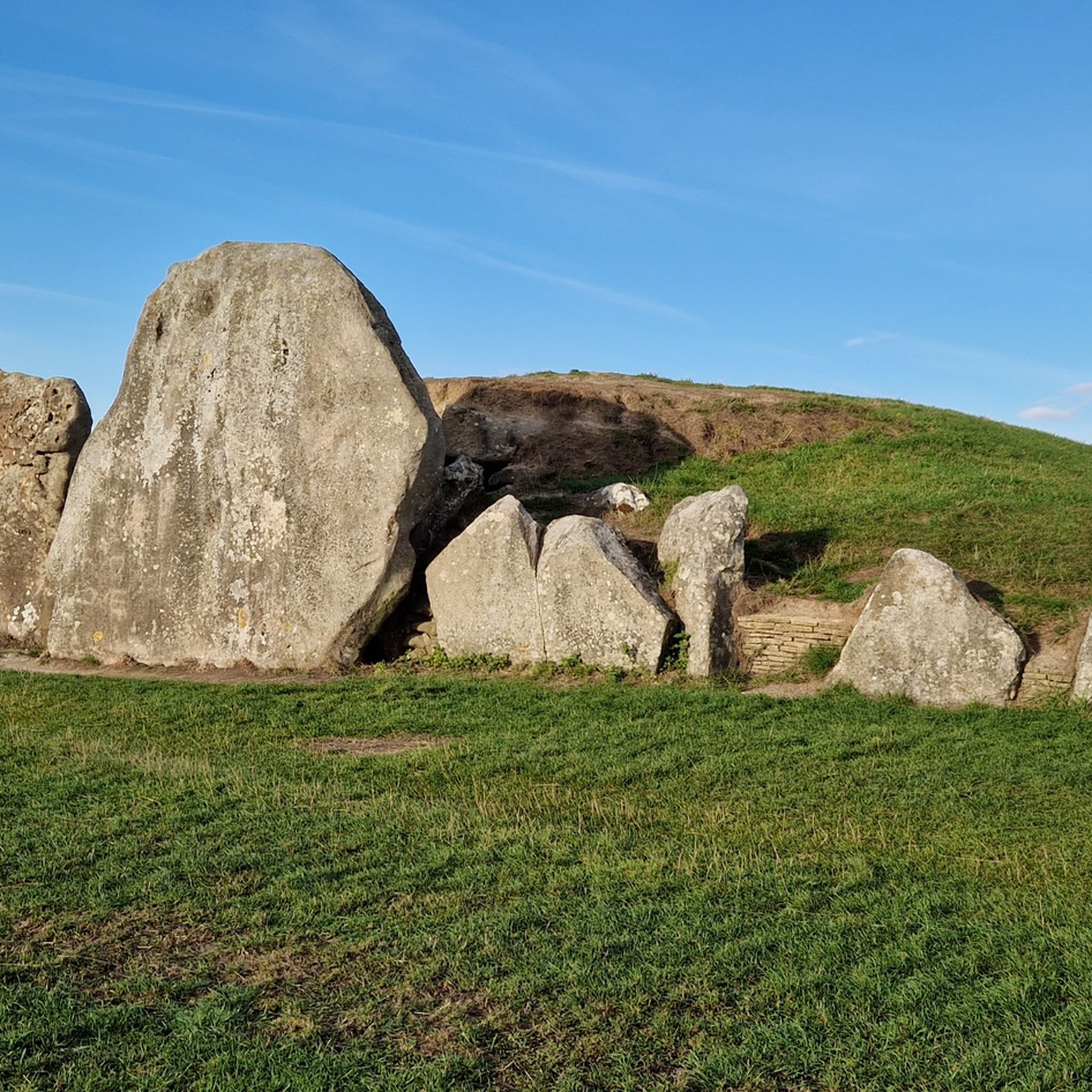
Hiking around West Overton
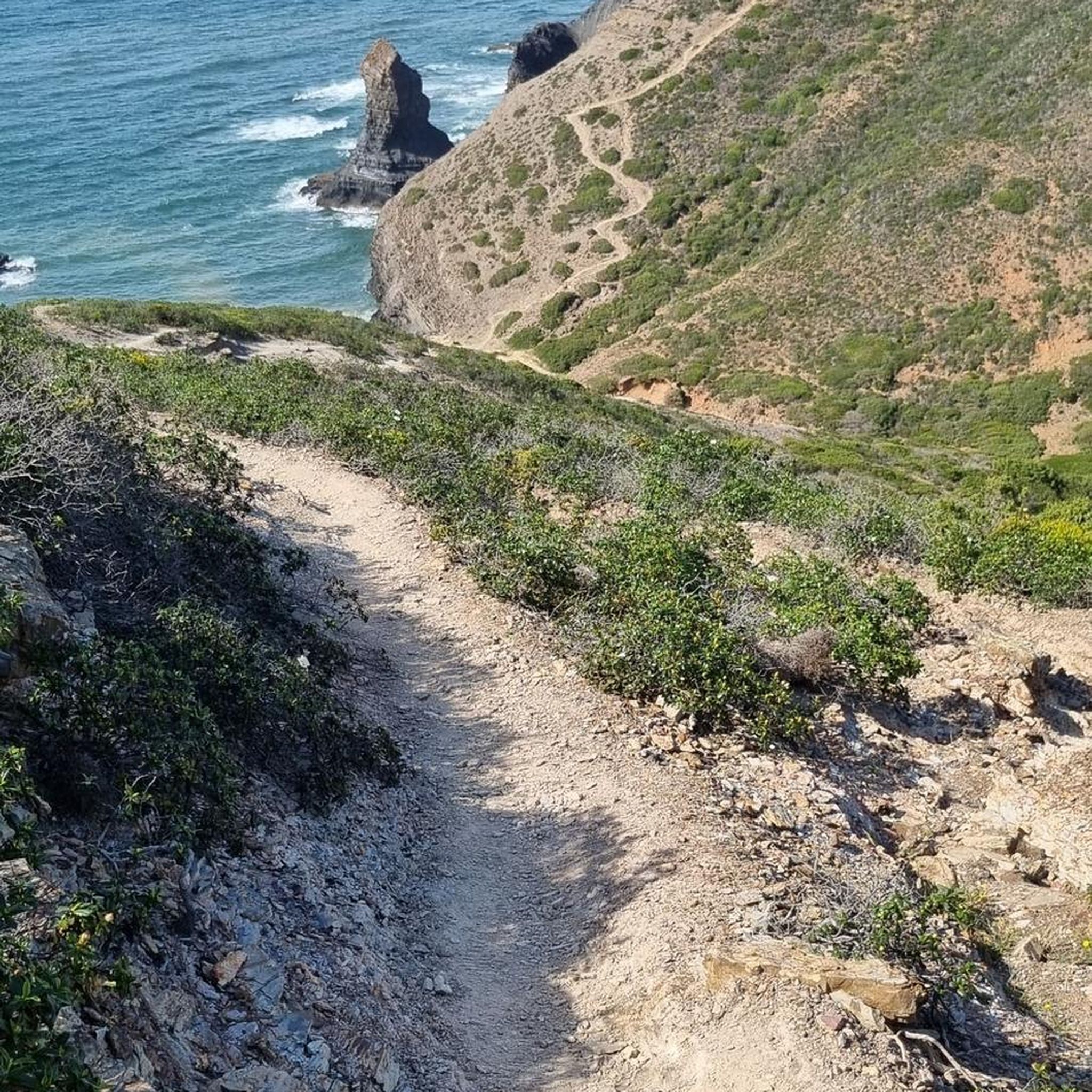
Gravel biking around West Overton


Tips from the Community

Devil's Den stone monument is a Neolithic dolmen (burial chamber) located in Wiltshire, near Marlborough, not Sturminster Newton. The structure features a massive 17-ton capstone resting on two upright sarsen stones. Local folklore claims that if water is poured into the hollows on the capstone, the Devil himself will come during the night to drink it. It was largely reconstructed in 1921 after the chamber collapsed.
0
0

Sidbury Hill, or Sidbury Camp, is the site of an Iron Age bivallate hillfort on the eastern edge of Salisbury Plain in Wiltshire, England. The site is sub-triangular in shape, approximately 17 acres in area, and is constructed on the site of a Neolithic settlement. The hill offers excellent defensive slopes on all sides, which have been supplemented by the double ditch and rampart earthworks. The settlement and hillfort were partially excavated in the 19th century and the 1950s; there were finds of pottery and other artefacts. A Neolithic settlement site was discovered during the excavation in the 1950s, being of a section of the south-east rampart of the hillfort. A number of flint flakes and tools were recovered. The site is a scheduled national monument. Trees planted in the 1960s were removed from 2002 and the area was allowed to revert to the natural chalk downland. Access to the site is difficult as it is on, or near, Ministry of Defence land, and there are many tank tracks and occasional artillery firing in the area. There are also numerous ditches, barrows, trackways, field systems, and tumuli in the area. Due to erosion issues climbing on the barrow is now forbidden. Such a shame, but understandable.
0
0
A well preserved bell barrow, the mound of which measures 22m in diameter and stands up to 2.8m high. The mound is surrounded by a berm up to 5m in diameter and a ditch 0.7m deep and up to 6.2m wide. One of these two bell barrows produced a sherd of Bronze Age pottery and a fragment of a polished greenstone axe, both found by Owen Meyrick. A bell barrow, the mound of which measures 24m in diameter and stands 2.7m high. The berm and ditch which surround this barrow have been levelled by cultivation on three sides but survive as buried features on the fourth. From measurements on the western side it can be seen that the berm is c.3m wide and that the ditch is c.5m wide.
0
0
Who wouldn't want to walk into a neolithic burial chamber? anybody? no? didn't think so!!! It was amazing!!! The monument includes six prominent Bronze Age round barrows which form part of a larger round barrow cemetery north-east of West Kennett Farm and west of the Ridgeway track on Overton Hill. This is the site of a round barrow which, despite being ploughed level, will contain archaeological information; the old ground surface beneath the mound and the surrounding quarry ditch, from which material was quarried during construction of the monument, will survive as buried features. The area of the mound has a diameter of 33m; the surrounding ditch is c.2m wide. A bowl barrow, the mound of which measures 41.5m in diameter and stands up to 1.2m high. The mound is surrounded by a ditch which has become infilled over the years but which survives as a buried feature c.3m wide. This barrow has been partially excavated on two occasions, in 1857 by Thurnham and again in 1882 by W & H Cunnington. The primary cremation burial was not located but two secondary cremations were recovered. One was located north- west of the centre of the mound and was accompanied by a flint scraper and a serrated flint flake; the other was situated east of the centre and contained pottery sherds of two vessels, a beaker and an urn, as well as a piece of antler and several bone pins. A bowl barrow, the mound of which measures 42m in diameter and stands up to 0.7m high. The barrow has been partially excavated on two occasions, in 1857 by Thurnham and in 1882 by Ponting. These revealed that the barrow mound contained a crouched skeleton in a grave partly lined and roofed with sarsens. This was covered by a sarsen cairn, itself ringed by a double circle of sarsen stones c.1m outside the edge of the cairn. There was no evidence of a ditch around this barrow. Other finds included a later crouched skeleton covered with sarsen stones, the skeleton of a child, three large urns full of burnt bones and the perforated head of a bone pin. A well preserved bell barrow, the mound of which measures 26m in diameter and stands up to 3m high. The mound is surrounded by a gently sloping berm or platform c.3m wide and a ditch 0.5m deep and up to 6.4m wide.
0
0
In a field on Fyfield Down, 1 mile east of Marlborough, Wiltshire, stands the prehistoric burial chamber known as The Devil’s Den or Clatford Bottom Stone, a Neolithic monument from 5,000 years ago that is also known as a Dolmen (stone table). Get up here on a clear day, nice and early, and you'll witness the most amazing sunrise.
0
0


A stunning little walk around the beautiful little village of Avebury home of the world's largest Neolithic stone circle along with stone avenues and ancient tombs. Much of Avebury and the surrounding landscape is owned and cared for by the National Trust and is free to explore for everyone all year round.
3
0
Frequently Asked Questions
What kind of natural monuments can I expect to find around West Overton?
The area around West Overton in Wiltshire, England, is rich in both natural and ancient human-made monuments. You'll discover a unique blend of geological formations and archaeological wonders, including Neolithic stone circles, ancient burial chambers, and impressive artificial mounds. The landscape itself features rolling hills, chalk downs, and valleys, providing a scenic backdrop to these historical sites.
Are there any family-friendly natural monuments to visit near West Overton?
Yes, several sites are suitable for families. The Avebury Stone Circle is particularly family-friendly, as you can walk freely among the stones and even touch them, offering a unique hands-on experience. It's a great place for children to explore and imagine ancient times.
What historical sites are considered natural monuments in this region?
Many sites around West Overton blend natural landscapes with historical significance. Key examples include the Avebury Stone Circle, a Neolithic henge monument, and West Kennet Long Barrow, an ancient burial chamber older than Stonehenge where you can go inside. Silbury Hill, Europe's largest artificial mound, also offers a fascinating historical mystery within a natural setting.
Can I go inside any of the natural monuments?
Yes, you can go inside West Kennet Long Barrow, a Neolithic burial chamber. It's older than Stonehenge, and visitors are welcome to explore a number of its chambers. It can be dark inside, so bringing a torch is recommended to fully appreciate the ancient rock formations.
What outdoor activities can I do near these natural monuments?
The area around West Overton offers a variety of outdoor activities. You can enjoy hiking on trails like the 'Avebury Stone Circle – Silbury Hill loop' or the 'Devil's Den – Devil's Den Dolmen loop'. For cyclists, there are numerous road cycling routes and gravel biking options, including sections of The Ridgeway Trail. You can find more details on these activities in the hiking, road cycling, and gravel biking guides for West Overton.
Are there any white horse figures carved into the hillsides near West Overton?
Yes, the region is known for its iconic hill figures. The Cherhill White Horse is the second oldest in Wiltshire, offering breathtaking views over the picturesque countryside. Further afield, the ancient Uffington White Horse, a prehistoric hill figure, is also within the broader regional context, carved into Whitehorse Hill.
What is the significance of Silbury Hill?
Silbury Hill is the largest artificial mound in Europe, comparable in height and volume to the Egyptian pyramids. While its exact purpose remains a mystery to historians, it is believed to have been completed around 2400 BC. It's a significant prehistoric site managed by English Heritage, offering a fascinating glimpse into ancient engineering and beliefs.
Is there a dolmen or ancient burial chamber known as Devil's Den?
Yes, the Devil's Den Dolmen is a notable site near West Overton. It's a dolmen burial chamber and part of a Neolithic passage grave on Fyfield Hill. The site features massive capstones, with the former entrance reconstructed in 1921. Legend says the Devil himself drinks water from the rocky hollows of its capstone.
Are the natural monuments around West Overton accessible by public transport?
While some sites like Avebury are within or very close to villages with bus services, many of the natural monuments and associated trails are best accessed by car or as part of a longer walk or cycle. It's advisable to check local bus routes and schedules if relying on public transport, as services can be limited, especially to more remote locations.
What do visitors enjoy most about the natural monuments in West Overton?
Visitors particularly enjoy the unique blend of history and nature. The ability to freely explore and even touch the ancient stones at Avebury Stone Circle is a highlight for many. The sense of mystery surrounding sites like Silbury Hill and the opportunity to step inside West Kennet Long Barrow also receive high praise. The breathtaking views from sites like the Cherhill White Horse are also frequently mentioned as a favorite.
Are there any challenging hikes or trails near the natural monuments?
Yes, for those seeking a more challenging experience, the region offers several options. Gravel biking routes like the 'Kennet and Avon Canal Crossing – Tan Hill on King Alfred's Way loop' are rated as difficult. While many hiking trails are moderate, the varied terrain of the chalk downs and hills can provide a good workout, especially on longer routes that connect multiple monuments.
Most popular routes around West Overton
Most popular attractions around West Overton

Get inspired with the komoot mobile app


Explore more
Extend your search for the best caves by checking out these guides of the top ones around West Overton:
