Top 4 Natural Monuments around Pitton And Farley
Best natural monuments around Pitton And Farley encompass a landscape rich in ancient woodlands, diverse meadows, and significant historical natural environments. The area features ancient woodlands like Farley Copse and Blackmoor Copse, remnants of the ancient Clarendon Royal Hunting Forest. Visitors can also find rare hay meadows, home to various wildflowers and butterflies. The distinct chalk and clay geology of Pitton and Farley contributes to varied natural scenery, offering numerous walking routes.
Best natural monuments around Pitton And Farley
- The…
Last updated: July 1, 2026
Langley Nature Reserve
Highlight • Natural Monument
The …
Tip by

Hatchet Green
Highlight • Historical Site
The earliest cottages were built using cob in the late 18th century and …
Tip by
Sign up now to discover places like this
Get recommendations on the best single tracks, peaks, & plenty of other exciting outdoor places.
Sign up for free
Figsbury Ring
Highlight • Viewpoint
Tip by

Harnham Chalk Pit
Highlight • Viewpoint
Tip by

White Hill, Pitton
Highlight (Segment) • Climb
Tip by

Sign up for free to discover even more natural monuments around Pitton And Farley.
Sign up for free
Already have an account?
Start today with a free account
Your next adventure awaits.
Login or Signup


Tips from the Community

Steep part ends just after the national speed limit signs, still very good road surface.
0
0

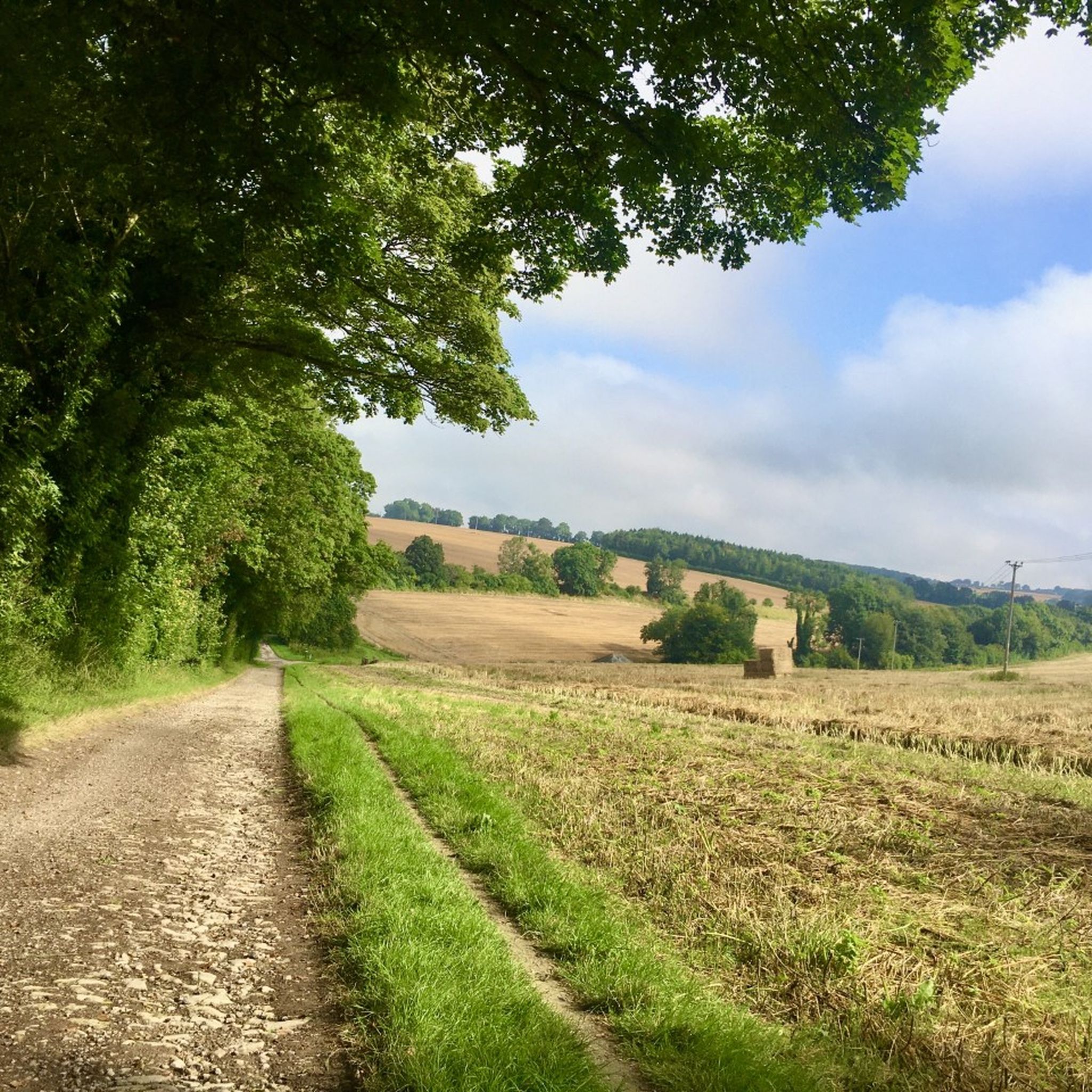
The nature reserve was part of a group of Royal Forests until the 16th century when, unlike the New Forest, they declined and reverted to farmland and landscaped parks. The reserve's ancient woodlands have a long history of management and would have provided local people with a valuable source of timber, wood fuel, forage for pigs (known as pannage) and grazing for livestock. Coppicing was particularly important, and as you walk through the reserve look for old banks and ditches that mark the boundary of coppice enclosures. Coppicing is the method of cutting trees such as hazel or oak to ground level on a regular cycle. This produces fast-growing shoots for fodder, firewood and making charcoal.
1
0
Hatchet Green is surrounded by characterful thatched cottages and is part of Hale, a scattered Forest community. The earliest cottages were built using cob in the late 18th century and are still traditionally thatched in the simple long straw style without the elaborately patterned block ridges common since the 1960s. The green itself is used by the local primary school and is also the local cricket pitch. It's also designated as a Site of Special Scientific Interest for its rare plants and wildlife.
1
0

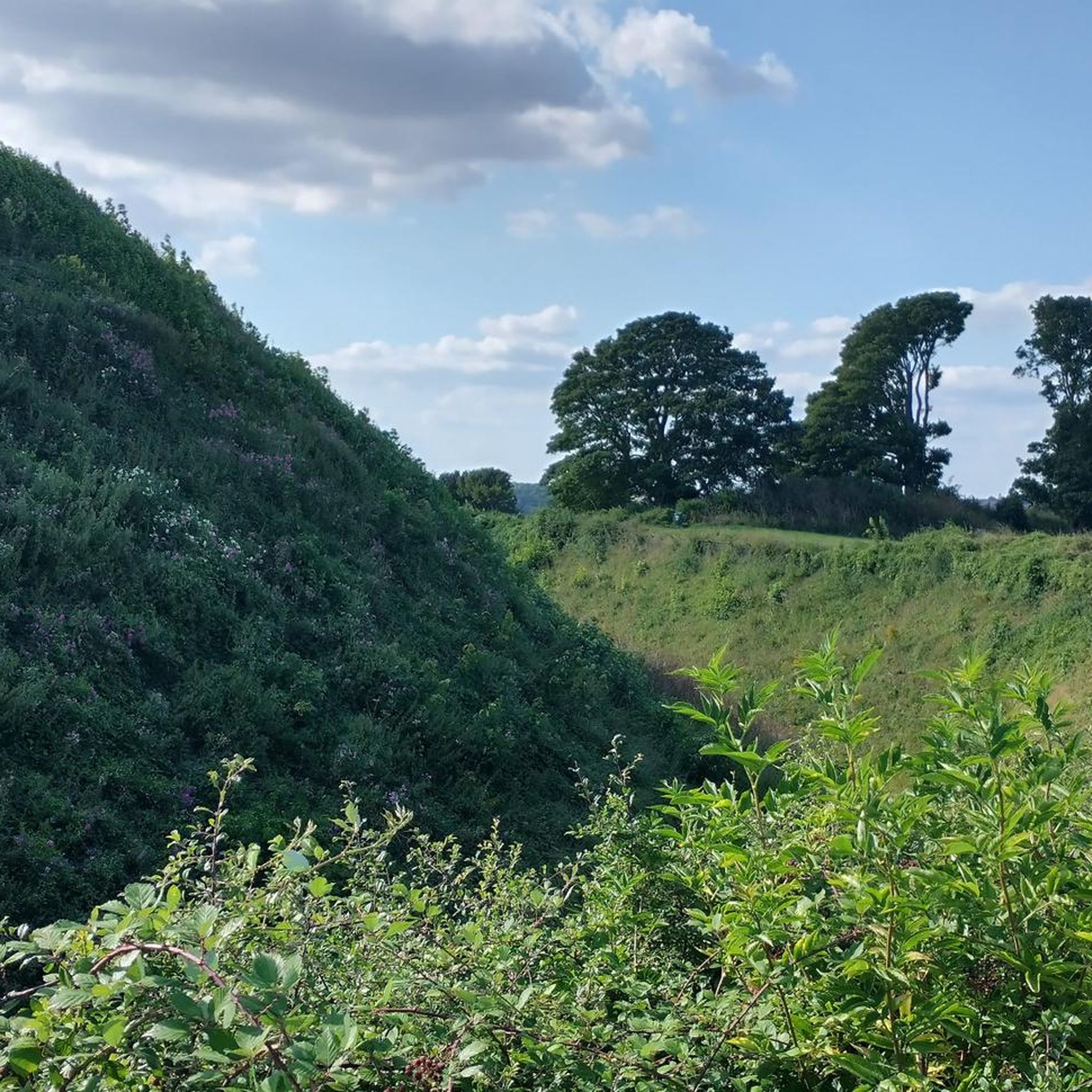
‘Harnham Chalk Pit’ as it is marked on maps, is a long-abandoned chalk quarry that has been taken back by nature. Several different levels accessed with paths that scramble up the quarry sides. I imagine they will be lethal after recent rainfall! Loads of butterflies and wildflowers seen today (August). Unfortunately litter appears to be an issue here, not excessive but noticeable. It baffles me why anyone leaves rubbish indiscriminately in locations like this. Great distant view of Salisbury Cathedral from upper levels.
0
0
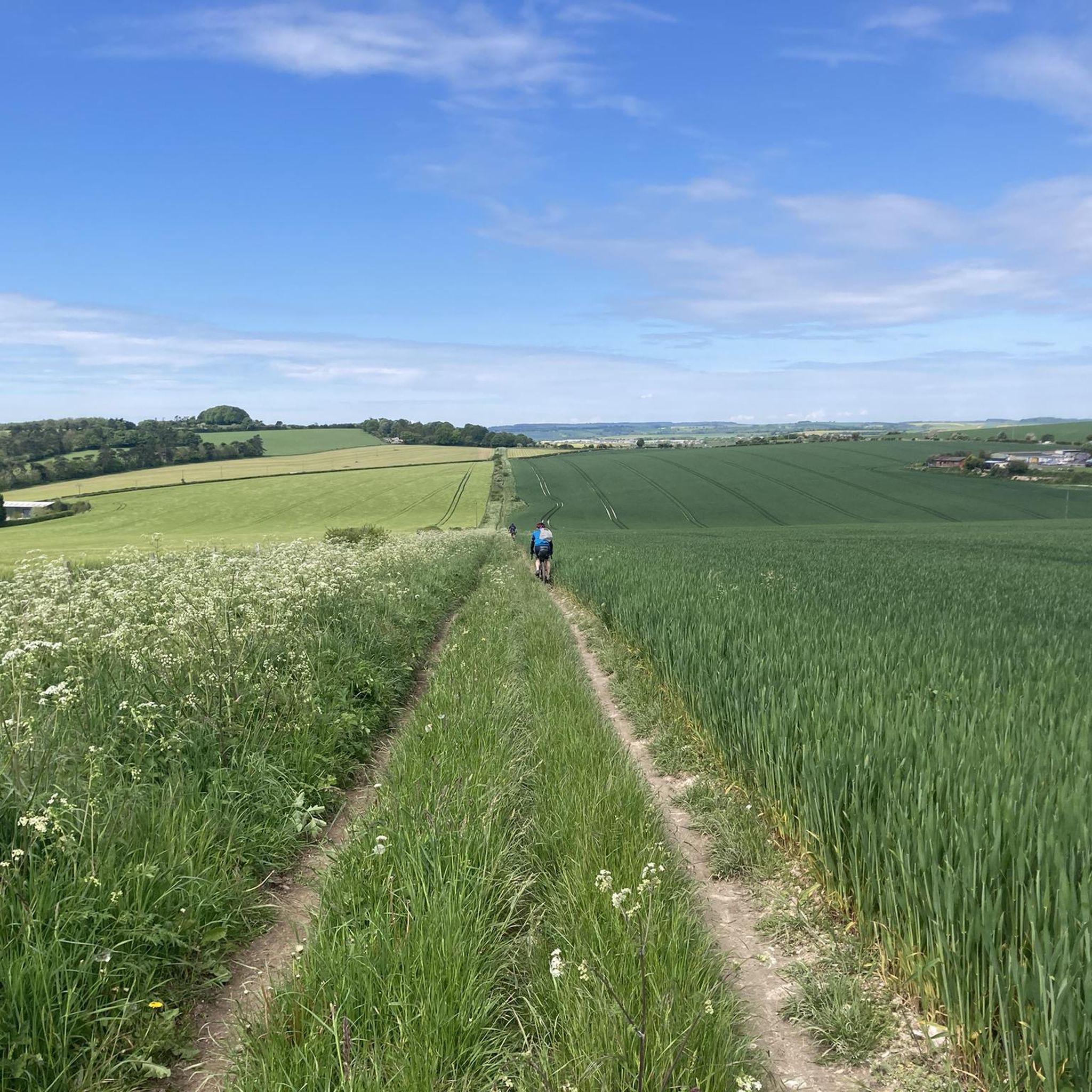
Nice little hill, road surface pretty smooth which makes gradient seem less severe. Steep bit doesn't last long.
1
0

If going downhill make sure you slow down and get on the brakes. If there's a horse rider or lorry round the blind bend at the bottom, you don't want to be flying. Going uphill, excessive speed ain't going to be an issue!
1
0

Really good place to go for beginners and lovely view definitely worth it!
0
0

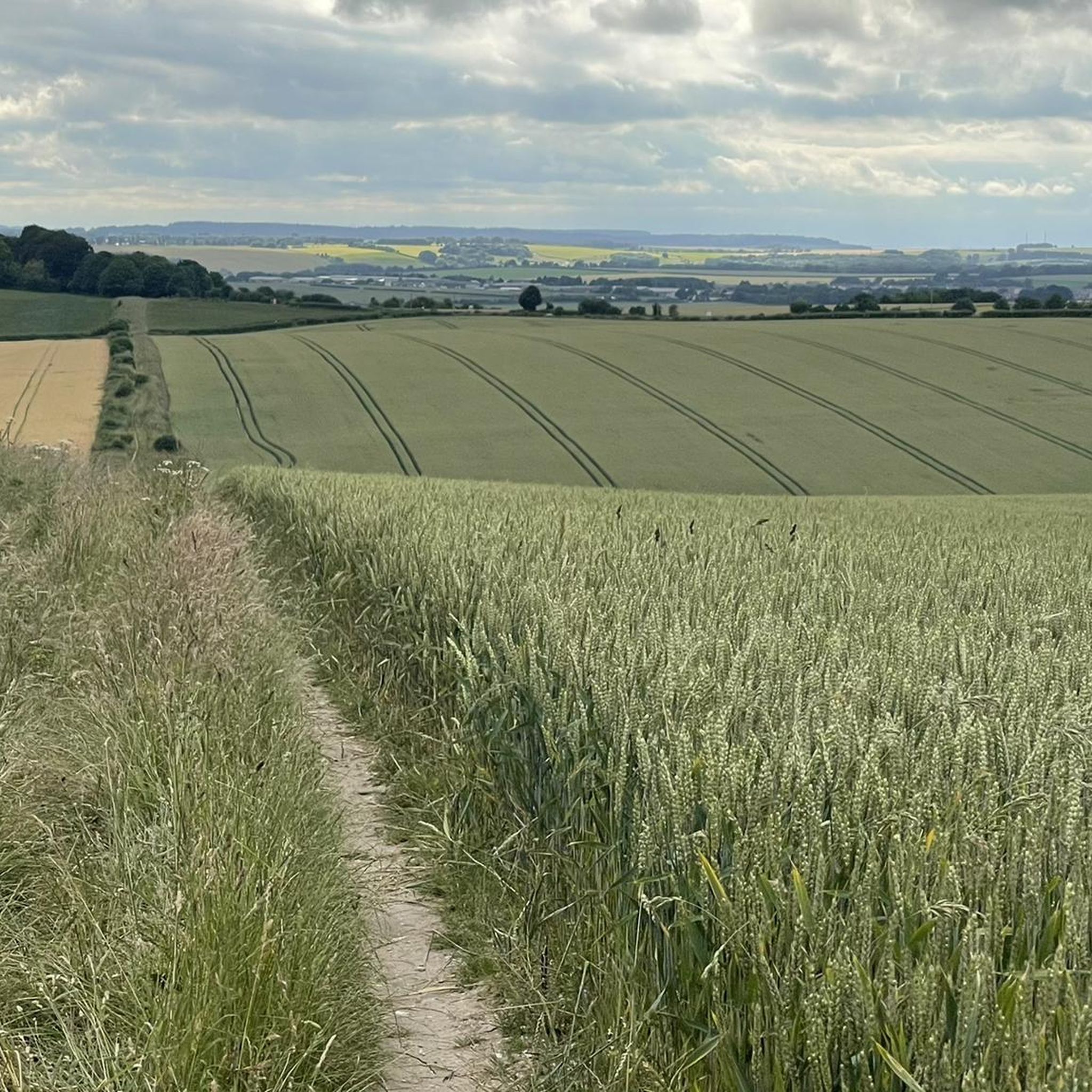
Figsbury Ring is an Iron Age hill fort that affords fine views over Salisbury Plain, Old Sarum, and Salisbury Cathedral. The fort is unusual as it contains another smaller enclosure, which is possibly Neolithic. The site is managed by the National Trust and is free to enter.
2
0
Frequently Asked Questions
What are some unique natural features to explore around Pitton And Farley?
The area is rich in natural environments. You can explore ancient woodlands like Farley Copse, White's Common, Blackmoor Copse, Hound Wood, and Bentley Wood, which are remnants of the ancient Clarendon Royal Hunting Forest. Additionally, there are rare hay meadows, some of which are particularly rich in wildflowers and wildlife, including southern marsh and common spotted orchids.
Are there any historical natural monuments in the area?
Yes, several sites combine natural beauty with historical significance. Figsbury Ring is an Iron Age hill fort offering expansive views over Salisbury Plain and Salisbury Cathedral. Another historical site is Hatchet Green, surrounded by characterful thatched cottages and designated as a Site of Special Scientific Interest for its rare plants and wildlife.
What kind of wildlife can I spot at the natural monuments?
The ancient woodlands and hay meadows are excellent for wildlife spotting. You might see an impressive array of butterflies, moths, and woodland flowers in the ancient woodlands. The rare hay meadows are home to various wildflowers, attracting butterflies and grasshoppers. At Harnham Chalk Pit, visitors have noted an abundance of butterflies and wildflowers, especially in August.
Are there family-friendly natural monuments to visit?
Absolutely. Several natural monuments are suitable for families. Langley Nature Reserve, Hatchet Green, Figsbury Ring, and Harnham Chalk Pit are all categorized as family-friendly, offering opportunities for exploration and connecting with nature.
What is the best time of year to visit the natural monuments around Pitton And Farley?
The best time to visit depends on what you wish to see. Spring and summer are ideal for experiencing the vibrant wildflowers in the hay meadows and spotting butterflies. August, in particular, has been noted for abundant butterflies and wildflowers at sites like Harnham Chalk Pit. Autumn offers beautiful foliage in the ancient woodlands, while winter provides a different, often serene, perspective on the landscape.
What outdoor activities can I do near these natural monuments?
The area offers a variety of outdoor activities. You can find numerous walking routes that traverse quiet field and woodland paths, offering views across the Avon Valley. For more specific activities, there are MTB Trails, Running Trails, and Easy Hikes available, allowing you to explore the natural beauty of the region.
Are there easy walking routes to natural monuments near Pitton And Farley?
Yes, there are several easy hiking options. For example, you can find an easy route to Figsbury Ring from Firsdown, which is a 4.4 km loop. Other easy walks include the 6.5 km 'The Silver Plough Pub – Church Copse & Hound Wood loop' from Pitton and Farley, and the 2.1 km 'Bentley Woods loop' from West Tytherley. You can find more options in the Easy Hikes around Pitton And Farley guide.
What makes Langley Nature Reserve a significant natural monument?
Langley Nature Reserve features ancient woodlands with a long history of management. It was part of the Royal Forests and provided local people with timber, wood fuel, and forage. Evidence of traditional coppicing, a method of cutting trees to ground level for resource management, is still visible through old banks and ditches within the reserve.
What are the geological characteristics of Pitton and Farley that influence its natural scenery?
Pitton and Farley sit on distinct geological foundations. Pitton is on chalk, which typically results in more open fields. Farley, on the other hand, is on clay, leading to expanses of arable land with hedges, woods, and copses, creating a more enclosed and varied natural feel. This geological difference contributes to the diverse landscapes you encounter when exploring the area.
Where can I find panoramic views of the surrounding landscape?
Figsbury Ring, an Iron Age hill fort, offers fine views over Salisbury Plain, Old Sarum, and Salisbury Cathedral. Another spot for good views is Harnham Chalk Pit, which provides a distant view of Salisbury Cathedral from its upper levels. Additionally, Manor Farm Trig Point can offer extensive views on a clear day.
Are there any specific tips for visiting Harnham Chalk Pit?
Harnham Chalk Pit is a long-abandoned chalk quarry that has been reclaimed by nature. It features several different levels with paths scrambling up the quarry sides. It's a great place for beginners and offers lovely views. Visitors have noted an abundance of butterflies and wildflowers, especially in August. Be aware that paths might be slippery after rain.
What do visitors enjoy most about the natural monuments around Pitton And Farley?
Visitors appreciate the rich natural landscape, particularly the ancient woodlands and diverse meadows. The historical significance of sites like Figsbury Ring and the unique character of places like Hatchet Green are also highly valued. The opportunities for walking, wildlife observation, and connecting with nature in these varied environments are key attractions.
Most popular routes around Pitton And Farley
Most popular attractions around Pitton And Farley

Get inspired with the komoot mobile app


Explore more
Extend your search for the best caves by checking out these guides of the top ones around Pitton And Farley:
