Top 16 Natural Monuments around Landford
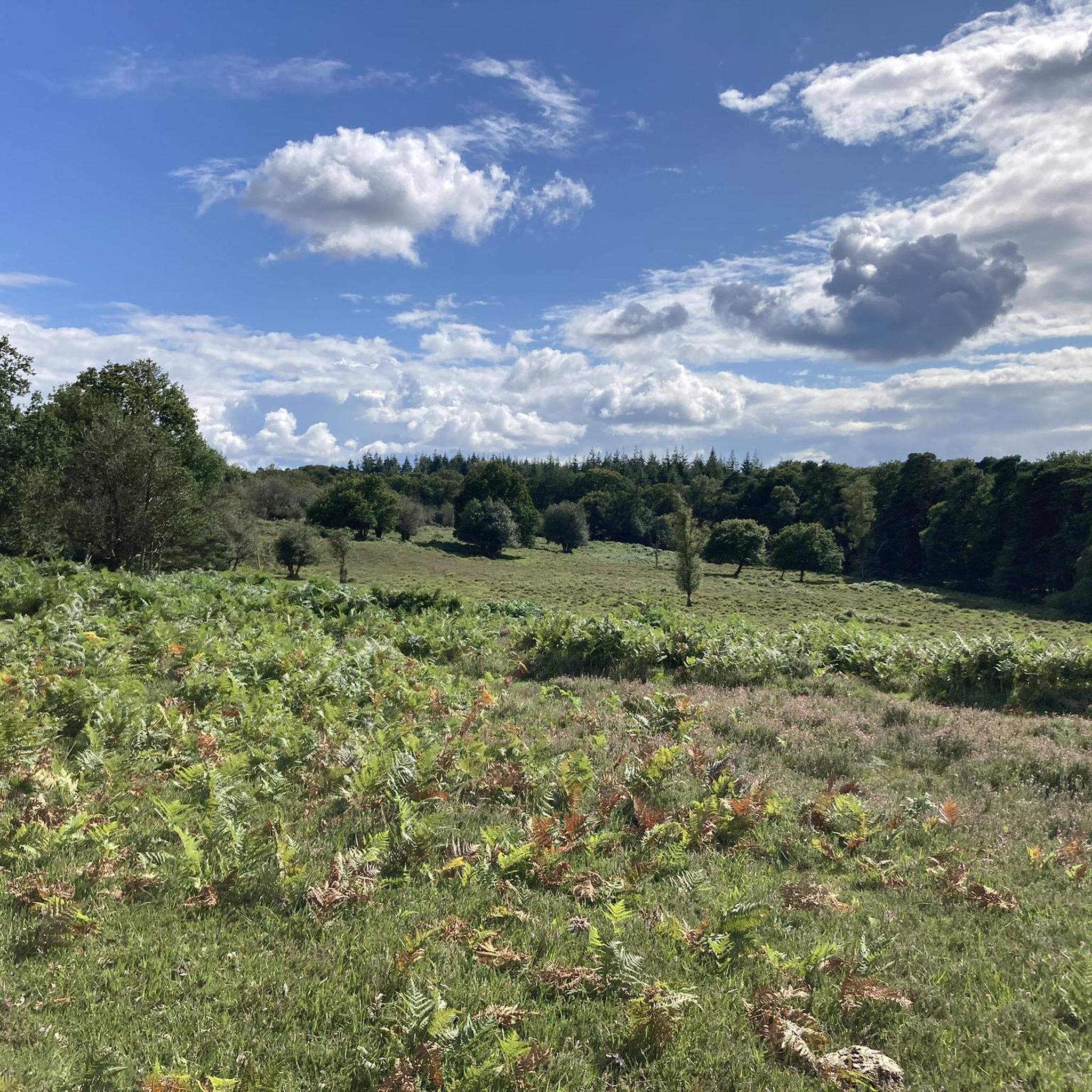
Natural monuments around Landford are primarily situated within the New Forest National Park, a vast area of ancient woodlands, heathlands, and unenclosed pasture. This landscape offers a rich and varied ecosystem, shaped by centuries of natural processes and human activity. The region is recognized for its ecological significance, providing diverse habitats for flora and fauna. It presents numerous opportunities for outdoor activities and exploration of unique natural features.
Best natural monuments around Landford
- The most popular natural monuments is Telegraph…
Last updated: July 1, 2026
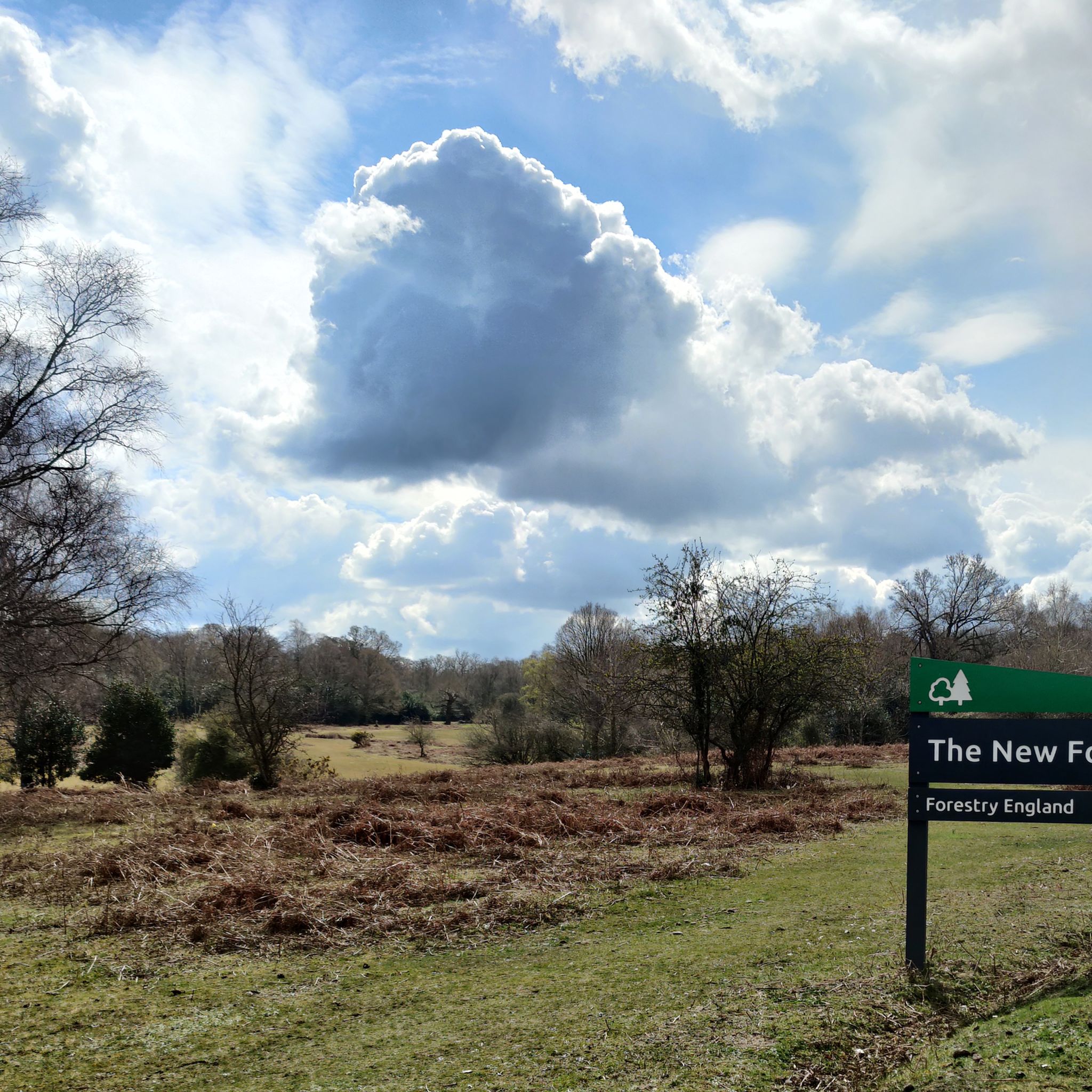
The New Forest
Highlight • Historical Site
Tip by

Telegraph Hill
Highlight • Historical Site
Tip by

Sign up now to discover places like this
Get recommendations on the best single tracks, peaks, & plenty of other exciting outdoor places.
Sign up for free
Rufus Stone
Highlight • Historical Site
Tip by

Langley Nature Reserve
Highlight • Natural Monument
The …
Tip by

Abbots Well
Highlight • Historical Site
Tip by

Sign up for free to discover even more natural monuments around Landford.
Sign up for free
Already have an account?
Start today with a free account
Your next adventure awaits.
Login or Signup
Other adventures around Landford

Tips from the Community

Napoleonic Era: During the early 19th century, the site housed a wooden optical shutter signal station. It was part of a line connecting Plymouth with the Admiralty in London, capable of passing messages in under 20 minutes. Thats google telling me
0
0

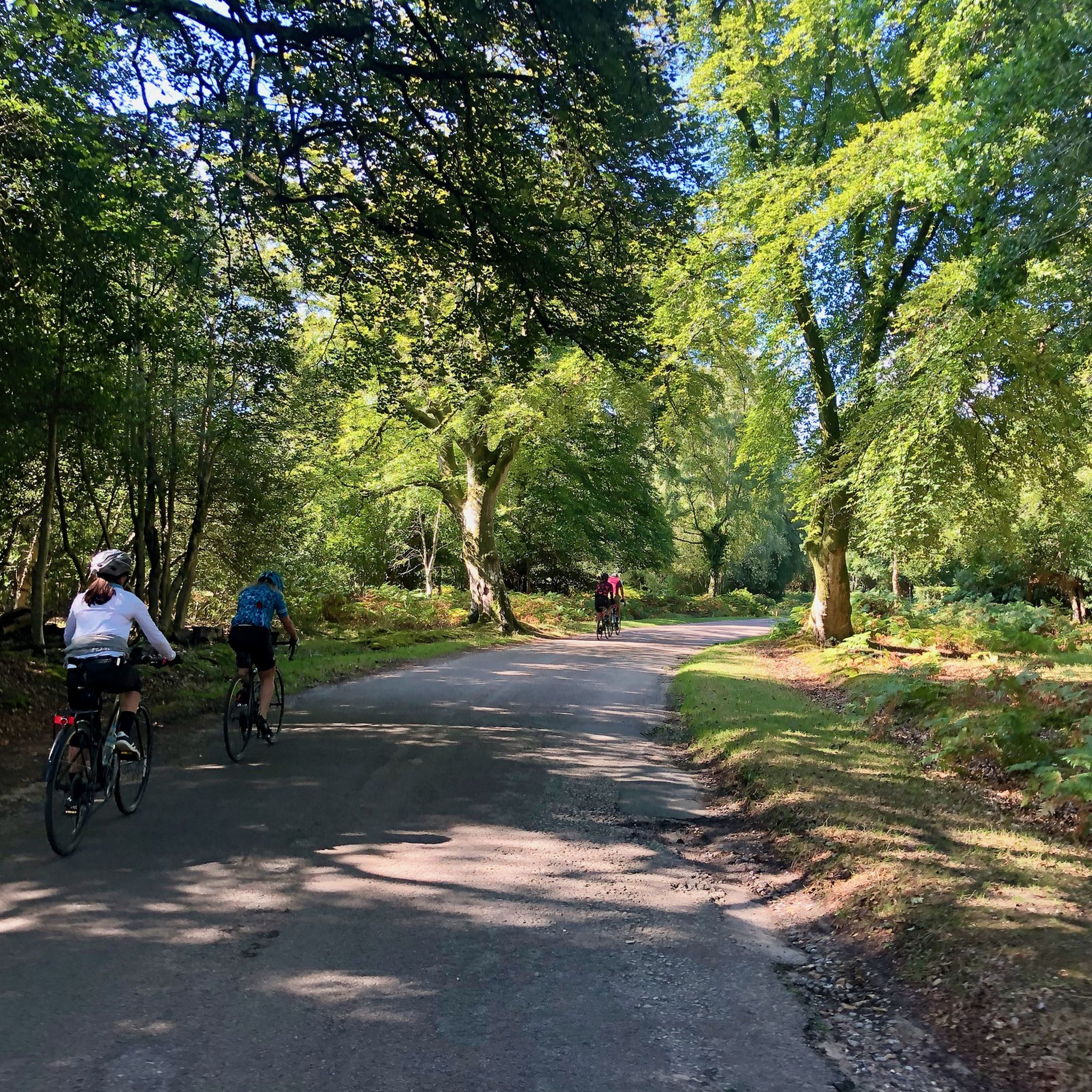
Sorry I really don't like the Rodger Penny Way, as a local I try not to ride it anymore.. I'd go through Woodgreen, Lover, Passed Hampworth Golf Course, No Mans Land... much quieter roads... On the way back most of my routes go into Ringwood... and through the forest from there (I live near Lyndhurst)
0
0

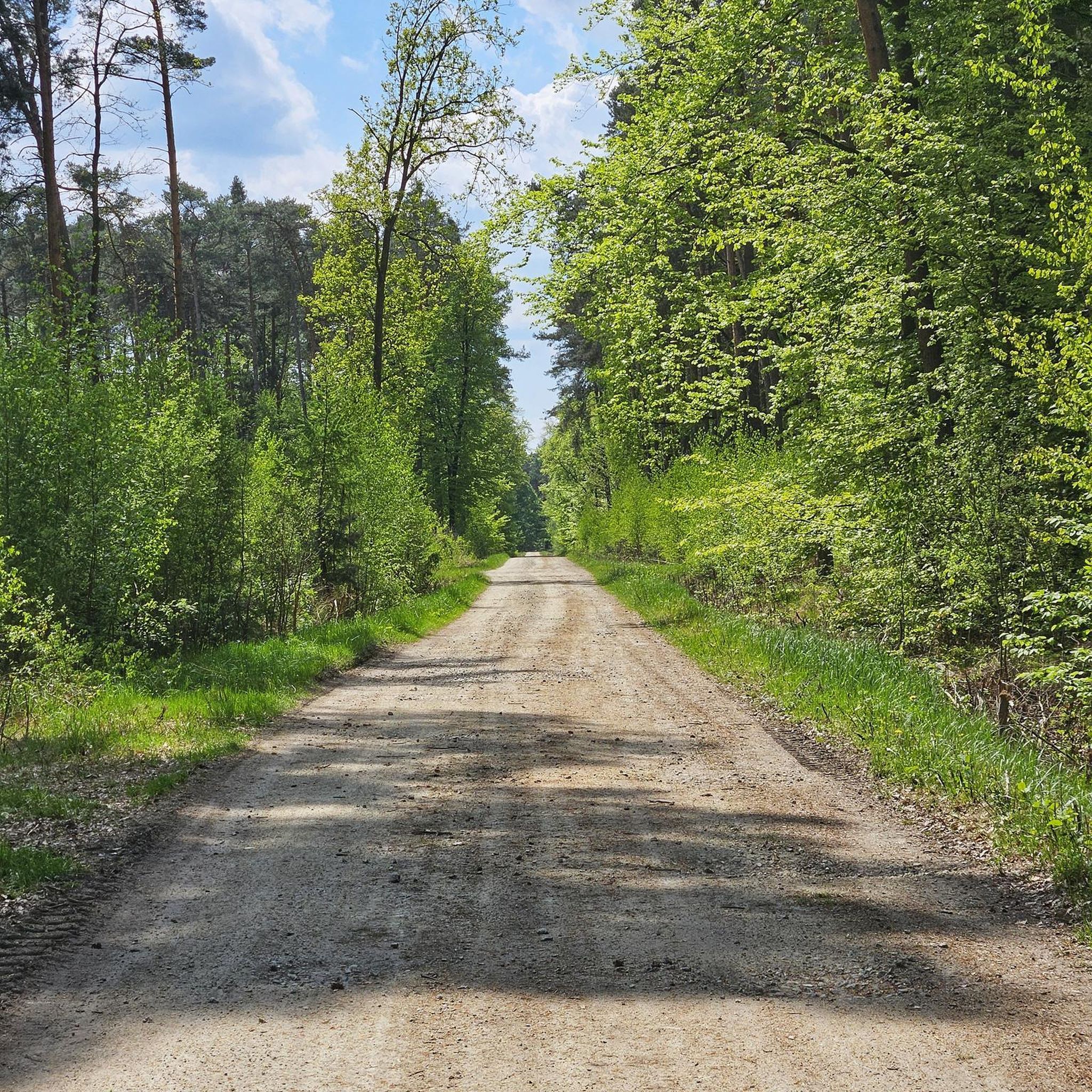
The nature reserve was part of a group of Royal Forests until the 16th century when, unlike the New Forest, they declined and reverted to farmland and landscaped parks. The reserve's ancient woodlands have a long history of management and would have provided local people with a valuable source of timber, wood fuel, forage for pigs (known as pannage) and grazing for livestock. Coppicing was particularly important, and as you walk through the reserve look for old banks and ditches that mark the boundary of coppice enclosures. Coppicing is the method of cutting trees such as hazel or oak to ground level on a regular cycle. This produces fast-growing shoots for fodder, firewood and making charcoal.
1
0

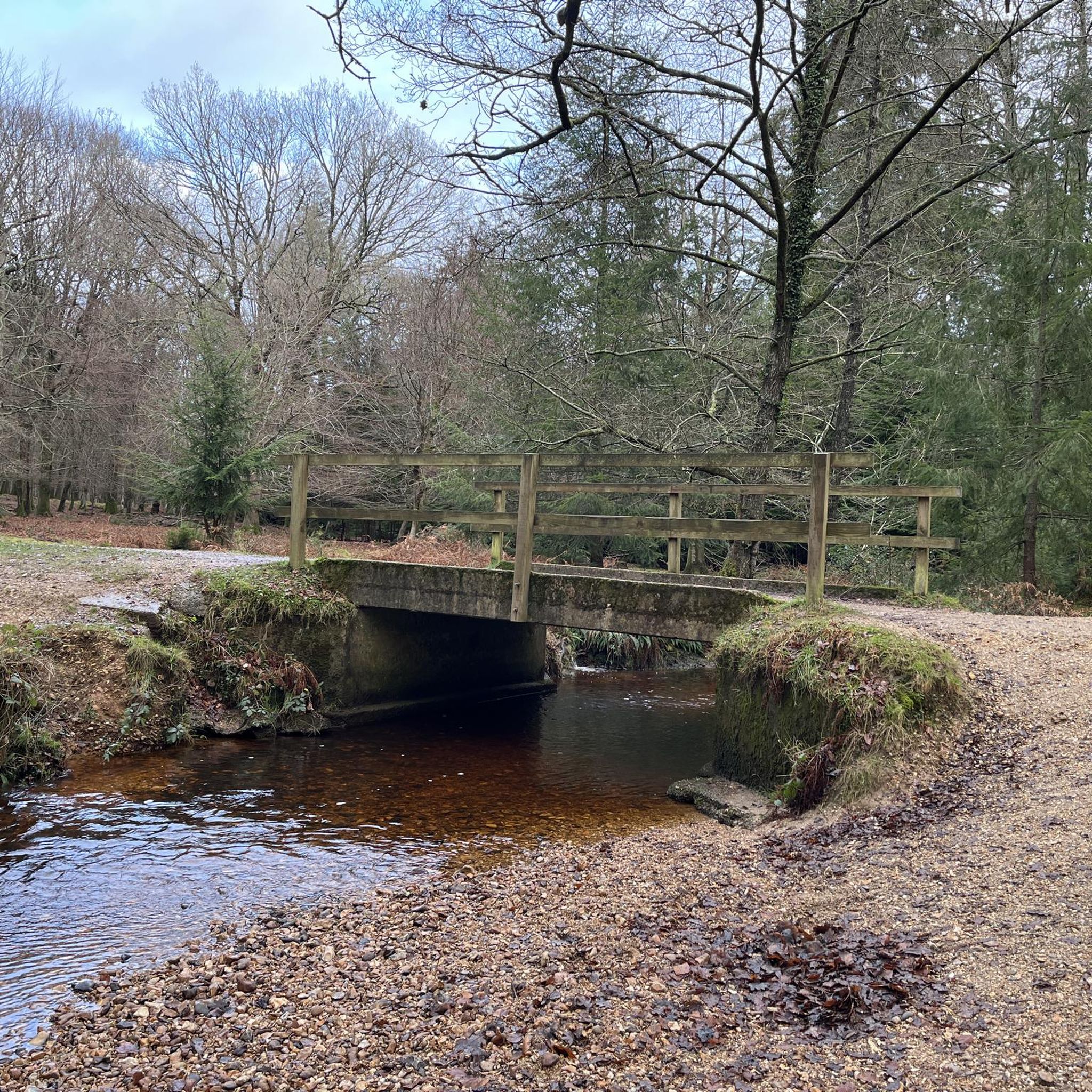
Abbots Well was formerly known as Alleynewell within the ancient boundaries of the New Forest when defined during the reign of King Edward I (1272-1307). This perpetual spring was, for centuries, the main watering place for travellers on the old road to Southampton. Theoretically the chamber on the left is for forest fauna and under the wooden flap on the right water intended for human consumption. I’m not sure I’d drink from it though - make your own mind up!!!
2
0

The Rufus Stone stands in the spot where King William II, also known as Rufus, was fatally wounded by an arrow during a hunting outing in the forest during medieval times.
4
0

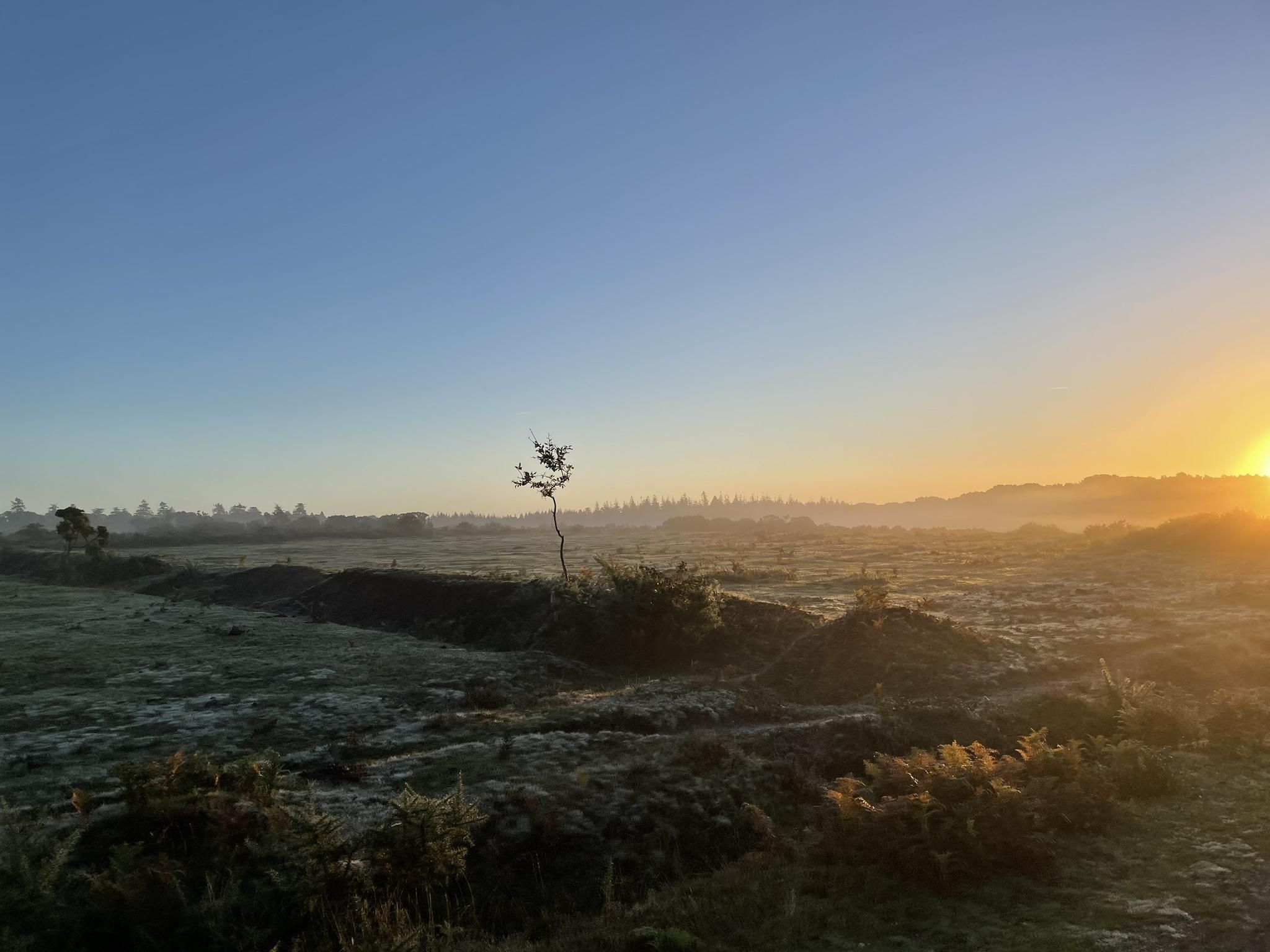
The name, Telegraph Hill, was given to this spot after it was used as a semaphore station from 1795. Before then, it was called Plowed Garlic Hill. No sign of either exist today, but it has a place in history as one of the semaphore station used to communicate the victory at Waterloo.
0
0

The place where Sir Walter Tyrrell killed King William II. by accident with an artow during a hunt.
0
0

Here stands the strongest reminder of the origin of the New Forest. The Rufus Stone is an iron-clad landmark marking the spot where King William II was killed with an arrow. It happened in 1100 AD during a royal hunting outing in the Forest.
0
0
Frequently Asked Questions
What are some notable natural features around Landford?
Landford is situated within the expansive New Forest National Park, offering a rich tapestry of ancient woodlands, heathlands, and unenclosed pasture. You can explore unique ecosystems like Landford Bog, an 11.6-hectare biological Site of Special Scientific Interest known for its rare lowland bog and wet heath, featuring carnivorous sundews and specialized plant life. Additionally, The New Forest itself is a vast natural monument with diverse flora and fauna, including ancient trees and free-roaming ponies.
Are there historical natural monuments to visit near Landford?
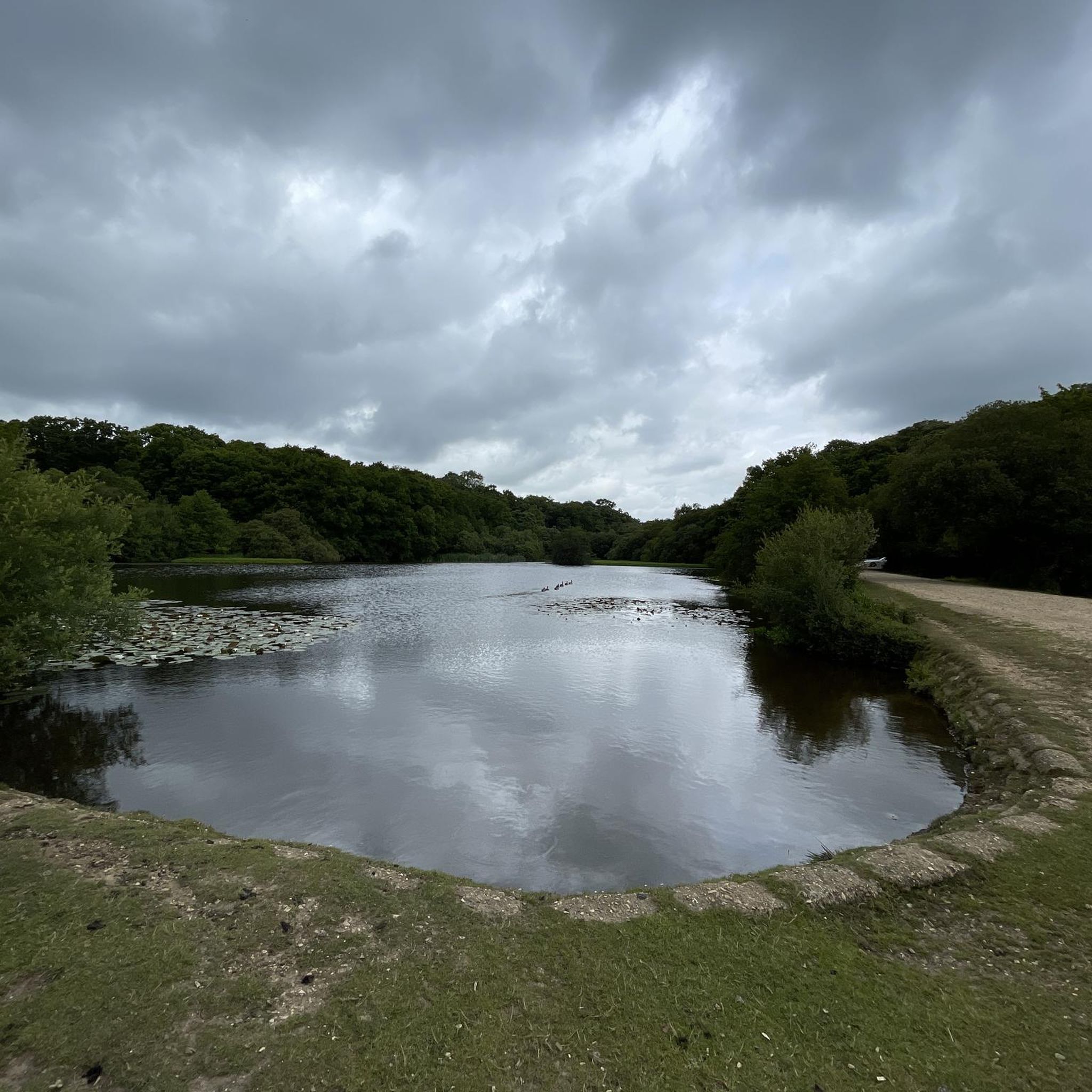
Yes, the area is rich in historical natural monuments. The Rufus Stone marks the spot where King William II was killed in 1100 AD. Telegraph Hill, once a semaphore station, offers historical context within a natural landscape. You can also visit Abbots Well, an ancient perpetual spring first recorded in 1215, which served as a main watering place for travelers for centuries. Eyeworth Pond, though now a peaceful spot, was historically created to supply water for a gunpowder mill.
What kind of wildlife can I expect to see in the natural monuments around Landford?
The natural monuments around Landford are teeming with wildlife. In The New Forest, you'll frequently encounter iconic New Forest ponies, cattle, and donkeys roaming freely, alongside a remarkable diversity of rare birds and mammals. Landford Bog is a haven for specialized insects, including the yellow-striped raft spider, metallic green tiger beetles, dragonflies, and damselflies. Testwood Lakes Nature Reserve is particularly excellent for birdwatching, with wildfowl and wading birds like mallard, teal, oystercatchers, and lapwings.
Are there family-friendly natural monuments in the Landford area?
Many natural monuments around Landford are family-friendly. The New Forest offers extensive trails suitable for all ages, with opportunities to see free-roaming animals. Eyeworth Pond is a delightful spot for leisurely walks and picnics. Testwood Lakes Nature Reserve provides well-maintained paths, bird hides, and an education center with a replica Iron Age roundhouse, making it engaging for children. Langley Nature Reserve also offers accessible woodlands for family exploration.
What outdoor activities can I do near Landford's natural monuments?
The area around Landford's natural monuments offers a wide range of outdoor activities. You can enjoy extensive hiking and cycling trails throughout The New Forest. For specific routes, explore options like running trails around Landford, cycling routes, or various hiking paths. You can find detailed guides for these activities, such as Running Trails around Landford, Cycling around Landford, and Hiking around Landford.
Are there specific hiking trails near these natural monuments?
Yes, there are numerous hiking trails that allow you to explore the natural monuments. For instance, you can find trails like the 'Nomansland, Bramshaw Wood & Eyeworth Pond loop' which takes you through parts of The New Forest and past Eyeworth Pond. The 'Landford and Hampforth — New Forest National Park' trail offers an easy walk. For more options, refer to the Hiking around Landford guide.
When is the best time to visit the natural monuments around Landford?
The best time to visit depends on what you wish to experience. Spring and summer are ideal for witnessing the diverse flora and fauna, especially at Landford Bog where you can see yellow bog asphodel and frilly bogbean. These seasons also offer pleasant weather for hiking and cycling in The New Forest. Autumn brings beautiful foliage, while winter offers a tranquil, often misty, landscape for peaceful walks, though some paths might be muddy.
What makes Landford Bog a unique natural monument?
Landford Bog is unique due to its status as an internationally rare lowland bog and wet heath. It features a distinctive 'floating carpet' of feathery moss, heather, and purple moor-grass. This delicate ecosystem supports specialized plant life, including carnivorous sundews and pale butterworts, as well as rare insect species like the yellow-striped raft spider. It's a prime example of a habitat that has largely disappeared elsewhere, carefully managed by the Wiltshire Wildlife Trust.
Can I find accessible paths or facilities at natural monuments near Landford?
While specific accessibility details for all sites vary, Testwood Lakes Nature Reserve is known for its network of surfaced paths and accessible bird hides, making it suitable for a wider range of visitors. Many areas within The New Forest also offer well-maintained, relatively flat trails, though some natural terrain can be uneven. It's always advisable to check specific trail conditions if accessibility is a primary concern.
Where can I find refreshments or accommodation near Landford's natural monuments?
Landford and the surrounding New Forest area offer various options for refreshments and accommodation. You'll find pubs and cafes in nearby villages like Nomansland, Fritham, and Landford itself. For a wider selection of services, larger towns on the edge of the New Forest, such as Lyndhurst or Ringwood, provide numerous choices for dining and lodging. Many establishments cater to visitors exploring the national park.
What is <a href="https://www.komoot.com/highlight/6471551" target="_blank" rel="noopener">Langley Nature Reserve</a> known for?
Langley Nature Reserve is known for its ancient woodlands with a long history of management, including coppicing, which provided valuable resources like timber and wood fuel. It was once part of a group of Royal Forests. Visitors can still see old banks and ditches marking the boundaries of coppice enclosures, offering a glimpse into historical land use practices within a natural setting.
Are there any natural monuments suitable for birdwatching near Landford?
Yes, Testwood Lakes Nature Reserve is an excellent spot for birdwatching. This 150-acre site, comprising three lakes, meadows, and woodlands, is a haven for diverse wildfowl and wading birds, including mallard, teal, oystercatchers, and lapwings. It features accessible bird hides that provide great viewing opportunities. Eyeworth Pond also attracts various wild birds and ducks, offering a peaceful setting for observation.
What should I know before visiting <a href="https://www.komoot.com/highlight/4265152" target="_blank" rel="noopener">The New Forest</a>?
Before visiting The New Forest, be aware that it's a vast national park with ancient woodlands, heathlands, and unenclosed pasture. Free-roaming ponies, cattle, and donkeys are common, so drive carefully and respect wildlife. The landscape has been shaped over centuries by grazing animals and human activity, resulting in a rich ecosystem. It's a designated biological and geological Site of Special Scientific Interest. For more detailed information on visiting, you can check the official New Forest National Park Authority website: newforestnpa.gov.uk.
How long should I plan for a visit to the natural monuments around Landford?
The duration of your visit can vary greatly depending on which natural monuments you choose to explore. For a quick visit to a specific site like Rufus Stone or Telegraph Hill, an hour or two might suffice. However, to truly immerse yourself in The New Forest or explore Landford Bog and Testwood Lakes, you could easily spend half a day or a full day enjoying the trails and wildlife.
Are there any viewpoints offering scenic vistas near Landford?
Yes, Telegraph Hill is a notable viewpoint in the area, offering scenic vistas over the surrounding natural landscape. While its historical significance as a semaphore station is prominent, it also provides a good vantage point to appreciate the beauty of the New Forest. Many elevated sections within The New Forest also offer picturesque views, particularly across the heathlands.
Most popular routes around Landford
Most popular attractions around Landford

Get inspired with the komoot mobile app


Explore more
Extend your search for the best caves by checking out these guides of the top ones around Landford:
