Top 16 Natural Monuments around Charlton Kings
Best natural monuments around Charlton Kings offer diverse landscapes and significant geological features within the Cotswolds Area of Outstanding Natural Beauty. The area is characterized by Jurassic limestone grasslands, woodlands, and serene reservoirs, providing varied natural settings. These sites present opportunities for exploring geological formations, observing local wildlife, and engaging in outdoor activities. The region's natural monuments combine ecological importance with historical elements, making them notable for visitors.
Best natural monuments around Charlton Kings
- The most popular natural monuments is…
Last updated: May 19, 2026
Belas Knap Long Barrow
Highlight • Historical Site
Tip by

Devil's Chimney, Leckhampton Hill
Highlight • Monument
Tip by
Sign up now to discover places like this
Get recommendations on the best single tracks, peaks, & plenty of other exciting outdoor places.
Sign up for free
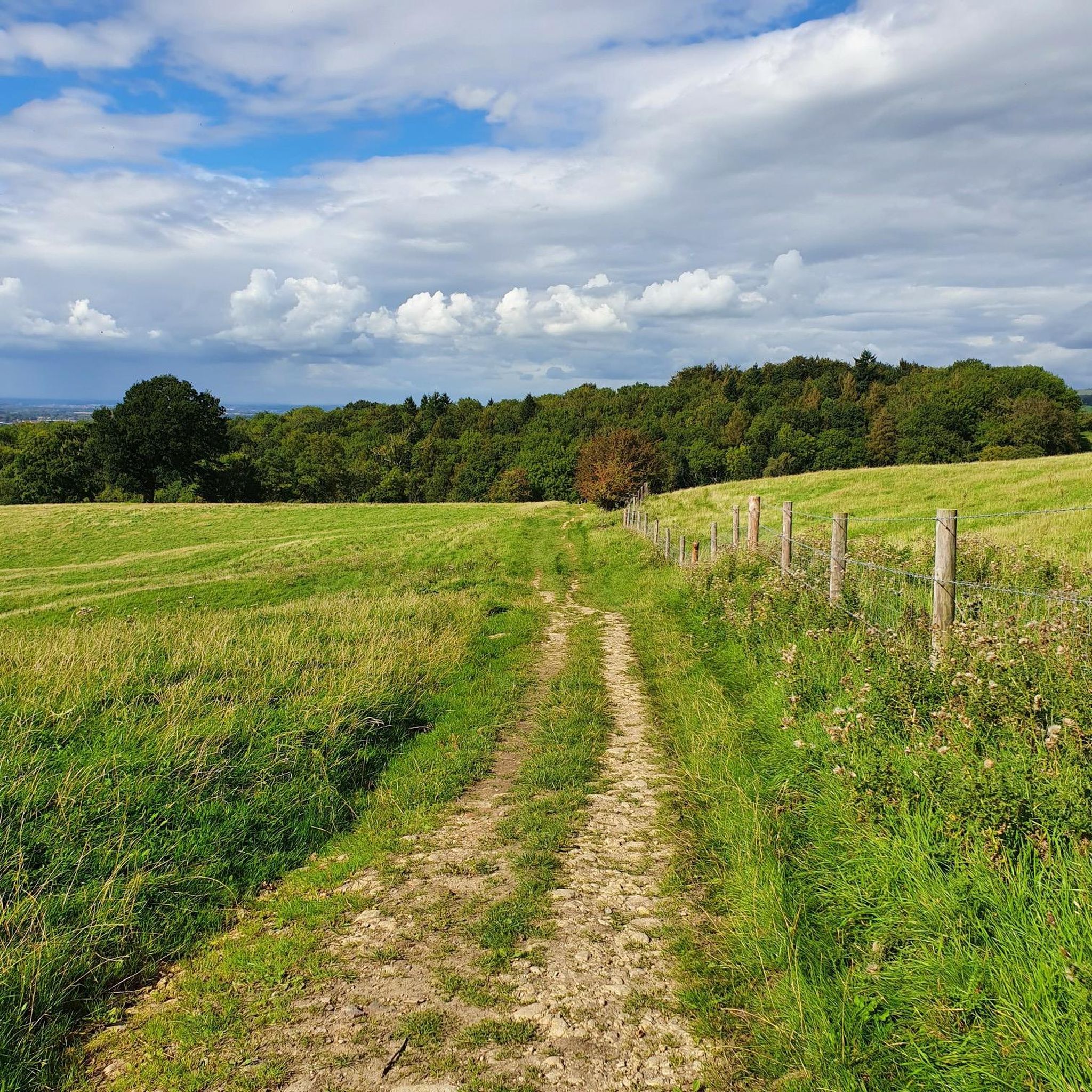
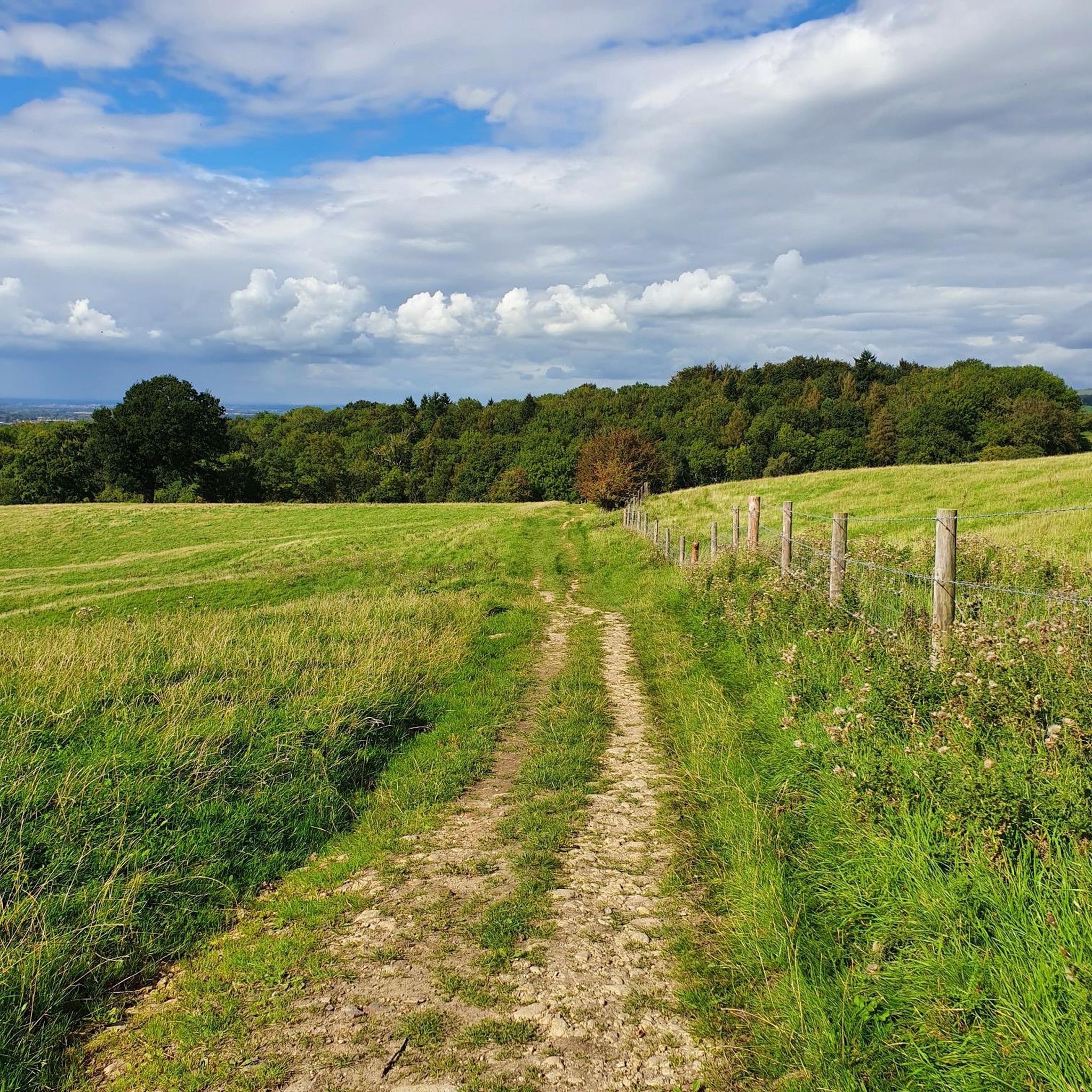
The Single Beech
Highlight • Viewpoint
Tip by

Crickley Hill
Highlight • Natural Monument
Tip by

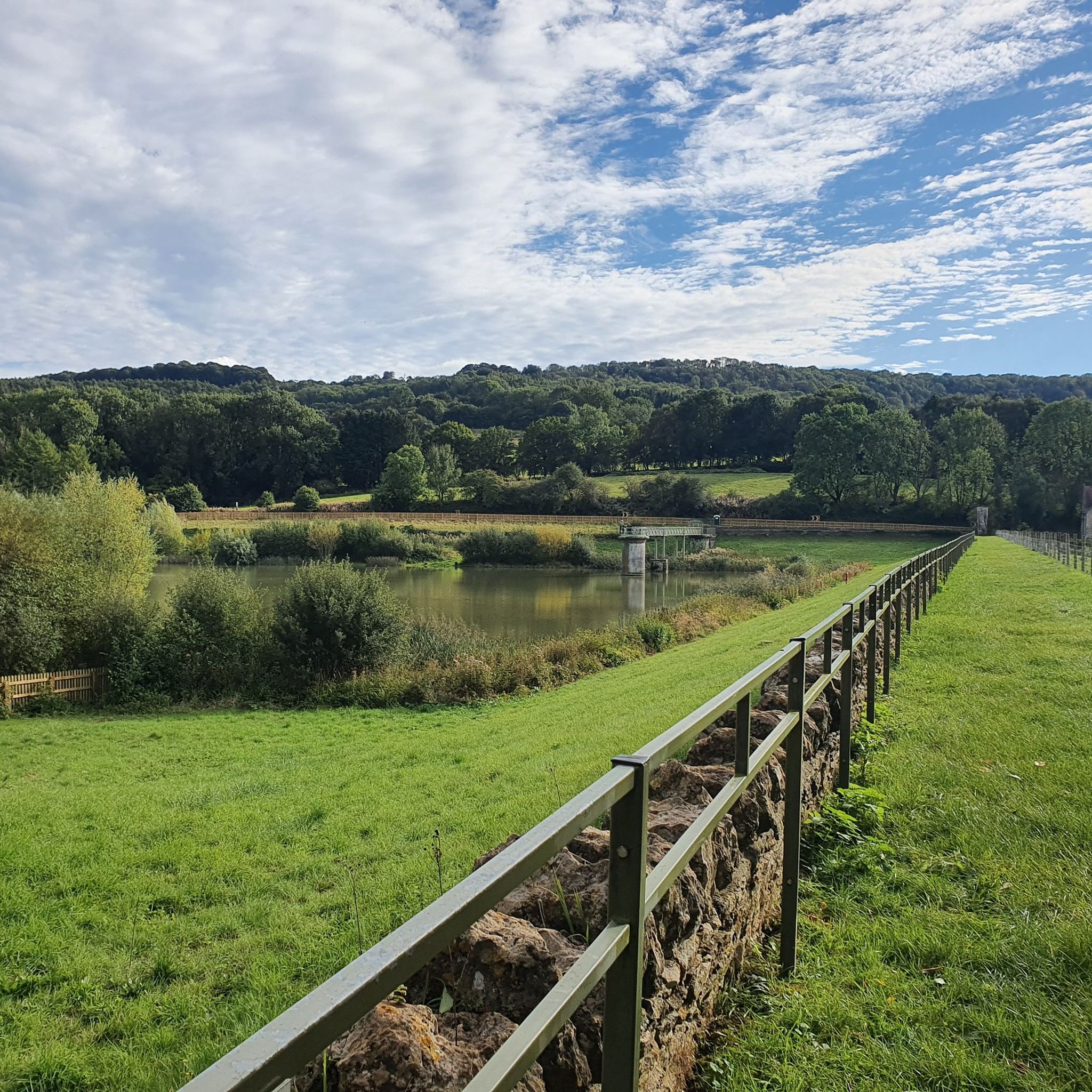
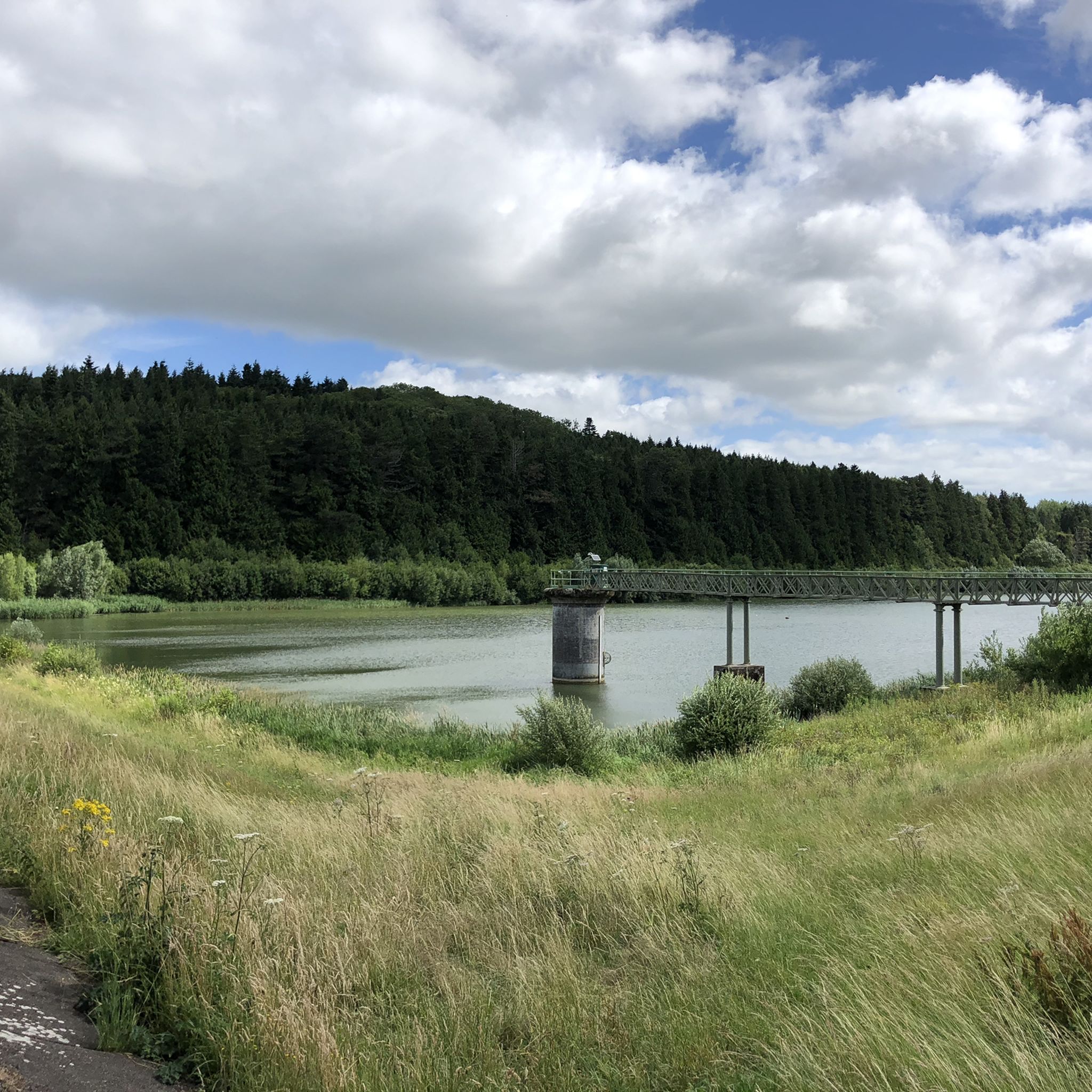
Dowdeswell Reservoir
Highlight • Structure
Tip by
Sign up for free to discover even more natural monuments around Charlton Kings.
Sign up for free
Already have an account?
Start today with a free account
Your next adventure awaits.
Login or Signup
Tips from the Community

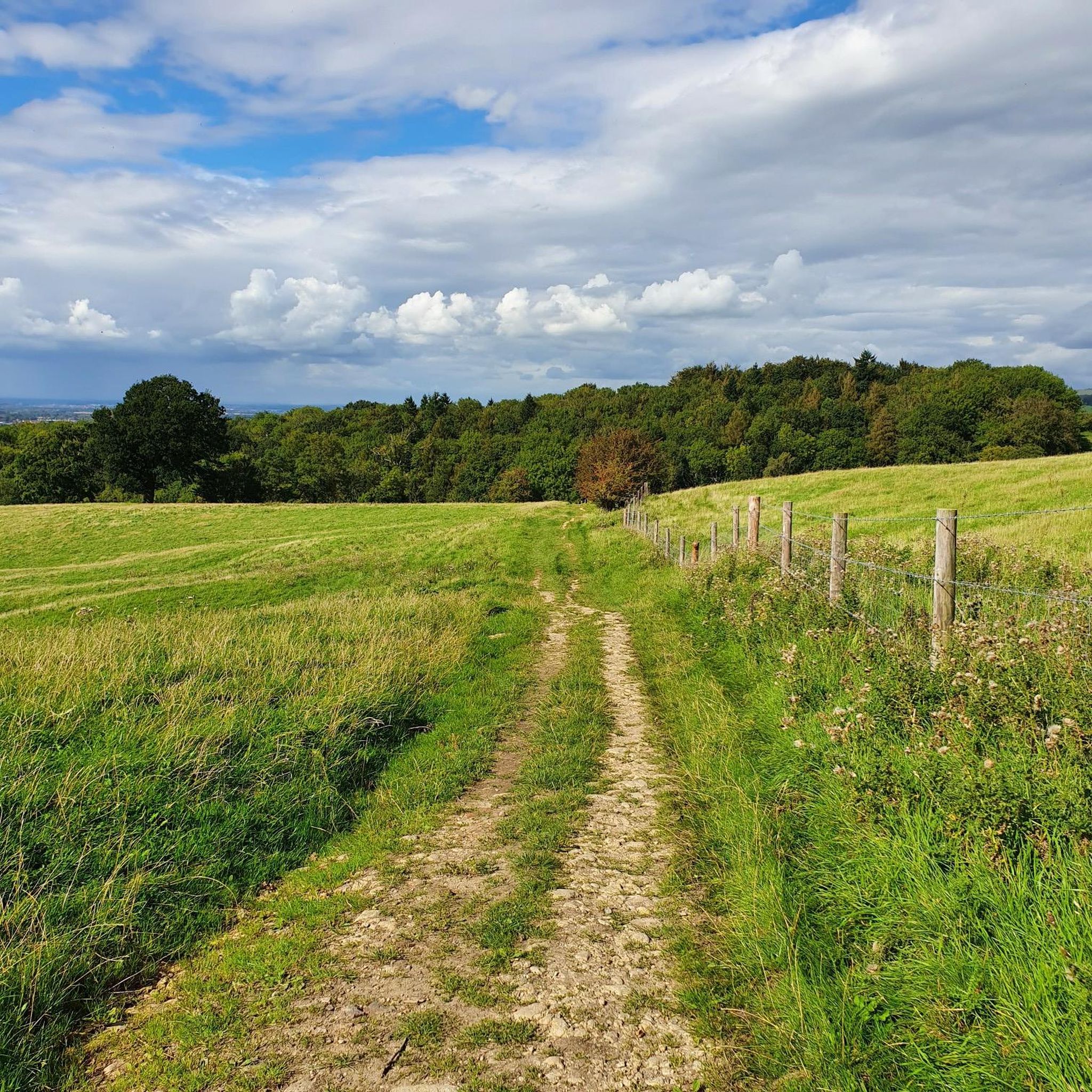
Beech with bench. It is a very nice resting place with a view.
0
0

Added to the collection: komoot.com/de-de/collection/3600632/-naturdenkmaeler-besondere-baeume-und-weitere-schaetze-der-natur
0
0

It’s a tree, on a hill, with a bit of a bench around it near a golf course.
0
0


The views from the top of the hill on the approach to the Long Barrow are well worth the calf and thigh burning walk up the steep path. Magnificent landscape.
0
0

The Single Beech, also known as lone or lonely beech, is a single-standing windswept beech tree holding the title as the tallest tree in the Cotswolds, standing at 317m high. There is a magnificent 360 degree panoramic view here where you can really appreciate the scenes of the Cotswolds and surrounding area, including views across Cheltenham, Gloucester & over the Severn Vale to Wales.
1
0

Belas Knap is a neolithic long barrow managed by English Heritage. The Cotswold Way national trail runs right past the entrance.
0
0
Frequently Asked Questions
What kind of natural features can I expect to see among Charlton Kings' natural monuments?
The natural monuments around Charlton Kings offer a diverse range of features. You'll find dramatic Jurassic limestone grasslands, ancient woodlands, and serene reservoirs. Notable geological formations include the exposed rocks of Leckhampton Hill, which reveal a 70-meter-thick section of Jurassic limestone, significant for its fossils. You can also explore old quarry sites and enjoy panoramic views from various vantage points.
Are there historical or archaeological sites among the natural monuments?
Yes, several natural monuments in the area also boast significant historical and archaeological elements. For instance, Belas Knap Long Barrow is a Neolithic long barrow, an English Heritage site offering insight into ancient burial practices. Leckhampton Hill also features an Iron Age hillfort, a long barrow, and old tramways from its quarrying past.
What are some popular walking routes around the natural monuments in Charlton Kings?
You can find a variety of popular walking routes that incorporate the natural monuments. For example, the area around Dowdeswell Reservoir offers tranquil paths through woodlands and along the water's edge, such as the 'Lineover Wood & Dowdeswell Reservoir loop'. Leckhampton Hill also provides extensive trails for walking and running. For more options, you can explore the Hiking around Charlton Kings guide.
Are there easy walking trails suitable for all abilities near Charlton Kings' natural monuments?
Yes, there are several easy walking trails. Dowdeswell Reservoir, for instance, is known for its serene lakeside paths and gentle routes through wooded valleys, perfect for an easy stroll. You can find more easy options in the Easy hikes around Charlton Kings guide, which includes routes like the 'Bench With View of Cheltenham loop'.
Where can I find panoramic views of the surrounding area?
For breathtaking panoramic views, head to The Single Beech, which offers magnificent 360-degree vistas across Cheltenham, Gloucester, the Severn Vale, and even into Wales. Leckhampton Hill is another excellent spot, providing unique views of Cheltenham and the Malvern Hills.
What kind of wildlife can I spot at these natural monuments?
The natural monuments are rich in wildlife. Leckhampton Hill is a haven for small mammals like foxes and badgers, reptiles such as slow worms and adders, and numerous bird species including buzzards and kestrels. It's also celebrated for its wildflowers, including many orchid varieties, and an impressive 33 butterfly species. Dowdeswell Reservoir is home to various water birds like coot, moorhen, and grebes.
Are the natural monuments around Charlton Kings family-friendly?
Many of the natural monuments are suitable for families. Crickley Hill, a country park, offers beautiful views, hiking trails, and wildlife spotting opportunities that are great for all ages. The easy trails around Dowdeswell Reservoir are also popular for family walks.
Can I bring my dog to the natural monument trails?
Generally, many trails around the natural monuments are dog-friendly, especially those on public footpaths and open access land like Leckhampton Hill and Dowdeswell Reservoir. However, it's always recommended to keep dogs under control, especially in areas with livestock or sensitive wildlife, and to check specific site regulations if available.
What is the significance of Leckhampton Hill and Charlton Kings Common?
Leckhampton Hill and Charlton Kings Common is a significant natural monument, designated as a Site of Special Scientific Interest (SSSI) due to its important biological and geological features. It's known for its dramatic Jurassic limestone grassland, woodlands, and historical elements like an Iron Age hillfort. The site is also being considered for designation as a National Nature Reserve (NNR), recognizing its national importance for geology and habitats.
Are there opportunities for running or cycling near these natural monuments?
Yes, Leckhampton Hill is a popular spot for running and cycling, with various trails crisscrossing the area. Dowdeswell Reservoir also offers paths suitable for a run. You can find dedicated running routes in the Running Trails around Charlton Kings guide, which includes challenging routes like the 'Leckhampton Hill Viewpoint loop'.
What is the Devil's Chimney and how was it formed?
The Devil's Chimney is an unusual limestone rock formation located above a disused quarry in Leckhampton. Its peculiar crooked and twisted shape is a subject of mystery; some believe it's the result of natural weathering and erosion, while others suggest it may have been shaped by quarry workers. It's a distinctive landmark in the area.
What is the best time of year to visit the natural monuments?
The natural monuments around Charlton Kings offer beauty throughout the year. Spring brings an abundance of wildflowers, including various orchids, and active birdlife. Summer is ideal for long walks and enjoying the panoramic views. Autumn showcases vibrant woodland colors, and even winter offers crisp, clear views and peaceful walks, though paths can be muddy.
Most popular routes around Charlton Kings
Most popular attractions around Charlton Kings

Get inspired with the komoot mobile app


Explore more
Extend your search for the best caves by checking out these guides of the top ones around Charlton Kings:
