Top 20 Natural Monuments around Chevening
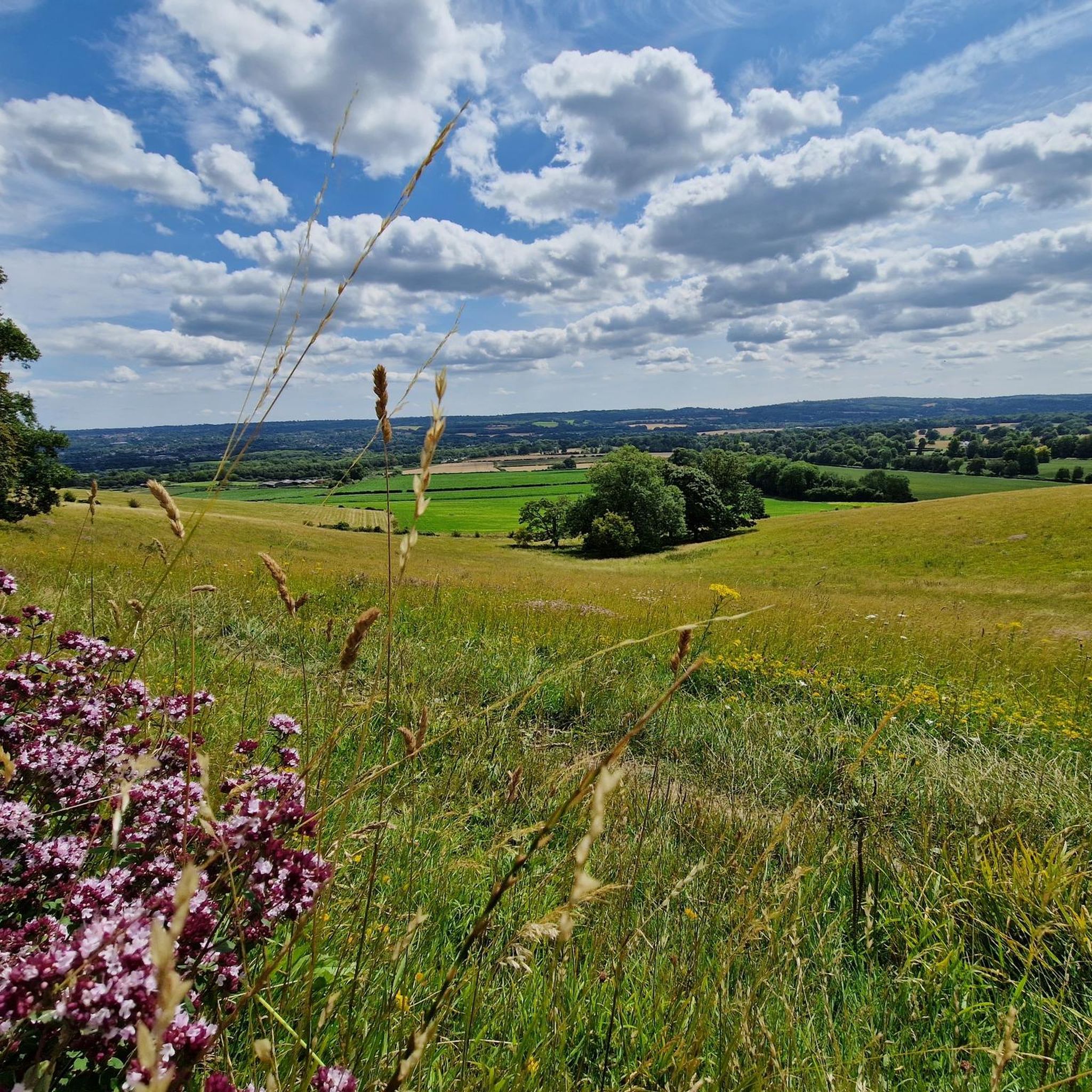
Best natural monuments around Chevening include a blend of historically significant designed landscapes and broader natural areas within the Kent Downs National Landscape. The Chevening Estate features over 530 acres of mixed woodland, manicured lawns, and an ornamental lake, reflecting centuries of landscape evolution. This region offers serene walks amidst diverse flora and provides access to the wider natural beauty of the North Downs. Visitors can explore both carefully crafted vistas and ancient woodlands.
Best natural monuments around Chevening
- The…
Last updated: May 19, 2026
Knole House and Deer Park
Highlight • Castle
Tip by

Otford Duck Pond
Highlight • Structure
Tip by

Sign up now to discover places like this
Get recommendations on the best single tracks, peaks, & plenty of other exciting outdoor places.
Sign up for free
Lullingstone Country Park and Lullingstone Castle
Highlight • Natural Monument
Tip by

Crofton Wood
Highlight • Forest
Tip by
Chiding Stone
Highlight • Natural Monument
Tip by

Sign up for free to discover even more natural monuments around Chevening.
Sign up for free
Already have an account?
Start today with a free account
Your next adventure awaits.
Login or Signup

Tips from the Community

Otford Duck Pond is a historic and picturesque landmark nestled in the heart of Otford village, near Sevenoaks, in the scenic Darent Valley of Kent, England. Situated at an elevation of approximately 62 meters, this charming pond holds the unique distinction of being the only Grade II listed duck pond in the United Kingdom, recognized for its historical and community significance. Surrounded by graceful willow trees and home to a dedicated duck house, it serves as a tranquil focal point within the village. Visitors consistently praise the pond's idyllic setting and historical charm, often describing it as a beautiful and lovely start to any exploration of Otford. Its singular status as a listed monument, coupled with the peaceful atmosphere created by the resident ducks and surrounding greenery, makes it a truly special place. The scenic importance of this part of the village centre is widely appreciated, drawing people to enjoy its quiet beauty. The pond is centrally located within
0
0

A popular theory is that the village gets its name from a large sandstone rock formation on the outskirts of the village called the Chiding Stone. Chidingstone was an earlier spelling used for the village. The National Trust considers it more likely that the name is derived from the homestead of Cidda's family "Chidding tun". It was recorded as "Cidingstane" in the twelfth century. The stone may have been used as a place to demonstrate arrogant local wives, a druidic ritual site, or an Anglo-Saxon boundary marker.
0
0


Otford is a charming village and civil parish located in the Sevenoaks District of Kent, England. Nestled in the picturesque Darent Valley, Otford is known for its rich history and scenic beauty. The village is situated about 3 miles (5 km) north of Sevenoaks and lies along the River Darent. Otford boasts a variety of historical landmarks, including the remains of a Roman villa and the Archbishop’s Palace, which was once home to 52 archbishops up until the 16th century. The village is also famous for its unique claim to fame: the largest scale model of the solar system in the world. The village center features a quaint pond, surrounded by pubs, cafes, and shops, making it a delightful spot for both locals and visitors. Otford is also home to several churches, including the Anglican Church of St Bartholomew, Otford Methodist Church, Most Holy Trinity Roman Catholic Church, and Otford Evangelical Church. Otfords roundabout It is the only roundabout in the UK to have been granted listed status, which means it is recognized for its historical and architectural significance. At the center of the roundabout is a picturesque duck pond, which is thought to date back to Anglo-Saxon times. This pond is a Grade 2 listed structure
0
0
Man we j no mom mii joyokk oki king i king k K K king my SL king okk moon koi k
0
1

Lullingstone Country Park is a designated Site of Special Scientific Interest (SSSI). The park is home to diverse flora and fauna and features trails that wind through ancient woodlands and grasslands. As well as this, it's home to Lullingstone Castle, a historic manor house with a unique World Garden. This garden showcases plants from around the globe and is a testament to the adventurous spirit of the owners who collected them.
0
0

A medieval deer park, there are still hundreds of deer that roam freely throughout the Knole Estate. It is a great place for cycling with families and a coffee shop at the house is a welcome addition. Please respect the deer, which are wild animals, by keeping your distance and taking all litter home with you.
0
0
The scenic importance of this part of the Village Centre has been officially recognised by scheduling the pond as a Grade II listed building – the only listed Duckpond in the country.
0
0
Frequently Asked Questions
What types of natural monuments can I explore around Chevening?
The Chevening area offers a diverse range of natural monuments, from historically significant designed landscapes like the Chevening Estate's extensive parkland to ancient woodlands and unique historical features. You can find expansive deer parks, such as at Knole House and Deer Park, and protected natural habitats like Crofton Wood, which is a Site of Special Scientific Interest.
Are there family-friendly natural monuments in the Chevening area?
Yes, several natural monuments are ideal for families. Knole House and Deer Park offers vast grounds for strolling and picnicking, with deer roaming freely. Otford Duck Pond is a charming, unique historical site that children often enjoy. Lullingstone Country Park and Lullingstone Castle features a children's playground and riverside walks. Additionally, Emmetts Garden has woodlands, wildflower meadows, and a playground.
What historical natural features are prominent in Chevening?
Chevening is rich in historical natural features. The Chevening Estate itself boasts over 530 acres of mixed woodland, manicured lawns, and an ornamental lake, reflecting centuries of landscape evolution from formal French to informal English designs. The estate also features a unique 'keyhole view' deliberately shaped for aesthetic appeal. Another notable historical natural monument is Otford Duck Pond, which is the only Grade II-listed duck pond in the country, dating back to Anglo-Saxon times.
What outdoor activities can I do near these natural monuments?
The area around Chevening offers various outdoor activities. You can enjoy gravel biking on routes like the 'Ightham Mote – Ightham Village loop' or 'Lullingstone Roman Villa – Shoreham Hill Climb loop'. For road cycling, consider routes such as 'Eynsford Ford and Stone Bridge – Knatts Valley Road loop'. Running enthusiasts can explore trails like 'Minny Wood – Star Hill Wood loop' or 'Sevenoaks Wildlife Reserve – Roberto loop'. For more details and routes, check out the Gravel biking around Chevening, Road Cycling Routes around Chevening, and Running Trails around Chevening guides.
Are there opportunities for wildlife spotting?
Yes, the natural monuments around Chevening offer chances to observe wildlife. Knole House and Deer Park is home to a large deer population, including fallow and sika deer, which are accustomed to visitors. The ancient woodlands, such as Crofton Wood, support a rich invertebrate fauna and diverse plant life, contributing to a healthy ecosystem for various species.
What are the best times to visit the natural monuments in Chevening?
The natural monuments around Chevening can be enjoyed year-round, but each season offers unique experiences. Spring is excellent for seeing blooms, especially the bluebells at Emmetts Garden. Summer provides pleasant conditions for walks and picnics in places like Knole House and Deer Park. Autumn brings beautiful foliage to the woodlands, and even winter walks can be serene, though paths in areas like Crofton Wood can become very muddy after rain.
Are there any natural monuments with cafes or refreshment facilities?
Yes, several locations offer facilities. Knole House and Deer Park has a beautiful cafe with a gift shop. Lullingstone Country Park and Lullingstone Castle provides a tea room, toilets, and picnic tables. Emmetts Garden also features tea rooms and picnic areas.
What makes the Chevening Estate's natural landscape special?
The Chevening Estate's natural landscape is special due to its centuries of careful design and evolution. It features over 530 acres of mixed woodland, manicured lawns, and an ornamental lake, transitioning from a formal French style to a more informal English design. The early 19th century saw the planting of many specimen trees and the creation of the lake. This blend of designed beauty and natural elements, including a specific 'keyhole view,' offers a serene and picturesque experience.
Can I find easy walking trails among the natural monuments?
Yes, there are options for easy walks. The pleasure grounds of the Chevening Estate offer gentle slopes and both gravel and grass paths. Knole House and Deer Park provides extensive, relatively flat grounds suitable for leisurely strolls. Lullingstone Country Park has riverside walks that are generally easy to navigate.
Are there any natural monuments that are Sites of Special Scientific Interest (SSSI)?
Yes, Crofton Wood is designated as both a Site of Metropolitan Importance For Nature Conservation and a Site of Special Scientific Interest. This ancient woodland, founded on London Clay, boasts high botanical diversity, including fourteen species of sedge, and a rich invertebrate fauna, making it ecologically significant.
What are the geological features of the natural monuments in the area?
The natural monuments around Chevening are largely situated within the Kent Downs National Landscape, which is characterized by the dramatic scarp of the North Downs. Areas like Crofton Wood are ancient woodlands founded on London Clay, which supports its unique botanical diversity. This geological foundation contributes to the varied landscapes, from rolling hills to dense woodlands, found throughout the region.
What do visitors particularly enjoy about the natural monuments near Chevening?
Visitors appreciate the blend of natural beauty and historical significance. Many enjoy the opportunity to see deer up close at Knole House and Deer Park and the extensive grounds for picnicking. The unique charm of Otford Duck Pond and the serene riverside walks at Lullingstone Country Park are also highly rated. The panoramic views and exotic plant species at Emmetts Garden are also a highlight.
Most popular routes around Chevening
Most popular attractions around Chevening

Get inspired with the komoot mobile app


Explore more
Extend your search for the best caves by checking out these guides of the top ones around Chevening:
