Top 9 Natural Monuments around Eye And Dunsden
Best natural monuments around Eye And Dunsden include diverse natural features and walking routes. The area encompasses parts of the Thames Path National Trail and the Chilterns Area of Outstanding Natural Beauty, offering riverside scenery and ancient woodlands. Local nature sites, including former gravel and chalk pits, contribute to the biodiversity of the landscape. These natural features provide opportunities for appreciating the environment and engaging in outdoor activities.
Best natural monuments around Eye And Dunsden
- The most popular natural monuments…
Last updated: June 30, 2026
Robin Hood's Arbour
Highlight • Historical Site
There are no known connections linking the legend of the outlaw, Robin Hood with Robin Hood’s Arbour. Indeed Robin Hood’s Arbour dates from much earlier times. The …
Tip by

Hurley Chalk Pit Nature Reserve
Highlight • Forest
The reserve is made up of stunning beech woodland and chalk grasslands that provide …
Tip by

Sign up now to discover places like this
Get recommendations on the best single tracks, peaks, & plenty of other exciting outdoor places.
Sign up for free
Lambridge Wood
Highlight • Natural Monument
Tip by
View of the Thames Valley Between Henley-on-Thames and Hambleden Mill
Highlight • Viewpoint
Tip by
Great Wood
Highlight (Segment) • Natural Monument
Tip by

Sign up for free to discover even more natural monuments around Eye And Dunsden.
Sign up for free
Already have an account?
Start today with a free account
Your next adventure awaits.
Login or Signup
Tips from the Community

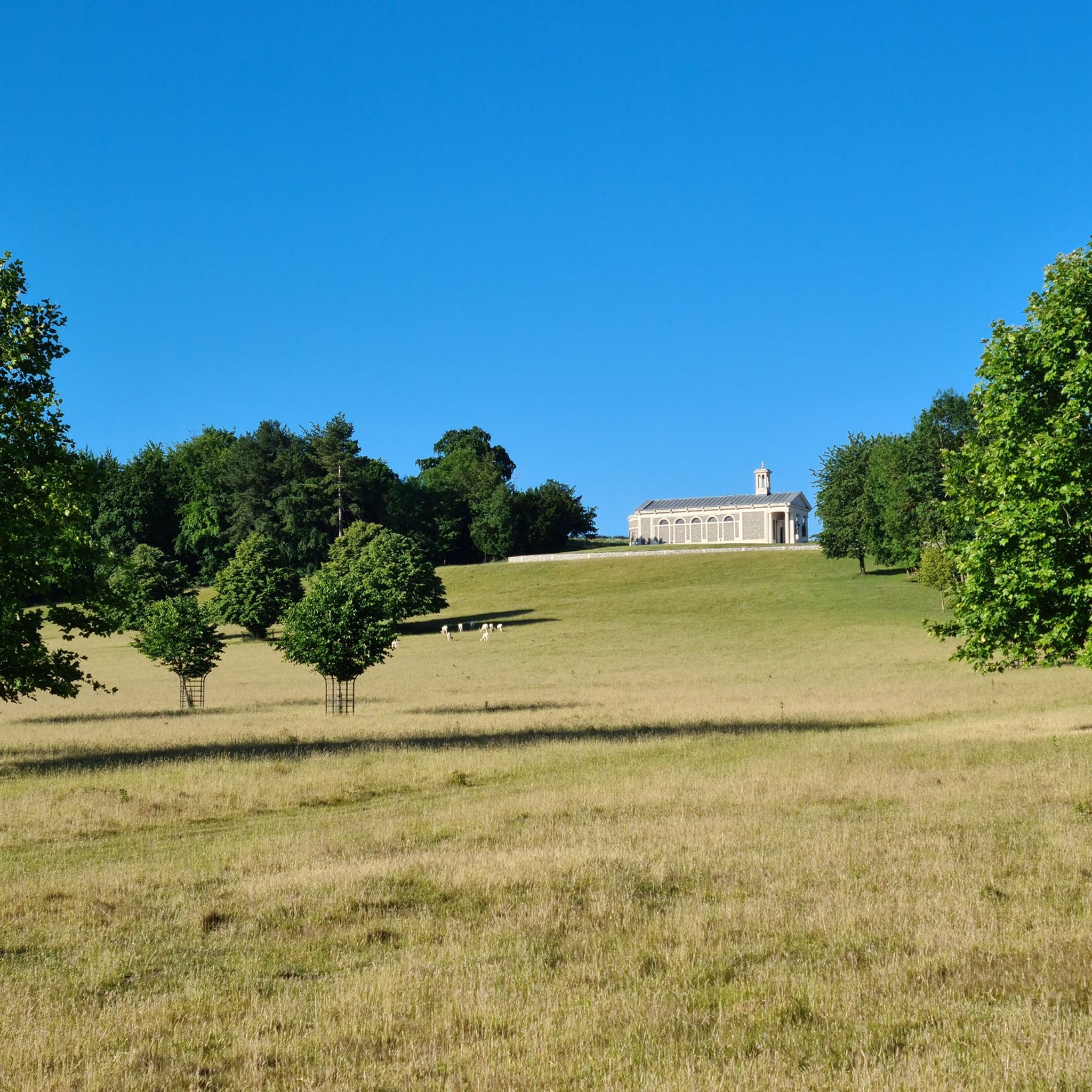
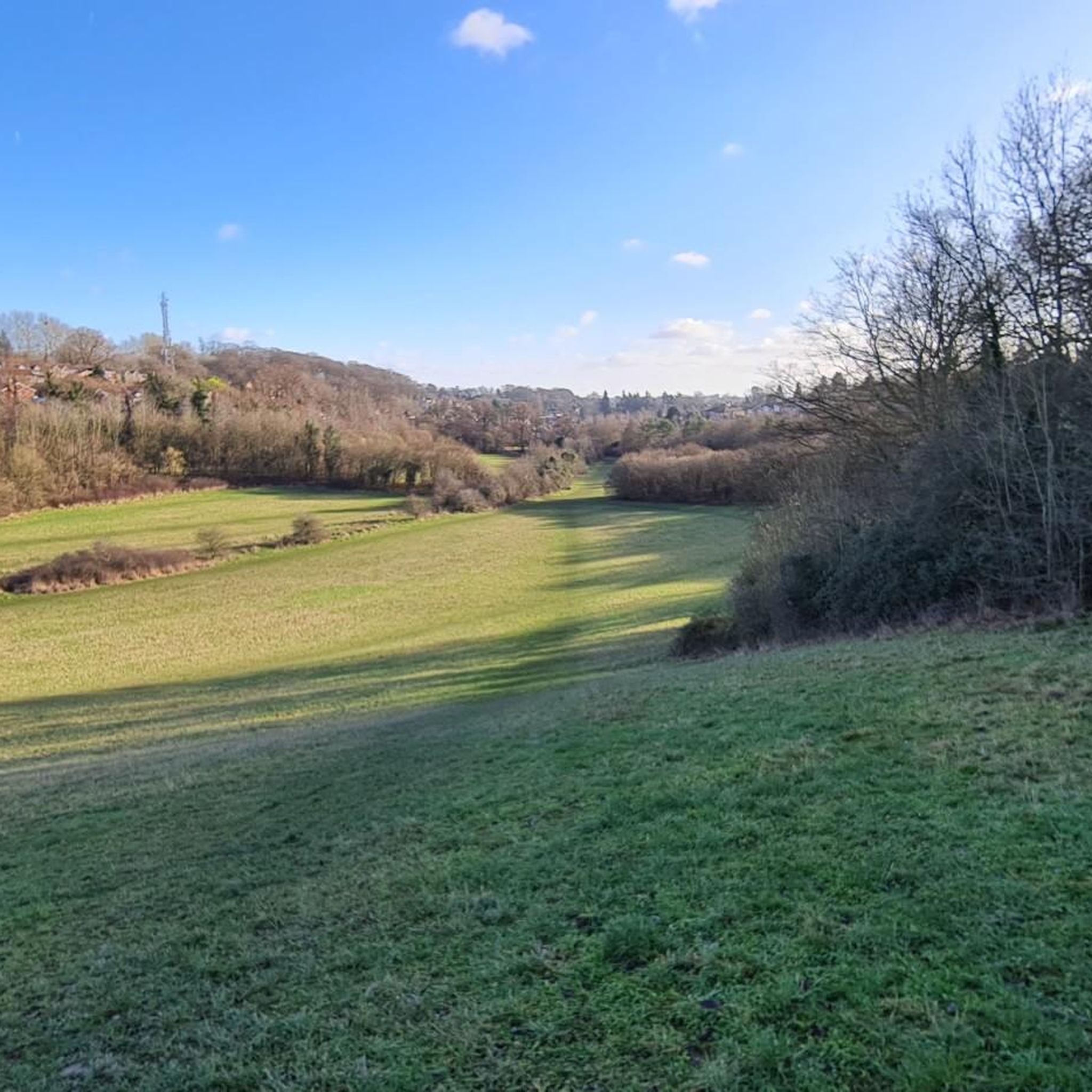
Great Wood is really great! Beech trees, wide tracks, peace and quiet, and fantastic rolling hills views from its south-eastern edge towards Hambleden. A good place to get the medicinal tree effects for your soul!
1
0

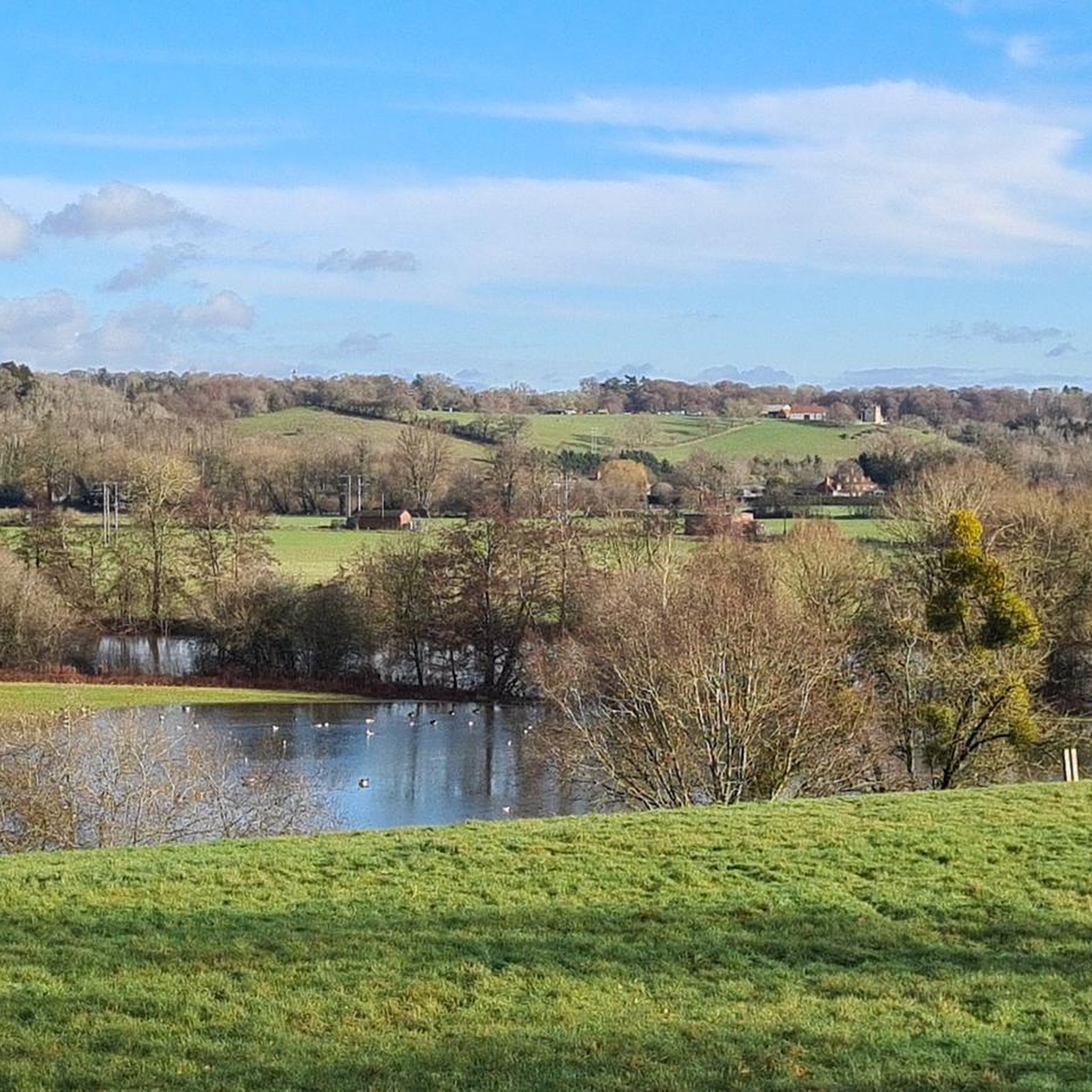
Hurley Chalk Pit is a beautiful nature reserve located not too far from Maidenhead in Berkshire. The reserve is made up of stunning beech woodland and chalk grasslands that provide habitat to a wide diversity of wildlife, including 15 species of butterflies.
1
0
Meander through beech, oak, and ash trees on this beautiful section of walking through Lambridge Wood. The area has been declared a biological Site of Special Scientific Interest.
1
0

Robin Hood's Arbour There are no known connections linking the legend of the outlaw, Robin Hood with Robin Hood’s Arbour. Indeed Robin Hood’s Arbour dates from much earlier times. The feature is an Iron Age rectilinear enclosure which is thought to have been a farmstead. An archaeological excavation in 1890 revealed ‘samian ware’, a type of Roman pottery produced mainly in Gaul. Further excavations in 1960 recovered some Iron Age pottery and some wattle marked daub. Other finds comprised flint implements including a Palaeolithic hand axe. These finds can be seen in the Reading Museum.
2
0
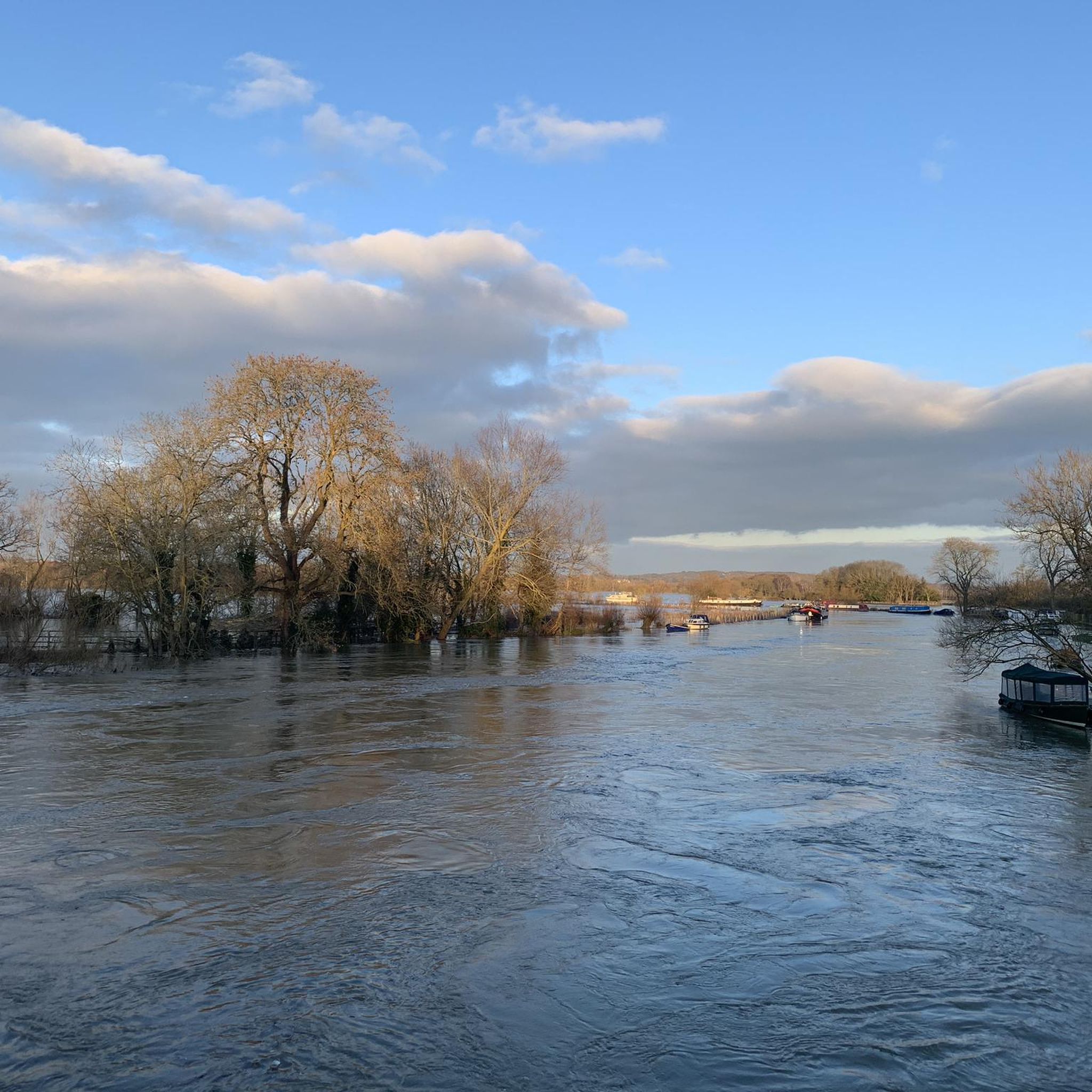
Although you are less than 35 metres above the river valley, this vantage point gives you a 180 degree view of the Thames Valley between Henley-on-Thames and Hambleden Mill. You should be able to see the river in places. At this point, the river follows an arc, which is an ‘incised meander’. At some time in the past, the natural sinuosity of the river channel has been cut down into the landscape, preserving it in a fixed position. This view is at its most colourful in the autumn when many of the trees turn yellow, brown and red. This is also a good place to see red kites gliding on the wind and to hear skylarks singing overhead.
3
0
Frequently Asked Questions
What types of natural monuments can I explore in Eye And Dunsden?
Eye And Dunsden offers a diverse range of natural monuments, including ancient woodlands, scenic viewpoints, and nature reserves. You can discover areas like Lambridge Wood, a biological Site of Special Scientific Interest, and Great Wood, known for its beech trees and rolling hill views. The area also encompasses parts of the Thames Path National Trail and the Chilterns Area of Outstanding Natural Beauty, providing riverside scenery and chalk grasslands.
Are there family-friendly natural monuments around Eye And Dunsden?
Yes, several natural monuments in the area are suitable for families. Great Wood offers wide tracks perfect for easy walks, and Hurley Chalk Pit Nature Reserve is a beautiful spot with beech woodland and chalk grasslands that families can enjoy. The View of the Thames Valley Between Henley-on-Thames and Hambleden Mill also provides an accessible viewpoint with stunning scenery.
When is the best time to visit the natural monuments in Eye And Dunsden?
The natural monuments around Eye And Dunsden can be enjoyed year-round, but autumn is particularly vibrant. The View of the Thames Valley Between Henley-on-Thames and Hambleden Mill is especially colorful in autumn when many trees turn yellow, brown, and red. Spring and summer offer lush greenery and opportunities for wildlife spotting.
Are there any historical natural monuments in the area?
Yes, you can visit Robin Hood's Arbour, an Iron Age rectilinear enclosure thought to have been a farmstead. Archaeological excavations have revealed Iron Age pottery and Roman artifacts, adding a layer of historical significance to this natural feature.
Where can I find ancient woodlands to explore?
The region is rich in ancient woodlands. You can explore Lambridge Wood, known for its beech, oak, and ash trees, and Great Wood, which features extensive beech trees and tranquil environments. Hurley Chalk Pit Nature Reserve also includes stunning beech woodland.
Can I find natural monuments suitable for easy walks?
Absolutely. The Thames Path National Trail, which runs through Sonning Eye, offers picturesque riverside scenery and is ideal for gentle strolls. Dunsden Green also provides a beautiful, accessible space for quiet reflection and recreation. Furleigh Bank, a public open space by the River Thames in Sonning Eye, offers direct access to the riverside environment for easy enjoyment.
What outdoor activities can I do near the natural monuments?
Beyond exploring the natural monuments themselves, the area offers various outdoor activities. You can find numerous cycling routes, including those for gravel biking and road cycling. For example, explore routes like the 'Knowl Hill Bridleway' or 'Mapledurham Estate Bridleway'. You can find more details on these activities in the Gravel biking around Eye And Dunsden, Cycling around Eye And Dunsden, and Road Cycling Routes around Eye And Dunsden guides.
Are there natural monuments where I can spot wildlife?
Yes, the natural monuments and surrounding areas are rich in wildlife. Hurley Chalk Pit Nature Reserve is known for its diverse wildlife, including 15 species of butterflies. Ancient woodlands like Lambridge Wood support a variety of plant and animal life. Near the Thames Valley viewpoint, you might also see red kites gliding and hear skylarks singing overhead.
Are there any natural monuments with panoramic viewpoints?
Yes, the View of the Thames Valley Between Henley-on-Thames and Hambleden Mill offers a spectacular 180-degree perspective of the Thames Valley, allowing you to see the river's incised meander. Additionally, Great Wood provides fantastic rolling hills views from its south-eastern edge towards Hambleden.
What are the parking options near natural monuments in Eye And Dunsden?
While specific parking details for each natural monument are not always available, visitors typically find parking in nearby village car parks or designated lay-bys. It's advisable to check local signage and respect private property when parking. For popular areas like the Thames Path, parking may be available in adjacent towns or villages.
Are there public transport options to reach natural monuments?
Public transport options to reach specific natural monuments can vary. Many of the sites are best accessed by car or as part of a longer walk or cycle route from nearby towns with bus or train services, such as Reading or Henley-on-Thames. Checking local bus routes for villages within Eye And Dunsden parish is recommended for closer access.
What do visitors enjoy most about the natural monuments in Eye And Dunsden?
Visitors particularly appreciate the tranquility and natural beauty of the area. The peaceful walks through ancient woodlands like Lambridge Wood and Great Wood are highly valued. The stunning panoramic views from spots like the View of the Thames Valley also receive high praise, especially during autumn.
Most popular routes around Eye And Dunsden
Most popular attractions around Eye And Dunsden

Get inspired with the komoot mobile app


Explore more
Extend your search for the best caves by checking out these guides of the top ones around Eye And Dunsden:
