Top 16 Natural Monuments around Henley-On-Thames
Best natural monuments around Henley-On-Thames include the River Thames, which defines the town's character and provides a rich ecological landscape. The town is situated at the foot of the Chiltern Hills, a chalk escarpment featuring woodlands and chalk grasslands. These areas offer diverse habitats and geological significance, shaped by ancient seas and glacial activity. The region provides opportunities to explore varied natural features and historical human interaction with the landscape.
Best natural monuments around Henley-On-Thames
- The most popular natural monuments…
Last updated: October 3, 2026
The Brick and Tile Works
Highlight • Historical Site
Tip by

Robin Hood's Arbour
Highlight • Historical Site
There are no known connections linking the legend of the outlaw, Robin Hood with Robin Hood’s Arbour. Indeed Robin Hood’s Arbour dates from much earlier times. The …
Tip by

Sign up now to discover places like this
Get recommendations on the best single tracks, peaks, & plenty of other exciting outdoor places.
Wildflower Meadows of Pinkneys Green
Highlight • Natural
Tip by
Hurley Chalk Pit Nature Reserve
Highlight • Forest
The reserve is made up of stunning beech woodland and chalk grasslands that provide …
Tip by
Lambridge Wood
Highlight • Natural Monument
Tip by
Sign up for free to discover even more natural monuments around Henley-On-Thames.
Already have an account?
Start today with a free account
Your next adventure awaits.
Popular around Henley-On-Thames
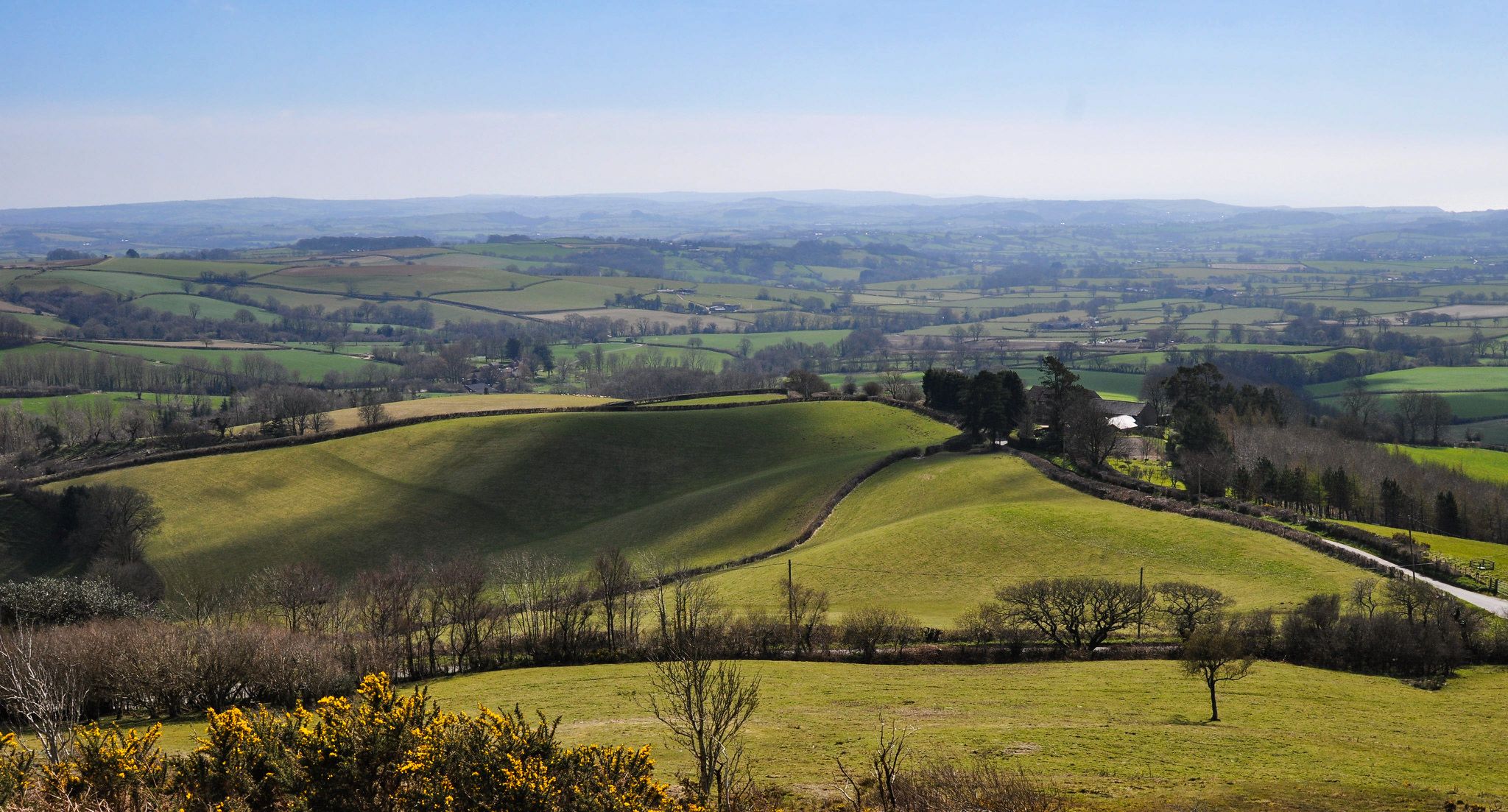
Hiking the Orange Way — Southern England in the footsteps of a king
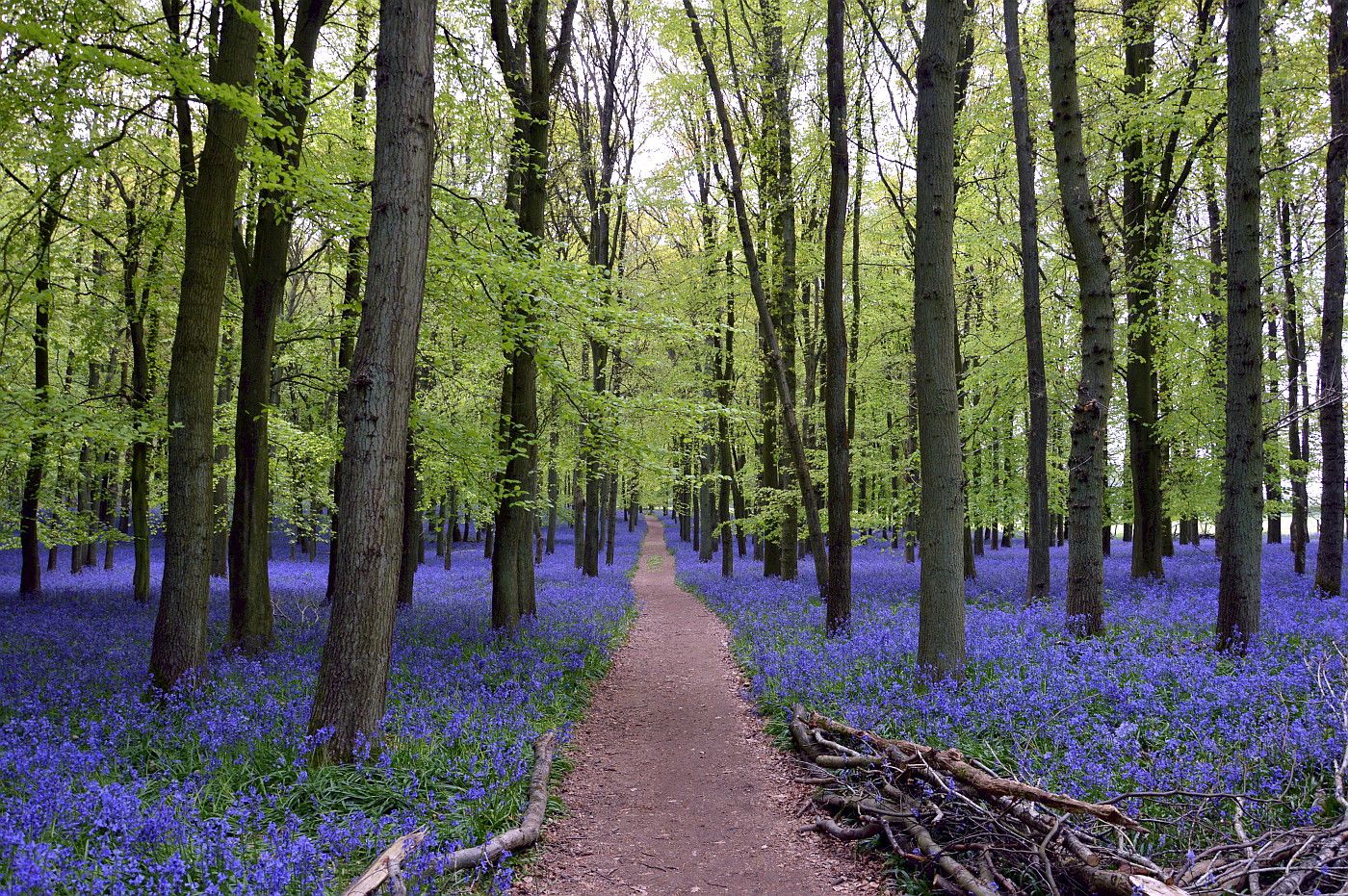
Chilterns Cycleway – Beautiful hills far and wide
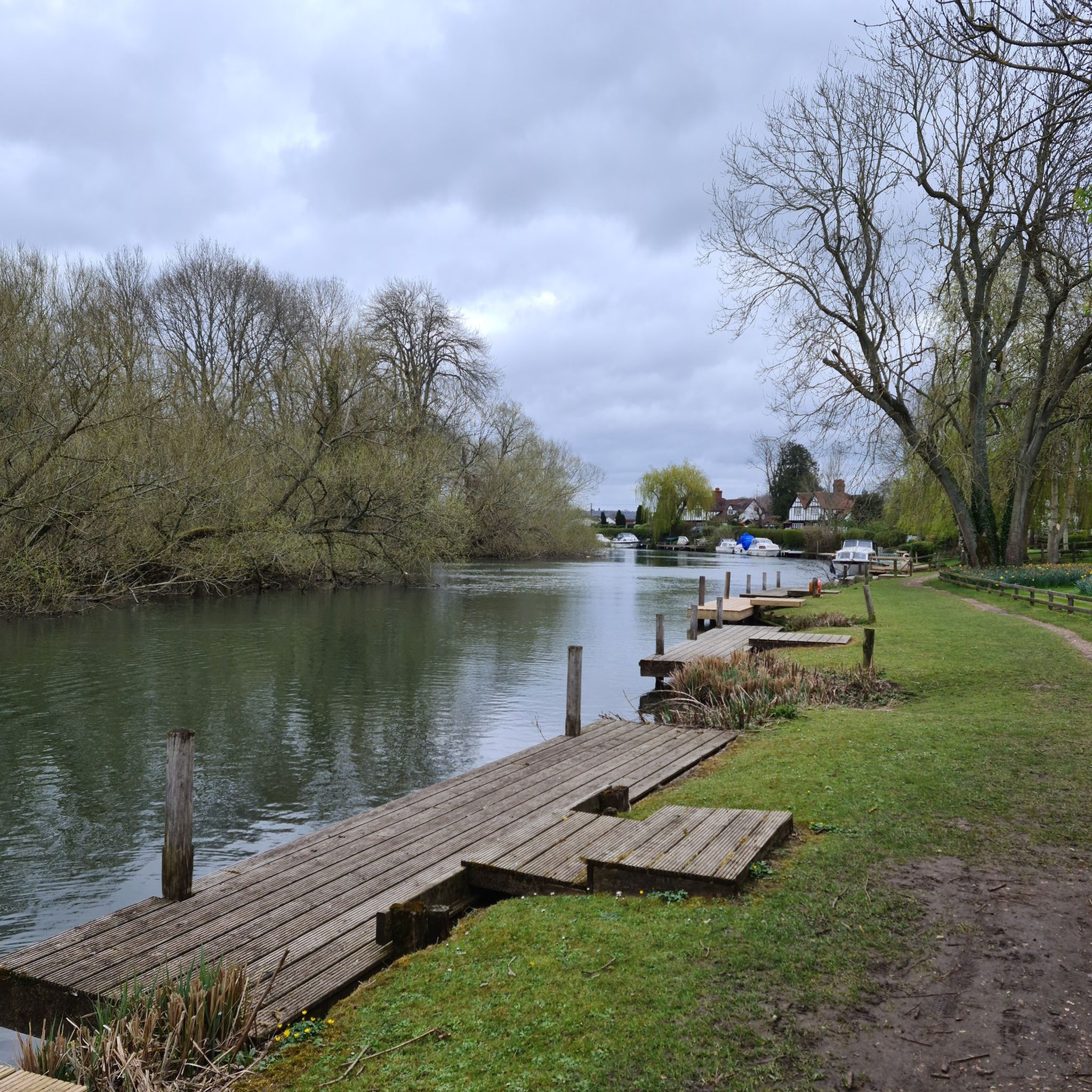
Hiking around Henley-On-Thames
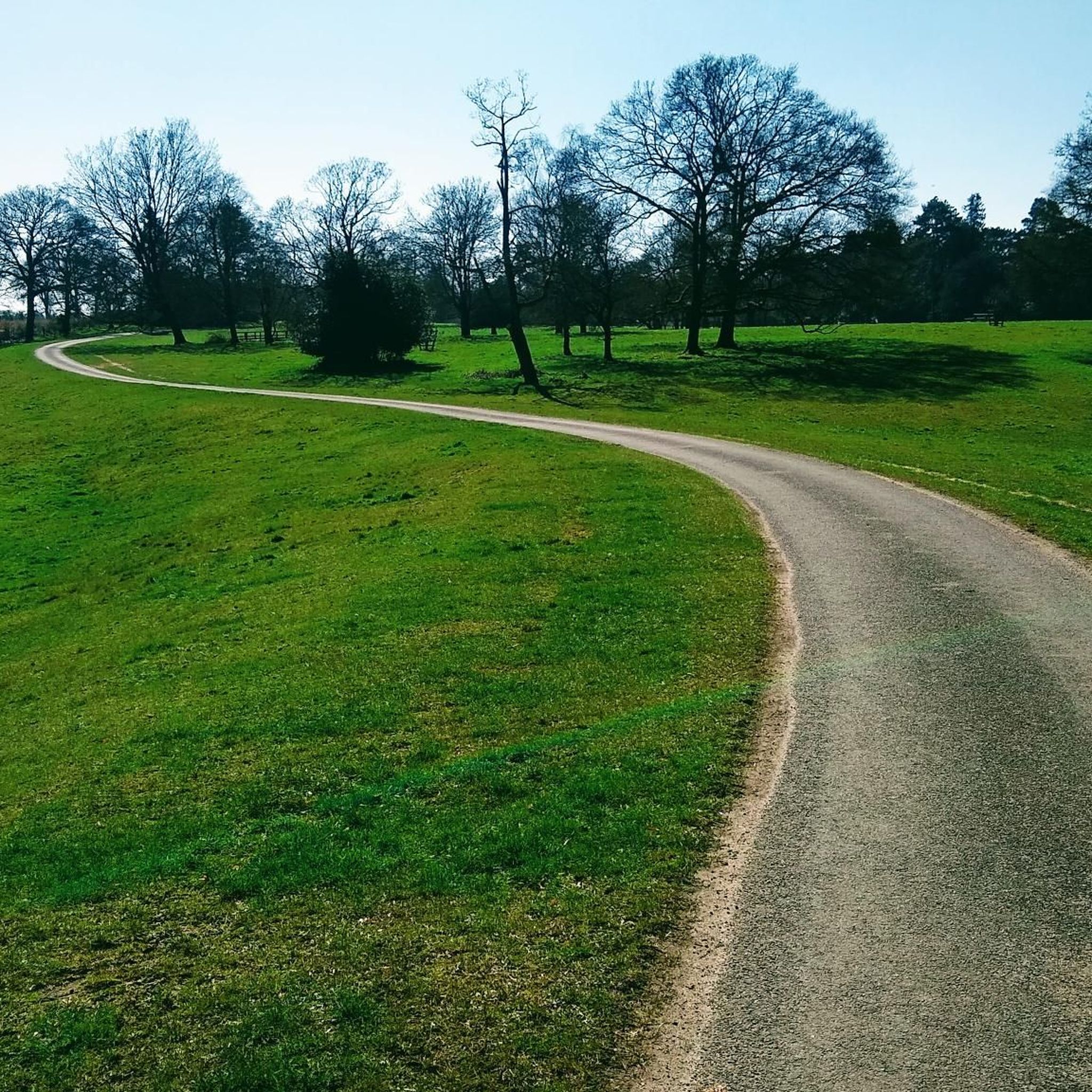
Road Cycling Routes around Henley-On-Thames
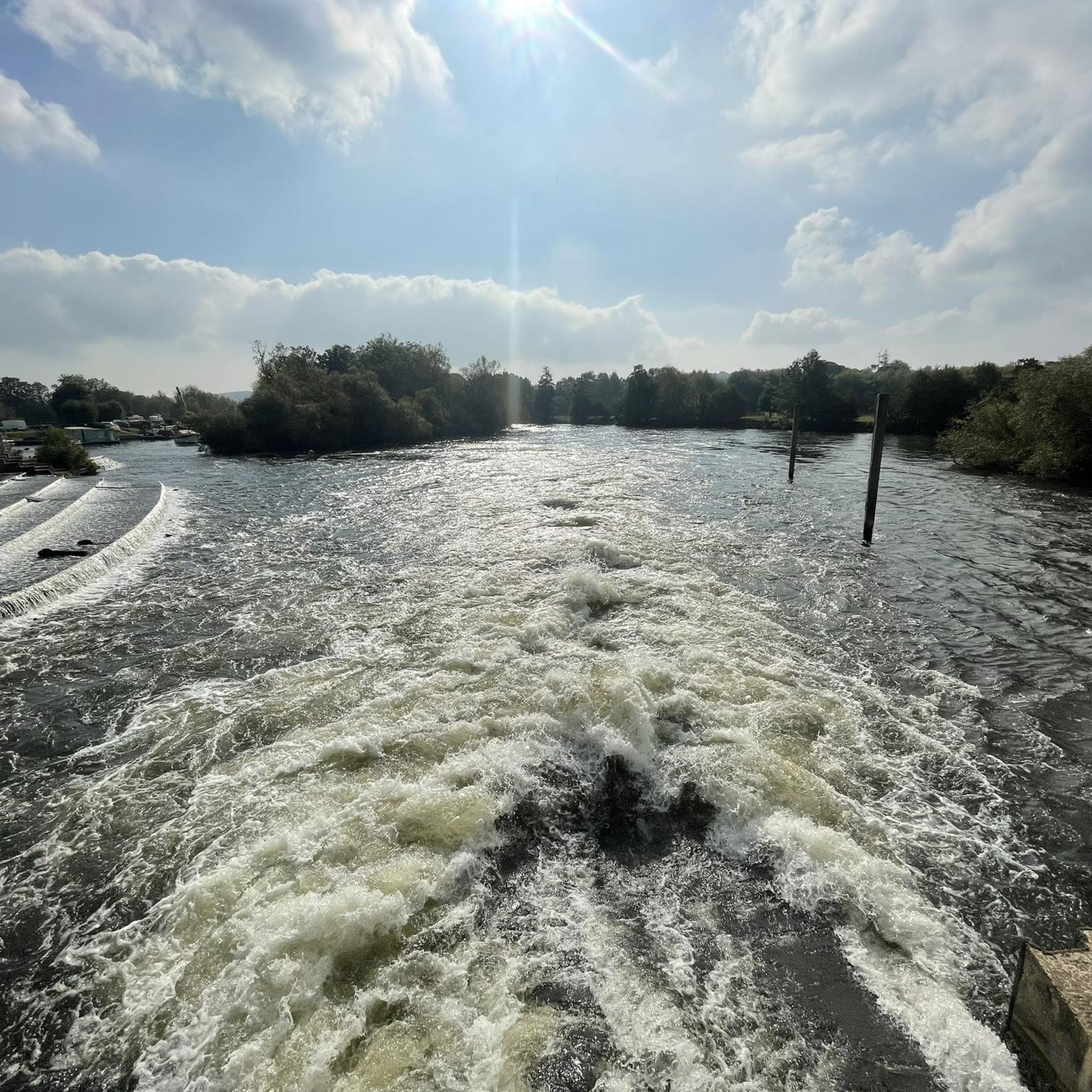
Running Trails around Henley-On-Thames
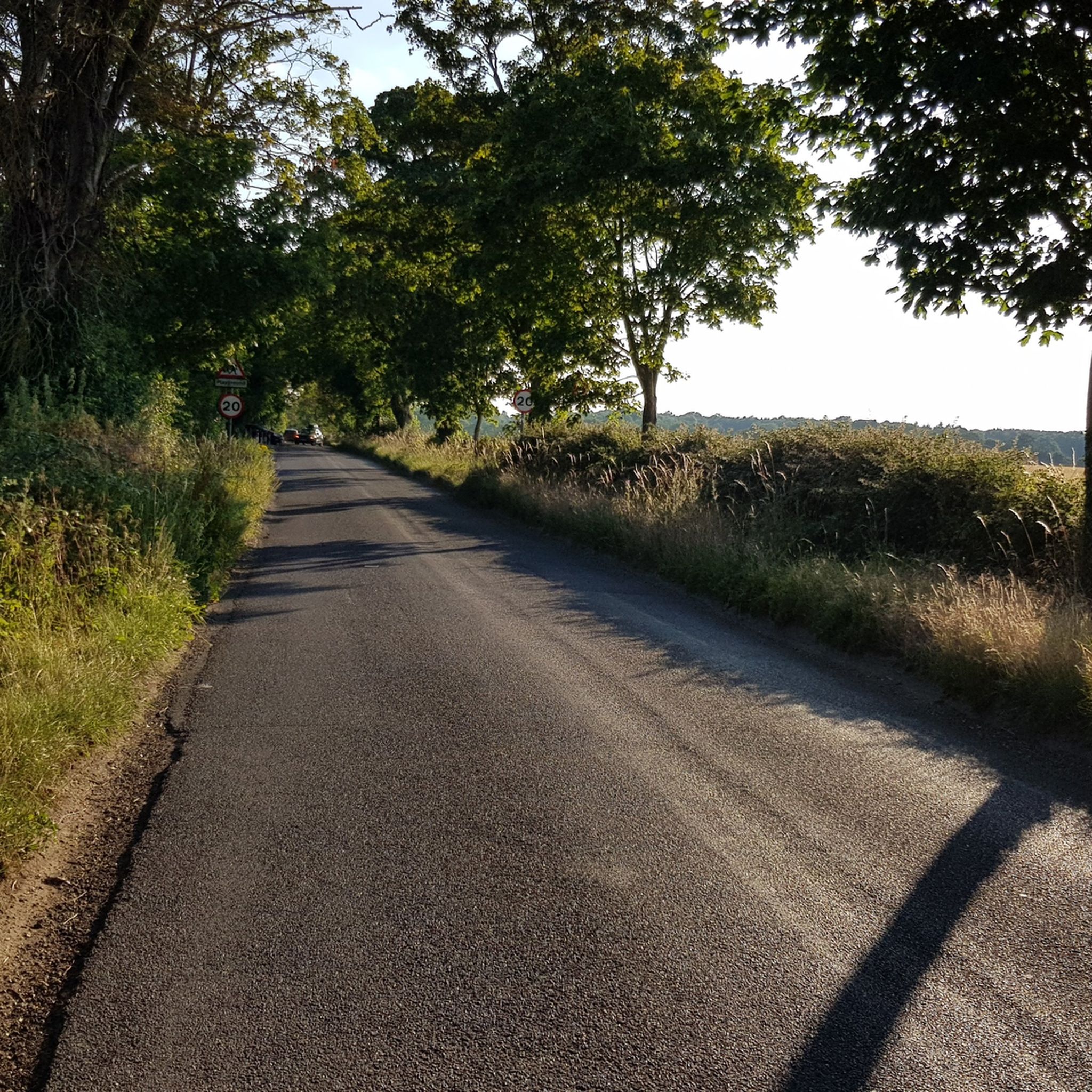
Cycling around Henley-On-Thames
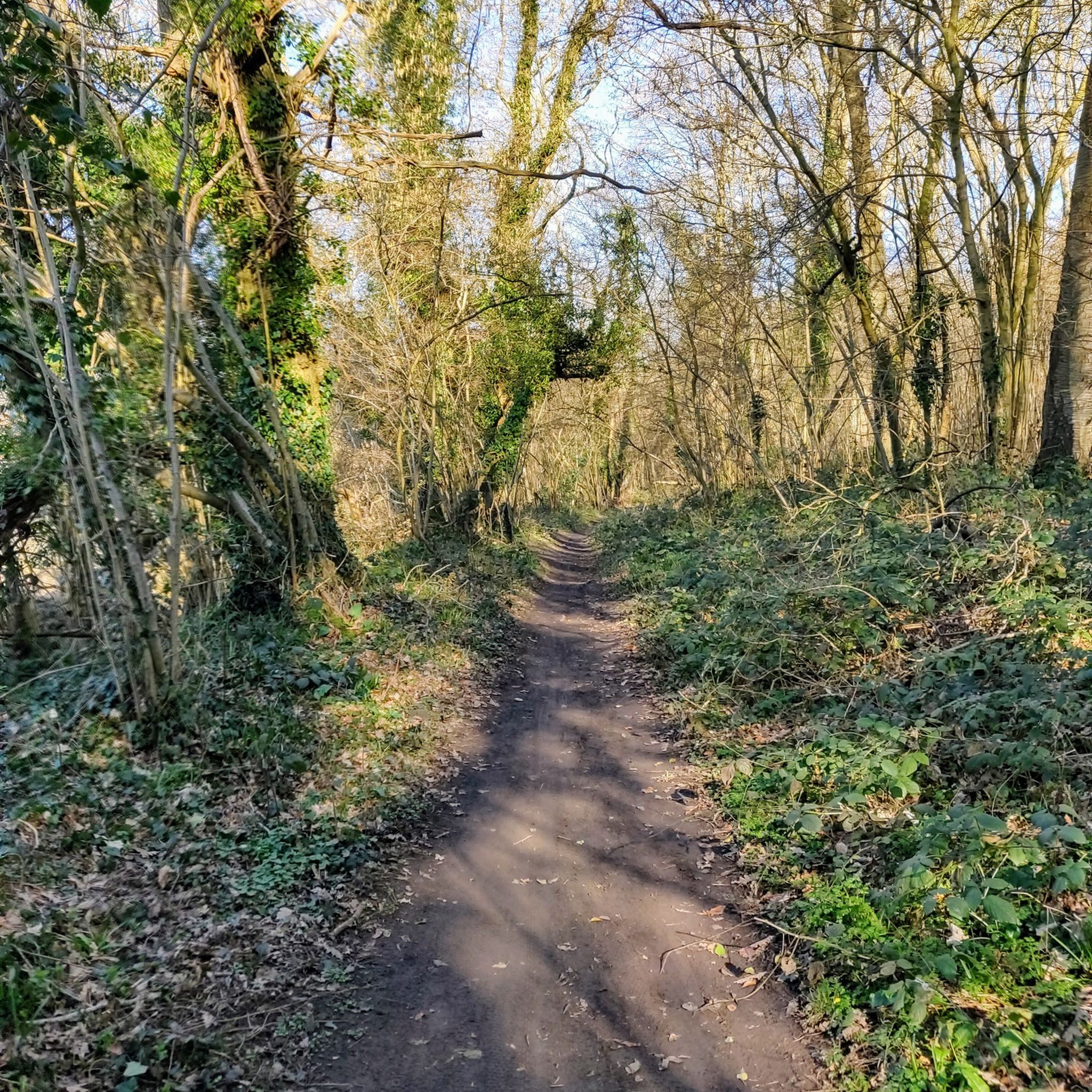
MTB Trails around Henley-On-Thames
Gravel biking around Henley-On-Thames


Tips from the Community

Hurley Chalk Pit is a beautiful nature reserve located not too far from Maidenhead in Berkshire. The reserve is made up of stunning beech woodland and chalk grasslands that provide habitat to a wide diversity of wildlife, including 15 species of butterflies.
1
0
The Brick and Tile Works, established by Charles Cooper in the early 1800s, employed about 150 people and produced bricks, tiles, gargoyles, and pinnacles. The site, which closed in 1967, is now owned by the National Trust and features lowland ponds with diverse aquatic life and a variety of woodland birds and plants.
1
0
Pinkneys Green, originally part of the Royal Manor of Cookham, was sold off in 1818. In the 1920s, the Maidenhead and Cookham Commons Conservation Committee protected the land, which was later donated to the National Trust. Today, Pinkneys Green is mostly grassland managed by local farmers with areas of trees and thicket for wildlife, and its open meadows are filled with wildflowers during the summer.
1
0
Meander through beech, oak, and ash trees on this beautiful section of walking through Lambridge Wood. The area has been declared a biological Site of Special Scientific Interest.
1
0

Robin Hood's Arbour There are no known connections linking the legend of the outlaw, Robin Hood with Robin Hood’s Arbour. Indeed Robin Hood’s Arbour dates from much earlier times. The feature is an Iron Age rectilinear enclosure which is thought to have been a farmstead. An archaeological excavation in 1890 revealed ‘samian ware’, a type of Roman pottery produced mainly in Gaul. Further excavations in 1960 recovered some Iron Age pottery and some wattle marked daub. Other finds comprised flint implements including a Palaeolithic hand axe. These finds can be seen in the Reading Museum.
2
0
The Brick & Tile Works The Brick and Tile Works was established by Charles Cooper in the early 1800s, exploiting a local deposit of Reading Clay. At its peak, the Works employed about 150 people, and cottages were built in Golden Ball Lane for the skilled craftsmen. In 1950, the Cooper family sold the Works to the Maidenhead Brick and Tile Company, and the site eventually closed in 1967. In addition to bricks and tiles, the works produced gargoyles and pinnacles, many of which can be seen in the locality today. The National Trust acquired the site in 1989. The industrial activity left a legacy of lowland ponds, inhabited by an impressive range of aquatic invertebrate fauna, including several species of dragonfly. There are also three species of newt and a wide range of woodland birds and other aquatic or semi-aquatic plants and animals.
1
0
Pinkneys Green derives its name from the Norman Knight, Ghilo de Pinkney, who was granted lands in the Maidenhead area as a reward for supporting William the Conqueror. Along with other areas of common land in the Cookham and Maidenhead area, Pinkneys Green was originally part of the Royal Manor of Cookham, but they were sold off by the Crown in 1818 and passed into private ownership. In the 1920s, for fear that the common land would be enclosed or developed, the Maidenhead and Cookham Commons Conservation Committee was established, which raised £2800 to buy the land, which was donated to the National Trust in 1934. Today, Pinkneys Green consists largely of grassland, which is managed by local ‘commoner’ farmers as a hay crop for livestock; although some mature trees and areas of thicket provide valuable refuges for wildlife. The grasses in these open, unfenced meadows are left to grow tall all summer long so you’ll find a wealth of wildflowers
1
1
Frequently Asked Questions
What are some of the most appreciated natural monuments around Henley-On-Thames?
Visitors particularly appreciate the diverse natural beauty of the region. Among the highlights, Lambridge Wood, a biological Site of Special Scientific Interest with beech, oak, and ash trees, is highly rated. Other popular spots include Robin Hood's Arbour, an Iron Age enclosure, and The Brick and Tile Works, a historical site now owned by the National Trust with diverse aquatic life.
What unique geological features can I explore in the Henley-On-Thames area?
The region is rich in geological history. The River Thames, for instance, has origins tracing back over 60 million years, cutting through chalk hills like the Goring Gap. The Chiltern Hills, an Area of Outstanding Natural Beauty, are primarily a chalk escarpment formed from layers deposited around 145 million years ago, often featuring flint nodules and ancient Sarsen stones.
Are there natural monuments with historical significance near Henley-On-Thames?
Yes, several sites combine natural beauty with historical importance. Robin Hood's Arbour is an Iron Age rectilinear enclosure where archaeological finds like Roman pottery and flint implements have been discovered. The Brick and Tile Works, though now a natural area with lowland ponds, was once a thriving industrial site established in the early 1800s.
Where can I experience diverse wildlife and plant life?
For exceptional biodiversity, visit Warburg Nature Reserve, nestled in the Chilterns. This 250-acre reserve boasts ancient woodlands, chalk grassland, and over 450 plant species, including 15 types of orchids. It's also home to 900 species of fungi, deer, diverse birds like red kites, and over 40 types of butterflies. The River Thames itself supports over 25 species of fish, and its banks are breeding grounds for kingfishers, otters, and herons.
Are there family-friendly natural monuments suitable for children?
Yes, several natural monuments are great for families. The Brick and Tile Works offers lowland ponds with diverse aquatic life, which can be fascinating for children. Wildflower Meadows of Pinkneys Green provides open spaces for exploration, and Hurley Chalk Pit Nature Reserve features beautiful beech woodland and chalk grasslands, perfect for a family outing.
What is the best time of year to visit the natural monuments in this region?
The natural monuments around Henley-On-Thames offer beauty throughout the year. Spring and summer are ideal for seeing wildflowers in places like Wildflower Meadows of Pinkneys Green and observing wildlife. Autumn brings vibrant colors to the woodlands of the Chilterns and Lambridge Wood. Even in winter, the landscapes offer tranquil beauty, especially along the River Thames.
Are there hiking trails near these natural monuments?
Yes, the area offers numerous hiking opportunities. For easy walks, you can explore routes like the "Henley Park and Lambridge Wood loop" or the "Henley Bridge – View of Temple Island loop." You can find more easy hikes around Henley-On-Thames on our dedicated guide page: Easy hikes around Henley-On-Thames.
Can I find trails for mountain biking or running near these natural monuments?
Absolutely. The region provides excellent trails for both mountain biking and running. For mountain biking, consider routes like the "Henley-on-Thames to Icknield Way loop." Runners can enjoy paths such as the "Oxfordshire Way and Lambridge Wood Loop." Discover more options on our guides for MTB Trails around Henley-On-Thames and Running Trails around Henley-On-Thames.
What kind of natural landscapes can I expect to see?
You'll encounter a diverse range of natural landscapes. The River Thames offers classic riverine scenery with lush banks and islands. The Chiltern Hills feature a dramatic chalk escarpment, ancient woodlands (including beech coppice), and chalk grasslands. You can also find flood plain meadows at Mill Meadows and varied habitats like those at Warburg Nature Reserve, which includes woodlands, grasslands, and ponds.
Are there any natural monuments that are good for birdwatching?
The area is excellent for birdwatching. The River Thames and its banks are home to kingfishers, herons, and cormorants. Warburg Nature Reserve, with its diverse habitats, attracts a wide variety of bird species, including red kites. The Brick and Tile Works also supports a variety of woodland birds.
Where can I find open meadows with wildflowers?
For open meadows filled with wildflowers, visit Wildflower Meadows of Pinkneys Green. These extensive grasslands are managed by local farmers, allowing wildflowers to flourish, especially during the summer months. Mill Meadows in Henley-On-Thames also features lush green spaces and wildflower meadows along the River Thames.
What is the significance of the Chiltern Hills in this region?
The Chiltern Hills, a designated Area of Outstanding Natural Beauty, are a defining feature of the region. They are primarily a chalk escarpment, formed from ancient marine deposits, and feature a unique landscape of steep scarp slopes, gentle dip slopes, and deeply dissected valleys. This geology also attracted early humans, who sought flint for tools and clean water, making it a significant natural and cultural landscape.
Most popular routes around Henley-On-Thames
Most popular attractions around Henley-On-Thames

Get inspired with the komoot mobile app


Explore more
Extend your search for the best caves by checking out these guides of the top ones around Henley-On-Thames:
