Top 9 Natural Monuments around Stratton St. Margaret
Best natural monuments around Stratton St. Margaret include a variety of significant green spaces and historical natural features. These areas contribute to local biodiversity, offering opportunities for recreation and appreciation of nature. The region features diverse habitats, from woodlands and meadows to aquatic environments, supporting a range of wildlife. Ancient earthworks and historical sites also mark the landscape, showcasing a long history of human interaction with the natural environment.
Best natural monuments around Stratton St. Margaret
- The most popular natural…
Last updated: June 30, 2026
Wayland's Smithy Long Barrow
Highlight • Historical Site
Tip by

Barbury Castle Iron Age Hill Fort
Highlight • Natural Monument
Tip by
Sign up now to discover places like this
Get recommendations on the best single tracks, peaks, & plenty of other exciting outdoor places.
Sign up for free
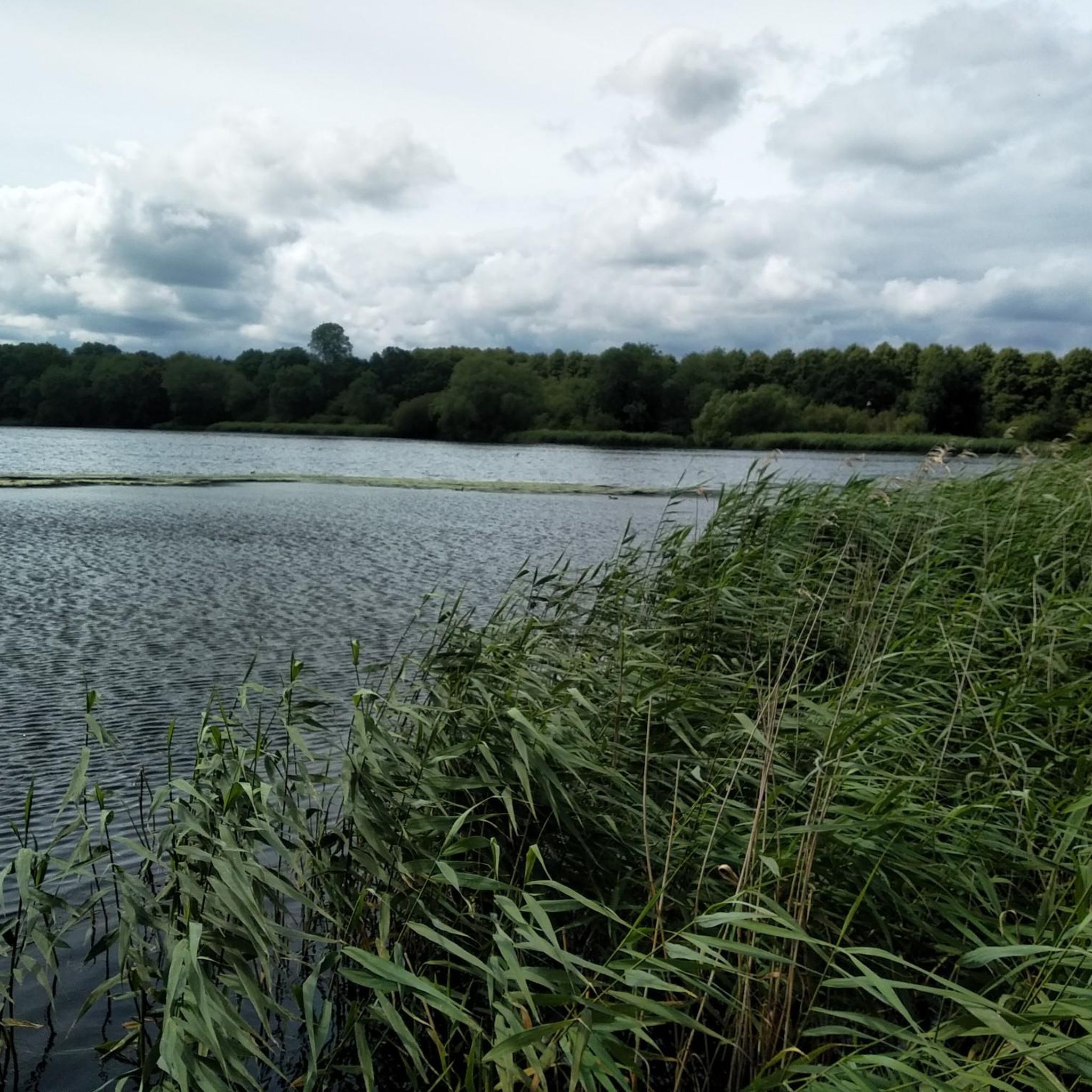
Coate Water Lake and Diving Platform
Highlight • Lake
Tip by

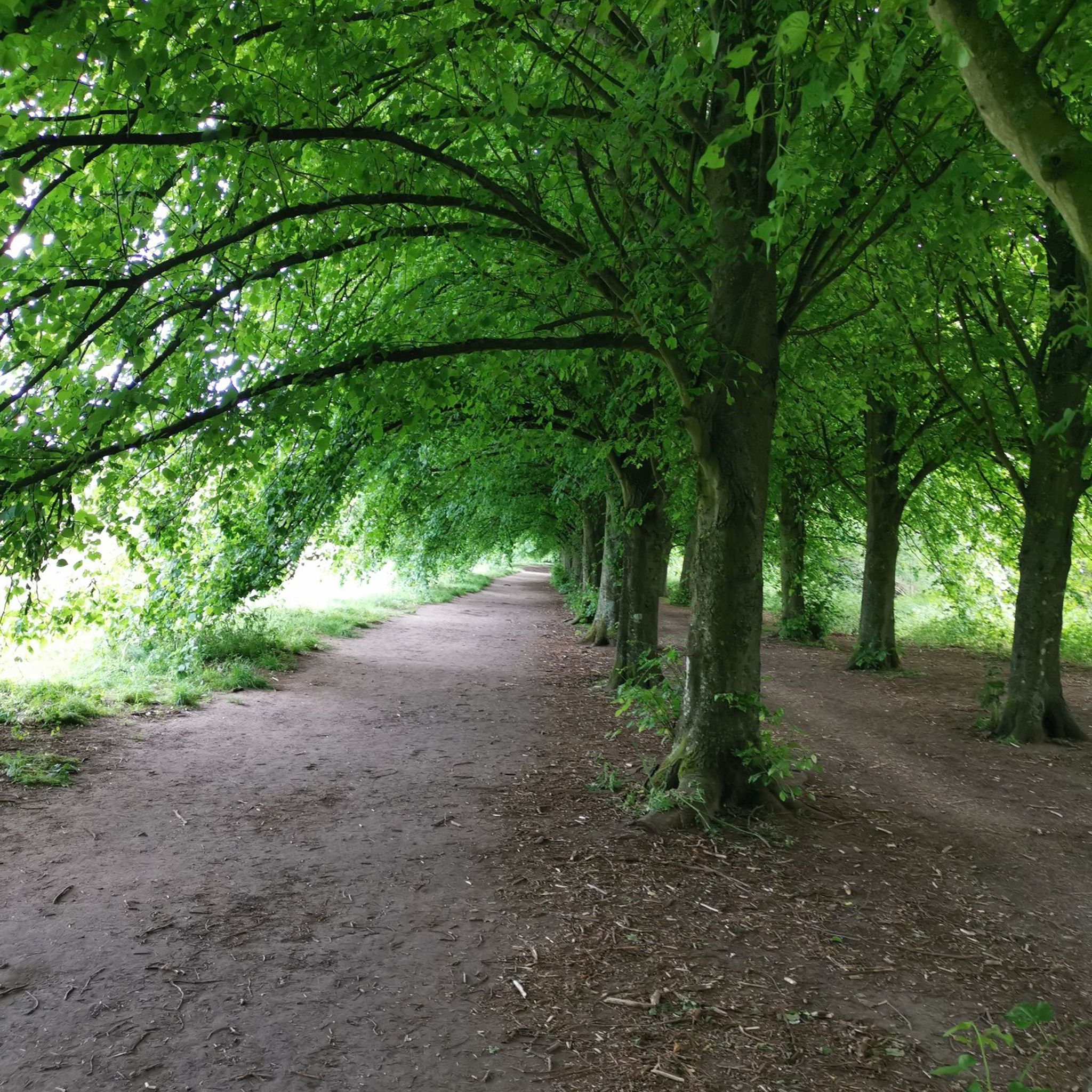
Badbury Clump Bluebell Woods
Highlight • Natural Monument
Tip by

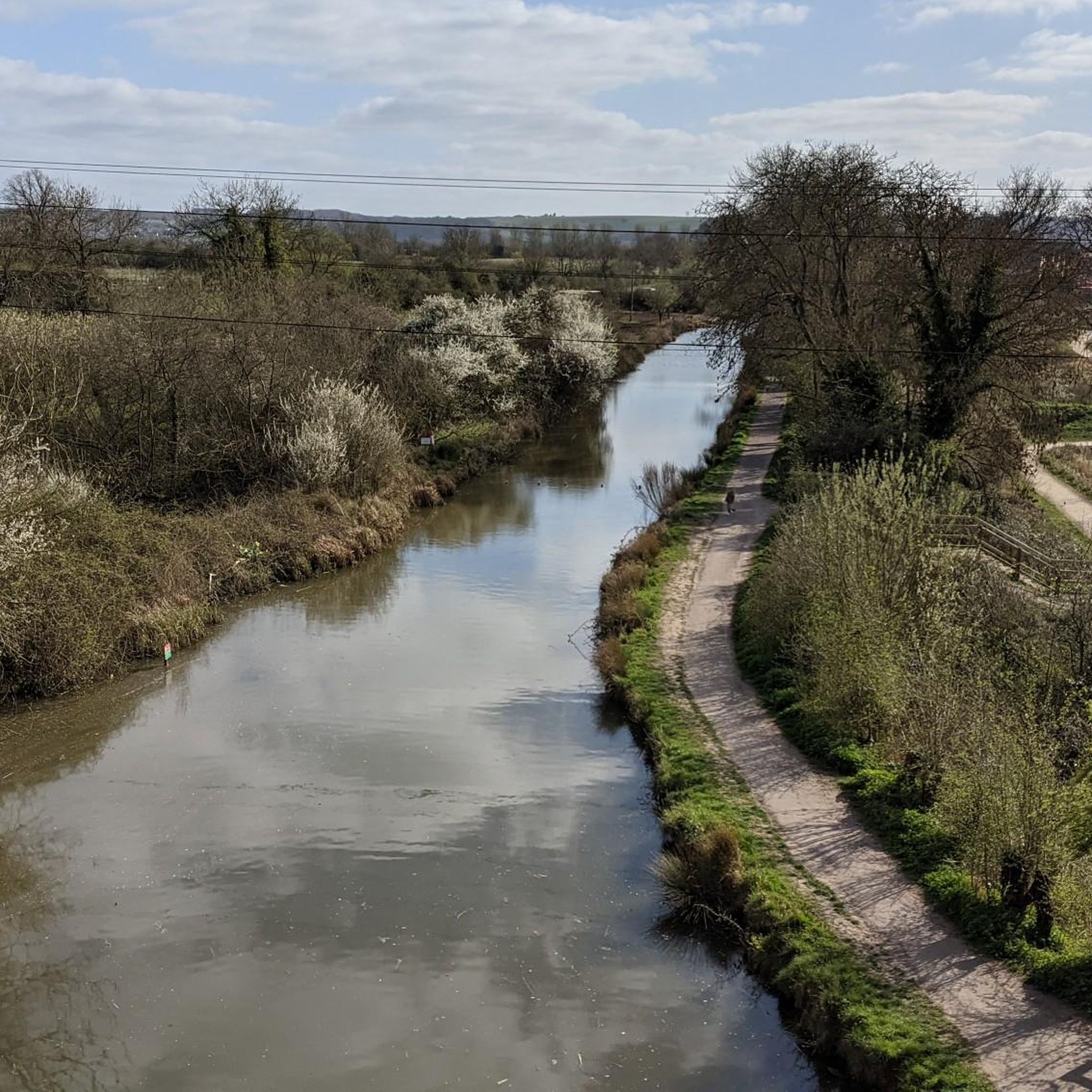
The Ridgeway in North Wessex Downs
Highlight • Trail
The Ridgeway is often deemed …
Tip by
Sign up for free to discover even more natural monuments around Stratton St. Margaret.
Sign up for free
Already have an account?
Start today with a free account
Your next adventure awaits.
Login or Signup
Tips from the Community

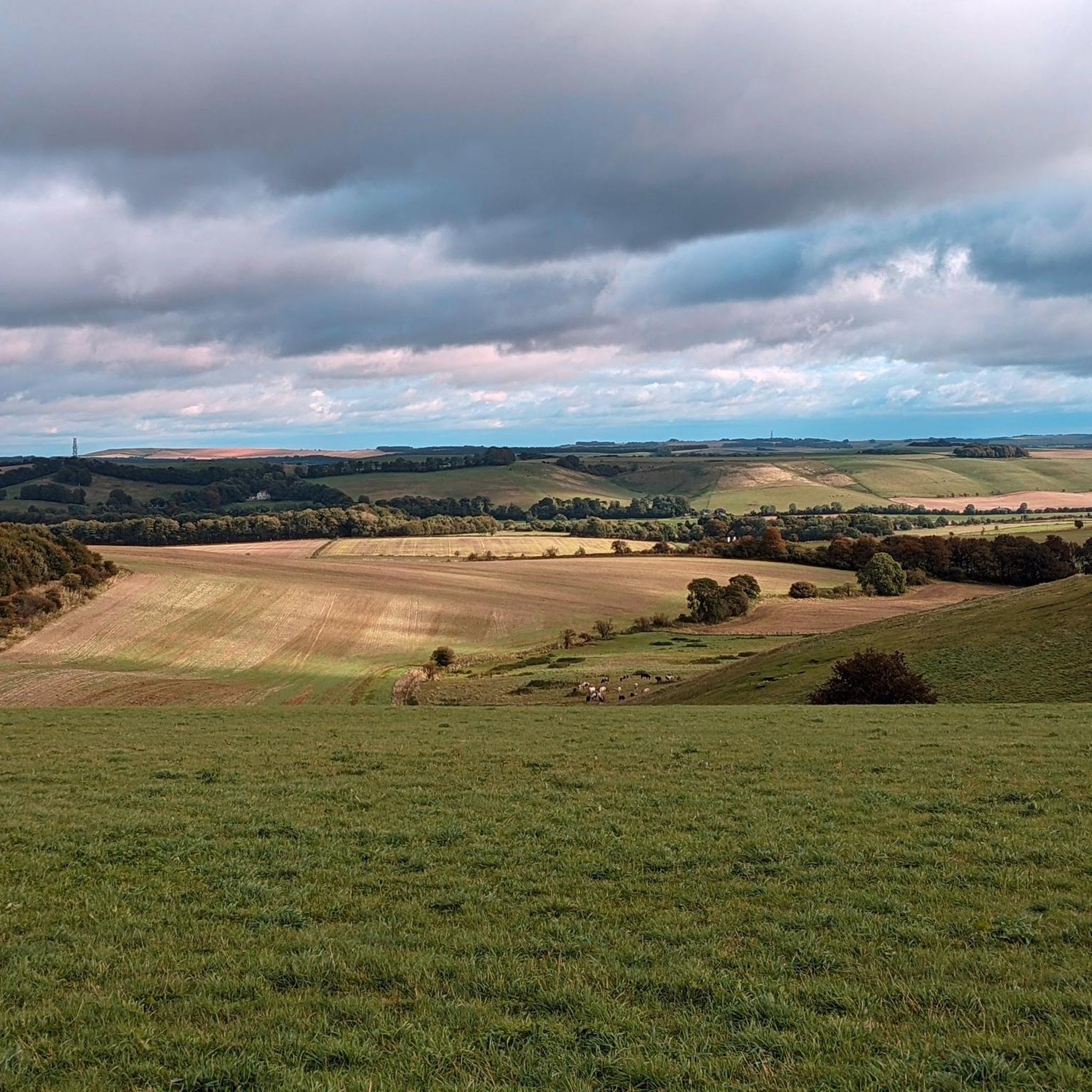
Best approached from the east by mountain bike so that you get a nice downhill to the ridgeway trail after the fort!
0
0

Hike a bike for me on my gravel bike to get up here from the west but worth it, the views are stunning and the archeology very interesting
1
0

A walk around the lake is always pleasant. Can be quite muddy at the top end in the winter/ when wet.
0
0

Badbury Hill is home to the Iron Age Badbury Camp, a circular hill fort partially leveled in the 19th century. It’s thought to be a possible site of the Battle of Mons Badonicus. The hill also has a WWII firing range on its west side. Today, Badbury Clump, a nine-acre wooded area, is known for its bluebells in May and is a popular spot for walkers and dog owners. It’s now managed by the National Trust.
2
0

Open all day and night. A very intriguing place. I sat for around half an hour one morning, had some breakfast and moved on. didn't see anybody else. found it very peaceful. unbelievable just how old it actually is.
1
0
This is a particularly scenic stretch along the Ridgeway, an ancient road which runs through right through the North Wessex Downs Area of Natural Beauty. The Ridgeway is often deemed Britain's oldest road, having been used by travellers, herdsmen and soldiers to travel cross-country since prehistoric times.
1
0

Interesting rock formations - didn't feel the need to get naked though
0
0

Wayland's Smithy is an atmospheric historic site about a mile's walk along the Ridgeway from the Uffington White Horse. A Neolithic chambered long barrow, it was once believed to have been the home of Wayland, the Saxon god of metal working. Human remains found on the site indicate that 14 people were interred in an earlier burial structure between 3590 and 3550 BC. Between 3460 and 3400 BC a second far larger barrow was constructed on top. It is the ruins of this that can be explored by visitors to the site today.
1
0
Frequently Asked Questions
What are some of the most popular natural monuments to visit around Stratton St. Margaret?
Visitors frequently enjoy exploring Wayland's Smithy Long Barrow, a significant Neolithic burial site. Another highly-rated spot is Barbury Castle Iron Age Hill Fort, which offers expansive views. Coate Water Lake and Diving Platform is also a popular choice for its nature reserve and walking paths.
Are there family-friendly natural monuments in the area?
Yes, several natural monuments are suitable for families. Wayland's Smithy Long Barrow is listed as family-friendly, offering an interesting historical experience. Coate Water Lake and Diving Platform is also great for families, with nature trails and facilities. Additionally, Badbury Clump Bluebell Woods is a popular spot for walks with children, especially in May when the bluebells are in bloom.
What kind of natural features can I expect to see around Stratton St. Margaret?
The area boasts diverse natural features. You can find woodlands like Stratton Woods, which is a County Wildlife Site with wildflower meadows and seasonal ponds. There are also aquatic habitats at Claridges Park and Church's Park, the latter being important for Great Crested Newts. The River Cole and other local watercourses provide vital green corridors supporting wildlife like otters and kingfishers. Additionally, you'll encounter historical natural features such as ancient earthworks and hill forts.
Are there historical natural features or archaeological sites to explore?
Absolutely. Stratton St. Margaret is rich in historical natural features. You can visit Wayland's Smithy Long Barrow, a Neolithic chambered tomb. Barbury Castle Iron Age Hill Fort and Liddington Castle Hillfort are also significant Iron Age sites offering historical insights and panoramic views. The region also has prehistoric earthworks, including a 'Highworth Circle' found at Stratton Park, dating back to the medieval period.
What outdoor activities can I do near these natural monuments?
You can enjoy various outdoor activities. For hiking, there are routes like the Stanton Lake loop or longer trails through woodland areas. If you're into cycling, you'll find road cycling routes such as the 'Smooth Rural Road – View of White Horse Hill loop' or gravel biking options like the 'Savernake Forest Gravel Track'. You can find more details on these activities and specific routes in the hiking guide, road cycling guide, and gravel biking guide for Stratton St. Margaret.
Are there good viewpoints among the natural monuments?
Yes, several natural monuments offer excellent viewpoints. From Barbury Castle Iron Age Hill Fort, you can enjoy extensive views over the landscape, including the Cotswolds and the River Severn on clear days. Liddington Castle Hillfort, being the highest point in the Borough of Swindon, also provides terrific panoramic views.
What is the best time to visit the natural attractions in Stratton St. Margaret?
The best time to visit depends on your interests. Spring, particularly May, is ideal for seeing the bluebells at Badbury Clump Bluebell Woods. The warmer months are generally pleasant for walking and enjoying the green spaces. For birdwatching, different seasons will bring different species to areas like Claridges Park and Coate Water Lake. Always check local weather conditions before your visit.
Are the natural monuments around Stratton St. Margaret dog-friendly?
Many of the natural green spaces and trails around Stratton St. Margaret are dog-friendly. For example, Badbury Clump Bluebell Woods is a popular spot for dog owners. When visiting, always ensure dogs are kept under control, especially near wildlife, and adhere to any local signage regarding leads or restricted areas.
What do visitors enjoy most about the natural monuments in this region?
Visitors particularly appreciate the blend of natural beauty and historical significance. The peaceful atmosphere of places like Stratton Woods and Claridges Park, the rich biodiversity, and the opportunities for wildlife observation are highly valued. The historical sites, such as the ancient hill forts and burial grounds, offer a unique glimpse into the past, often combined with stunning views. The community has shared over 110 photos and given more than 210 upvotes to these locations, highlighting their appeal.
Are there any hidden natural gems or lesser-known spots worth exploring?
While not 'hidden' in the traditional sense, areas like Church's Park are ecologically significant for their Great Crested Newt population, offering a unique natural feature. The various managed open spaces like Merton Fields and Meadowcroft Park, while primarily recreational, contribute significantly to the local green infrastructure and provide peaceful spots away from busier areas. Exploring the local watercourses like the River Cole can also reveal diverse wildlife in quieter settings.
What kind of terrain can I expect on walks around Stratton St. Margaret's natural monuments?
The terrain varies across the region. You can expect relatively flat paths around lakes and managed parks like Coate Water Lake. However, historical sites like Barbury Castle Iron Age Hill Fort and Liddington Castle Hillfort are located on hills, involving ascents to reach their summits. Woodland paths, such as those in Stratton Woods or Badbury Clump, can be uneven and potentially muddy, especially after rain.
Are there facilities like cafes or pubs near the natural monuments?
Yes, some natural monuments have facilities nearby. Coate Water Lake and Diving Platform has good facilities, including a cafe. For other locations, you might find cafes or pubs in the nearby villages or towns, which can be a good stop before or after your walk. It's always a good idea to check specific locations for current offerings.
Most popular routes around Stratton St. Margaret
Most popular attractions around Stratton St. Margaret

Get inspired with the komoot mobile app


Explore more
Extend your search for the best caves by checking out these guides of the top ones around Stratton St. Margaret:
