Newton Poppleford and Harpford
Newton Poppleford and Harpford
Top 20 Natural Monuments around Newton Poppleford and Harpford
Best natural monuments around Newton Poppleford and Harpford include diverse landscapes from ancient woodlands to coastal formations. This East Devon region features significant natural sites, including river valleys and heathlands. The area offers opportunities to explore geological formations and observe varied ecosystems.
Best natural monuments around Newton Poppleford and Harpford
- The most popular natural monuments is Otter Estuary Nature Reserve, a natural monument known for its marshes and significant birdwatching opportunities. The birdlife is concentrated at the estuary mouth,…
Last updated: October 3, 2026
Otter Estuary Nature Reserve
Highlight (Segment) • Natural Monument
Tip by

Ladram Bay Sea Stacks
Highlight • Viewpoint
Tip by

Sign up now to discover places like this
Get recommendations on the best single tracks, peaks, & plenty of other exciting outdoor places.
Woodbury Castle — Iron Age hillfort
Highlight • Forest
Tip by
Otterton Ledge
Highlight • Natural Monument
Tip by

High Peak Trig Point
Highlight • Summit
Tip by

Sign up for free to discover even more natural monuments around Newton Poppleford and Harpford.
Already have an account?
Start today with a free account
Your next adventure awaits.
Popular around Newton Poppleford and Harpford
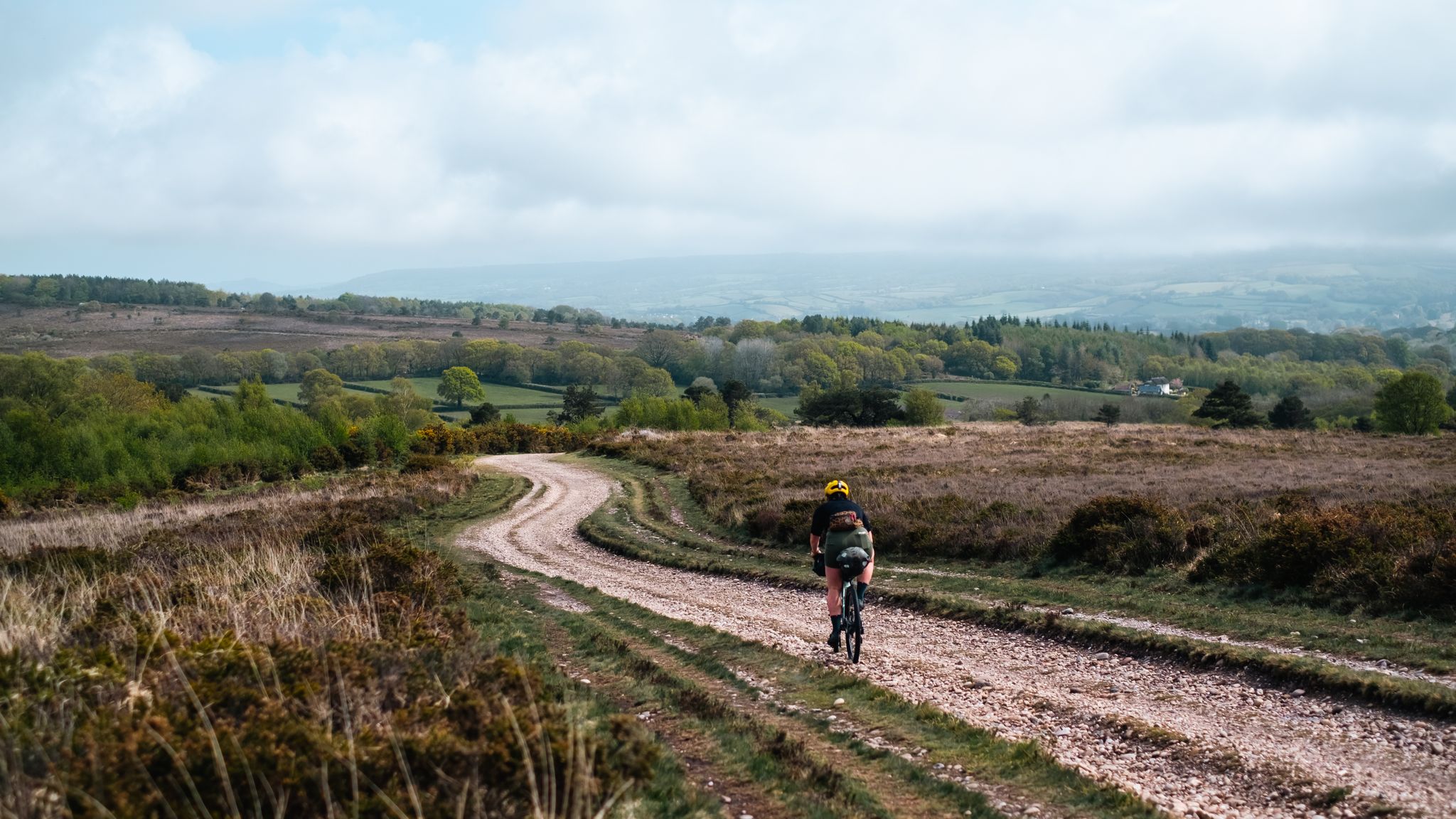
East Devon Trail — wildlife spotting from coast to country
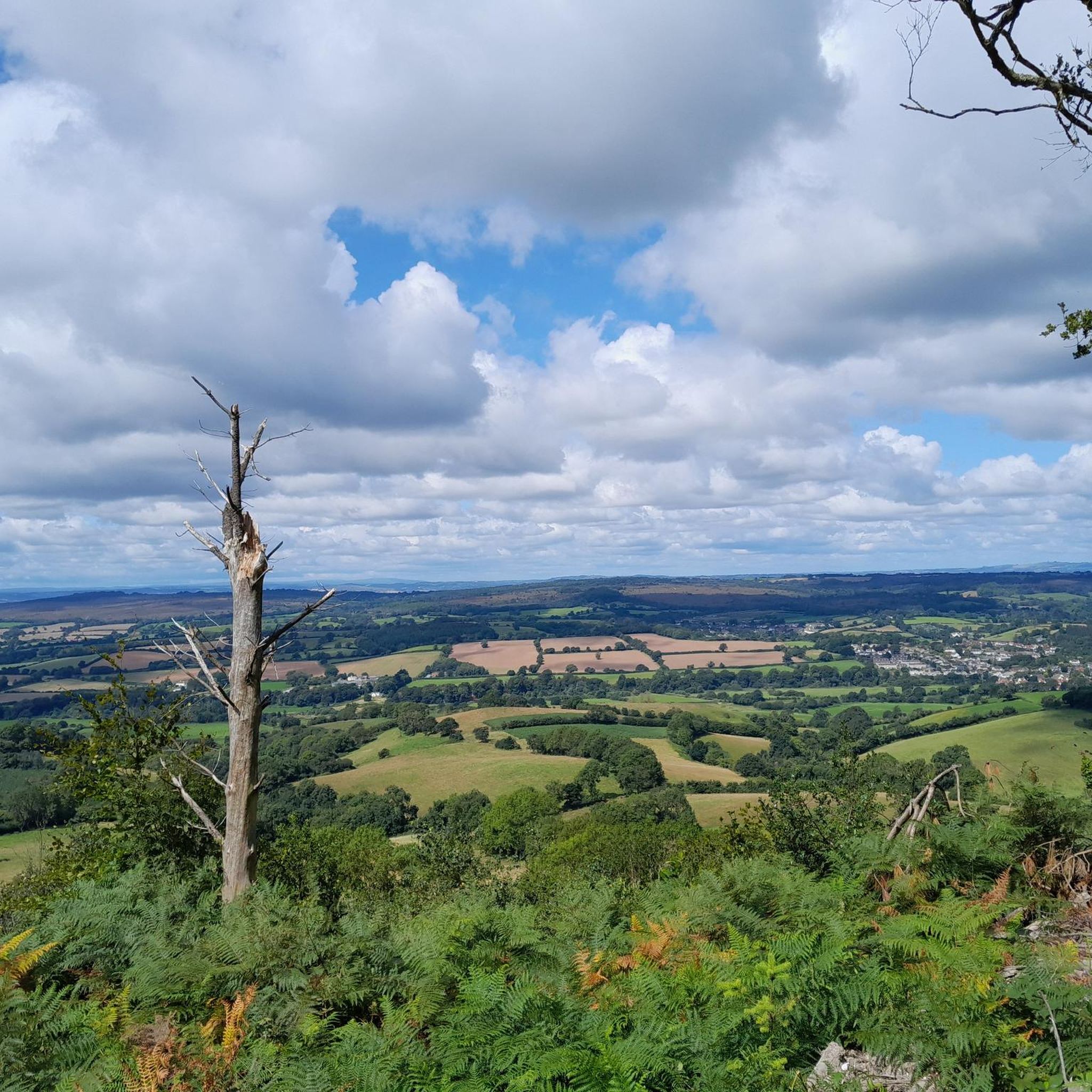
Road Cycling Routes around Newton Poppleford and Harpford
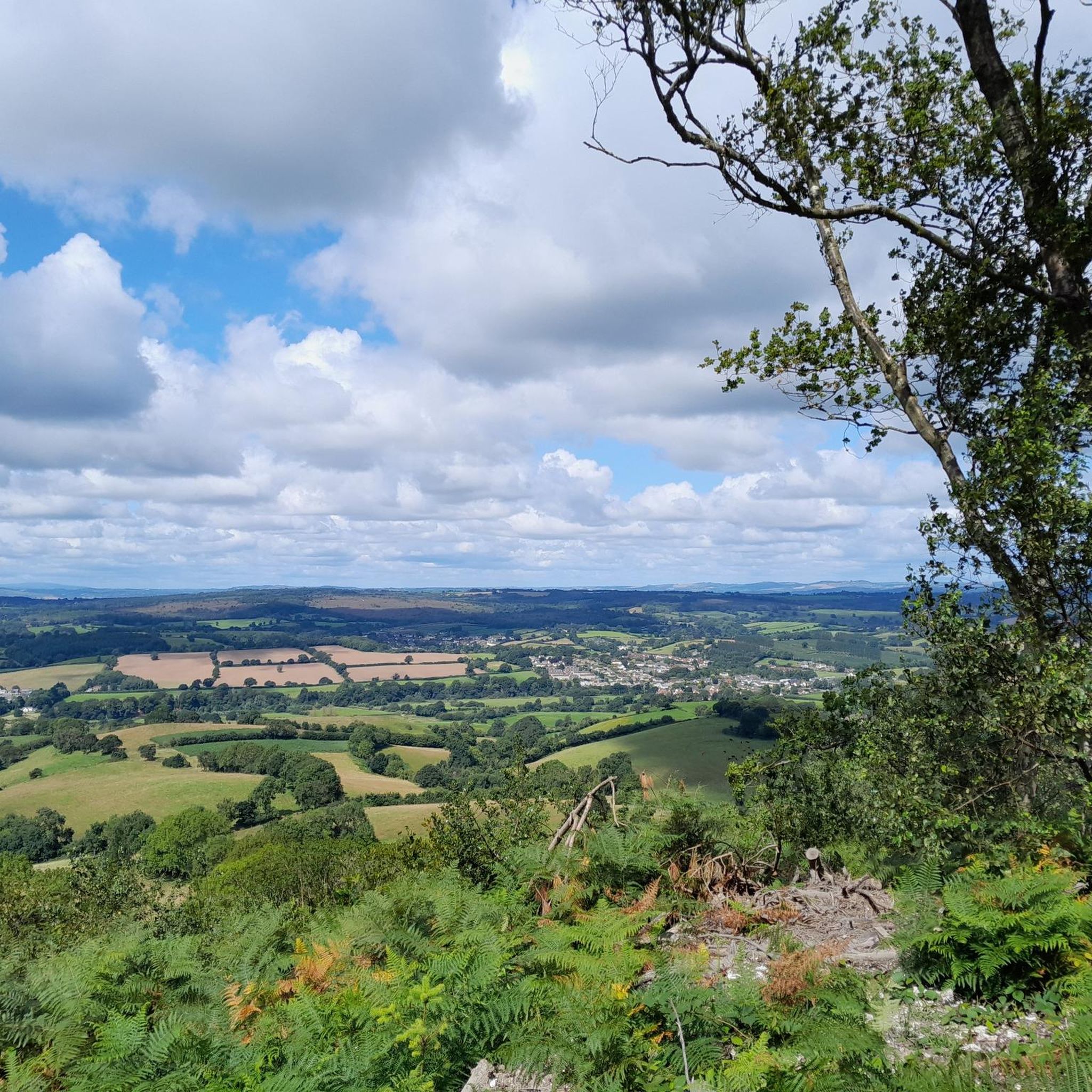
Hiking around Newton Poppleford and Harpford
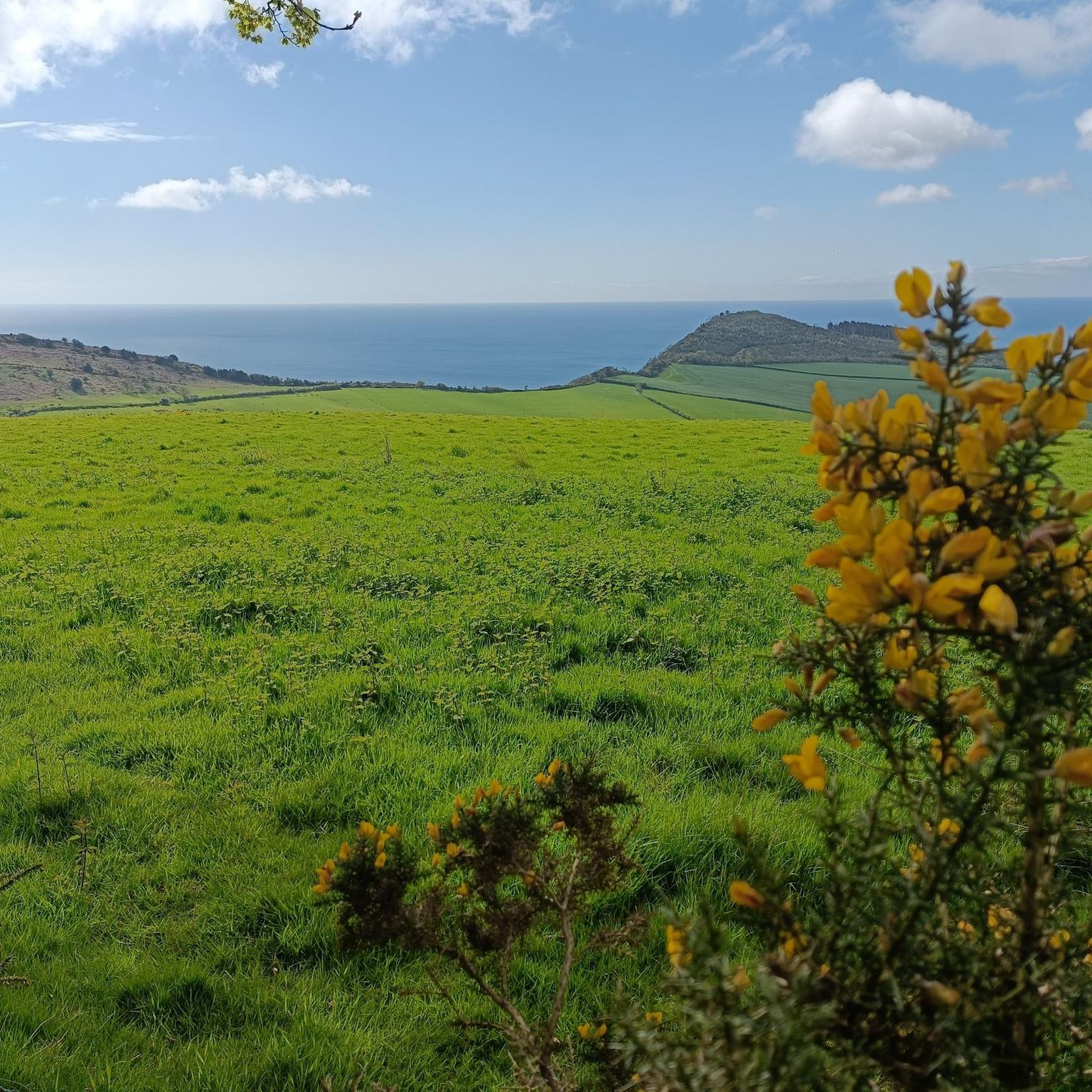
Running Trails around Newton Poppleford and Harpford
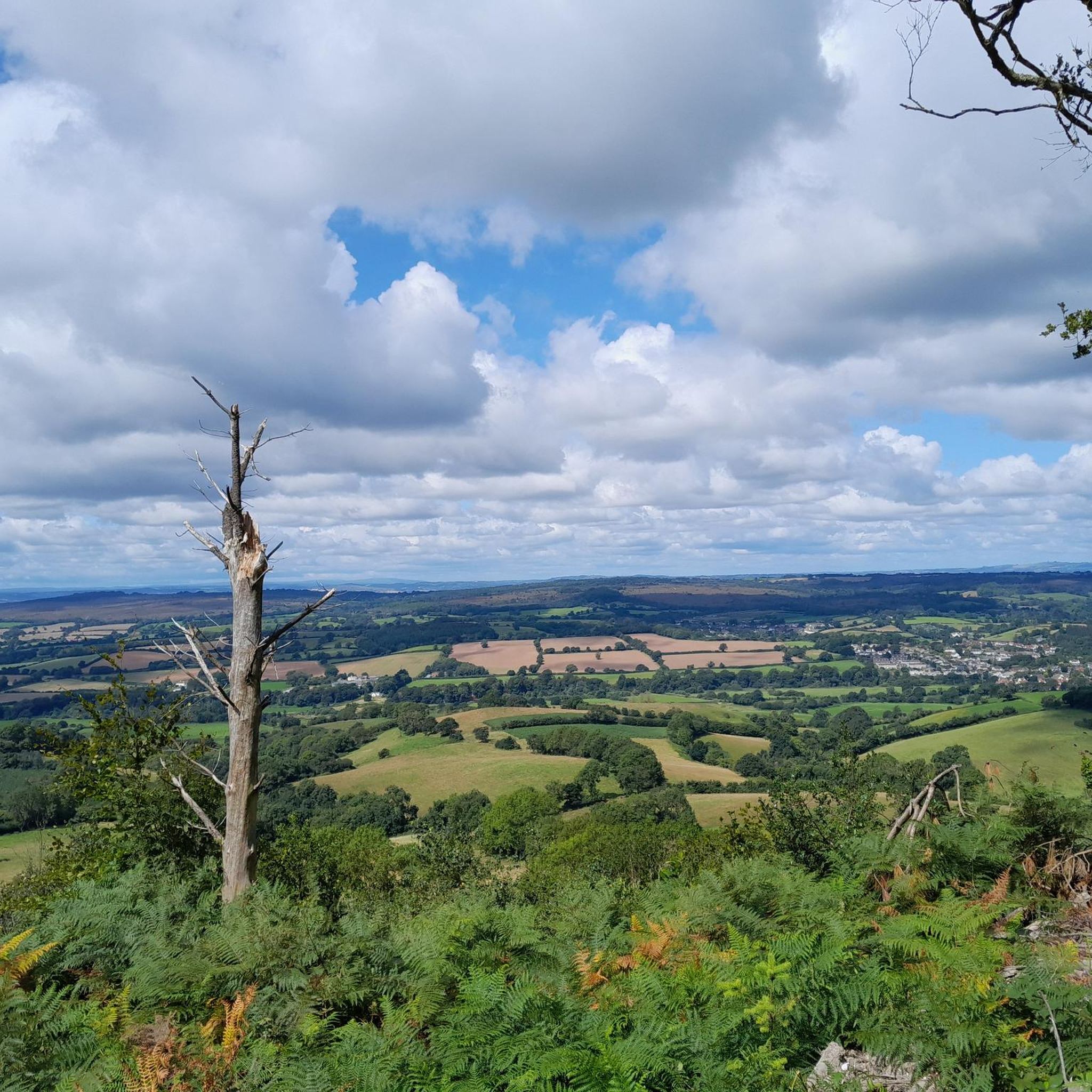
MTB Trails around Newton Poppleford and Harpford
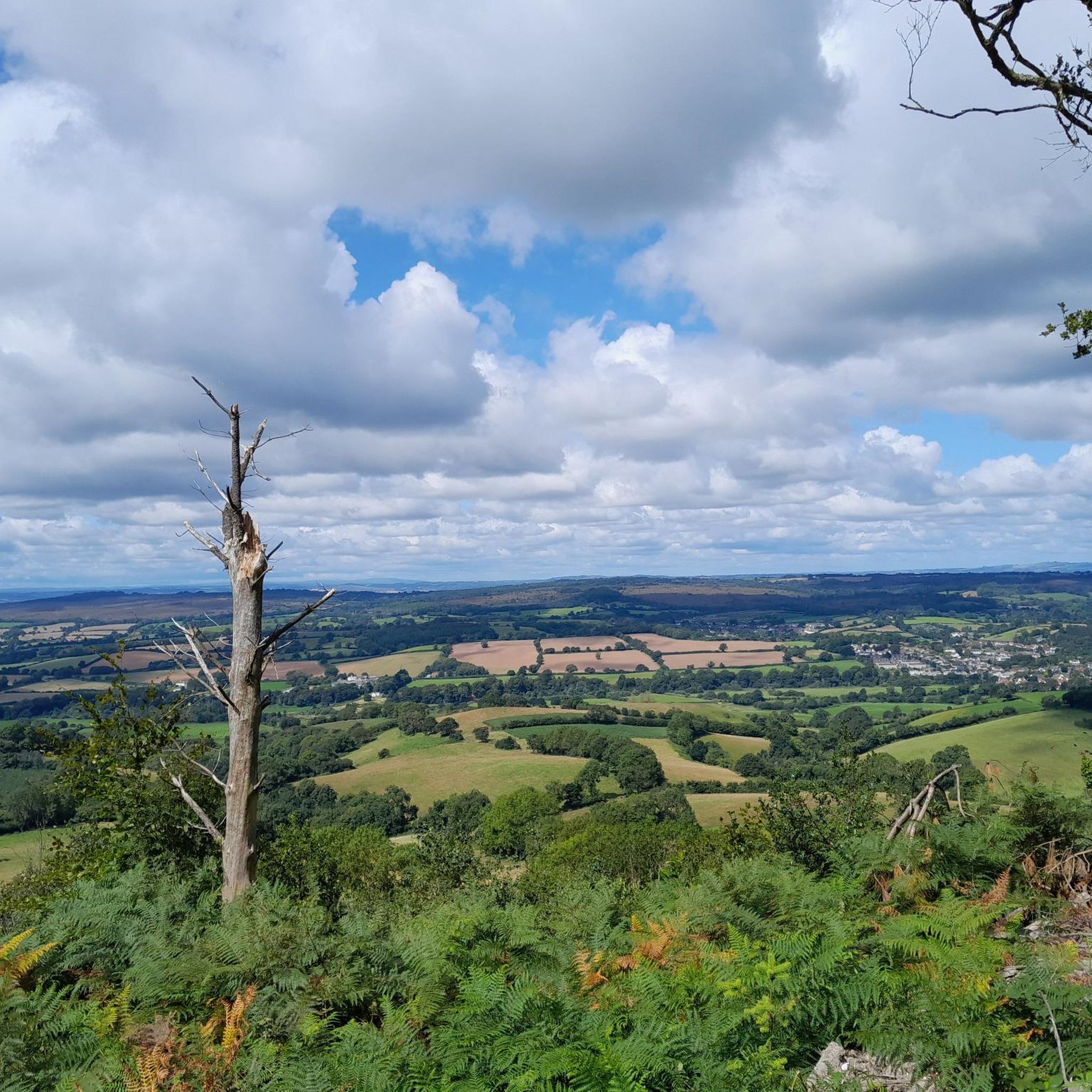
Cycling around Newton Poppleford and Harpford
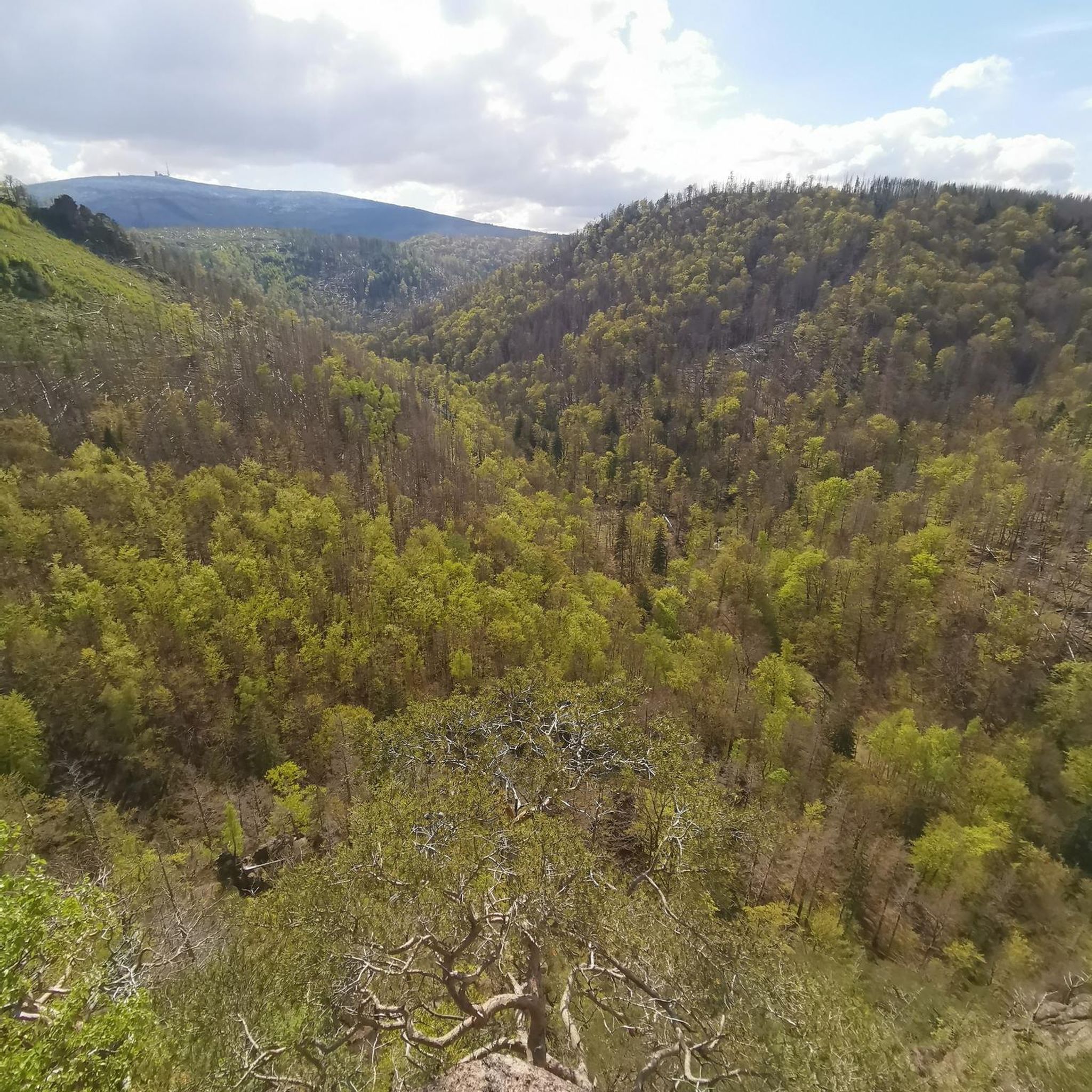
Gravel biking around Newton Poppleford and Harpford
Other adventures around Newton Poppleford and Harpford

Tips from the Community

Beautiful walk and perfect opportunity to see wildlife
0
0

Quite the hike up this section after a lot of rainfall. A little tricky in places as the rain has loosened a lot of the earth, so take care going up and especially going down. Definitely the highlight of the walk, just because of the views you get at the trig point.
2
0
Ladram Bay is a secluded bay with a pebble beach. Among the most impressive sights along the Jurassic Coast are the sea stacks at Ladram Bay. The sandstones contain many vertical fractures and joints that were formed deep in the Earth's crust during past mountain building periods. The sea picked out these planes of weakness to form caves and natural arches that have since collapsed to produce sea stacks. The “Otter Sandstone” that forms the cliffs and sea stacks were deposited in a hot dry climates in the Triassic Period, about 220 million years ago. The stacks are composed of the same rock, which is relatively soft, but they have a harder band of sandstone at their base which prevents their rapid erosion by the sea. The striking red colour of the rock is caused by iron oxide, which indicate that the layers were formed in a desert. The presence of ripple marks and channels in the sandstones, together with the remains of the long-extinct plants, insects, fish, amphibians and reptiles, show that the desert was crossed by fertile river valleys.
1
0
Amazing views across to Dorset, on a clear day can see so much of the Jurassic coastline
2
0
With over 120 species of bird recorded on the site, the River Otter Estuary Nature Reserve is the perfect place for bird watching. The estuary covers around 33 hectares and is a designated site of Special Scientific Interest. The Otter Estuary has an intertidal habitat of mudflats and saltmarshes, making it an ideal home for a number of fish, birds and other marine life. If you have a keen eye, you can often spot things such as mud shrimps and a host of wading birds like the Ringed Plover, Curlew, Black tailed Godwit, Dunlin, Common Sandpiper, Redshank and Brent Goose. Occasionally, you’ll find rarer birds including avocet and glossy ibis. Whatever time of year you visit, you’ll spot something new depending on the birds migratory habits, so every trip is a unique experience. As well as birds, the estuary is a great place for spotting otters and is home to England’s first population of native wild beavers. Around ten years ago, beavers reappeared on the River Otter and now there is a happy and healthy colony of beavers living at the estuary. While visiting, be sure to follow these guidelines: Be considerate of other users, make way when paths are narrow and be quiet and respectful when exploring Take all your litter with you Do not approach any wildlife Keep dogs under control, especially around other people and wildlife Always bag and bin dog waste Cycling is not permitted Watersports are only for the beach, not the estuary to protect wildlife, so please launch any boards or paddles from the beach. Only use the designated areas for BBQs and picnics
2
0


Beautiful views of the river estuary, Otter and Budleigh Salterton
2
0

From Sidmouth, it is a good consistent climb up to Peak Hill and it levels off for a bit before a little stairway up to High Peak Trig. Great views or tap and turn around.
1
0
Frequently Asked Questions
What are some of the most popular natural monuments to visit in Newton Poppleford and Harpford?
The region offers a variety of highly-rated natural monuments. Among the most popular are the Otter Estuary Nature Reserve, known for its significant birdwatching opportunities, and the dramatic Ladram Bay Sea Stacks, an awe-inspiring geological formation along the Jurassic Coast. Visitors also frequently enjoy Budleigh Salterton Beach, a beautiful pebble beach overlooked by red sandstone cliffs.
Are there any natural monuments suitable for families in the Newton Poppleford and Harpford area?
Yes, several natural monuments are family-friendly. The Otter Estuary Nature Reserve offers easy walks and birdwatching, which can be engaging for children. Budleigh Salterton Beach is also a great option for families, with its clean bathing water and nearby amenities. Additionally, Woodbury Castle — Iron Age hillfort provides an interesting historical and natural exploration opportunity for all ages.
Where can I go for wildlife spotting near Newton Poppleford and Harpford?
For excellent wildlife spotting, head to the Otter Estuary Nature Reserve. Its marshes are a brilliant place for birdwatching, especially at the estuary mouth, where you can see wintering wildfowl and waders like redshank and curlew. Reed warblers and sedge warblers also breed here. Aylesbeare Common is another prime location, teeming with butterflies, dragonflies, and various bird species like Dartford Warblers and Nightjars.
What kind of geological features can I explore in this region?
The area is rich in geological wonders. The Ladram Bay Sea Stacks are a dramatic example of erosion, formed from 220-million-year-old red 'Otter Sandstone'. You can also observe a wave-cut platform at Otterton Ledge, where the sea has eroded cliffs to expose the rocky seabed. The striking red sandstone cliffs are also prominent at Budleigh Salterton Beach.
Are there any historical natural monuments in the area?
Yes, Woodbury Castle — Iron Age hillfort is a significant historical natural monument. This ancient Iron Age hillfort is cloaked in beech trees and sits high on beautiful heathland, offering exceptional earthworks and interpretation boards explaining its archaeological importance. It's a fascinating blend of history and nature within the Pebblebed Heaths Conservation Area.
What are the best places for walking or hiking near the natural monuments?
There are many excellent walking opportunities. Harpford Wood features a disused Victorian railway line transformed into a peaceful footpath, part of National Cycle Network Route 248. The River Otter offers a serene footpath between its estuary and Otterton Mill. For easy hikes, consider routes like the 'Aylesbeare Common – Aylesbeare Common loop' or the 'Harpford Woods – Redbridge Over the River Otter loop'. You can find more hiking options on the Easy hikes around Newton Poppleford and Harpford guide.
Can I find cycling routes that pass by natural monuments?
Absolutely. Harpford Wood incorporates a section of the National Cycle Network Route 248 along its old railway line. For more dedicated cycling, you can explore routes in the wider area. Check out the MTB Trails around Newton Poppleford and Harpford guide or the Gravel biking around Newton Poppleford and Harpford guide for various options, some of which will take you through or near the region's natural beauty spots.
What makes Harpford Wood a unique natural monument?
Harpford Wood is unique due to its blend of ancient broadleaf woodland and 20th-century conifer plantations, alongside a disused Victorian railway line now reclaimed by nature. This 'ghost railway' serves as a vital wildlife corridor and footpath. Its geological 'duality' supports a rich ecological mosaic, benefiting numerous butterfly species and hosting spectacular ferns and mosses. The almost gorge-like sheer sides and rich-red soil create unique lighting and colors.
Are there any natural monuments with good viewpoints?
Yes, several natural monuments offer stunning views. Ladram Bay Sea Stacks provides sublime views towards Sidmouth. Otterton Ledge is another excellent viewpoint, offering vistas of the wave-cut platform and the coastline. The cliffs above the River Otter also provide scenic views across the floodplain and organic dairy fields.
What is the best time of year to visit the natural monuments in Newton Poppleford and Harpford?
The best time to visit depends on your interests. Spring and summer are ideal for observing butterflies and birds, especially at Harpford Wood and Aylesbeare Common, where you can spot species like Silver-washed Fritillary or Dartford Warblers. The warmer months are also pleasant for coastal walks and enjoying beaches like Budleigh Salterton Beach. Autumn offers beautiful foliage in woodlands, while winter can provide tranquil, crisp walks and opportunities to see wintering wildfowl at the Otter Estuary Nature Reserve.
Are there any natural monuments that are particularly good for birdwatching?
The Otter Estuary Nature Reserve is outstanding for birdwatching, especially at the estuary mouth, where you can find a significant population of wintering wildfowl and waders. Aylesbeare Common is also a prime birdwatching location, hosting Dartford Warblers and Stonechats in summer, and Nightjars at dusk.
What kind of landscape can I expect at Aylesbeare Common?
Aylesbeare Common is an expansive area of picturesque heathland within the East Devon Area of Outstanding Natural Beauty. It's characterized by open landscapes dominated by gorse and heather, with woodland fringes, streams, and ponds. This diverse habitat supports a rich variety of wildlife, including rare insects like the Southern Damselfly and Silver-Studded Blue butterfly.
Most popular routes around Newton Poppleford and Harpford
Most popular attractions around Newton Poppleford and Harpford

Get inspired with the komoot mobile app


Explore more
Extend your search for the best caves by checking out these guides of the top ones around Newton Poppleford and Harpford:
