Top 10 Natural Monuments around Alsager
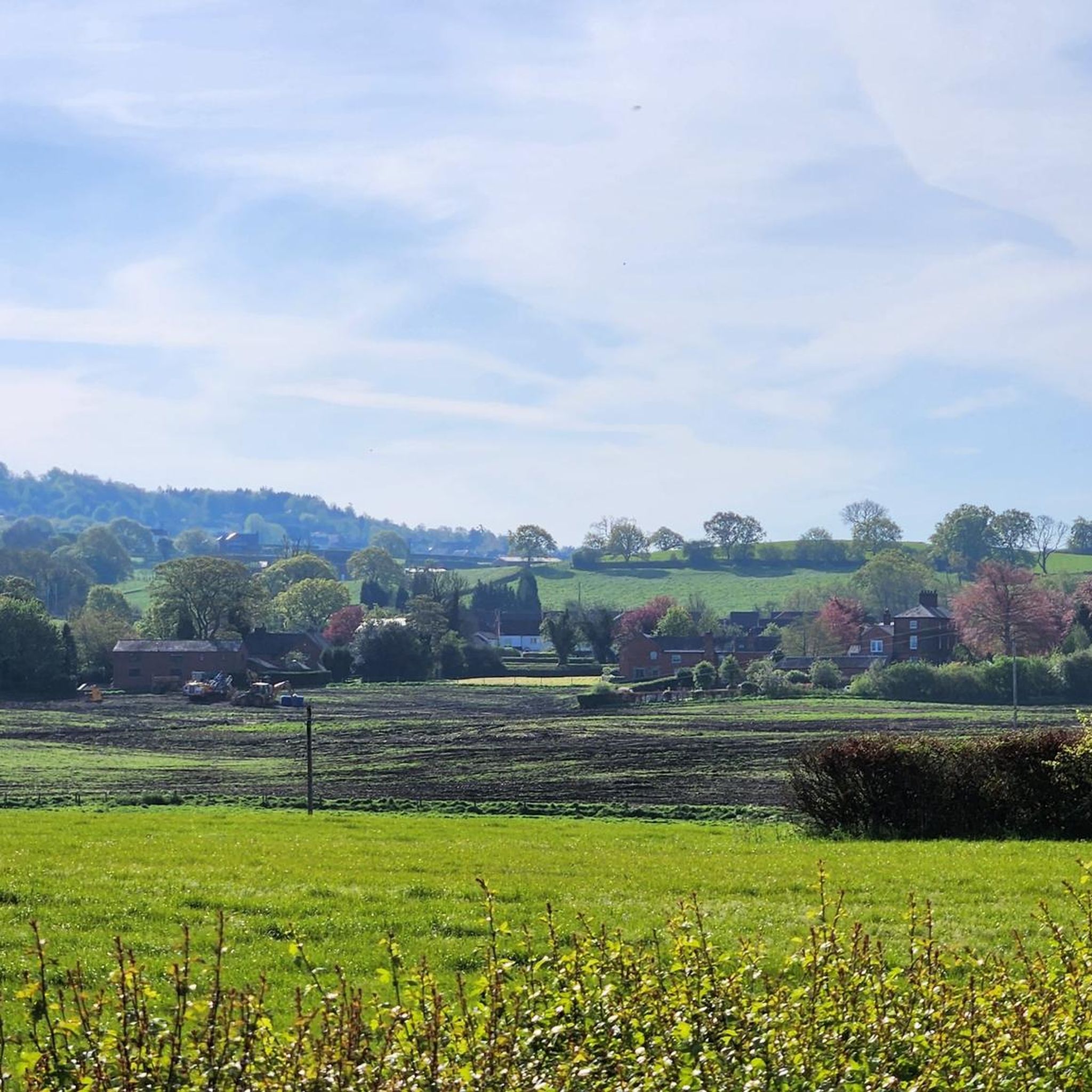
Best natural monuments around Alsager are found within Cheshire East, an area characterized by serene landscapes and notable viewpoints. The region offers a blend of natural beauty and historical features, contributing to its natural heritage. Visitors can explore diverse environments, from tranquil lakes and ancient woodlands to elevated positions offering panoramic views. These natural features provide opportunities for outdoor activities and engagement with the local environment.
Best natural monuments around Alsager
- The most popular natural monuments is Knypersley Reservoir Conservation…
Last updated: June 30, 2026
Gawton's Cave
Highlight • Natural Monument
I …
Tip by

The Grotto and Gene's Grave
Highlight • Structure
Tip by
Sign up now to discover places like this
Get recommendations on the best single tracks, peaks, & plenty of other exciting outdoor places.
Sign up for free
Ford Green Reed Bed
Highlight • Natural Monument
It has been designated because large numbers of …
Tip by
Parrot's Drumble Nature Reserve
Highlight • Forest
Parrot's Drumble is one of the Trust’s finest ancient woodland nature reserves. Ancient woodland is a phrase used to describe woodlands that have been continuously covered by …
Tip by
Knypersley Reservoir Conservation Area
Highlight • Natural Monument
Tip by
Sign up for free to discover even more natural monuments around Alsager.
Sign up for free
Already have an account?
Start today with a free account
Your next adventure awaits.
Login or Signup
Tips from the Community

Amazing little find whilst on the walk... makes you wonder!
0
0

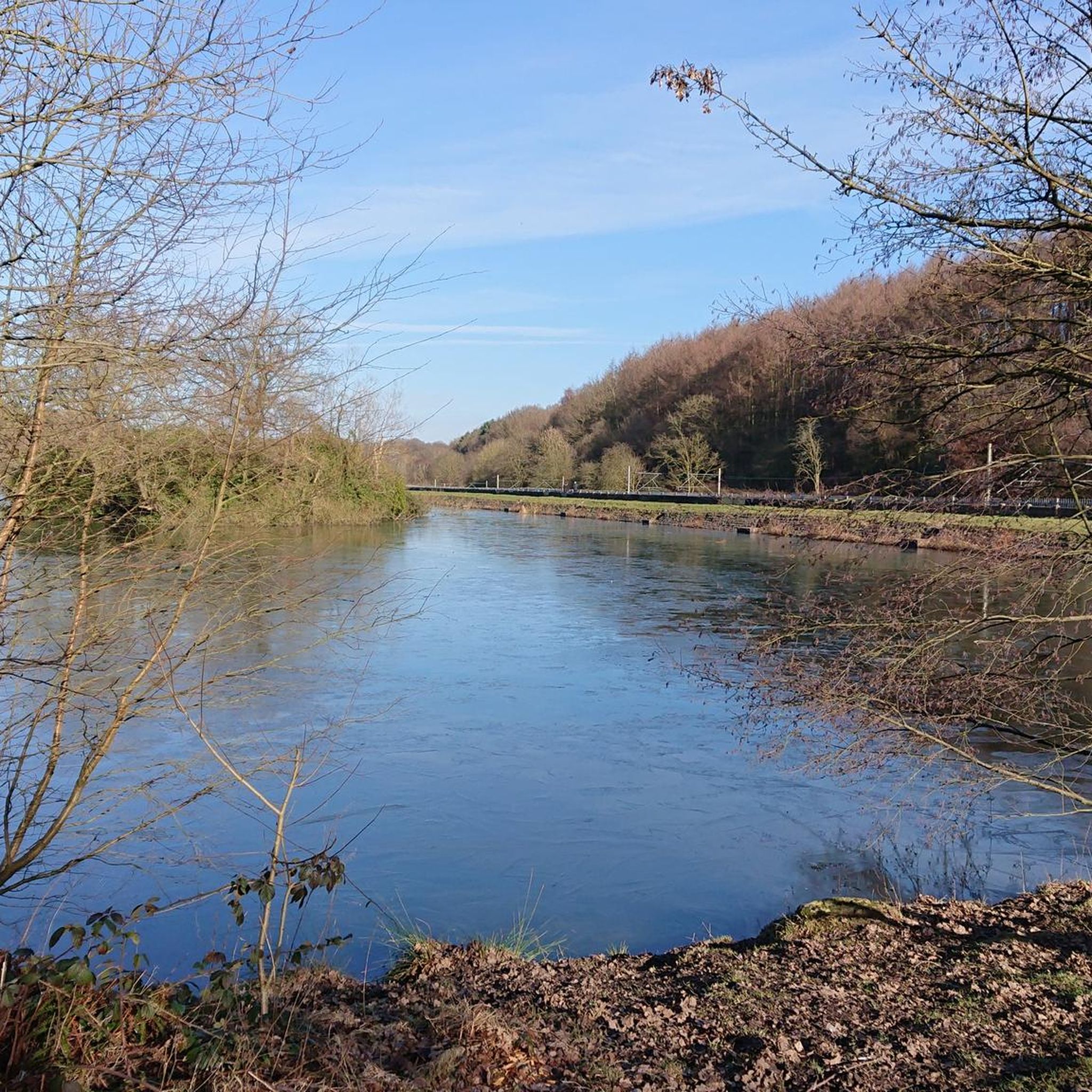
The Ford Green Reed Bed is a Site of Special Scientific Interest, designated because of the large numbers of swallows that gather there before migrating at the end of the summer.
1
0

It's nice to reserve sections to the wildlife. The public still benefit as we are able to enjoy more species upon our visit.
2
1
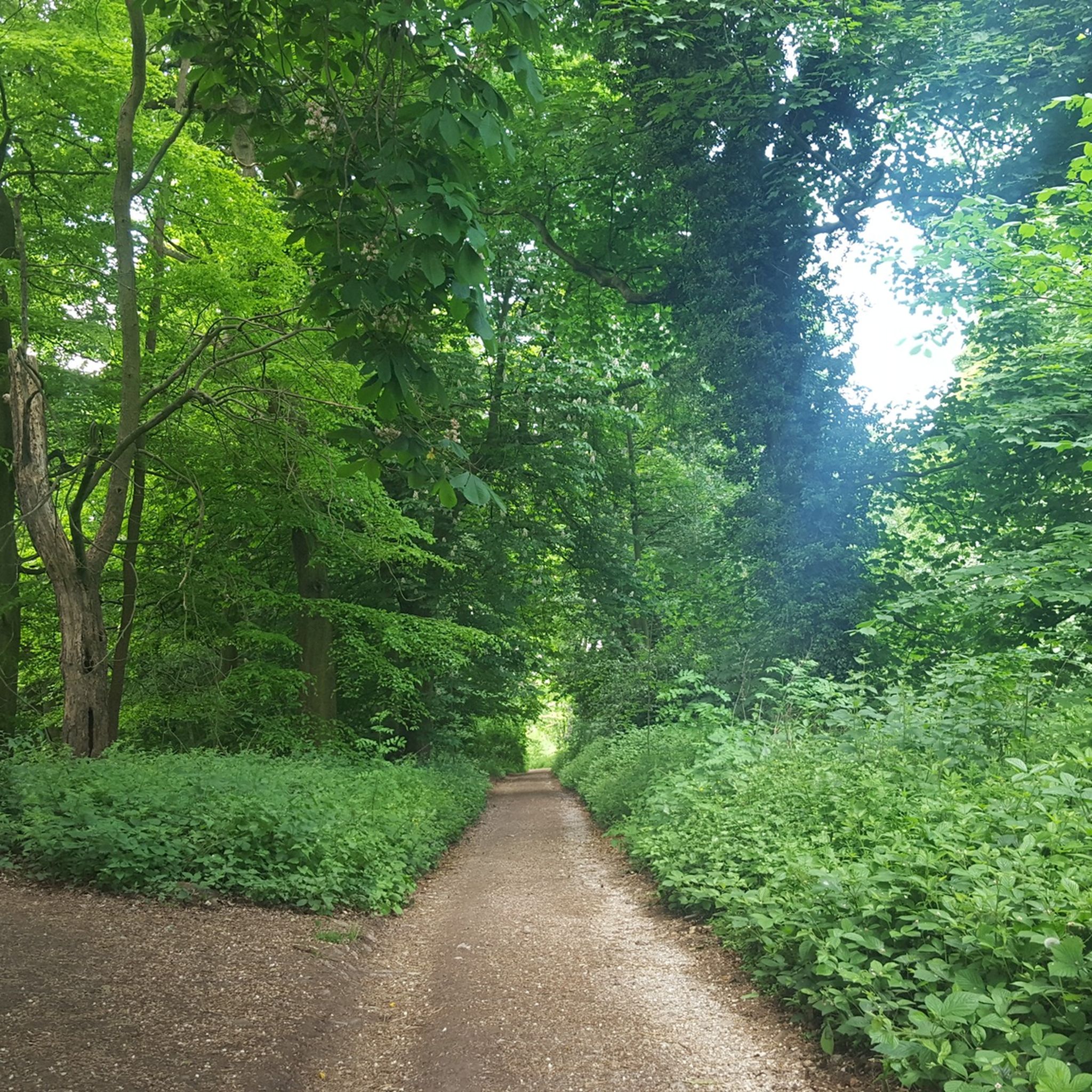
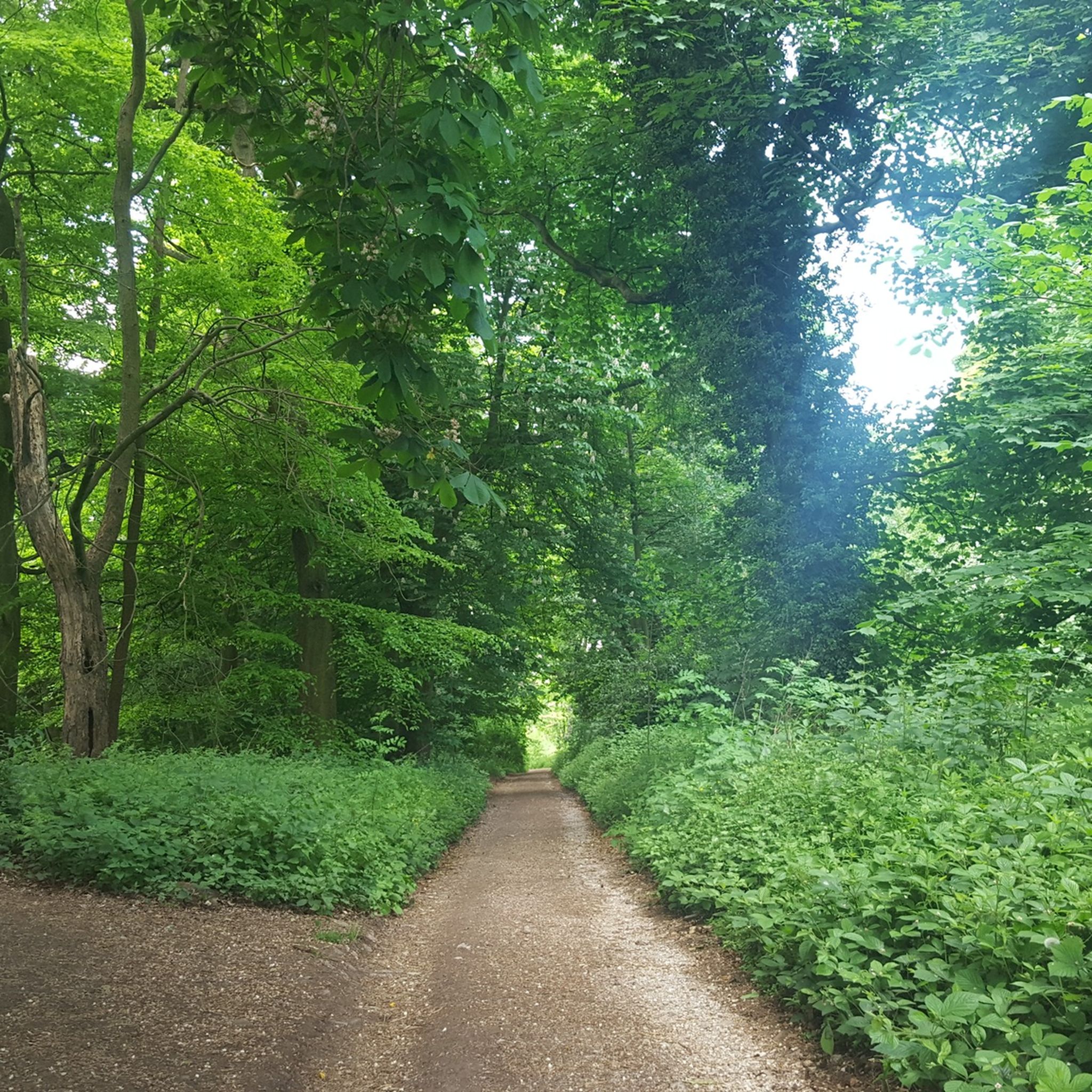
An ancient place Parrot's Drumble is one of the Trust’s finest ancient woodland nature reserves. Ancient woodland is a phrase used to describe woodlands that have been continuously covered by trees since the 1600’s. That doesn’t mean the trees here are 400 years old (most of the trees here are significantly younger than that!), but it does mean that for the last 400 years there has always been woodland on this land. This has enabled special woodland plants to become established and thrive. As well as the carpets of bluebells In spring you will also see dog’s mercury, wood anemone, yellow archangel and wood sorrel. Moschatel, more commonly known as Town Hall Clock, can be easily overlooked – look carefully for its pale green ‘square’ flower heads. You won’t find many of these flowers in more recently planted woodlands. So, where are the Parrots? The reserve derives it’s unusual name from a combination of its previous owners, the Parrot family, and a local term for a stream running through a wooded valley, drumble. You may not see anything quite as colourful as a parrot but the woodland is a wonderful place for birds, particularly in spring when an early morning walk would reward you with the wonderful sounds of the dawn chorus. Listen out for blue tits, willow tits, wrens and willow warblers. Both greater and lesser spotted woodpeckers are found here – listen out for them pecking holes in the tree trunks as they look for insects. Nuthatches and tree creepers can often be seen spiralling up and down the trunks of the mature trees. Unwanted visitor There are many different types of trees within the reserve: oak, hazel, birch, rowan and ash, with willow and alder in the wetter areas along the stream. A number of additional tree species have been planted at some time in the past. You’ll easily notice the large beech trees as you enter the reserve and the row of poplars along the boundary. But you may not notice the Turkey oak. Easily mistaken for our native oak Turkey oak was introduced by the Victorians for it’s timber. Unfortunately the timber was found to be unsuitable for outdoor use – warping and splitting as it seasons! Once planted however Turkey oak spreads easily and crosses (hybrdisies) with our own native oak. It is also of less value to wildlife – over 400 species of insects and fungi use our native oak. As part of the management of the woodland we aim to prevent Turkey oak from hybridising and ensure that the native oaks regenerate to provide future mature trees. Naturally appealing (or not)? Don’t be alarmed by the colour of the stream! The Valley Brook is contaminated by iron-oxide leaching from historic mineworkings in the area. Despite its startling appearance there is still an abundance of bankside vegetation with marsh marigolds, golden saxifrage and horsetails. Source: staffs_wildlife
12
0
The Ford Green Reed Bed at the south end of the site is one of Stoke-on-Trent's two Sites of Special Scientific Interest. It has been designated because large numbers of swallows gather there before leaving the country at the end of the summer.
9
0
I have read that the 2 arches are tufa arches. That is, made of a soft, porous limestone.
4
0
An awesome dolmen to which is attributed healing powers should one lie within it. Legend would have it that the local hermit, Gawton resided here.
13
0
Frequently Asked Questions
Are there family-friendly natural monuments to visit near Alsager?
Yes, several natural monuments around Alsager are suitable for families. Knypersley Reservoir Conservation Area offers a nature reserve experience with sections dedicated to wildlife, which can be engaging for children. Ford Green Reed Bed is another family-friendly natural monument, notable for its birdlife, especially swallows gathering before migration. Additionally, Parrot's Drumble Nature Reserve, an ancient woodland, is great for exploring nature with kids, offering opportunities to spot various plants and birds.
What kind of natural features can I expect to see around Alsager?
The Alsager area boasts diverse natural features. You can explore ancient woodlands like Parrot's Drumble Nature Reserve, tranquil lakes such as Alsager Lake, and significant reed beds like Ford Green Reed Bed. There are also unique geological formations like Gawton's Cave and the rare bog habitat of Wybunbury Moss National Nature Reserve.
Are there any natural monuments with historical significance near Alsager?
Yes, the region combines natural beauty with historical elements. While a folly, Mow Cop Castle is a famous landmark on a moorland ridge offering panoramic views. Wedgwood's Monument on Bignall Hill provides sweeping 360-degree vistas and is a stone monument with historical ties. The Grotto and Gene's Grave is a historical site featuring two tufa arches and a walk through to a nature reserve, blending man-made history with natural surroundings.
Where can I find panoramic views of the surrounding landscape?
For breathtaking panoramic views, consider visiting Mow Cop Castle, which offers 'jaw-dropping' vistas of the Staffordshire moorlands and the Cheshire Plain. Another excellent spot is Wedgwood's Monument on Bignall Hill, providing 360-degree views stretching from Cannock Chase to the Peak District and even the mountains of North Wales on a clear day.
What outdoor activities can I do near these natural monuments?
The area around Alsager offers various outdoor activities. You can enjoy easy hikes, such as the 'Lawton Woods – Lawton Hall loop' or the 'Salt Line Trail Entrance – Trent and Mersey Canal loop'. For cycling enthusiasts, there are routes like the 'Holly Trees Hotel – Audlem Village loop' or the 'Salt Line Trail Entrance – Wheelock Rail Trail loop'. Gravel biking options are also available, including the 'Biddulph Valley Way – Biddulph Valley Way loop'. You can find more details on these activities and routes in the Alsager guide pages.
Are there any nature reserves for wildlife spotting?
Absolutely. Knypersley Reservoir Conservation Area is a nature reserve with dedicated sections for wildlife, allowing visitors to observe various species. Ford Green Reed Bed is a Site of Special Scientific Interest, particularly known for large numbers of swallows gathering before migration. Wybunbury Moss National Nature Reserve is recognized for its rare bog habitat and offers excellent opportunities for wildlife spotting.
What are some unique natural formations or features in the area?
The Alsager area features several unique natural formations. Gawton's Cave is described as an 'awesome dolmen' with local legends attributing healing powers to it. The Grotto and Gene's Grave features two distinctive tufa arches. Wybunbury Moss National Nature Reserve is home to a rare 'schwingmoor' bog habitat, which is a floating mat of vegetation over water.
Are the natural monuments around Alsager dog-friendly?
Many natural monuments in the Alsager area are dog-friendly. For instance, Knypersley Reservoir Conservation Area and Gawton's Cave are listed as dog-friendly, making them great options for walks with your canine companion. Always ensure dogs are kept on a lead where necessary, especially in nature reserves to protect wildlife.
What is the best time to visit the natural monuments around Alsager?
The best time to visit depends on your interests. Spring offers vibrant displays of wildflowers, particularly bluebells in ancient woodlands like Parrot's Drumble Nature Reserve, and the dawn chorus for birdwatchers. Late summer is ideal for observing swallows at Ford Green Reed Bed before their migration. Autumn provides beautiful foliage, while winter can offer peaceful, crisp walks, though some paths might be muddy.
Are there any ancient woodlands to explore?
Yes, Parrot's Drumble Nature Reserve is one of the region's finest ancient woodland nature reserves. These woodlands have been continuously covered by trees since the 1600s, allowing special woodland plants to thrive. You can find carpets of bluebells in spring, along with other unique flora and a variety of bird species.
What do visitors enjoy most about the natural monuments in Alsager?
Visitors frequently appreciate the serene landscapes and opportunities for wildlife observation. The peaceful walking trails around Alsager Lake and the diverse birdlife at Knypersley Reservoir Conservation Area are often highlighted. The unique historical and natural blend of sites like Gawton's Cave and The Grotto and Gene's Grave also captivate visitors with their stories and natural beauty.
Are there any natural monuments accessible via longer walking trails?
Wybunbury Moss National Nature Reserve, known for its rare bog habitat, is accessible via the South Cheshire Way. This provides an opportunity to combine a longer walk with a visit to a unique ecological site.
Most popular routes around Alsager
Most popular attractions around Alsager

Get inspired with the komoot mobile app


Explore more
Extend your search for the best caves by checking out these guides of the top ones around Alsager:
