Top 6 Natural Monuments around Stoke Rivers
Natural monuments around Stoke Rivers offer diverse landscapes and historical features within the North Devon district. The area serves as a gateway to significant natural attractions, providing opportunities for outdoor exploration. These sites include ancient barrows, historical earthworks, and elevated viewpoints. The region's geography features moorland, woodlands, and coastal cliffs, making it suitable for nature enthusiasts.
Best natural monuments around Stoke Rivers
- The most popular natural monuments is Wood Barrow, a natural monument that sits at an elevation of…
Last updated: June 30, 2026
Wistlandpound Reservoir Bird Hide
Highlight • Viewpoint
Tip by

Shoulsbury Castle Earthworks
Highlight • Historical Site
Tip by

Sign up now to discover places like this
Get recommendations on the best single tracks, peaks, & plenty of other exciting outdoor places.
Sign up for free
Wood Barrow
Highlight • Natural Monument
Tip by

Chains Barrow Trig Point
Highlight • Viewpoint
Tip by

Coddon Hill Climb
Highlight (Segment) • Viewpoint
Tip by

Sign up for free to discover even more natural monuments around Stoke Rivers.
Sign up for free
Already have an account?
Start today with a free account
Your next adventure awaits.
Login or Signup

Tips from the Community

This is a Bronze Age bowl barrow in private ownership that used to serve as a boundary marker for Exmoor Forest.
0
0
Chains Barrow is only 32 meters lower in elevation than Dunkery Beacon, the highest point on Exmoor. The trig point is surrounded by a fence and is located just above a Bronze Age bowl barrow.
1
0
This Bronze Age barrow sits at an elevation of 480 meters above sea level, right on the boundary dividing the counties of Devon and Somerset. It is recognized as a Scheduled Monument by both counties.
3
0

This trig point is only 32m lower than Dunkery Beacon, though with a much less distinctive hilltop. In the far distance, you can see Hartland Point and Lundy. It is enclosed within a fenced off area.
5
0

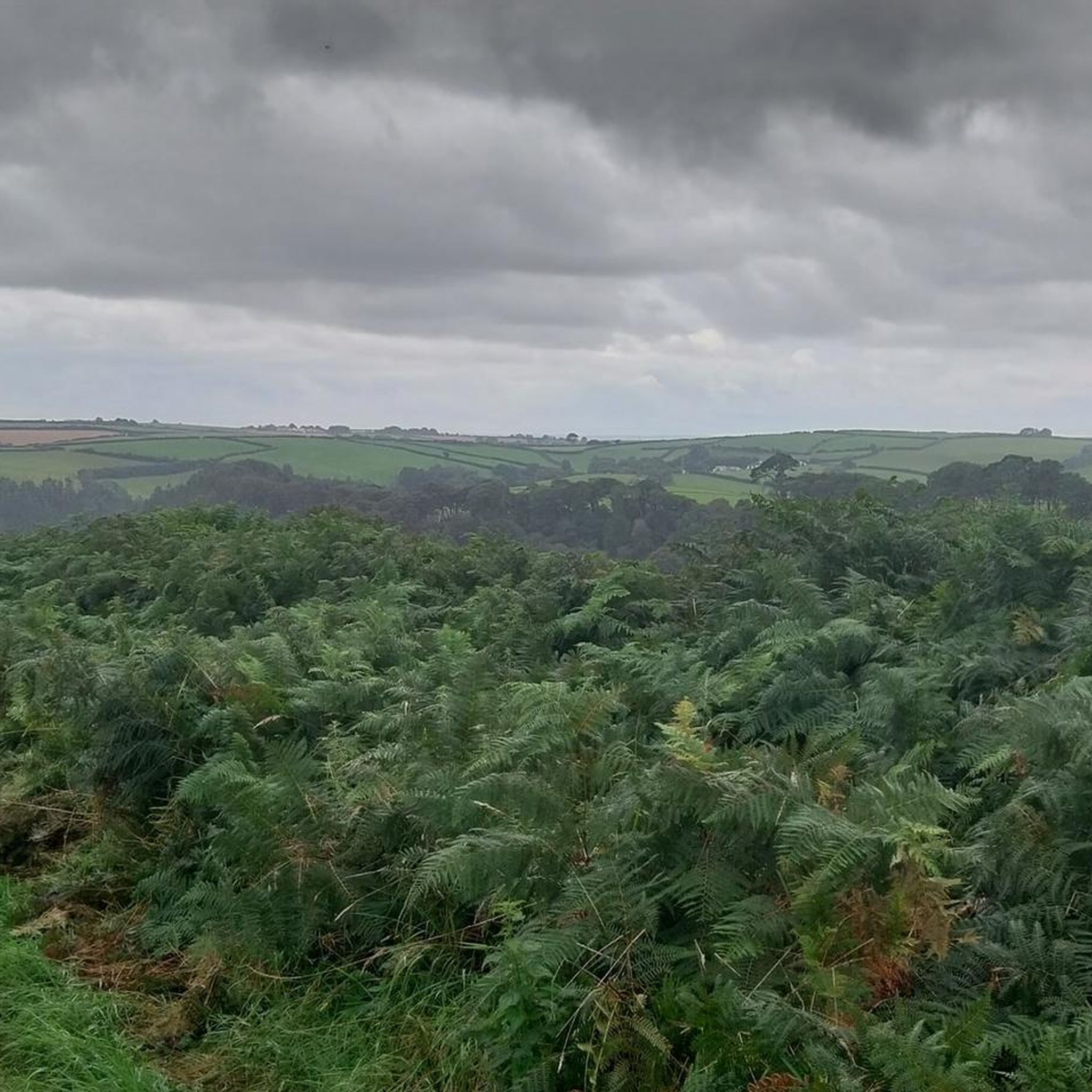
Wistlandpound Reservoir is a tranquil place where you can feel close to nature. It is an easy 2.6km hike around the edge of the lake which takes you through the forest and along the water's edge. All the while surrounded by beautiful rolling countryside. The path around the reservoir is accessible for both wheelchairs and pushchairs. The reservoir supplies drinking water to nearby Ilfracombe, Barnstaple and Combe Martin. If the water levels are low, look out for the ruins of the Lynton and Barnstaple Railway which used to run though the valley until the reservoir was built in 1956.
1
0

On the southern shores of Wistpoundland Reservoir, take a break in the bird hide to see what wildlife you can spot. You're fairly likely to see western cattle egret, and might be lucky to see a great white egret in the winter. There have also been recent sightings of white-tailed eagles up here! You can see all different waterfowl by taking a jaunt around the reservoir on the path. Check out more about the reservoir and what to look out for here at:https://www.swlakestrust.org.uk/wistlandpound
0
0

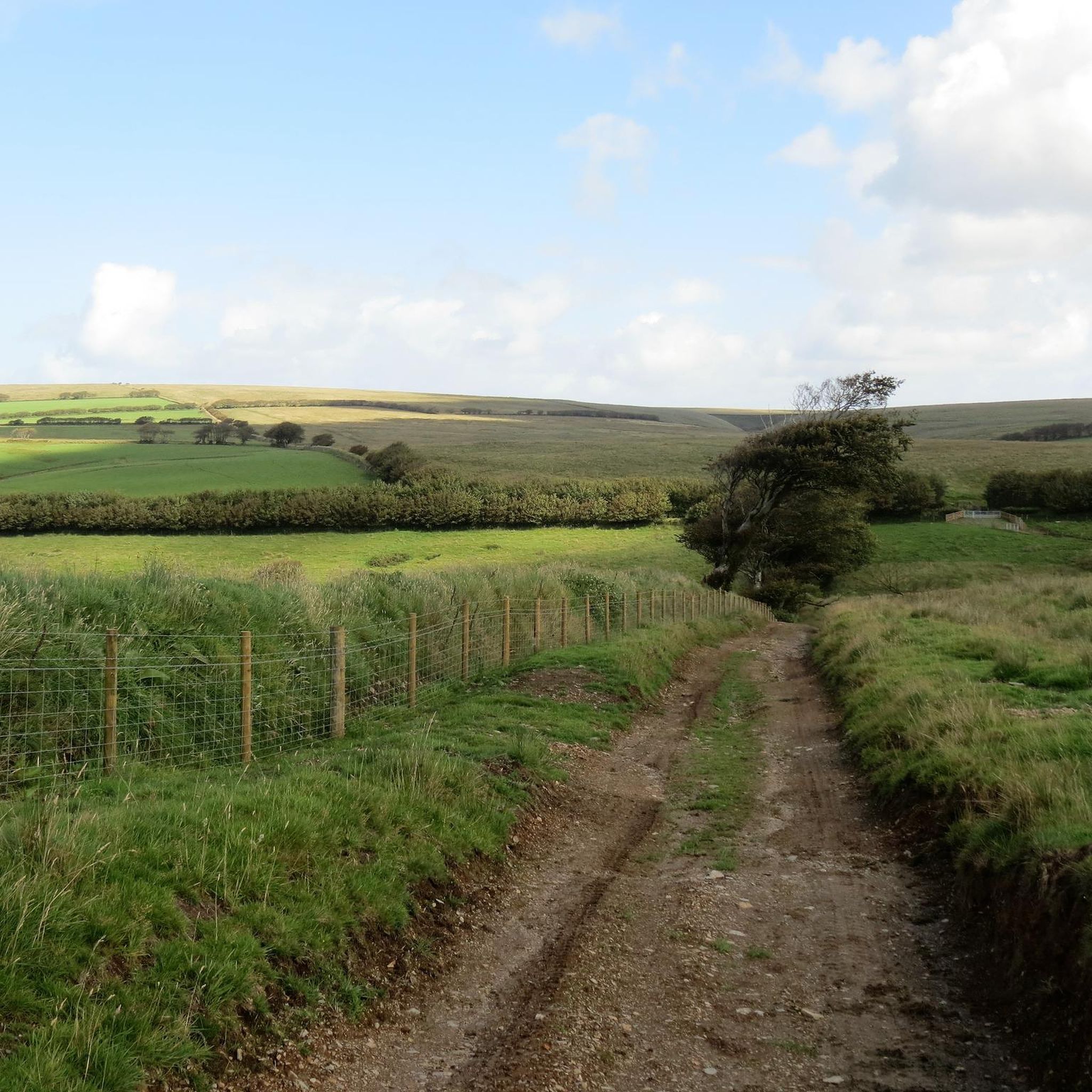
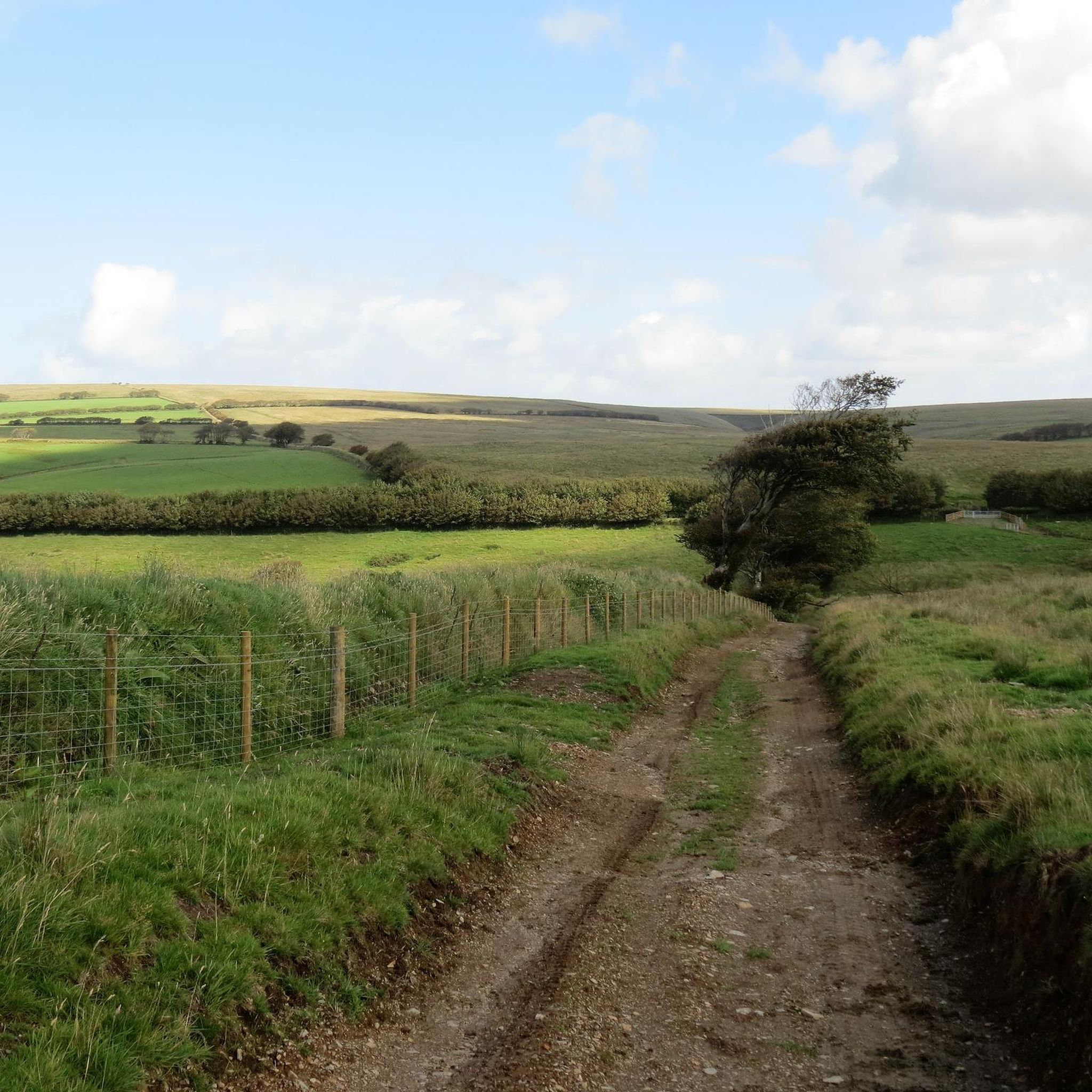
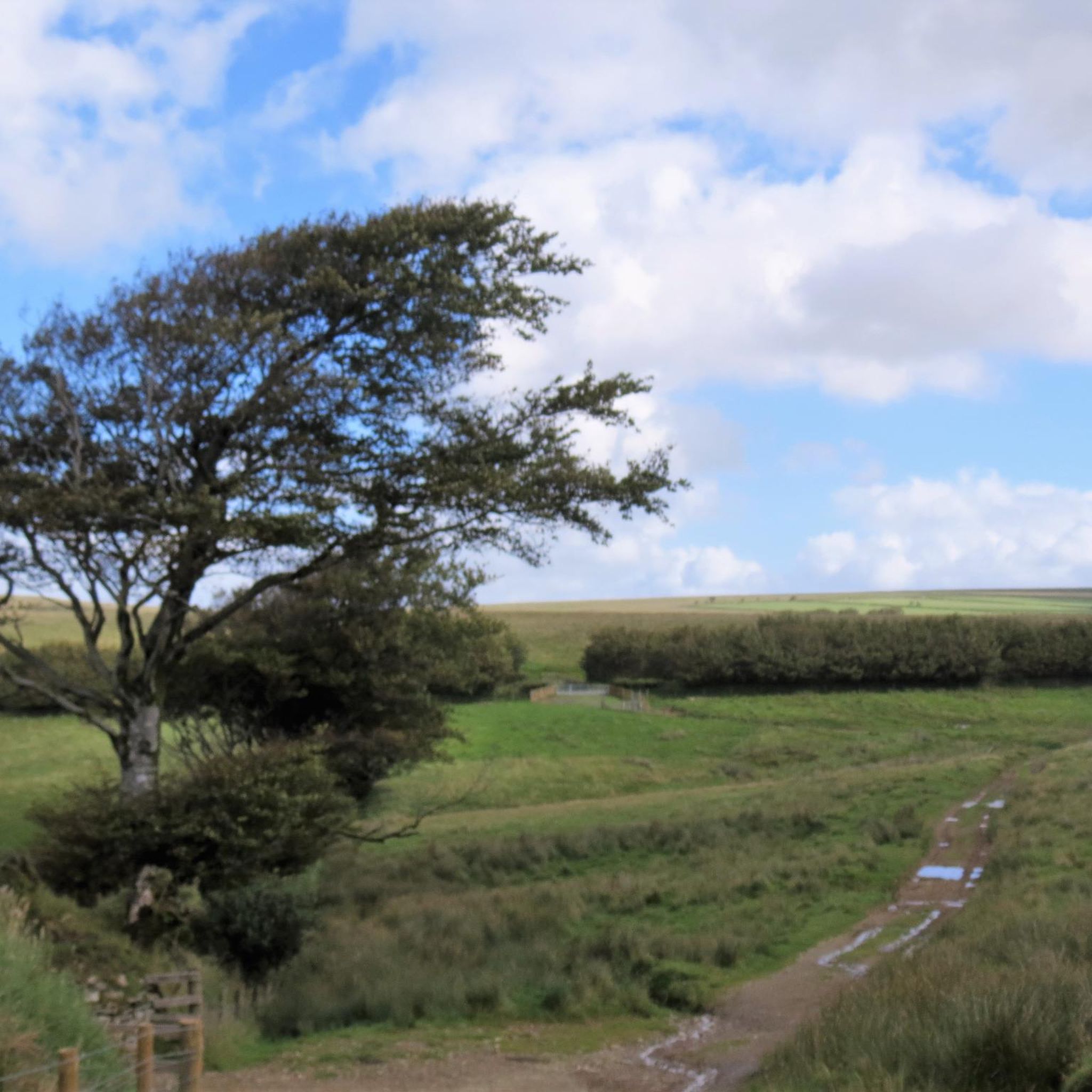
Tricky descent or a tough climb, either way, the bottom section is good fun, it levels out a bit at the solitary tree halfway up but then maintains a steady climb to the monument. Bracing! Great news! the steps have been fixed so there isn't the trip Hazard there any more. Enjoy!
0
0

The largest defensive earthworks in greater Exmoor, Shoulsbury Castle was named after the Roman-Celtic God Sulius Minerva. It is thought to date back to either the Iron Age or Roman times. You can still see the ditches and rampart, although none of the original castle remains. The hill is 472 metres (1,549 feet) metres above sea level and has great views over Exmoor.
0
0
Frequently Asked Questions
What are some significant natural monuments to visit near Stoke Rivers?
Near Stoke Rivers, you can explore several notable natural monuments. These include Wood Barrow, a Bronze Age barrow offering historical insight and elevated views, and Shoulsbury Castle Earthworks, the largest defensive earthworks in Exmoor, dating back to Iron Age or Roman times. Another excellent spot is Chains Barrow Trig Point, which provides expansive views of Hartland Point and Lundy.
Are there any historical natural monuments in the area?
Yes, the area around Stoke Rivers is rich in historical natural monuments. Wood Barrow is a Bronze Age barrow recognized as a Scheduled Monument. Similarly, Shoulsbury Castle Earthworks are significant historical defensive structures from either the Iron Age or Roman times. Chains Barrow Trig Point is also located just above a Bronze Age bowl barrow.
What kind of landscapes and geological features can I expect to see?
The natural monuments near Stoke Rivers offer diverse landscapes. You'll find ancient barrows and historical earthworks set within moorland and woodlands. Exmoor National Park, a short distance away, features vast moorland, coastal cliffs, and river valleys like the picturesque Watersmeet gorge. Dramatic rock formations can be admired at the Valley of Rocks near Lynton, showcasing unique geological features.
Are there family-friendly natural monuments or accessible paths?
Yes, Wistlandpound Reservoir Bird Hide is part of a tranquil location with an accessible 2.6-kilometer circular path around the lake, suitable for wheelchairs and pushchairs. This path winds through forests and along the water's edge, offering beautiful views and opportunities for wildlife spotting.
What outdoor activities can I do near these natural monuments?
The region around Stoke Rivers offers a variety of outdoor activities. You can enjoy hiking on trails like the 'Arlington Court loop' or 'Handcrafted Wooden Gates – Jubilee Cairn loop'. For cycling, the Tarka Trail provides a long, traffic-free route. Road cycling routes are also available, such as the 'Chelfham Viaduct – Barnstaple Long Bridge loop'. Explore more options on the hiking guide and road cycling guide for Stoke Rivers.
Are there hiking trails suitable for different skill levels?
Yes, there are hiking trails for various skill levels. For moderate hikes, consider routes like the 'Arlington Court loop from Loxhore' or the 'Bratton Fleming Mound – Castle Roborough loop'. If you're looking for easier options, the 'Wistlandpound Reservoir loop' is an excellent choice, as is the 'Arlington Court loop from Arlington'. You can find more details in the hiking guide and easy hikes guide for Stoke Rivers.
Where can I find the best viewpoints to appreciate the scenery?
Several natural monuments offer stunning viewpoints. Chains Barrow Trig Point provides distant views of Hartland Point and Lundy. Shoulsbury Castle Earthworks, at 472 meters above sea level, also offers great views over Exmoor. Additionally, Coddon Hill Climb leads to a monument with bracing views after a challenging ascent.
What wildlife can I spot near Stoke Rivers' natural monuments?
The region is rich in wildlife. At Wistlandpound Reservoir Bird Hide, you're likely to see western cattle egrets and potentially great white egrets in winter, along with various waterfowl. Exmoor National Park, nearby, is home to red deer, otters, and wild ponies, making it ideal for wildlife spotting.
Is the Tarka Trail accessible from Stoke Rivers, and what does it offer?
While not directly in Stoke Rivers, the Tarka Trail is easily accessible in the wider North Devon area. It's England's longest traffic-free cycling and walking route, following a disused railway line. It offers scenic journeys through varied landscapes, providing excellent opportunities for gentle recreation and spotting local flora and fauna. Its flat, well-maintained path makes it suitable for families.
What is the best time of year to visit the natural monuments around Stoke Rivers?
The best time to visit depends on your preferred activities. Spring and summer offer pleasant weather for walking, cycling, and enjoying the lush landscapes and wildlife. Autumn brings beautiful foliage to the woodlands. Even in winter, places like Wistlandpound Reservoir can be tranquil for birdwatching, though some higher moorland areas might be more exposed.
Are there any natural swimming spots nearby?
Yes, Pinkery Pond on Exmoor offers a unique freshwater swimming experience. It's accessible from the Tarka Trail and other paths, providing an adventurous spot for those looking to explore the wilder parts of the moors.
Can I find challenging hikes near Stoke Rivers' natural monuments?
For those seeking a challenge, the climb to Coddon Hill Climb offers a tough ascent with rewarding views. The wider Exmoor National Park, accessible from Stoke Rivers, also provides numerous trails with varying elevations and terrain suitable for more strenuous hikes.
Most popular attractions around Stoke Rivers

Get inspired with the komoot mobile app


Explore more
Extend your search for the best caves by checking out these guides of the top ones around Stoke Rivers:
