Top 12 Natural Monuments around Georgeham
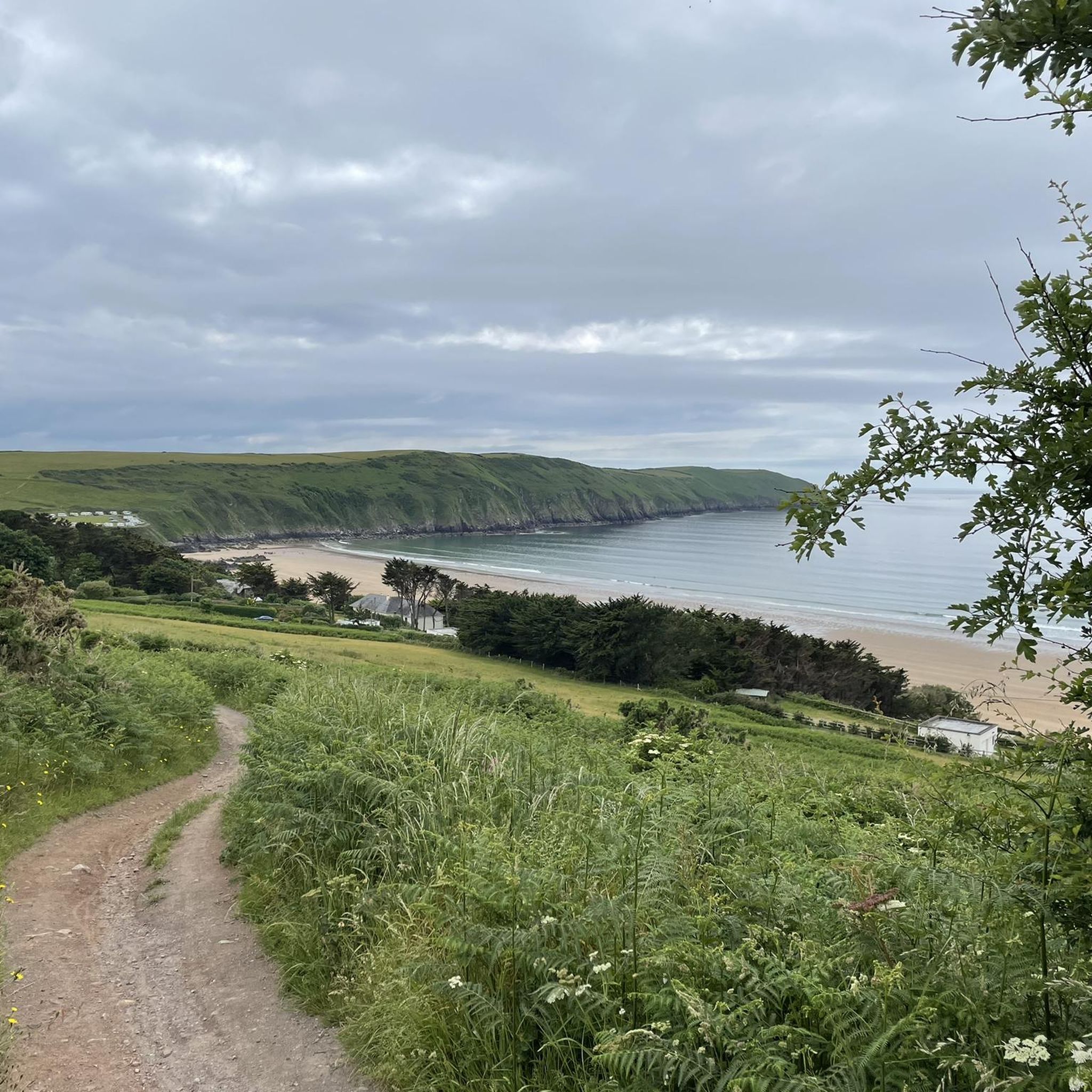
Best natural monuments around Georgeham include a variety of coastal and inland features in North Devon. The region is characterized by its headlands, beaches, and extensive dune systems. Georgeham serves as a base for exploring these natural landmarks, which offer diverse landscapes for outdoor activities. The area provides opportunities to observe unique geological formations and rich biodiversity.
Best natural monuments around Georgeham
- The most popular natural monuments is Baggy Point, a viewpoint that separates Croyde Bay from Morte Bay…
Last updated: June 30, 2026
Baggy Point
Highlight • Viewpoint
Tip by

Morte Point
Highlight • Natural Monument
If seals aren't enough, there …
Tip by

Sign up now to discover places like this
Get recommendations on the best single tracks, peaks, & plenty of other exciting outdoor places.
Sign up for free
Torrs Cliffs
Highlight • Natural Monument
Tip by
Croyde Whale Bones
Highlight • Natural Monument
Tip by
Kipling Tors
Highlight • Viewpoint
Tip by

Sign up for free to discover even more natural monuments around Georgeham.
Sign up for free
Already have an account?
Start today with a free account
Your next adventure awaits.
Login or Signup
Tips from the Community

Amazing views stretching out across the Severn estuary, with great views of the Welsh coast on a clear day.
2
1

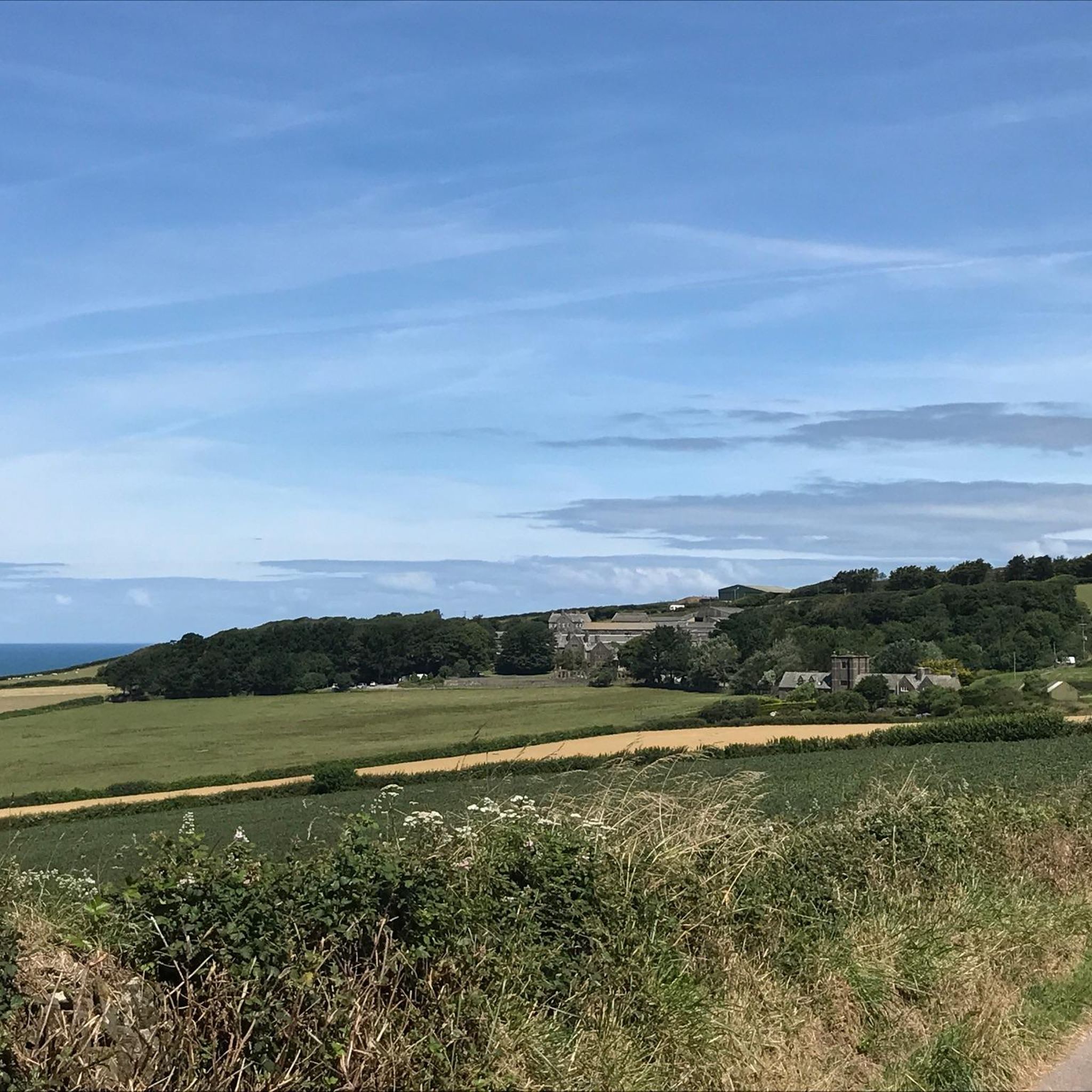
From here you can take a turn to visit Kipling Tors. Kipling Tors is in an elevated position overlooking the beautiful Bideford Bay. The tors are famous as they are where Rudyard Kipling, English novelist and short-story writer, used to hang out with his friends and smoke cigars and read books together.
4
0
The totem pole, also known as the Coastguard Pole, on Baggy Point once played an important role in training coastguards. It was designed to mimic the mast on a ship, and coastguards would practice firing rope at the mast, and then rigging up a breeches buoy.
3
0

The Torrs, sometimes known as The Seven Hills, tower over Ilfracombe. These stunning cliffs offer sweeping coastal views. It is easy to see why they have been such a popular place to visit since the 19th century. As you walk through Torrs Park, you will meander along a zig-zag path which was dug by the Victorians.
3
0
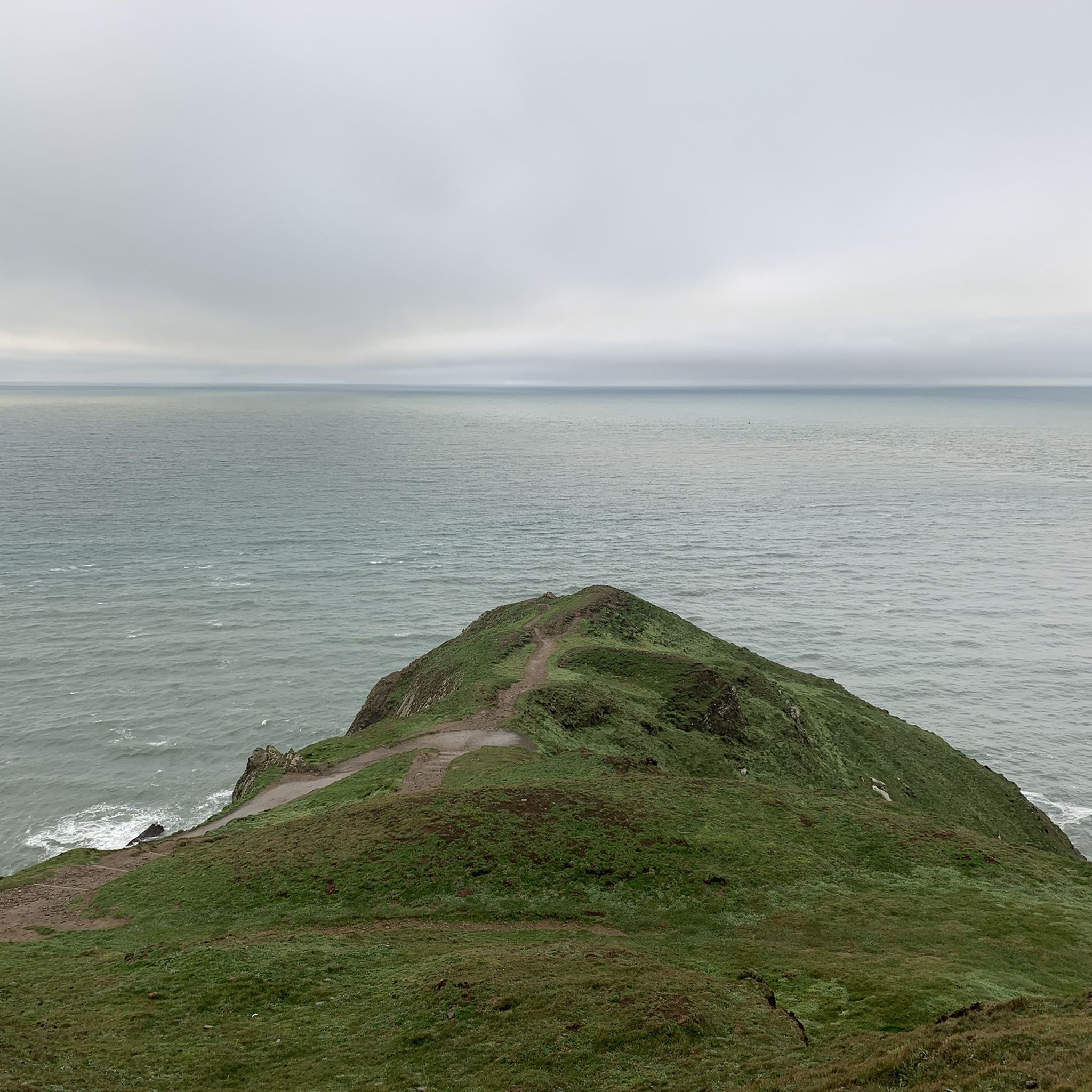
This is a brilliant place for seal watching. Keep a look out for their heads bobbing in the sea or lying up on the rocks. If seals aren't enough, there are some fantastic views south towards Baggy Point across Woolacombe Bay. It is called Morte Point as it is such a dangerous area for shipping. So many ships have been wrecked here that its name means 'Death Point'.
2
0

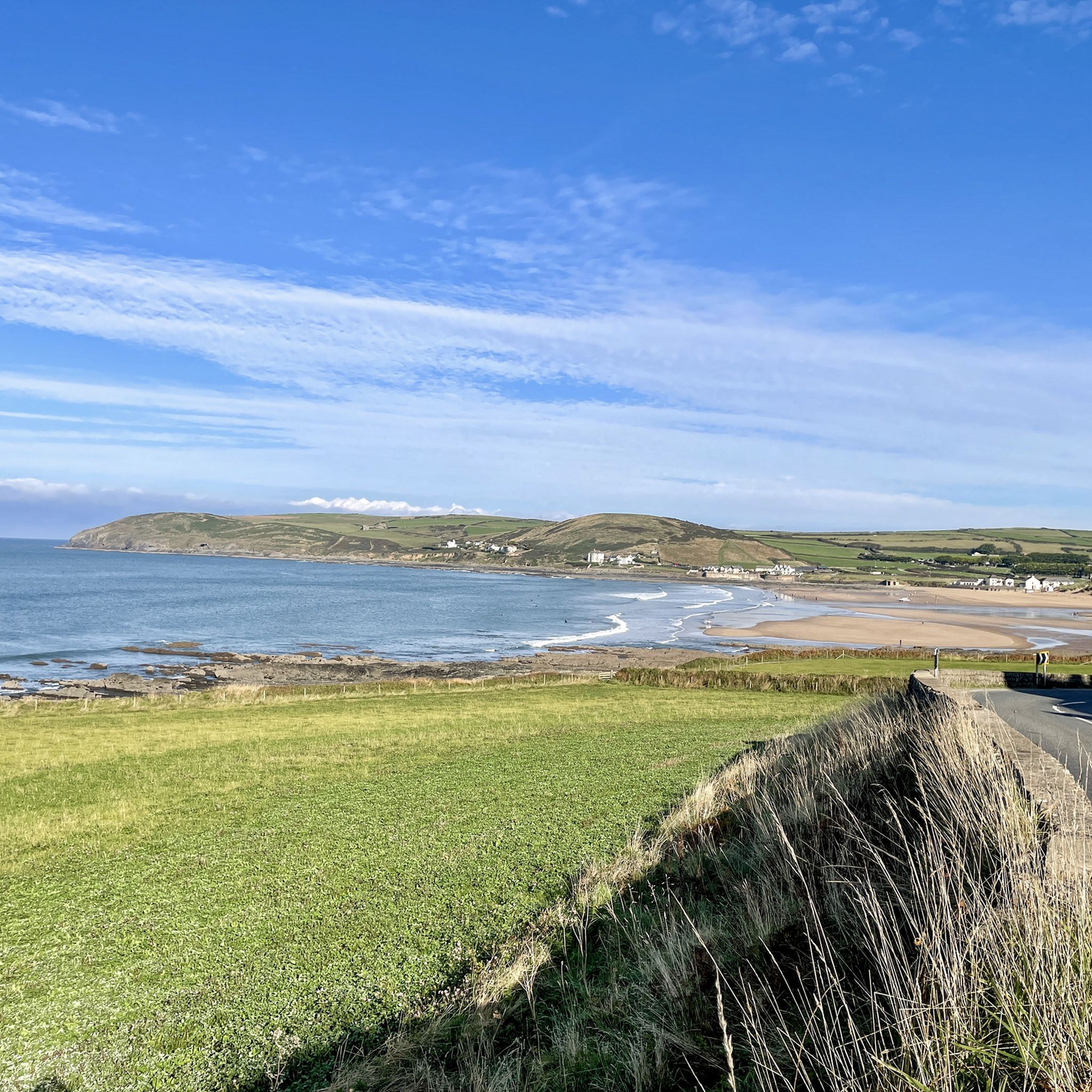
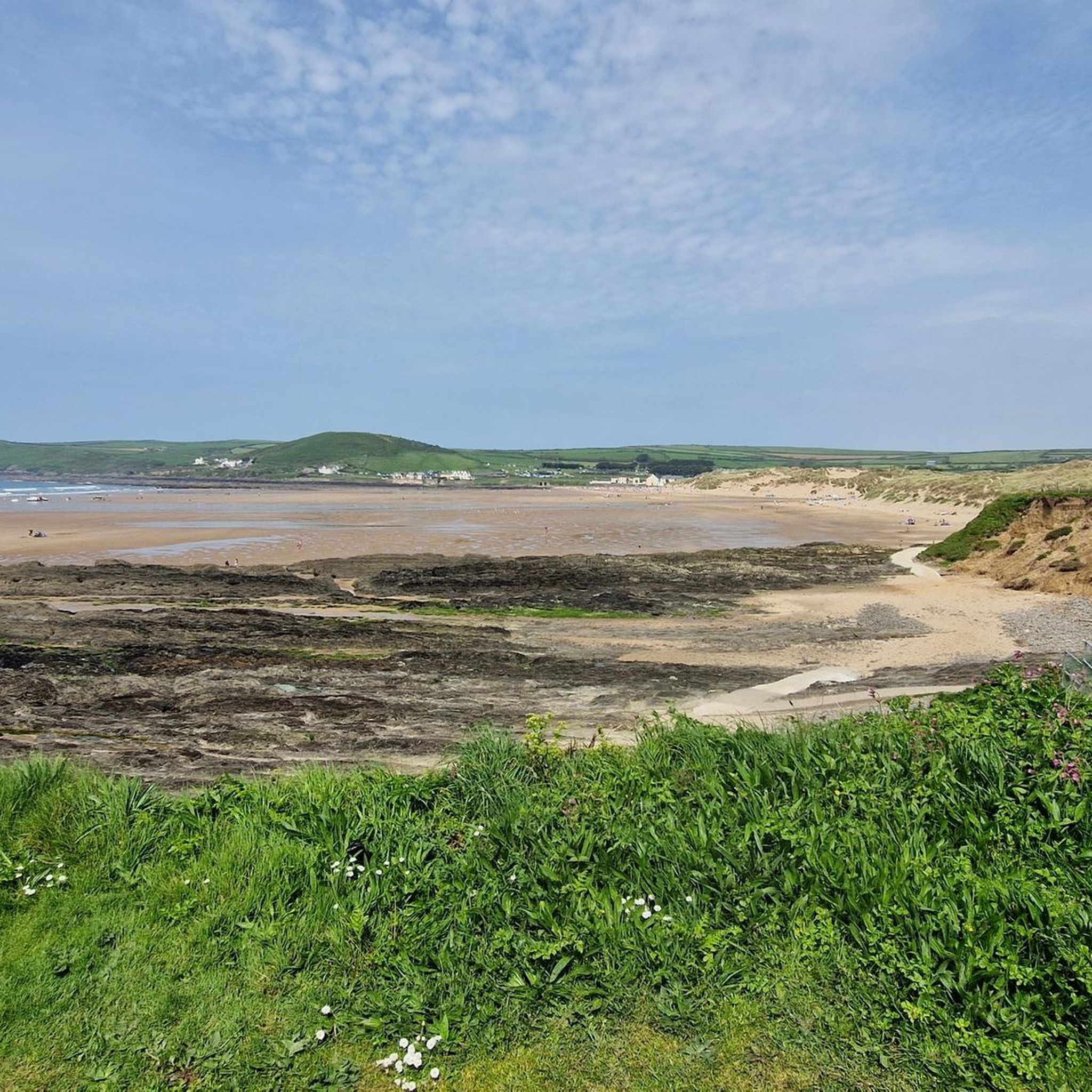
Baggy Point is an exceptional headland in North Devon, separating Croyde Bay from Morte Bay and Woolacombe Beach. It's a favourite with rock climbers and, if the weather's dry, you're sure to see or hear some below. The views are fantastic on a clear day.
6
0
In 1915, whale bones washed up on the beach at Croyde, much to local amazement. The National Trust has brought this one to the cliff path, a reminder of the sheer size of these majestic creatures. The views from this point are almost as fantastic as the bone itself.
4
1

Frequently Asked Questions
What unique natural features can I expect to see around Georgeham?
The area around Georgeham boasts diverse natural features. You can explore dramatic headlands like Baggy Point with its unspoiled maritime heathland, or the extensive sand dune system of Braunton Burrows, a UNESCO Biosphere Reserve. There are also picturesque coves like Barricane Beach, famous for its exotic seashells and rock pools, and ancient woodlands such as Chapel Wood, an RSPB reserve.
Are there good opportunities for wildlife spotting at the natural monuments?
Yes, wildlife spotting is a highlight. At Morte Point, you can often see seals bobbing in the sea or resting on the rocks. Baggy Point is excellent for birdwatching, with Buzzards, Fulmars, and Peregrines, and seals and porpoises are frequently sighted offshore. Braunton Burrows is rich in diverse flora and fauna, and Chapel Wood is a prime location for birdwatching in an ancient woodland setting.
What are some of the best coastal viewpoints near Georgeham?
For breathtaking coastal views, visit Baggy Point, which offers fantastic vistas separating Croyde Bay from Morte Bay. Morte Point provides stunning views towards Baggy Point across Woolacombe Bay. Torrs Cliffs, also known as The Seven Hills, offer sweeping coastal views over Ilfracombe and even the Welsh coast on a clear day. Additionally, Kipling Tors provides an elevated perspective overlooking Bideford Bay.
Are there any natural monuments with unique geological features?
Absolutely. Baggy Point is a distinctive headland known for its dramatic cliffs and rock formations, popular with climbers. Morte Point is historically significant for its dangerous rocks that have caused many shipwrecks, earning it the name 'Death Point'. Barricane Beach is unique for its exotic seashells, believed to have traveled across the Atlantic, and its fascinating rock pools.
What kind of outdoor activities can I do near the natural monuments around Georgeham?
The area offers a wide range of outdoor activities. You can find numerous hiking trails, including those around Baggy Point, which are part of the South West Coast Path. There are also dedicated routes for mountain biking and road cycling. For more details on routes, you can explore the guides for Hiking around Georgeham, MTB Trails around Georgeham, and Road Cycling Routes around Georgeham.
Are there specific hiking trails that explore these natural monuments?
Yes, several hiking trails allow you to explore the natural monuments. For instance, the South West Coast Path runs along Baggy Point, offering excellent walking opportunities. You can find various routes, including loop walks, that incorporate this headland. For a comprehensive list of trails, refer to the Hiking around Georgeham guide.
Can I go rock climbing at any of the natural monuments?
Yes, rock climbing is a popular activity at some natural monuments. Baggy Point is a favorite spot for rock climbers, known for its dramatic cliffs. Torrs Cliffs also offers opportunities for climbing.
Are there family-friendly natural monuments around Georgeham?
Several natural monuments are suitable for families. Baggy Point has an easy access path, making it suitable for all ages and abilities. Barricane Beach and Combesgate Beach are great for families, offering rock pools to explore. The Croyde Whale Bones highlight is also noted as family-friendly, offering an interesting historical curiosity with great views.
What is the best time to visit the natural monuments around Georgeham?
The natural monuments around Georgeham can be enjoyed year-round, but late spring and early summer are particularly vibrant. During this time, the maritime heathland at Baggy Point becomes a natural garden with diverse flora. Coastal walks are pleasant in milder weather, but always be prepared for changing conditions, especially on exposed headlands.
Are there any historical points of interest among the natural monuments?
Yes, some natural monuments have historical connections. Baggy Point features a surviving white wooden coastguard lookout post, and a totem pole used for coastguard training. Torrs Cliffs has paths dug by Victorians, reflecting its long history as a popular visiting spot. Croyde Whale Bones marks the spot where whale bones washed ashore in 1915. Kipling Tors is known as a place where Rudyard Kipling spent time.
Can I bring my dog to the natural monuments?
Many natural areas around Georgeham are dog-friendly, especially coastal paths and beaches. However, it's always best to check specific local regulations, especially concerning nature reserves like Braunton Burrows or RSPB sites like Chapel Wood, where dogs may need to be on a lead or restricted in certain areas to protect wildlife. Always clean up after your dog.
Are there quieter beaches or coves to explore near Georgeham?
If you're looking for a quieter spot, Combesgate Beach, just north of Woolacombe Beach, is a much smaller and more tranquil bay. At low tide, it reveals a larger expanse of sand and lovely rockpools, offering a peaceful alternative to busier beaches. Barricane Beach, while popular, also offers a picturesque and somewhat secluded cove feel.
Most popular routes around Georgeham
Most popular attractions around Georgeham

Get inspired with the komoot mobile app


Explore more
Extend your search for the best caves by checking out these guides of the top ones around Georgeham:
