Top 5 Natural Monuments around Loughmoney
Natural monuments around Loughmoney offer a blend of natural beauty and historical significance within the Lecale area. This freshwater lake is known for its clear waters and diverse birdlife, providing a natural focal point. The surrounding landscape is rich in ancient history, featuring numerous Neolithic monuments and other significant archaeological features. These sites contribute to the area's appeal for those interested in natural features and historical exploration.
Best natural monuments around Loughmoney
- The most popular natural monuments is Strangford Stone…
Last updated: August 10, 2026
Strangford Stone
Highlight • Monument
Tip by

Ballynoe Stone Circle
Highlight • Historical Site
Tip by
Sign up now to discover places like this
Get recommendations on the best single tracks, peaks, & plenty of other exciting outdoor places.
Sign up for free
Corrog Wood
Highlight • Natural Monument
Tip by
Delamont Country Park
Highlight • Natural Monument
Tip by
St Patrick's Well
Highlight • Historical Site
Saint Patrick founded Ardtole Church which …
Tip by
Sign up for free to discover even more natural monuments around Loughmoney.
Sign up for free
Already have an account?
Start today with a free account
Your next adventure awaits.
Login or Signup
Tips from the Community

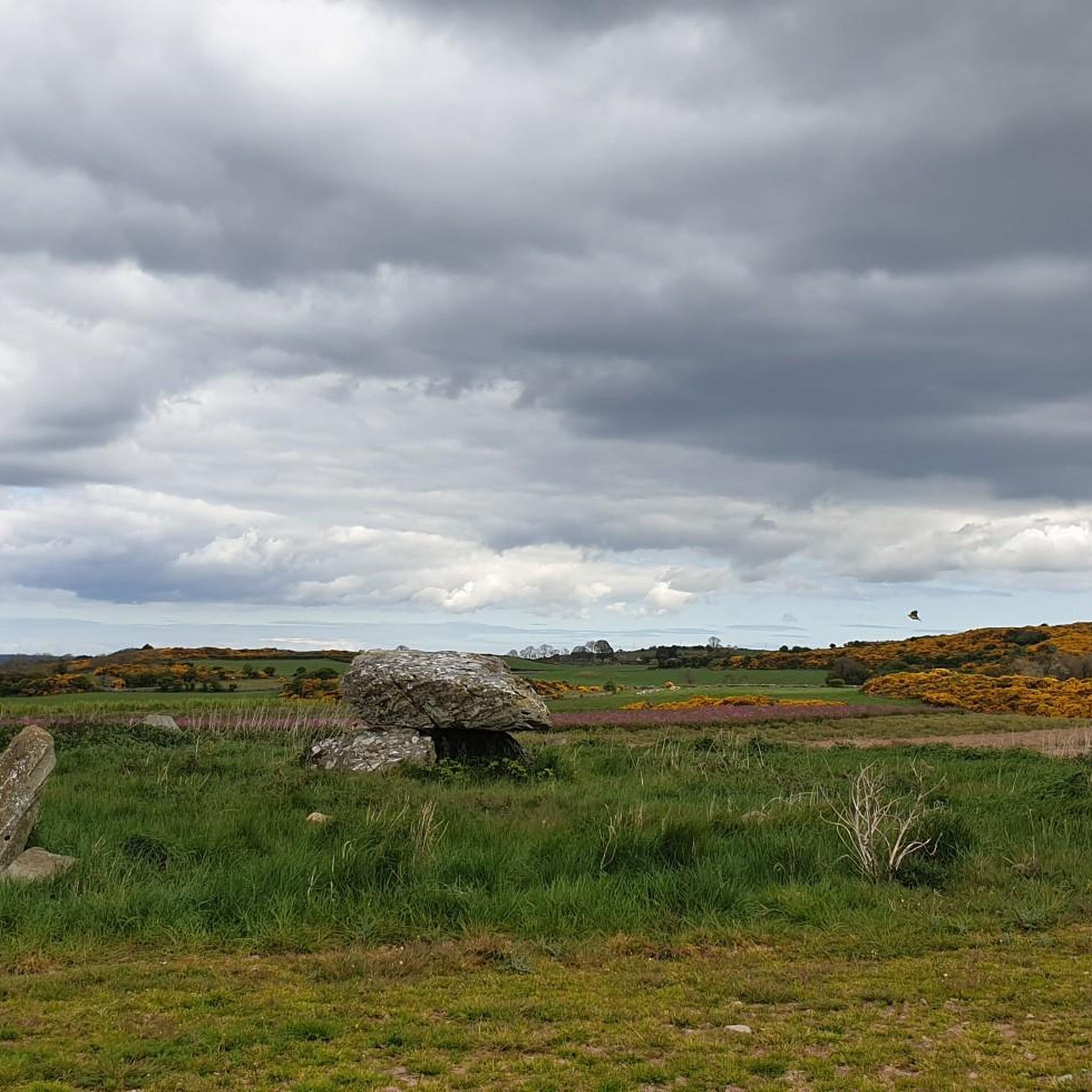
This impressive stone circle, dating from the late Neolithic to early Bronze Age, consists of over 50 upright stones enclosing a diameter of around 35 metres. Access is via a narrow hedge-lined path that takes you directly to the entrance of the circle
1
0

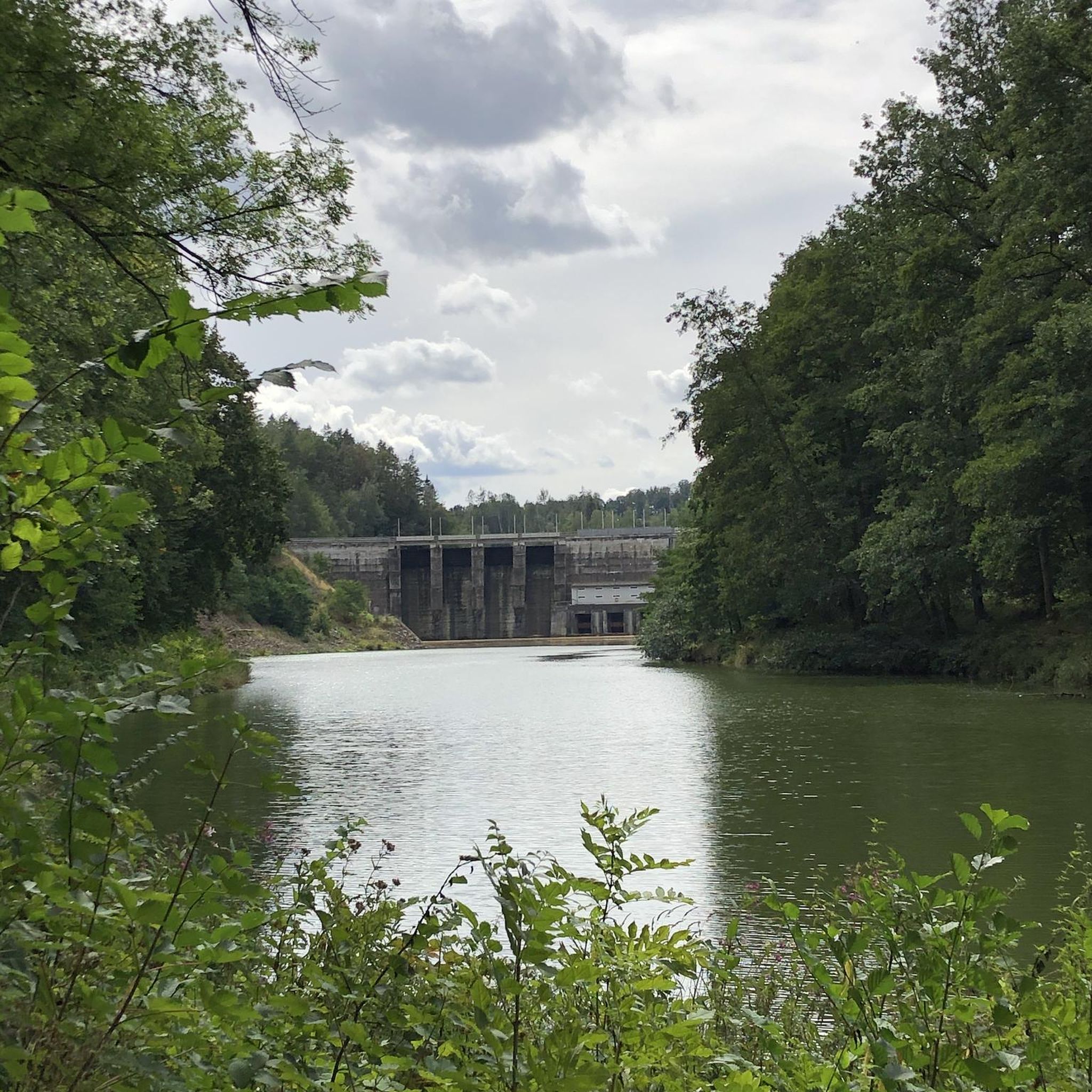
Visitors to Corrog Wood will be greeted by a curious wooden sculpture of a Dryad. The sculpture has been affectionately named the ‘Frump in the Stump’. A dryad is a tree nymph in Greek mythology. The Dryad keeps a watchful, protective eye on the new wood standing at the entrance. Continue past the Dryad on through the little kissing gate and a loop pathway will be waiting to lead you around the 14-acre wood, where a mix of approximately 12,000 native trees and 400 metres of hedging have been planted.
0
0
One of the best kept Circles I know of. The late Neolithic to earlier Bronze Age monument was excavated in 1937–1939 but its development and date are still not entirely clear. Excavation uncovered a slab feature with three compartments at the west end of the cairn, which could suggest the court tomb tradition, and a single stone cist at the east end which could point to the passage tomb tradition. Cremated remains representing at least seven individuals and some Neolithic pottery were found. Parallels for the outer stone circle with sites in Cumbria have been suggested.
1
0
The Well is an ancient site of pilgrimage with legends of Saint Patrick. The waters of the well are said to cure any ailment. Saint Patrick founded Ardtole Church which can be seen on the horizon. In the next field at low tide Saint Patrick's Road becomes visible. This was to be his route to the Isle of Man but when a red haired woman crossed his path he seen it as a bad omen and didn't make the journey.
0
0
Situated on the shores of Strangford Lough in an area of outstanding natural beauty, The Park offers peace, beauty and tranquillity. It is home to the Strangford Stone - the tallest megalith in Ireland. This beautiful 200 -acre Country Park offers a great day out for visitors of all ages. Whether you are a keen walker, a nature lover or simply looking for a great day.
1
0
Situated on the shores of Strangford Lough in an area of outstanding natural beauty, The Park offers peace, beauty and tranquillity. It is home to the Strangford Stone - the tallest megalith in Ireland. This beautiful 200 -acre Country Park offers a great day out for visitors of all ages. Whether you are a keen walker, a nature lover or simply looking for a great day.
1
0
Situated on the shores of Strangford Lough in an area of outstanding natural beauty, The Park offers peace, beauty and tranquillity. It is home to the Strangford Stone - the tallest megalith in Ireland. This beautiful 200 -acre Country Park offers a great day out for visitors of all ages. Whether you are a keen walker, a nature lover or simply looking for a great day. Steamers Coffee Shop Serves a wide variety of refreshments, including full breakfast and lunch menus, great coffee and ice cream in the summer.
0
0

Frequently Asked Questions
What natural features can I expect to see around Loughmoney?
Loughmoney is centered around a freshwater lake known for its remarkably clear water and diverse birdlife, including swans, cormorants, and herons. The area is also characterized by undulating countryside and hills like Slieve-na-griddle, which provides a prominent natural backdrop.
Are there historical or ancient monuments to explore near Loughmoney?
Yes, the area around Loughmoney is rich in ancient history. You can find numerous Neolithic monuments such as ring-marked stones, dolmens, and standing stones. A notable example is the Ballynoe Stone Circle, an impressive historical site dating from the late Neolithic to early Bronze Age, consisting of over 50 upright stones. The Ballystokes Inscribed Stone, featuring Bronze Age cup and ring markings, is also nearby.
Are the natural monuments around Loughmoney suitable for families?
Many natural monuments in the area are family-friendly. Delamont Country Park, which hosts the Strangford Stone, offers a great day out for visitors of all ages with its 200 acres of peace and beauty. The Ballynoe Stone Circle is also considered family-friendly, offering an engaging historical experience.
What kind of wildlife can be observed near Loughmoney?
Loughmoney Lake is a haven for birdlife. You can often spot swans, cormorants, and herons. The surrounding natural environment also supports various other species, making it a good spot for nature observation.
Are there walking or hiking trails around Loughmoney's natural monuments?
Yes, the area offers a network of laneways and trails for walking and exploring. There are several trails available, including a loop around Loughmoney Lake itself. For more structured options, you can find easy hikes like the Lecale Way and the Delamont Long Walk, or moderate routes such as the Lough Money loop from St. Patrick's Road. You can explore these and other routes on the hiking guide for Loughmoney.
What is the <a href="https://www.komoot.com/highlight/6303285" target="_blank" rel="noopener">Ballynoe Stone Circle</a>, and what makes it significant?
The Ballynoe Stone Circle is an impressive historical site dating from the late Neolithic to early Bronze Age. It consists of over 50 upright stones enclosing a diameter of around 35 meters. Excavations have revealed cremated remains and Neolithic pottery, suggesting its use as a burial site, with parallels to both court tomb and passage tomb traditions.
Can I visit the <a href="https://www.komoot.com/highlight/1680897" target="_blank" rel="noopener">Strangford Stone</a> and <a href="https://www.komoot.com/highlight/6249667" target="_blank" rel="noopener">Delamont Country Park</a>?
Yes, both are accessible and highly recommended. Delamont Country Park is a 200-acre park situated on the shores of Strangford Lough, offering peace and beauty. Within the park, you'll find the Strangford Stone, which is noted as the tallest megalith in Ireland and offers superb views over Strangford Lough.
What is <a href="https://www.daera-ni.gov.uk/articles/lough-money" target="_blank" rel="noopener">Loughmoney Lake</a> known for?
Loughmoney Lake is a freshwater lake renowned for its remarkably clear water and abundant birdlife. Historically, it served as a reservoir for Downpatrick. It's also a popular spot for fishing, stocked with rainbow trout, pike, and perch, with a fishing season running from February to December.
What are the options for parking when visiting natural monuments near Loughmoney?
While specific parking details for every monument vary, areas like Delamont Country Park typically offer designated parking facilities. For other sites, especially those in rural settings, roadside parking or small informal areas might be available. It's advisable to check local signage.
What is the best time of year to visit the natural monuments around Loughmoney?
The natural monuments around Loughmoney can be enjoyed year-round. The fishing season on Loughmoney Lake runs from February to December. Spring and summer offer pleasant weather for walking and wildlife spotting, while autumn provides beautiful scenery. Winter hiking is also possible, though conditions may be cooler and wetter.
What outdoor activities can I do near these natural monuments?
Beyond exploring the monuments themselves, the area offers excellent opportunities for outdoor activities. You can enjoy walking and hiking on various trails, including easy routes like the Lecale Way and more challenging ones. Cycling is also popular, with routes such as the Kilclief to Ardglass Harbour loop. For more details, check out the hiking guide and cycling guide for Loughmoney.
Is public transport available to reach the natural monuments around Loughmoney?
Public transport options to the immediate vicinity of Loughmoney and some natural monuments can be limited. It's recommended to check Translink bus routes for services to nearby towns like Downpatrick or Ballyalton, and then plan for a short taxi ride or walk to reach specific sites.
Are there cafes or accommodation options near the natural monuments?
While the immediate area around Loughmoney is rural, you can find amenities in nearby towns. Delamont Country Park has Steamers Coffee Shop, offering refreshments. For a wider selection of cafes, pubs, and accommodation, you would typically look towards larger towns like Downpatrick or Killyleagh.
Most popular routes around Loughmoney
Most popular attractions around Loughmoney

Get inspired with the komoot mobile app


Explore more
Extend your search for the best caves by checking out these guides of the top ones around Loughmoney:
