Top 7 Natural Monuments around Ellesmere Rural
Natural monuments around Ellesmere Rural are characterized by a landscape shaped by glacial activity, featuring unique meres. This area, often referred to as the "Shropshire Lake District," offers a distinctive natural environment. The region's natural monuments provide opportunities for relaxation, recreation, and wildlife observation. These sites are notable for their ecological richness and geological significance.
Best natural monuments around Ellesmere Rural
- The most popular natural monuments is Hanmer Mere, a natural monument that is a natural lake and a…
Last updated: June 30, 2026
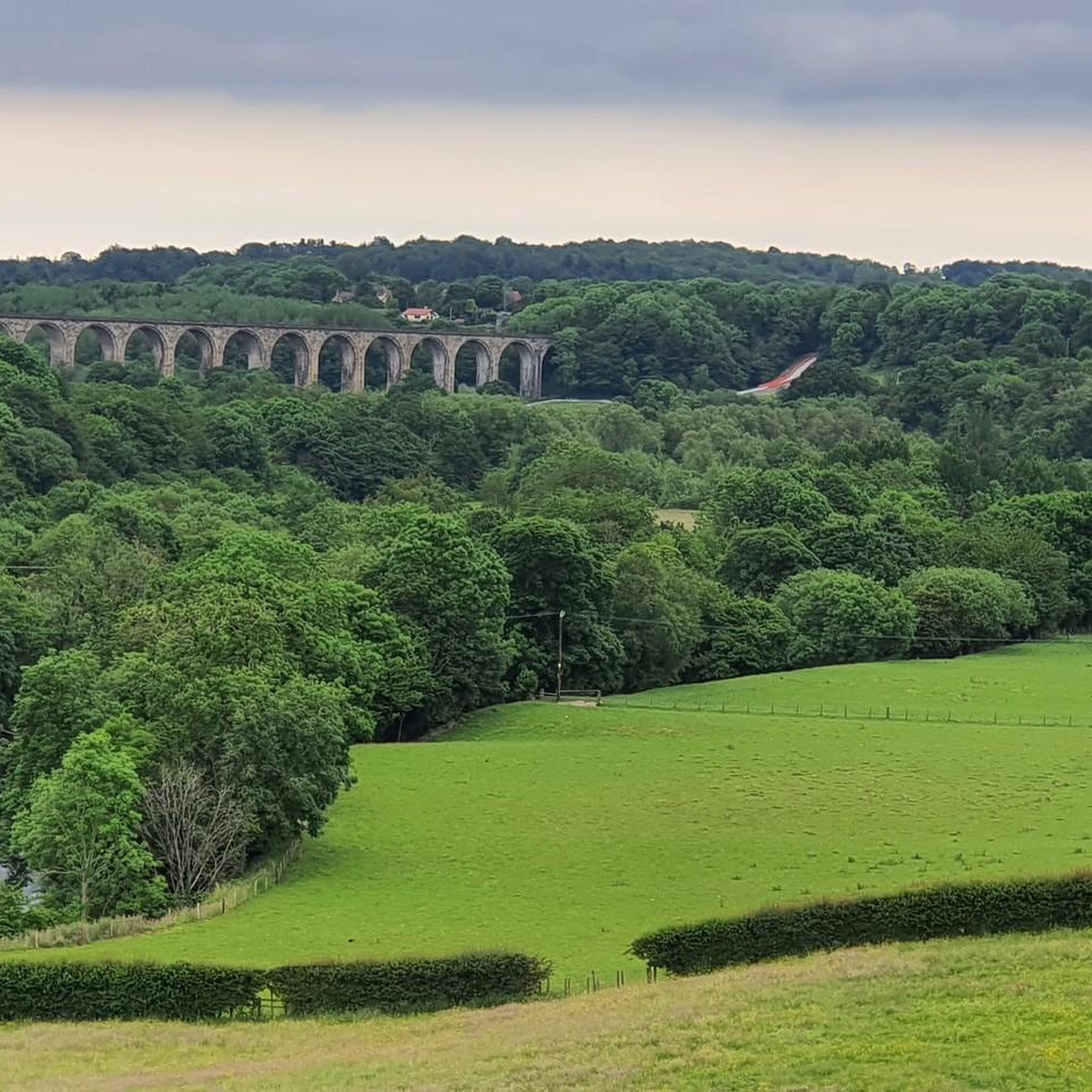
Chirk Castle
Highlight • Castle
Tip by

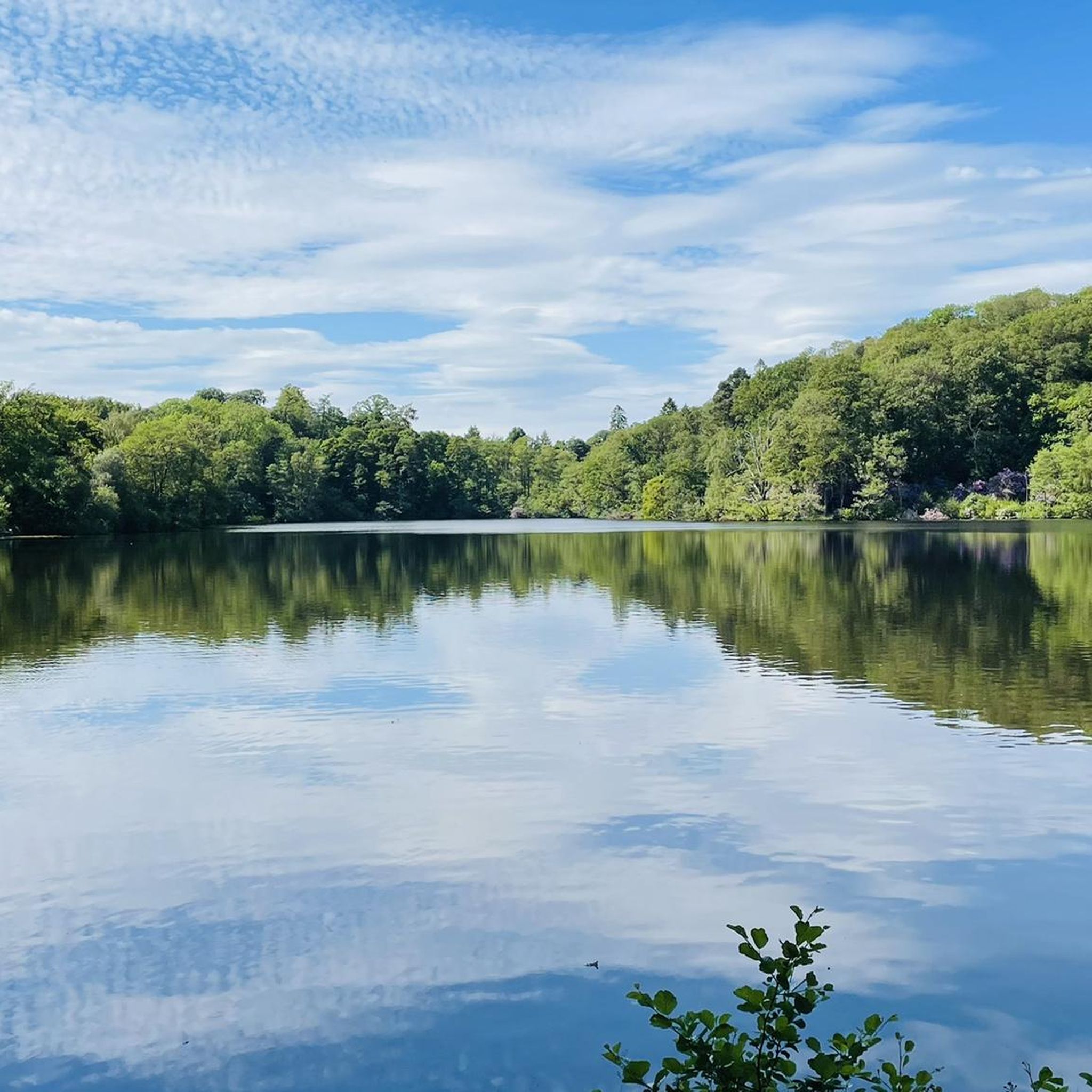
Hanmer Mere
Highlight • Natural Monument
Tip by

Sign up now to discover places like this
Get recommendations on the best single tracks, peaks, & plenty of other exciting outdoor places.
Sign up for free
Cup and Saucer Waterfall
Highlight • Waterfall
Tip by
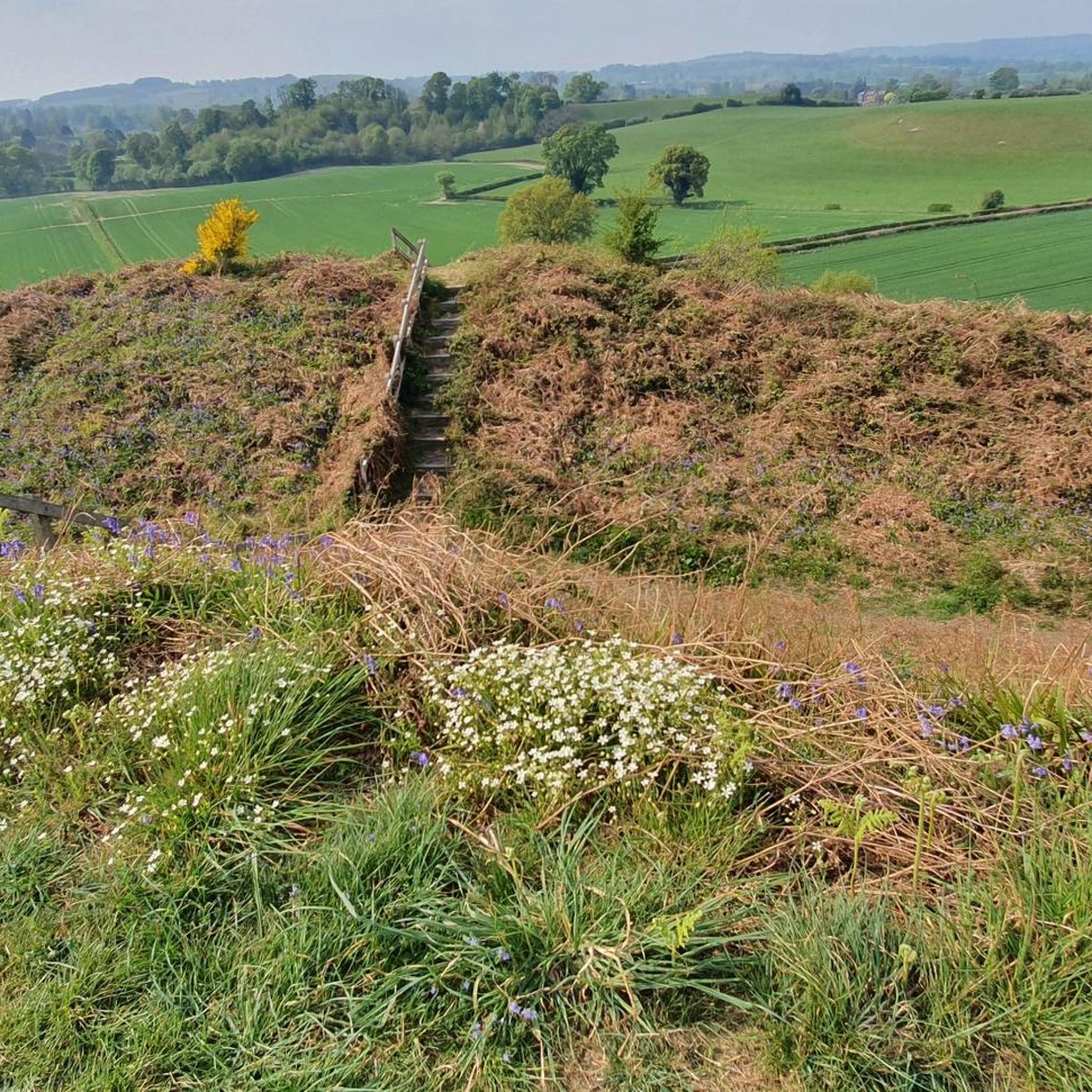
Old Oswestry Hill Fort
Highlight • Viewpoint
Tip by

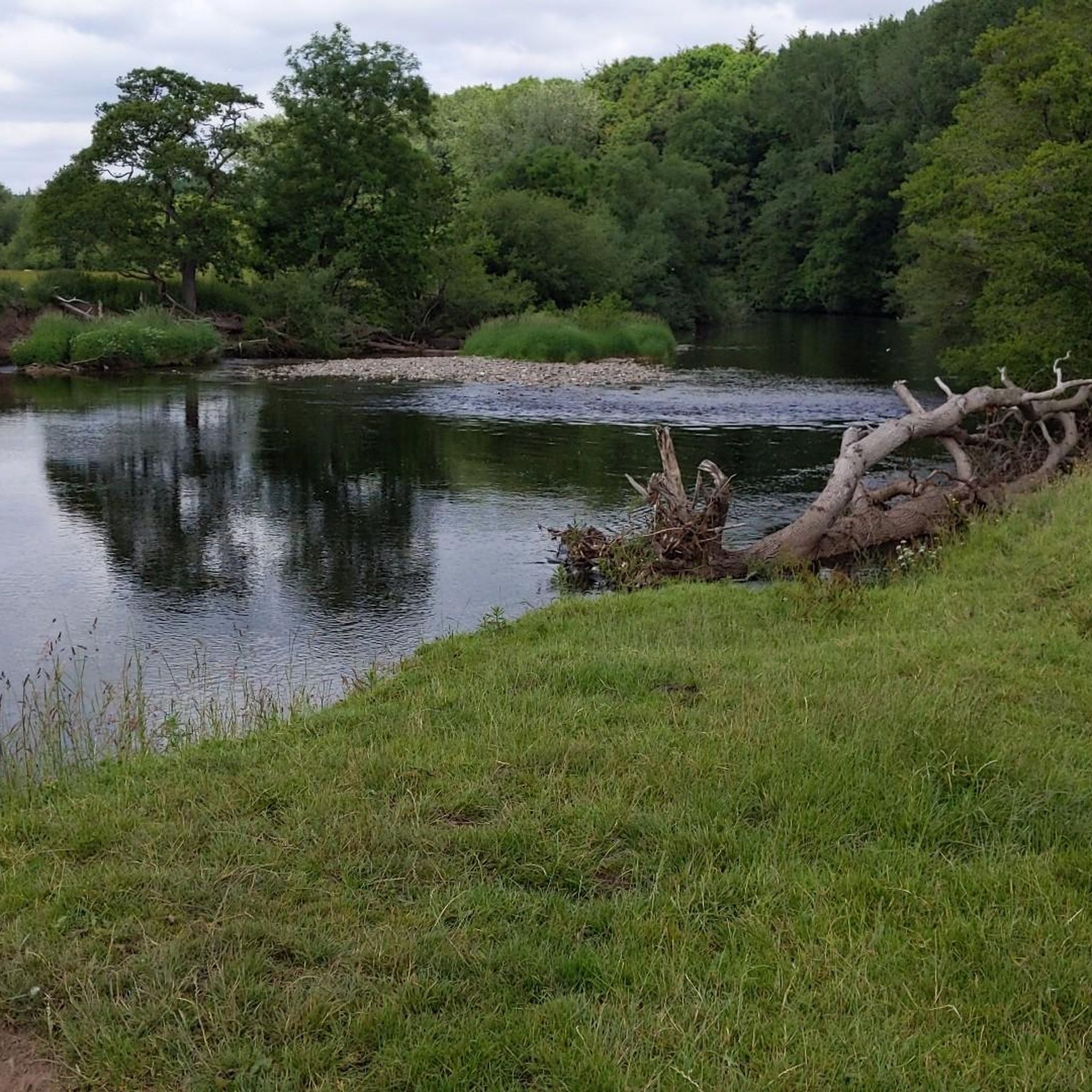
The Fallen Giant Bench
Highlight • Natural Monument
Tip by

Sign up for free to discover even more natural monuments around Ellesmere Rural.
Sign up for free
Already have an account?
Start today with a free account
Your next adventure awaits.
Login or Signup
Tips from the Community

The castle was built in 1295 by Roger Mortimer de Chirk, uncle of Roger Mortimer, 1st Earl of March as part of King Edward I's chain of fortresses across the north of Wales, guarding the entrance to the Ceiriog Valley. It was the administrative centre for the Marcher Lordship of Chirkland. The castle was bought by Sir Thomas Myddelton in 1593 for £5,000 (approx. £18 million as of 2024). His son, Thomas Myddelton of Chirk Castle was a Parliamentarian during the English Civil War, but became a Royalist during the 'Cheshire rising' of 1659 led by George Booth, 1st Baron Delamer. Mullioned and transomed windows were inserted in the 16th and 17th centuries; the castle was partly demolished in the English Civil War and then rebuilt. Following the Restoration, his son became Sir Thomas Myddelton, 1st Baronet of Chirke. The castle passed down in the Myddelton family to Charlotte Myddelton (on the death of her father in 1796). Charlotte had married Robert Biddulph, who changed his name to Robert Myddelton-Biddulph, leaving the castle on his death to their son Robert. It then passed down in the Myddelton-Biddulph family.
5
0
Hanmer Mere (Welsh: Llyn Hanmer) is a natural lake and a site of Special Scientific Interest in Wrexham County Borough, Wales. The village of Hanmer is at the northern end of the lake. The lake is 18 hectares (44 acres) in extent.
5
0
Linear earthwork that runs 176 miles that runs along the border of England and Wales. It was named after King Offa the 8th century ruler of the Kingdom of Mercia. Beautiful spot for photo, very pieceful and a great walk.
0
1
The castle was built in 1295 by Roger Mortimer de Chirk, uncle of Roger Mortimer, 1st Earl of March as part of King Edward I's chain of fortresses across the north of Wales. It guards the entrance to the Ceiriog Valley. It was the administrative centre for the Marcher Lordship of Chirkland.
3
1
Cup and Saucer waterfall Emes created gravelled walks throughout the large pleasure grounds, planted many trees which are still thriving today, and manipulated the flow of water across the park through a series of cascades and weirs. His most unique alteration to the Erddig landscape was the Cup and Saucer waterfall. This feature, which you can still see today, works by gathering water in a shallow circular stone basin with a cylindrical waterfall at its centre. The water falls through this cascade and then emerges from a tunnel several yards downstream.
4
0
With a diverse parkland, Erddig is brimming with grassland, lakes, ponds, rivers, veteran trees and woodland. Discover scenery that ranges from the Clywedog river and peaceful woodland landscape of Big Wood, to famous architectural features like the ‘cup and saucer’ and the dramatic escarpment that leads to Wat’s Dyke. Explore the remains of a Norman motte and bailey castle.
4
0

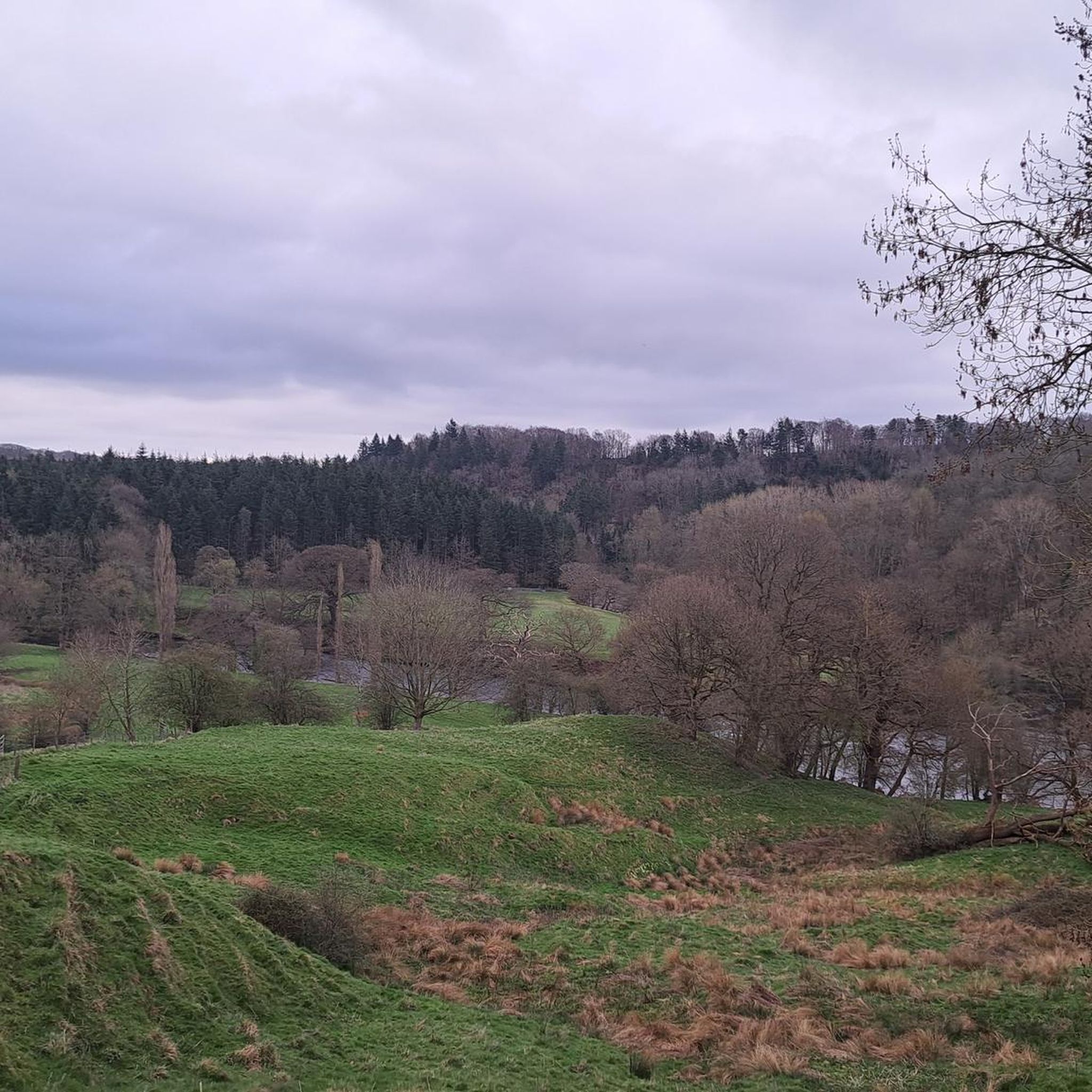
A great place to see an original part of the Offas Dyke path trench
1
0

The castle is an amazing place to visit, the grounds are really accessible and car parking is free.
5
0
Frequently Asked Questions
What are the most notable natural monuments in Ellesmere Rural?
Ellesmere Rural is renowned for its unique glacial lakes, known as meres, which form the heart of the 'Shropshire Lake District'. Key natural monuments include Ellesmere Mere, Colemere, and Hanmer Mere, a natural lake and a Site of Special Scientific Interest.
Are there family-friendly natural monuments to visit in Ellesmere Rural?
Yes, several natural monuments are suitable for families. Ellesmere Mere offers a visitor center, café, and children's play area, alongside walking trails and boating. Hanmer Mere is a quiet spot by a lake, and the Cup and Saucer Waterfall at Erddig provides a diverse parkland setting with interesting features for all ages.
What kind of wildlife can I expect to see at the natural monuments?
The meres in Ellesmere Rural are rich in wildlife. Ellesmere Mere is excellent for bird-watching, while Colemere, with its dense woodlands and meadows, supports a rich variety of birdlife, including snipe, curlew, goldeneye, and pochard throughout the year. The unique ecosystem of these glacial lakes fosters abundant plant and animal life.
Are there historical sites among the natural monuments?
Yes, the region blends natural beauty with historical significance. Old Oswestry Hill Fort is one of Britain's best-preserved Iron Age hill forts, featuring stunning earthworks. Additionally, the Cup and Saucer Waterfall is part of the historic Erddig parkland, which also contains remains of a Norman motte and bailey castle.
What are the best walking routes near the natural monuments?
You can find numerous walking routes around the natural monuments. For easy walks, consider routes like the 'Thatched-Roof Cottage – Colemere Lake loop' or 'The Mere, Ellesmere – Ellesmere Sculpture Trail loop'. For more options, explore the easy hikes around Ellesmere Rural or the broader hiking guide for the area.
Are there viewpoints offering scenic vistas of the natural monuments?
Absolutely. The region offers several stunning viewpoints. The View of Pontcysyllte Aqueduct and Dee Valley provides truly amazing views after a good climb. Another excellent spot is the View of Chirk Aqueduct from Photograph Station, which is designated for capturing the seasonal beauty of an Area of Outstanding Natural Beauty.
What is the best time of year to visit the natural monuments in Ellesmere Rural?
The natural monuments, particularly the meres, are beautiful year-round. Spring and summer offer lush greenery, blooming gardens, and active wildlife, ideal for walking and boating. Autumn brings vibrant foliage, while winter provides a serene, tranquil experience, especially for quiet enjoyment of nature and bird-watching.
Are there opportunities for outdoor activities like running near these sites?
Yes, the area around Ellesmere Rural is great for outdoor activities. You can find various running trails, such as the 'Llangollen Canal – V20 Coffee loop from Ellesmere College'. For more running options, check out the running trails guide for Ellesmere Rural.
Is parking available at the natural monuments?
Yes, parking is generally available. For instance, Colemere offers a free car park, making it convenient for visitors seeking a tranquil experience. Ellesmere Mere also has facilities, including parking, as part of Ellesmere Country Park.
What makes the meres of Ellesmere Rural unique?
The meres are unique glacial lakes formed over 10,000 years ago by melting glaciers. They are rare globally due to their lack of natural stream flow in or out, relying instead on slow drainage from surrounding soil. This process enriches them with nutrients, fostering abundant plant and animal life, making them distinct natural monuments.
Can I find places to eat or drink near the natural monuments?
Yes, Ellesmere Mere at Ellesmere Country Park has a café on-site. Additionally, the village of Ellesmere and surrounding areas offer various pubs and eateries. For example, the 'The Mere, Ellesmere – The White Hart Inn loop' suggests a route that includes a local pub.
How long should I plan for a visit to the natural monuments?
The duration of your visit can vary. For a comprehensive experience at Ellesmere Mere, including walks, gardens, and the visitor center, you might spend half a day or more. Smaller sites like Hanmer Mere or Colemere can be enjoyed in a couple of hours, especially if combined with a walk or picnic.
Most popular attractions around Ellesmere Rural

Get inspired with the komoot mobile app


Explore more
Extend your search for the best caves by checking out these guides of the top ones around Ellesmere Rural:
