Top 6 Natural Monuments around South Mullaghacall
Natural monuments around South Mullaghacall are characterized by dramatic coastal formations and diverse natural landscapes within County Antrim, Northern Ireland. This area features significant geological formations, historic sites integrated with natural features, and expansive viewpoints. The natural features of South Mullaghacall offer varied terrain for exploration.
Best natural monuments around South Mullaghacall
- The most popular natural monuments is Dunluce Castle Ruins, a natural monument that is a medieval castle located on the edge of a basalt outcropping. This site…
Last updated: June 30, 2026
Dunluce Castle Ruins
Highlight • Natural Monument
Tip by

Magheracross Viewpoint
Highlight • Trail
Translated by Google •
Tip by

Sign up now to discover places like this
Get recommendations on the best single tracks, peaks, & plenty of other exciting outdoor places.
Sign up for free
Portrush National Nature Reserve
Highlight • Viewpoint
The area has been …
Tip by

Mountsandel Fort
Highlight • Natural Monument
Tip by

Portstewart Strand from St. Patrick's Well
Highlight • Beach
The viewpoint is from St. Patrick’s Well, a small spring long associated with local tradition.
Tip by

Sign up for free to discover even more natural monuments around South Mullaghacall.
Sign up for free
Already have an account?
Start today with a free account
Your next adventure awaits.
Login or Signup



Tips from the Community

Beautiful view of the cliffs and Dunluce Castle.
0
0

Impressive views down into the valley and a beautiful view of Dunluce Castle,
2
0

Portstewart Strand is a sweeping two-mile beach at the edge of town and forms a fitting finale (or start!) to the Causeway Coast Way. The viewpoint is from St. Patrick’s Well, a small spring long associated with local tradition.
1
0

Dunluce Castle in Northern Ireland is an impressive ruin perched on a cliff above the sea. Its dramatic location and rugged rocky landscape lend the castle a special atmosphere. The remains tell a rich history and offer fascinating insights into medieval defensive architecture. The views of the sea and the surrounding nature make a visit an unforgettable experience. Dunluce Castle is a place that combines both history and nature in a striking way.
2
0

De Burgh's castle was primarily a military fortress, notable for its robust defensive features typical of Norman architecture. The design included impressive walls and strategic positioning to take advantage of the natural defensive advantages of the clifftop location.
2
0
Mountsandel Fort is a prehistoric fort dating to the Mesolithic period that was reused in the Irish Middle Ages (10th to 11th centuries). Located in Coleraine, County Derry, the fort consists of a huge grassy mound hollowed out in the middle, overlooking the River Bann. A must-see for lovers of mysterious monuments!
1
0

Great ice cream cart with coffee specialties and a large selection of toppings
1
1

The Whiterocks Cliff Path is a beautiful trail that ascends from the beach to view the cliffs. Its continuation is the Dunluce Road, which offers views of the same cliffs and the surrounding landscape, connecting with Dunluce Castle. Both sections feature beautiful white limestone cliffs (formed during the time of the dinosaurs) on the lower section and black volcanic rocks (formed when the dinosaurs became extinct) on the upper section.
1
0
Frequently Asked Questions
What kind of natural features can I expect to see around South Mullaghacall?
The natural monuments around South Mullaghacall are characterized by dramatic coastal formations and diverse natural landscapes within County Antrim. You'll find significant geological formations like the basalt outcropping supporting Dunluce Castle Ruins, and areas with visible fossils in exposed rock, such as Portrush National Nature Reserve. Expansive viewpoints like Magheracross Viewpoint offer stunning vistas of the coastline and historic sites.
Are there family-friendly natural monuments around South Mullaghacall?
Yes, several natural monuments are suitable for families. Magheracross Viewpoint offers impressive views and is easily accessible. Portrush National Nature Reserve is a great spot for families to explore the seashore and discover fossils. Additionally, Portstewart Strand from St. Patrick's Well provides a beautiful two-mile beach perfect for family outings.
What historical natural monuments can I visit near South Mullaghacall?
The region boasts several natural monuments with significant historical ties. The most prominent is Dunluce Castle Ruins, a medieval castle dramatically perched on a basalt outcropping. This site was historically important, attracting early Christians and Vikings due to its naturally fortified position. Portrush National Nature Reserve is also recognized for its historic importance, with fossils visible in the exposed rock on the seashore.
What outdoor activities can I do near these natural monuments?
The area around South Mullaghacall offers various outdoor activities. You can explore road cycling routes, with options like the 'Dunluce Castle Ruins – Magheracross Viewpoint loop from Portstewart' (37.8 km, moderate). For general cycling, consider the 'Portstewart Promenade – Castlerock Beach loop from Portstewart' (39.3 km, moderate). Running enthusiasts can enjoy trails such as the 'West Strand Promenade – View of Portrush Harbour loop from Portstewart' (12.8 km, moderate). You can find more details on these activities in the Road Cycling Routes, Cycling, and Running Trails guides for South Mullaghacall.
What are the most popular viewpoints around South Mullaghacall?
Visitors particularly enjoy Magheracross Viewpoint, which offers impressive views down into the valley and a beautiful perspective of Dunluce Castle, Whitestone Beach, and Portrush. Another highly regarded spot is the View of the North Coast from Binevenagh AONB, providing an expansive and breathtaking panorama of the north coast of Ireland.
What makes Dunluce Castle Ruins a natural monument?
Dunluce Castle Ruins is considered a natural monument primarily due to its dramatic location on the edge of a basalt outcropping. The castle is surrounded by extremely steep drops on either side, a natural fortification that attracted early inhabitants. The raw basaltic coastline and the geological formation itself are integral to its appeal and historical significance.
Can I see unique geological formations near South Mullaghacall?
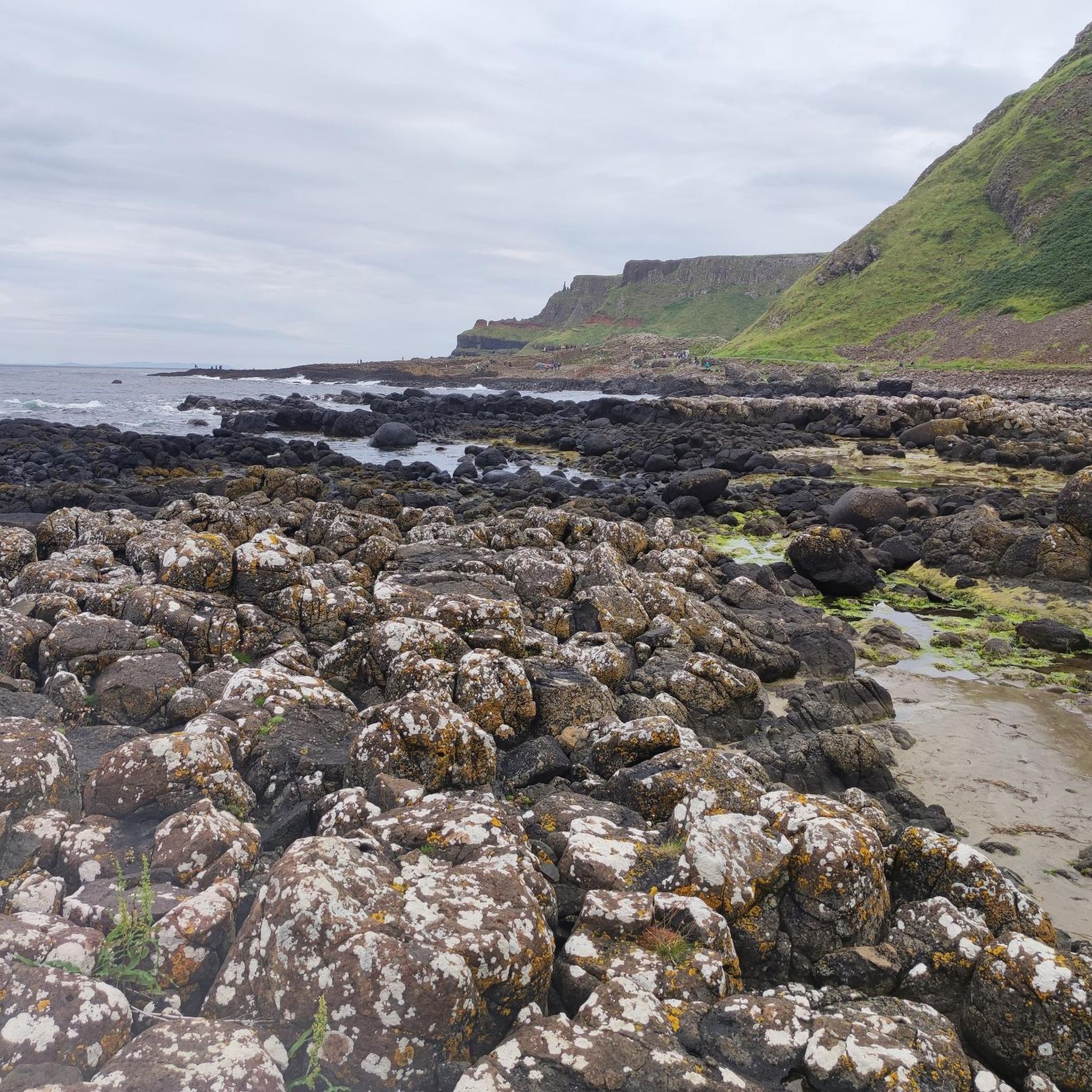
Absolutely. The region is renowned for its unique geology. Beyond the basalt formations at Dunluce Castle, you can find the famous Giant's Causeway nearby, characterized by approximately 40,000 interlocking basalt columns formed from an ancient volcanic eruption. The Whiterocks Cliff Path, near Magheracross Viewpoint, also features beautiful white limestone cliffs and black volcanic rocks, showcasing diverse geological history.
What is the best time to visit the natural monuments around South Mullaghacall?
The natural monuments around South Mullaghacall, particularly the coastal areas, can be enjoyed year-round. However, for the most pleasant experience with hiking and exploring, late spring to early autumn (May to September) generally offers milder weather and longer daylight hours. During these months, you're more likely to experience clear views from viewpoints and comfortable conditions for coastal walks.
Are there any natural reserves or protected areas in South Mullaghacall?
Yes, Portrush National Nature Reserve is located on the Portrush headland, within the Causeway Coast Area of Natural Beauty. This area has been granted nature reserve status due to its historic importance, particularly for the fossils visible in the exposed rock on the seashore, making it a protected site for its unique natural and geological features.
What do visitors enjoy most about the natural monuments around South Mullaghacall?
Visitors frequently highlight the breathtaking views and the dramatic coastal scenery. The combination of historic ruins with raw natural landscapes, such as at Dunluce Castle Ruins, is particularly appreciated. The opportunity to explore unique geological formations and enjoy serene natural beauty, especially from expansive viewpoints like Magheracross Viewpoint, also receives high praise.
Are there any beaches or coastal walks associated with the natural monuments?
Yes, the region is known for its beautiful coastline. Portstewart Strand from St. Patrick's Well offers a sweeping two-mile beach that forms part of the Causeway Coast Way. Near Magheracross Viewpoint, you can access the Whiterocks Cliff Path, which ascends from the beach and provides stunning views of white limestone and black volcanic cliffs.
What is the significance of the Glens of Antrim in relation to South Mullaghacall's natural monuments?
While South Mullaghacall is a localized area, it falls within the broader region of County Antrim, which is home to the renowned Glens of Antrim. These nine glens, sculpted by natural forces, offer diverse and beautiful natural landscapes with tumbling waterfalls, rich woodlands, and serene valleys. They represent another facet of County Antrim's natural beauty, complementing the coastal and geological features found directly around South Mullaghacall.
Most popular attractions around South Mullaghacall

Get inspired with the komoot mobile app


Explore more
Extend your search for the best caves by checking out these guides of the top ones around South Mullaghacall:
