Top 7 Natural Monuments around Grafton And Radcot
Best natural monuments around Grafton And Radcot showcase the tranquil landscape of this Oxfordshire area. The region features diverse natural attractions, from ancient woodlands to river crossings. These sites highlight the area's biodiversity and scenic beauty, offering opportunities to connect with nature. Visitors can explore a variety of natural features within this part of the UK.
Top natural monuments around Grafton And Radcot
- The most popular natural monuments is Badbury Clump Bluebell Woods, a natural monument and ancient woodland.…
Last updated: June 30, 2026
Badbury Clump Bluebell Woods
Highlight • Natural Monument
Tip by

Cheese Wharf Wild Swimming Spot
Highlight • River
Tip by

Sign up now to discover places like this
Get recommendations on the best single tracks, peaks, & plenty of other exciting outdoor places.
Sign up for free
Jubilee Sundial and Obelisk
Highlight • Monument
Fashioned of Portland stone and green slate by Fergus Wessel of Stone Workshop and mounted …
Tip by

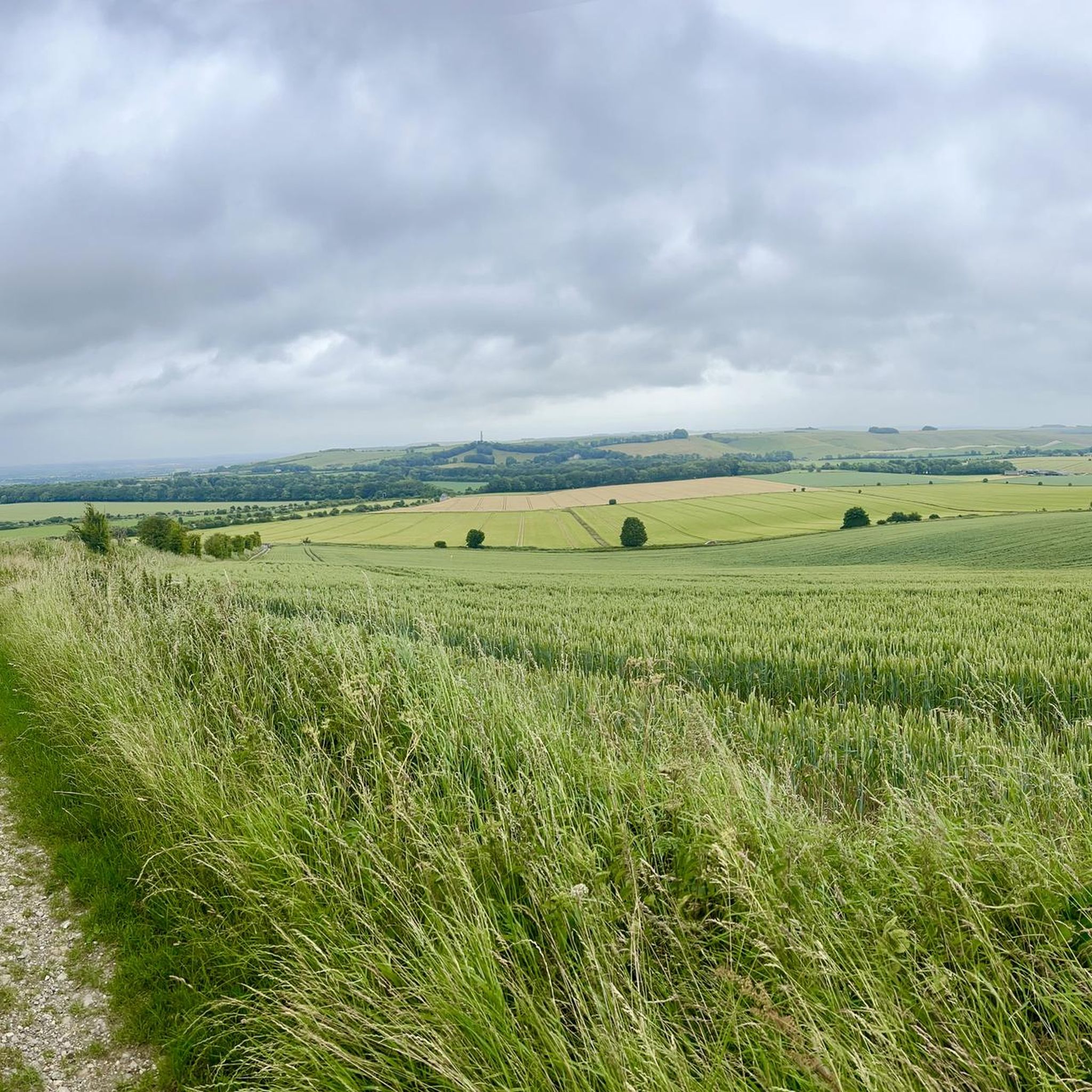
View of the Cotswolds Valley
Highlight • Natural
Tip by

Four Seasons Walled Garden, Buscot Park
Highlight • Natural Monument
Tip by
Sign up for free to discover even more natural monuments around Grafton And Radcot.
Sign up for free
Already have an account?
Start today with a free account
Your next adventure awaits.
Login or Signup
Tips from the Community

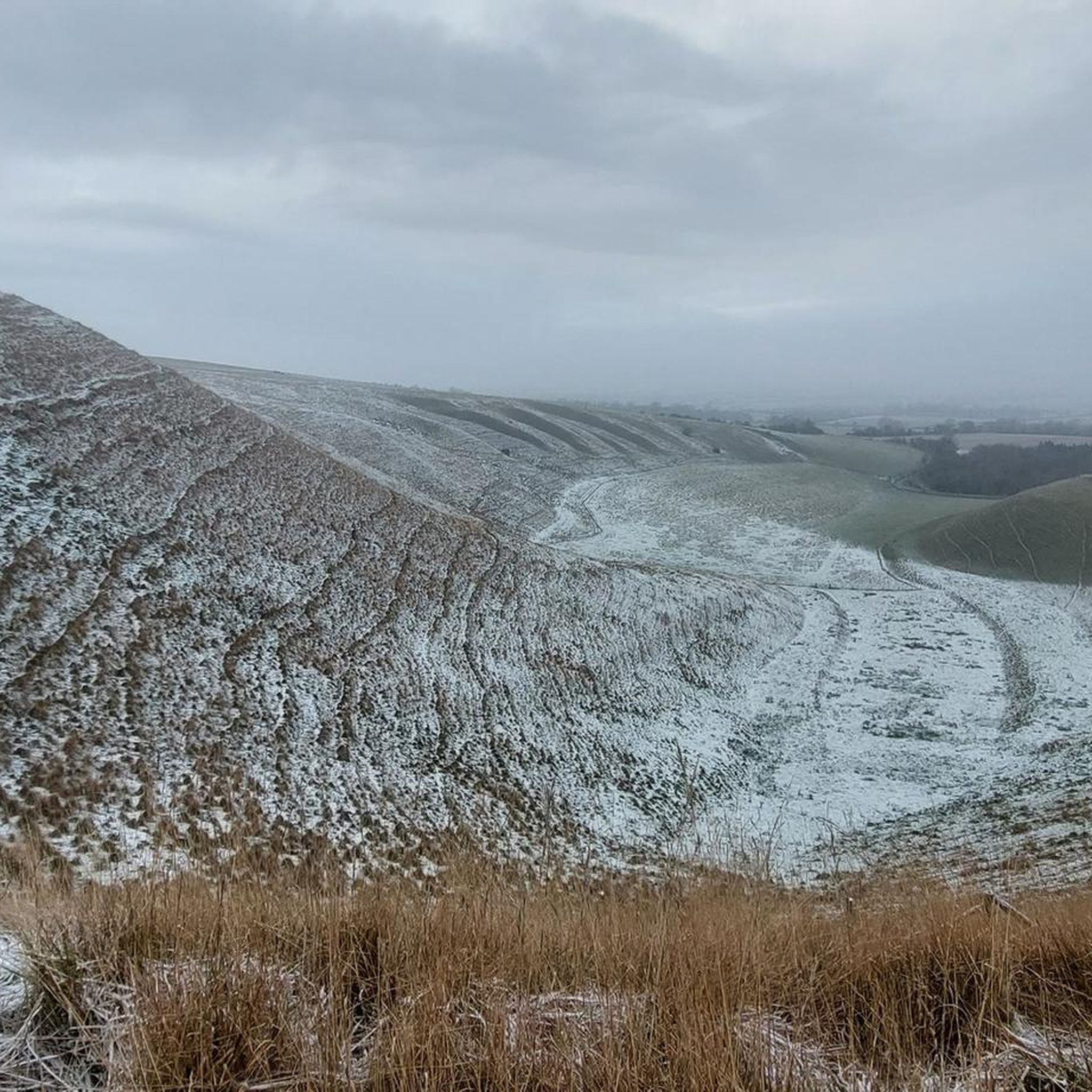
Badbury Hill is home to the Iron Age Badbury Camp, a circular hill fort partially leveled in the 19th century. It’s thought to be a possible site of the Battle of Mons Badonicus. The hill also has a WWII firing range on its west side. Today, Badbury Clump, a nine-acre wooded area, is known for its bluebells in May and is a popular spot for walkers and dog owners. It’s now managed by the National Trust.
2
0

Fashioned of Portland stone and green slate by Fergus Wessel of Stone Workshop and mounted atop a hexagonal pyramid, the 16.4-foot-tall obelisk features one gold-plated bronze pointer on each side. Wavy incised and gilded lines mark the hours and quarter hours, and encircling the obelisk are engraved hieroglyphics that spell, among other things, Queen, Elizabeth, and Eternity—the sundial being Lord Faringdon’s tribute to the British monarch’s 50 years on the throne. Additional smaller obelisks stand around the central example, giving the effect of a mini Valley of the Kings in the middle of bucolic Oxfordshire. Source: architecturaldigest.com
0
0


Fantastic stretch of new road that is epic to ride. Let’s 2-3 miles.
0
0

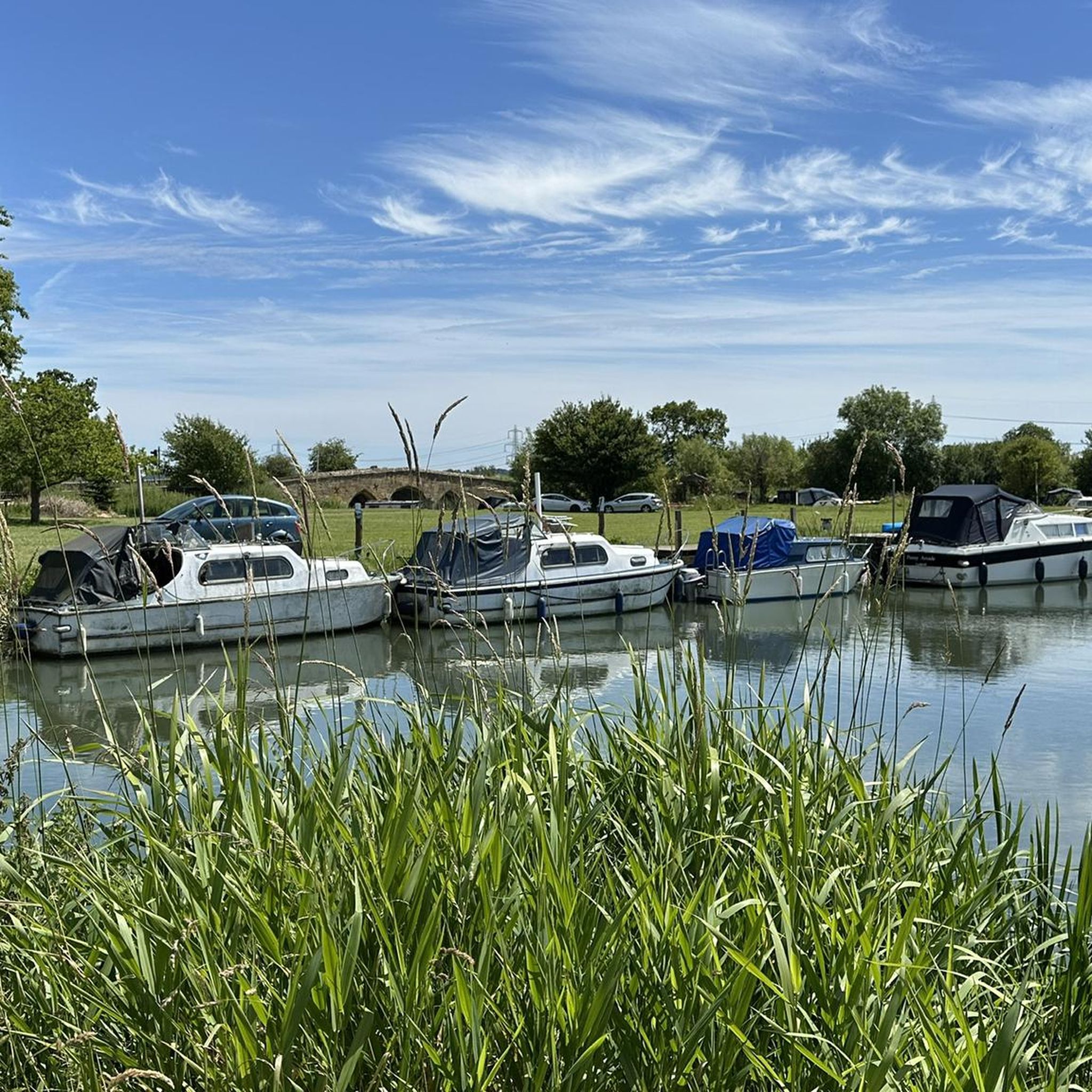
Taking its name from the place where delicious cheese were once loaded onto boats for shipping to London, Cheese Wharf is now a brilliant wild swimming spot on the River Thames near Buscot. It's owned by the National Trust and there are a couple of parking spaces nearby.
1
0

The present Lord Faringdon has, since 1978, transformed what was a grand, but largely redundant, eighteenth-century kitchen garden into a fine ornamental garden with a strong structure, within which a degree of informality is encouraged. Shaped as an irregular octagon, the garden is divided into four quadrants by the two main axis paths. Pleached hop hornbeams (Ostrya carpinifolia) have been planted along the longer east–west axis, with pink and white Judas trees (Cercis siliquastrum) trained over iron arbour tunnels along the shorter north–south axis. The effect, from whichever direction the garden is approached, is to create dramatic vistas, focusing on the central lily pond, with its fountain, statue and handsome balustrade. The Judas trees are at their peak of colour in June, at which point the extensive plantings of day lilies, from Lady Cynthia Carew Pole’s collection at Antony in Cornwall, begin to flower in the main axis beds, producing a succession of multi-coloured blooms throughout the summer and early autumn. The quadrants feature statues of the Four Seasons, by Frank Forster, the winner of a competition promoted by the Faringdon Collection Trustees and by the President of the Royal Academy. Dwarf box hedges surround each quadrant, interrupted by standard trees alternating with clipped Portuguese laurels and chosen to complement the seasonal theme: ‘Golden King’ hollies for winter, the fragrant pink-flowered Viburnum x carlcephalum for spring, the rose-pink lilac Syringa microphylla ‘Superba’ for summer and Hydrangea paniculata for autumn. An Indian bean tree occupies the middle of each quadrant, along with other trees chosen with the seasons in mind: Acer palmatum ‘Senkaki’ (the Coral Bark Maple) for the colour of its stems and bark in winter, along with winter-flowering cherry and Malus ‘Golden Hornet’ for its fruit; various crab apples and cherries for their spring blossom, laburnums for summer, along with the rare hop tree (Ptelea trifoliata) with its small scented flowers and winged fruits; and bright-berried rowans for autumn. http://www.buscot-park.com/grounds/four-seasons-walled-garden
0
0
Obelisk/Sundial created by Sir Mark Lennox-Boyd to commemorate the Diamond Jubilee of Queen Elizabeth II. Fashioned of Portland stone and green slate by Fergus Wessel of Stone Workshop and mounted atop a hexagonal pyramid, the 16.4-foot-tall obelisk features one gold-plated bronze pointer on each side. Wavy incised and gilded lines mark the hours and quarter hours, and encircling the obelisk are engraved hieroglyphics that spell, among other things, Queen, Elizabeth, and Eternity—the sundial being Lord Faringdon’s tribute to the British monarch’s 50 years on the throne. Additional smaller obelisks stand around the central example, giving the effect of a mini Valley of the Kings in the middle of bucolic Oxfordshire. https://www.architecturaldigest.com/story/sir-mark-lennox-boyd-sundials
1
0
Frequently Asked Questions
What natural features can I explore around Grafton And Radcot?
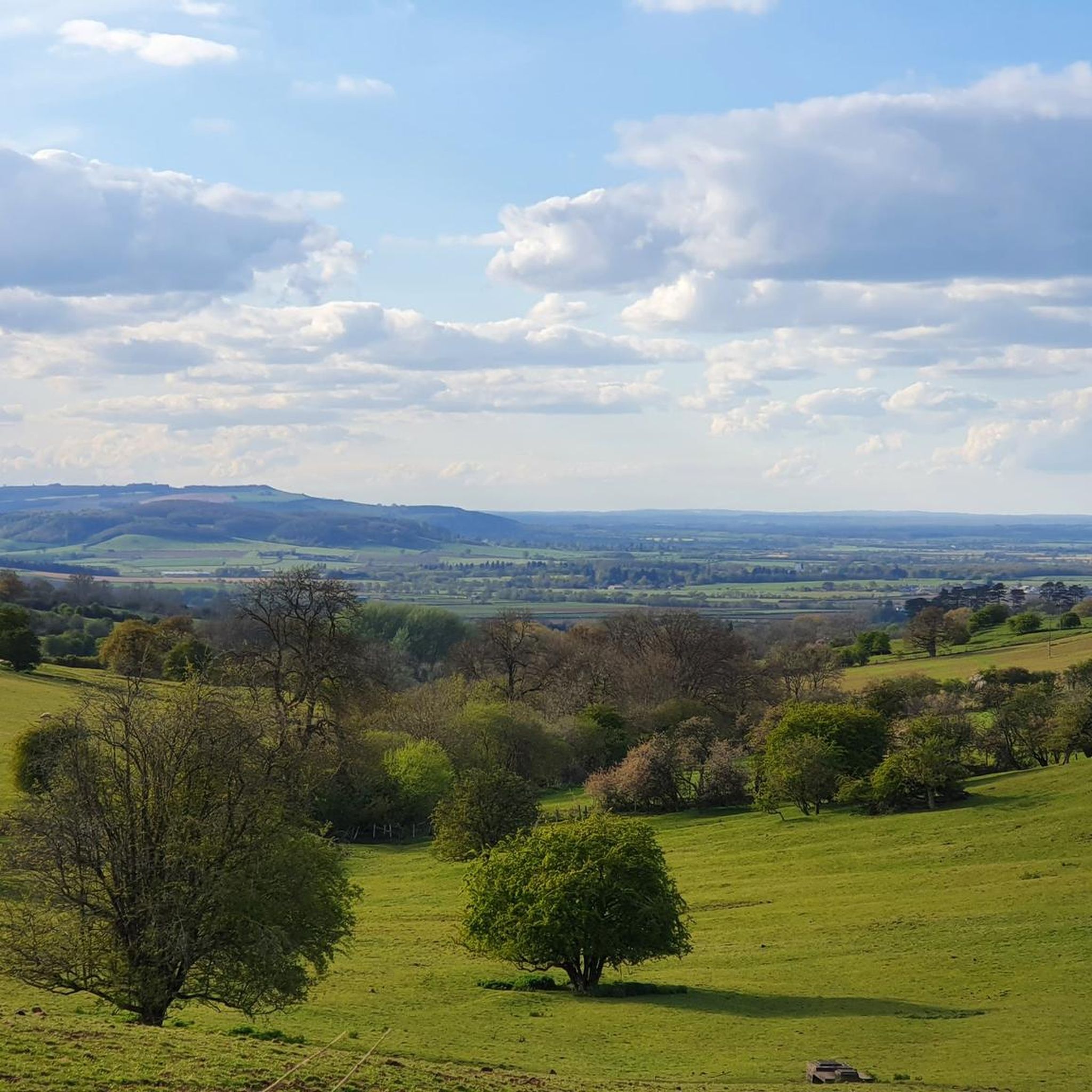
The Grafton And Radcot area offers diverse natural features, including ancient woodlands like Badbury Clump Bluebell Woods, which is also an Iron Age hill fort. You can also experience river features such as the Cheese Wharf Wild Swimming Spot on the River Thames, and enjoy expansive views from natural viewpoints like the View of the Cotswolds Valley.
Where can I see bluebells in the Grafton And Radcot area?
For a spectacular display of bluebells, visit Badbury Clump Bluebell Woods. This ancient woodland becomes carpeted with vibrant bluebells, typically between late April and early May, creating a 'fairytale woodland' experience. It's managed by the National Trust.
Are there any scenic viewpoints in Grafton And Radcot?
Yes, the View of the Cotswolds Valley offers expansive vistas of the surrounding Cotswolds landscape. It's a great spot to stop and appreciate the natural beauty of the region.
Can I go wild swimming near Grafton And Radcot?
You can enjoy wild swimming at the Cheese Wharf Wild Swimming Spot on the River Thames. This location is part of an area with ongoing wetland restoration projects and is owned by the National Trust.
When is the best time to visit the natural monuments around Grafton And Radcot?
The best time to visit depends on what you want to see. For the bluebells at Badbury Clump Bluebell Woods, late April to early May is ideal. For river activities like crossing Duxford Ford or wild swimming at Cheese Wharf, lower river levels are preferable, typically during drier periods.
Are there family-friendly natural monuments in Grafton And Radcot?
Yes, several natural monuments are suitable for families. Badbury Clump Bluebell Woods offers easy walks through ancient woodland. The View of the Cotswolds Valley is also a great spot for families to enjoy the scenery. Additionally, the Four Seasons Walled Garden, Buscot Park, while cultivated, is categorized as a natural monument and is family-friendly with its ornamental gardens.
Which natural monuments are dog-friendly around Grafton And Radcot?
Badbury Clump Bluebell Woods is a popular spot for dog owners, offering various walks through its ancient woodland. Dogs are generally welcome on leads in many public outdoor spaces in the region.
What historical elements can be found at these natural monuments?
Badbury Clump Bluebell Woods is not only a natural wonder but also part of an Iron Age hill fort, offering a glimpse into ancient history. The area also features the Jubilee Sundial and Obelisk, a man-made monument with historical significance, and the Four Seasons Walled Garden, Buscot Park, which has a rich historical context as an eighteenth-century kitchen garden transformed into an ornamental space.
Are there walking routes near the natural monuments in Grafton And Radcot?
Yes, the region is excellent for walking. Badbury Clump Bluebell Woods has various National Trust-identified walks. For more options, you can explore the Running Trails around Grafton And Radcot guide, which includes routes like the 'Kelmscott Manor loop from Kelmscott' and a 'Running loop from Grafton and Radcot'.
What cycling opportunities are available near these natural monuments?
The area around Grafton And Radcot offers several cycling routes. You can find options in the Road Cycling Routes around Grafton And Radcot guide, with routes like the 'Clanfield Village – Tibbles's Food Store loop' and the 'View of White Horse Hill – Faringdon Coffee House loop'. For mountain biking, check the MTB Trails around Grafton And Radcot guide, featuring routes such as the 'Burford Town Centre – Burford Village loop'.
What do visitors enjoy most about the natural monuments in Grafton And Radcot?
Visitors particularly appreciate the tranquil beauty and diverse experiences. The vibrant bluebells and ancient trees at Badbury Clump Bluebell Woods are a major draw. The unique experience of wild swimming at Cheese Wharf Wild Swimming Spot and the expansive views from the View of the Cotswolds Valley are also highly valued by the komoot community.
Is there parking available near the natural monuments?
Yes, for Badbury Clump Bluebell Woods, parking is available, though charges may apply as it's managed by the National Trust. The Cheese Wharf Wild Swimming Spot also has a couple of parking spaces nearby.
Most popular routes around Grafton And Radcot
Most popular attractions around Grafton And Radcot

Get inspired with the komoot mobile app


Explore more
Extend your search for the best caves by checking out these guides of the top ones around Grafton And Radcot:
