Top 6 Natural Monuments around Wytham
Best natural monuments around Wytham include the expansive Wytham Woods, a 1,000-acre woodland recognized for its ecological diversity and long-term research. This area features ancient semi-natural woodland, limestone grassland, and various habitats supporting rich flora and fauna. Visitors can explore 32 km of paths and enjoy views of Oxford from certain points. The region offers a blend of natural beauty and scientific significance.
Best natural monuments around Wytham
- The most popular natural monuments is Blenheim Park Lake and The Pump…
Last updated: May 2, 2026
J. R. R. Tolkien Memorial Bench and Trees
Highlight • Natural Monument
Tip by

Wetlands Watch Hide
Highlight • Viewpoint
Tip by

Sign up now to discover places like this
Get recommendations on the best single tracks, peaks, & plenty of other exciting outdoor places.
Sign up for free
Jarn's Mound and Wild Garden
Highlight • Natural Monument
Tip by
Blenheim Park Lake and The Pump House Waterfall
Highlight • Waterfall
Tip by

The Shotover Oak Stump
Highlight • Natural Monument
Tip by
Sign up for free to discover even more natural monuments around Wytham.
Sign up for free
Already have an account?
Start today with a free account
Your next adventure awaits.
Login or Signup

Tips from the Community

In 2012, Lisa Kuppler (Frankfurter Allgemeine Sonntagszeitung) paid tribute to the writer J.R.R. TOLKIEN (1892 to 1973), who invented a fictional world called Middle Earth inhabited by 'hobbits', with the words: "It is this complex creation of an entire world that makes 'The Lord of the Rings' the original text of the fantasy genre." Two decades earlier - on the occasion of his 100th birthday - a bench and two trees were dedicated to him here, in Oxford's university park. Tolkien's most popular work to date includes the volumes: "The Fellowship of the Ring" (Volume 1); "The Two Towers" (Volume 2); "The Return of the King" (Volume 3). Many people may not have read his books, but they know the film version of this great myth.
0
0

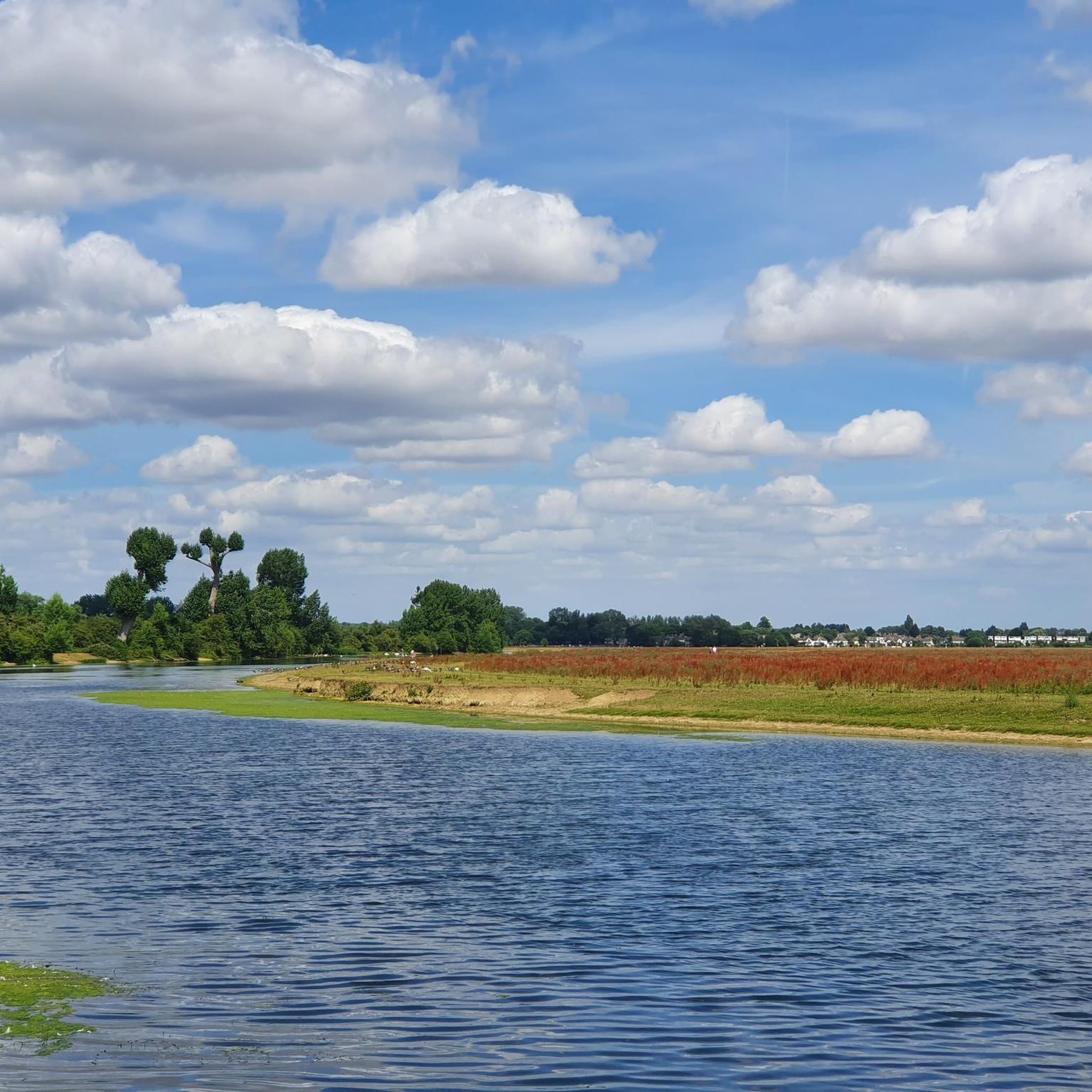
It is a fantastic hide with views over the fields & ponds. DOGs are NOT allowed. This also means that you cannot use the direct footpath towards Beckley if you have a DOG. Instead you have to take the path via the RSPB car park, which adds 2k to the walk if you go back to the footpath, rather than follow the road up to the Abingdon Arms at Beckley
1
0

The Wetlands Watch lookout and viewing screens are especially great to visit in the autumn and winter months when large numbers of wildfowl and waders are spotted on the floodplains.
2
0

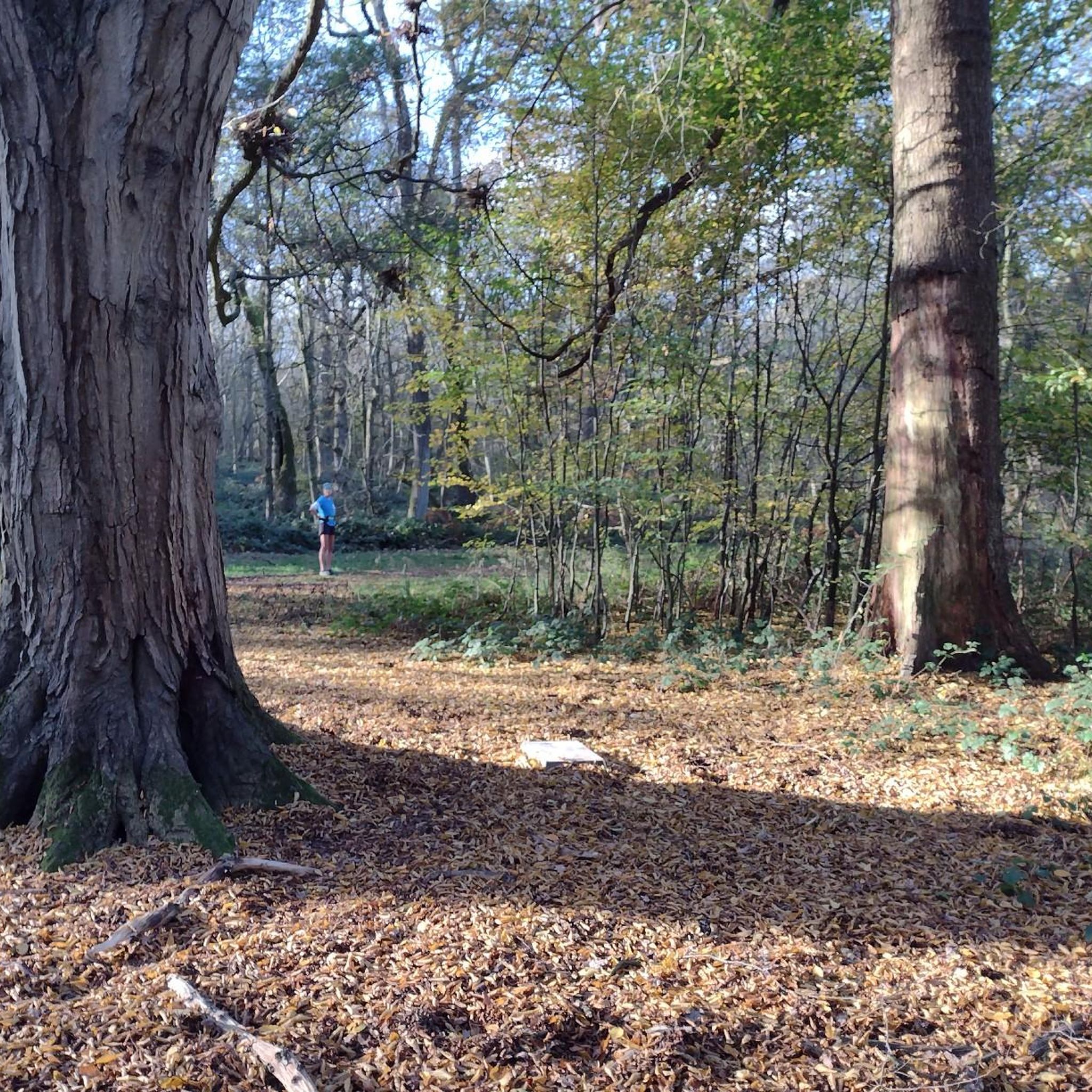
nice wooded area with traditional british forestation.
0
0

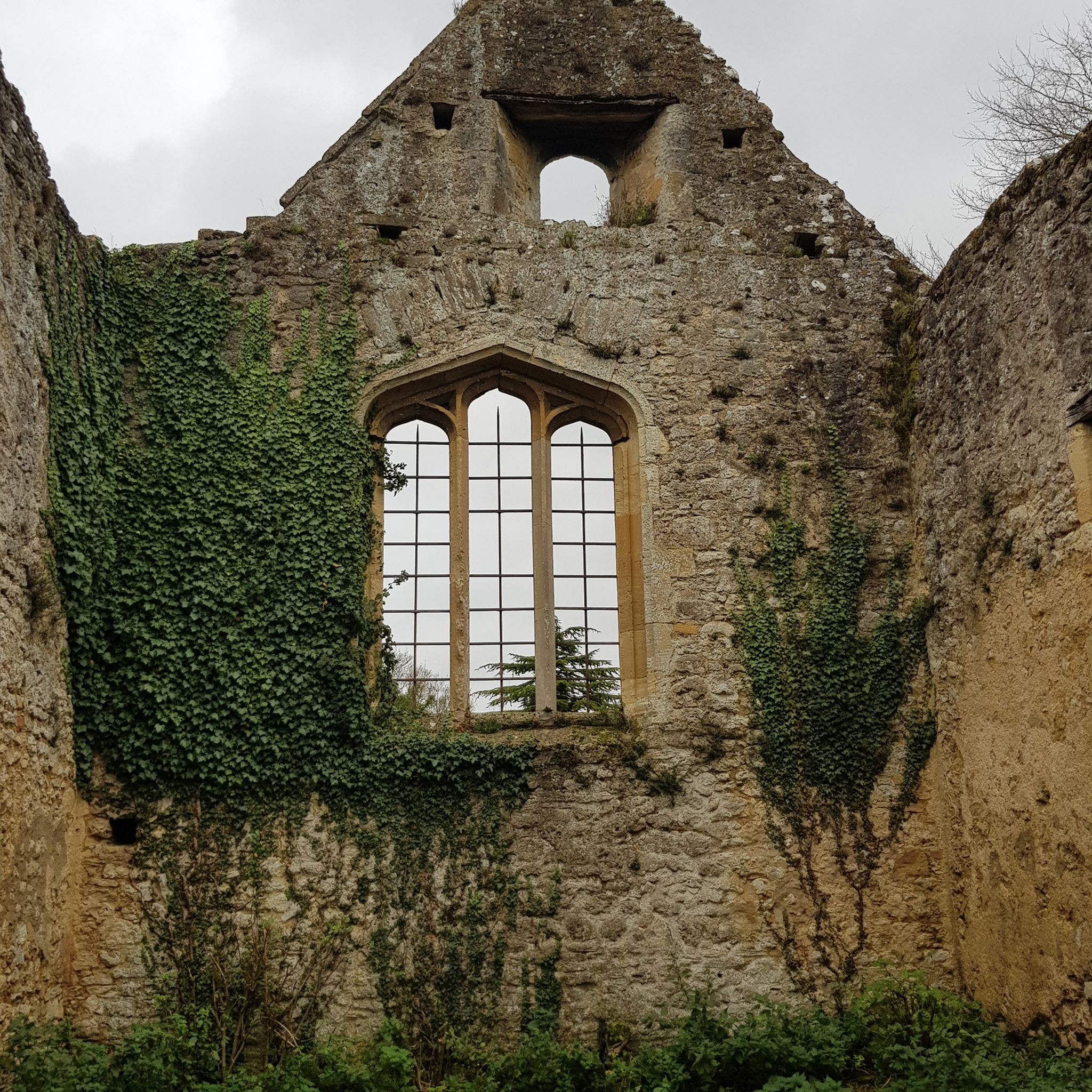
The ancient Shotover Oak (Quercus robur) fell on 13th of July 2015 after a severe drought, having survived much turmoil including the decimation of the Royal Forest by both Royalist and parliamentary armies in the siege of Oxford 1644-46. The new shoots on the base of its trunk are guarded from rabbits and deer by a chestnut palling fence. Hopefully this ancient oak will rise again in time.
4
0
In 1992, to commemorate the centenary of Tolkien’s birth, the Tolkien Society and the Mythopoeic Society organised held a special collection for the installation of a memorial bench and planting of two trees in University Parks. The trees represent Laurelin (a false acacia) and Telperion (a silver maple) from The Silmarillion.
6
0

554 acres (224 ha) of glorious parkland await at Blenheim Park, which occupies most of Blenheim Palaces' grounds. The park is a designated Site of Special Scientific Interest due to the habitats it supports. Whilst you have to pay to enter the palace and formal gardens, the park's many footpaths are free to enter. You can take a stroll by the lake, explore the woodland areas, or find a tranquil spot for a picnic.
0
0
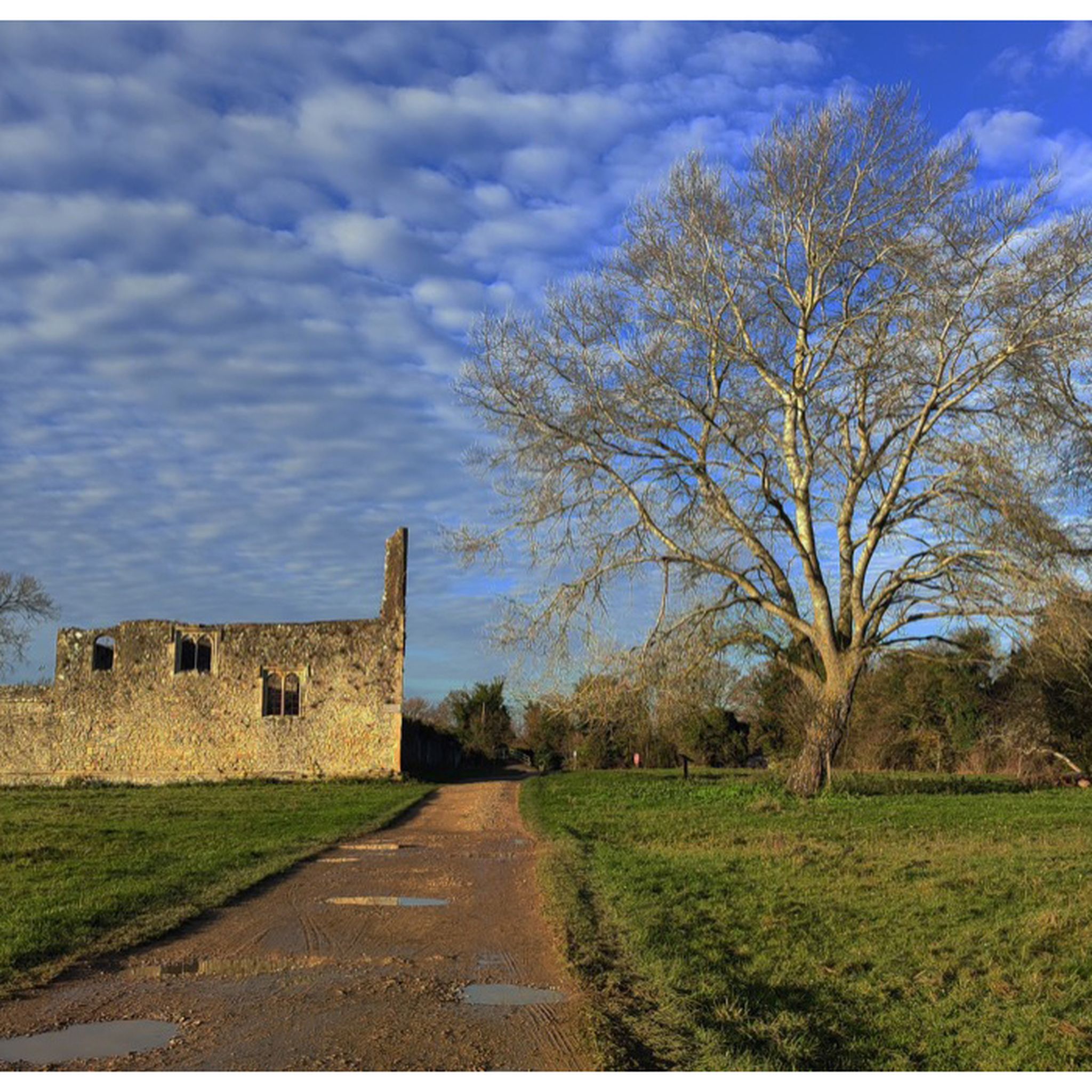
Jarn's Mound and Wild Garden was constructed by British archaeologist Sir Arthur Evans (1851-1941) who is best known for his excavation and reconstruction of the Bronze Age palace of Knossos on Crete. He lived on Boars Hill from 1894 until his death and was passionate about protecting the area and maintaining its beauty for others to enjoy. He constructed an artificial mound which is 15 metres high to bring out the magnificent views over to the city of Oxford in one direction, and the Vale of the White Horse in the other.
4
0
Frequently Asked Questions
What are some of the most notable natural monuments to visit around Wytham?
Wytham is home to several significant natural monuments. You can explore the expansive Wytham Woods, a 1,000-acre woodland known for its ecological diversity. Other popular spots include Blenheim Park Lake and The Pump House Waterfall, which features 554 acres of parkland, and the Wetlands Watch Hide, offering excellent views for spotting wildfowl.
Are there any natural monuments with historical significance in the Wytham area?
Yes, several natural monuments in the area have historical connections. The J. R. R. Tolkien Memorial Bench and Trees is dedicated to the famous author, featuring a bench and two trees representing Laurelin and Telperion from The Silmarillion. Additionally, Jarn's Mound and Wild Garden was constructed by archaeologist Sir Arthur Evans to offer magnificent views over Oxford and the Vale of the White Horse.
What kind of wildlife can I expect to see at the natural monuments around Wytham?
Wytham Woods is remarkably rich in biodiversity, home to over 500 species of plants, 800 species of butterflies and moths, and a vast array of invertebrates. You might also spot deer. The Wetlands Watch Hide is particularly good for observing wildfowl and waders, especially during autumn and winter months.
What is the best time of year to visit Wytham Woods?
Wytham Woods offers natural beauty throughout the year. For a spectacular display of bluebells, April and May are ideal. Autumn and winter are excellent for birdwatching at spots like the Wetlands Watch Hide, when large numbers of wildfowl and waders are present.
Are there family-friendly natural monuments or activities in the Wytham area?
Many natural monuments around Wytham are suitable for families. Wytham Woods offers 32 km of paths for walking and exploring, with 'dens upon dens' and fallen trees for imaginative play. Blenheim Park Lake and The Pump House Waterfall is also family-friendly, offering extensive parkland for strolls and picnics. The Shotover Oak Stump is located in a nice wooded area, suitable for family walks.
Are dogs allowed at the natural monuments?
While many outdoor areas are dog-friendly, it's important to check specific rules for each location. For example, dogs are not allowed inside the Wetlands Watch Hide, and this may affect direct footpath access. Always look for signage or specific guidelines at each site.
What are the walking and hiking opportunities near Wytham's natural monuments?
The area around Wytham offers numerous walking and hiking opportunities. Wytham Woods alone has 32 km of rides and paths. You can find various routes, including easy and moderate options. For more detailed hiking routes, explore the Hiking around Wytham guide, which features routes like the 'Wytham Tea Rooms – Shift in Canopy loop'.
Are there any easy walking routes suitable for beginners near Wytham's natural monuments?
Yes, there are several easy walking routes. The Easy hikes around Wytham guide lists options such as the 'Kings Lock – Drinking Water Tap loop' and the 'Dead Tree in Wytham Woods loop', which are generally suitable for beginners.
What should I know about accessing Wytham Woods?
Access to Wytham Woods requires a permit, which is free of charge. It's advisable to be prepared for muddy terrain and wet weather, and to bring sufficient water as there are no facilities like toilets or food vendors within the woods.
Are there cycling routes near the natural monuments around Wytham?
Yes, the region offers road cycling opportunities. You can find various routes in the Road Cycling Routes around Wytham guide, including longer loops like 'Oxford to Henley on Thames loop, through the Chilterns' and shorter ones like 'View of Oxford – Old Boars Hill Climb loop'.
What kind of natural features can I expect to see in Wytham Woods?
Wytham Woods features ancient semi-natural woodland, with some parts dating back to the last Ice Age, alongside secondary woodland and modern plantations. It also includes limestone grassland at the top of the hill, a valley-side mire, and a series of ponds, contributing to its rich ecological diversity.
Most popular attractions around Wytham

Get inspired with the komoot mobile app


Explore more
Extend your search for the best caves by checking out these guides of the top ones around Wytham:
