Shenington With Alkerton
Shenington With Alkerton
Top 4 Natural Monuments around Shenington With Alkerton
Best natural monuments around Shenington With Alkerton include a landscape characterized by rolling hills, significant escarpments, and diverse habitats. The area offers a blend of natural features ideal for walking and nature observation. These features contribute to the region's distinctive countryside, providing both panoramic views and ecological value. The terrain and well-defined paths make many of these natural areas accessible for various abilities.
Best natural monuments around Shenington With Alkerton
- The most popular natural monuments is Battle of Edgehill Site…
Last updated: May 18, 2026
Battle of Edgehill Site
Highlight • Historical Site
Tip by

Wroxton Obelisk
Highlight • Monument
Tip by

Sign up now to discover places like this
Get recommendations on the best single tracks, peaks, & plenty of other exciting outdoor places.
Sign up for free
Harts Hill
Highlight • Natural Monument
Tip by
Lobbington Hall Farm Meadow Site of Special Scientific Interest
Highlight • Natural
Tip by
Start today with a free account
Your next adventure awaits.
Login or Signup


Tips from the Community

This is the location of the Battle of Edgehill, a pitched battle of the First English Civil War occurring on Sunday 23rd October 1642. A detailed information board stands here describing how the event unfolded, offering a fascinating window into the area's past.
1
0
Enjoy fantastic views as you run through the countryside toward Wroxton Obelisk. In the spring and summer months, you will be delighted by a gorgeous display of blooming flowers that create a very picturesque setting.
0
1

The Battle of Edgehill (or Edge Hill) was a pitched battle of the First English Civil War. It was fought near Edge Hill and Kineton in southern Warwickshire on Sunday, 23 October 1642. All attempts at constitutional compromise between King Charles and Parliament broke down early in 1642. Both the King and Parliament raised large armies to gain their way by force of arms. In October, at his temporary base near Shrewsbury, the King decided to march to London in order to force a decisive confrontation with Parliament's main army, commanded by the Earl of Essex. Late on 22 October, both armies unexpectedly found the enemy to be close by. The next day, the Royalist army descended from Edge Hill to force battle. After the Parliamentarian artillery opened a cannonade, the Royalists attacked. Both armies consisted mostly of inexperienced and sometimes ill-equipped troops. Many men from both sides fled or fell out to loot enemy baggage, and neither army was able to gain a decisive advantage.
1
0


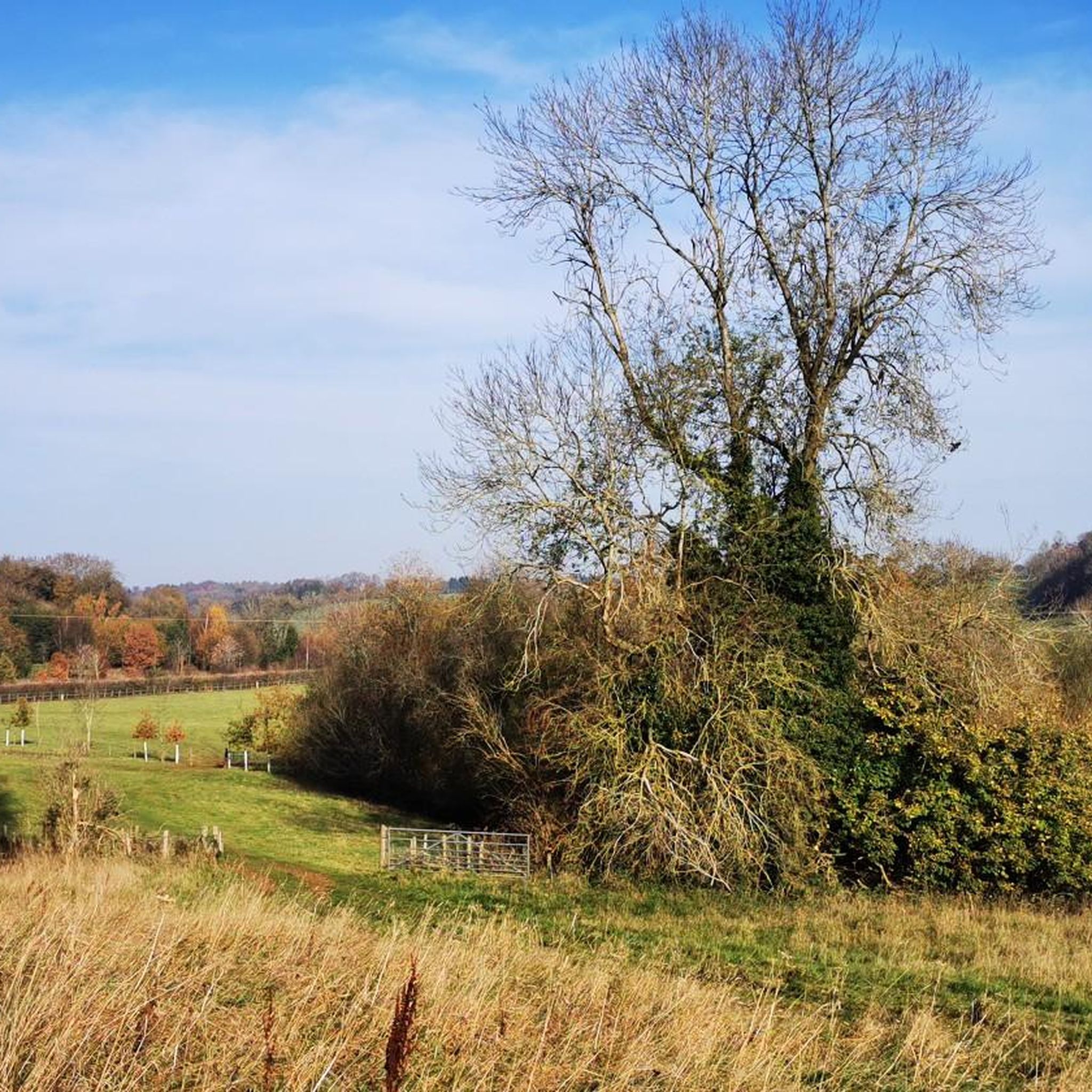
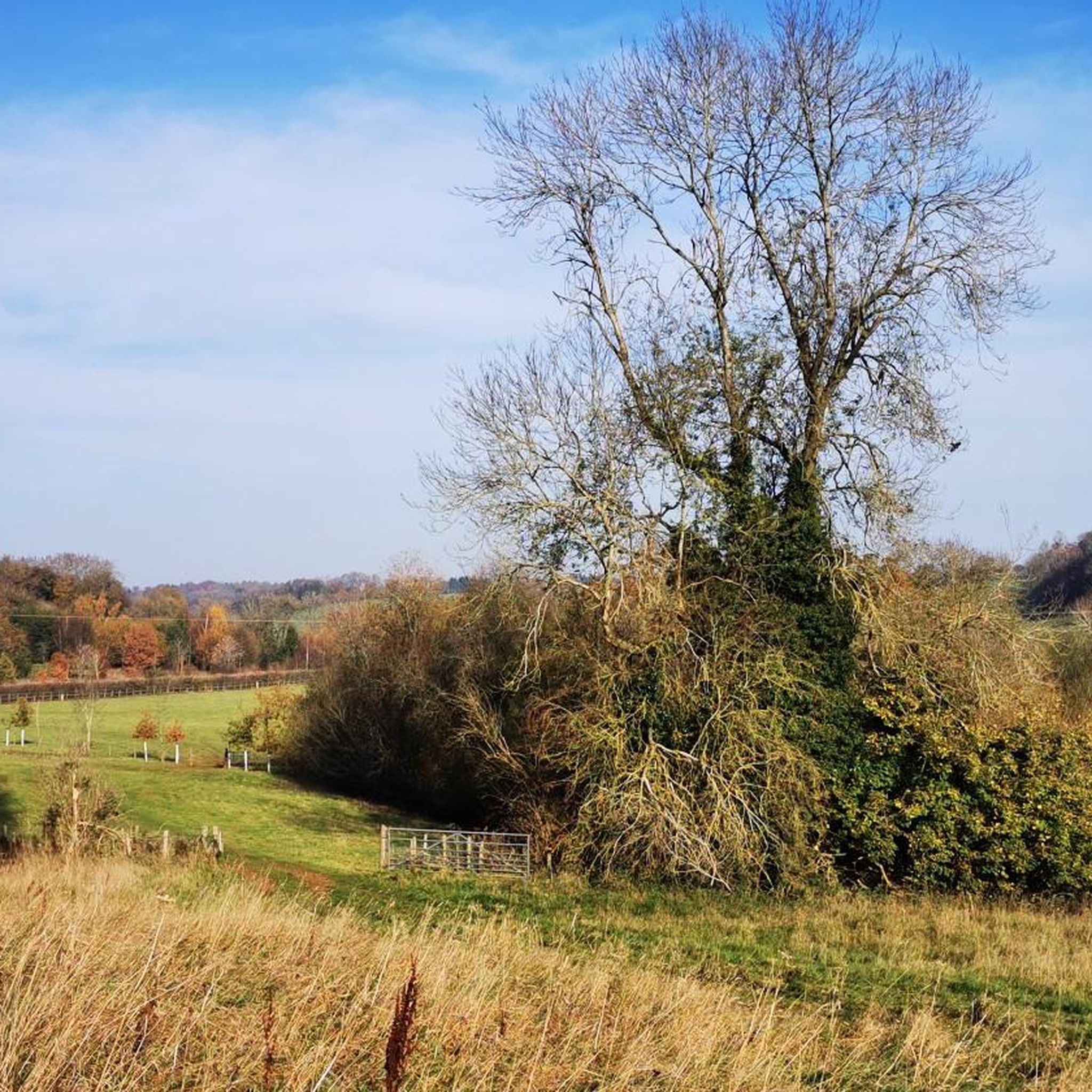
Views over the Warwickshire plains, edge hill was one of the battles in the English Civil war
0
0
The Battle of Edgehill (or Edge Hill) was a pitched battle of the First English Civil War. It was fought near Edge Hill and Kineton in southern Warwickshire on Sunday, 23 October 1642. All attempts at constitutional compromise between King Charles and Parliament broke down early in 1642. Both the King and Parliament raised large armies to gain their way by force of arms. In October, at his temporary base near Shrewsbury, the King decided to march to London in order to force a decisive confrontation with Parliament's main army, commanded by the Earl of Essex. Late on 22 October, both armies unexpectedly found the enemy to be close by. The next day, the Royalist army descended from Edge Hill to force battle. After the Parliamentarian artillery opened a cannonade, the Royalists attacked. Both armies consisted mostly of inexperienced and sometimes ill-equipped troops. Many men from both sides fled or fell out to loot enemy baggage, and neither army was able to gain a decisive advantage.
0
0
A circular earthwork is clearly visible on the ground on Harts Hill. It measures approximately 15m internal diameter, the ditch is 2m wide and the entrance (facing SE) is 2.5m across.
0
0
Lobbington Meadow is an unimproved species-rich hay meadow which faces north east on the banks of the River Dene and exhibits ridge and furrow topography. The meadow overlies Lias clays and shales which have given rise to a calcareous soil. This is reflected in the herb-rich vegetation which is the lady’s bedstraw Galium verum variant of the crested dog’s-tail Cynosurus cristatus-common knapweed Centaurea nigra grassland. This grassland type was once widespread and common in some parts of Britain, particularly the Midlands, but due to agricultural improvement it has declined severely during the twentieth century. In several counties in the East Midlands it has almost disappeared and in Warwickshire very few sites are known. The meadow has an exceptionally herb-rich tight sward and the density of herbs is very striking. Among the wide range of grass species present, characteristically none appear dominant. The most abundant species are crested dog’s-tail, red fescue Festuca rubra, common bent Agrostis capillaris and sweet vernal grass Anthoxanthum odoratum. Yellow oat-grass Trisetum flavescens, quaking grass Briza media and meadow barley Hordeum secalinum are also frequent. Herbs characteristic of this type of grassland and found in abundance in this meadow include common knapweed and lady’s bedstraw and locally abundant, spiny restharrow Ononis spinosa, salad burnet Sanguisorba minor and pepper saxifrage Silaum silaus. Cowslips Primula veris are frequent and dwarf thistle Cirsium acaulon, is occasional. County rarities present m the meadow include dropwort Filipendula vulgaris and green-winged orchid Orchis morio. 4.68 ha Site of Special Scientific Interest (SSSI)
0
0
Frequently Asked Questions
What are the most notable natural features to explore around Shenington With Alkerton?
The region is characterized by its quintessential English countryside. Key natural features include the dramatic Edgehill Escarpment, offering panoramic views and historical significance, and the serene Rolling Village Pastures and Woodlands, rich in wildflowers and diverse habitats. The Sor Brook and its marshy areas also provide crucial wildlife habitats. Elevated points like Shenlow Hill and Rough Hill offer localized vantage points for appreciating the landscape.
Are there family-friendly natural monuments around Shenington With Alkerton?
Yes, several natural monuments are suitable for families. The Battle of Edgehill Site offers both scenic views and historical context, which can be engaging for older children. The Wroxton Obelisk is set amidst picturesque blooming flowers in spring and summer, making for a pleasant walk. Additionally, the View of the Cotswolds National Landscape provides an accessible spot for enjoying broad vistas.
What kind of wildlife can I expect to see at these natural monuments?
The diverse habitats around Shenington With Alkerton support a variety of wildlife. In the Rolling Village Pastures and Woodlands, you might spot wildflowers such as harebell, pignut, cowslip, and wild thyme in drier areas, and ragged robin and opposite-leaved golden saxifrage in marshy spots. The woodlands provide habitat for various bird species, while the Sor Brook and its wetlands are important for local fauna and specialized plant species. The Lobbington Hall Farm Meadow Site of Special Scientific Interest is particularly rich in rare plants like dropwort and green-winged orchid.
Are there hiking trails near these natural monuments?
Absolutely! The region is ideal for hiking and walking. You can find a variety of routes, from easy strolls to more moderate excursions. For specific hiking options, explore the Easy hikes around Shenington With Alkerton guide, which includes trails like the 'Upton House and Gardens loop from Shenington with Alkerton'.
What other outdoor activities can I do near these natural monuments?
Beyond hiking, the area offers excellent opportunities for other outdoor pursuits. You can find various Running Trails around Shenington With Alkerton, including routes that pass by the Battle of Edgehill Site. Cycling enthusiasts can also explore numerous routes detailed in the Cycling around Shenington With Alkerton guide, with options ranging from easy to moderate.
When is the best time to visit the natural monuments in Shenington With Alkerton?
The natural monuments in Shenington With Alkerton are beautiful year-round. Spring and summer offer lush greenery, blooming wildflowers, and longer daylight hours, making it ideal for nature observation and extended walks. Autumn brings vibrant foliage, particularly around the woodlands and escarpment. Even in winter, a crisp, clear day can provide spectacular views, especially from elevated points like the View of the Cotswolds National Landscape.
What historical significance do some of these natural monuments hold?
The region is rich in history. The Edgehill Escarpment is not only a striking natural feature but also the site of the major English Civil War battle. The Battle of Edgehill Site provides detailed information about this pivotal event. Additionally, Harts Hill features a visible circular earthwork, hinting at ancient human activity in the landscape.
Are there any unique or lesser-known natural spots worth visiting?
For those seeking unique natural spots, the Lobbington Hall Farm Meadow Site of Special Scientific Interest is a true gem. It's an unimproved species-rich hay meadow with rare plant species like dropwort and green-winged orchid, offering a glimpse into a grassland type that has become increasingly rare in Britain. Its ecological value makes it a fascinating visit for nature enthusiasts.
What kind of views can I expect from the natural monuments?
The natural monuments in this area offer diverse and picturesque views. The Edgehill Escarpment provides dramatic panoramic vistas across southern Warwickshire and northern Oxfordshire. From the View of the Cotswolds National Landscape, you can appreciate the rolling hills of the wider region. Even man-made structures like the Wroxton Obelisk are situated to offer fantastic views of the surrounding countryside, especially when wildflowers are in bloom.
Are dogs allowed on trails around these natural monuments?
Many of the trails and natural areas around Shenington With Alkerton are dog-friendly, allowing you to enjoy the countryside with your canine companion. However, it's always recommended to keep dogs on a lead, especially when passing through pastures with livestock or sensitive wildlife habitats like the Lobbington Hall Farm Meadow SSSI, to protect both animals and the environment.
How accessible are these natural monuments by car, and is parking available?
While specific parking details for every natural monument are not always available, many of the key sites and trailheads in the Shenington With Alkerton area are generally accessible by car. For popular starting points for walks along the Edgehill Escarpment or near villages, you can often find roadside parking or designated car parks. It's advisable to check local signage or specific route descriptions for parking information before your visit.
Most popular routes around Shenington With Alkerton
Most popular attractions around Shenington With Alkerton

Get inspired with the komoot mobile app


Explore more
Extend your search for the best caves by checking out these guides of the top ones around Shenington With Alkerton:
