Top 5 Natural Monuments around Church Broughton
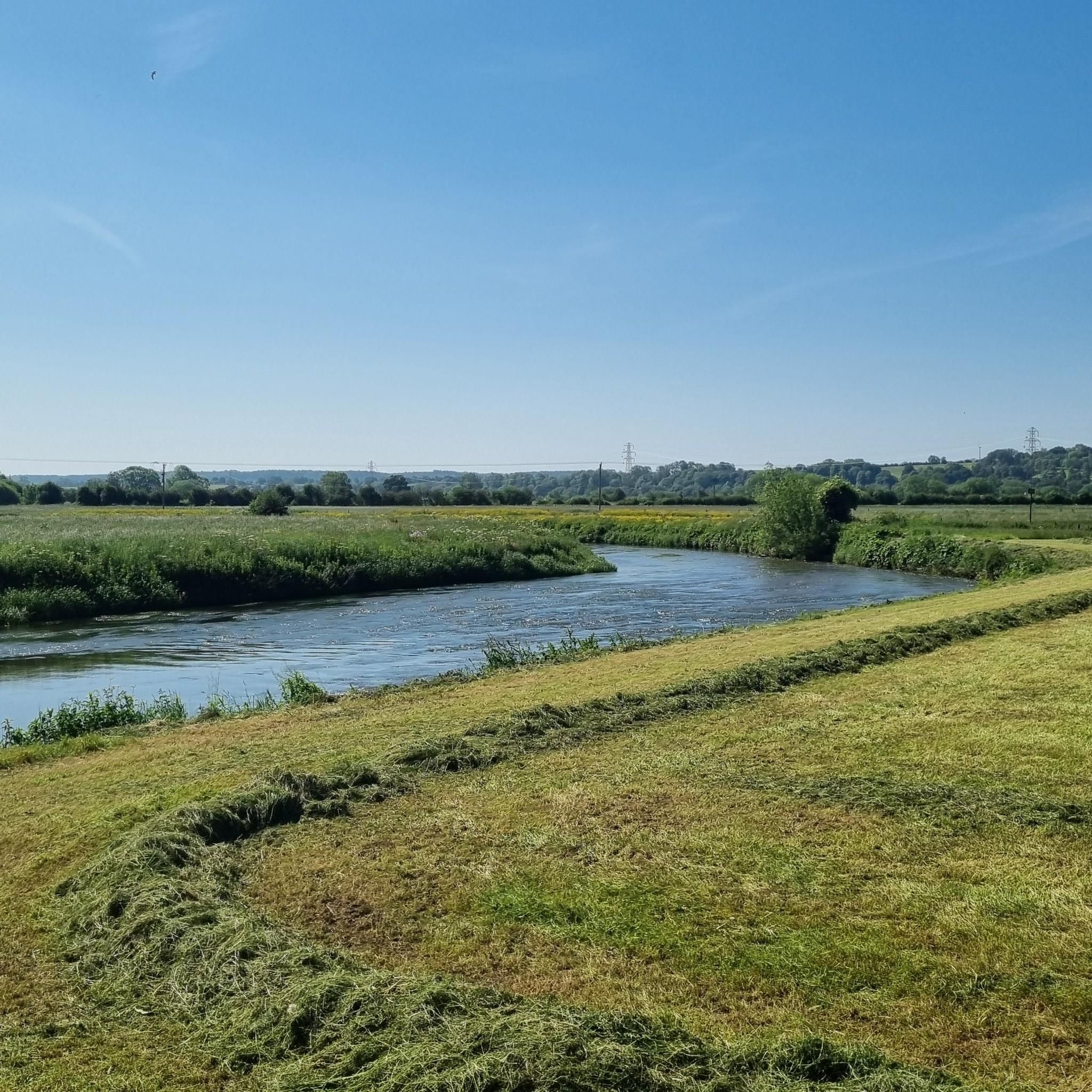
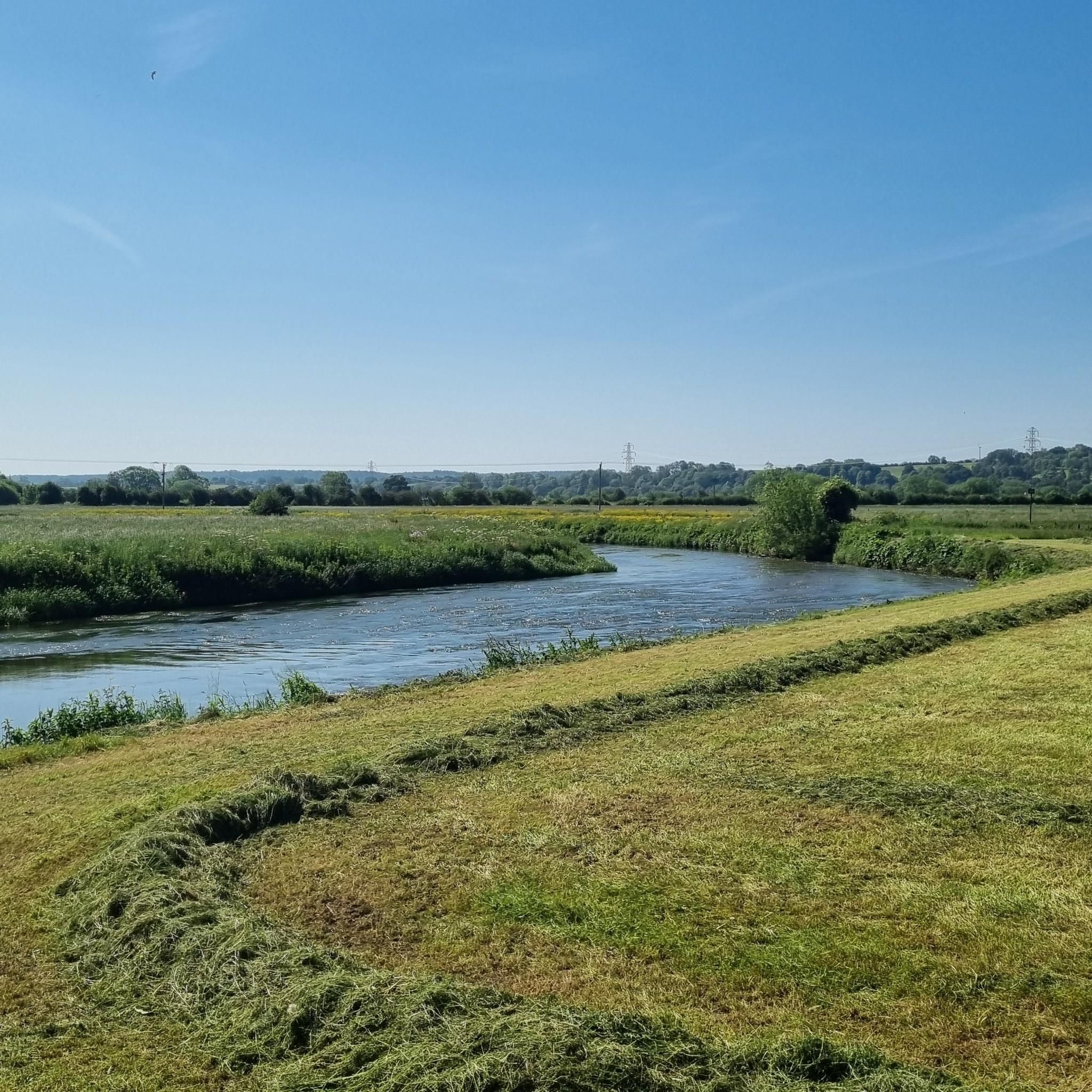
Natural monuments around Church Broughton are characterized by the village's rural setting and expansive farmlands in Derbyshire, England. The area offers a tranquil escape with numerous footpaths and bridleways that provide access to its verdant surroundings. Visitors can explore the agricultural landscape and observe local wildlife, including hedgehogs, wood pigeons, and hares. While not featuring grand geological formations, the region's natural appeal lies in its serene countryside and opportunities for gentle walks.
Best natural monuments around Church Broughton
- The most…
Last updated: May 18, 2026
Fauld Explosion Crater Memorial
Highlight • Historical Site
Tip by

Village Cross and Memorial Fountain (Sir Thomas Percival Haywood Memorial)
Highlight • Monument
They are on two steps, and have an octagonal pedestal with an inscription, containing a spring in a recess with a shaped head and a semicircular projecting trough.
Tip by

Sign up now to discover places like this
Get recommendations on the best single tracks, peaks, & plenty of other exciting outdoor places.
Sign up for free
Heritage Wood
Highlight • Forest
Tip by

Great Oak Tree Between Osmaston and Ashbourne
Highlight • Natural Monument
Tip by

Toot Hill Bowl Barrow
Highlight • Natural Monument
Bowl barrows, the most numerous form of round barrow, are funerary monuments dating from the Late Neolithic period to the Late Bronze Age, with most examples belonging …
Tip by

Start today with a free account
Your next adventure awaits.
Login or Signup
Tips from the Community

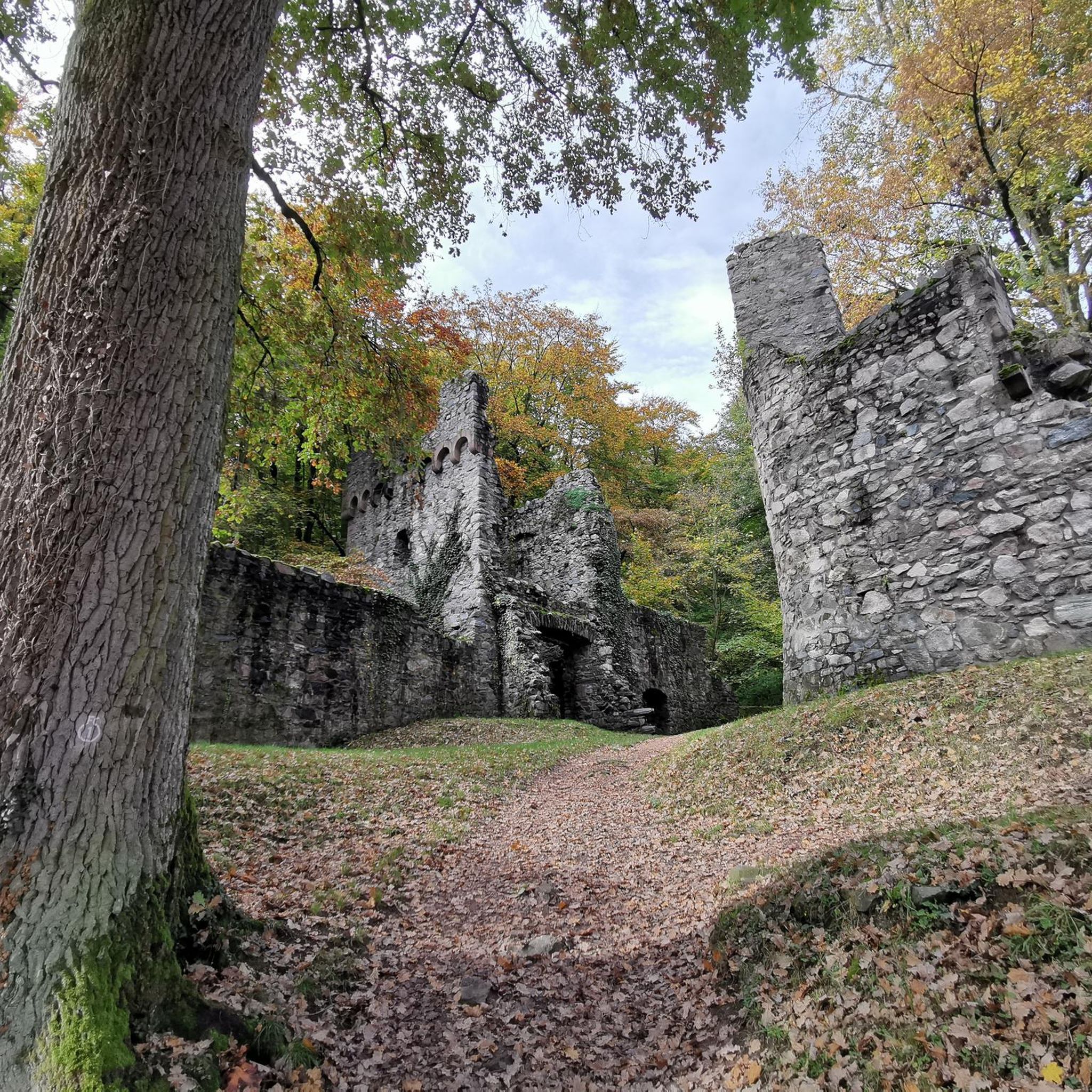
Reasons for Designation Bowl barrows, the most numerous form of round barrow, are funerary monuments dating from the Late Neolithic period to the Late Bronze Age, with most examples belonging to the period 2400-1500 BC. They were constructed as earthen or rubble mounds, sometimes ditched, which covered single or multiple burials. They occur either in isolation or grouped as cemeteries and often acted as a focus for burials in later periods. Despite limited antiquarian investigation the bowl barrow on Toot Hill survives well. This investigation located pottery dating to Prehistoric and Roman periods and confirmed this monument as a rare example in Staffordshire of a bowl barrow re-used in Roman times. Further evidence of interments and grave goods will exist within the mound and upon the old landsurface. The monument includes a bowl barrow located on a hill top on the north-east side of a plateau 150m north of Forest View. It survives as a flat-topped oval earthen mound up to 2.3m high with maximum dimensions of 27.5m by 23m. Limited antiquarian investigation of the barrow located pottery sherds identified as a collared urn and a Roman storage jar, and a number of flint flakes. https://historicengland.org.uk/listing/the-list/list-entry/1008710?section=official-list-entry
0
0

At 11:11 am on 27 November 1944 a huge explosion occurred at the RAF Fauld underground munitions facility. The accident caused over 3,500 tonnes of bomb and ammunition to explode, which resulted in this massive crater. The site is still considered dangerous with possible unexploded ordnance, so please obey the signs and stay on the path.
0
0

A massive old Oak tree next to the path between Osmaston and Ashbourne.
0
0

A wood that has been created for remembering various people who have passed away (their friends and relatives can buy and dedicate a tree in their memory). The wood is open to all and is a nice place to stop for a picnic. There are many, many picnic tables spread throughout the site. https://www.heritage-wood.co.uk/ Very scenic lake surrounded by picnic tables and populated by HUGE carp (absolutely no fishing!)
0
0

Careful if you’re tempted to climb!
0
0

This was erected in 1900 as a memorial to Sir Thomas Percival Haywood. The fountain is still fed by a spring and reservoir!
7
0
The village cross and drinking fountain are in stone. They are on two steps, and have an octagonal pedestal with an inscription, containing a spring in a recess with a shaped head and a semicircular projecting trough. On the pedestal is an octagonal base carrying an octagonal shaft and a foliated cross. Grade II listed, 1900
9
0
Frequently Asked Questions
What natural features can I expect to see around Church Broughton?
The area around Church Broughton is characterized by its serene rural landscape, expansive farmlands, and verdant surroundings. While not featuring grand geological formations in the conventional sense, you can explore numerous footpaths and bridleways that offer gentle walks amidst nature. Notable features include the unique landscape created by the Fauld Explosion Crater Memorial and the peaceful setting of Heritage Wood with its scenic lake.
What kind of wildlife can be observed near Church Broughton?
The rural landscape around Church Broughton is home to various local wildlife. As you explore the footpaths and bridleways, you might spot hedgehogs, wood pigeons, hares, and buzzards, adding to the natural appeal of the area.
Are there any unique historical or man-made natural monuments in the area?
Yes, the region features a few unique sites. The Fauld Explosion Crater Memorial is a significant historical site resulting from a massive munitions explosion in 1944, which created a distinct landscape feature. Additionally, the Toot Hill Bowl Barrow is an ancient funerary monument dating from the Late Neolithic period to the Late Bronze Age, offering a glimpse into prehistoric times.
Where can I find ancient trees or significant natural landmarks?
A prominent natural landmark in the vicinity is the Great Oak Tree Between Osmaston and Ashbourne. This massive old oak tree stands impressively next to a path, making it a notable natural monument to visit.
Are there family-friendly natural monuments or walks around Church Broughton?
Absolutely. Heritage Wood is an excellent family-friendly option, offering a peaceful setting with a scenic lake and numerous picnic tables. The Great Oak Tree Between Osmaston and Ashbourne is also easily accessible and suitable for families.
What is the best time of year to visit the natural monuments around Church Broughton?
The natural monuments and rural landscapes around Church Broughton are enjoyable throughout the year. Spring and summer offer lush green fields and pleasant weather for walking, while autumn brings beautiful foliage. Even winter walks can be tranquil, showcasing the serene countryside.
What outdoor activities can I do near these natural monuments?
Beyond exploring the natural monuments themselves, the area around Church Broughton offers various outdoor activities. You can find numerous routes for mountain biking, gravel biking, and road cycling. For detailed routes and guides, check out the MTB Trails around Church Broughton, Gravel biking around Church Broughton, and Road Cycling Routes around Church Broughton guides.
Are there hiking or walking trails near the natural monuments?
Yes, the region is well-suited for walking and hiking. Church Broughton is noted for its numerous footpaths and bridleways that crisscross the expansive farmlands and verdant surroundings. These paths provide excellent opportunities for gentle walks and exploring the natural beauty of the area.
Can I bring my dog on trails around Church Broughton's natural monuments?
Generally, dogs are welcome on public footpaths and bridleways in the countryside. However, it's always best to keep them on a lead, especially when near livestock or wildlife, and to follow the Countryside Code. Specific rules may apply to certain private lands or nature reserves, so look for local signage.
Where can I find parking for walks to natural monuments?
Parking options vary depending on the specific natural monument you wish to visit. For village-based attractions like the Village Cross and Memorial Fountain, you may find roadside parking within Church Broughton. For other sites like Heritage Wood, dedicated parking areas are often available. Always check local signage for parking regulations.
Are there places to eat or drink near the natural monuments?
Church Broughton, being a small rural village, has limited amenities. However, you can often find traditional pubs or cafes in the village or nearby larger towns. It's advisable to check opening times in advance, especially if you plan to visit during off-peak seasons.
What is the <a href="https://www.komoot.com/highlight/1684455" target="_blank" rel="noopener">Village Cross and Memorial Fountain</a>?
The Village Cross and Memorial Fountain is a Grade II listed stone monument erected in 1900 as a memorial to Sir Thomas Percival Haywood. It features an octagonal pedestal with an inscription, containing a spring-fed fountain with a semicircular trough, topped by an octagonal shaft and a foliated cross. The fountain is still fed by a spring and reservoir.
Most popular attractions around Church Broughton

Get inspired with the komoot mobile app


Explore more
Extend your search for the best caves by checking out these guides of the top ones around Church Broughton:
