Top 8 Natural Monuments around Sandford-On-Thames
Best natural monuments around Sandford-On-Thames include a variety of green spaces and natural features along the River Thames. The area provides diverse habitats, rich wildlife, and scenic views. The Thames Path National Trail connects many of these locations, offering an accessible way to experience the area's natural beauty. These sites are ideal for nature enthusiasts and those seeking tranquil walks.
Best natural monuments around Sandford-On-Thames
- The most popular natural monuments is Wittenham Clumps, a natural monument that rises high…
Last updated: October 16, 2026
Wittenham Clumps
Highlight • Natural Monument
Tip by

J. R. R. Tolkien Memorial Bench and Trees
Highlight • Natural Monument
Tip by

Sign up now to discover places like this
Get recommendations on the best single tracks, peaks, & plenty of other exciting outdoor places.
Day's Lock
Highlight • Structure
Tip by

Little Wittenham Wood
Highlight • Forest
Tip by

Jarn's Mound and Wild Garden
Highlight • Natural Monument
Tip by
Sign up for free to discover even more natural monuments around Sandford-On-Thames.
Already have an account?
Start today with a free account
Your next adventure awaits.

Tips from the Community

Added to the collection: komoot.com/de-de/collection/3600632/-naturdenkmaeler-besondere-baeume-und-weitere-schaetze-der-natur
0
0

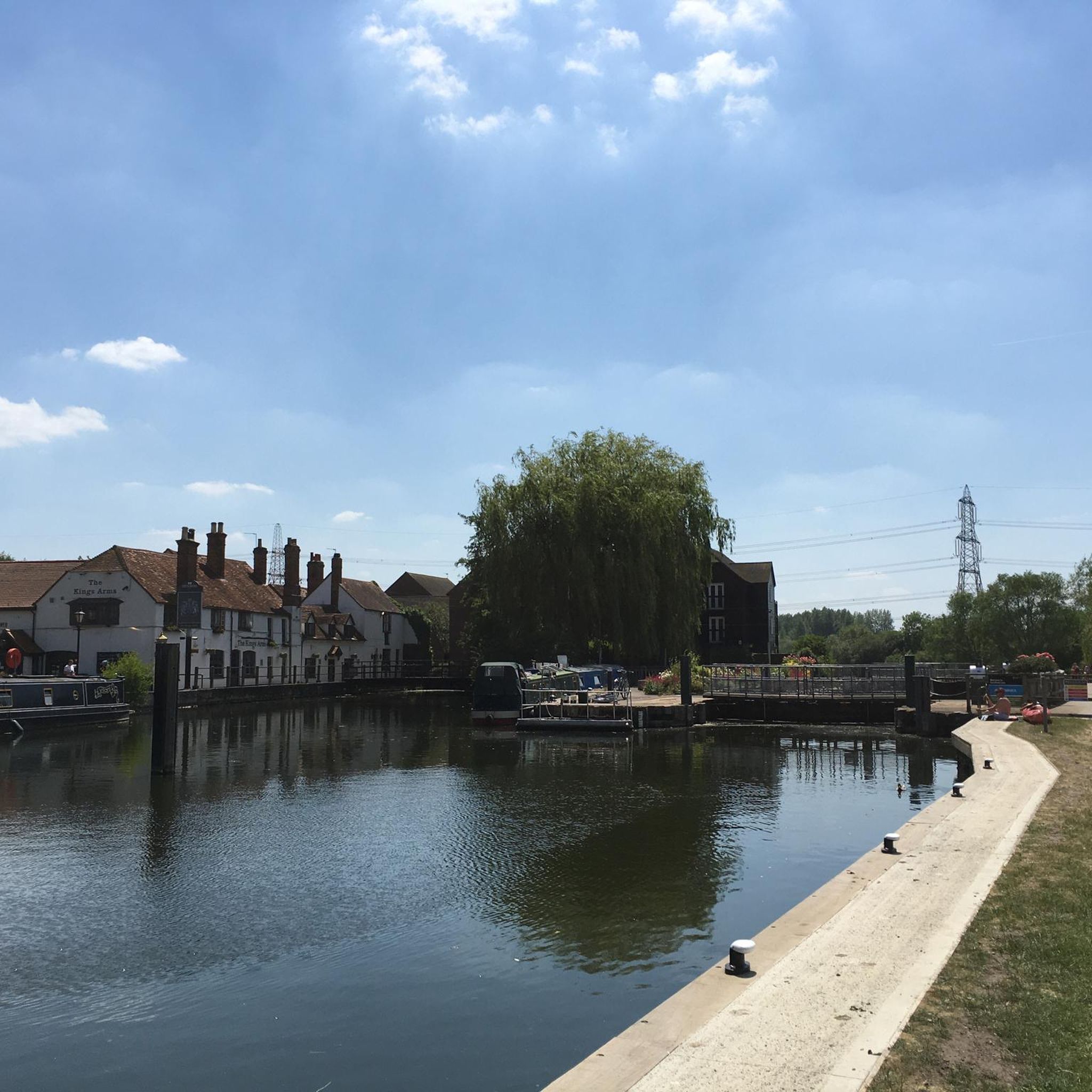
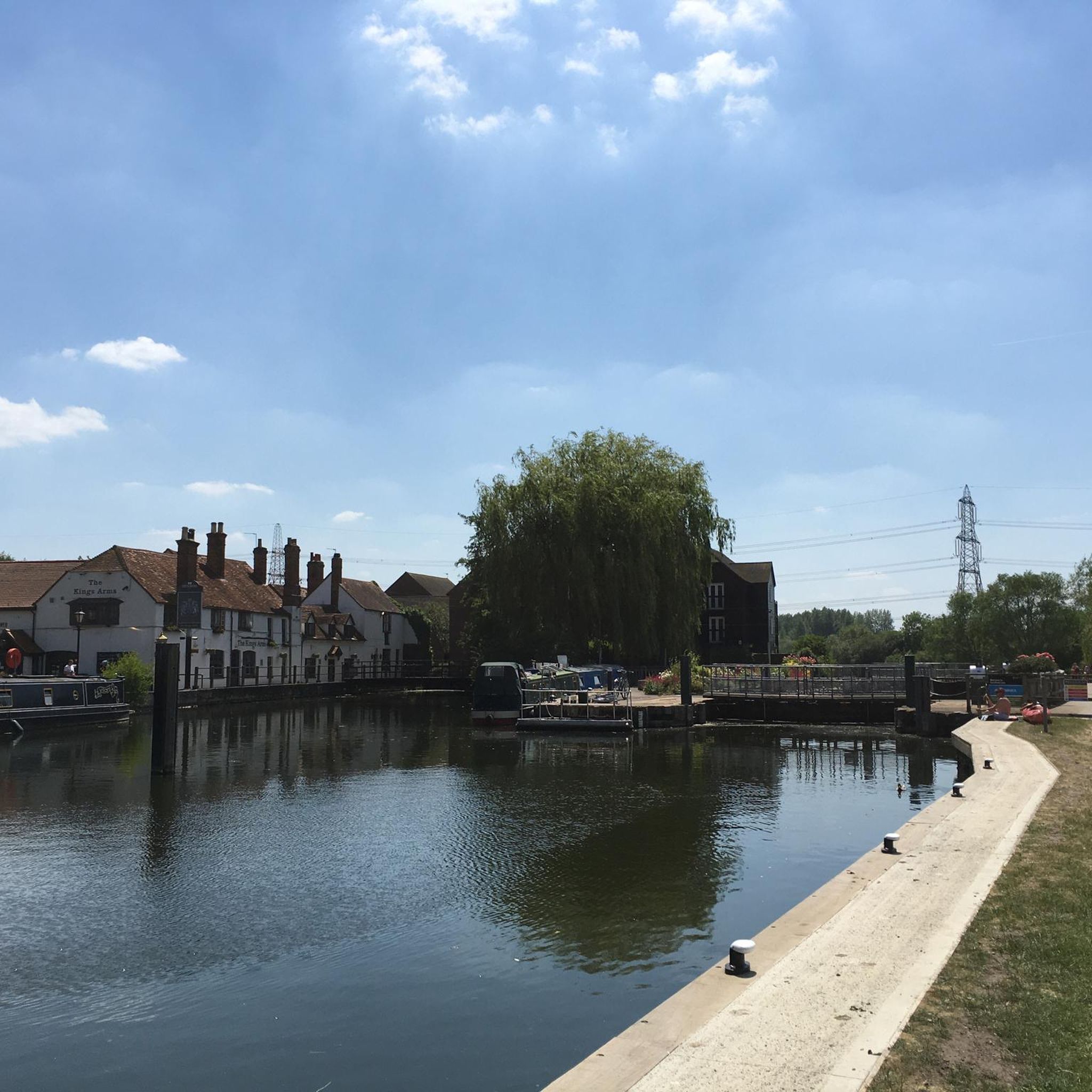
Day's Lock is a lock on the River Thames near Dorchester-on-Thames, Oxfordshire, England on the Dorchester side of the river. The pound lock was built in 1789 by the Thames Navigation Commissioner. The lock is across the river from the small village of Little Wittenham and is overlooked from the south by the hills of Wittenham Clumps, with a particularly good view from Round Hill. The weir runs straight across the river from the other side of the lock island. Day's Lock is the main gauging station for the measurement of the water flow in the River Thames.
0
0
Little Wittenham Wood has been designated as both a Site of Special Scientific Interest (SSSI) and a Special Area of Conservation (SAC), reflecting its international importance for wildlife. The nature reserve is particularly important for the endangered species, the Great Crested Newt. This shy amphibian uses the many ponds within the nature reserve to breed, but it spends the majority of time in the surrounding woodland. Tucking itself quietly away in safe and secure hidden spots, you have to search carefully to find them. Much easier to spot are the dragonflies and damselflies which hover around the ponds. If you wander down to the bird hide, at the river’s edge, you might be lucky enough to catch a glimpse of Kingfishers or Otters.
0
0
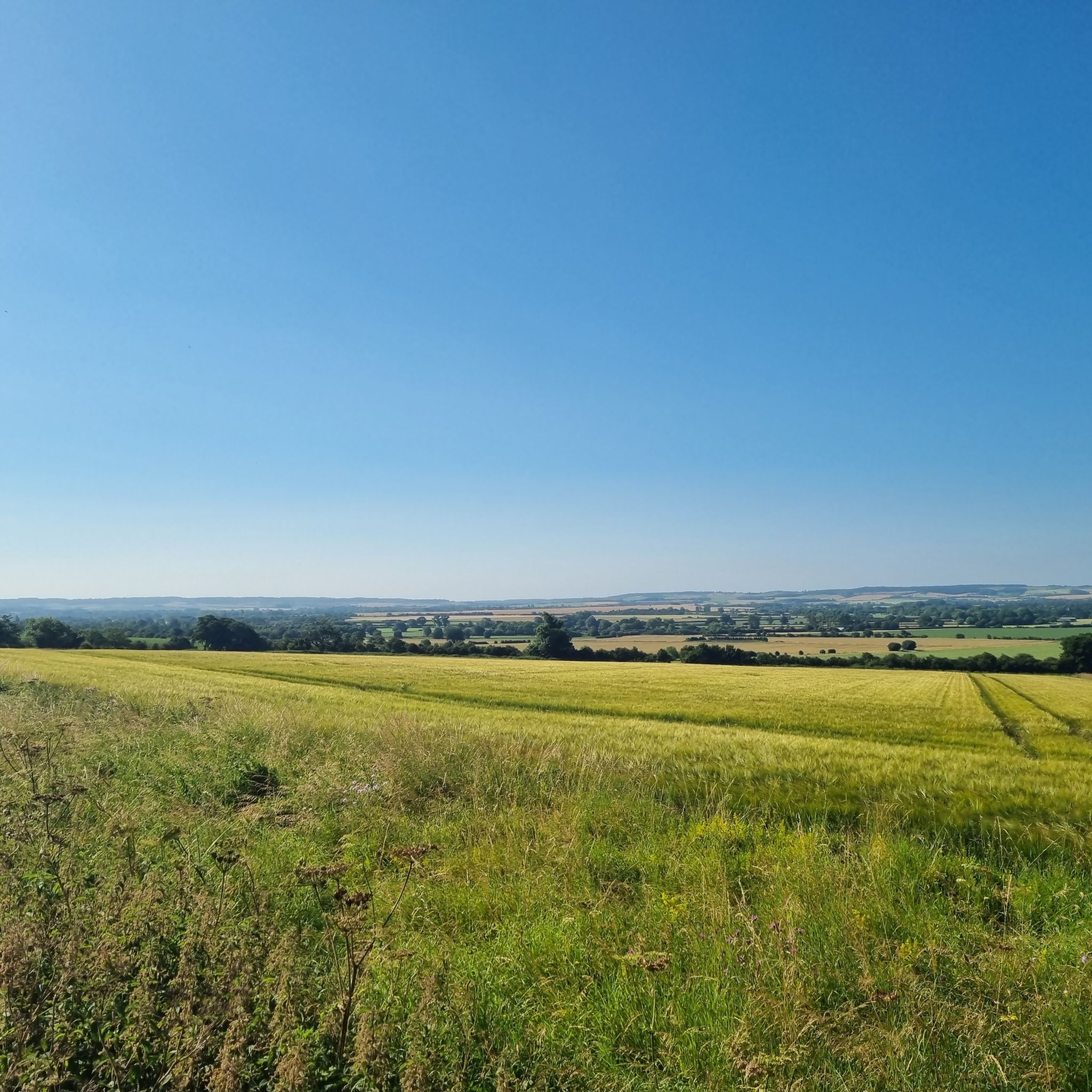
Nice little lung opener first thing in morning. Entry to wooded area was permitted, has a few dens inside and plenty of benches externally, views to take in are beautiful. on a clear day can see for miles
0
0

In 2012, Lisa Kuppler (Frankfurter Allgemeine Sonntagszeitung) paid tribute to the writer J.R.R. TOLKIEN (1892 to 1973), who invented a fictional world called Middle Earth inhabited by 'hobbits', with the words: "It is this complex creation of an entire world that makes 'The Lord of the Rings' the original text of the fantasy genre." Two decades earlier - on the occasion of his 100th birthday - a bench and two trees were dedicated to him here, in Oxford's university park. Tolkien's most popular work to date includes the volumes: "The Fellowship of the Ring" (Volume 1); "The Two Towers" (Volume 2); "The Return of the King" (Volume 3). Many people may not have read his books, but they know the film version of this great myth.
0
0

Located just across the river from the small town of Little Wittenham is this lock that provides glorious views up and down the River Thames.
1
0

Beautiful woodland below Wittenham clumps. Good paths and lovely nature.
2
0
Beautiful landmarks. With views of countryside and the river Thames.
1
0
Frequently Asked Questions
What are some of the most popular natural monuments to visit around Sandford-On-Thames?
Visitors frequently enjoy Wittenham Clumps, known for its iconic views over the River Thames and its rich history. Another popular spot is Day's Lock, offering picturesque views along the Thames. Little Wittenham Wood is also highly rated for its diverse wildlife and ancient woodlands.
Are there family-friendly natural monuments in the Sandford-On-Thames area?
Yes, several natural monuments are great for families. Wittenham Clumps offers easy walking paths and picnic spots. Little Wittenham Wood is perfect for exploring nature, and Rivermead Nature Park is excellent for pond dipping and wildlife spotting. Heyford Meadow, with its boardwalks, also provides an accessible and engaging experience for all ages.
What kind of wildlife can I expect to see at the natural monuments?
The natural monuments around Sandford-On-Thames are rich in wildlife. At Heyford Meadow, you might spot owls, cuckoos, great tits, chiffchaffs, frogs, and toads, especially around the Snake's Head Fritillary boardwalk. Little Wittenham Wood is a haven for the Great Crested Newt, dragonflies, damselflies, and occasionally kingfishers and otters. Rivermead Nature Park is notable for freshwater invertebrates and breeding common toads.
Are there any historical or cultural sites among the natural monuments?
Yes, the area blends natural beauty with history. Wittenham Clumps has evidence of Bronze Age, Iron Age, and Roman occupation. You can also visit the J. R. R. Tolkien Memorial Bench and Trees in University Parks, commemorating the author. Jarn's Mound and Wild Garden, an artificial mound built by archaeologist Sir Arthur Evans, offers historical context and panoramic views.
What are the best walking trails near these natural monuments?
The Thames Path National Trail runs through many of these locations, offering generally flat and easy walking. You can explore trails through Kennington Meadows, which are part of the Thames Path and National Cycle Network Route 5. For more specific routes, consider the 'Iffley, Heyford and Kennington Meadows via Thames Path' running trail, which covers some of these natural areas. You can find more running trails in the area on the Running Trails around Sandford-On-Thames guide.
Can I go cycling near the natural monuments?
Absolutely. The Thames Path National Trail, which passes through Kennington Meadows, is also part of National Cycle Network Route 5, making it suitable for cycling. For dedicated cycling routes, you can explore options like the 'Flat Rural Road Near Oxford loop' from Sandford-on-Thames. More road cycling routes are available in the Road Cycling Routes around Sandford-On-Thames guide, and gravel biking options in the Gravel biking around Sandford-On-Thames guide.
What is the best time of year to visit the natural monuments around Sandford-On-Thames?
Spring is particularly beautiful, especially in Heyford Meadow when the nationally scarce Snake's Head Fritillary blooms. Summer offers pleasant conditions for walks along the Thames Path and enjoying the green meadows. Autumn brings lovely foliage, and even winter walks can be rewarding, though some paths might be trickier. The diverse habitats mean there's something to see year-round.
Are the natural monuments accessible for people with limited mobility or wheelchairs?
While many areas along the Thames Path are generally flat, specific accessibility can vary. Heyford Meadow features boardwalks, which can improve access. Rivermead Nature Park has well-maintained footpaths. It's advisable to check specific conditions for each site, as some areas, particularly flood meadows like Kennington Meadows, might have uneven terrain or become muddy after rain.
Where can I find information about parking and public transport to these sites?
Parking is available near Wittenham Clumps, with options near Little Wittenham Church or a main car park closer to the hill. For other sites, public transport options to Sandford-On-Thames village are available, and many natural monuments are accessible via the Thames Path, which can be reached from various points. Specific parking details for each site may vary, so planning ahead is recommended.
Are dogs allowed on the trails and in the natural monuments?
Many natural areas and trails, including sections of the Thames Path and places like Heyford Meadow and Kennington Meadows, are generally dog-friendly. However, it's important to keep dogs under control, especially in nature reserves where wildlife is present, and to adhere to any local signage regarding leads or restrictions, particularly during nesting seasons or near livestock.
What makes Rivermead Nature Park a unique natural monument?
Rivermead Nature Park is unique for its mosaic of diverse habitats within a relatively small area, including lowland mixed deciduous woodland, calcareous alkaline fen, and wet woodland. Its pond is a significant breeding site for common toads and hosts a vast array of freshwater invertebrates. The park also features the England Red List species Common Valerian and offers an outdoor classroom area, highlighting its commitment to both wildlife and community engagement. You can find more information about it on the Oxford City Council website.
What is the significance of Heyford Meadow?
Heyford Meadow is a remarkable 11-acre nature reserve that was transformed from a scrapyard. It's particularly significant for its successful ecological restoration and for being home to the nationally scarce Snake's Head Fritillary, Oxfordshire's county flower. The reserve features diverse habitats including meadow, wetland, and woodland, offering boardwalks for easy access and discreet wildlife viewing.
Most popular routes around Sandford-On-Thames
Most popular attractions around Sandford-On-Thames

Get inspired with the komoot mobile app


Explore more
Extend your search for the best caves by checking out these guides of the top ones around Sandford-On-Thames:
