Top 8 Natural Monuments around Tolland
Best natural monuments around Tolland include diverse natural areas, conservation lands, and parks. These sites offer scenic beauty, geological interest, and recreational opportunities across the town. Visitors can explore deep forests, unique rock outcroppings, and wetlands. The region features varied terrain, from river frontage to the highest point in Tolland, Bald Hill.
Best natural monuments around Tolland
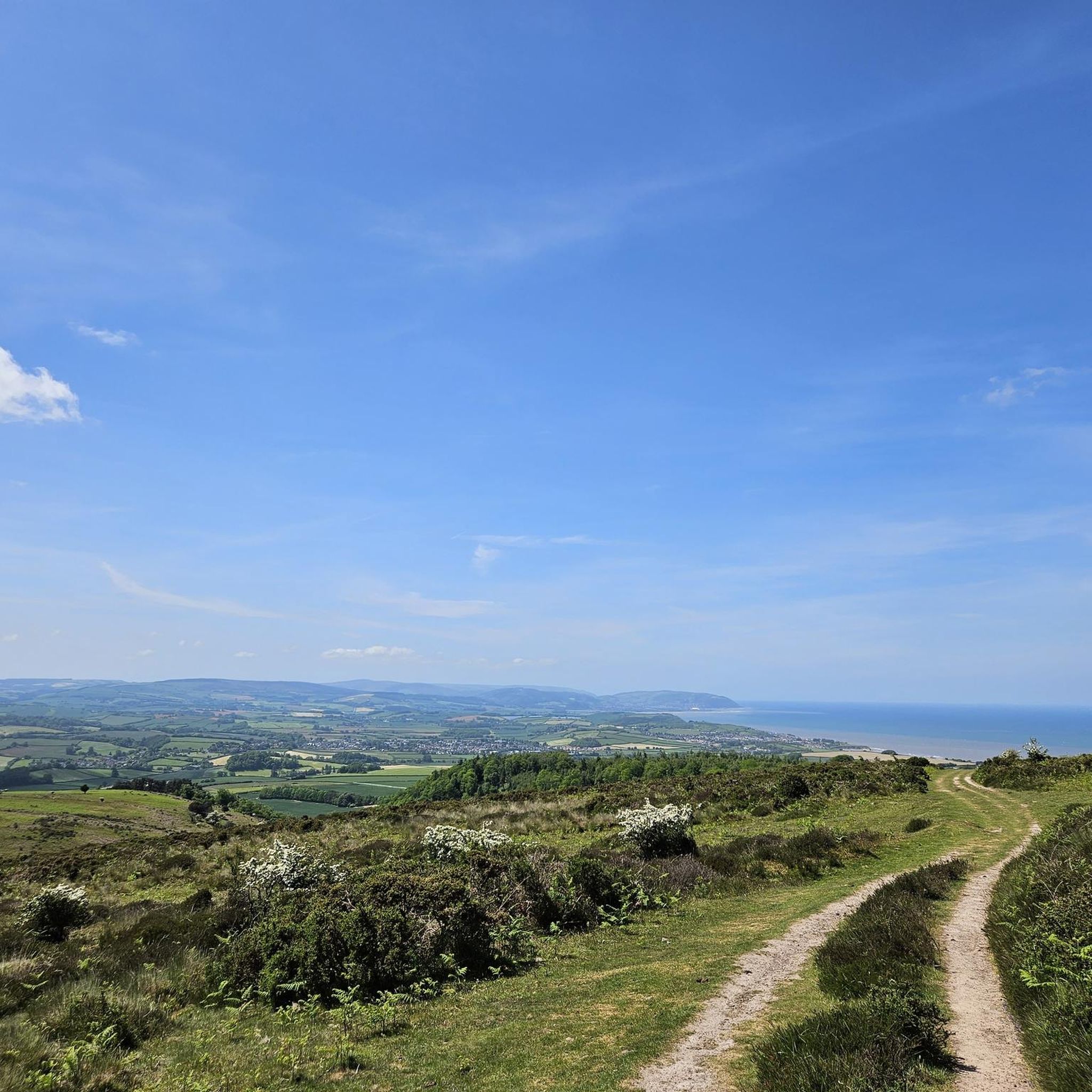
- The most popular natural monuments is Beacon Hill Trig Point, a viewpoint that offers views along the coastline and across the Bristol…
Last updated: June 29, 2026
Wills Neck Summit
Highlight • Natural Monument
Tip by

Beacon Hill Trig Point
Highlight • Viewpoint
Tip by

Sign up now to discover places like this
Get recommendations on the best single tracks, peaks, & plenty of other exciting outdoor places.
Sign up for free
Bicknoller Post
Highlight • Natural Monument
Tip by

Nynehead Hollow
Highlight • Structure
Tip by

Quantock Common Climb: Over Stowey to Crowcombe
Highlight • Forest
Tip by

Sign up for free to discover even more natural monuments around Tolland.
Sign up for free
Already have an account?
Start today with a free account
Your next adventure awaits.
Login or Signup
Tips from the Community

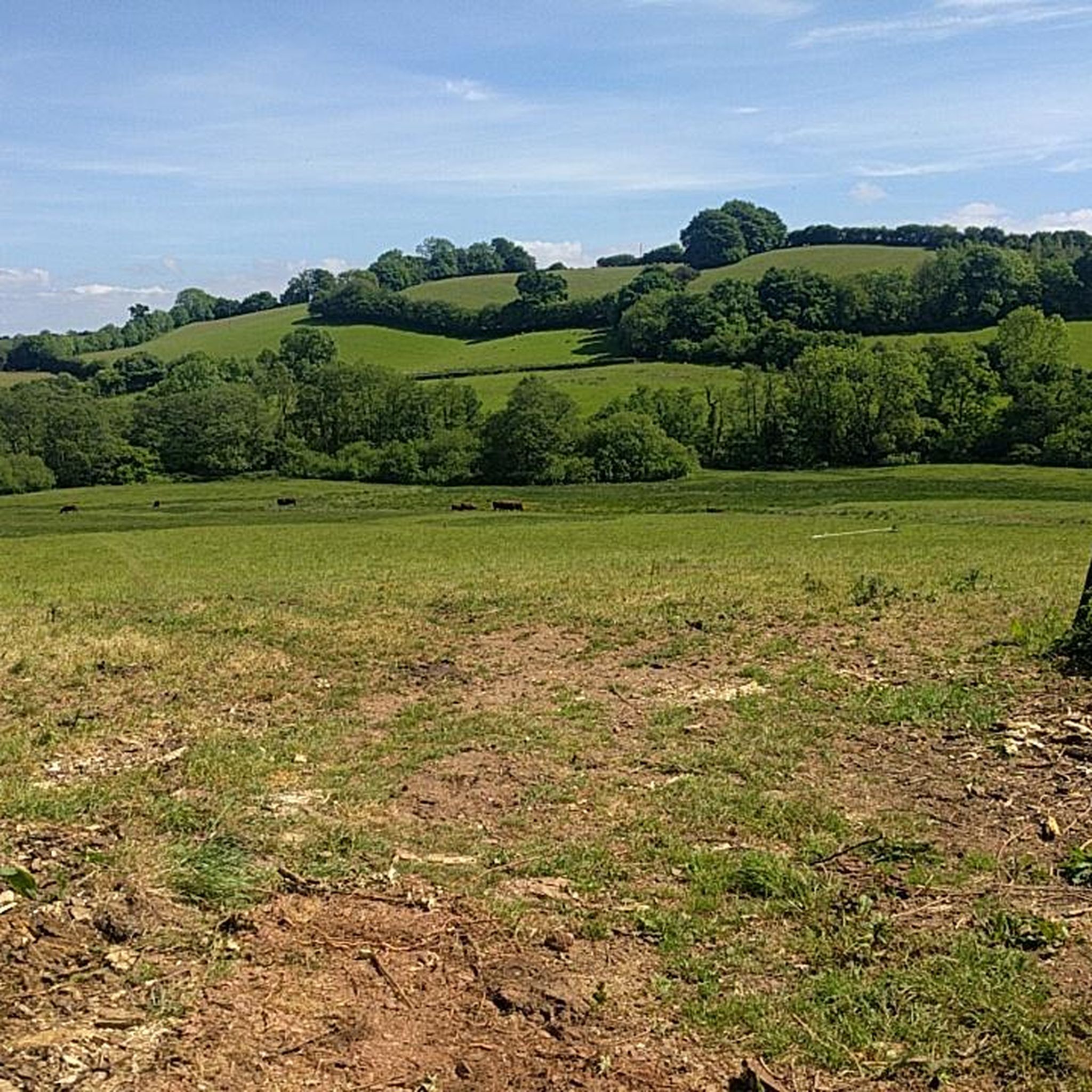
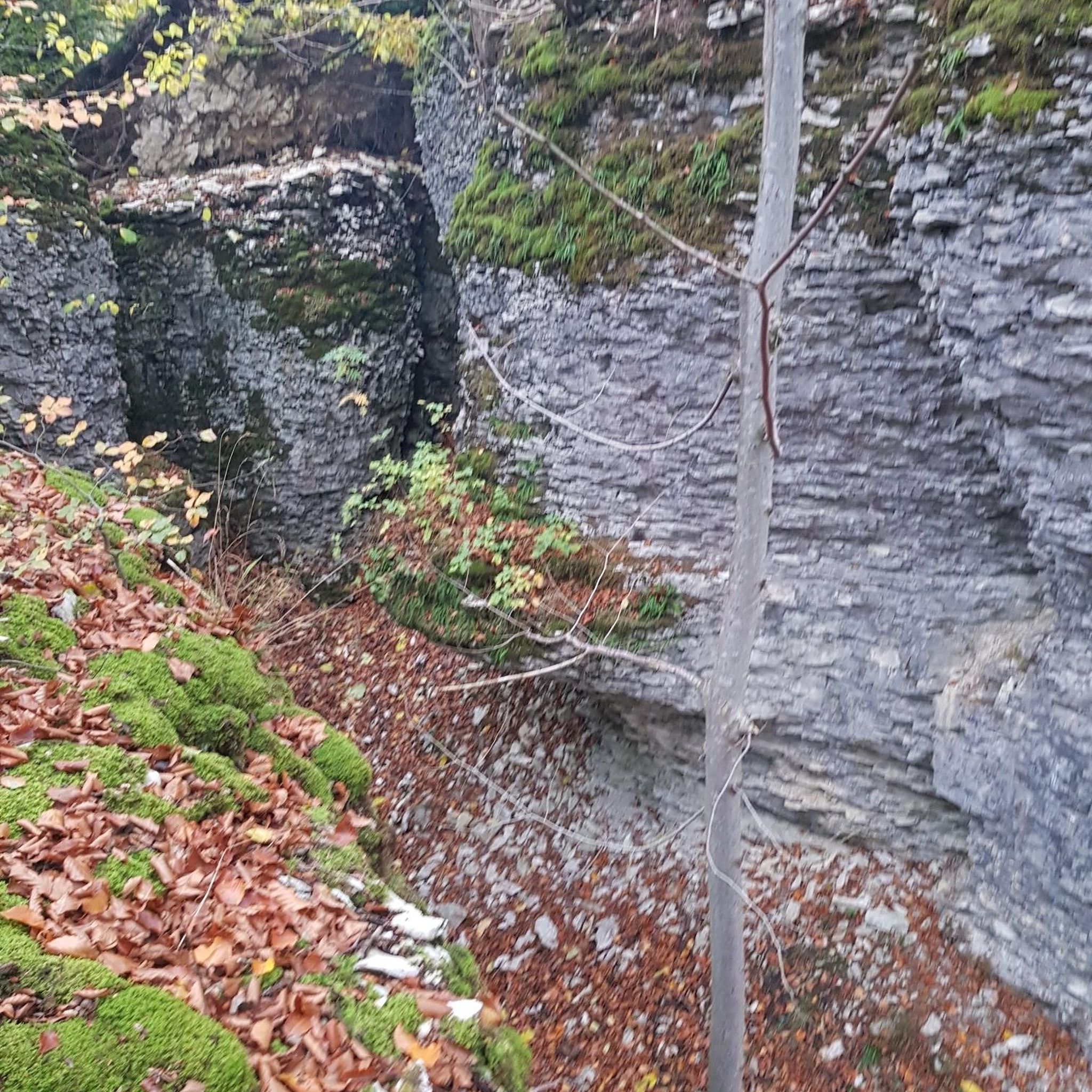
Nynehead Hollow is a super cool landmark on the outskirts of Nynehead Village. The road has literally been roughly carved through solid rock, with high walls and trees growing above.
0
0

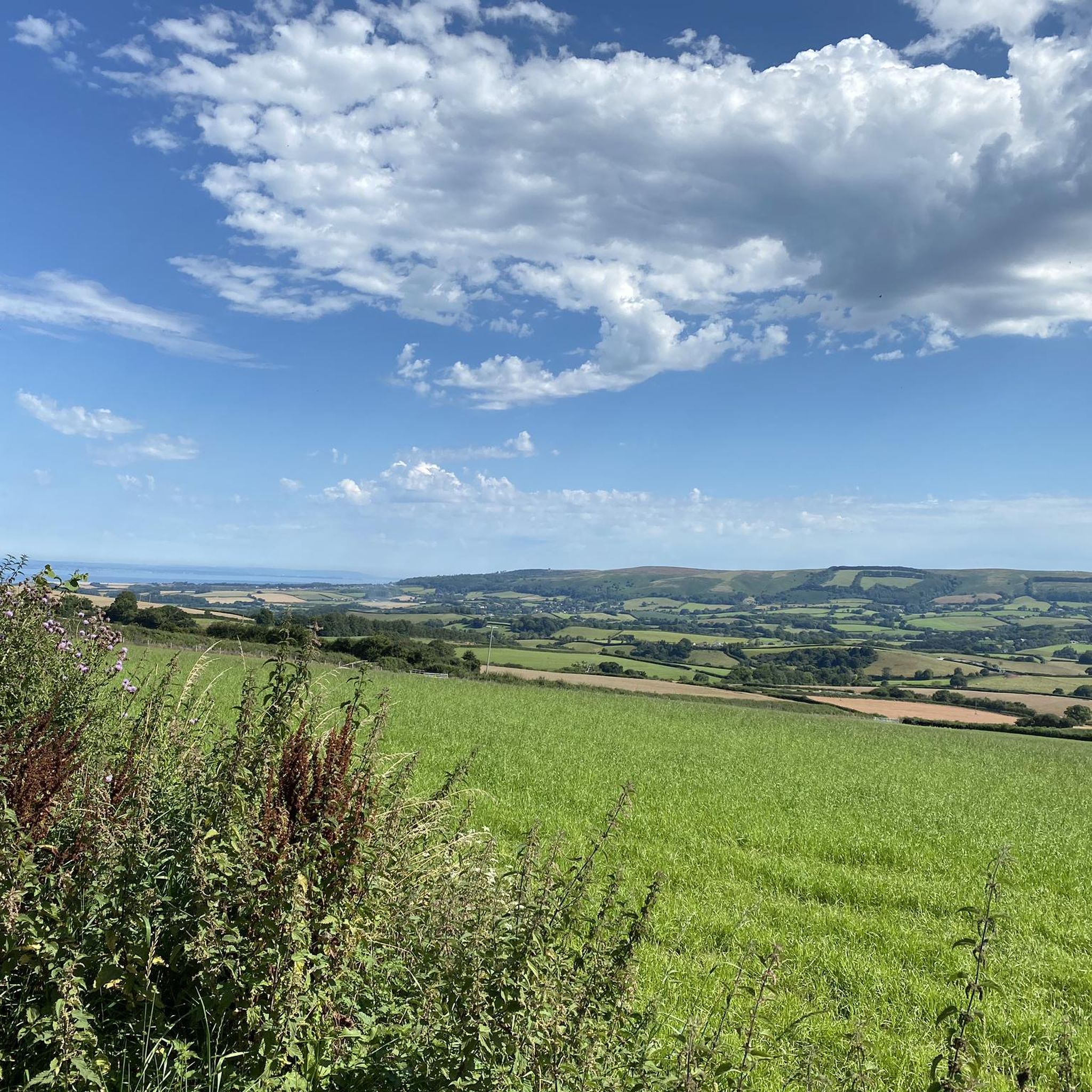
Wills neck is the highest summit in the Quantocks hills & one of the highest points in Somerset.
1
1
Dunkery Beacon at the summit of Dunkery Hill is the highest point on Exmoor and in Somerset, England. It is also the highest point in southern England outside of Dartmoor. The sandstone hill rises to 519 metres and provides views over the surrounding moorland, the Bristol Channel, and hills up to 86 miles away.
1
1

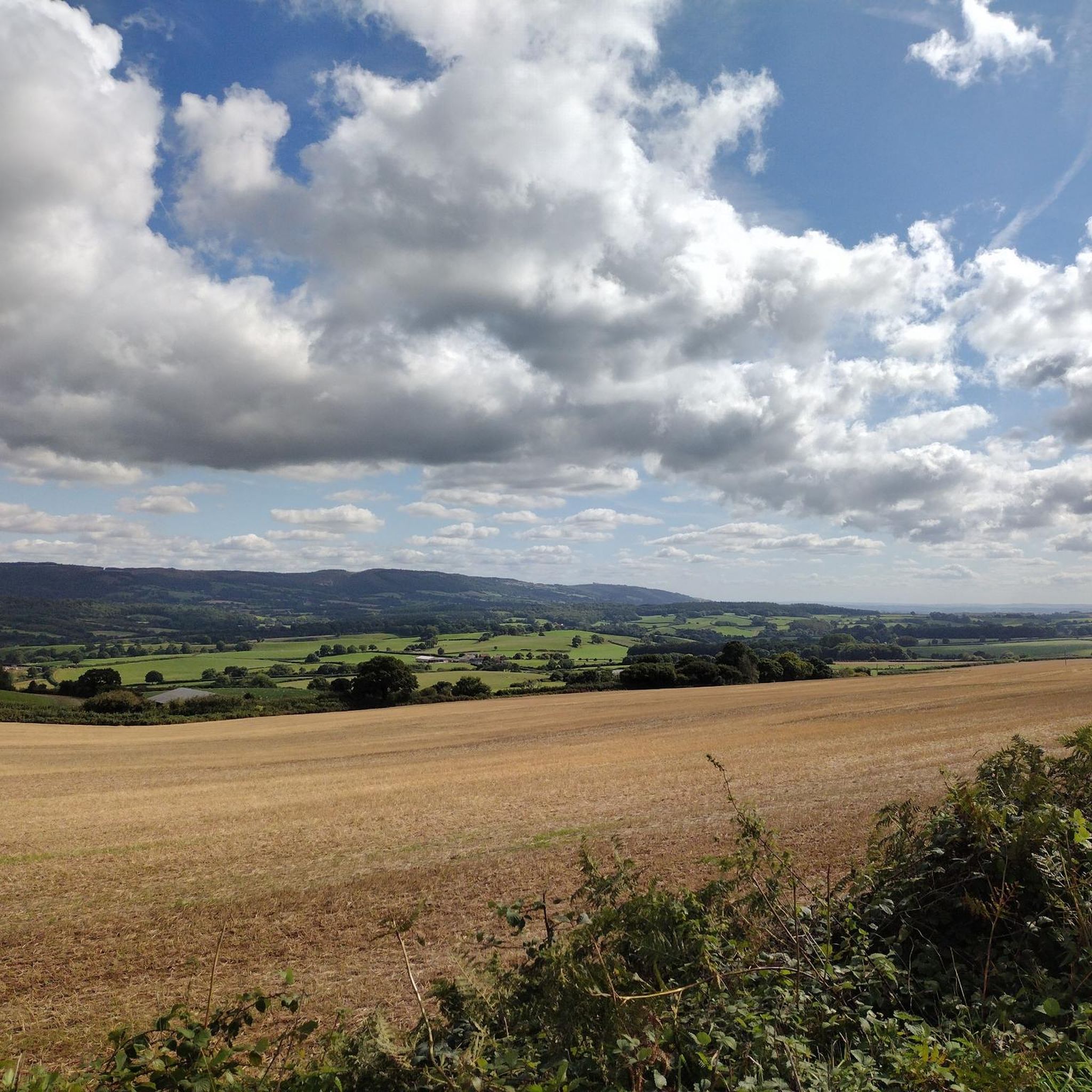
Bicknoller Post offers the runner a perfect resting spot high up in the Quantocks where you can enjoy uninterrupted views across the Bristol Channel and toward South Wales.
1
0

Nynehead Hollow is a scenic lane forming part of NCN 3. It's an impressive road that has been roughly carved through solid rock, with high walls and trees growing above. The “Hollow” was said to be dug out by the Sandford family in the hope of making Nynehead Court quicker to get to from the servant houses which were situated in East Nynehead.
3
1

The highest northerly point on the Quantock Hills, the trig point and summit of Beacon Hill is a great viewpoint and run target. It stands at 310m and looks down over Bridgewater Bay and the Kilve coast. The running along the trails on the Quantock ridge is brilliant and although sometimes wet underfoot it's always good. You can run a long loop out to Wills Neck or further or link Beacon Hill with a coastal loop past Kilve.
0
0

Not to be a misery because Ive rode up there myself but it's not a bridle path up to WN so best to not make it public
0
0
Frequently Asked Questions
What are the most notable natural areas to explore in Tolland?
Tolland offers several exceptional natural areas. Among them are the interconnected Campbell, Stoppleworth, and Knofla Conservation Areas, providing over 260 acres of diverse terrain. Parciak Conservation Area is home to Tolland's highest point, Bald Hill, and unique geological features like large quartz boulders. Becker Conservation Area at River Park boasts extensive Willimantic River frontage and a mature White Pine forest. For easier walks, Crandall Park and Crystal Peat Conservation Area offer peaceful settings with trails and ponds.
Are there good hiking opportunities in Tolland's natural areas?
Yes, Tolland's natural areas provide excellent hiking opportunities. The Campbell, Stoppleworth, and Knofla Conservation Areas feature over five miles of trails through forests, valleys, and rock outcroppings. Parciak Conservation Area offers trails leading to Bald Hill with scenic views, especially in winter. For more structured outdoor activities, you can find various routes like road cycling, mountain biking, and running trails around Tolland. For example, explore the Road Cycling Routes around Tolland or MTB Trails around Tolland.
What kind of geological features can I expect to see in Tolland's natural monuments?
Tolland's natural areas are rich in geological interest. At Parciak Conservation Area, you can find several large white quartz boulders, including an exceptionally large one at the end of a spur trail, and a distinctive 'Meteor Rock.' The Campbell, Stoppleworth, and Knofla Conservation Areas feature unique rock outcroppings and exposed ledges. Becker Conservation Area at River Park showcases gravel deposits from an ancient glacial dammed pond and alluvial deposits from periodic flooding, along with a natural amphitheater.
Are there family-friendly natural areas in Tolland?
Absolutely. Crandall Park is an excellent choice for families, offering scenic beauty, trails, and open areas suitable for picnics and leisurely walks. Crystal Peat Conservation Area provides easy and accessible trails around a beautiful pond, perfect for a gentle family stroll. Many of the conservation areas, like parts of Campbell, Stoppleworth, and Knofla, also have trails suitable for families looking for a moderate outdoor experience.
What kind of wildlife can be observed in Tolland's natural areas?
Tolland's conservation areas are home to diverse wildlife. In the Stoppleworth Conservation Area, you might spot salamanders, blue herons, foxes, deer, and bobcats. Knofla Conservation Area, with its bog and pond, hosts visible beaver lodges. Parciak Conservation Area provides significant habitats for deer, fox, and turkeys. Birdwatching is also a popular activity in areas like Crandall Park.
What is the best time of year to visit Tolland's natural areas?
Tolland's natural areas can be enjoyed year-round, with each season offering a unique experience. Spring brings lush greenery and blooming flora, while summer is ideal for longer hikes and picnics. Autumn showcases vibrant fall foliage, making it a particularly scenic time. Even in winter, areas like Parciak Conservation Area offer excellent views from Bald Hill once the leaves have fallen, and trails are often accessible for snowshoeing or cross-country skiing.
Are there any natural areas in Tolland with water features?
Yes, several natural areas in Tolland feature water elements. Becker Conservation Area at River Park boasts approximately 1,200 feet of accessible frontage along the Willimantic River. Knofla Conservation Area includes a 15-acre bog and a beautiful man-made pond (Knofla's Pond). Crandall Park features a couple of ponds, and Crystal Peat Conservation Area has a beautiful 0.3-acre pond with trails that follow Brooks Brook.
Are dogs allowed in Tolland's natural areas?
Many of Tolland's conservation areas and parks are dog-friendly, generally requiring dogs to be on a leash. It's always a good practice to check specific regulations for each area before visiting, but places like Crandall Park and the various conservation areas typically welcome leashed dogs, allowing them to enjoy the trails with their owners.
What makes the Campbell, Stoppleworth, and Knofla Conservation Areas unique?
These three interconnected preserves offer a continuous open space of over 260 acres with more than five miles of trails. They are unique for their varied terrain, including deep forests, valleys, and rock outcroppings. Campbell Conservation Area, known as 'Peaceful Valley,' provides scenic overlooks. Stoppleworth Conservation Area is rich in wildlife, and Knofla Conservation Area features a distinctive bog and a beautiful pond surrounded by towering white pines, complete with beaver lodges.
Can I find any hidden natural gems in the Tolland area?
While not 'hidden' in the sense of being unknown, several spots offer unique natural experiences. The 'Meteor Rock' and large quartz boulders within Parciak Conservation Area are distinctive geological features. The natural amphitheater near the southern end of the forested section at Becker Conservation Area at River Park is also a unique curiosity. Exploring the extensive trail networks within the larger conservation areas often reveals peaceful, less-trafficked spots.
Are there any accessible trails for those with mobility considerations in Tolland?
For easy and accessible walks, Crystal Peat Conservation Area offers trails that are generally flat and follow the gentle Brooks Brook, making it a good option for those seeking a less strenuous experience. While specific wheelchair accessibility may vary, these areas provide a more gentle terrain compared to some of the more rugged conservation lands.
What is the highest point in Tolland and what can I see there?
The highest point in Tolland is Bald Hill, located within the Parciak Conservation Area, reaching an elevation of 1,011 feet above sea level. From the ridge top, especially during the winter months when the leaves are off the trees, visitors can enjoy excellent views to the south across the landscape.
Most popular attractions around Tolland

Get inspired with the komoot mobile app


Explore more
Extend your search for the best caves by checking out these guides of the top ones around Tolland:
