Top 9 Natural Monuments around East Garston
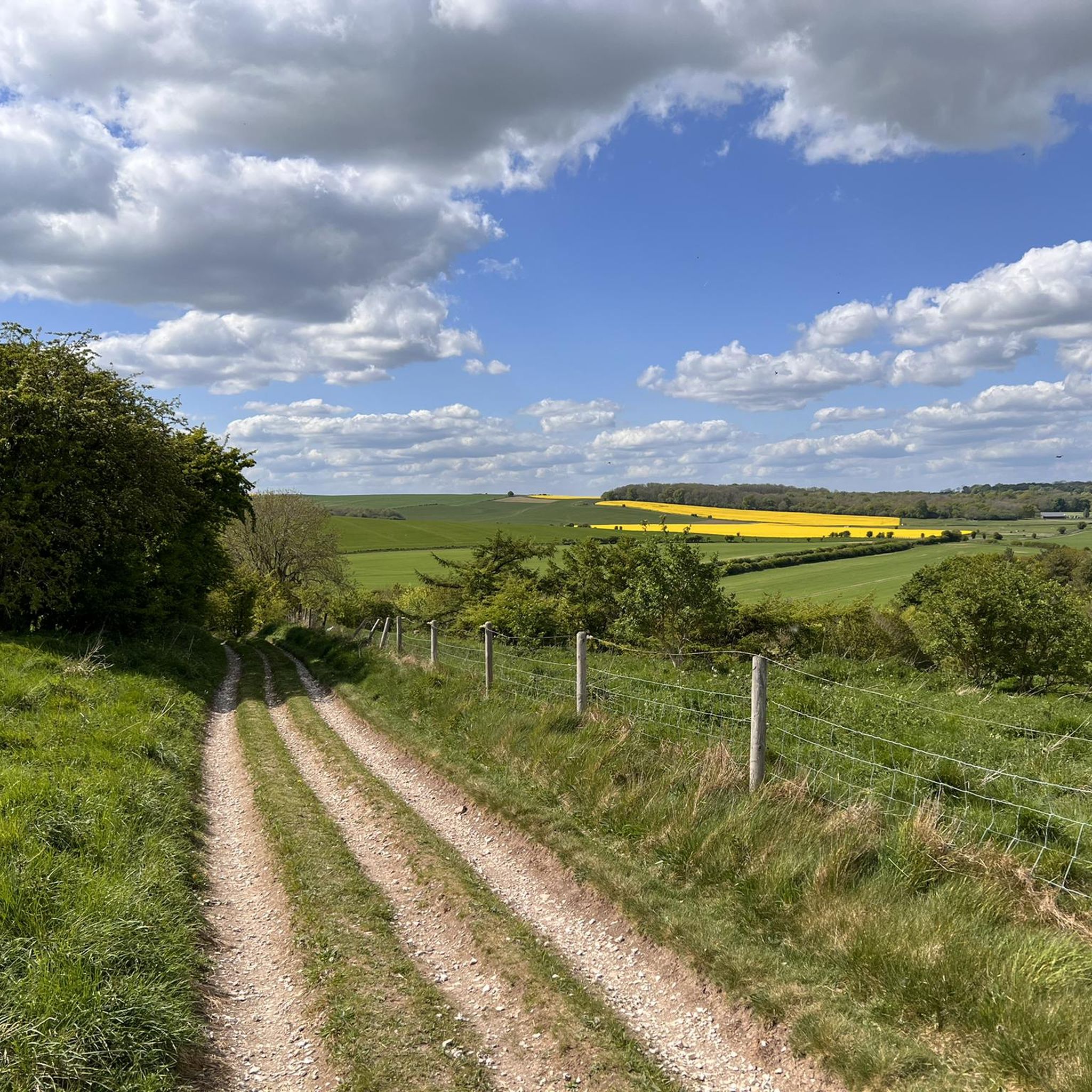
Best natural monuments around East Garston are found within the North Wessex Downs National Landscape, an area recognized for its significant natural beauty. The region features rolling chalk downland, a unique chalk stream in the River Lambourn, and ancient pathways. These elements collectively create an environment rich in natural and historical significance, offering diverse landscapes for exploration. The area's natural beauty is characterized by its chalk formations, which support specialized species and provide expansive views.
Best natural monuments around East…
Last updated: October 16, 2026
Uffington White Horse
Highlight • Monument
Tip by

Uffington Castle Hillfort
Highlight • Summit
Tip by

Sign up now to discover places like this
Get recommendations on the best single tracks, peaks, & plenty of other exciting outdoor places.
Wayland's Smithy Long Barrow
Highlight • Historical Site
Tip by
Scutchamer Knob
Highlight • Viewpoint
Tip by

Dragon Hill
Highlight • Natural Monument
Translated by Google •
Tip by

Sign up for free to discover even more natural monuments around East Garston.
Already have an account?
Start today with a free account
Your next adventure awaits.
Tips from the Community

Really inspiring location on the Ridgeway National trail
0
0

Scutchamer Knob is an ancient Iron Age burial mound and historic landmark on the Ridgeway. Along my King Alfred’s Way bikepacking route, it was a memorable spot to pause before the final stretch to Reading. 📜 Once a Saxon meeting place, this hilltop offers panoramic views of the surrounding Berkshire downs—a perfect blend of history and landscape. 🚴♂️ A short climb rewards you with quiet reflection and wide-open skies.
0
0

Tip: If you're hiking at White Horse Hill in Uffington, take your time to soak in the ancient history and breathtaking views. The hill is home to the famous Uffington White Horse, a prehistoric chalk figure carved into the hillside over 3,000 years ago. Hike: The trail around the hill offers stunning panoramas of the Vale of White Horse and beyond. You can extend your walk to Dragon Hill, a small flat-topped hill linked to legends of St. George, and even further to Wayland’s Smithy, a Neolithic burial chamber. The open landscape and rolling hills make for a refreshing and scenic hike!
0
0
small, flat-topped hill near White Horse Hill in Uffington, shrouded in myth and legend. One of the most famous stories claims that this is where St. George slew the dragon. The bare patch of chalk at the top is said to be the spot where the dragon’s blood spilled, making the grass unable to grow there. Geologically, the hill is a natural chalk formation, but its unusual shape and connection to local folklore make it a fascinating stop on any hike in the area. From the top, you get a great view of the surrounding countryside, adding to the mystical feel of the place!
0
0
If you're hiking at White Horse Hill in Uffington, take your time to soak in the ancient history and breathtaking views. The hill is home to the famous Uffington White Horse, a prehistoric chalk figure carved into the hillside over 3,000 years ago. The trail around the hill offers stunning panoramas of the Vale of White Horse and beyond. You can extend your walk to Dragon Hill, a small flat-topped hill linked to legends of St. George, and even further to Wayland’s Smithy, a Neolithic burial chamber. The open landscape and rolling hills make for a refreshing and scenic hike!
0
0
If you're hiking at White Horse Hill in Uffington, take your time to soak in the ancient history and breathtaking views. The hill is home to the famous Uffington White Horse, a prehistoric chalk figure carved into the hillside over 3,000 years ago. The trail around the hill offers stunning panoramas of the Vale of White Horse and beyond. You can extend your walk to Dragon Hill, a small flat-topped hill linked to legends of St. George, and even further to Wayland’s Smithy, a Neolithic burial chamber. The open landscape and rolling hills make for a refreshing and scenic hike! Attention - no drones allowed
0
0
If you're hiking near Uffington Castle Hillfort, take a moment to explore the surrounding landscape. The views from the top are incredible, and you're right next to the famous Uffington White Horse. It's a great spot for a break and some amazing photos! Atention - no drones allowed.
0
0

Open all day and night. A very intriguing place. I sat for around half an hour one morning, had some breakfast and moved on. didn't see anybody else. found it very peaceful. unbelievable just how old it actually is.
1
0
Frequently Asked Questions
What unique natural features can I explore around East Garston?
East Garston is nestled within the North Wessex Downs National Landscape, characterized by its rolling chalk downlands, which are globally rare and support specialized species. You can also explore the unique River Lambourn, a seasonal chalk stream vital for local wildlife, and expansive chalk downlands like East Garston Down, which offer stunning views and ancient earthworks. For biodiverse habitats, consider visiting Watts Bank Nature Reserve.
Are there historical natural monuments near East Garston?
Yes, the area is rich in historical natural monuments. You can visit Wayland's Smithy Long Barrow, a Neolithic chambered long barrow with a fascinating history of burials. Nearby, Uffington Castle Hillfort is a large Iron Age hill fort offering great views, and next to it is the iconic Uffington White Horse, a prehistoric hill figure considered the oldest image in England.
What kind of walks can I do to experience the natural monuments?
The region offers numerous walking routes. You can enjoy tranquil riverside walks along the River Lambourn, including the 'East Garston Circular' walk. The expansive chalk downlands are perfect for invigorating walks with vast open skies. For specific trails, you can find many options in the Easy hikes around East Garston guide, such as the Watts Bank – Thornhill Copse loop.
Are there family-friendly natural monuments or activities?
Many of the natural monuments are suitable for families, especially those that involve walking and exploring the outdoors. Wayland's Smithy Long Barrow is listed as family-friendly and offers an engaging historical experience. The open spaces of the chalk downlands and the gentle paths along the River Lambourn are also great for family outings.
Can I bring my dog to the natural monuments?
Generally, the natural landscapes and public footpaths around East Garston are dog-friendly. However, it's always recommended to keep dogs on a lead, especially near livestock or in nature reserves like Watts Bank, to protect wildlife and ensure safety. Always check local signage for specific restrictions at individual sites.
What is the best time of year to visit the natural monuments around East Garston?
The natural monuments around East Garston can be enjoyed year-round. Spring brings wildflowers to the downlands and nature reserves, while summer offers long days for walking. Autumn provides beautiful colors across the landscape, and even winter walks can be stunning, especially on clear, crisp days. For the best views, a clear day is always recommended.
Are there any natural monuments with great views?
Absolutely! Uffington Castle Hillfort and Dragon Hill both offer fantastic panoramic views of the surrounding countryside, including the Vale of White Horse. The chalk downlands themselves provide expansive vistas, and the Lord Wantage Monument, situated high on the Ridgeway, also affords stunning views.
Where can I find trails for outdoor activities like running or mountain biking near these natural monuments?
The area around East Garston is excellent for various outdoor activities. You can find numerous trails for running in the Running Trails around East Garston guide, and for mountain biking, explore options in the MTB Trails around East Garston guide. Many of these routes pass by or offer views of the natural monuments.
What makes the North Wessex Downs National Landscape special?
The North Wessex Downs National Landscape, where East Garston is located, is recognized for its significant natural beauty. Its defining features are the rolling chalk downlands, formed by Ice Age meltwater, which are globally rare ecosystems supporting specialized plant species like various orchids. The area offers expansive views, open spaces, and a unique blend of natural and historical significance.
What is the significance of the River Lambourn?
The River Lambourn is a distinctive and vital natural feature. It's a seasonal chalk stream, meaning its flow is fed by a chalk aquifer, and it's a rare type of river ecosystem. It provides a crucial habitat for unique aquatic life and contributes significantly to the picturesque quality of the village and surrounding valley, offering tranquil riverside walks.
Are there any less-known natural gems or unique attractions?
While the main highlights are well-known, the broader chalk downlands, such as East Garston Down, offer a sense of discovery with their ancient earthworks like the East Garston Ditch, dating back to the Bronze or Iron Age. These areas provide a connection to ancient history embedded in the natural landscape and are perfect for those seeking quieter, expansive natural experiences beyond the main sites.
Are there easy walks suitable for all abilities near the natural monuments?
Yes, there are several easy walks. The Easy hikes around East Garston guide features routes like the 'Watts Bank – Thornhill Copse loop' and 'Hiking loop from Lambourn', which are generally accessible and allow you to enjoy the natural beauty without strenuous effort. The paths along the River Lambourn are also typically gentle.
Where can I find refreshments or pubs after visiting the natural monuments?
East Garston and the surrounding villages offer options for refreshments. While specific establishments aren't listed in the guide data, you'll find traditional English pubs in the local villages that are perfect for a meal or a drink after exploring the natural monuments. A quick local search for 'pubs near East Garston' will provide current options.
Most popular attractions around East Garston

Get inspired with the komoot mobile app


Explore more
Extend your search for the best caves by checking out these guides of the top ones around East Garston:
