Top 7 Natural Monuments around Drumderg
Best natural monuments around Drumderg, a townland located in both County Londonderry and County Armagh, Ireland, offer a rich natural landscape. The region is characterized by its geological features, ancient forests, and historical significance. Visitors can explore a variety of natural attractions that showcase the area's diverse ecosystems and cultural heritage. The landscape provides opportunities for exploration and appreciating unique natural formations.
Best natural monuments around Drumderg
- The most popular natural monuments is Giant's Grave & Giant's Cave, a…
Last updated: June 29, 2026
Giant's Grave & Giant's Cave
Highlight • Historical Site
Translated by Google •
Tip by

Marble Arch Caves
Highlight • Historical Site
Tip by

Sign up now to discover places like this
Get recommendations on the best single tracks, peaks, & plenty of other exciting outdoor places.
Sign up for free
Cladagh Glen Waterfall
Highlight • Forest
Tip by

Cliff Edge of Cuilcagh Mountain
Highlight • Natural Monument
Tip by

Ancient Chestnut Tree
Highlight • Forest
Tip by

Sign up for free to discover even more natural monuments around Drumderg.
Sign up for free
Already have an account?
Start today with a free account
Your next adventure awaits.
Login or Signup


Tips from the Community

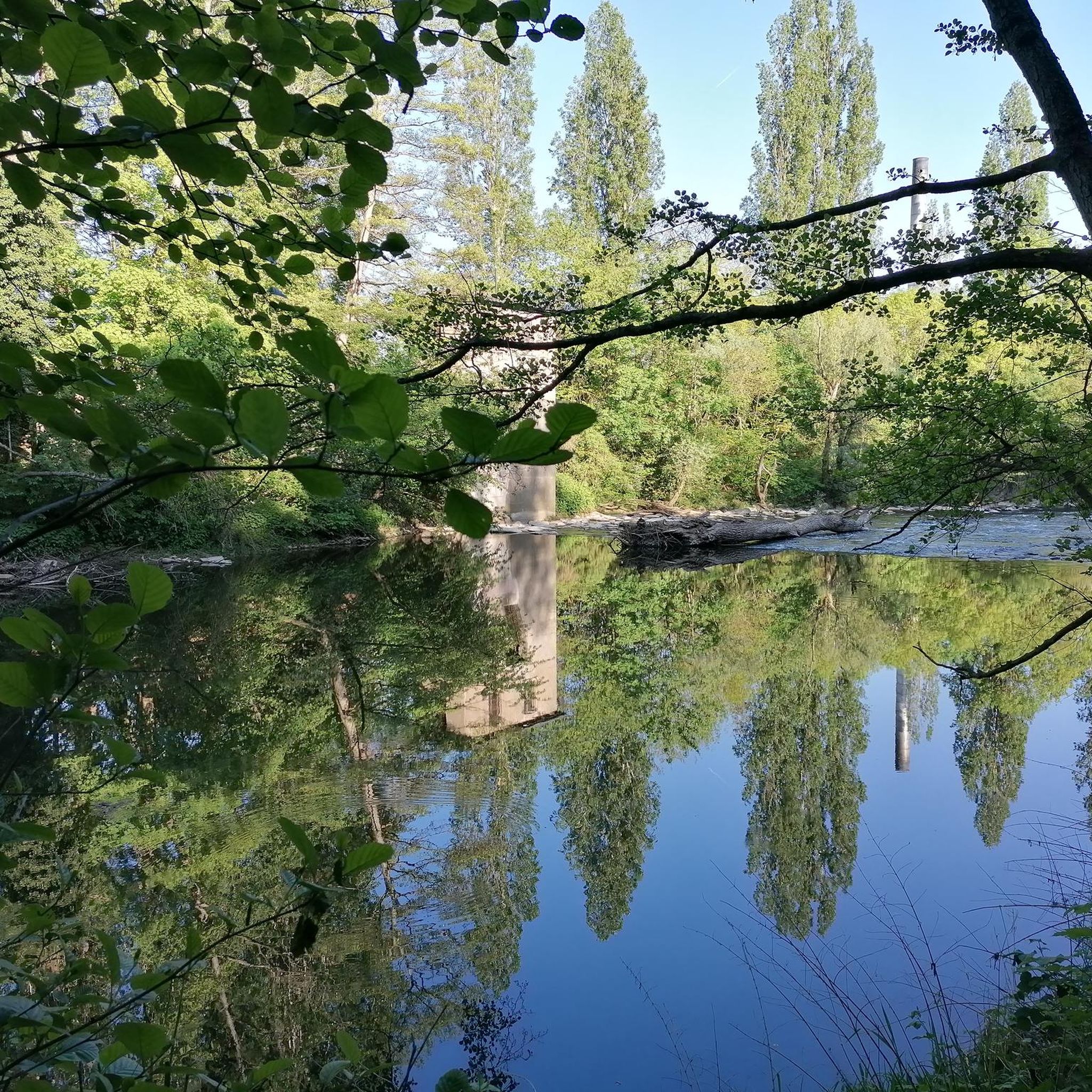
Along the Beech Trail, you'll discover some of the oldest trees on the estate, including Oak and the sprawling limbs of this Horse Chestnut, forming a natural arch over the path.
0
0

Stunning limestone caves which you can explore on a guided tour. Well worth a visit. There are 150 steps down to the caves so if you are wearing cleats please be aware, or change into a pair of trainers before you descend down into the natural wonder. There is also a cafe on site. For further details please see https://marblearchcaves.co.uk/
0
0

Marble Arch caves are situated at the picturesque foothills of the Cuilcagh Mountain. They are the longest underground cave system in Northern Ireland (7.1 miles in total) and are said to be the most magnificent in Britain. The caves are regarded as a world-class natural attraction, they are situated in the Cuilcagh Lakelands which is the world's first UNESCO Global Geopark. The caves are only explorable by guided tours which run daily between 10am - 5pm. To secure a spot, visit https://marblearchcaves.co.uk/online-booking-guided-cave-tour/
2
0

Clodagh Glen has a steep sided gorge that is lined by ancient ash trees that cling to the steep sides. The water sculpted river valley has a spectacular arch over the river which formed when the cave roof collapsed. The reserve is known for its limestone gorge, mystical caves and beautiful waterfalls. In the springtime the valley floor is carpeted by bluebells, wood anemones and wild garlic and in the summer silver-washed fritillaries are found besides the path. With a keen eye you may also spot an elusive pint martin and red squirrels!
1
0
The Cuilcagh Mountain Park covers 6,000 acres on the north slopes of the Cuilcagh Mountain. The park was founded in 1998 and works to conserve the bogland and restore damaged peatland. At 665m the mountain is one of the highest points in Ireland. The Limestone rock was formed over 300 million years ago by ocean calcifying organisms when Ireland was covered by shallow tropical sea. With an interesting and varied flora and fauna alongside historic ancient ruins, there is plenty to explore in the park.
1
0


Many of Ireland’s megalithic monuments—portal tombs, court cairns, or wedge tombs such as this one—are known locally as “the giant’s grave.” But this one, on a hilltop in Co. Cavan’s Burren Forest Park, has a giant story to go along with its name. According to Harold Johnson, from the nearby town of Blacklion, the giant, attempting to impress a lady, failed in his final attempt to jump the nearby chasm, which is, of course, called “The Giant’s Leap.” Harold Johnson relates this story in some detail, while seated on the Giant’s Grave, in the video, below right. Mr. Johnson also was our guide, and provided the narration, for our feature on the Killinagh Cursing Stones, located on the opposite side of the town of Blacklion. (https://voicesfromthedawn.com/burren-giants-grave/)
4
0

The Cuilcagh Mountain Park sprawls 6,170 acres (2,500 ha) on the northern slopes of the spectacular Cuilcagh Mountain. Founded in 1998, the park works to conserve the bogland habitats and restore damaged peatland. Towering at 2,188 feet (665 m), the mountain is one of the highest points of Ireland. The limestone rock was formed over 300 million years ago from the remains of tiny sea creatures when what is now Ireland would have been covered by a shallow tropical sea. You can explore the area on a network of trails, but it's best to park your bike and go on foot. With historic ruins dating back to the 19th century, diverse flora and fauna, and far-reaching views, there's a lot to discover here.
2
0
Frequently Asked Questions
What are some unique natural monuments to explore around Drumderg?
Beyond the most popular spots, you can discover the fascinating Pollnagollum Cave and Waterfall, known as the 'Hole of the Dove'. This site features the longest cave system in Ireland, fed by a tumbling waterfall. Another unique feature is the Ancient Chestnut Tree, which forms a natural arch over the path along the Beech Trail, showcasing some of the estate's oldest trees.
Are there any natural monuments with historical significance near Drumderg?
Yes, the region is rich in history. The Giant's Grave & Giant's Cave in Burren Forest are megalithic tombs with a captivating Irish legend about two giants. Additionally, the broader area includes sites like the Cavan Burren Park Megalithic Stones, offering significant historical and geological interest within a natural landscape.
What kind of natural features can I expect to see around Drumderg?
The Drumderg area boasts diverse natural features. You can explore dramatic gorges like the one at Cladagh Glen Waterfall, which features ancient ash trees, mystical caves, and beautiful waterfalls. The region also has significant limestone formations, as seen at the Cliff Edge of Cuilcagh Mountain, which was formed over 300 million years ago from ancient sea creatures.
Are there family-friendly natural monuments or activities around Drumderg?
While specific family-friendly designations vary, many natural sites can be enjoyed by families. The Ancient Chestnut Tree, with its natural arch, offers an accessible and interesting feature for all ages. Exploring the trails around natural monuments like Cladagh Glen can also be a great family activity, especially in springtime when the forest floor is carpeted with wildflowers.
What outdoor activities can I do near these natural monuments?
The area around Drumderg offers various outdoor activities. You can find numerous hiking opportunities, including easy routes like the Belmore Forest loop via Pollnagollum Cave or the Marble Arch Caves via Cladagh River. For more challenging hikes, consider the Cuilcagh Mountain Park loop. There are also road cycling routes available, such as the Florence Court loop. You can explore more options in the Hiking around Drumderg or Road Cycling Routes around Drumderg guides.
Are there easy hiking routes to natural monuments in Drumderg?
Yes, there are several easy hiking routes that allow you to experience the natural beauty of Drumderg. You can take the 'Belmore Forest loop via Pollnagollum Cave' (6.1 km) or the 'Marble Arch Caves via Cladagh River' (3.5 km). Another option is the 'Florence Court – Florence Court loop from Drumlaghy' (5 km). For more details, check out the Easy hikes around Drumderg guide.
What is the best season to visit the natural monuments around Drumderg?
The natural monuments around Drumderg offer beauty throughout the year, but spring is particularly enchanting. In springtime, the valley floor at places like Cladagh Glen Waterfall is carpeted with bluebells, wood anemones, and wild garlic. Autumn also brings magical colors to the ancient ash wood forests. Summer is ideal for longer hikes and exploring, while winter offers a serene, stark beauty.
Can I spot wildlife at the natural monuments in the Drumderg area?
Yes, the region is home to diverse wildlife. At Cladagh Glen Waterfall, with a keen eye, you might spot elusive pine martens and red squirrels, and in summer, silver-washed fritillaries are found near the paths. Lower Lough MacNean, part of the Marble Arch Caves Geopark, is notable for its diverse wildlife, including various mammals, insects, and birds inhabiting its reedbeds and wet woodlands.
What are the parking and access points for natural monuments near Drumderg?
Specific parking and access information varies by monument. For areas like the Cuilcagh Mountain Park, it's recommended to park your bike and continue on foot to explore the network of trails. Many natural monuments, especially those within parks or reserves, will have designated parking areas. It's advisable to check local signage or specific park websites for detailed access information before your visit.
Are there any natural monuments that offer panoramic views?
Absolutely. The Cliff Edge of Cuilcagh Mountain offers far-reaching views from one of the highest points in Ireland. While a bit further afield, the Cuilcagh Boardwalk Trail (Stairway to Heaven) provides access to the summit of Cuilcagh Mountain, offering stunning panoramic vistas of the surrounding landscape.
What makes the Cladagh Glen Waterfall a significant natural monument?
The Cladagh Glen Waterfall is significant for its steep-sided gorge lined with ancient ash trees, mystical caves, and beautiful waterfalls. The water-sculpted river valley boasts a spectacular arch formed by a collapsed cave roof. It's also a habitat for unique flora and fauna, including bluebells, wood anemones, wild garlic, silver-washed fritillaries, pine martens, and red squirrels.
Most popular attractions around Drumderg

Get inspired with the komoot mobile app


Explore more
Extend your search for the best caves by checking out these guides of the top ones around Drumderg:
