Top 6 Natural Monuments around Whitegate And Marton
Best natural monuments around Whitegate And Marton are found within Cheshire, England, offering a rich natural environment characterized by woodlands and various water features. The area is home to significant natural attractions, notably within Delamere Forest. Visitors can explore diverse landscapes, including ancient mosses and elevated viewpoints. This region provides opportunities to immerse oneself in nature and discover unique geological formations.
Best natural monuments around Whitegate And Marton
- The most popular natural monuments is Old Pale Hill Monument, a…
Last updated: May 18, 2026
Blakemere Moss
Highlight • Natural Monument
Tip by

Black Lake Nature Reserve, Delamere Forest
Highlight • Natural Monument
Tip by
Sign up now to discover places like this
Get recommendations on the best single tracks, peaks, & plenty of other exciting outdoor places.
Sign up for free
Old Pale Hill Monument
Highlight • Monument
Tip by

Doolittle Moss
Highlight • Natural
Tip by

Frodsham Sandstone Caves
Highlight • Natural Monument
Tip by

Sign up for free to discover even more natural monuments around Whitegate And Marton.
Sign up for free
Already have an account?
Start today with a free account
Your next adventure awaits.
Login or Signup

Tips from the Community


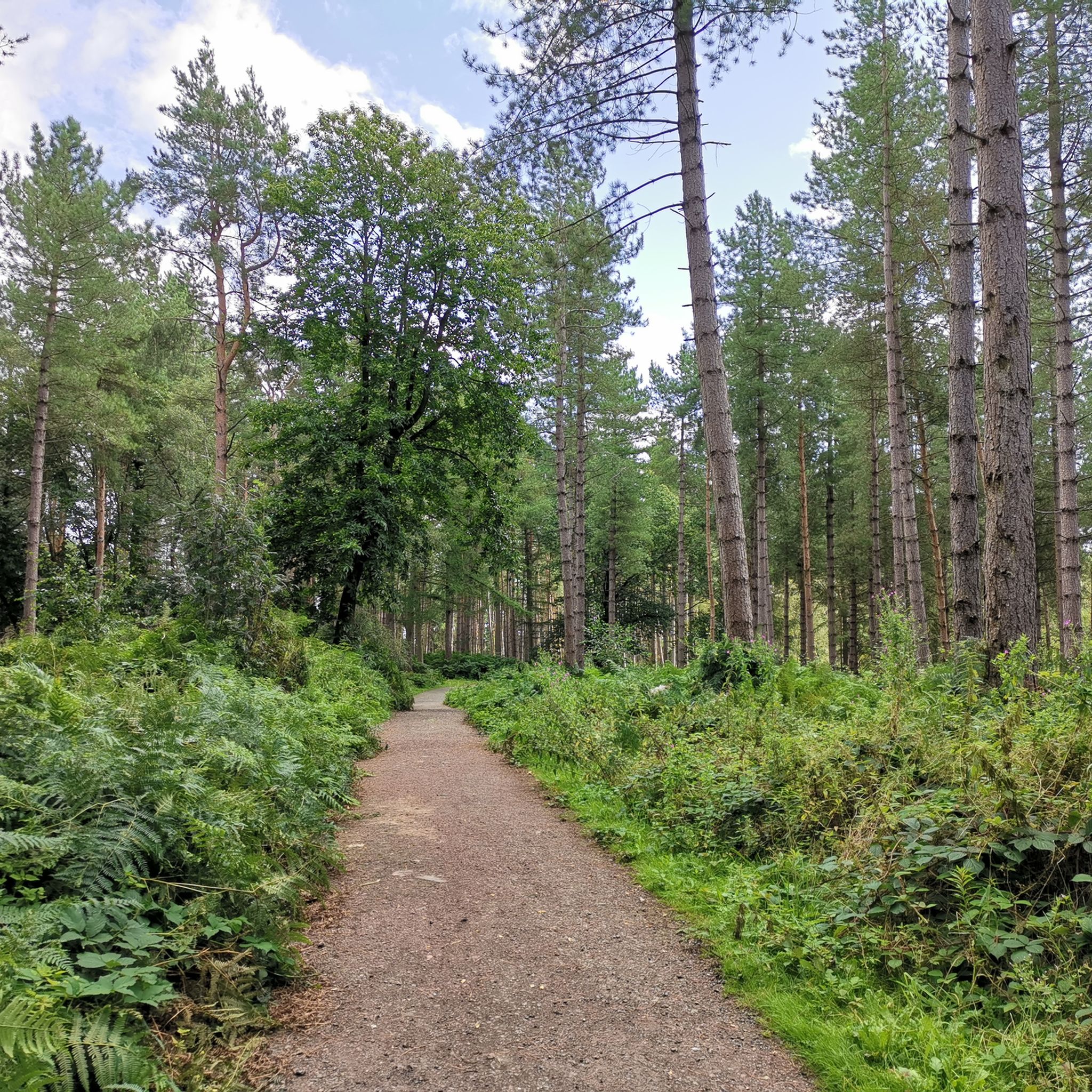
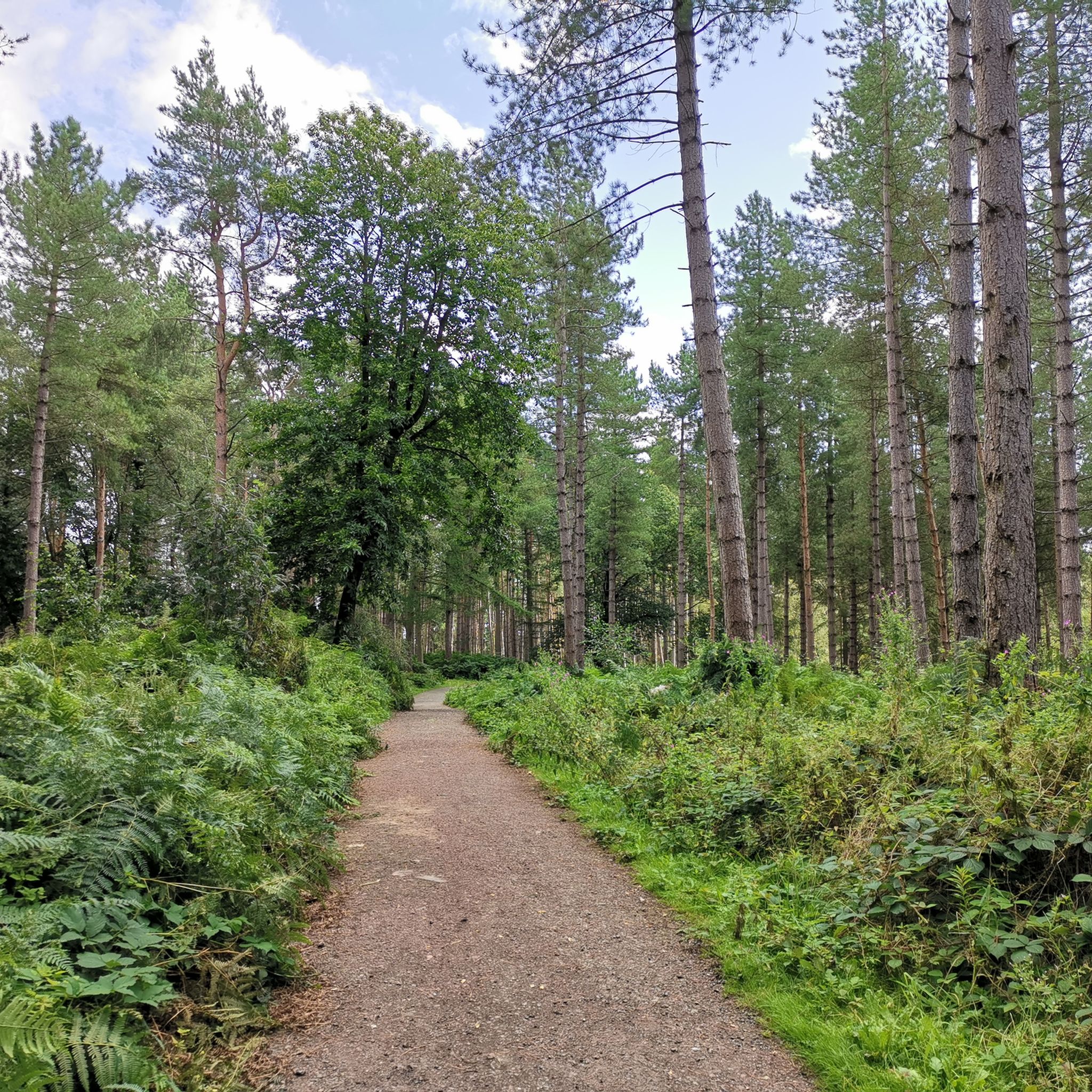
Lovely ride through Delamere Forest. You can't go wrong on a mtb or emtb. I entered the forest at New Pale and went round lots of trails to the holiday lodges and came out on Waterloo Lane.
0
0

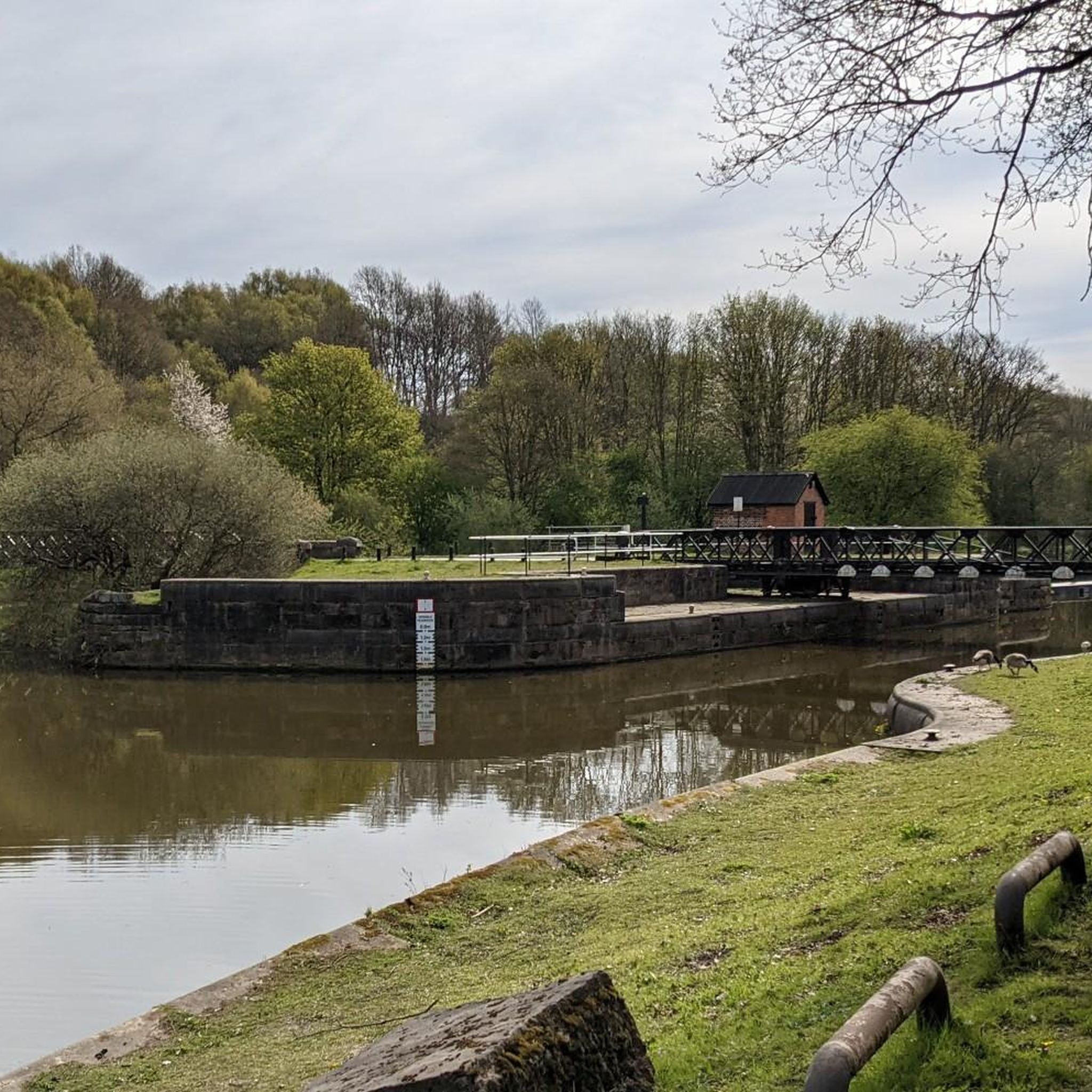
amazing walk just cant take the path next to the hatch mere nature reserve because it's very deep mud at the moment
0
0
very boggy here, step into the trees at the left then edge along the bank to get on the track.
0
0

Could become overgrown in summer or muddy if wet. Interest spot to see
0
0

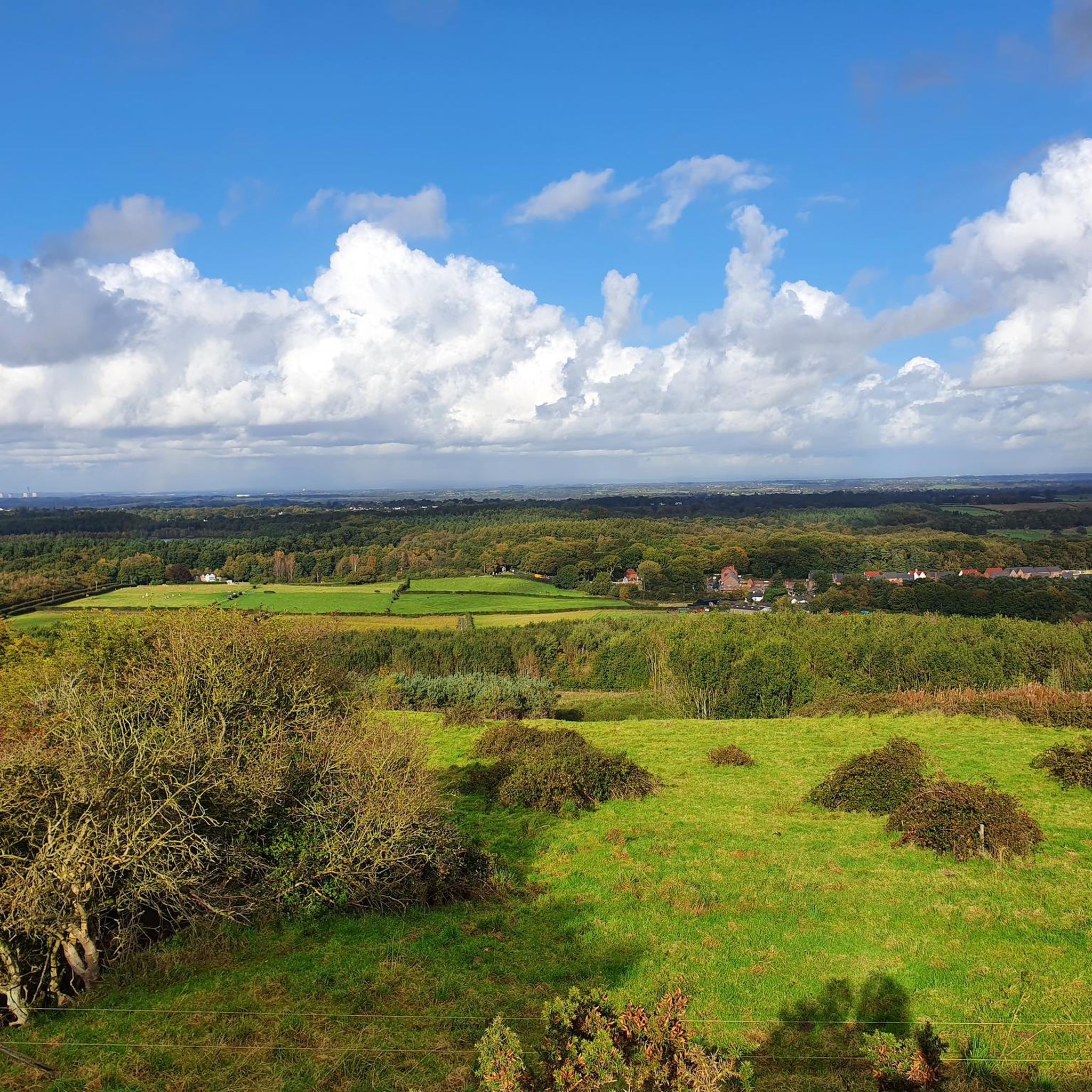
A good hard packed trail ,very steep in parts but boy worth it for the cracking views and some steep descents
0
0

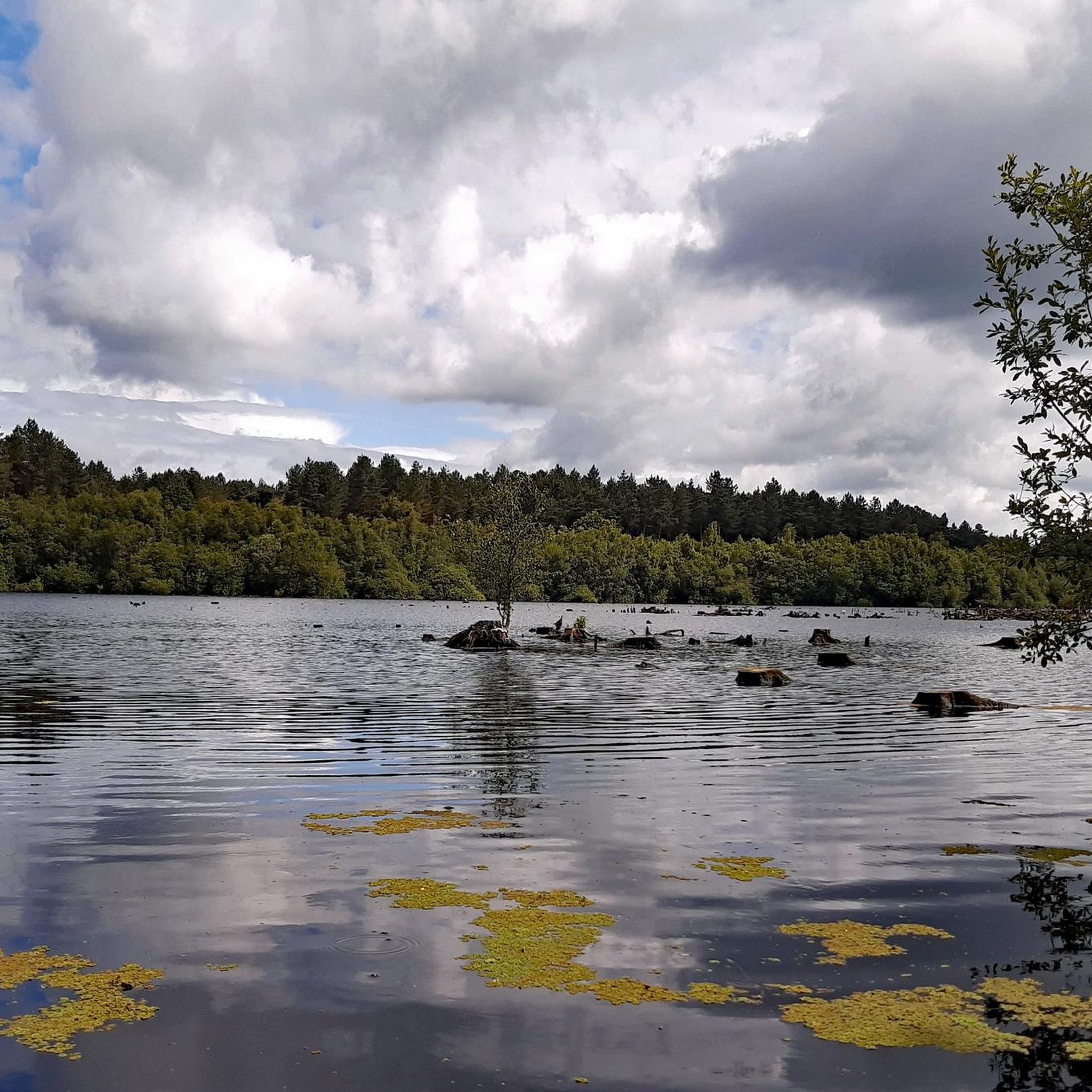
Blakemere Moss at Delamere Forest is a reclaimed wetland area. The Moss was originally formed from two kettle holes (water filled hollows formed by a detached mass of glacial ice melted in situ towards the end of the last ice age). Delamere Forest is made up of more than 100 peatland basins and includes several sites of rare 'quaking' bogland, a phenomenon in which sphagnum mosses form a carpet above peaty water that appears to tremble when trodden on. The area was drained from the 1800's, supposedly by prisoners from the Napoleonic Wars and planted with trees, (mainly oak and Scot's Pine) between 1793-1815 to provide timber for shipbuilding. The Forestry Commission planted the moss with pine and western hemlock during the 1940s, which proved uneconomic. In the late 1990's the Commission allowed the area to re-flood again naturally.
1
0
Frequently Asked Questions
What natural features can I expect to see around Whitegate and Marton?
The area around Whitegate and Marton, particularly within Delamere Forest, is rich in diverse natural features. You'll find extensive woodlands, various water features including lakes and mosses, and elevated viewpoints. Notable features include ancient mosses like Blakemere Moss and Doolittle Moss, as well as tranquil lakes such as Black Lake Nature Reserve. Old Pale Hill Monument offers expansive panoramic views.
What makes Blakemere Moss a significant natural monument?
Blakemere Moss is a flooded area within Delamere Forest, designated as a Site of Special Scientific Interest (SSSI) due to its rich biodiversity. It has a unique history, having been drained and planted with trees in the 1800s, then allowed to naturally re-flood in the 1990s, leaving tree stumps visible through the water. It was originally formed from two 'kettle holes' left by melting glacial ice over 10,000 years ago and is now home to rare mosses and wildlife like great crested newts.
Are there family-friendly natural monuments to visit?
Yes, several natural monuments in the area are suitable for families. Blakemere Moss, for instance, features a flat, well-maintained circular path that is approximately 2.7 miles long, making it suitable for all ages and even prams. The wider Delamere Forest, which encompasses many of these sites, offers numerous good paths and facilities for a family day out.
What kind of wildlife can I observe at these natural monuments?
The natural monuments around Whitegate and Marton are excellent for wildlife observation. Blakemere Moss is a prime spot for birdwatching, attracting species such as greylags, Canada geese, black-headed gulls, coots, mallards, and lapwings. Black Lake Nature Reserve is known for its many species of dragonflies and damselflies, as well as unusual mosses.
Are there unique geological features or habitats in the area?
Yes, the region boasts unique geological features and habitats. Blakemere Moss originated from 'kettle holes' formed by glacial ice. Delamere Forest also contains several sites of rare 'quaking' bogland, a phenomenon where sphagnum mosses form a trembling carpet over peaty water. These boglands, including Black Lake and Linmer Moss, are designated SSSIs.
What outdoor activities can I do near these natural monuments?
The area offers a variety of outdoor activities. You can enjoy hiking, running, and mountain biking on numerous trails. For hiking, explore routes like the 'View of the Lake – Whitegate Station Café loop' or the 'St Mary's Church, Whitegate – Whitegate Pool loop'. Mountain biking enthusiasts can try the 'Whitemoor Trail' or various loops around Blakemere Moss. Find more details on specific routes in the hiking, running, and MTB guides for Whitegate and Marton.
Are there specific trails for cycling or mountain biking?
Yes, Delamere Forest, which hosts many natural monuments, is popular for cycling and mountain biking. You can find trails like the 'Whitemoor Trail' or various loops that incorporate Blakemere Moss. For detailed routes and difficulty levels, refer to the MTB Trails around Whitegate And Marton guide.
What do visitors enjoy most about the natural monuments in this area?
Visitors frequently praise the tranquil and scenic environment, often describing it as a 'feast of nature, colour and tranquility'. The expansive views from Old Pale Hill Monument are a highlight, with some reporting views of up to seven counties on a clear day. The well-maintained paths, especially around Blakemere Moss, are also appreciated for easy walking and exploring.
Is there parking available for visiting these natural monuments?
Yes, Delamere Forest, where many of these natural monuments are located, provides parking facilities. It's advisable to check the official Delamere Forest website for specific car park locations and any potential charges or operating hours before your visit.
What is the best time of year to visit the natural monuments?
The natural monuments can be enjoyed year-round, each season offering a different experience. Spring brings new growth and bird activity, while autumn showcases vibrant foliage. Summer is ideal for longer walks and enjoying the water features. For birdwatching, Blakemere Moss is particularly rewarding during migration seasons. Always check local weather conditions before heading out.
Are the natural monuments accessible for people with limited mobility?
While many areas of Delamere Forest feature varied terrain, some natural monuments offer more accessible paths. For example, Blakemere Moss has a flat, well-maintained circular path suitable for prams and potentially wheelchairs, depending on individual needs and conditions. It's recommended to check specific trail conditions for the most up-to-date accessibility information.
Can I bring my dog to the natural monuments?
Delamere Forest is generally dog-friendly, with many trails suitable for walks with your canine companion. However, it's important to keep dogs under control, especially in areas with wildlife or near livestock. Always follow local signage regarding lead requirements and clean up after your dog to help preserve the natural environment.
Most popular routes around Whitegate And Marton
Most popular attractions around Whitegate And Marton

Get inspired with the komoot mobile app


Explore more
Extend your search for the best caves by checking out these guides of the top ones around Whitegate And Marton:
