Top 11 Natural Monuments around Waltham St Lawrence
Best natural monuments around Waltham St Lawrence include a variety of natural features and historical sites. The region offers 11 natural monuments for exploration. Notable areas like Shurlock Road Nature Reserve provide green spaces with recreational opportunities. These locations offer diverse landscapes for outdoor activities.
Best natural monuments around Waltham St Lawrence
- The most popular natural monuments is Robin Hood's Arbour, a historical site that is an Iron Age rectilinear enclosure. This site is thought to have been a…
Last updated: August 23, 2026
The Brick and Tile Works
Highlight • Historical Site
Tip by

Heath Lake
Highlight • Natural Monument
Tip by

Sign up now to discover places like this
Get recommendations on the best single tracks, peaks, & plenty of other exciting outdoor places.
Sign up for free
Robin Hood's Arbour
Highlight • Historical Site
There are no known connections linking the legend of the outlaw, Robin Hood with Robin Hood’s Arbour. Indeed Robin Hood’s Arbour dates from much earlier times. The …
Tip by

Wildflower Meadows of Pinkneys Green
Highlight • Natural
Tip by
Edgbarrow Woods
Highlight (Segment) • Trail
Tip by

Sign up for free to discover even more natural monuments around Waltham St Lawrence.
Sign up for free
Already have an account?
Start today with a free account
Your next adventure awaits.
Login or Signup
Tips from the Community

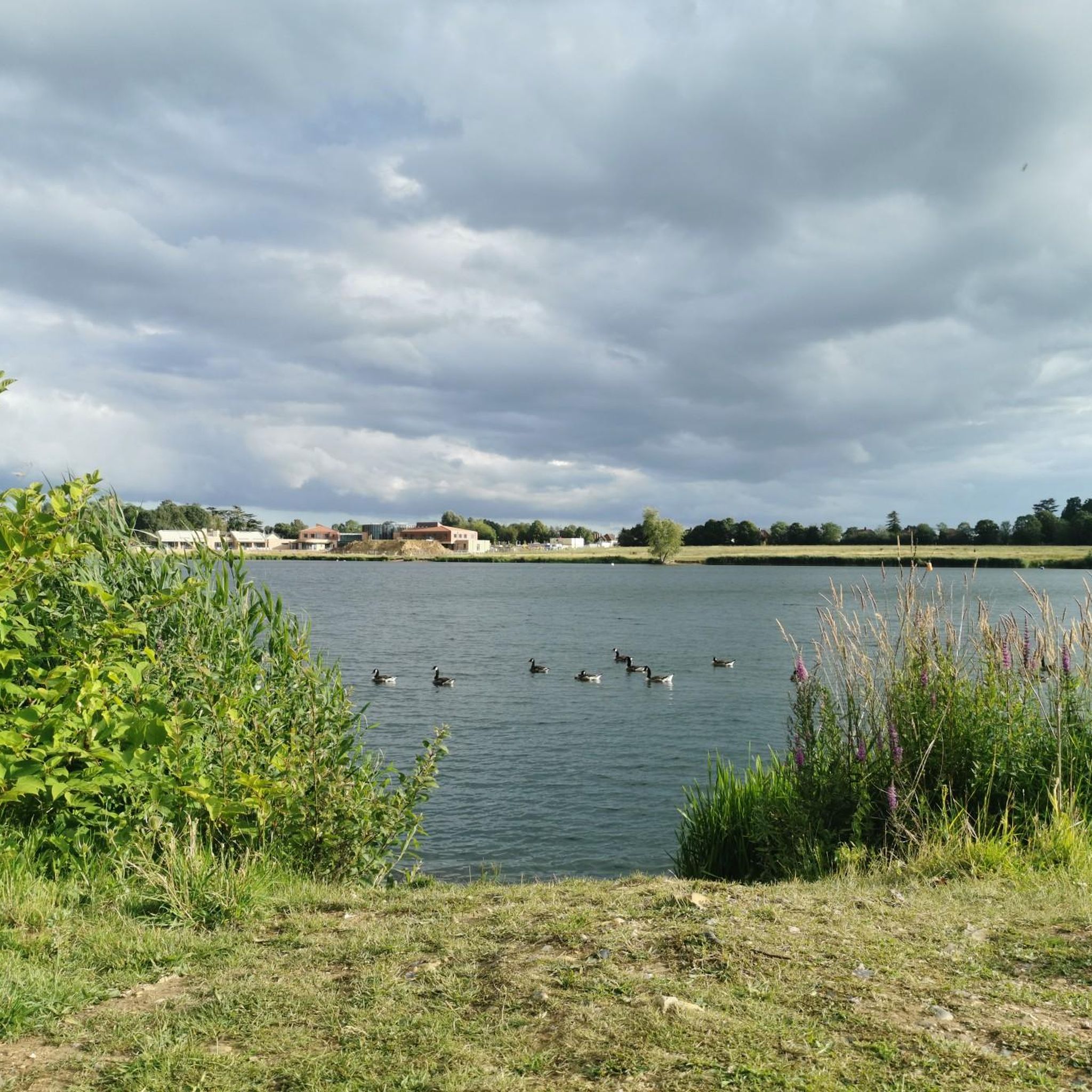
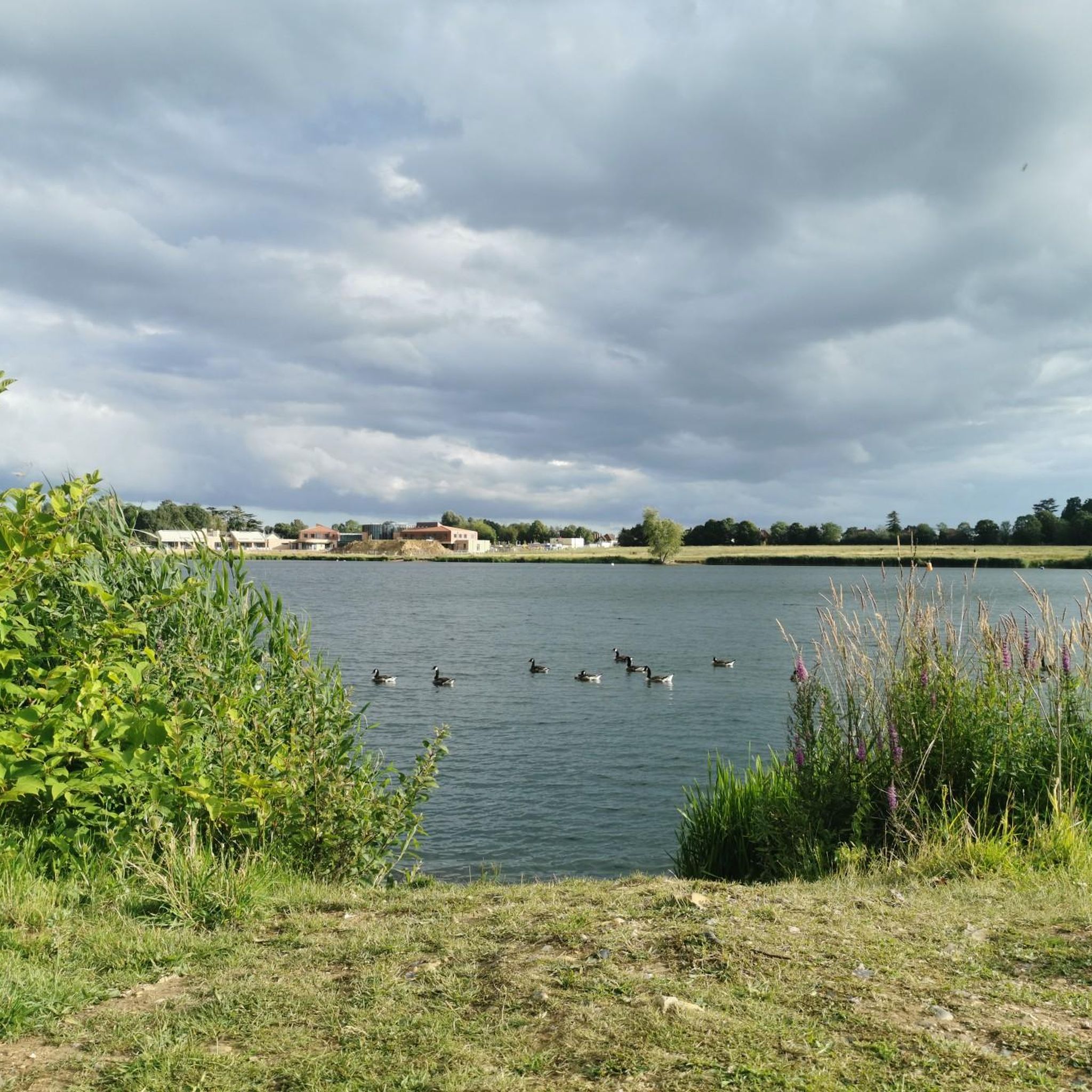
While walking along the path around the lake, you can observe a wide variety of birds, including swans and ducks, among others. This lake is a Site of Special Scientific Interest and is home to several rare plants due to its low pH levels. In fact, it's the only acid lake in the county. Depending on the weather, it can become muddy.
1
0
This lake is the only acid lake in Berkshire. Due to its naturally high pH level, it harbors some very uncommon plants, such as the water milfoil or the six-stemmed water crowfoot. This has earned it the designation of SSSI (Site of Special Scientific Interest). Next to the reserve where this lake is located, there is a small, free parking area. Several trails and routes, like the Ramblers Route, pass by the lake.
1
0

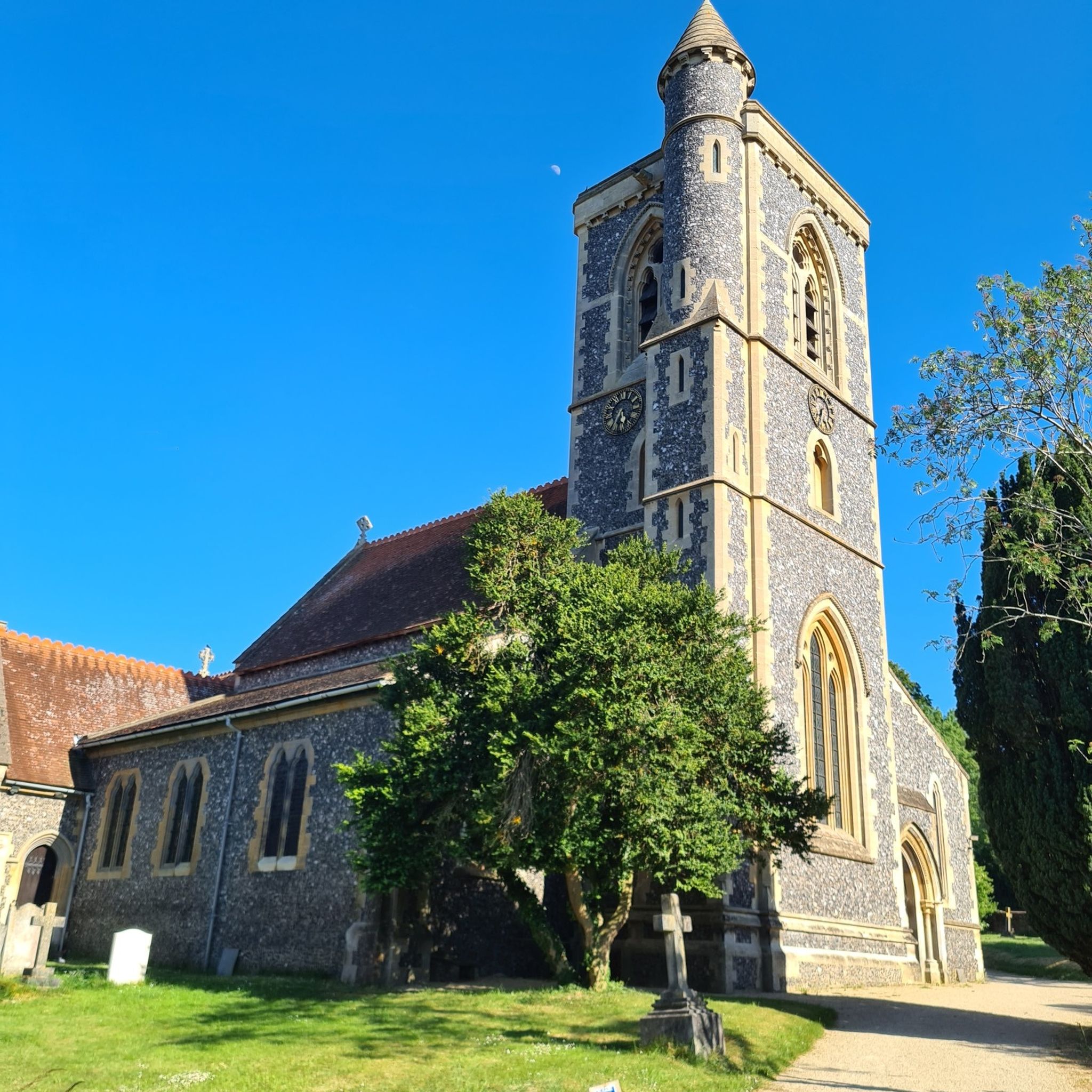
The Brick and Tile Works, established by Charles Cooper in the early 1800s, employed about 150 people and produced bricks, tiles, gargoyles, and pinnacles. The site, which closed in 1967, is now owned by the National Trust and features lowland ponds with diverse aquatic life and a variety of woodland birds and plants.
1
0
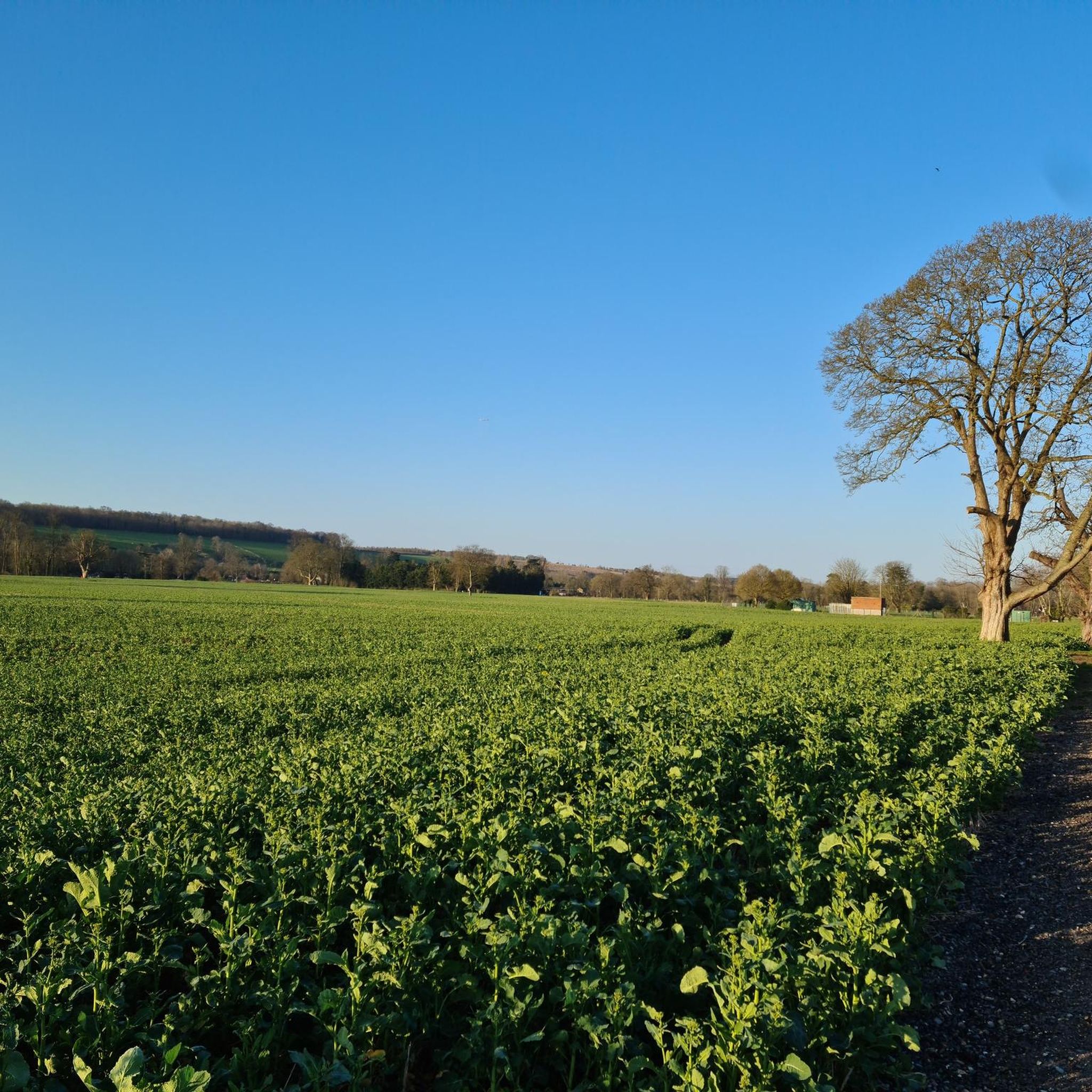
Pinkneys Green, originally part of the Royal Manor of Cookham, was sold off in 1818. In the 1920s, the Maidenhead and Cookham Commons Conservation Committee protected the land, which was later donated to the National Trust. Today, Pinkneys Green is mostly grassland managed by local farmers with areas of trees and thicket for wildlife, and its open meadows are filled with wildflowers during the summer.
1
0

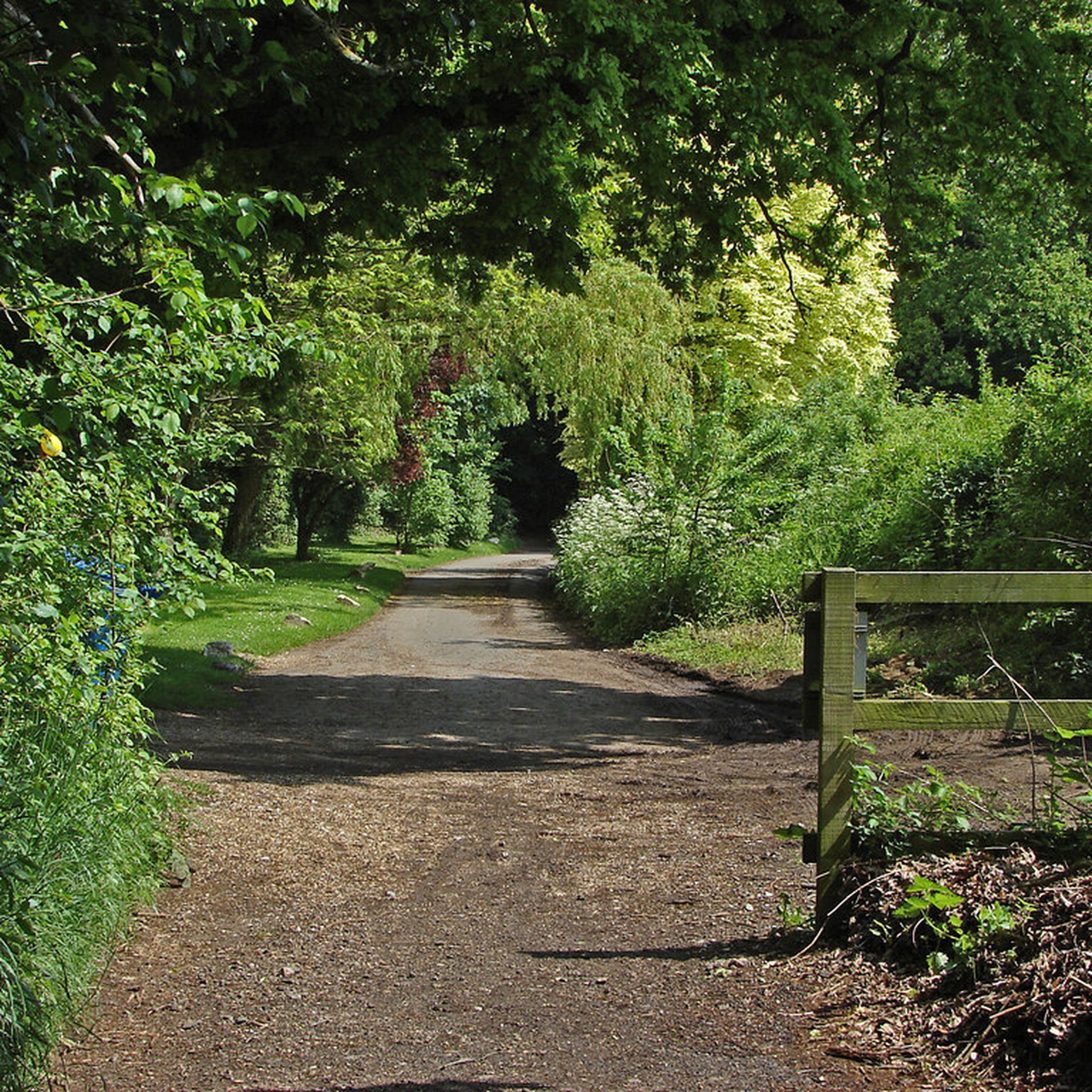
Owned by Wellington College, Edgbarrow Woods is a beautiful Local Nature Reserve with hiking trails through its leafy interior. During the 11th century, the woods was one of William the Conqueror's many royal hunting grounds; it's been a nature reserve since 2002. The Three Castles Path, a hiking trail linking Windsor, Odiham and Winchester castles, passes through the forest.
0
0

Robin Hood's Arbour There are no known connections linking the legend of the outlaw, Robin Hood with Robin Hood’s Arbour. Indeed Robin Hood’s Arbour dates from much earlier times. The feature is an Iron Age rectilinear enclosure which is thought to have been a farmstead. An archaeological excavation in 1890 revealed ‘samian ware’, a type of Roman pottery produced mainly in Gaul. Further excavations in 1960 recovered some Iron Age pottery and some wattle marked daub. Other finds comprised flint implements including a Palaeolithic hand axe. These finds can be seen in the Reading Museum.
2
0
The Brick & Tile Works The Brick and Tile Works was established by Charles Cooper in the early 1800s, exploiting a local deposit of Reading Clay. At its peak, the Works employed about 150 people, and cottages were built in Golden Ball Lane for the skilled craftsmen. In 1950, the Cooper family sold the Works to the Maidenhead Brick and Tile Company, and the site eventually closed in 1967. In addition to bricks and tiles, the works produced gargoyles and pinnacles, many of which can be seen in the locality today. The National Trust acquired the site in 1989. The industrial activity left a legacy of lowland ponds, inhabited by an impressive range of aquatic invertebrate fauna, including several species of dragonfly. There are also three species of newt and a wide range of woodland birds and other aquatic or semi-aquatic plants and animals.
1
0
Pinkneys Green derives its name from the Norman Knight, Ghilo de Pinkney, who was granted lands in the Maidenhead area as a reward for supporting William the Conqueror. Along with other areas of common land in the Cookham and Maidenhead area, Pinkneys Green was originally part of the Royal Manor of Cookham, but they were sold off by the Crown in 1818 and passed into private ownership. In the 1920s, for fear that the common land would be enclosed or developed, the Maidenhead and Cookham Commons Conservation Committee was established, which raised £2800 to buy the land, which was donated to the National Trust in 1934. Today, Pinkneys Green consists largely of grassland, which is managed by local ‘commoner’ farmers as a hay crop for livestock; although some mature trees and areas of thicket provide valuable refuges for wildlife. The grasses in these open, unfenced meadows are left to grow tall all summer long so you’ll find a wealth of wildflowers
1
1
Frequently Asked Questions
What unique natural features can I explore around Waltham St Lawrence?
You can discover a variety of unique natural features. For instance, Heath Lake is Berkshire's only acid lake, home to uncommon plants like water milfoil. Additionally, the The Brick and Tile Works, a former industrial site, now features lowland ponds rich in aquatic invertebrate fauna and diverse woodland birds.
Are there any historical natural monuments in the area?
Yes, the region has several historical natural monuments. Robin Hood's Arbour is an Iron Age rectilinear enclosure, believed to be a farmstead, with archaeological finds including Roman and Iron Age pottery. The Brick and Tile Works also has a rich industrial history, established in the early 1800s.
Which natural monuments are suitable for families with children?
The Heath Lake area offers trails suitable for families. The Wildflower Meadows of Pinkneys Green provide open, unfenced meadows ideal for exploration. Additionally, the Shurlock Road Nature Reserve, located southeast of Waltham St Lawrence, features a natural play area with a slide, tunnel, swings, and picnic benches, making it very family-friendly. You can find more information about the reserve at rbwm.gov.uk.
What kind of wildlife can I expect to see at these natural monuments?
You can observe diverse wildlife. Heath Lake is a Site of Special Scientific Interest due to its rare plants and is home to various birds like swans and ducks. The Brick and Tile Works boasts an impressive range of aquatic invertebrates, including several dragonfly species, three newt species, and woodland birds. Hurley Chalk Pit Nature Reserve is known for its chalk grasslands supporting 15 species of butterflies.
Are there easy walking trails near the natural monuments?
Yes, there are several easy walking trails in the vicinity. You can find a selection of easy hikes around Waltham St Lawrence, including routes like 'The Bell, Waltham St Lawrence – Pond loop' and 'High Knowl Wood – Bluebell Woodland loop'. Explore more options on the Easy hikes around Waltham St Lawrence guide.
Where can I go running near these natural monuments?
For running enthusiasts, there are moderate running trails available. Consider routes such as 'Hurst Village Pond – The Castle Inn, Hurst loop' or 'The Bell, Waltham St Lawrence – Knowl Hill Bridleway Circuit loop'. More running options can be found in the Running Trails around Waltham St Lawrence guide.
Are there cycling routes that pass by the natural monuments?
Yes, you can find road cycling routes in the area. Options include 'Sipp and Spoke – Bottle Lane loop' and 'Marlow Switchbacks – Marlow Suspension Bridge loop'. Discover more routes on the Road Cycling Routes around Waltham St Lawrence guide.
Is there parking available at the natural monuments?
Yes, parking is available at some locations. For Heath Lake, there is a small, free parking area next to the reserve. The Shurlock Road Nature Reserve also provides a small car park and cycle spaces, ensuring accessibility for visitors.
What is the best time to visit the natural monuments around Waltham St Lawrence?
The best time to visit depends on your interests. The Wildflower Meadows of Pinkneys Green are particularly beautiful in summer when they are filled with wildflowers. However, be aware that some areas, like Heath Lake, can become muddy during wet weather, so plan accordingly.
What can I expect at Shurlock Road Nature Reserve?
Shurlock Road Nature Reserve offers semi-improved grassland, marshy areas, and a pond, all accessible via mown grass paths. It's known for its natural play area, picnic benches, and the unique opportunity to watch aeroplanes from White Waltham Airport overhead. It's an excellent spot for walks and family outings. For more details, visit rbwm.gov.uk.
What makes Hurley Chalk Pit Nature Reserve special?
Hurley Chalk Pit Nature Reserve is distinguished by its beautiful beech woodland and chalk grasslands. These habitats support a wide variety of wildlife, including an impressive 15 species of butterflies, making it a great spot for nature observation.
Most popular routes around Waltham St Lawrence
Most popular attractions around Waltham St Lawrence

Get inspired with the komoot mobile app


Explore more
Extend your search for the best caves by checking out these guides of the top ones around Waltham St Lawrence:
