Top 13 Natural Monuments around Wraysbury
Best natural monuments around Wraysbury are characterized by extensive water bodies, rich birdlife, and historical natural features. The area, shaped by historical gravel extraction, now hosts valuable ecosystems. These sites offer opportunities for nature observation and connection to ancient history within a tranquil environment.
Best natural monuments around Wraysbury
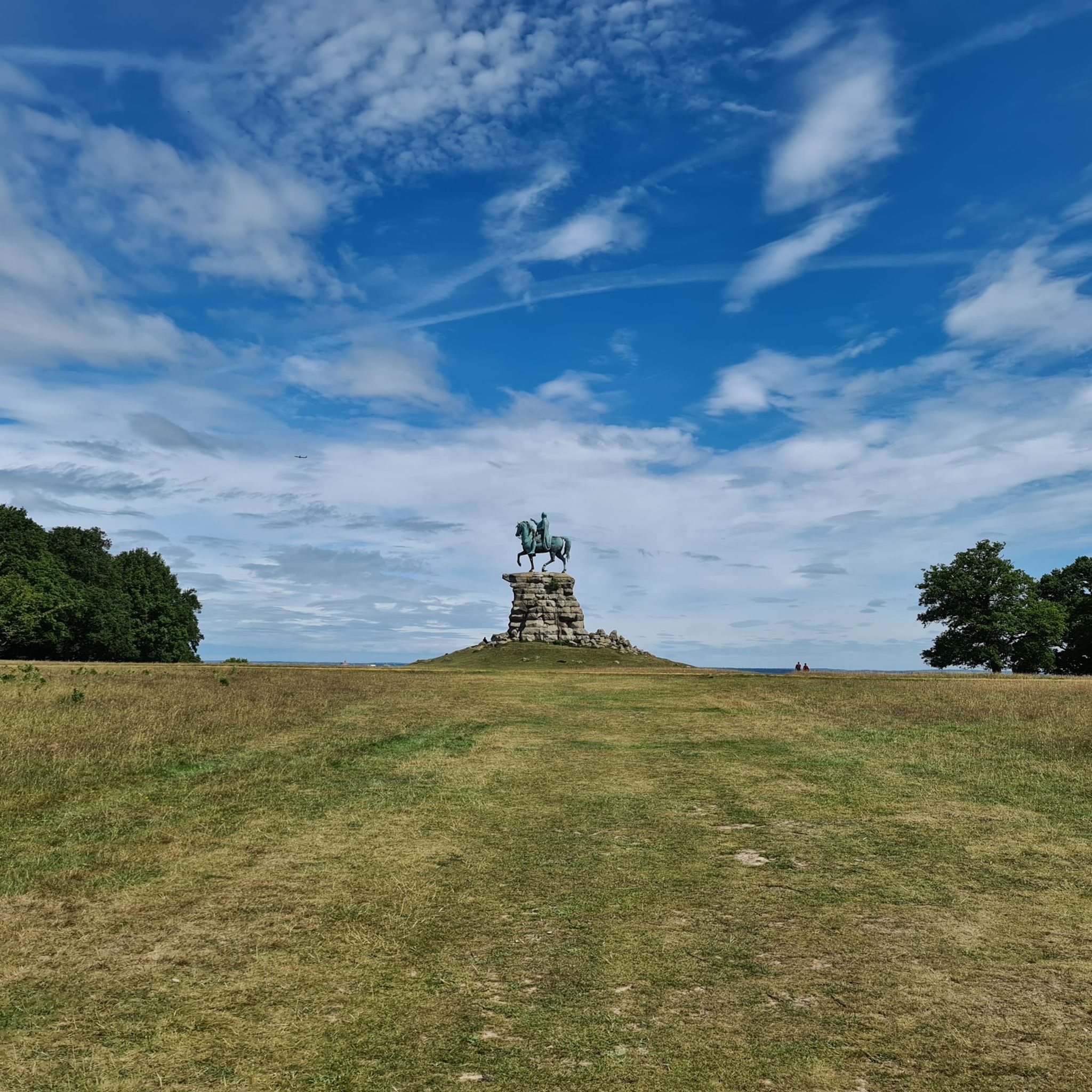
- The most popular natural monuments is The Copper Horse (King George III Monument), a man-made monument that offers fantastic views from Snow Hill. This impressive statue, created in 1831, is…
Last updated: October 3, 2026
The Copper Horse (King George III Monument)
Highlight • Monument
Tip by

Magna Carta Memorial
Highlight • Natural Monument
The …
Tip by

Sign up now to discover places like this
Get recommendations on the best single tracks, peaks, & plenty of other exciting outdoor places.
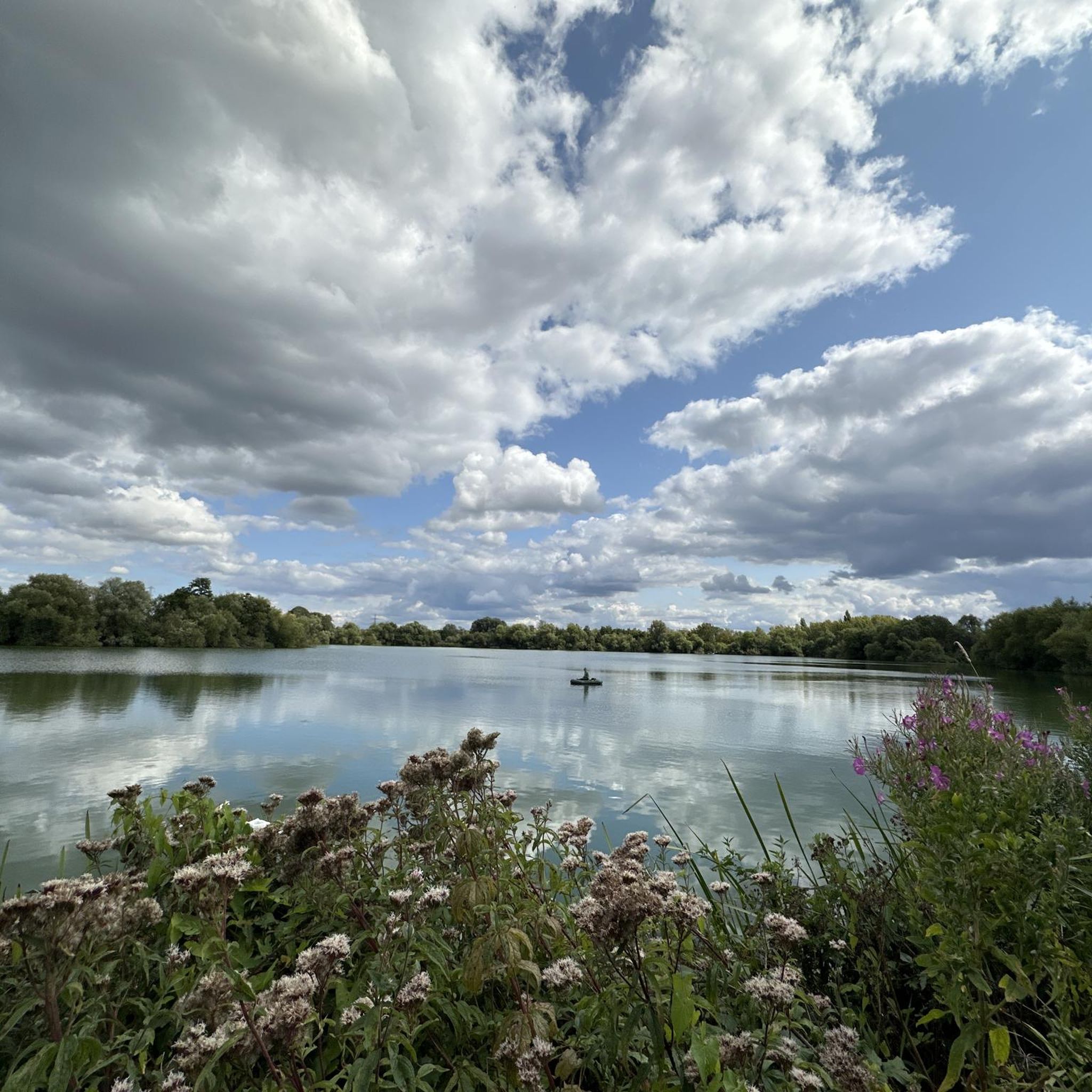
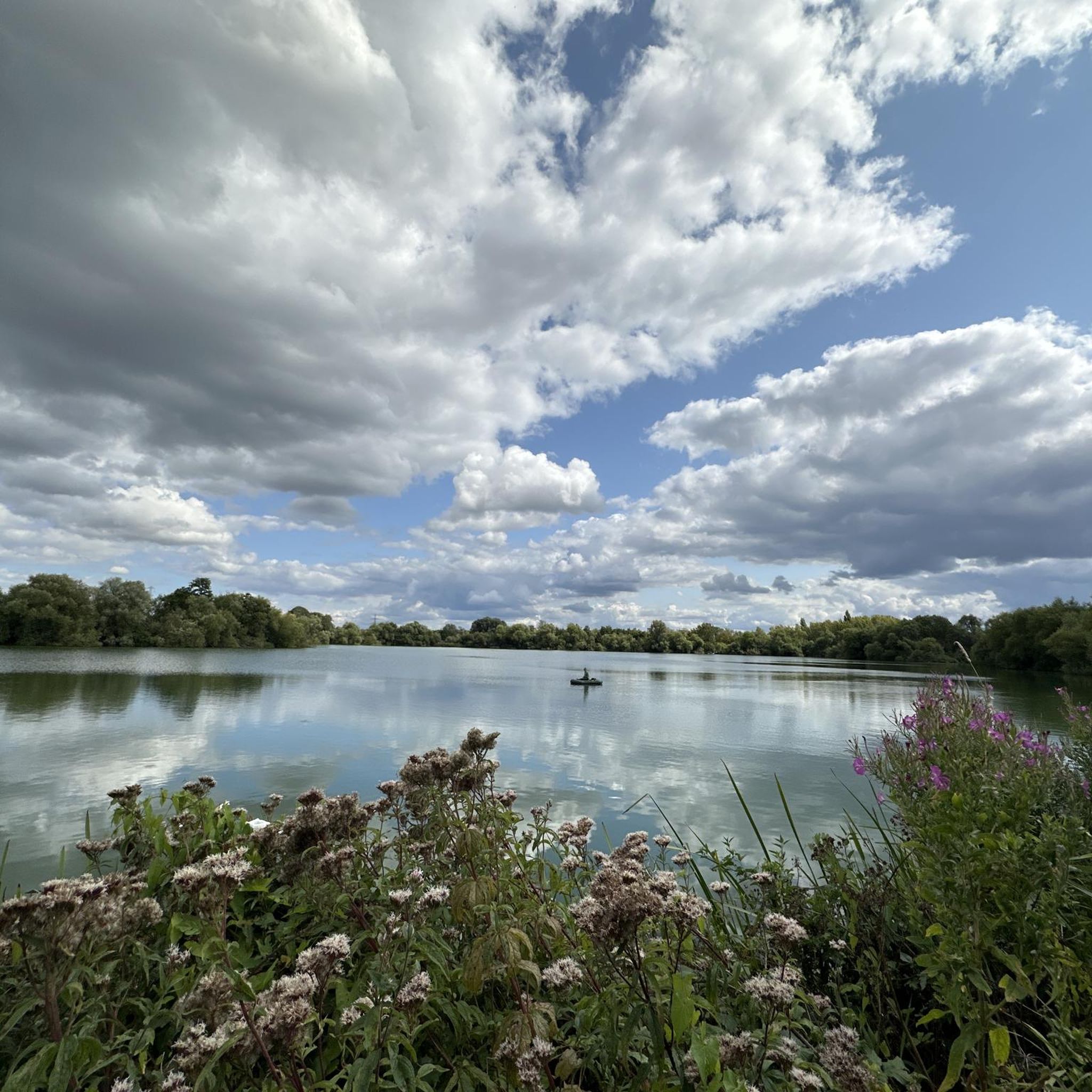
Cow Pond
Highlight • Lake
Tip by

Diamond Jubilee Fountain
Highlight • Rest Area
Tip by

The Cascade Waterfall, Windsor Great Park
Highlight • Waterfall
Tip by

Sign up for free to discover even more natural monuments around Wraysbury.
Already have an account?
Start today with a free account
Your next adventure awaits.
Tips from the Community

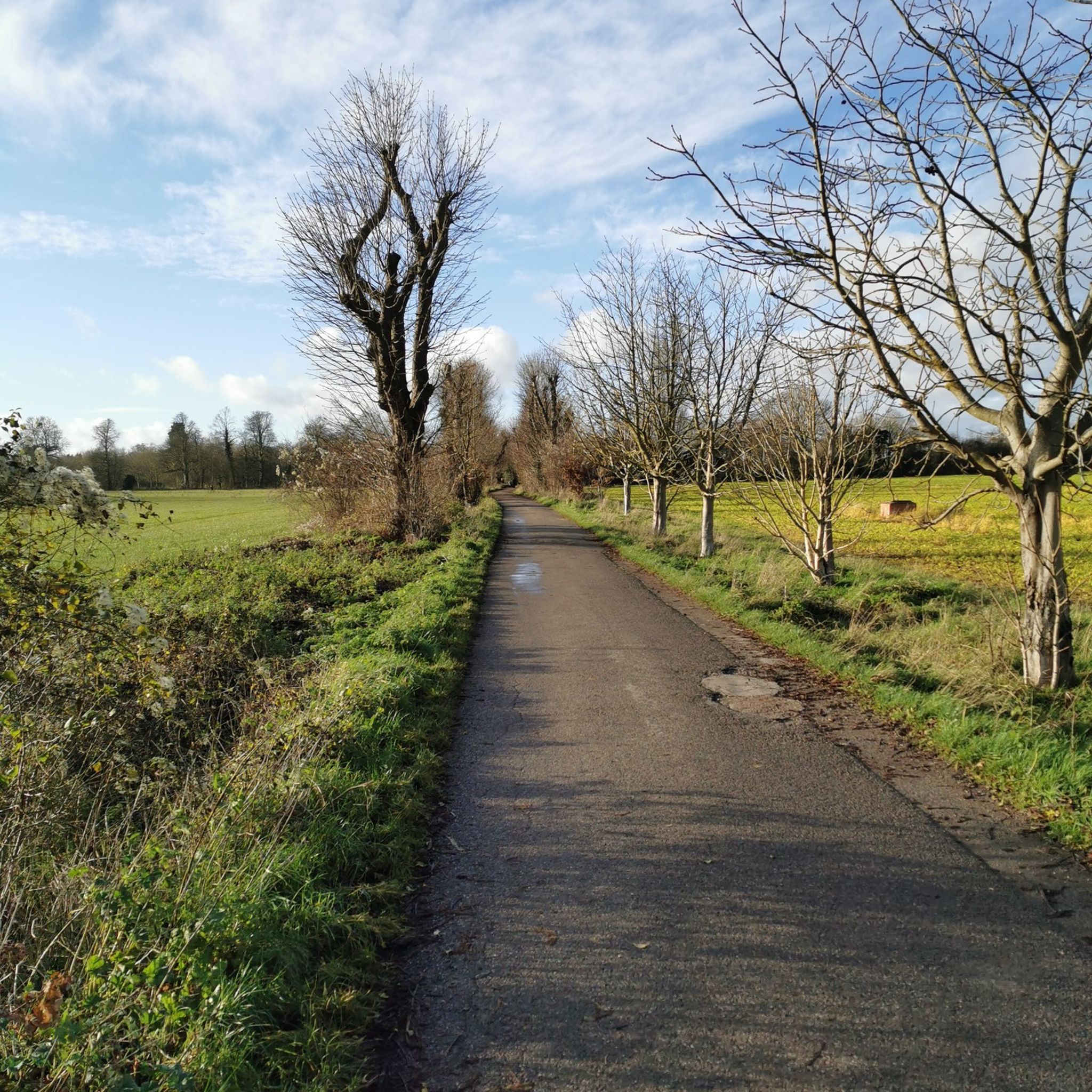
The first 50% was a lovely walk but after we turned of the Royal Mile, it was spoiled by road noise all the way to the car park
0
0

If you would like to compare this historic monument with a much more recent one for Queen Elizabeth II (1926 to 2022), just follow the link to the corresponding hiking highlight in the komoot system =>> https://www.komoot.com/de-de/highlight/3388562
1
0
The information panel belonging to this simple, but certainly dignified, memorial for human rights has been created as a standalone highlight in the komoot system. If you are interested, see =>> https://www.komoot.com/de-de/highlight/1132793
0
1

A short stroll from the Pavillion, the Cascade is a 30-foot (9 m) waterfall. Created in 1789, its presence relies on a decent amount of rain and it’s at its most impressive after prolonged, heavy rainfall. Just a little bit further along the trail are the Leptis Magna Ruins, which were built from masonry recovered from an ancient Roman city that existed in what is today Libya.
0
0

Awesome park with great views from Windsor Castle all along the statue
0
1

Not accessible any more with a bike, even pushing one. This also denies access for anyone with a disability using a hand cycle or those who find it easier to pedal than walk, families walking with kids on a bike. Wheelchairs etc if there's no one at the gate to let them in as the pedestrian access is designed to block all but the abled. Crown Estate / Windsor Great Park have banned bikes from many areas, especially this one. While the Long Ride was always forbidden it was great to get a good view of the castle from the Copper Horse. If you're on a horse though, no problem. No mention of scooters banned either. 🤔
1
2

Greate place for long hike.
2
1

Perched upon Snow Hill at the southern end of the Long Walk from Windsor Castle, sits The Copper Horse. This impressive statue shows King George III atop his stead and was created in 1831. The statue was inspired by a similar creation of Marcus Aurelius and features George pointing to the castle in the distance. Snow Hill offers fantastic views along the Long Walk avenue and is a waypoint on the Three Castles Path long-distance walking trail.
4
1
Frequently Asked Questions
What makes the natural monuments around Wraysbury unique?
Wraysbury's natural monuments are primarily characterized by extensive water bodies, rich birdlife, and unique ancient trees. Many of these sites, like the Wraysbury Reservoir and the Wraysbury and Horton Gravel Pits, are former gravel extraction areas now transformed into valuable ecosystems. The area also features the historic Ankerwycke Yew, one of the oldest trees in the UK, offering a blend of natural beauty and historical significance.
What kind of wildlife can I expect to see at Wraysbury's natural sites?
Wraysbury is a haven for birdlife, especially at the Wraysbury Reservoir Local Nature Reserve, which is internationally recognized for its wintering wildfowl like Bewick's swan, shovelers, and tufted ducks. The gravel pits attract species such as Goldeneye and Smew in winter, and various ducks and grebes year-round. The Wraysbury River system supports overwintering waterfowl, breeding birds, otters, and water voles, along with diverse flora.
Are there any historical natural monuments in Wraysbury?
Yes, Wraysbury is home to several historical natural monuments. The ancient Magna Carta Memorial commemorates the sealing of the Magna Carta in 1215. Additionally, the Ankerwycke Yew, estimated to be around 2,000 years old, stands as a living historical monument, connecting visitors to the Iron Age. You can also find Cow Pond, which has historical ties to the Windsor Estate and was formally created in the early 1700s.
What are some family-friendly natural attractions in Wraysbury?
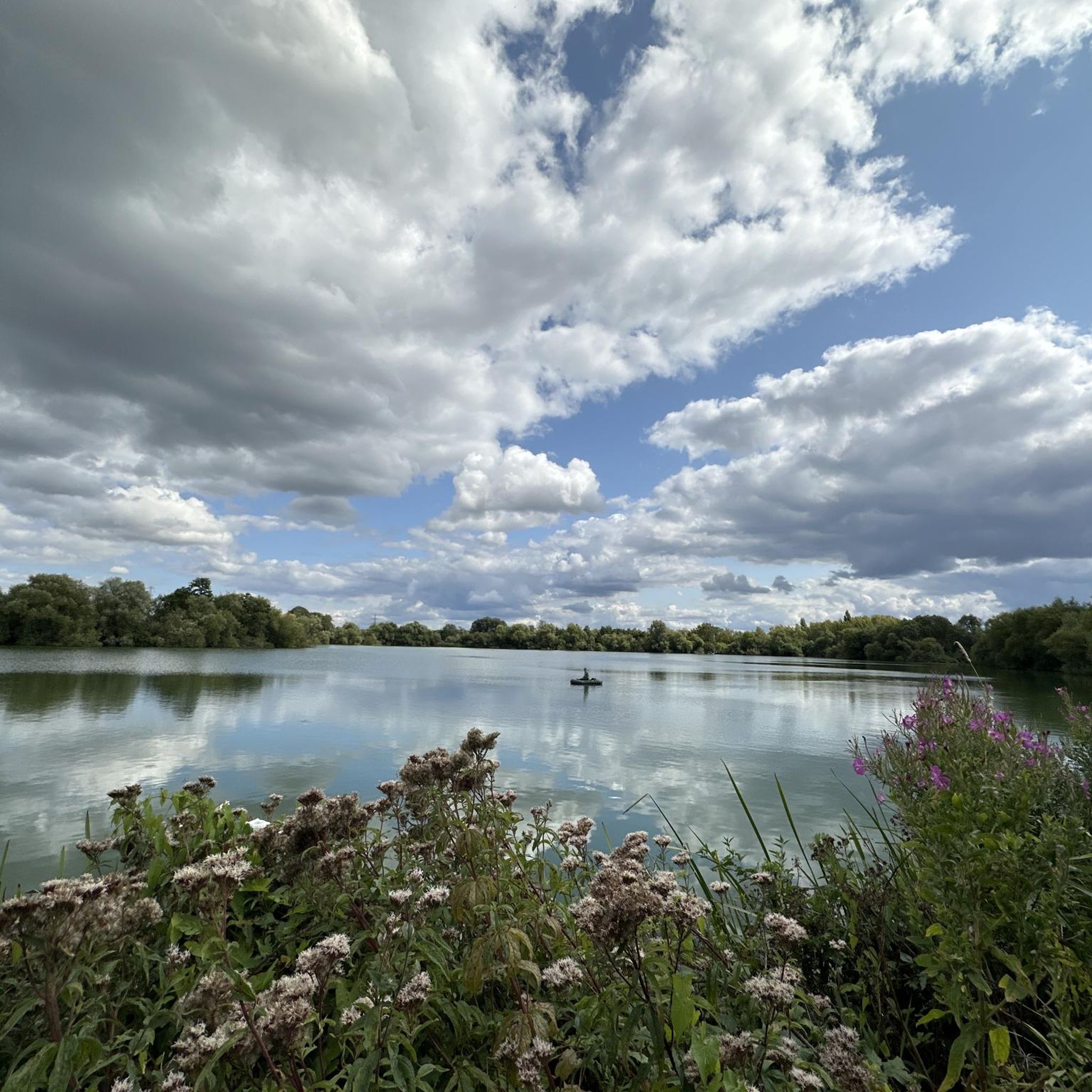
For families, Cow Pond is a lovely spot with ducks and birds, offering pleasant views. The Magna Carta Memorial is also considered family-friendly, providing an educational historical experience in a natural setting. The Wraysbury Reservoir Local Nature Reserve offers well-maintained footpaths and bird hides, suitable for family walks and wildlife observation.
Are there hiking trails near Wraysbury's natural monuments?
Yes, there are several hiking opportunities. You can find easy hikes like the 'Ankerwycke Yew – Old Windsor Windmill loop from Wraysbury' or the 'Magna Carta Memorial – Writ in Water, Runnymede loop from Royal Holloway'. For more options, explore the Easy hikes around Wraysbury guide or the Hiking around Wraysbury guide.
Can I go cycling near the natural monuments in Wraysbury?
Absolutely. Wraysbury offers various road cycling routes that pass by or near natural monuments. Examples include the 'Dorney Common Road – Bray Village loop from Sunnymeads' which is an easy ride, or the 'Bishop's Gate – View of Windsor Castle loop from Egham' for a moderate challenge. You can find more details and routes in the Road Cycling Routes around Wraysbury guide.
What is the best time of year to visit Wraysbury's natural monuments?
The best time to visit depends on your interests. For birdwatching, winter is excellent, as the Wraysbury Reservoir and gravel pits attract significant populations of wintering wildfowl. Spring and summer offer flourishing plant life and breeding birds. The Ankerwycke Yew is impressive year-round, and the historical sites are accessible in all seasons. Generally, the area provides a tranquil environment for nature study throughout the year.
What are some notable water features among Wraysbury's natural monuments?
Wraysbury is rich in water features. The Wraysbury Reservoir Local Nature Reserve is a significant wetland habitat. The area is also dotted with numerous lakes formed from old flooded gravel workings, such as the Wraysbury and Horton Gravel Pits, which are important for aquatic birdlife. The Wraysbury River, an anabranch of the River Colne, is another vital ecological corridor supporting diverse wetland habitats.
Is the Ankerwycke Yew accessible to the public?
Yes, the Ankerwycke Yew is located on the historic Ankerwycke estate and is accessible to the public. It stands as a remarkable living historical monument within an area rich in history, including the nearby ruins of Ankerwycke Priory. It's a popular spot for those interested in ancient trees and historical connections.
What do visitors enjoy most about the natural monuments in Wraysbury?
Visitors particularly appreciate the tranquility and natural beauty of the area. Many enjoy the excellent opportunities for birdwatching at the reservoirs and gravel pits, the historical significance of sites like the Magna Carta Memorial, and the impressive ancient presence of the Ankerwycke Yew. The well-maintained paths and peaceful environment make it ideal for walks and connecting with nature.
Are there any viewpoints to enjoy the natural scenery?
While Wraysbury is relatively flat, the The Copper Horse (King George III Monument), though a man-made monument, is perched on Snow Hill and offers fantastic views along the Long Walk towards Windsor Castle. The Wraysbury Reservoir and gravel pits also provide open vistas across the water and surrounding natural landscapes, ideal for observing birdlife and enjoying the serene environment.
Can I find places to eat or drink near Wraysbury's natural monuments?
While specific cafes or pubs directly adjacent to every natural monument might be limited, Wraysbury village itself and nearby towns offer various options. It's advisable to check local listings for cafes and pubs in Wraysbury or surrounding areas like Staines-upon-Thames or Egham, which are typically a short drive away from the main natural sites.
Most popular routes around Wraysbury
Most popular attractions around Wraysbury

Get inspired with the komoot mobile app


Explore more
Extend your search for the best caves by checking out these guides of the top ones around Wraysbury:
