Top 5 Natural Monuments around Waterstock
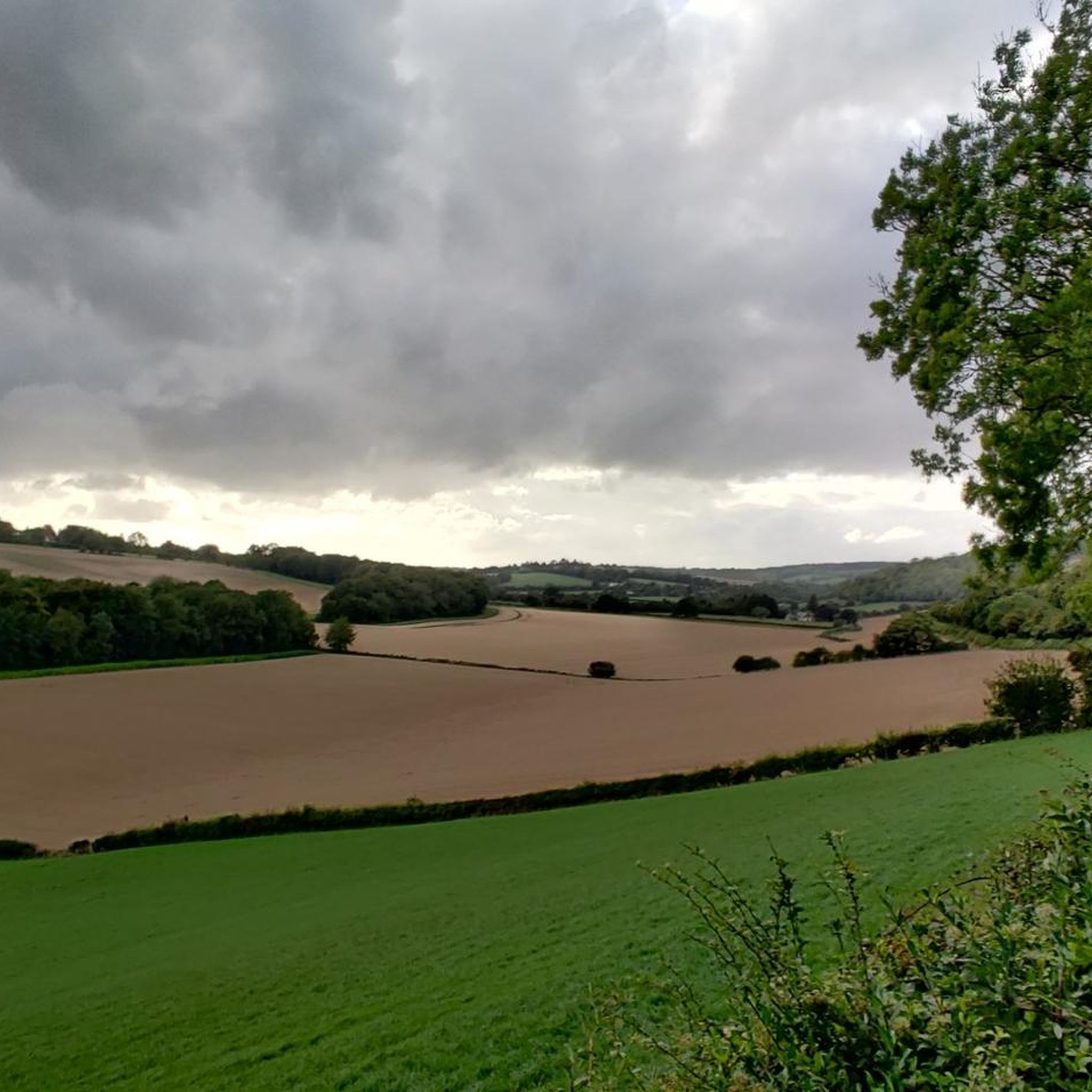
Best natural monuments around Waterstock are found within a landscape designated as both a Conservation Area and a Local Wildlife Site. This area features the River Thame and its expansive floodplain, including water meadows that create a dynamic ecosystem. Waterstock is recognized for its exceptional biodiversity, hosting endangered bird species and a variety of wildlife. The interplay of natural elements and historical features contributes to its unique and preserved environment.
Best natural monuments around Waterstock
- The most popular natural monuments…
Last updated: May 18, 2026
Wetlands Watch Hide
Highlight • Viewpoint
Tip by

The Shotover Oak Stump
Highlight • Natural Monument
Tip by

Sign up now to discover places like this
Get recommendations on the best single tracks, peaks, & plenty of other exciting outdoor places.
Sign up for free
Bernwood Forest Butterfly Trail
Highlight • Forest
Tip by
Waterperry Wood
Highlight • Natural Monument
Tip by

Ancient Yew Tree at Rycote Chapel
Highlight • Religious Site
Tip by
Start today with a free account
Your next adventure awaits.
Login or Signup


Tips from the Community

The wood contains about forty species of butterflies making it one of the most important habitats in Britain.
4
0

It is a fantastic hide with views over the fields & ponds. DOGs are NOT allowed. This also means that you cannot use the direct footpath towards Beckley if you have a DOG. Instead you have to take the path via the RSPB car park, which adds 2k to the walk if you go back to the footpath, rather than follow the road up to the Abingdon Arms at Beckley
1
0

The Wetlands Watch lookout and viewing screens are especially great to visit in the autumn and winter months when large numbers of wildfowl and waders are spotted on the floodplains.
2
0
The delightful Rycote Chapel was originally built in 1449 by Richard Quatremayne, a close aide to Edward IV. But perhaps most extraordinary is the ancient yew tree which clearly predates the church.
2
0

nice wooded area with traditional british forestation.
0
0
The ancient Shotover Oak (Quercus robur) fell on 13th of July 2015 after a severe drought, having survived much turmoil including the decimation of the Royal Forest by both Royalist and parliamentary armies in the siege of Oxford 1644-46. The new shoots on the base of its trunk are guarded from rabbits and deer by a chestnut palling fence. Hopefully this ancient oak will rise again in time.
4
0

Bernwood Forest is a magnificent woodland and a great place to enjoy butterflies in the warmer months — it even has dedicated trails for this very reason. Made up of Shabbington Wood and Waterperry Wood, it was once part of the Royal Hunting Forest of Bernwood, which has granted the trees here protection for over 700 years.
1
0
Frequently Asked Questions
What kind of natural features can I expect to see around Waterstock?
Waterstock is characterized by the River Thame and its expansive floodplain, featuring traditional water meadows that create a dynamic ecosystem. You'll find a rich blend of natural elements, including diverse woodlands and ancient trees, all within a landscape recognized for its ecological and historical significance.
What makes Waterstock a significant natural area?
Waterstock is designated as both a Conservation Area and a Local Wildlife Site, acknowledging its high wildlife value and role as a haven for threatened species. It's considered one of Oxfordshire's most exciting sites due to its exceptional biodiversity and continuous conservation efforts.
Are there good spots for birdwatching or wildlife observation in Waterstock?
Yes, Waterstock is a magnet for wildlife, hosting endangered breeding bird species like the curlew and providing crucial wintering habitat for large numbers of birds. You might also spot otters, falcons, owls, and striking bee orchids. The Wetlands Watch Hide is an excellent viewpoint for observing wildfowl and waders, especially in autumn and winter.
What is the best time of year to visit Waterstock for nature observation?
For observing large numbers of wildfowl and waders on the floodplains, the autumn and winter months are ideal, particularly from the Wetlands Watch Hide. If you're interested in butterflies, the warmer months are best for visiting the Bernwood Forest Butterfly Trail.
Are there family-friendly natural monuments or trails in the area?
Yes, several natural monuments and trails around Waterstock are suitable for families. Highlights like the Wetlands Watch Hide, The Shotover Oak Stump, Bernwood Forest Butterfly Trail, and Waterperry Wood are all considered family-friendly. The area's gentle landscapes also offer many easy walking paths.
What historical elements can be found alongside the natural monuments?
The Waterstock Conservation Area preserves not only natural elements but also historical features. You can see medieval ridge and furrow fields, 17th and 18th-century farmhouses and cottages, and appreciate the ancient practice of managing water meadows. The Shotover Oak Stump tells a story of resilience through centuries, and the Ancient Yew Tree at Rycote Chapel predates its 15th-century chapel, offering a glimpse into deep history.
Are there hiking or walking trails near Waterstock's natural monuments?
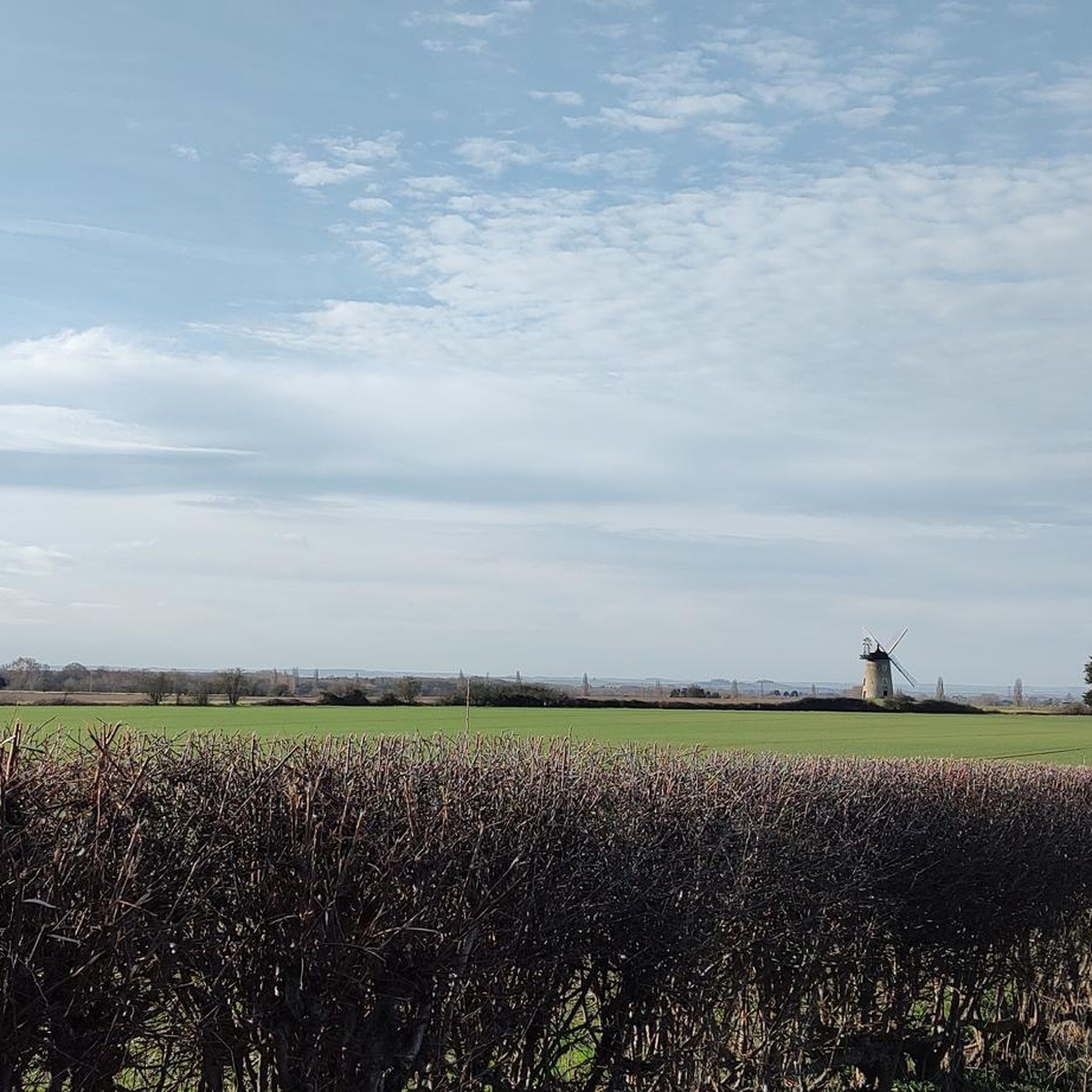
Absolutely. Waterstock is surrounded by various hiking and walking trails. You can explore routes like the 'Wheatley Windmill – Yellow Rapeseed Fields loop' or the 'Cuddesden Village Green Bench loop'. For more options, you can find detailed hiking guides for the area at Hiking around Waterstock.
Can I bring my dog to the natural monuments and trails around Waterstock?
Many trails and natural areas around Waterstock are dog-friendly, allowing you to enjoy the outdoors with your pet. However, please note that dogs are generally not allowed inside the Wetlands Watch Hide itself, and specific paths might have restrictions to protect wildlife. Always check local signage.
What other outdoor activities are available near Waterstock?
Beyond hiking, the Waterstock area offers opportunities for mountain biking and road cycling. You can find various routes, such as the 'Phoenix Trail' for cycling or the 'Brill Windmill – View of the Brill Countryside loop' for mountain biking. Explore more options through the dedicated guides for MTB Trails around Waterstock and Cycling around Waterstock.
What do visitors enjoy most about the natural monuments around Waterstock?
Visitors appreciate the tranquility and the opportunity to observe rare wildlife in their natural habitat. The area's beautifully preserved natural and historical landscape, combined with the continuous work of conservation trusts, makes it a 'hidden jewel' for nature enthusiasts and those interested in ecological preservation.
Are there any specific natural monuments known for unique geological features?
While Waterstock is primarily known for its biodiversity and historical landscape, the area's geological foundation contributes to its unique character. The River Thame and its floodplain are key features, showcasing dynamic riverine processes. The ancient Shotover Oak Stump, though a biological monument, stands as a testament to the long-term interaction between ancient trees and the local geology.
Where can I find amenities like cafes or pubs near Waterstock?
Waterstock is a small village, but you can find local amenities, including cafes and pubs, in nearby villages and towns. Wheatley, for example, is a close option with various services. It's always a good idea to check specific opening times before your visit.
Most popular routes around Waterstock
Most popular attractions around Waterstock

Get inspired with the komoot mobile app


Explore more
Extend your search for the best caves by checking out these guides of the top ones around Waterstock:
