Top 5 Natural Monuments around Lasham
Best natural monuments around Lasham offer diverse natural features within the Hampshire countryside. The area provides opportunities for exploring woodlands, historical sites, and unique natural formations. While Lasham itself is known for its gliding society, the surrounding region features several designated natural monuments. These sites contribute to the local landscape, providing points of interest for those exploring the area.
Best natural monuments around Lasham
- The most popular natural monuments is Ancient Yew Tree at St. Mary’s Church, South Downs National…
Last updated: August 23, 2026
Ancient Yew Tree at St. Mary’s Church, South Downs National Park
Highlight • Historical Site
Tip by

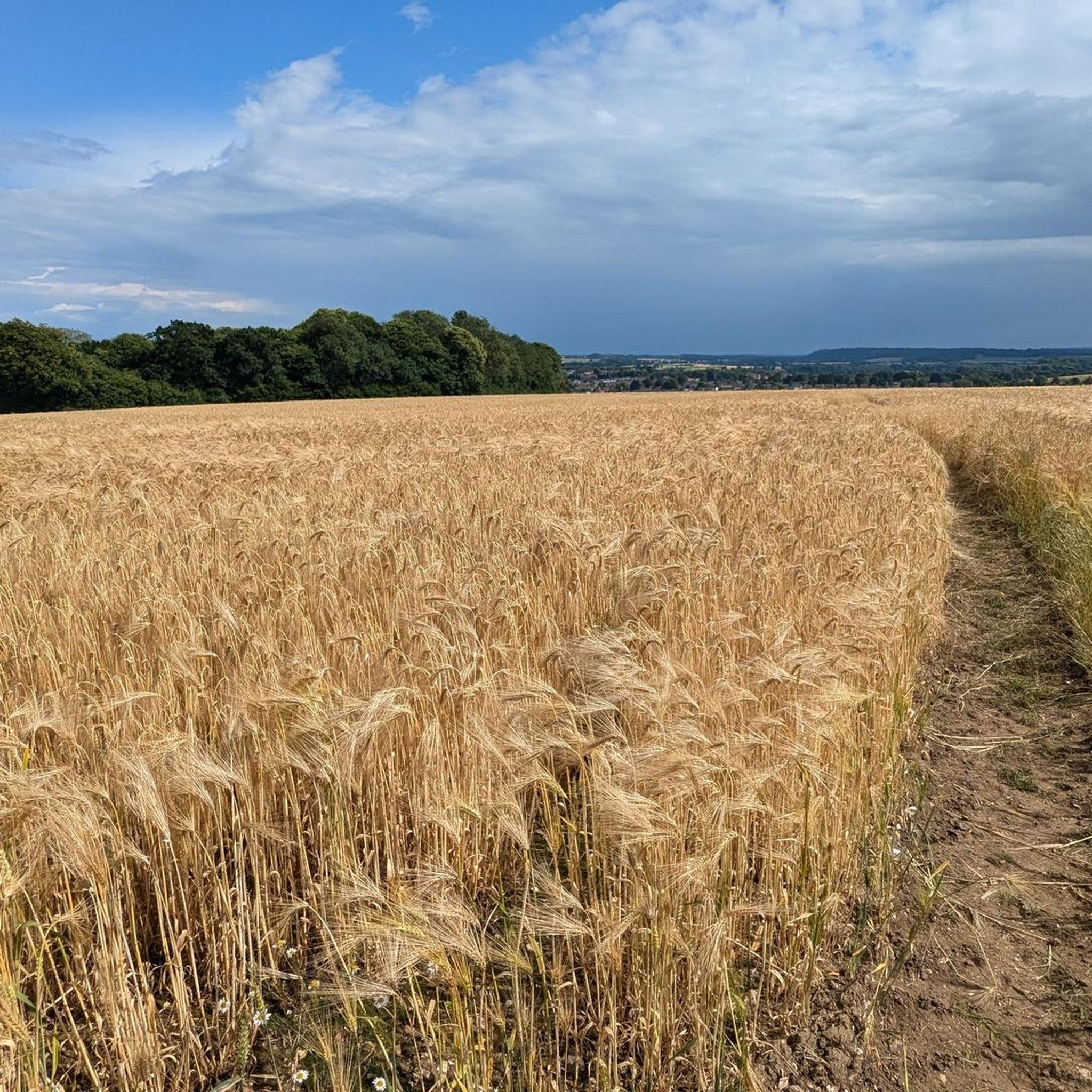
Abbotstone Iron Age Fort and Nature Reserve
Highlight • Viewpoint
You will …
Tip by

Sign up now to discover places like this
Get recommendations on the best single tracks, peaks, & plenty of other exciting outdoor places.
Sign up for free
Bluebell Copse, South Downs National Park
Highlight • Natural Monument
Tip by

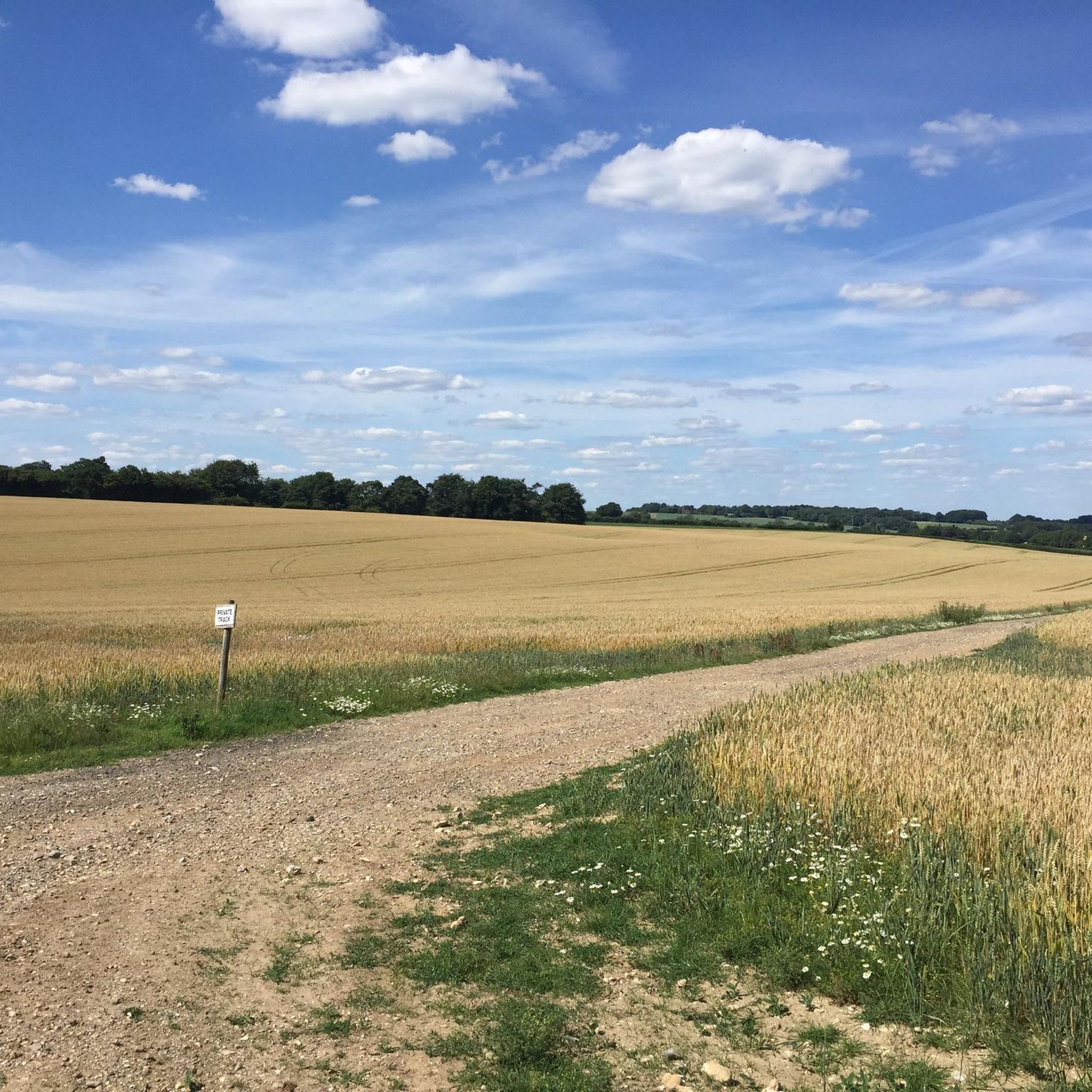
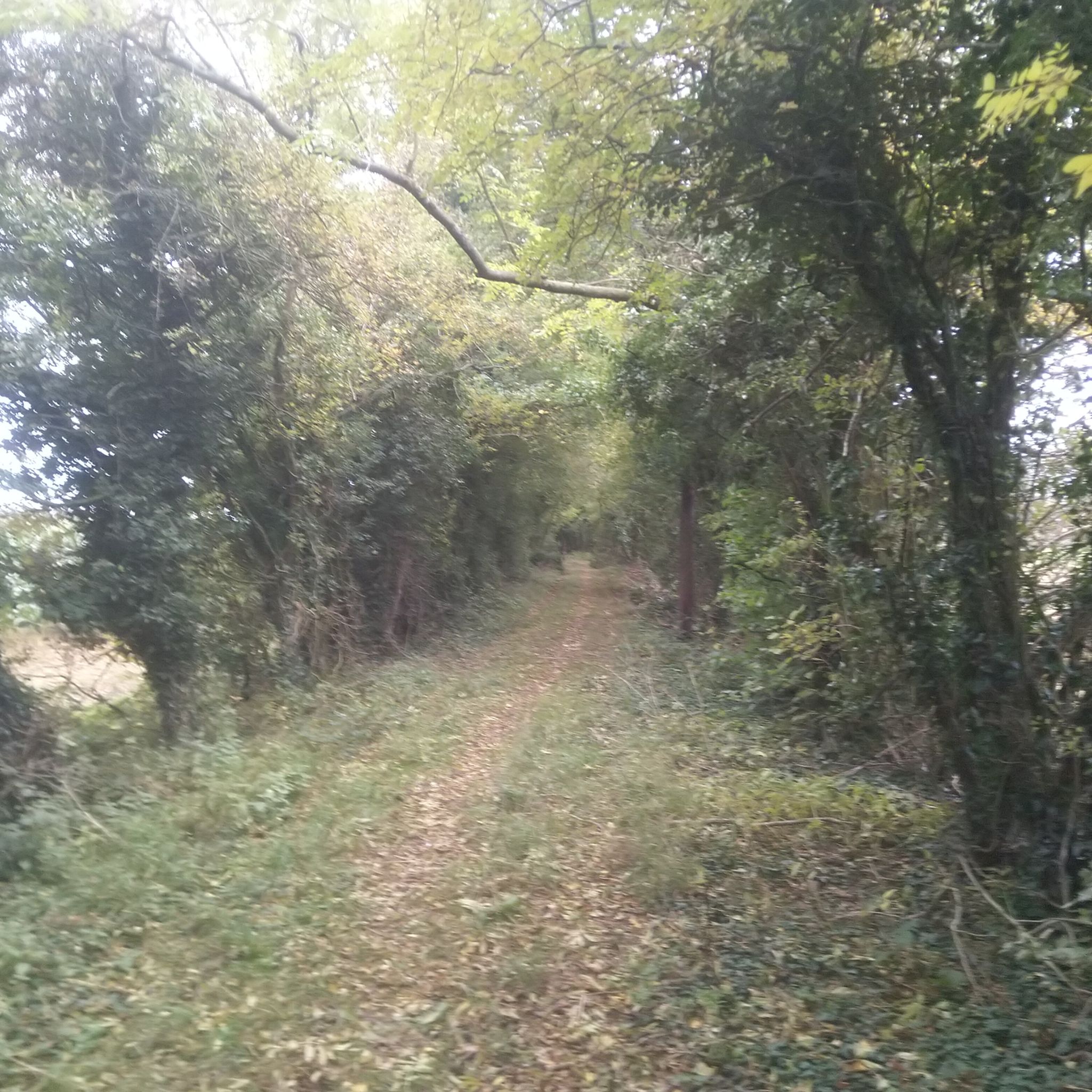
Spy Bush Plantation
Highlight (Segment) • Trail
Tip by

Start today with a free account
Your next adventure awaits.
Login or Signup
Tips from the Community

I'm glad I included this church yard in my hike. It was a pleasant detour. I recommend it.
0
0
It wasn't the right time of year. But this is still a great spot for a weekend visit in any season.
0
0

It was a struggle to find the correct tree for me.
0
0
Signage could be better, not suitable for twilight walks.
0
0

The bluebells are normally out for two weeks from mid-April.
0
0

Best to visit in late April as we did.
0
0

An example of a late bronze age to early iron age univallate hill fort. Some of the ramparts and ditches have been infilled but what remains is clear. You will have to ride up or push up a section of off road trail to view this properly.
1
0
One of the oldest Yew trees in the UK, in the cemetery of the church.
0
0
Frequently Asked Questions
What kind of natural features can I expect to see around Lasham?
The area around Lasham, situated in the Hampshire countryside, offers a variety of natural features. You can explore ancient woodlands, historical earthworks, and unique natural formations. Highlights include the ancient Ancient Yew Tree at St. Mary’s Church, the seasonal floral displays at Bluebell Copse, and the dense plant life within Spy Bush Plantation.
Are there any historical sites among the natural monuments near Lasham?
Yes, several natural monuments around Lasham also have significant historical elements. The Ancient Yew Tree at St. Mary’s Church is a historical site featuring one of the oldest Yew trees in the UK, located within a church cemetery. Additionally, the Abbotstone Iron Age Fort and Nature Reserve offers insights into a late Bronze Age to early Iron Age univallate hill fort, with visible ramparts and ditches.
When is the best time to visit the natural monuments around Lasham, especially for seasonal displays?
For seasonal floral displays, the best time to visit Bluebell Copse is typically from mid-April, when the bluebells are in bloom for about two weeks. Generally, late spring and summer offer vibrant atmospheres in woodlands like Spy Bush Plantation, with dense woodland floor plants.
Are there family-friendly natural monuments or activities near Lasham?
Yes, there are family-friendly options. The Ancient Yew Tree at St. Mary’s Church is considered family-friendly, offering a pleasant and historical detour. Bluebell Copse is also suitable for families, especially during the bluebell season in mid-April.
What outdoor activities can I do near these natural monuments?
The area around Lasham offers various outdoor activities. You can find numerous routes for hiking, cycling, and mountain biking. For easy hikes, consider routes like 'Nice Downhill – Moundsmere Bluebell Woods loop' or 'Jane Austen's House Museum – St Nicholas' Church, Chawton loop'. Cyclists can explore routes such as 'Alton and Bordon loop', while mountain bikers might enjoy 'Chawton Park Wood – The Drove, Farleigh Wallop loop'. You can find more details on these activities in the Easy hikes around Lasham, Cycling around Lasham, and MTB Trails around Lasham guides.
Are there specific hiking trails associated with these natural monuments?
Yes, some natural monuments are directly linked to trails. Spy Bush Plantation is a woodland with a trail, and the Three Castles Path traverses its eastern and northern edges. The Abbotstone Iron Age Fort and Nature Reserve is also accessible via a trail, though it may involve some uphill sections.
What do visitors particularly enjoy about the natural monuments around Lasham?
Visitors appreciate the historical significance and natural beauty. The Ancient Yew Tree at St. Mary’s Church is noted as a pleasant and worthwhile detour. The vibrant atmosphere and dense plant life of woodlands like Spy Bush Plantation are also highly enjoyed, especially in late spring and summer.
Are there any viewpoints among the natural monuments?
Yes, the Abbotstone Iron Age Fort and Nature Reserve is designated as a viewpoint. From this historical site, you can enjoy views of the surrounding landscape, though reaching it may involve an uphill section on an off-road trail.
Can I bring my dog to the natural monuments around Lasham?
While specific dog-friendly policies for each individual natural monument are not detailed, the general countryside around Lasham is popular for walks with dogs. It's always advisable to keep dogs on a lead, especially near livestock or in areas with sensitive wildlife, and to check local signage for any specific restrictions.
What should I wear for hiking or exploring the natural monuments?
Given the diverse terrain, which can include woodlands and trails, it's recommended to wear appropriate footwear such as sturdy walking shoes or hiking boots. Layers of clothing are also advisable to adapt to changing weather conditions in the English countryside. For visits during bluebell season, be prepared for potentially muddy paths.
Are there cafes or pubs near the natural monuments for refreshments?
While specific cafes or pubs directly adjacent to each natural monument are not listed, Lasham village and nearby towns in Hampshire offer various options for refreshments. You'll typically find country pubs and cafes within a short drive or a longer walk from many of the natural areas.
Is public transport available to reach the natural monuments around Lasham?
Public transport options directly to the trailheads of individual natural monuments may be limited. Lasham itself is a village, and while there might be local bus services, reaching specific natural sites often requires a combination of public transport to nearby towns and then walking or cycling. Planning your route in advance using local transport information is recommended.
Are permits required for hiking in the natural areas around Lasham?
Generally, permits are not required for hiking on public footpaths and bridleways in the natural areas around Lasham. However, always respect private land, stick to marked paths, and be mindful of any local regulations or signage, especially within nature reserves or protected areas.
Most popular attractions around Lasham

Get inspired with the komoot mobile app


Explore more
Extend your search for the best caves by checking out these guides of the top ones around Lasham:
