Top 20 Natural Monuments around Radnage
Best natural monuments around Radnage are found within the Chiltern Hills Area of Outstanding Natural Beauty, an area characterized by its diverse ecological sites. The region features the Radnage Valley, known for its calcareous grasslands and woodlands, which contribute to significant biodiversity. Geologically, the area consists of chalk with overlying deposits, forming a system of steep-sided valleys. These natural features provide varied habitats and opportunities for outdoor exploration.
Best natural monuments around Radnage
- The most popular natural monuments is Watlington…
Last updated: May 2, 2026
Watlington Hill
Highlight • Forest
Tip by

Watlington White Mark
Highlight • Natural Monument
Tip by
Sign up now to discover places like this
Get recommendations on the best single tracks, peaks, & plenty of other exciting outdoor places.
Sign up for free
Old Kiln Lakes Wetland Habitat
Highlight • Natural
Tip by

Cowleaze Wood Bluebells
Highlight (Segment) • Forest
Tip by
Pond in Park Wood
Highlight • Lake
Tip by
Sign up for free to discover even more natural monuments around Radnage.
Sign up for free
Already have an account?
Start today with a free account
Your next adventure awaits.
Login or Signup
Tips from the Community

This quarry is a Site of Special Scientific Interest and well known by geologists for its phenomenal history. Packed with fossils, some of the finds here date back 100 million years. There's no public access, but you can catch glimpses of its bright high-alkaline water from the surrounding footpaths.
0
0


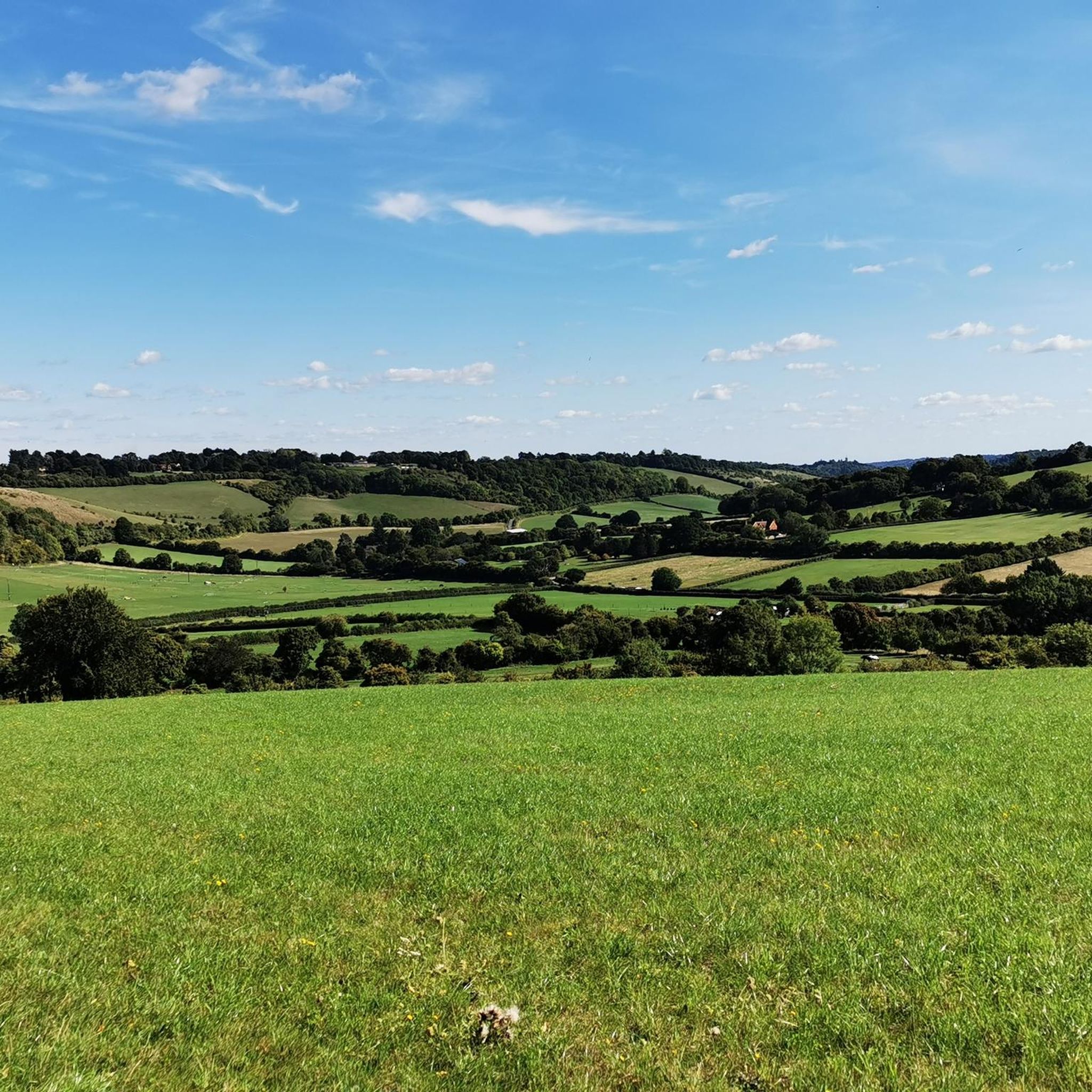
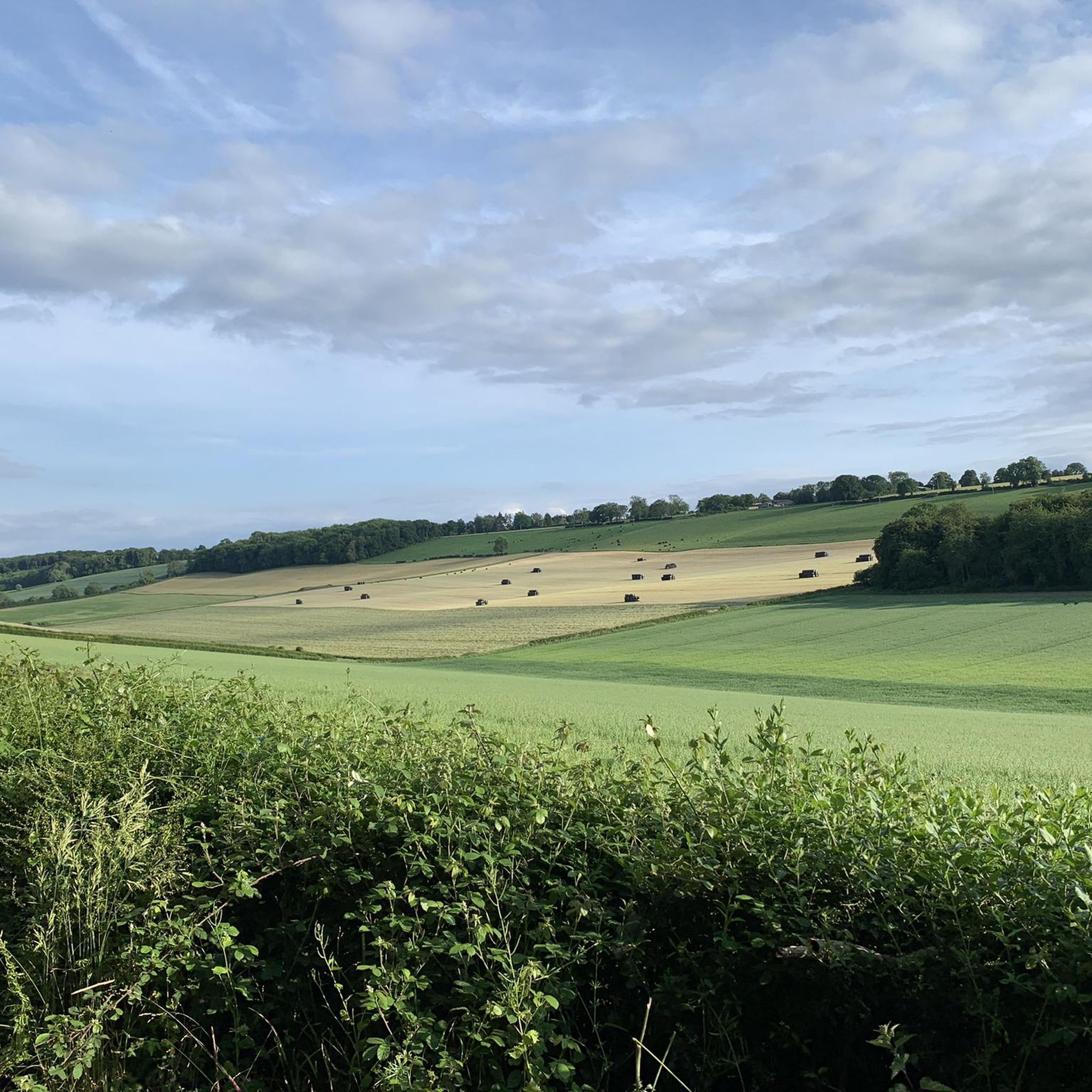
Incredible views from this national trust area....also free parking
1
0

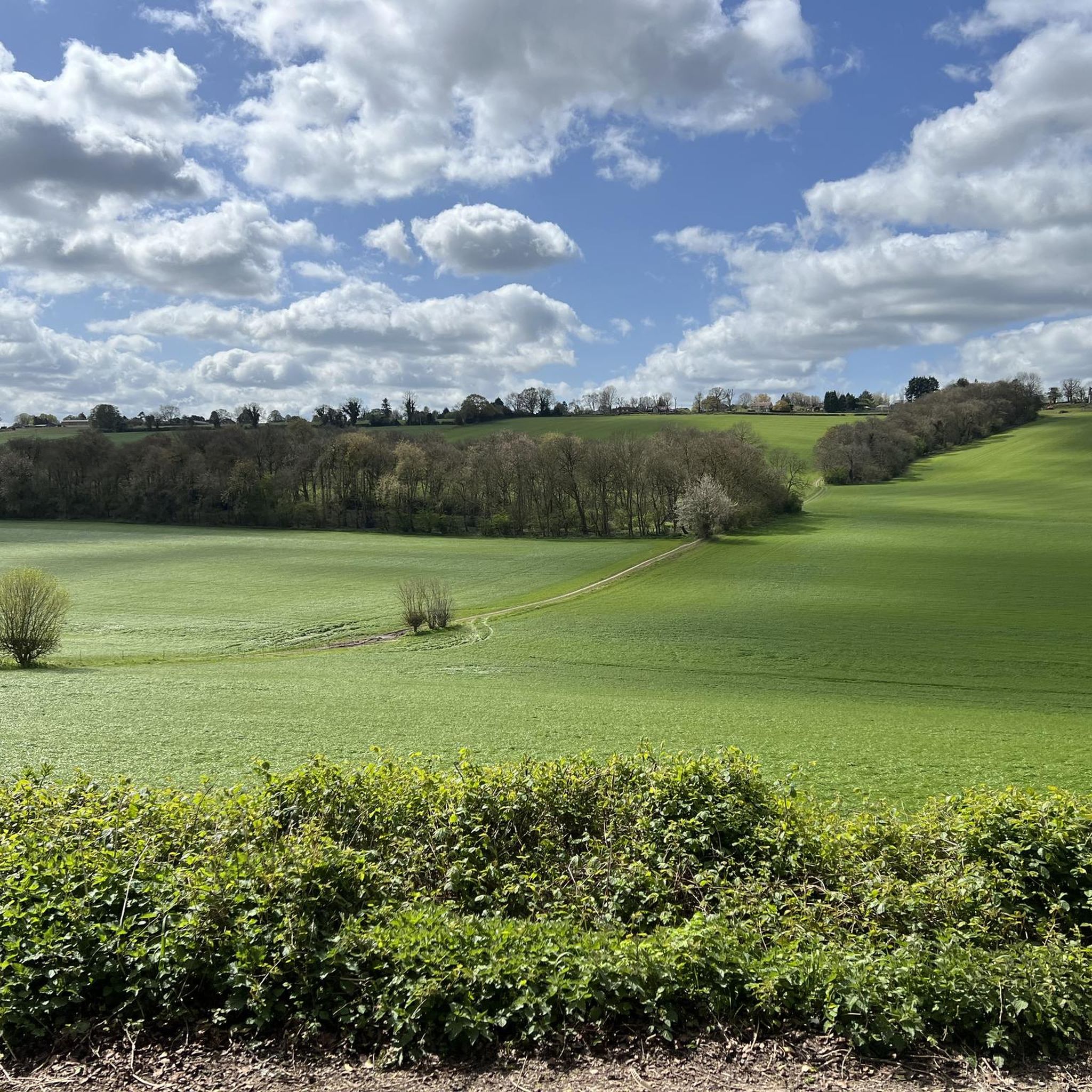
Gorgeous walks, requires decent footwear and walking sticks help over the hills.
1
0

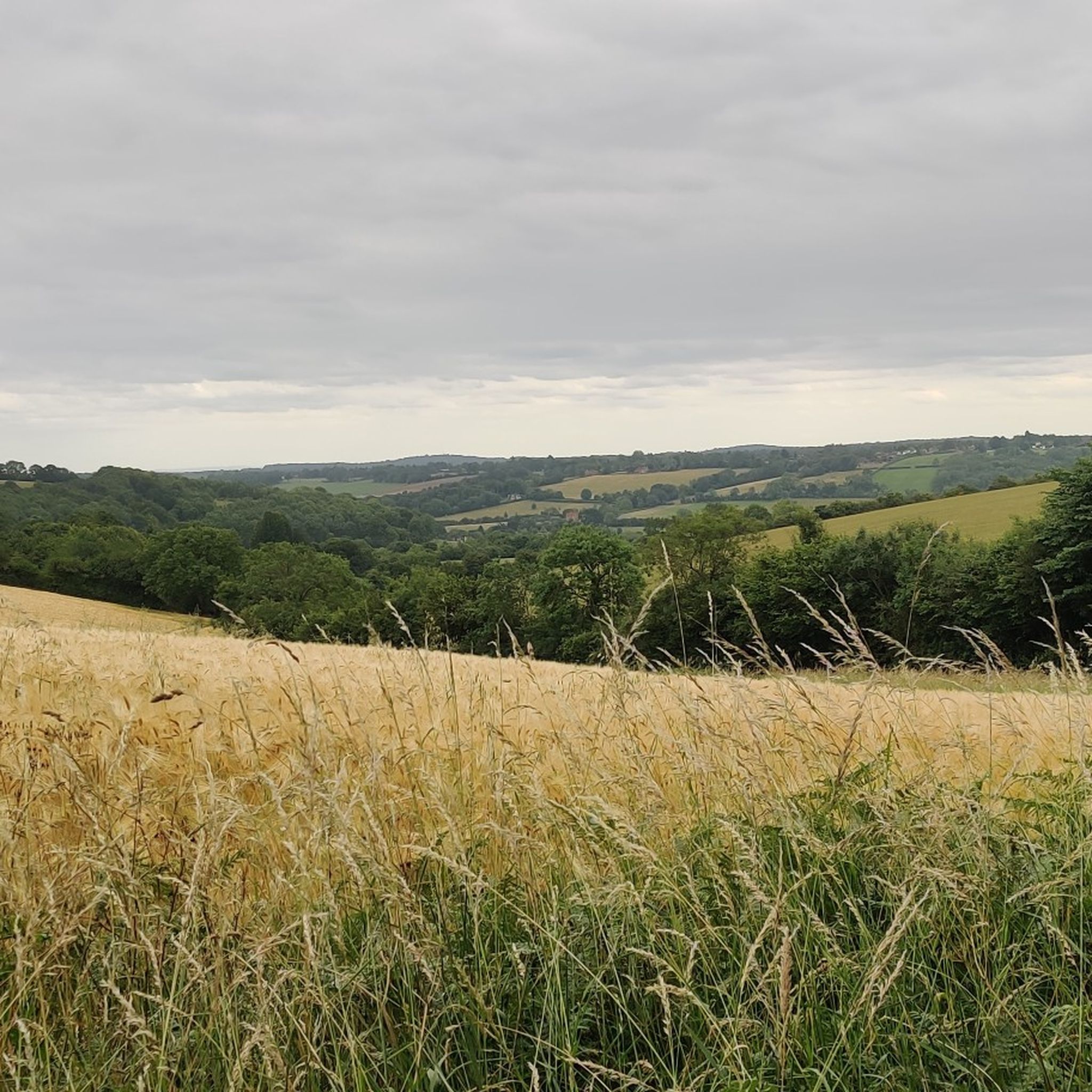
With stunning expansive views over Oxfordshire, sweeping hills and ancient woodland, Watlington Hill is a beautiful corner of the UK. Here, you will find a triangular white mark dug into chalk in the hill in 1764. Look our for rabbits, butterflies and red kites during your visit. You can find more information, here: https://www.nationaltrust.org.uk/chilterns-countryside/features/watlington-hill
0
0

Chinnor, Chalk and Cement Mr. W. Benton's Cement and Lime Works opened in Chinnor in 1908, but cement making on a truly industrial scale did not begin until 1919. Output of cement from Chinnor peaked at about 5600 tonnes per week in the 1990s. Up to 120 people were employed at any one time. The cement works closed in 1999 and there are plans for the re-development of the site, using the flat areas for housing but also with opportunities for recreation and conservation in the water filled quarries The scale of chalk extraction for cement making can be seen from a short walk along the Ridgeway National Trail. The Ridgeway runs on a high causeway between the large quarries, giving views of the pits through the boundary fences. (Do not cross over or through the fences). Geology One of the chalk quarries has been protected as a geological Site of Special Scientific Interest as it has particularly good exposures of both the Lower Chalk and Middle Chalk geological layers. Both layers have given upimportant fossil ammonites.
2
0
Frequently Asked Questions
What are the most prominent natural features to explore around Radnage?
The Radnage area, nestled within the Chiltern Hills Area of Outstanding Natural Beauty, is characterized by its diverse ecological sites. Key features include the Radnage Valley with its steep slopes, calcareous grasslands, and woodlands. You can also explore significant woodlands like those found at Bradenham Woods and Naphill Common, which are part of the Chilterns Beechwoods Special Area of Conservation.
Are there any nationally important wildlife sites near Radnage?
Yes, Watlington Hill is a nationally important wildlife site, owned and managed by the National Trust. It spans 45 hectares and reaches 235 meters, offering expansive views and supporting a rich variety of wildflowers, butterflies, birds, mosses, lichens, and fungi, many of which are rare.
What kind of unique geological formations can be found in the Radnage area?
The region's geology consists primarily of chalk with overlying deposits of alluvium, sand, gravel, and clay with flints on higher ridges. This forms a system of steep-sided valleys. A distinctive man-made feature cut into the chalk escarpment is the Watlington White Mark, a steeple-shaped hill figure dating back to 1764.
Are there family-friendly natural monuments or walks around Radnage?
Yes, several natural spots are suitable for families. Cowleaze Wood Bluebells is a family-friendly woodland, especially beautiful in late April and May when the bluebells create a 'blue carpet'. Pond in Park Wood is another family-friendly deciduous woodland with a fascinating historical past.
What outdoor activities can I do near these natural monuments?
The area around Radnage offers various outdoor activities. You can find numerous routes for gravel biking, cycling, and running. For gravel biking, explore routes like the 'View of the Chilterns Valley' loop. Cyclists can enjoy tours such as 'St Botolph’s Church, Swyncombe' loop. Runners have options like the 'Collier's Lane' loop near Yoesden Nature Reserve. You can find more details on these activities in the gravel biking, cycling, and running guides for Radnage.
What is the best time to visit the natural monuments around Radnage?
The Chilterns landscape is beautiful year-round. For wildflowers and butterflies, especially in the calcareous grasslands and at Watlington Hill, late spring and summer are ideal. If you wish to see the bluebells, late April to May is the best time to visit woodlands like Cowleaze Wood Bluebells.
Are there any historical or archaeological points of interest within the natural monuments?
Yes, Pond in Park Wood has revealed evidence of ancient field systems and a medieval homestead through archaeological surveys. The area also has features from its use as a deer park and beech woodland for the furniture industry. Additionally, Cowleaze Wood Bluebells contains a monument to the crew of a bomber aircraft that crashed there during WWII.
What kind of wildlife can I expect to see in the Radnage area?
The diverse habitats, particularly the calcareous grasslands and woodlands, support significant biodiversity. At sites like Watlington Hill, you can spot a large assemblage of wild flowers, butterflies, birds, mosses, lichens, and fungi. The short chalk grassland turf is maintained by populations of rabbits and deer, which are also commonly seen.
Are there any unique geological sites or quarries near Radnage?
Yes, the Old Kiln Lakes Wetland Habitat, though not publicly accessible, is a Site of Special Scientific Interest (SSSI) well-known to geologists. It's a former quarry with phenomenal history, packed with fossils dating back 100 million years, and features bright high-alkaline water visible from surrounding footpaths.
What are the general walking conditions and difficulty levels around Radnage's natural monuments?
The topography around Radnage consists of a system of steep-sided valleys, meaning many walks will involve ascents and descents. The calcareous grasslands can be uneven, and woodlands may have varied terrain. For example, walks around Watlington Hill are described as requiring decent footwear due to the hills. Many routes are rated as moderate, with some challenging options available.
What makes the Radnage Valley special for nature lovers?
The Radnage Valley is a prominent natural feature characterized by its steep slopes adorned with calcareous grassland and various woodlands. The valley's varied geological and topographical elements contribute to a diverse range of habitats, making it a crucial area for biodiversity and a beautiful setting for walking and wildlife observation.
Most popular attractions around Radnage

Get inspired with the komoot mobile app


Explore more
Extend your search for the best caves by checking out these guides of the top ones around Radnage:
