Top 20 Natural Monuments around Fawley
Best natural monuments around Fawley include diverse natural and historical sites. The area features ancient woodlands, chalk grasslands, and significant historical landmarks. These locations offer opportunities for nature observation, walking, and exploring local heritage. Visitors can experience a variety of landscapes, from open hillsides to dense forests.
Best natural monuments around Fawley
- The most popular natural monuments is Watlington Hill, a forest that is part of the Chiltern Escarpment. It consists of 45 hectares of land and reaches a…
Last updated: October 3, 2026
Watlington Hill
Highlight • Forest
Tip by

Watlington White Mark
Highlight • Natural Monument
Tip by
Sign up now to discover places like this
Get recommendations on the best single tracks, peaks, & plenty of other exciting outdoor places.
Cowleaze Wood Bluebells
Highlight (Segment) • Forest
Tip by
The Brick and Tile Works
Highlight • Historical Site
Tip by

Robin Hood's Arbour
Highlight • Historical Site
There are no known connections linking the legend of the outlaw, Robin Hood with Robin Hood’s Arbour. Indeed Robin Hood’s Arbour dates from much earlier times. The …
Tip by
Sign up for free to discover even more natural monuments around Fawley.
Already have an account?
Start today with a free account
Your next adventure awaits.
Tips from the Community

The Brick and Tile Works, established by Charles Cooper in the early 1800s, employed about 150 people and produced bricks, tiles, gargoyles, and pinnacles. The site, which closed in 1967, is now owned by the National Trust and features lowland ponds with diverse aquatic life and a variety of woodland birds and plants.
1
0


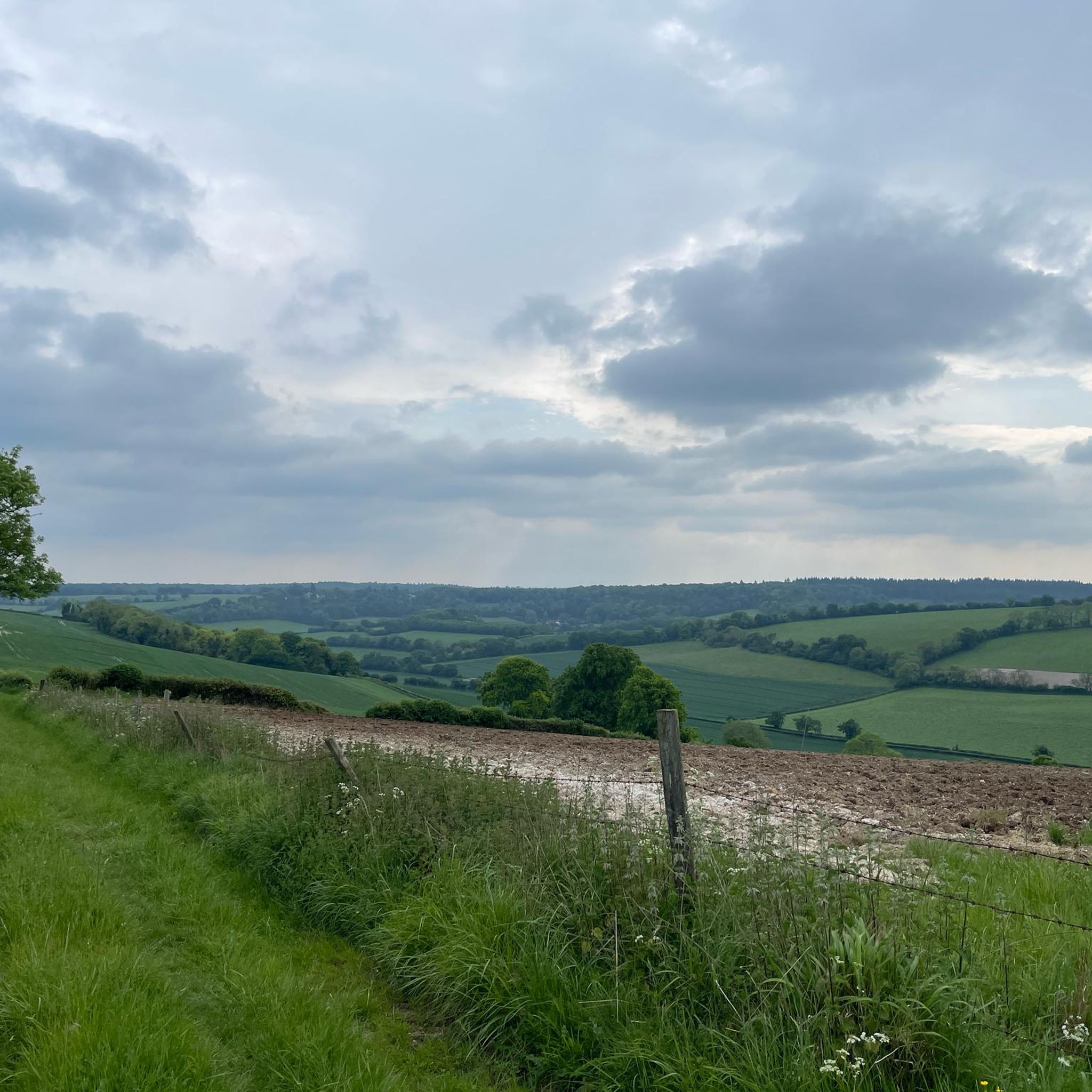
Incredible views from this national trust area....also free parking
1
0

Gorgeous walks, requires decent footwear and walking sticks help over the hills.
1
0

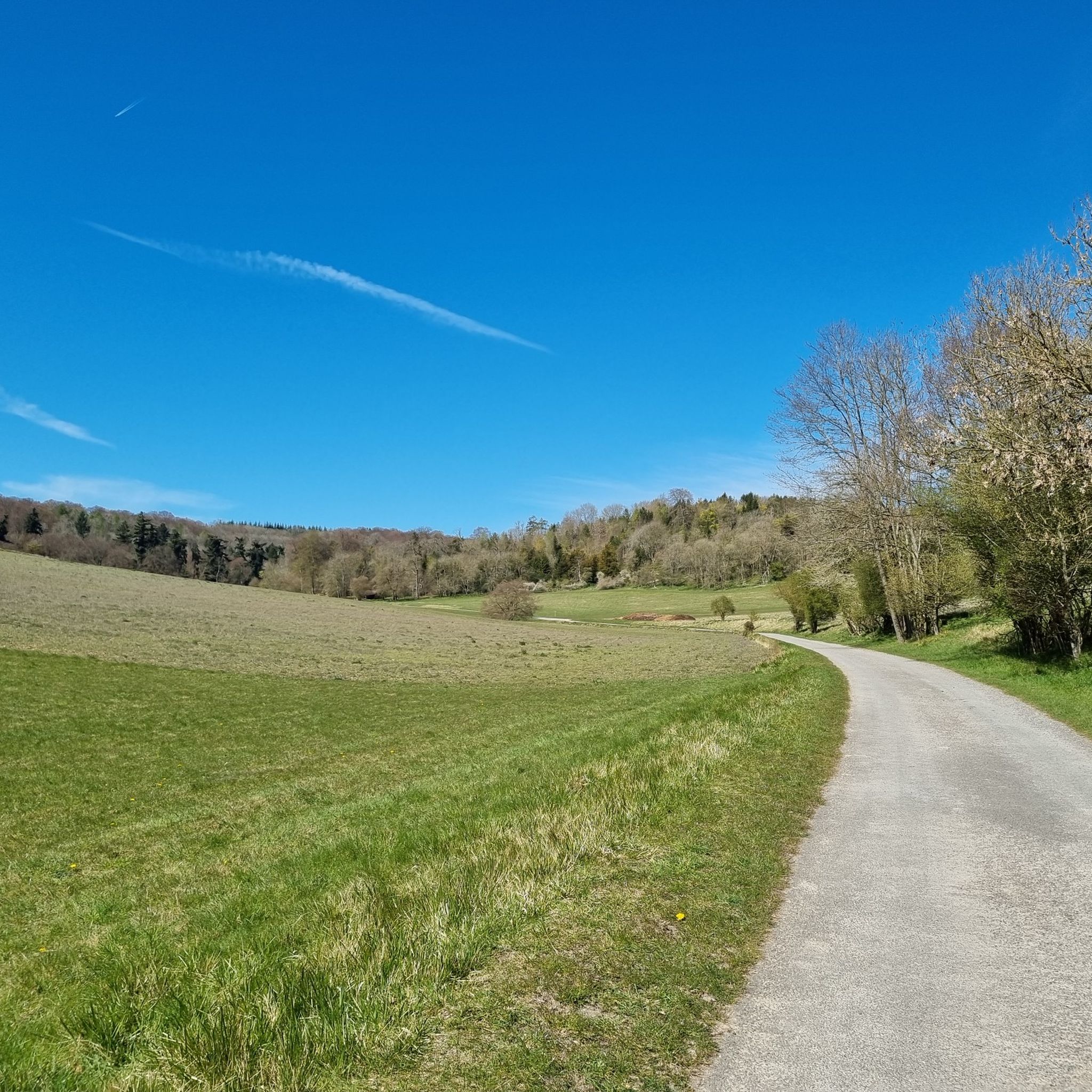
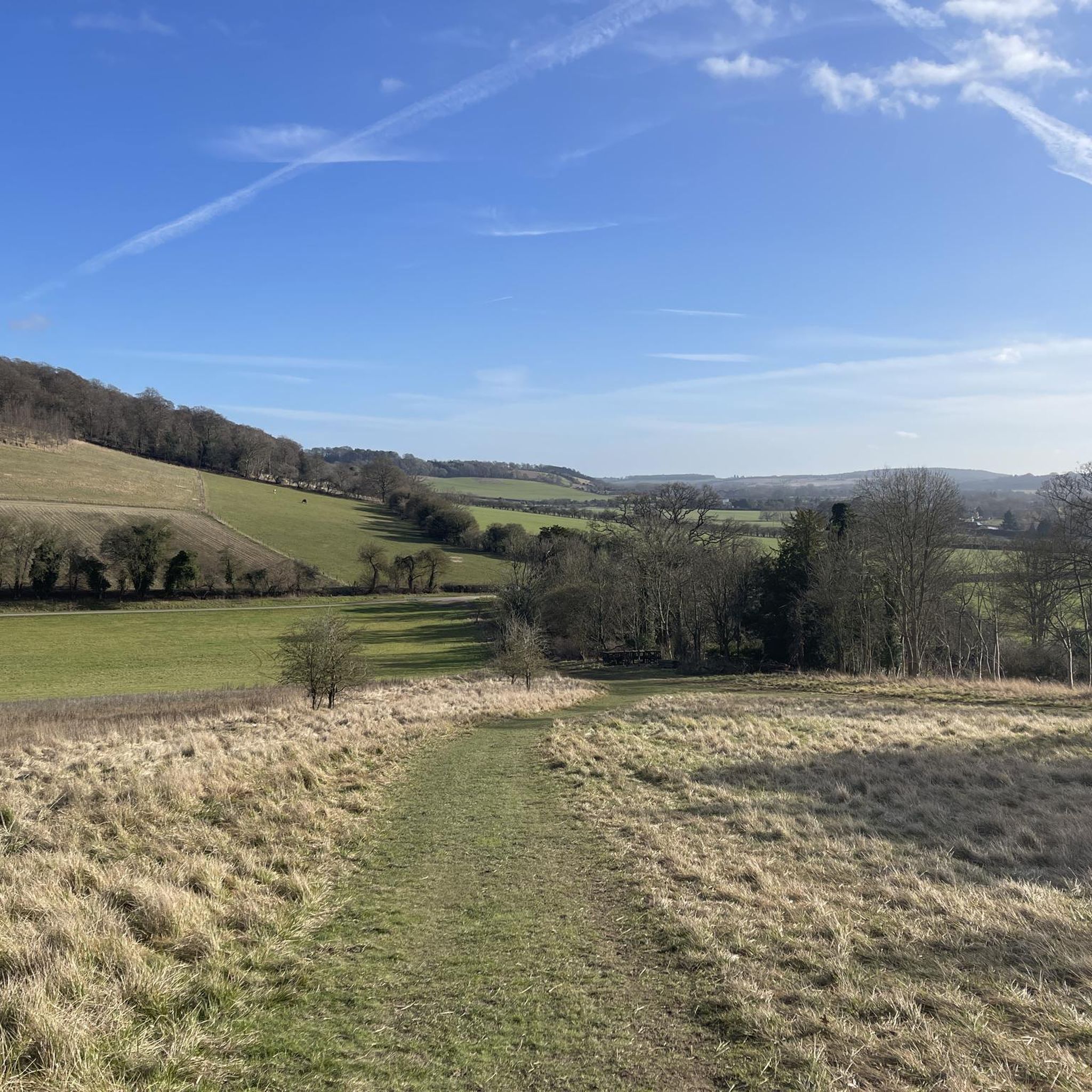
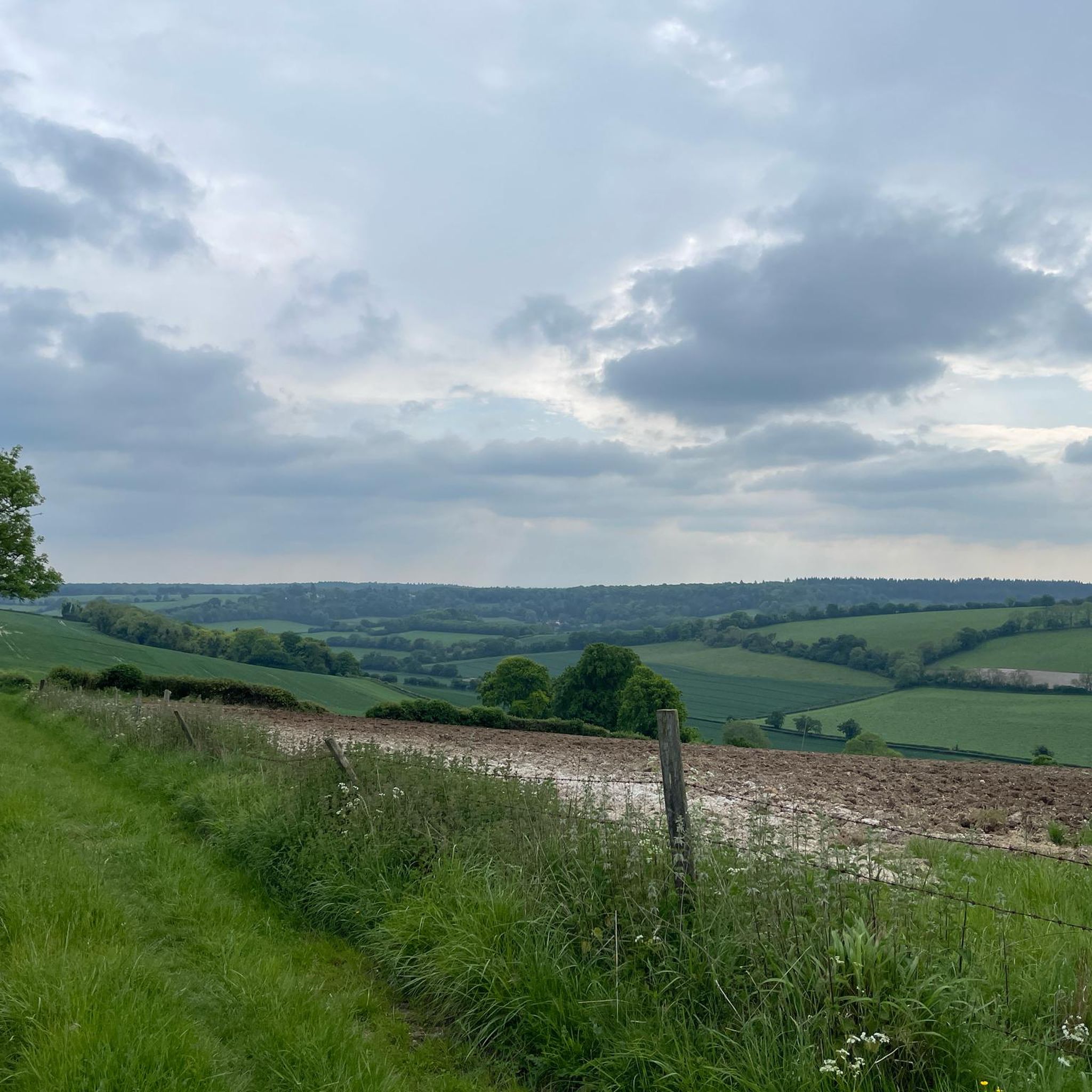
With stunning expansive views over Oxfordshire, sweeping hills and ancient woodland, Watlington Hill is a beautiful corner of the UK. Here, you will find a triangular white mark dug into chalk in the hill in 1764. Look our for rabbits, butterflies and red kites during your visit. You can find more information, here: https://www.nationaltrust.org.uk/chilterns-countryside/features/watlington-hill
0
0

Robin Hood's Arbour There are no known connections linking the legend of the outlaw, Robin Hood with Robin Hood’s Arbour. Indeed Robin Hood’s Arbour dates from much earlier times. The feature is an Iron Age rectilinear enclosure which is thought to have been a farmstead. An archaeological excavation in 1890 revealed ‘samian ware’, a type of Roman pottery produced mainly in Gaul. Further excavations in 1960 recovered some Iron Age pottery and some wattle marked daub. Other finds comprised flint implements including a Palaeolithic hand axe. These finds can be seen in the Reading Museum.
2
0
Frequently Asked Questions
What kind of natural monuments can I explore around Fawley?
Around Fawley, you can explore a mix of natural and historical sites. These include significant chalk grasslands and ancient woodlands, such as Watlington Hill, which is known for its diverse wildflowers, butterflies, and birds. You'll also find unique historical features like the Watlington White Mark, a large hill figure cut into the chalk escarpment.
Are there opportunities for wildlife spotting at these natural monuments?
Yes, several natural monuments offer excellent wildlife spotting opportunities. Watlington Hill is a nationally important wildlife site, home to a large assemblage of wild flowers, butterflies, birds, mosses, lichens, and fungi. You might spot red kites, rabbits, and various invertebrates. The coastal saltmarshes and mudflats near Fawley, though not listed as specific highlights in this guide, are crucial feeding grounds for wintering waders like redshanks and curlews, and you might even see otters in areas like Lepe Reed Beds.
Which natural monuments around Fawley are suitable for families?
Many of the natural monuments are family-friendly. Watlington Hill and Cowleaze Wood Bluebells are great for walks and nature observation. The Brick and Tile Works site, now owned by the National Trust, features lowland ponds with diverse aquatic life, which can be fascinating for children.
What historical sites are considered natural monuments in the Fawley area?
The area blends natural beauty with historical significance. The Watlington White Mark is a prominent historical landmark, a 270-foot steeple-shaped mark cut into the chalk escarpment in 1764. Another significant site is Robin Hood's Arbour, an Iron Age rectilinear enclosure thought to have been a farmstead, where archaeological finds including Roman pottery have been discovered. Additionally, The Brick and Tile Works, though industrial in origin, is now a natural monument due to its ecological value and historical context.
Are there easy walking trails among the natural monuments near Fawley?
Yes, there are several easy walking trails. Watlington Hill offers gorgeous walks, though some parts may require decent footwear. Holbury Manor, while not a specific highlight in this guide, provides pathways for easy access through ancient woodland and open grasslands. For more structured easy hikes, you can explore routes like the 'Henley Park and Lambridge Wood loop' or the 'Henley Bridge – View of Temple Island loop' which are part of the easy hikes around Fawley guide.
What is the best time of year to visit the natural monuments around Fawley?
The best time to visit depends on what you want to see. For vibrant wildflowers and butterflies, late spring and summer are ideal, especially at Watlington Hill. If you want to see the bluebells in full bloom, late April and May are perfect for visiting Cowleaze Wood Bluebells. Winter offers opportunities for birdwatching, particularly for waders, in the coastal areas near Fawley.
Where can I find unique natural features or 'hidden gems' in the Fawley area?
While the guide highlights popular spots, the Fawley Power Station Local Wildlife Sites offer a unique blend of industrial history and ecological significance, with extensive coastal saltmarshes and mudflats. Holbury Manor, with its ancient fishing lakes and moated area, also provides a tranquil setting for leisurely walks and discovering local flora and fauna. These areas offer a different perspective on the region's natural heritage beyond the more well-known chalk escarpment sites.
What outdoor activities, like cycling or hiking, can I do near these natural monuments?
The area around Fawley offers diverse outdoor activities. For cycling, you can find routes like the 'Marlow Suspension Bridge – Hambleden Village loop' in the cycling around Fawley guide. If you prefer mountain biking, the MTB Trails around Fawley guide features routes such as the 'Henley-on-Thames to Icknield Way loop'. Hiking is also very popular, with many options available in the easy hikes around Fawley guide.
Are there any natural monuments around Fawley that offer panoramic views?
Yes, both Watlington Hill and the Watlington White Mark are known for their stunning expansive views over Oxfordshire and the surrounding sweeping hills. These viewpoints provide excellent opportunities for photography and enjoying the landscape.
What do visitors particularly enjoy about the natural monuments around Fawley?
Visitors frequently praise the stunning expansive views, especially from Watlington Hill and the Watlington White Mark. The rich biodiversity, including wildflowers, butterflies, and birds, is also a major draw. The tranquility of ancient woodlands like Cowleaze Wood Bluebells and the historical intrigue of sites like Robin Hood's Arbour are also highly appreciated.
How long should I plan for a visit to these natural monuments?
The time needed varies by site. For individual highlights like Watlington Hill or Cowleaze Wood Bluebells, a couple of hours might suffice for a leisurely walk and exploration. If you plan to visit multiple sites or combine them with a longer hike or cycle, you could easily spend a full day exploring the natural monuments and surrounding areas.
Are there specific natural monuments known for unique flora, like wildflowers or ancient trees?
Absolutely. Watlington Hill is renowned for its nationally important wildlife, featuring a large assemblage of wild flowers, mosses, lichens, and fungi, many of which are rare. The short chalk grassland turf supports a delicate habitat vital for these species. Cowleaze Wood Bluebells is specifically famous for its stunning bluebell display in late spring, creating a 'blue carpet' effect.
Most popular attractions around Fawley

Get inspired with the komoot mobile app


Explore more
Extend your search for the best caves by checking out these guides of the top ones around Fawley:
