Top 20 Natural Monuments around Bix And Assendon
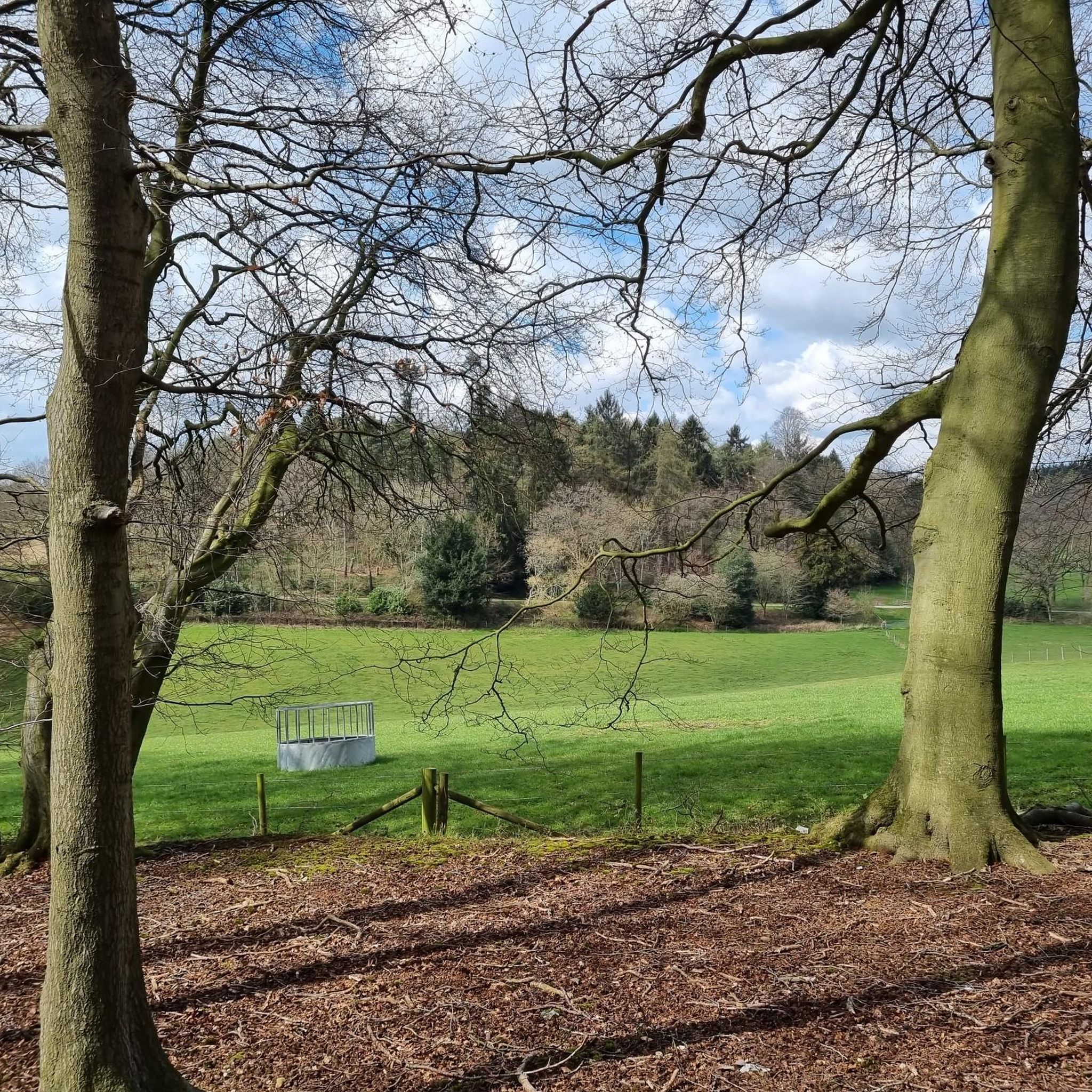
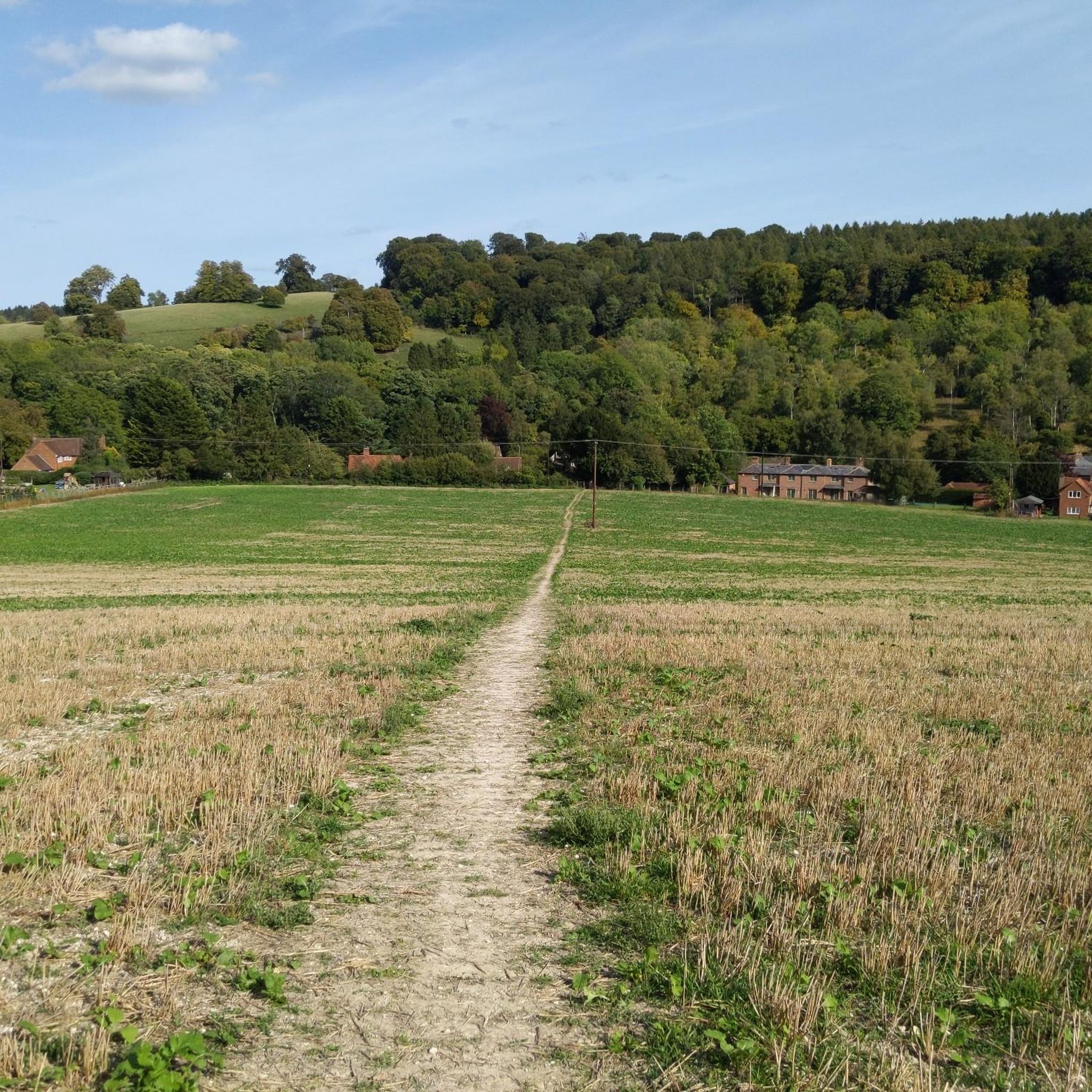
Best natural monuments around Bix And Assendon are situated within the Chilterns Area of Outstanding Natural Beauty. This region features rolling chalk hills, ancient woodlands, and diverse wildlife. The landscape provides opportunities for outdoor recreation and appreciating nature. The area is characterized by well-maintained footpaths and scenic views.
Best natural monuments around Bix And Assendon
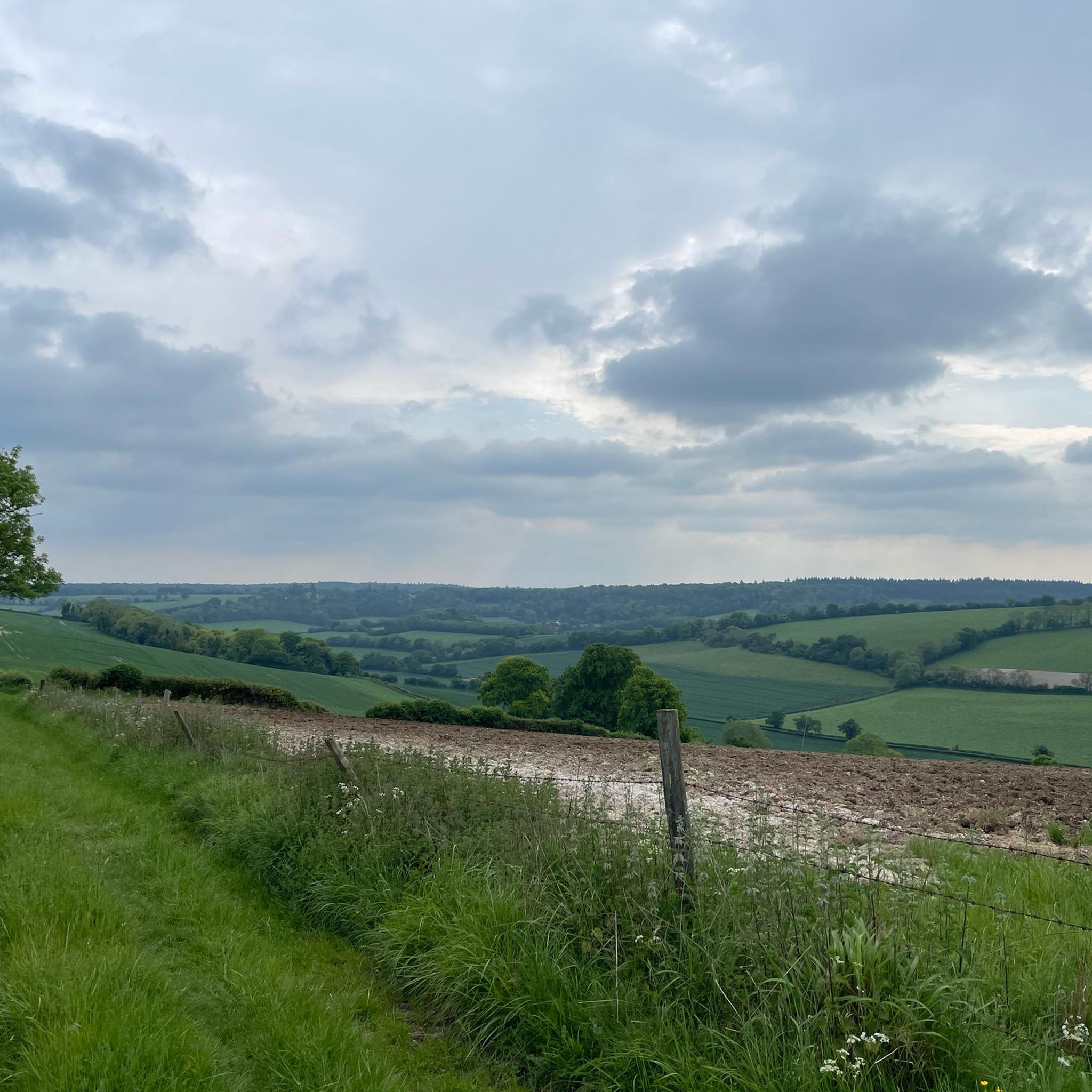
- The most popular natural monuments is Watlington Hill, a forest and natural monument that consists of 45 hectares of land reaching a peak altitude…
Last updated: May 18, 2026
Watlington Hill
Highlight • Forest
Tip by

Watlington White Mark
Highlight • Natural Monument
Tip by
Sign up now to discover places like this
Get recommendations on the best single tracks, peaks, & plenty of other exciting outdoor places.
Sign up for free
Cowleaze Wood Bluebells
Highlight (Segment) • Forest
Tip by
Robin Hood's Arbour
Highlight • Historical Site
There are no known connections linking the legend of the outlaw, Robin Hood with Robin Hood’s Arbour. Indeed Robin Hood’s Arbour dates from much earlier times. The …
Tip by
Watlington Hill Bluebell Woodland
Highlight • Natural Monument
Tip by
Sign up for free to discover even more natural monuments around Bix And Assendon.
Sign up for free
Already have an account?
Start today with a free account
Your next adventure awaits.
Login or Signup
Tips from the Community

Amazing place except too early for the bluebells
1
0


Incredible views from this national trust area....also free parking
1
0

Gorgeous walks, requires decent footwear and walking sticks help over the hills.
1
0

With stunning expansive views over Oxfordshire, sweeping hills and ancient woodland, Watlington Hill is a beautiful corner of the UK. Here, you will find a triangular white mark dug into chalk in the hill in 1764. Look our for rabbits, butterflies and red kites during your visit. You can find more information, here: https://www.nationaltrust.org.uk/chilterns-countryside/features/watlington-hill
0
0

Robin Hood's Arbour There are no known connections linking the legend of the outlaw, Robin Hood with Robin Hood’s Arbour. Indeed Robin Hood’s Arbour dates from much earlier times. The feature is an Iron Age rectilinear enclosure which is thought to have been a farmstead. An archaeological excavation in 1890 revealed ‘samian ware’, a type of Roman pottery produced mainly in Gaul. Further excavations in 1960 recovered some Iron Age pottery and some wattle marked daub. Other finds comprised flint implements including a Palaeolithic hand axe. These finds can be seen in the Reading Museum.
2
0
Frequently Asked Questions
What types of natural features can I expect to see around Bix And Assendon?
The area around Bix And Assendon, situated within the Chilterns Area of Outstanding Natural Beauty, is characterized by rolling chalk hills, ancient woodlands, and diverse wildlife habitats. You'll find extensive forests, chalk grasslands, and viewpoints offering scenic vistas. Notable examples include Watlington Hill with its varied ecosystems, and the geological significance of View of Stokenchurch Gap.
Are there any family-friendly natural monuments or walks in the area?
Yes, several natural monuments and nearby walks are suitable for families. Watlington Hill is listed as family-friendly, offering opportunities to spot wildlife. Additionally, Cowleaze Wood Bluebells is a great spot for families, especially in spring. For walks, the Warburg Nature Reserve offers a circular Wildlife Walk (1 mile) marked with badger waymarkers, perfect for younger explorers. You can find more easy routes in the Easy hikes around Bix And Assendon guide.
When is the best time to visit the natural monuments around Bix And Assendon?
The best time to visit depends on what you wish to see. Spring (late April and May) is particularly beautiful for experiencing the bluebells in Cowleaze Wood Bluebells, which transform the forest floor into a blue carpet. The Chilterns generally offer pleasant walking conditions throughout spring, summer, and autumn, with diverse flora and fauna to observe.
What historical or cultural sites are near the natural monuments?
While primarily focused on natural beauty, the area does have historical points of interest. Watlington White Mark, though man-made, is a historic chalk escarpment figure from 1764. Robin Hood's Arbour is an Iron Age rectilinear enclosure, believed to be an ancient farmstead. Additionally, Bix Old Church, an ancient Norman church, offers a glimpse into the area's long history amidst natural surroundings.
Are there good opportunities for wildlife spotting?
Yes, the region is rich in biodiversity. Watlington Hill is a nationally important wildlife site, home to wild flowers, butterflies, birds, mosses, lichens, and fungi, including red kites. Warburg Nature Reserve is a hidden gem known for its exceptional biodiversity, with over 2,000 recorded species of plants, birds, mammals, and fungi, including rare orchids. It's an ideal spot for nature enthusiasts and birdwatchers.
What kind of hiking trails can I find near these natural monuments?
The area offers a variety of hiking trails, from easy strolls to more challenging routes, generally featuring gentle undulations typical of the Chilterns. You can explore ancient woodlands, open fields, and chalk hills. For example, the Almshill Wood – Park Wood loop provides a moderate hike. You can find detailed routes in the Hiking around Bix And Assendon guide.
Are there any circular walks available?
Yes, there are several circular walks. Warburg Nature Reserve features a dedicated circular Wildlife Walk. The Almshill Wood – Park Wood loop is an 8.9-mile (14.3 km) circular hiking route starting from Bix and Assendon. Many trails in the Chilterns are designed as loops, allowing you to return to your starting point. Check the Hiking around Bix And Assendon guide for more options.
What do visitors enjoy most about the natural monuments in this region?
Visitors frequently appreciate the tranquil escape and exceptional biodiversity, particularly at places like Warburg Nature Reserve. The stunning scenery, expansive views over Oxfordshire from spots like Watlington Hill, and the peaceful walks amidst ancient trees and vibrant flora are highly valued. The well-maintained footpaths and opportunities for wildlife spotting also contribute to a positive experience.
Are there mountain biking trails near the natural monuments?
Yes, the region offers mountain biking opportunities. The Chilterns provide a varied landscape suitable for MTB. You can find several routes, such as the 'Henley-on-Thames to Icknield Way loop' or 'Young Offenders Singletrack – Descent to the Ridgeway Trail loop from Nettlebed'. For more details, refer to the MTB Trails around Bix And Assendon guide.
Is parking available at or near these natural monuments?
Parking is generally available at key access points for many natural areas. For instance, there is free parking near Watlington White Mark, which is part of a National Trust area. It's advisable to check specific locations for parking facilities when planning your visit.
What is the significance of the Stokenchurch Gap?
The View of Stokenchurch Gap is a cutting through the Upper Chalk that holds significant geological importance. It is a Site of Special Scientific Interest, providing the best Coniacian section in central England. This geological feature offers insights into the region's ancient past and the formation of the Chiltern Hills.
Can I find cafes or pubs near the natural monuments for refreshments?
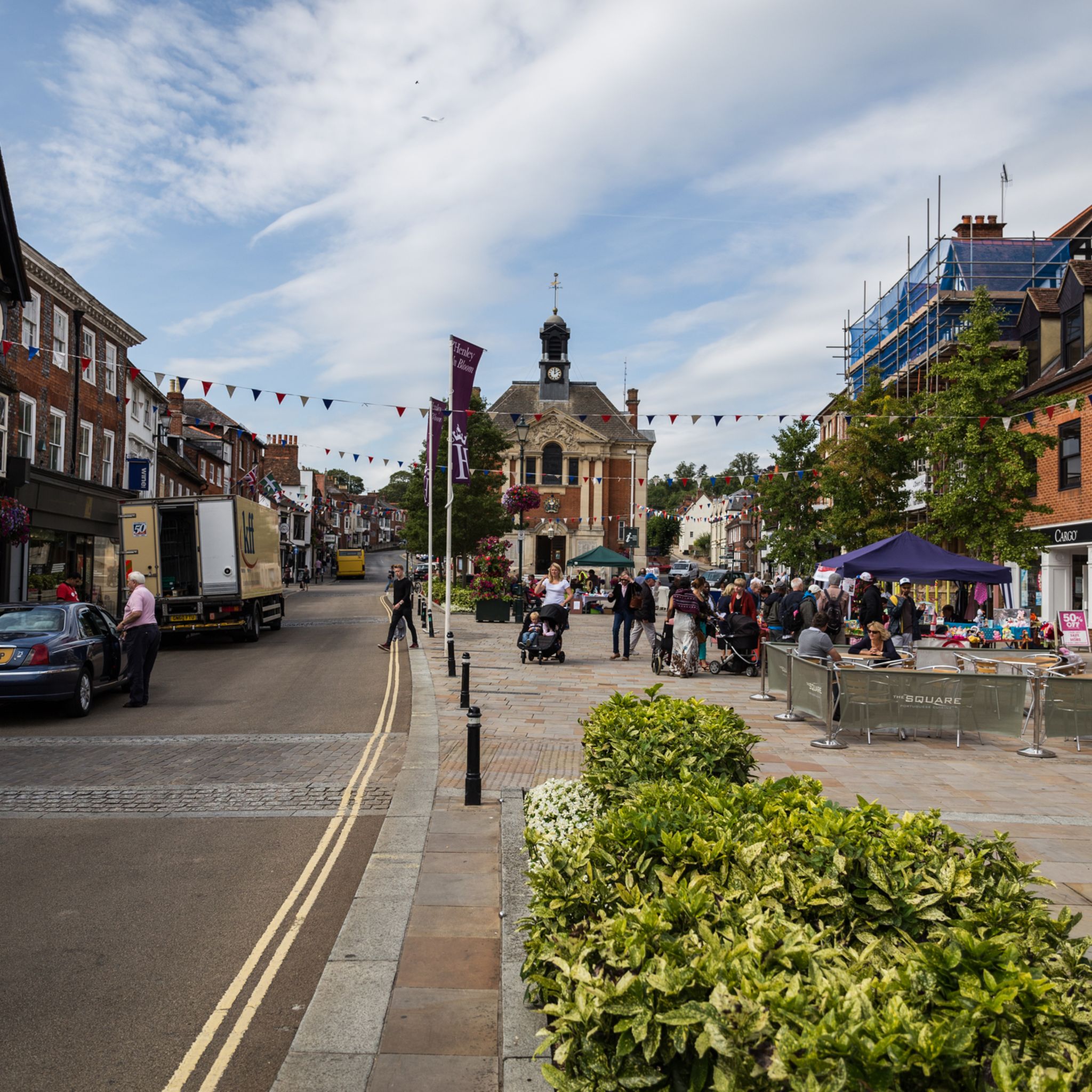
While the natural monuments themselves are often in secluded areas, the villages and towns surrounding Bix And Assendon, such as Henley-on-Thames, Nettlebed, and Watlington, offer various cafes and pubs where you can find refreshments and meals after your outdoor activities.
Most popular routes around Bix And Assendon
Most popular attractions around Bix And Assendon

Get inspired with the komoot mobile app


Explore more
Extend your search for the best caves by checking out these guides of the top ones around Bix And Assendon:
