Top 10 Natural Monuments around Hedsor
Best natural monuments around Hedsor include diverse landscapes such as ancient woodlands, wetland meadows, and historical sites integrated with natural features. The area is characterized by its proximity to the River Thames, offering scenic views and opportunities for exploration along its banks. These natural features provide habitats for varied flora and fauna, contributing to the ecological significance of the region. Visitors can find a range of natural settings, from protected woodlands to expansive green spaces.
Best natural monuments around Hedsor
…Last updated: May 18, 2026
Cock Marsh Wetland Walkway
Highlight • Trail
Tip by

The Brick and Tile Works
Highlight • Historical Site
Tip by

Sign up now to discover places like this
Get recommendations on the best single tracks, peaks, & plenty of other exciting outdoor places.
Sign up for free
Burnham Beeches
Highlight • Historical Site
Tip by

Robin Hood's Arbour
Highlight • Historical Site
There are no known connections linking the legend of the outlaw, Robin Hood with Robin Hood’s Arbour. Indeed Robin Hood’s Arbour dates from much earlier times. The …
Tip by
Wildflower Meadows of Pinkneys Green
Highlight • Natural
Tip by
Sign up for free to discover even more natural monuments around Hedsor.
Sign up for free
Already have an account?
Start today with a free account
Your next adventure awaits.
Login or Signup
Tips from the Community

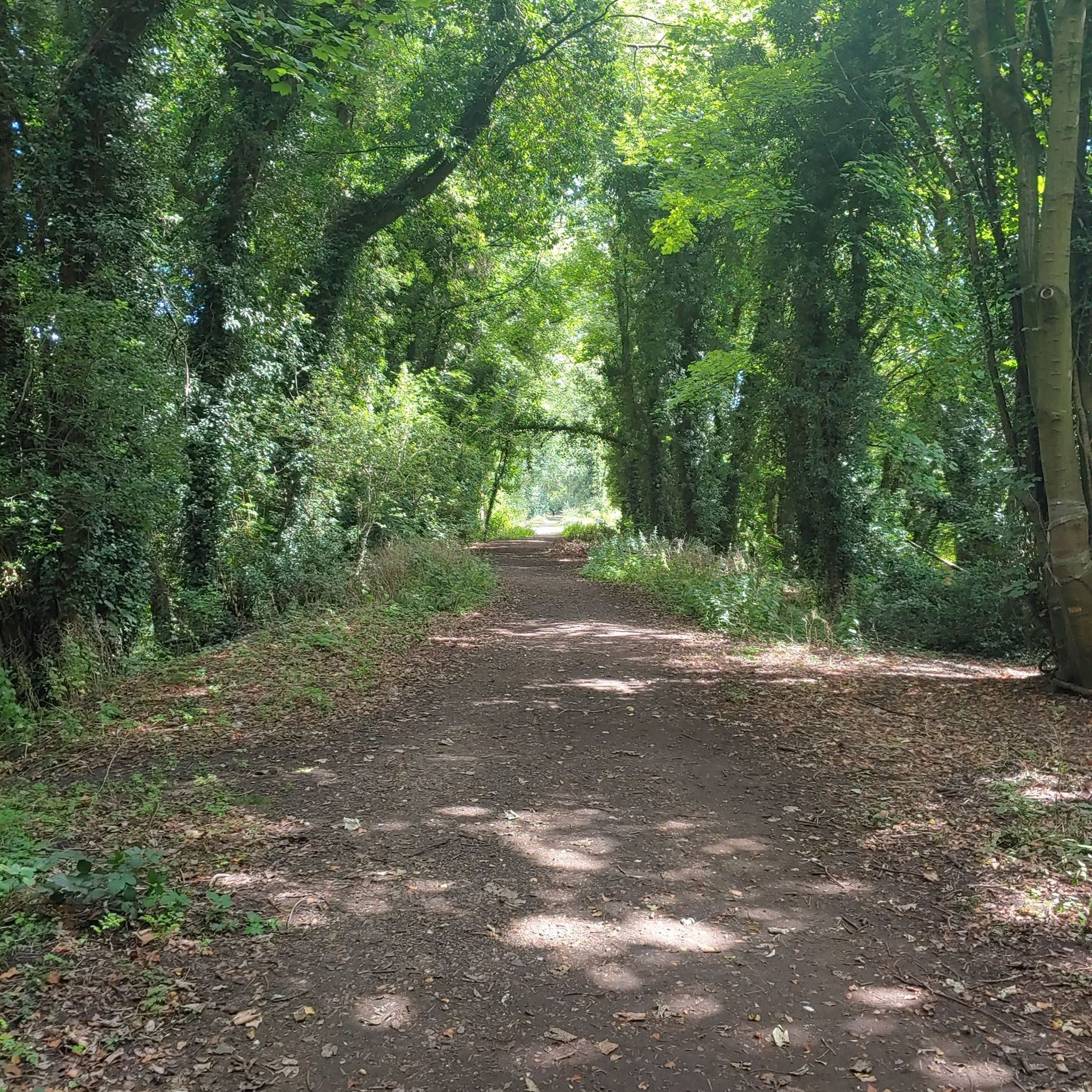
The Brick and Tile Works, established by Charles Cooper in the early 1800s, employed about 150 people and produced bricks, tiles, gargoyles, and pinnacles. The site, which closed in 1967, is now owned by the National Trust and features lowland ponds with diverse aquatic life and a variety of woodland birds and plants.
1
0
Pinkneys Green, originally part of the Royal Manor of Cookham, was sold off in 1818. In the 1920s, the Maidenhead and Cookham Commons Conservation Committee protected the land, which was later donated to the National Trust. Today, Pinkneys Green is mostly grassland managed by local farmers with areas of trees and thicket for wildlife, and its open meadows are filled with wildflowers during the summer.
1
0

Burnham Beeches is a Site of Special Scientific Interest, National Nature Reserve, and Special Area of Conservation thanks to its ancient beech woodland and rich wildlife. More than sixty species of plants and animals that call the 927-acre (375 ha) site home are rare or under threat. The historic woodland is also home to relics of times gone by. Located in the southwest of the woodland, you can visit Seven Ways Plain hill fort which dates to the Late Bronze Age and Early Iron Age. Neighbouring film studios have used the Beeches as a shooting location in various productions such as Doctor Who, Harry Potter, Goldfinger, and Robin Hood Prince of Thieves.
0
0

Robin Hood's Arbour There are no known connections linking the legend of the outlaw, Robin Hood with Robin Hood’s Arbour. Indeed Robin Hood’s Arbour dates from much earlier times. The feature is an Iron Age rectilinear enclosure which is thought to have been a farmstead. An archaeological excavation in 1890 revealed ‘samian ware’, a type of Roman pottery produced mainly in Gaul. Further excavations in 1960 recovered some Iron Age pottery and some wattle marked daub. Other finds comprised flint implements including a Palaeolithic hand axe. These finds can be seen in the Reading Museum.
2
0
The Brick & Tile Works The Brick and Tile Works was established by Charles Cooper in the early 1800s, exploiting a local deposit of Reading Clay. At its peak, the Works employed about 150 people, and cottages were built in Golden Ball Lane for the skilled craftsmen. In 1950, the Cooper family sold the Works to the Maidenhead Brick and Tile Company, and the site eventually closed in 1967. In addition to bricks and tiles, the works produced gargoyles and pinnacles, many of which can be seen in the locality today. The National Trust acquired the site in 1989. The industrial activity left a legacy of lowland ponds, inhabited by an impressive range of aquatic invertebrate fauna, including several species of dragonfly. There are also three species of newt and a wide range of woodland birds and other aquatic or semi-aquatic plants and animals.
1
0
Pinkneys Green derives its name from the Norman Knight, Ghilo de Pinkney, who was granted lands in the Maidenhead area as a reward for supporting William the Conqueror. Along with other areas of common land in the Cookham and Maidenhead area, Pinkneys Green was originally part of the Royal Manor of Cookham, but they were sold off by the Crown in 1818 and passed into private ownership. In the 1920s, for fear that the common land would be enclosed or developed, the Maidenhead and Cookham Commons Conservation Committee was established, which raised £2800 to buy the land, which was donated to the National Trust in 1934. Today, Pinkneys Green consists largely of grassland, which is managed by local ‘commoner’ farmers as a hay crop for livestock; although some mature trees and areas of thicket provide valuable refuges for wildlife. The grasses in these open, unfenced meadows are left to grow tall all summer long so you’ll find a wealth of wildflowers
1
1
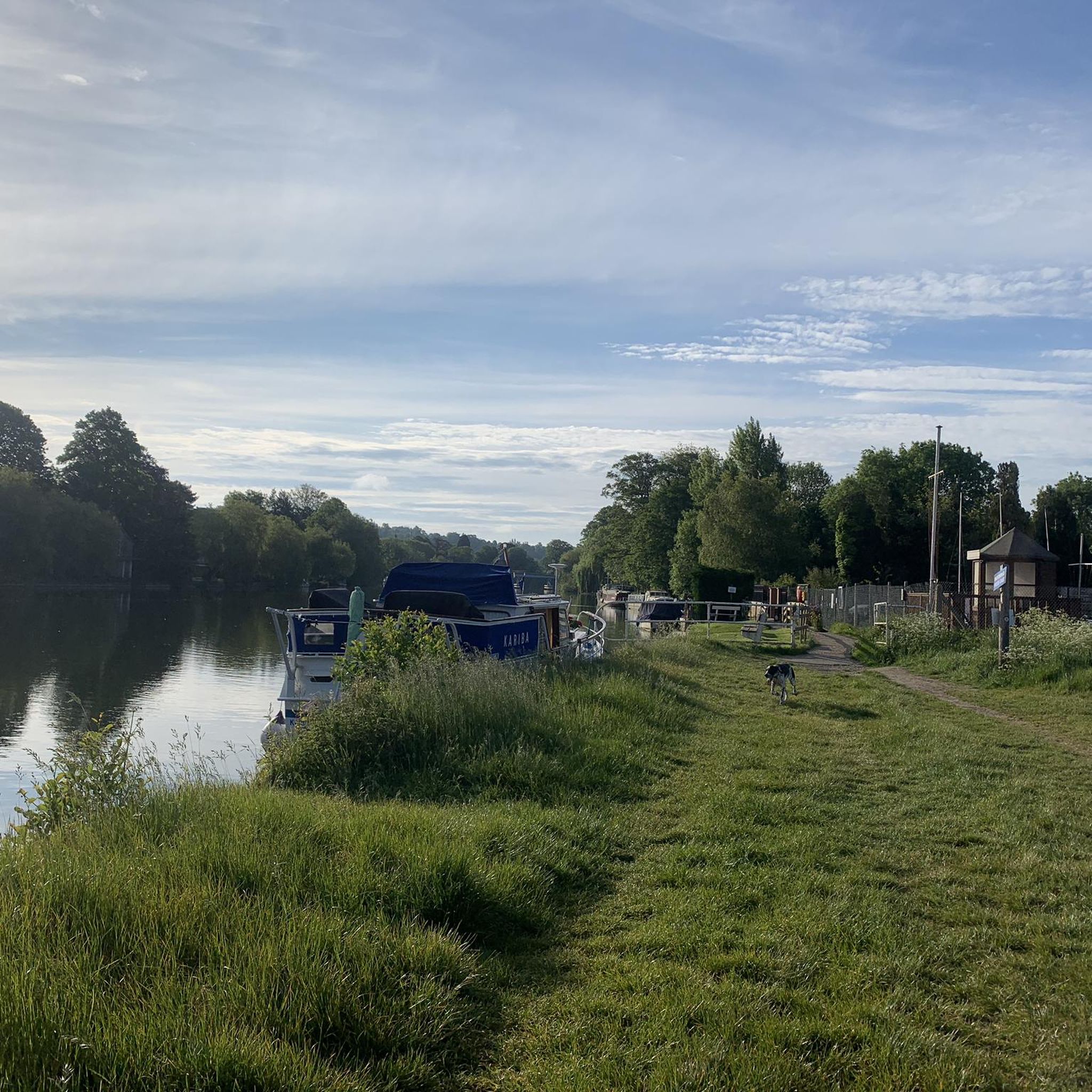
The wetland meadows of Cock Marsh are very important for rare plant species, breeding waders and overwintering birds. Part of the site is designated as a Site of Special Scientific Interest (SSSI). The steep chalk grassland swiftly changing into marshy, acid meadows has created an ecosystem of rare and interesting species. As part of the historic channel of the Thames, the ponds here support specialist plants like water violet, marsh arrowgrass, marsh stitchwort, marsh pennywort and water hemlock. The rare sedge Cyperus fuscus (brown galingale) is found here and in only a handful of other sites in Great Britain. It relies on cattle to tread or poach the ground on the pond edges to create the perfect habitat to grow. The cattle here work hard to help to maintain a rich botanical diversity of grassland habitat. https://www.nationaltrust.org.uk/maidenhead-and-cookham-commons/trails/cookham-and-cock-marsh-walk
1
0
Frequently Asked Questions
What types of natural monuments can I explore around Hedsor?
Around Hedsor, you can explore a diverse range of natural monuments, including ancient woodlands like Burnham Beeches, wetland meadows such as the Cock Marsh Wetland Walkway, and historical sites integrated with natural features like Robin Hood's Arbour. The area is also characterized by its proximity to the River Thames, offering scenic views and opportunities for riverside walks.
Are there any family-friendly natural monuments in the Hedsor area?
Yes, several natural monuments around Hedsor are suitable for families. Burnham Beeches is a great option with its ancient woodlands and extensive paths. The Wildflower Meadows of Pinkneys Green also offer open spaces for families to enjoy, especially during summer when wildflowers are in bloom. Additionally, The Brick and Tile Works features lowland ponds with diverse aquatic life, which can be interesting for children.
What historical insights can I gain from visiting these natural monuments?
Many natural monuments around Hedsor have significant historical connections. Burnham Beeches, for instance, contains the Seven Ways Plain hill fort dating back to the Late Bronze Age and Early Iron Age. Robin Hood's Arbour is an Iron Age rectilinear enclosure, believed to have been a farmstead, where archaeological finds like Roman pottery and Palaeolithic flint implements have been discovered. The Brick and Tile Works, though now a natural site, was a significant industrial hub in the 1800s, leaving behind a legacy of lowland ponds.
Where can I go for wildlife spotting near Hedsor's natural monuments?
For wildlife spotting, the Cock Marsh Wetland Walkway is excellent, known for rare plant species, breeding waders, and overwintering birds. The wetland meadows support specialist plants like water violet and marsh arrowgrass. Burnham Beeches is a National Nature Reserve home to over 60 rare or threatened species of plants and animals. The Brick and Tile Works also features lowland ponds rich in aquatic invertebrate fauna, including several dragonfly species, three types of newt, and various woodland birds.
What are the best natural features to see along the River Thames near Hedsor?
The River Thames itself is a dominant natural feature. You can enjoy scenic views and follow routes like the Cookham to Marlow loop. Nearby, Cock Marsh Wetland Walkway is situated alongside the Thames, offering expansive green spaces and riverside scenery. Cliveden Estate Woodlands also frame views down to the River Thames, providing serene walking paths with scenic vistas.
Are there walking trails suitable for different difficulty levels near these natural monuments?
Yes, the area offers a range of walking trails. For leisurely strolls, Winter Hill provides well-maintained paths through woodlands with picturesque views over the Thames Valley. The Cookham and Cock Marsh Walk, which includes the Cock Marsh Wetland Walkway, is an easy 3.8-mile route. For more moderate options, the Cliveden Reach on the River Thames offers a 5.7-mile trail. Many of the natural monuments themselves, like Robin Hood's Arbour, are accessible via intermediate trails within forests.
What outdoor activities can I do near Hedsor's natural monuments besides walking?
Beyond walking, the Hedsor area offers various cycling opportunities. You can explore MTB Trails around Hedsor, including routes like the 'Chinese Bridge – Jubilee River Weir loop'. There are also options for Gravel biking around Hedsor, with routes such as the 'Knowl Hill Bridleway Circuit'. For road cyclists, Road Cycling Routes around Hedsor include scenic loops like 'Marlow Town Centre – Marlow Suspension Bridge'.
When is the best time of year to visit the natural monuments around Hedsor?
The natural monuments around Hedsor can be enjoyed year-round, but each season offers unique experiences. Spring and summer are ideal for seeing wildflowers in places like the Wildflower Meadows of Pinkneys Green and for birdwatching at the Cock Marsh Wetland Walkway. Autumn brings vibrant foliage to ancient woodlands like Burnham Beeches. Winter offers tranquil, crisp walks, especially along the Thames or through the woodlands.
Are there any hidden natural gems or less-known spots worth visiting?
While not always officially designated 'natural monuments,' areas like Winter Hill offer extensive walking trails through diverse flora and tranquil environments, providing picturesque views over the Thames Valley. The woodlands within the Cliveden Estate, beyond the formal gardens, also provide a glimpse into historical landscape design and serene walking paths that are less frequented than the main attractions.
What makes Burnham Beeches a significant natural monument?
Burnham Beeches is highly significant due to its designation as a Site of Special Scientific Interest, National Nature Reserve, and Special Area of Conservation. It is renowned for its ancient beech woodland and rich biodiversity, hosting more than sixty rare or threatened species of plants and animals. The site also holds historical importance, featuring relics like the Seven Ways Plain hill fort.
Can I bring my dog to the natural monuments in the Hedsor area?
Many natural areas around Hedsor are dog-friendly, especially those with public footpaths and open spaces. For example, Winter Hill and Cock Marsh Nature Reserve are popular for walks with dogs. However, it's always recommended to keep dogs on a lead, especially in areas with livestock or sensitive wildlife habitats like the Cock Marsh Wetland Walkway, to protect both your pet and the local ecosystem.
Most popular attractions around Hedsor

Get inspired with the komoot mobile app


Explore more
Extend your search for the best caves by checking out these guides of the top ones around Hedsor:
